


642 Results for "

Inflammatory response

" in MedChemExpress (MCE) Product Catalog:
Products (642)

642 Results for "Inflammatory response" in MCE Product Catalog:

86
86 Publications Verification
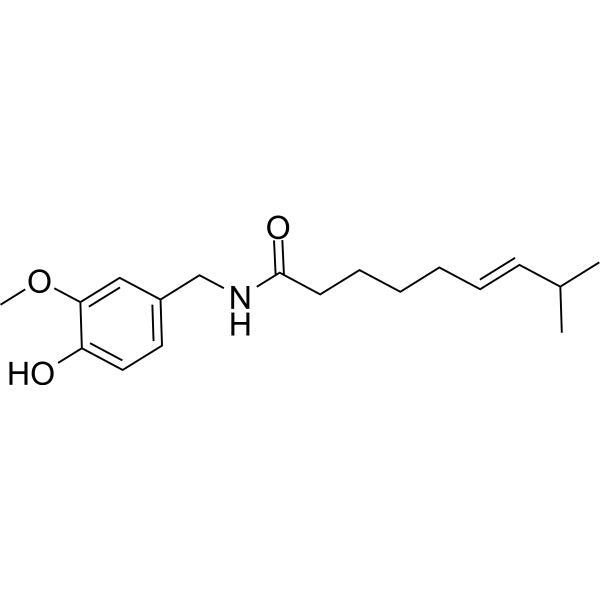
Cat. No.: HY-10448
CAS No.: 404-86-4
Purity:  99.79%
Synonyms: (E)-Capsaicin
Capsaicin ((E)-Capsaicin), an active component of chili peppers, is a TRPV1 agonist. Capsaicin induces a nociceptive response by binding to its receptors. Capsaicin has analgesic effects on neurological disorders. Capsaicin has antioxidant, anti-inflammatory, anti-cancer effects .
loading...
    loading...
42
42 Cited Publications
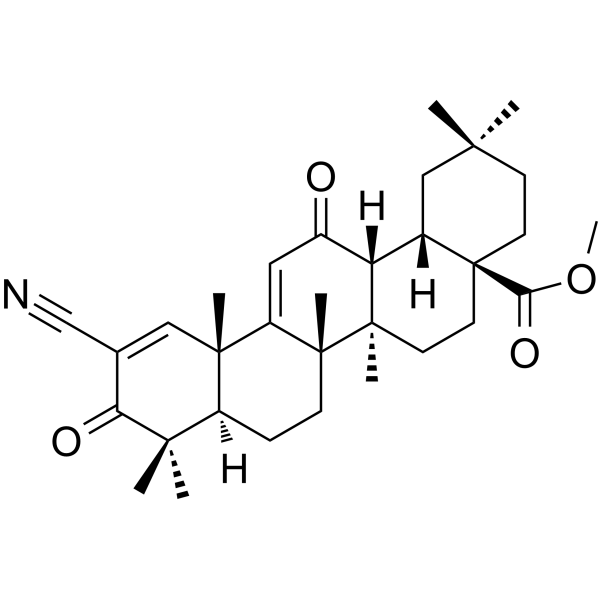
Cat. No.: HY-13324
CAS No.: 218600-53-4
Purity:  98.92%
Synonyms: RTA 402; NSC 713200; CDDO Methyl ester
Bardoxolone methyl (RTA 402) is an orally active and blood-brain-barrier-penetrant activator of Nrf2 and an inhibitor of SARS-CoV-2 3CL protease. Bardoxolone methyl inhibits SARS-CoV-2 replication in Vero cells with an EC50 value of 0.29 μM. Bardoxolone methyl increases levels of pNrf2 and HO-1, inhibits inflammatory mediators like pNFκB and MCP-1. Bardoxolone methyl activates the Nrf2 pathway to enhance antioxidant and anti-inflammatory responses, inhibits viral replication, and improves mitochondrial function. Bardoxolone methyl can be used in research on chemotherapy-induced neuropathic pain (CINP), COVID-19, and chronic kidney disease (CKD) .
loading...
    loading...
40
40 Cited Publications
Cat. No.: HY-108882
CAS No.: 9003-98-9
Synonyms: DNase
Target:  

Others

Research Areas:  

Inflammation/Immunology Cancer

DNase I (EC 3.1.21.1) is an enzyme that degrade DNA, it plays a key role in the cleavage of extracellular DNA is crucial for limiting the inflammatory response and maintaining homeostasis. Exogenous deoxyribonuclease shows beneficial effects in inflammatory diseases and cancer .
loading...
    loading...
40
40 Cited Publications
Cat. No.: HY-108882A
CAS No.: 9003-98-9
Target:  

Endonuclease

Research Areas:  

Others

Recombinant DNase I (RNase-free) is a recombinant deoxyribonuclease that degrades DNA. Recombinant DNase I is essential for limiting inflammatory responses and maintaining homeostasis .
loading...
    loading...
40
40 Cited Publications
Cat. No.: HY-108882B
CAS No.: 9003-98-9
Target:  

DNA/RNA Synthesis

Research Areas:  

Inflammation/Immunology

DNase I is an enzyme that degrades DNA. DNase I is mainly produced by digestive system organs, such as the pancreas and parotid gland. Three types of DNase I are known in mammals: pancreatic type, parotid type, and pancreatico-parotid type. DNase I plays a key role in the cleavage of extracellular DNA, and is critical for limiting inflammatory responses and maintaining homeostasis. DNase I is responsible for digesting extracellular nucleoproteins, which may be essential for preventing autoimmune responses. Decreased DNase I activity may be associated with the onset and progression of systemic lupus erythematosus (SLE). DNase I (RNase & Protease free) is a molecular biology-grade DNase I purified by chromatography to remove RNase and protease .
loading...
    loading...
31
31 Cited Publications
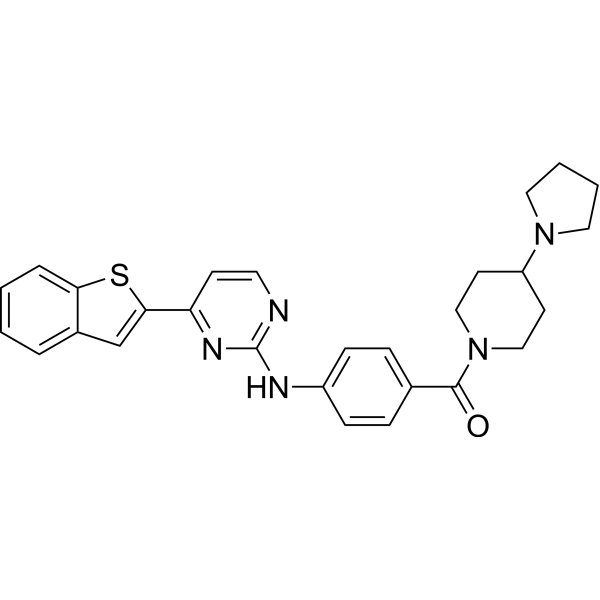
Cat. No.: HY-13687
CAS No.: 873225-46-8
Purity:  99.88%
IKK 16 is an orally active IKK inhibitor. IKK 16 shows IC50s of 40 nM, 70 nM, 200 nM, and 50 nM for IKK2, IKK complex, IKK1, and LRRK 2, respectively. IKK 16 is also a pan-PKD inhibitor, inhibiting PKD1, PKD2, and PKD3 with IC50s of 153.9, 115, and 99.7 nM, respectively. IKK 16 is also an ABCB1 inhibitor, interfering with the binding of ABCB1 to its substrates. IKK 16 protects against LPS (HY-D1056)-induced multiple organ dysfunction by reducing the acute inflammatory response induced by endotoxin exposure. IKK 16 can restore renal function and alleviate fibrosis in acute kidney injury. IKK 16 attenuates cardiac dysfunction associated with polymicrobial sepsis in mice with type 2 diabetes mellitus (T2DM) by inhibiting the NF-κB pathway .
loading...
    loading...
31
31 Cited Publications
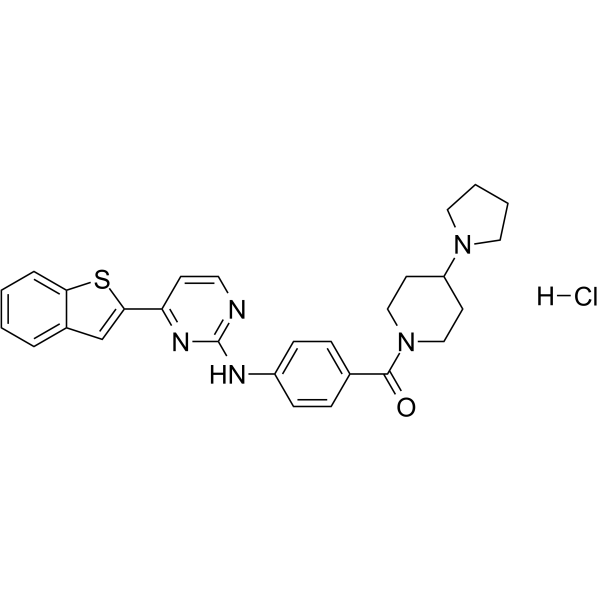
Cat. No.: HY-13687A
CAS No.: 1186195-62-9
Purity:  99.95%
IKK 16 hydrochloride is an orally active IKK inhibitor. IKK 16 hydrochloride shows IC50s of 40 nM, 70 nM, 200 nM, and 50 nM for IKK2, IKK complex, IKK1, and LRRK 2, respectively. IKK 16 hydrochloride is also a pan-PKD inhibitor, inhibiting PKD1, PKD2, and PKD3 with IC50s of 153.9, 115, and 99.7 nM, respectively. IKK 16 hydrochloride is also an ABCB1 inhibitor, interfering with the binding of ABCB1 to its substrates. IKK 16 hydrochloride protects against LPS (HY-D1056)-induced multiple organ dysfunction by reducing the acute inflammatory response induced by endotoxin exposure. IKK 16 hydrochloride can restore renal function and alleviate fibrosis in acute kidney injury. IKK 16 hydrochloride attenuates cardiac dysfunction associated with polymicrobial sepsis in mice with type 2 diabetes mellitus (T2DM) by inhibiting the NF-κB pathway .
loading...
    loading...
22
22 Cited Publications
Cat. No.: HY-153808
CAS No.: 9007-81-2
Research Areas:  

Inflammation/Immunology

Complete Freund's adjuvant (CFA) is an immunoadjuvant emulsified with antigen by its discoverer Jules T. Freund to enhance an animal's immune response to an antigen. Complete Freund's adjuvant (CFA) is also an inducer of the Th1 immune response and a ligand of TLRs. Complete Freund's adjuvant (CFA) contains heat-killed inactive tuberculosis bacilli and consists of a paraffin oil-in-water emulsion. Complete Freund's adjuvant (CFA) stimulates a strong and durable immune response and can be used to induce persistent inflammatory pain models in mice, experimental autoimmune myocarditis (EAM) models, and more. Incomplete Freund's adjuvant (IFA) (HY-153808A) is another type of Freund's Adjuvant that stimulates a weaker immune response .
loading...
    loading...
21
21 Cited Publications
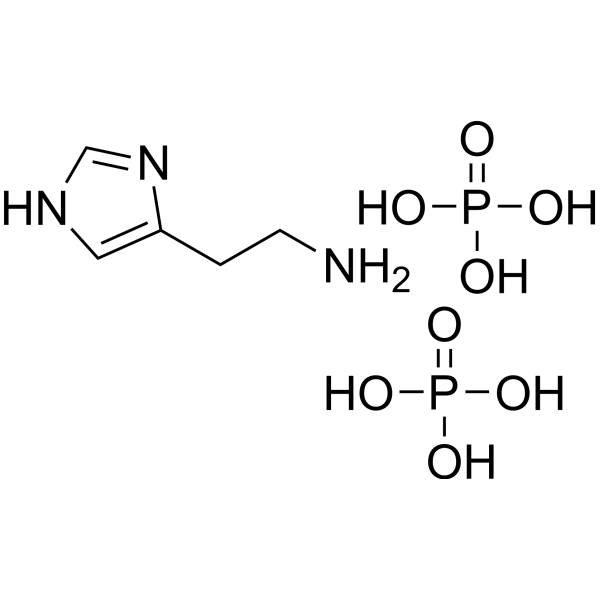
Cat. No.: HY-A0129
CAS No.: 51-74-1
Synonyms: Histamine diphosphate
Histamine phosphate is the agonist for histamine receptor and a vasodilator. Histamine phosphate is an organic nitrogen compound that participates in local immune responses, regulates intestinal physiological functions, and acts as a neurotransmitter. Histamine phosphate affects p38 MAPK/Akt signaling pathway, exhibits antitumor, antioxidant and anti-inflammatory activities. Histamine phosphate can be used in the research of acute myeloid leukemia, malignant melanoma, and renal cell carcinoma .
loading...
    loading...
21
21 Cited Publications
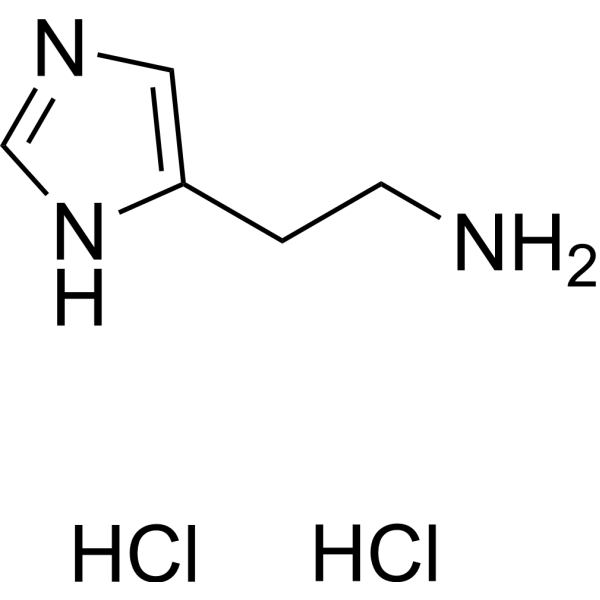
Cat. No.: HY-B0722
CAS No.: 56-92-8
Histamine dihydrochloride is the agonist for histamine receptor and a vasodilator. Histamine dihydrochloride is an organic nitrogen compound that participates in local immune responses, regulates intestinal physiological functions, and acts as a neurotransmitter. Histamine dihydrochloride affects p38 MAPK/Akt signaling pathway, exhibits antitumor, antioxidant and anti-inflammatory activities. Histamine dihydrochloride can be used in the research of acute myeloid leukemia, malignant melanoma, and renal cell carcinoma .
loading...
    loading...
21
21 Cited Publications
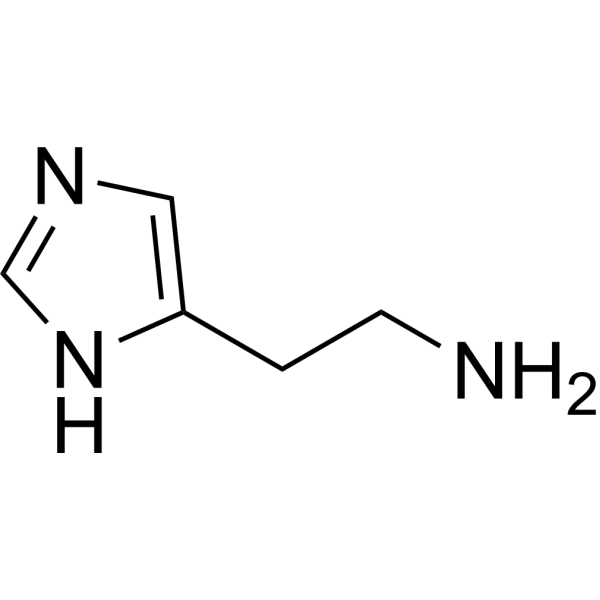
Cat. No.: HY-B1204
CAS No.: 51-45-6
Synonyms: Ergamine
Histamine is the agonist for histamine receptor and a vasodilator. Histamine is an organic nitrogen compound that participates in local immune responses, regulates intestinal physiological functions, and acts as a neurotransmitter. Histamine affects p38 MAPK/Akt signaling pathway, exhibits antitumor, antioxidant and anti-inflammatory activities. Histamine can be used in the research of acute myeloid leukemia, malignant melanoma, and renal cell carcinoma .
loading...
    loading...
16
16 Cited Publications
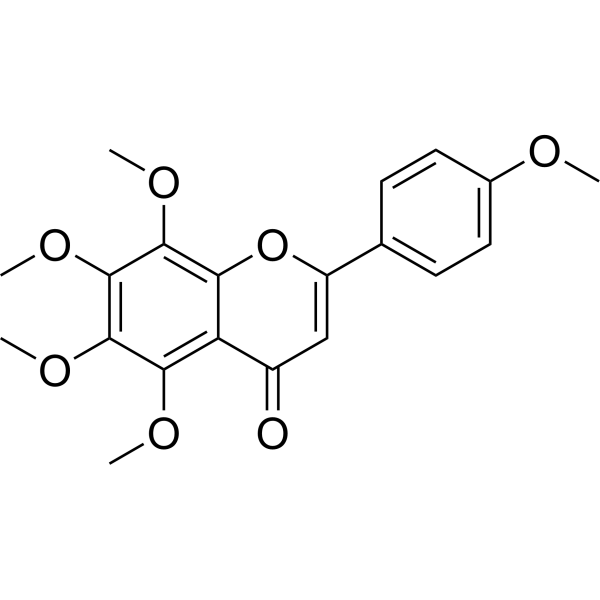
Cat. No.: HY-N0133
CAS No.: 481-53-8
Synonyms: Tangeritin; NSC53909; NSC618905
Tangeretin (Tangeritin), a flavonoid from citrus fruit peels, has been proven to play an important role in anti-inflammatory responses and neuroprotective effects in several disease models, and is a Notch-1 inhibitor.
loading...
    loading...
13
13 Cited Publications
Cat. No.: HY-136979
CAS No.: 2360851-29-0
Purity:  99.80%
Target:  

PARP

Research Areas:  

Inflammation/Immunology Cancer

RBN012759 is a potent, selective and orally active inhibitor of PARP14, with an IC50 of <3 nM. RBN012759 displays 300-fold selectivity over the monoPARPs and 1000-fold selectivity over the polyPARPs. RBN012759 decreases pro-tumor macrophage function and elicits inflammatory responses in tumor explants .
loading...
    loading...
11
11 Cited Publications
Cat. No.: HY-15651
CAS No.: 848141-11-7
Purity:  99.87%
Synonyms: AZD9668
Alvelestat (AZD9668) is an orally active, selective inhibitor of neutrophil elastase. Alvelestat reduces elastase activity, myeloperoxidase release, neutrophil recruitment and activation, and calcium phosphate precipitation; promotes smooth muscle cell colonization and collagen deposition; and inhibits the formation of neutrophil extracellular traps (NETs) as well as NET-derived neutrophil elastase activity. Alvelestat restores endothelial dysfunction, regulates antioxidant factors, improves the expression of endothelial tight junctions, reduces vascular leakage, and accelerates wound healing. Alvelestat prevents pulmonary hemorrhage, matrix protein degradation, airspace enlargement, and small airway wall remodeling; and alleviates cigarette-induced inflammatory responses. Alvelestat inhibits the growth of abdominal aortic aneurysms exacerbated by Porphyromonas gingivalis. Alvelestat can be used in research related to chronic obstructive pulmonary disease, abdominal aortic aneurysm, radiation-induced skin injury, and bronchiectasis .
loading...
    loading...
10
10 Cited Publications
Cat. No.: HY-B1777
CAS No.: 71-44-3
Synonyms: NSC 268508; Neuridine
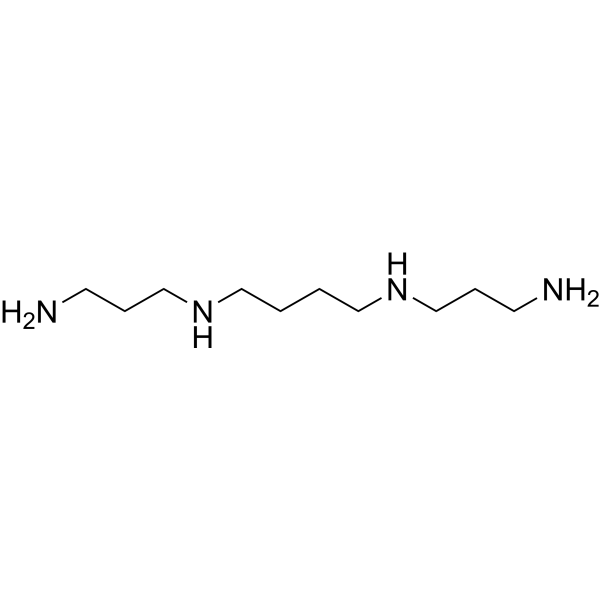
Spermine is a natural antioxidant and anti-inflammatory agent. Spermine is known to inhibit some bacterial cultures, especially strains of Staphylococcus aureus. Spermine can reversibly inhibits DNA synthetic response, mixed lymphocyte response and the induction of cytolytic lymphocyte response in primary cultures of murine spleen cells. Spermine is a polyamine nitric oxide donor that can provide nitric oxide to platelets and inhibit platelet activation to a certain extent concentration-dependently. Spermine occurs in mammalian tissues, plants, bacteria, ribosomes and bacteriophage. Spermine inhibits primary human embryo lung fibroblasts in vitro .
loading...
    loading...
10
10 Cited Publications
Cat. No.: HY-B1777A
CAS No.: 306-67-2
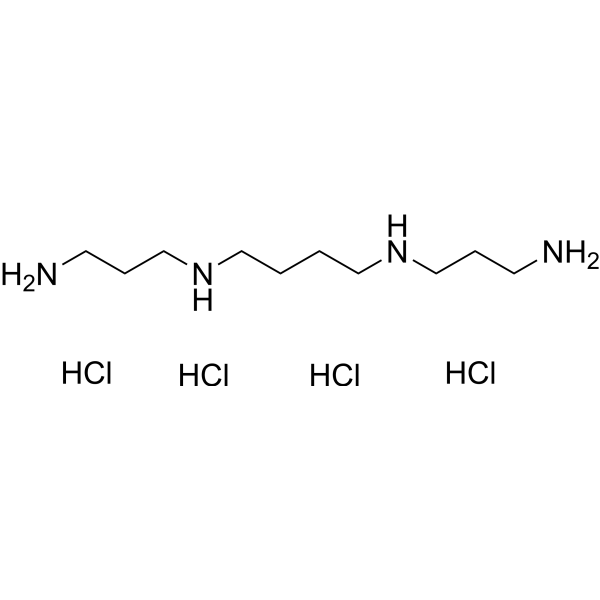
Spermine tetrahydrochloride is a polyamine nitric oxide donor that can provide nitric oxide to platelets and inhibit platelet activation to a certain extent concentration-dependently. Spermine tetrahydrochloride occurs in mammalian tissues, plants, bacteria, ribosomes and bacteriophage. Spermine tetrahydrochloride inhibits primary human embryo lung fibroblasts in vitro. Spermine is a natural antioxidant and anti-inflammatory agent. Spermine is known to inhibit some bacterial cultures, especially strains of Staphylococcus aureus. Spermine induces neurotoxicity in the striarum dose-dependently. Spermine can reversibly inhibits DNA synthetic response, mixed lymphocyte response and the induction of cytolytic lymphocyte response in primary cultures of murine spleen cells .
loading...
    loading...
10
10 Cited Publications
Cat. No.: HY-W008947
CAS No.: 256414-75-2
SEW2871 is an orally active, potent, highly selective S1P1 (sphingosine-1-phosphate type 1 receptor) agonist, with an EC50 of 13.8 nM. SEW2871 activates ERK, Akt, and Rac signaling pathways and induces S1P1 internalization and recycling. SEW2871 reduces lymphocyte numbers in blood. SEW2871 can be used for the research of diabetes, Alzheimer’s disease, liver fibrosis, and inflammatory responses .
loading...
    loading...
10
10 Cited Publications
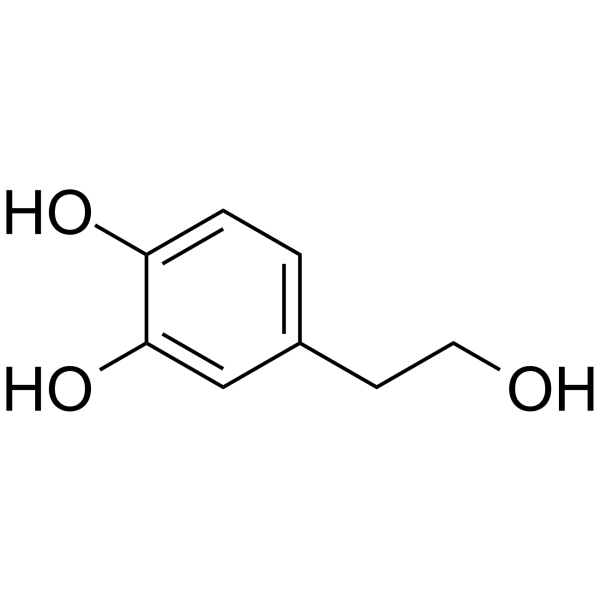
Cat. No.: HY-N0570
CAS No.: 10597-60-1
Synonyms: DOPET; 3,4-Dihydroxyphenethyl alcohol; 3-Hydroxytyrosol
Hydroxytyrosol (DOPET; 3,4-Dihydroxyphenethyl alcohol) is an orally active, blood-brain barrier-permeable multi-active compound with multiple effects including antibacterial, antioxidant, anti-platelet aggregation, and neuroprotective activities. Hydroxytyrosol not only inhibits the growth of Vibrio by increasing bacterial membrane permeability, but also interacts with DNA and mediates supercoiled DNA relaxation. Meanwhile, Hydroxytyrosol effectively reduces thrombosis and inhibits lipid oxidation by inhibiting COX activity and promoting vascular nitric oxide production. In terms of neuroprotection, Hydroxytyrosol significantly alleviates neuronal apoptosis and inflammatory responses by up-regulating the expression level of ERβ, thereby improving cognitive function in Alzheimer's disease models. Hydroxytyrosol has been widely used in scientific research related to Vibrio infection, arterial thrombosis, Alzheimer's disease and other related fields .
loading...
    loading...
9
9 Cited Publications
Cat. No.: HY-101032
CAS No.: 1956370-21-0
Purity:  99.94%
Target:  

RIP kinase

Research Areas:  

Inflammation/Immunology

RIPA-56 is a highly potent, selective, and metabolically stable inhibitor of receptor-interacting protein 1 (RIP1) with an IC50 of 13 nM. RIPA-56 can be used for the treatment of systemic inflammatory response syndrome .
loading...
    loading...
9
9 Cited Publications
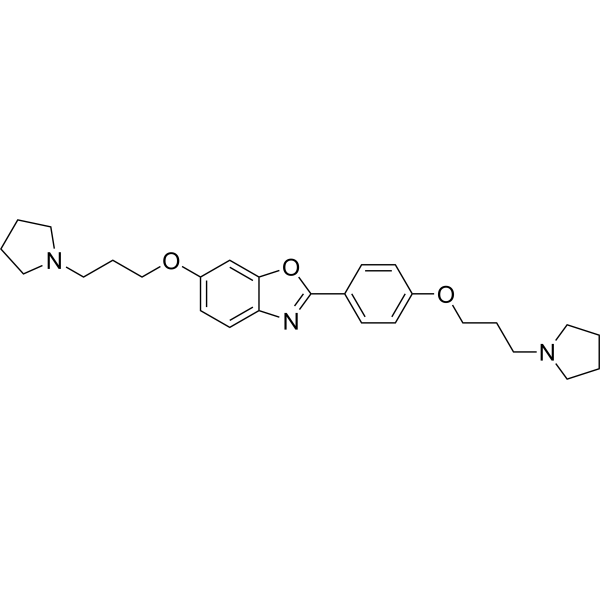
Cat. No.: HY-12756
CAS No.: 1219925-73-1
Purity:  ≥98.0%
E6446 is a potent and orally acitve TLR7 and TLR9 antagonist, used in the research of deleterious inflammatory responses. E6446 is also a potent SCD1 inhibitor (KD: 4.61 μM), significantly inhibiting adipogenic differentiation and hepatic lipogenesis through SCD1-ATF3 signaling. E6446 also improves liver pathology in high-fat diet (HFD)-fed mice and may be useful in the study of non-alcoholic fatty liver disease (NAFLD) .
loading...
    loading...

