1. Search Result
Search Result
Results for "

Polyketide

" in MedChemExpress (MCE) Product Catalog:

84

Inhibitors & Agonists

59

Natural
Products

1

Isotope-Labeled Compounds

Cat. No. Product Name Target Research Areas Chemical Structure
  • HY-N6796
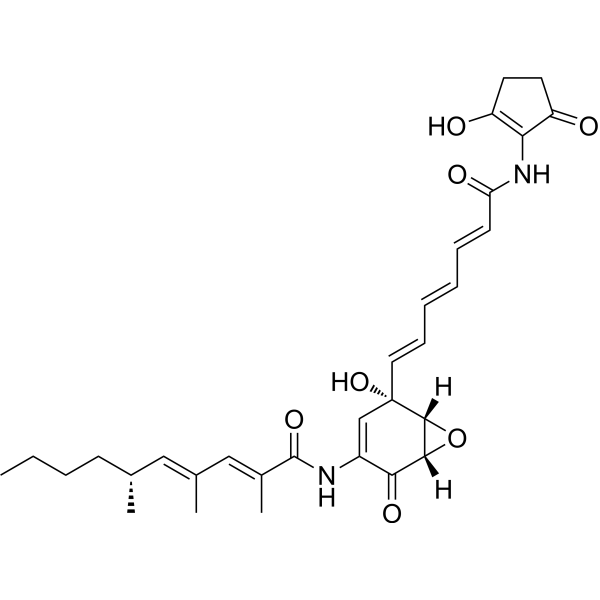
    Manumycin A
    2 Publications Verification

    Antibiotic Exosomes Farnesyl Transferase Ras Apoptosis Phospholipase TNF Receptor Atg8/LC3 Infection Inflammation/Immunology Cancer
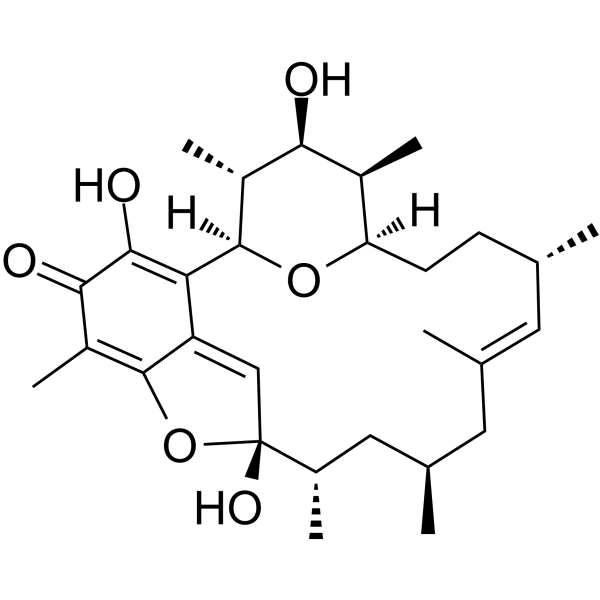
    Manumycin A is a polyketide antibiotic and an inhibitor of thioredoxin reductase 1 (TrxR-1). Manumycin A can inhibit the growth of breast cancer cells and exert its anti-tumor activity through LC3. Manumycin A can downregulate the release of pro-inflammatory cytokines in human monocytes stimulated by TNF α, and has potential anti-inflammatory activity. Manumycin A can inhibit the Ras/Raf/ERK1/2 signaling and hnRNP H1 in castration resistant prostate cancer cells to suppress exosome biogenesis and secretion .
    Manumycin A
  • HY-13557
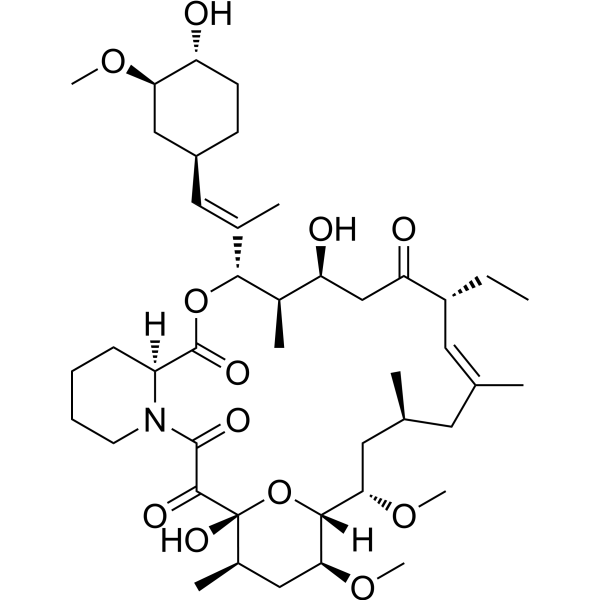
    Ascomycin
    Maximum Cited Publications
    6 Publications Verification

    Immunomycin; FR-900520; FK520

    FKBP Parasite Fungal Antibiotic Infection Neurological Disease Inflammation/Immunology
    Ascomycin (Immunomycin; FR-900520; FK520) is an ethyl analog of Tacrolimus (FK506) with strong immunosuppressant properties. Ascomycin is also a macrocyclic polyketide antibiotic with multiple biological activities such as anti-malarial, anti-fungal and anti-spasmodic. Ascomycin prevents graft rejection and has potential for varying skin ailments research .
    Ascomycin
  • HY-126679

    ATP Synthase Apoptosis Cancer
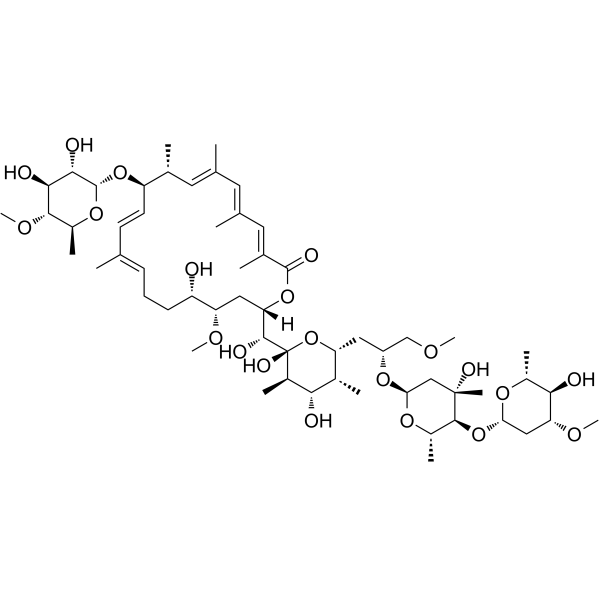
    Apoptolidin is a polyketide isolated from Nocardiopsis bacteria . Apoptolidin is a selective mitochondrial F1FO ATPase inhibitor. Apoptolidin is an apoptosis inducer and induces apoptotic cell death in cells transformed with the adenovirus type 12 oncogenes including ElA (IC50=10-17 ng/ml) but not in normal cells .
    Apoptolidin
  • HY-N0444

    Reactive Oxygen Species (ROS) Inflammation/Immunology
    Rubiadin is an orally active polyketide-derived compound and free radical scavenger that inhibits the activation of the NF-κB pathway. Rubiadin inhibits osteoclast formation, bone resorption, lipid peroxidation, HBV DNA replication and cancer cell proliferation; reduces pro-inflammatory cytokine levels; induces cancer cell apoptosis; and possesses antifungal, antimalarial, antibacterial and anticonvulsant activities. Rubiadin can be used in the research of osteoporosis, acute inflammation, chronic inflammation, carbon tetrachloride-induced liver injury, Alzheimer's disease, breast cancer, iron overload disorders, hepatitis B virus infection, colon cancer, liver cancer, T-lymphocytic leukemia, cervical cancer, diabetic nephropathy, epileptic seizures, fungal infections, malaria and bacterial infections .
    Rubiadin
  • HY-141466

    Endogenous Metabolite Histone Acetyltransferase Infection Metabolic Disease Inflammation/Immunology
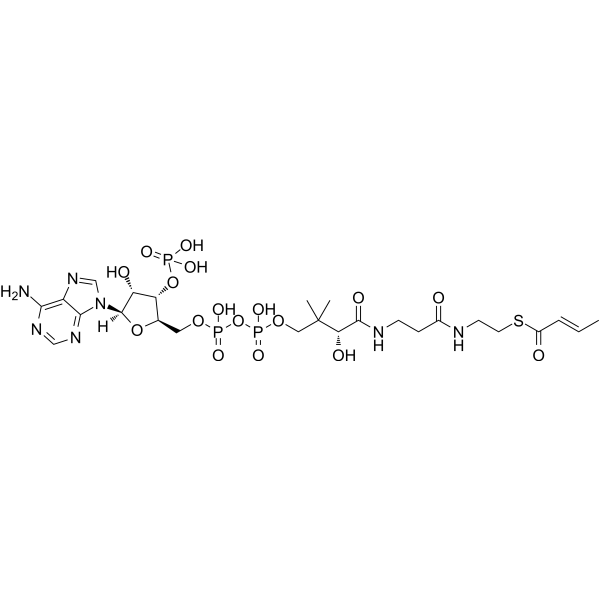
    Crotonyl-CoA, a high-energy acyl donor, is an intermediate in the fermentation of butyric acid, and in the metabolism of lysine and tryptophan. Crotonyl-CoA is important in the metabolism of fatty acids and amino acids. Crotonyl-CoA acts as a substrate for p300’s histone crotonyltransferase activity, competing with acetyl-CoA for p300-mediated histone acylation reactions. Crotonyl-CoA regulates global and gene-specific histone crotonylation levels in cells, with cellular concentration changes altering histone crotonylation at regulatory elements of activated genes. Crotonyl-CoA serves as the substrate for crotonyl-CoA reductase/carboxylase (CCRC)-catalyzed NADPH-mediated reduction and carbon dioxide trapping to form unusual alkylmalonyl-CoA polyketide synthase extender units. Crotonyl-CoA can be used for the research of LPS-induced inflammatory response .
    Crotonyl-CoA
  • HY-141466A

    Endogenous Metabolite Histone Acetyltransferase Infection Metabolic Disease Inflammation/Immunology
    Crotonyl-CoA tetrasodium, a high-energy acyl donor, is an intermediate in the fermentation of butyric acid, and in the metabolism of lysine and tryptophan. Crotonyl-CoA tetrasodium is important in the metabolism of fatty acids and amino acids. Crotonyl-CoA tetrasodium acts as a substrate for p300’s histone crotonyltransferase activity, competing with acetyl-CoA for p300-mediated histone acylation reactions. Crotonyl-CoA tetrasodium regulates global and gene-specific histone crotonylation levels in cells, with cellular concentration changes altering histone crotonylation at regulatory elements of activated genes. Crotonyl-CoA tetrasodium serves as the substrate for crotonyl-CoA reductase/carboxylase (CCRC)-catalyzed NADPH-mediated reduction and carbon dioxide trapping to form unusual alkylmalonyl-CoA polyketide synthase extender units. Crotonyl-CoA tetrasodium can be used for the research of LPS-induced inflammatory response .
    Crotonyl-CoA tetrasodium
  • HY-N6777
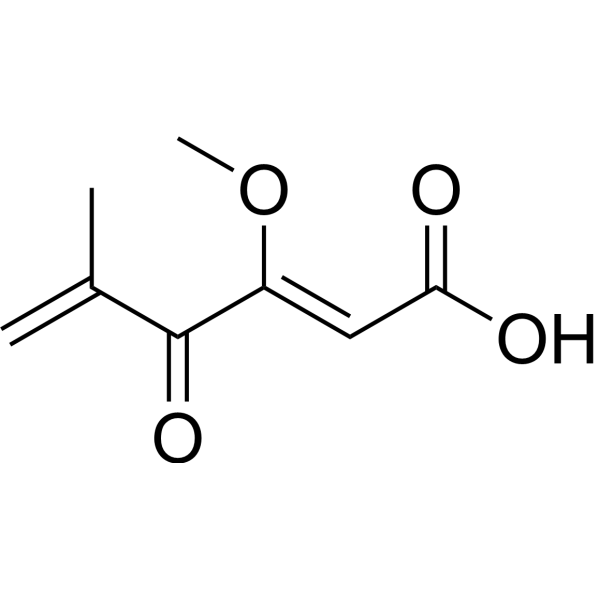
    Penicillic acid
    1 Publications Verification

    Caspase Bacterial Apoptosis Antibiotic Infection Inflammation/Immunology Cancer
    Penicillic acid is a polyketide mycotoxin produced by several species of Aspergillus and Penicillium. Penicillic acid exhibits cytotoxicity in rat alveolar macrophages (AM) in vitro. Penicillic acid inhibits Fas ligand-induced apoptosis by blocking self-processing of caspase-8 .
    Penicillic acid
  • HY-116838

    Bacterial Infection
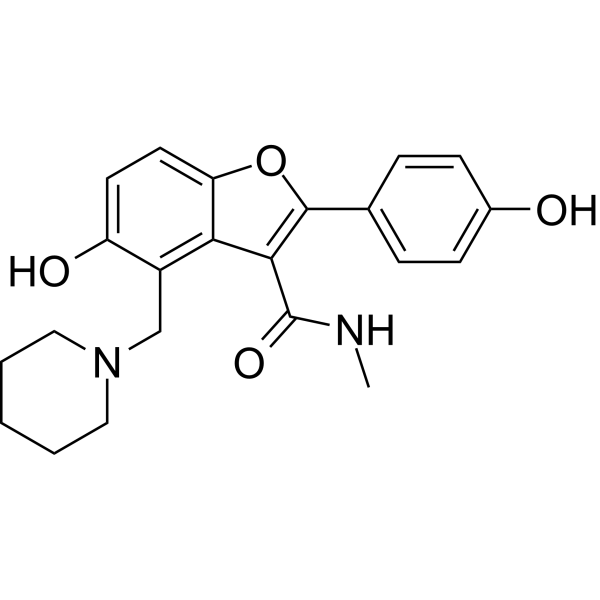
    TAM-16 is a potent and orally active polyketide synthase 13 (Pks13) inhibitor with an IC50 value of 0.32 μM. TAM-16 has promising activity against Mycobacterium tuberculosis. TAM-16 inhibits hERG cardiac ion channel .
    TAM-16
  • HY-19828

    GEX1A

    DNA/RNA Synthesis Cancer
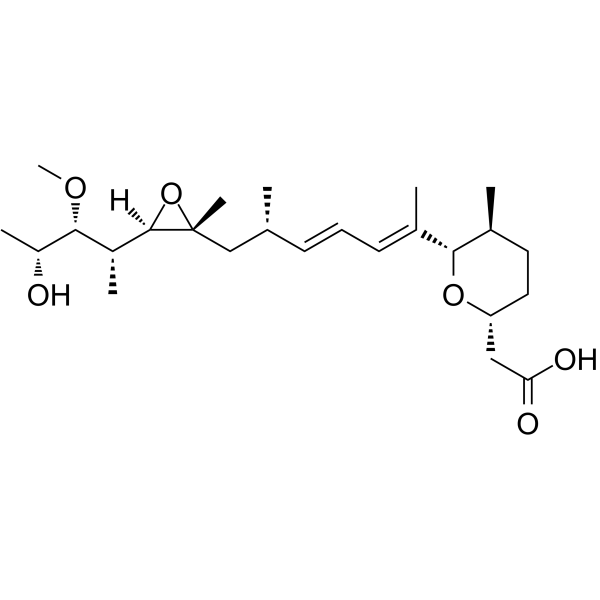
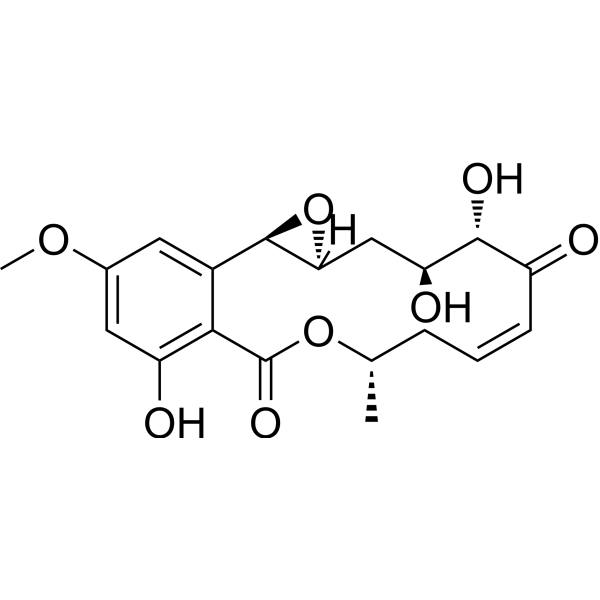
    Herboxidiene (GEX1A) is a potent phytotoxic polyketide from Streptomyces sp. A7847 with a diverse range of activities, including herbicidal, anti-cholesterol, anti-tumor effects. Herboxidiene inhibits the pre-mRNA splicing process by binding to spliceosome-associated protein (SAP) 155, a subunit of SF3b, in the splicesome .
    Herboxidiene
  • HY-N4301

    Others Others
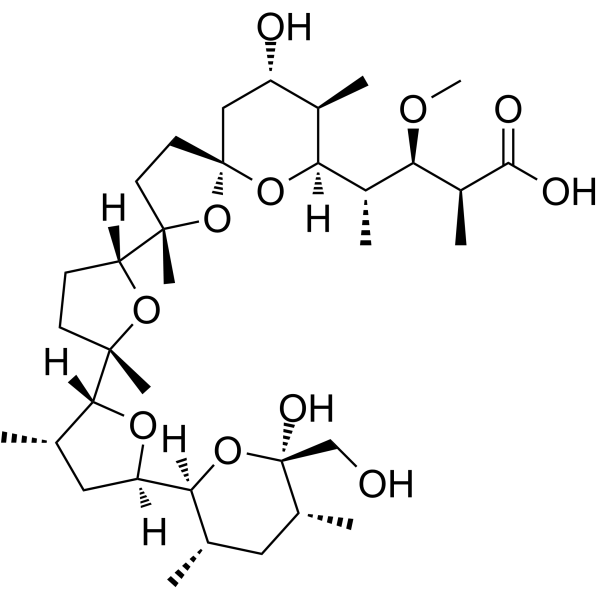
    Monensin B is a polyketide produced by Streptomyces cinnamonensis. Fermentations of Streptomyces cinnamonensis produce a mixture of Monensin A and Monensin B in a ratio dependent upon the relative concentrations of ethylmalonyl-CoA and methylmalonyl-CoA .
    Monensin B
  • HY-111009

    Fungal Infection
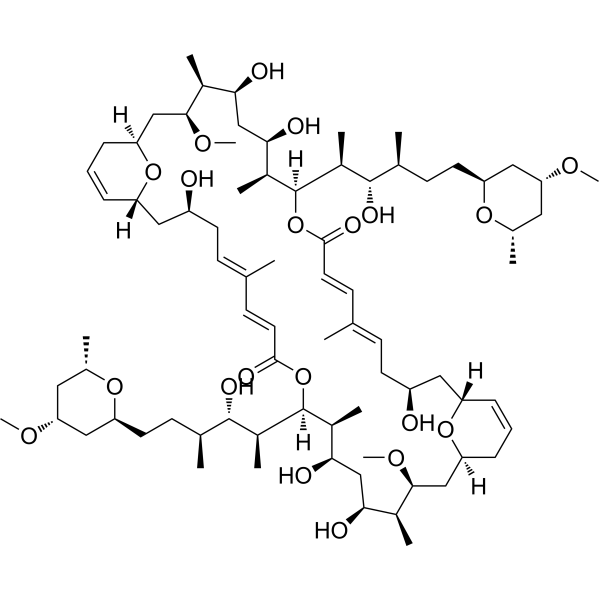
    Swinholide A is the actin-binding marine polyketide and dimerizes actin with the Kd of ~ 50 nM . Swinholide A is a microfilament disrupting marine toxin that stabilizes actin dimers and severs actin filaments. Swinholide A disrupts the actin cytoskeleton of cells.Antifungal activity .
    Swinholide A
  • HY-B0767

    Insecticide Others
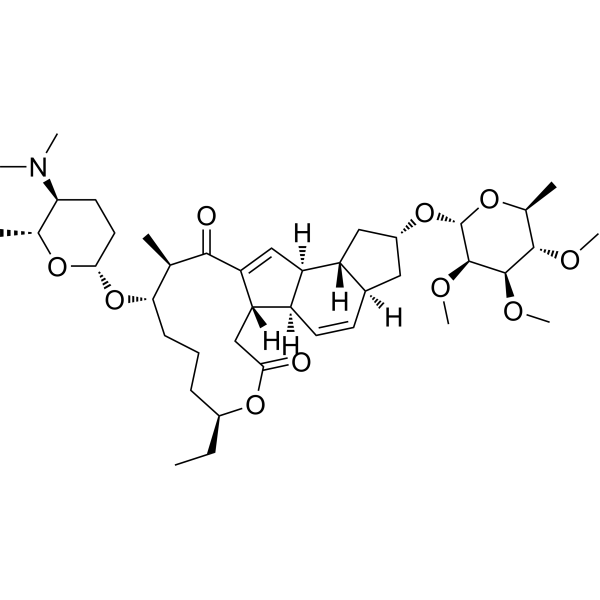
    Spinosyn A, a polyketide-derived macrolide produced by Saccharopolyspora spinosa, is a potent insecticide .
    Spinosyn A
  • HY-112514
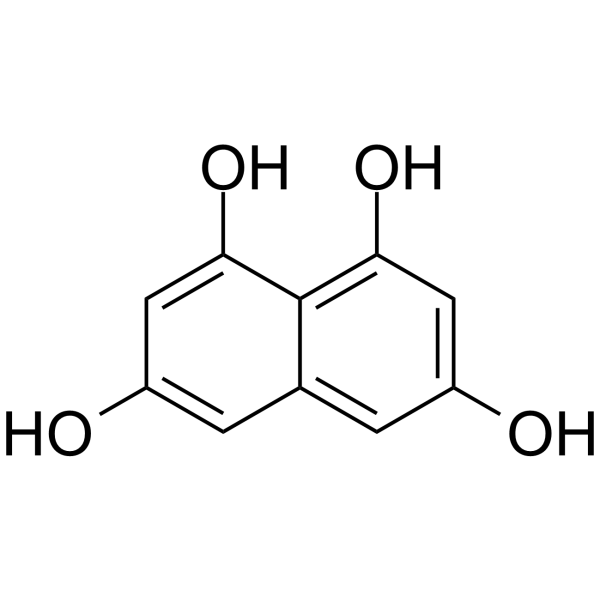
    1,3,6,8-Tetrahydroxynaphthalene
    1 Publications Verification

    1,3,6,8-THN; T4HN

    Drug Intermediate Others
    1,3,6,8-Tetrahydroxynaphthalene (T4HN) is an indispensable precursor to DHN (1,8-Dihydroxynaphthalene) melanin and is an unique symmetrical compound of polyketide origin .
    1,3,6,8-Tetrahydroxynaphthalene
  • HY-121300

    (-)-TAN2162

    Antibiotic Bacterial Endothelin Receptor CGRP Receptor Infection Cancer
    Kendomycin ((−)-TAN 2162) is a polyketide antibiotic with remarkable antibacterial and cancer cells cytotoxic activities. Kendomycin tends to be bacteriostatic rather than bactericidal and inhibits the growth of the methicillin-resistant Staphylococcus aureus (MRSA) strain COL at a low concentration (MIC of 5 μg/mL). Kendomycin is a potent antagonist of the endothelin receptor and a calcitonin receptor agonist which plays its role as an anti-osteoporotic agent .
    Kendomycin
  • HY-N10449

    Antibiotic Apoptosis Bacterial Cancer
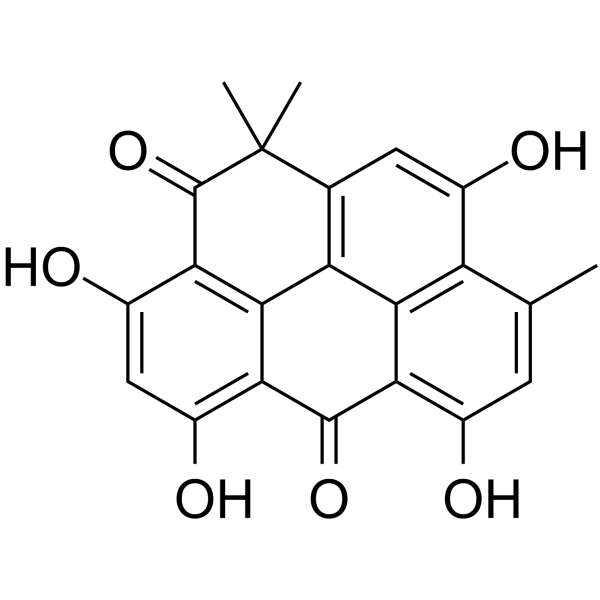
    Resistomycin, a pentacyclic polyketide antibiotic, possesses anticancer activity and induces apoptosis .
    Resistomycin
  • HY-117145

    Bacterial Infection
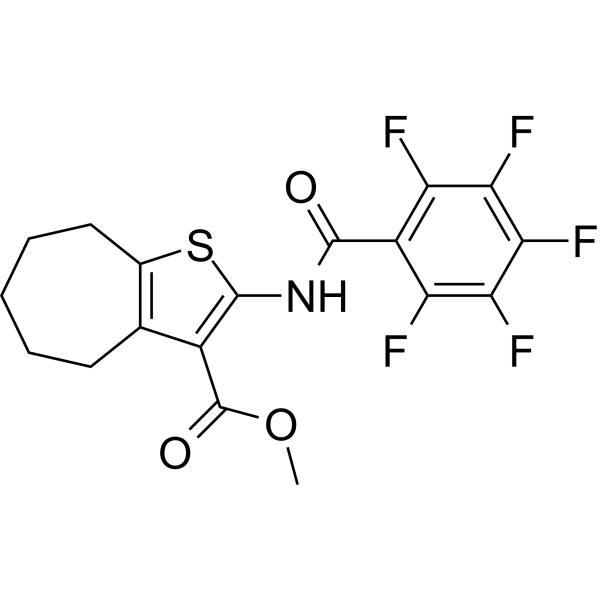
    Thiophene-2 (TP2) is a specific polyketide synthase 13 (Pks13) inhibitor. Thiophene-2 inhibits mycolic acid biosynthesis and rapidly leads to mycobacterial cell death. Thiophene-2 is active against Mycobacterium tuberculosis with a MIC value of 1 μM, and has potent anti-tuberculosis activity .
    Thiophene-2
  • HY-118448

    Antibiotic Bacterial Fungal Parasite Infection
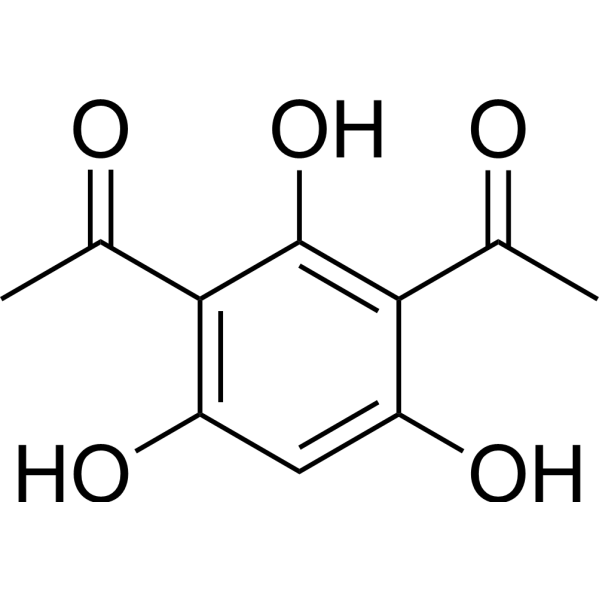
    2,4-Diacetylphloroglucinol is a polyketide antibiotic produced by Pseudomonas fluorescens. 2,4-Diacetylphloroglucinol exhibits broad-spectrum toxicity against various organisms such as bacteria, fungi, oomycetes, and nematodes. 2,4-Diacetylphloroglucinol can also inhibit plant pathogens and affect the root development of tomato seedlings .
    2,4-Diacetylphloroglucinol
  • HY-W073762

    Biochemical Assay Reagents Cancer
    FBnG is a component of non-ribosomal peptide synthetase/polyketide synthase (NRPS/PKS), which is associated with the biosynthesis of fabrubactin (FBN). FBnG can be used for synthesis of AUTAC4 as part of FBnG-(Cys-acetamide)-CH2-PEG3-CH2-CH2-CH2-NH2 (HY-150408) .
    FBnG
  • HY-W010554

    Drug Intermediate Others
    1,4-Cyclohexanedione is a drug intermediate. 1,4-Cyclohexanedione is an accepted substrate of EryKR1 domain which takes on a certain biocatalyst activity and stereospecificity .
    1,4-Cyclohexanedione
  • HY-N6243

    Fungal Cardiovascular Disease Others
    Veratrosine is a Trihydroxynapthalene reductase (THR) inhibitor and fungal plant pathogen inhibitor with activity against Curvularia lunata THR. Veratrosine interacts with THR, an enzyme in the DHN melanin biosynthesis pathway of Curvularia lunata. Veratrosine can be used for the research of leaf blight of rice, brown spot of rice, and blast disease of foxtail millet .
    Veratrosine
  • HY-130307

    Bacterial Neurological Disease Inflammation/Immunology Cancer
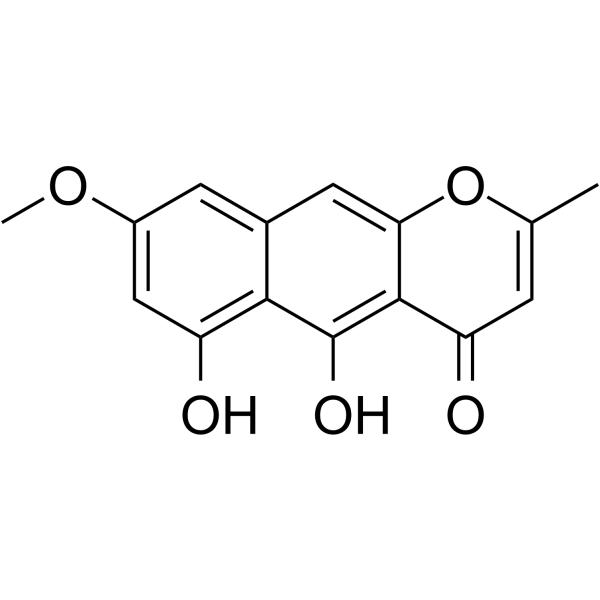
    Rubrofusarin is an orange polyketide pigment from Fusarium graminearum . Rubrofusarin is also an active ingredient of the Cassia species and ameliorates chronic restraint stress (CRS) -induced depressive symptoms through PI3K/Akt signaling. Rubrofusarin has anticancer, antibacterial, and antioxidant effects .
    Rubrofusarin
  • HY-107417

    VEGFR MEK FLT3 PDGFR ERK Cancer
    Hypothemycin, a fungal polyketide, is a multikinase inhibitor with Kis of 10/70 nM, 17/38 nM, 90 nM, 900 nM/1.5 μM, and 8.4/2.4 μM for VEGFR2/VEGFR1, MEK1/MEK2, FLT-3, PDGFRβ/PDGFRα, and ERK1/ERK2, respectively .
    Hypothemycin
  • HY-116479

    Bacterial Others
    Citromycetin is an aromatic polyketide compound from Australian marine-derived and terrestrial Penicillium spp .
    Citromycetin
  • HY-100710

    Endogenous Metabolite Cancer
    Epothilone C is a polyketide natural product. Epothilone C is produced by the combined action of one nonribosomal peptide synthetase (NRPS) and nine polyketide synthase (PKS) modules in a multienzyme system. Epothilone C can be used for tumor research .
    Epothilone C
  • HY-139594

    Bacterial Infection Inflammation/Immunology
    Polyketide synthase 13-IN-1 (compound 32) is a polyketide synthase 13 inhibitor .
    Polyketide synthase 13-IN-1
  • HY-122534

    Mitochondrial Metabolism ADC Payload Apoptosis Cancer
    Mensacarcin, a highly complex polyketide, strongly inhibits cell growth universally in cancer cell lines and potently induces apoptosis in melanoma cells. Mensacarcin targets to mitochondria, affects energy metabolism in mitochondria, and activates caspase-dependent apoptotic pathways. Mensacarcin, an antibiotic, can be used as a cytotoxic component of antibody-drug conjugates (ADCs) .
    Mensacarcin
  • HY-13557R

    Immunomycin (Standard); FR-900520 (Standard); FK520 (Standard)

    Reference Standards FKBP Parasite Fungal Antibiotic Infection Neurological Disease Inflammation/Immunology
    Ascomycin (Standard) is the analytical standard of Ascomycin. This product is intended for research and analytical applications. Ascomycin (Immunomycin; FR-900520; FK520) is an ethyl analog of Tacrolimus (FK506) with strong immunosuppressant properties. Ascomycin is also a macrocyclic polyketide antibiotic with multiple biological activities such as anti-malarial, anti-fungal and anti-spasmodic. Ascomycin prevents graft rejection and has potential for varying skin ailments research[1][2].
    Ascomycin (Standard)
  • HY-166309

    Endogenous Metabolite Histone Acetyltransferase Infection Metabolic Disease Inflammation/Immunology
    Crotonyl-CoA tetralithium, a high-energy acyl donor, is an intermediate in the fermentation of butyric acid, and in the metabolism of lysine and tryptophan. Crotonyl-CoA tetralithium is important in the metabolism of fatty acids and amino acids. Crotonyl-CoA tetralithium acts as a substrate for p300’s histone crotonyltransferase activity, competing with acetyl-CoA for p300-mediated histone acylation reactions. Crotonyl-CoA tetralithium regulates global and gene-specific histone crotonylation levels in cells, with cellular concentration changes altering histone crotonylation at regulatory elements of activated genes. Crotonyl-CoA tetralithium serves as the substrate for crotonyl-CoA reductase/carboxylase (CCRC)-catalyzed NADPH-mediated reduction and carbon dioxide trapping to form unusual alkylmalonyl-CoA polyketide synthase extender units. Crotonyl-CoA tetralithium can be used for the research of LPS-induced inflammatory response .
    Crotonyl-CoA tetralithium
  • HY-121291

    HIV Infection
    Aureothin, is a natural polyketide, is a HIV inhibitor with an IC50 of 5.3 nM. Aureothin is a microbial biolarvicide .
    Aureothin
  • HY-N16397

    Bacterial Infection
    Anhydrofulvic acid is a polyketide with antibacterial activity (notably against MRSA, MIC=8 mg/mL). Anhydrofulvic acid is promising for research of Gram-positive infections (e.g., skin, bloodstream) .
    Anhydrofulvic acid
  • HY-W775186

    Fungal Infection
    Tolprocarb is an oomyces fungicide, which has a strong inhibitory effect on rice blast fungus Magnaporthe grisea by inhibiting polyketide synthase in melanin synthesis pathway .
    Tolprocarb
  • HY-156047

    Endogenous Metabolite Others
    Oasomycin B, a member of the desertomycin family, is a polyketide. Oasomycin B can be isolated from Streptomyces sp. Oasomycin B, lacking the positively charged amino moiety, has no significant antibacterial activity and fails to induce Orsellinic acid (HY-N3126) production in A. nidulans .
    Oasomycin B
  • HY-139595

    Bacterial Infection Inflammation/Immunology
    Polyketide synthase 13-IN-2 (comp 42) is a polyketide synthase 13 inhibitor against Mycobacterium tuberculosis, with an MIC of 0.25 μg/mL .
    Polyketide synthase 13-IN-2
  • HY-139596

    Bacterial Infection Inflammation/Immunology
    Polyketide synthase 13-IN-3 (compound 41) is a polyketide synthase 13 inhibitor,with a MIC of 0.0625-0.125 μg/mL against the M. tuberculosis strain H37Rv .
    Polyketide synthase 13-IN-3
  • HY-114461

    DNA/RNA Synthesis Apoptosis Cancer
    FD-895 is a spliceosome modulator derived from a polyketide natural product, targeting the SF3b subunit of the spliceosome. FD-895 possesses core biological activities for regulating RNA splicing (intron retention, alternative splicing) and inducing apoptosis of cancer cells. FD-895 can be used for the research of cancer, such as chronic lymphocytic leukemia (CLL) .
    FD-895
  • HY-W663230

    Parasite Infection
    Eugenitin is a polyketide isolated from the fungus Mycoleptodiscus indicus that is related to the South American medicinal plant. Eugenitin inhibits Leishmania major with LD50=39.9 μM. Eugenitin has low cytotoxicity (IC50 >131 μM) against several human cancer cell lines .
    Eugenitin
  • HY-W783829

    Hex-2-trans-enoyl-CoA

    Endogenous Metabolite Metabolic Disease
    (2E)-Hexenoyl-CoA (Hex-2-trans-enoyl-CoA) is an intermediate in fatty acid metabolism. (2E)-Hexenoyl-CoA undergoes reductive carboxylation to yield butylmalonyl-CoA .
    (2E)-Hexenoyl-CoA
  • HY-N10302

    Bacterial Endogenous Metabolite Infection
    Bipolamine G is an antibacterial polyketide alkaloid .
    Bipolamine G
  • HY-W748023

    Fungal Inflammation/Immunology
    Cryptosporiopsin A, a polyketide with antifungal activity, exhibits motility inhibitory and lytic activities against zoospores of the grapevine downy mildew pathogen Plasmopara viticola .
    Cryptosporiopsin A
  • HY-146162

    Endogenous Metabolite Cancer
    Colletotrichalactones A is a polyketide that display moderate-to-potent cytotoxic activities against MCF7 cells with an IC50 of 35.06 µM .
    Colletotrichalactones A
  • HY-N10293

    Fungal Endogenous Metabolite Infection
    Monaschromone, a polyketide metabolite, significantly inhibits the growth of B. cinerea, A. solani, M. oryzae, and G. saubinettii, with the MIC values ranging from 6.25 to 12.5 μM .
    Monaschromone
  • HY-N12657

    Others Neurological Disease
    Retinestatin, a new polyol polyketide, can protect SH-SY5Y dopaminergic cells from MPP + (HY-W008719)-induced cytotoxicity. Retinestatin shows neuroprotective effects in an in vitro model of Parkinson’s disease .
    Retinestatin
  • HY-N16412

    Citreomontanine

    Drug Intermediate Others
    Citreomontanin (Citreomontanine) (Compound 3), an α‑Pyrone polyketide, is an intermediate of Citreoviripyrone A. Citreomontanin can be isolated from the mycelium of endophytic Penicillium sp. in Catharanthus roseus. Citreoviripyrone A has a moderate inhibitory activity on HCT116 cells growth .
    Citreomontanin
  • HY-N15595

    Bacterial Fungal Infection
    Curvulol is an antimicrobial agent with a polyketide structure. Curvulol can be isolated from Taxus baccata ( Chaetosphaeronema achilleae). Curvulol has a significant cytotoxicity against L929 and KB-3-1 cells, and strongly inhibits Staphylococcus aureus biofilm formation with a MIC of 64 μg/mL .
    Curvulol
  • HY-N10561

    Bacterial Infection
    Wychimicin A is a spirotetronate polyketide, can be isolated from the rare actinomycete Actinocrispum wychmicini strain MI503-AF4. Wychimicin A shows strong antibacterial activity against methicillin-resistant Staphylococcus. aureus (IC50=0.125-0.5 μg/mL) and Enterococcus. faecalis/faecium (IC50=0.125-0.25 μg/mL) .
    Wychimicin A
  • HY-N10560

    Bacterial Infection
    Wychimicin C is a spirotetronate polyketide, can be isolated from the rare actinomycete Actinocrispum wychmicini strain MI503-AF4. Wychimicin C shows strong antibacterial activity against methicillin-resistant Staphylococcus. aureus (IC50=0.125-0.5 μg/mL) and Enterococcus. faecalis/faecium (IC50=0.125-0.25 μg/mL) .
    Wychimicin C
  • HY-138140

    Others Others
    Desertomycin A is an aminopolyol polyketide containing a macrolactone ring .
    Desertomycin A
  • HY-N10298

    Influenza Virus Infection
    Massarilactone H, a polyketide, is a neuraminidase inhibitor, with an IC50 of 8.18 µM .
    Massarilactone H
  • HY-N14162

    Bacterial Infection Inflammation/Immunology
    Dihydroabikoviromycin, a secondary metabolite of Streptomyces anulatus, is a polyketide synthase inhibitor .
    Dihydroabikoviromycin
  • HY-121061

    Others Infection
    Abikoviromycin is an inhibitor of polyketide synthase PKS1 of C. lagenarium and can be isolated from Streptomyces .
    Abikoviromycin

Inquiry Online

Your information is safe with us. * Required Fields.

Salutation


Country or Region *

Applicant Name *


Organization Name *

Department *


Email Address *


Product Name *

Cat. No.


Requested quantity *

Phone Number *


Remarks

Inquiry Online

Inquiry Information

Product Name:
Cat. No.:
Quantity:
MCE Japan Authorized Agent:

