

461 Results for "

binding agent

" in MedChemExpress (MCE) Product Catalog:
Products (461)

461 Results for "binding agent" in MCE Product Catalog:

68
68 Publications Verification
Cat. No.: HY-135748A
Poly (I:C):Kanamycin (1:1) sodium is an isometric complex of Poly (I:C) (HY-135748) and Kanamycin (HY-16566). Poly(I:C) sodium, a synthetic analog of double-stranded RNA, is a TLR3 and retinoic acid-inducible gene I receptor (RIG-I and MDA5) agonist. Poly(I:C) sodium can be used as a vaccine adjuvant to enhance innate and adaptive immune responses and induce apoptosis in cancer cells . Kanamycin is an orally active antibacterial agent (Gram-negative/positive bacteria) that inhibits translocation and causes miscoding by binding to the 70S ribosomal subunit. Kanamycin shows good inhibitory activity against Mycobacterium tuberculosis (susceptible and drug-resistant) and Klebsiella pneumoniae, and can be used in the research of tuberculosis and pneumonia .
loading...
    loading...
24
24 Cited Publications
Cat. No.: HY-17514
CAS No.: 84625-61-6
Synonyms: R51211
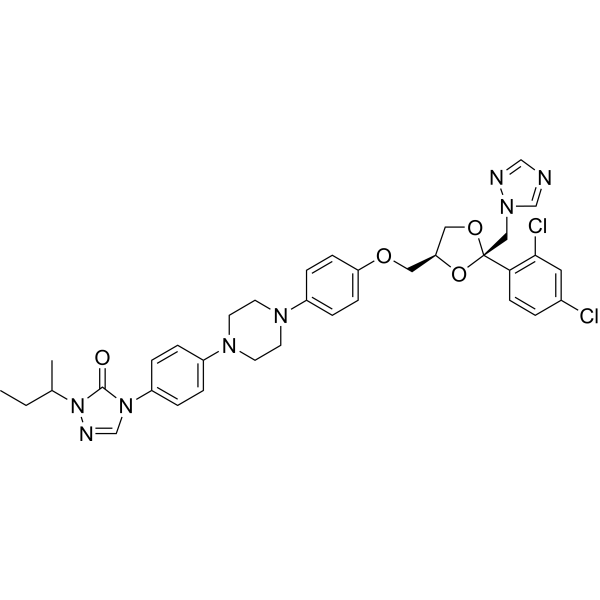
Itraconazole (R51211) is a triazole antifungal agent and a potent and orally active Hedgehog (Hh) signaling pathway antagonist with an IC50 of ~800 nM. Itraconazole potently inhibits lanosterol 14α-demethylase (cytochrome P450 enzyme), thereby inhibits the oxidative conversion of lanosterol to ergosterol. Itraconazole has anticancer and antiangiogenic effects. Itraconazole is a oxysterol-binding protein (OSBP) inhibitor .
loading...
    loading...
22
22 Cited Publications
Cat. No.: HY-10528
CAS No.: 254964-60-8
Purity:  99.94%
Synonyms: ABR-215050
Target:  

HDAC

Research Areas:  

Cancer

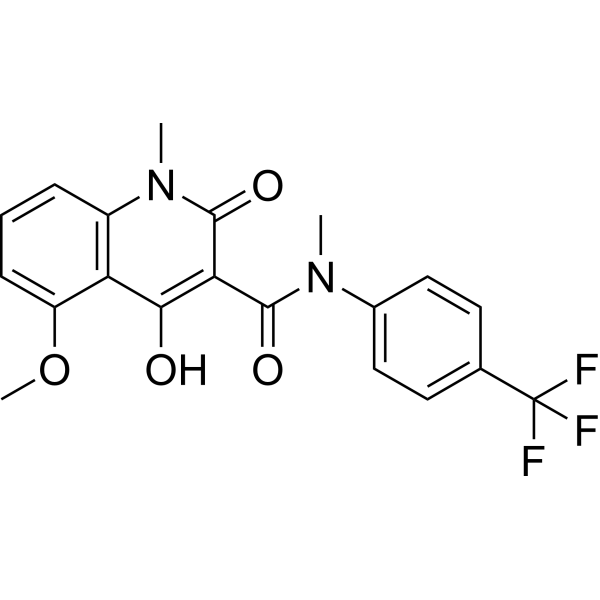
Tasquinimod is an oral antiangiogenic agent, which has the potential for castration-resistant prostate cancer treatment. Tasquinimod binds to the regulatory Zn 2+ binding domain of HDAC4 with Kd of 10-30 nM. Tasquinimod also is a S100A9 inhibitor .
loading...
    loading...
16
16 Cited Publications
Cat. No.: HY-N7118
CAS No.: 58207-19-5
Target:  

Bacterial Antibiotic

Research Areas:  

Infection Cancer

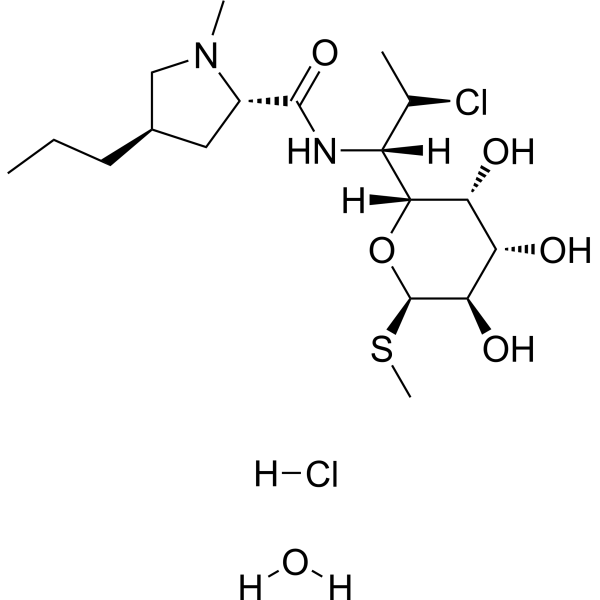
Clindamycin hydrochloride monohydrate is an oral protein synthesis inhibitory agent that has the ability to suppress the expression of virulence factors in Staphylococcus aureus at sub-inhibitory concentrations (sub-MICs). Clindamycin hydrochloride monohydrate resistance results from enzymatic methylation of the antibiotic binding site in the 50S ribosomal subunit (23S rRNA). Clindamycin hydrochloride monohydrate decreases the production of Panton-Valentine leucocidin (PVL), toxic-shock-staphylococcal toxin (TSST-1) or alpha-haemolysin (Hla) .
loading...
    loading...
15
15 Cited Publications
Cat. No.: HY-12404
CAS No.: 908-54-3
Purity:  99.16%
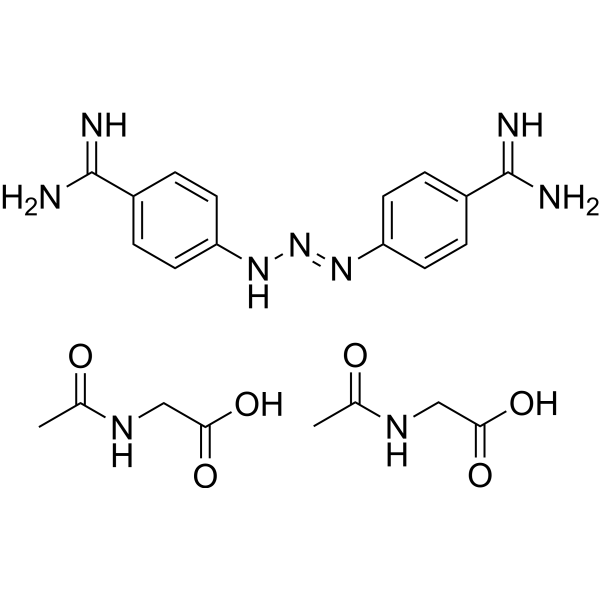
Synonyms: Diminazene diaceturate
Diminazene aceturate (Diminazene diaceturate) is an anti-trypanosome agent for livestock. The main biochemical mechanism of the trypanocidal actions of Diminazene aceturate is by binding to trypanosomal kinetoplast DNA (kDNA) in a non-intercalative manner through specific interaction with sites rich in adenine-thymine base pairs. Diminazene aceturate is also an angiotensin-converting enzyme 2 (ACE2) activator and has strong and potent anti-inflammatory properties .
loading...
    loading...
15
15 Cited Publications
Cat. No.: HY-13425
CAS No.: 522-17-8
Purity:  99.20%
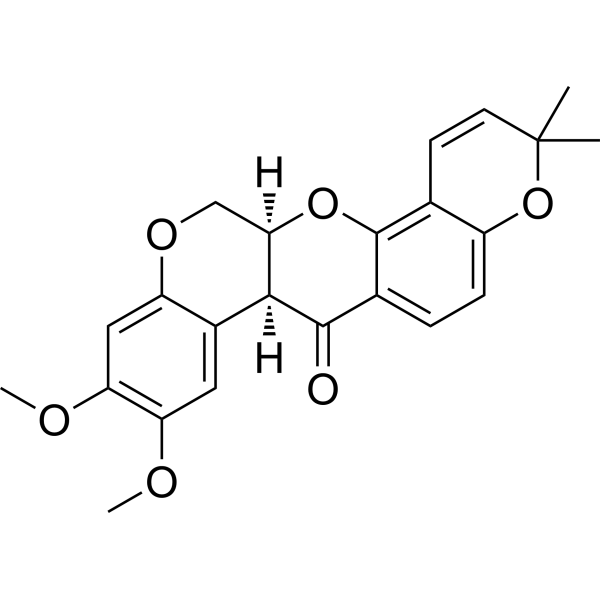
Synonyms: (-)-Deguelin; (-)-cis-Deguelin
Deguelin, a naturally occurring rotenoid, acts as a chemopreventive agent by blocking multiple pathways like PI3K-Akt, IKK-NF-κB, and MAPK-mTOR-survivin-mediated apoptosis. Deguelin binding to Hsp90 leads to a decreased expression of numerous oncogenic proteins, including MEK1/2, Akt, HIF1α, COX-2, and NF-κB.
loading...
    loading...
12
12 Cited Publications
Cat. No.: HY-B1322A
CAS No.: 86-42-0
Synonyms: Amodiaquin
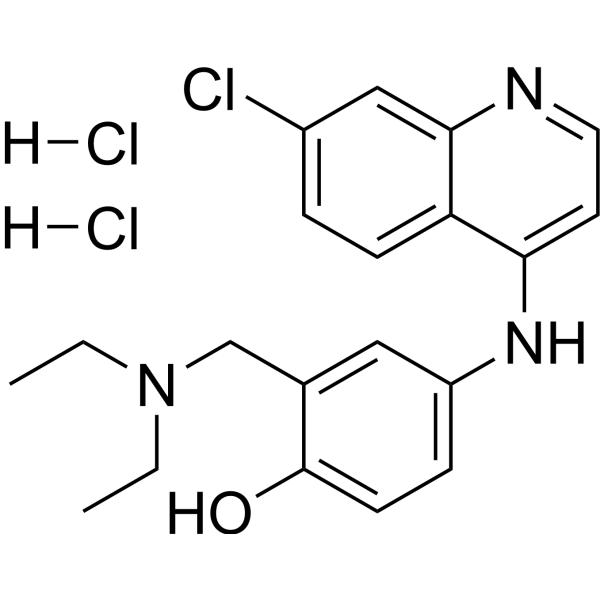
Amodiaquine (Amodiaquin), a 4-aminoquinoline class of antimalarial agent, is a potent and orally active histamine N-methyltransferase inhibitor. Amodiaquine is also a Nurr1 agonist and specifically binds to Nurr1-LBD (ligand binding domain) with an EC50 of ~20 μM. Anti-inflammatory effect .
loading...
    loading...
12
12 Cited Publications
Cat. No.: HY-B1322
CAS No.: 6398-98-7
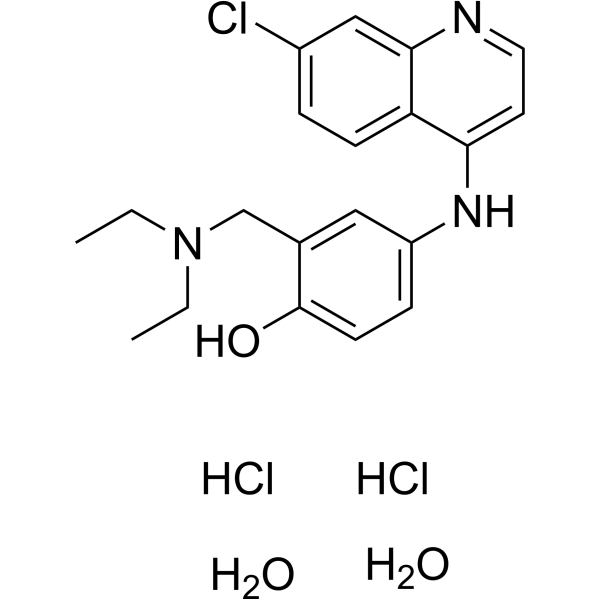
Synonyms: Amodiaquin dihydrochloride dihydrate
Amodiaquine dihydrochloride dihydrate (Amodiaquin dihydrochloride dihydrate), a 4-aminoquinoline class of antimalarial agent, is a potent and orally active histamine N-methyltransferase inhibitor. Amodiaquine dihydrochloride dihydrate is also a Nurr1 agonist and specifically binds to Nurr1-LBD (ligand binding domain) with an EC50 of ~20 μM. Anti-inflammatory effect .
loading...
    loading...
12
12 Cited Publications
Cat. No.: HY-B1322B
CAS No.: 69-44-3
Synonyms: Amodiaquin dihydrochloride
Amodiaquine dihydrochloride (Amodiaquin dihydrochloride), a 4-aminoquinoline class of antimalarial agent, is a potent and orally active histamine N-methyltransferase inhibitor with a Ki of 18.6 nM. Amodiaquine dihydrochloride is also a Nurr1 agonist and specifically binds to Nurr1-LBD (ligand binding domain) with an EC50 of ~20 μM. Anti-inflammatory effect .
loading...
    loading...
9
9 Cited Publications
Cat. No.: HY-153118
CAS No.: 73049-39-5
Synonyms: ctDNA sodium, Type I, fibers; DNA sodium, from calf thymus, Type I, fibers; Thymonucleic acid sodium, Type I, fibers
Research Areas:  

Others Cancer

Deoxyribonucleic acid sodium, from calf thymus, Type I, fibers is the sodium salts form of Calf thymus DNA (HY-109517). Calf thymus DNA is a double-stranded template DNA isolated from calf thymus. It can be used to study the interaction between DNA and DNA binding agents, as well as the structure and function of DNA, for DNA quantification and used as a substrate for DNA polymerase analysis, etc​ .
loading...
    loading...
9
9 Cited Publications
Cat. No.: HY-117275
CAS No.: 644-62-2
Purity:  99.66%
Synonyms: Meclofenamate
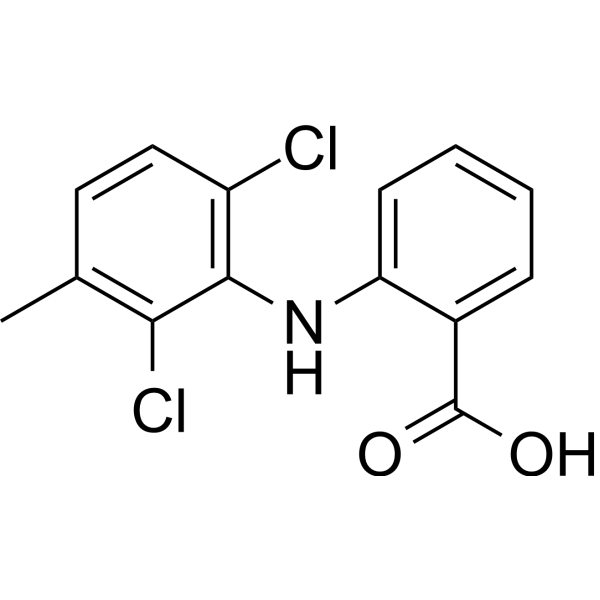
Meclofenamic acid (Meclofenamate) is a non-steroidal anti-inflammatory agent. Meclofenamic acid is a highly selective FTO (fat mass and obesity-associated) enzyme inhibitor. Meclofenamic acid competes with FTO binding for the m(6)A-containing nucleic acid. Meclofenamic acid is a non-selective gap-junction blocker. Meclofenamic acid inhibits hKv2.1 and hKv1.1, with IC50 values of 56.0 and 155.9 μM, respectively .
loading...
    loading...
8
8 Cited Publications
Cat. No.: HY-13442
CAS No.: 253128-41-5
Purity:  99.92%
Synonyms: B1939; E7389; ER-086526
Research Areas:  

Cancer

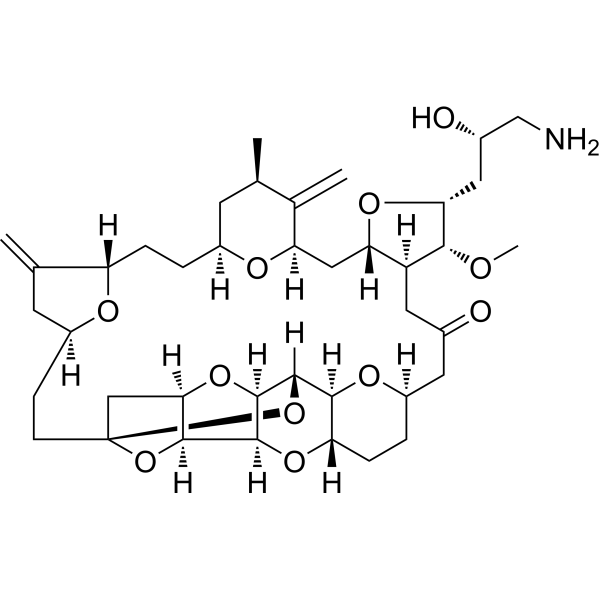
Eribulin (E7389) is a microtubule targeting agent that is used for the research of metastatic breast cancer. Eribulin inhibits the proliferation of cancer cells by binding microtubule proteins and microtubules.
loading...
    loading...
8
8 Cited Publications
Cat. No.: HY-B0413
CAS No.: 43210-67-9
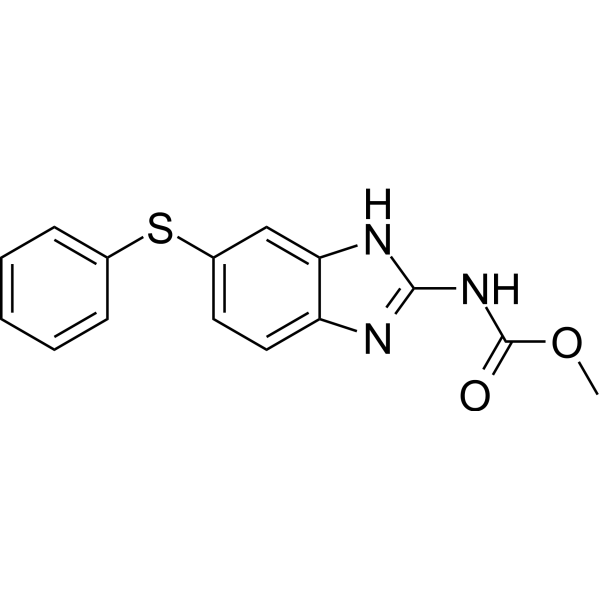
Fenbendazole is an orally active benzimidazole anthelmintic agent, with a broad antiparasitic range. Fenbendazole is a microtubule destabilizing agent and acts on helminthes primarily by binding to tubulin and disrupting the tubulin microtubule equilibrium. Fenbendazole stabilizes the transcriptional activator HIF-1α. Fenbendazole possesses an efficient anti-proliferative activity and induces apoptosis. Fenbendazole causes cell-cycle arrest and mitotic cell death, and has antitumor activity in mice xenografted with wild-type p53 .
loading...
    loading...
7
7 Cited Publications
Cat. No.: HY-P0122
CAS No.: 1392278-76-0
Synonyms: c(CRGDKGPDC)
Target:  

Integrin

Research Areas:  

Cancer

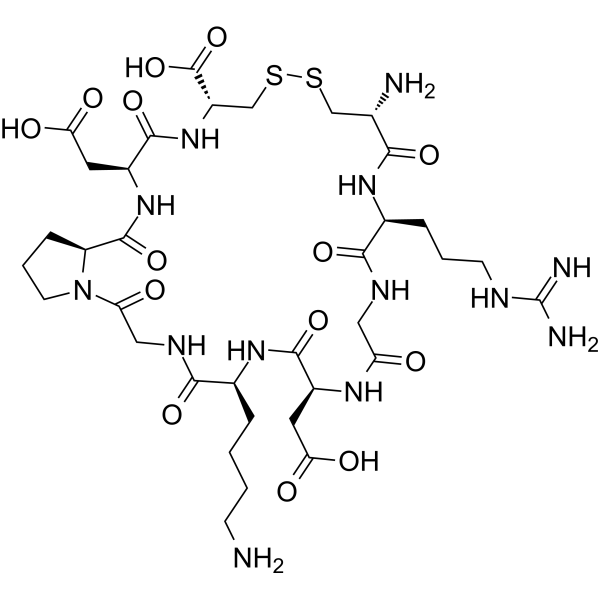
iRGD peptide is a 9-amino acid cyclic peptide, triggers tissue penetration of agents by first binding to αv-integrins, then proteolytically cleaved in the tumor to produce CRGDK/R to interact with neuropilin-1, and has tumor-targeting and tumor-penetrating properties.
loading...
    loading...
6
6 Cited Publications
Cat. No.: HY-17461
CAS No.: 53-06-5
Synonyms: 17-Hydroxy-11-dehydrocorticosterone; Kendall's compound E
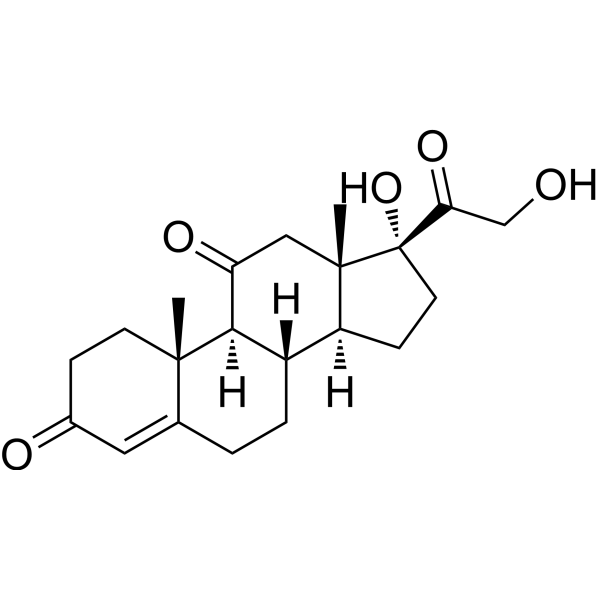
Cortisone (17-Hydroxy-11-dehydrocorticosterone), an oxidized metabolite of Cortisol (a Glucocorticoid). Cortisone acts as an immunosuppressant and anti-inflammatory agent. Cortisone can partially intervene in binding of Glucocorticoid to Glucocorticoid-receptor at high concentrations .
loading...
    loading...
5
5 Cited Publications
Cat. No.: HY-P2149
CAS No.: 11028-71-0
Concanavalin A can be coupled to agarose to form Concanavalin A (agarose) (HY-P2149A). Concanavalin A (ConA) is a selective, competitive binding agent that targets specific carbohydrate structures containing glucose and mannose; it acts as a mitogen and exhibits varying degrees of cytotoxicity, hepatotoxicity, and teratogenicity. Concanavalin A is also utilized for in vivo blood glucose monitoring in the context of diabetes .
loading...
    loading...
5
5 Cited Publications
Cat. No.: HY-N7143
CAS No.: 131-70-4
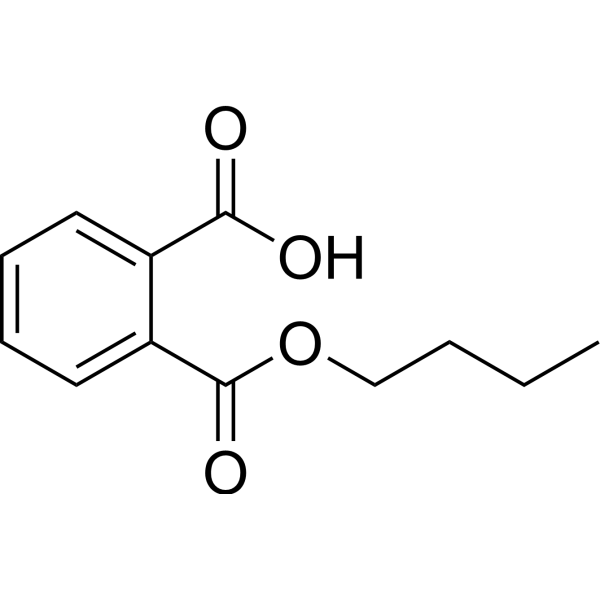
Monobutyl phthalate is an orally active metabolite of Di-n-butyl phthalate (HY-Y0304) and an embryotoxic agent. Monobutyl phthalate regulates mesodermal lineage gene expression, inhibits uterine decidualization, reduces fetal testosterone levels without directly binding to the androgen receptor, and induces teratogenic effects during organogenesis. Monobutyl phthalate induces testicular oxidative stress and sperm abnormalities. Monobutyl phthalate can be used in studies of developmental toxicity and male reproductive toxicity .
loading...
    loading...
5
5 Cited Publications
Cat. No.: HY-P9971
CAS No.: 1798286-48-2
Synonyms: SHR-1210; INCSHR1210

Target:  

PD-1/PD-L1

Research Areas:  

Cancer

Camrelizumab (SHR-1210) is a potent humanied high-affinity IgG4-κ monoclonal antibody (mAb) to PD-1. Camrelizumab binds PD-1 at a high affinity of 3 nM and inhibits the binding interaction of PD-1 and PD-L1 with an IC50 of 0.70 nM. Camrelizumab acts as anti-PD-1/PD-L1 agent and can be used for cancer research, including NSCLC, ESCC, Hodgkin lymphoma, and advanced HCC et,al .
loading...
    loading...
4
4 Cited Publications
Cat. No.: HY-W028690
CAS No.: 328104-79-6
Research Areas:  

Cancer

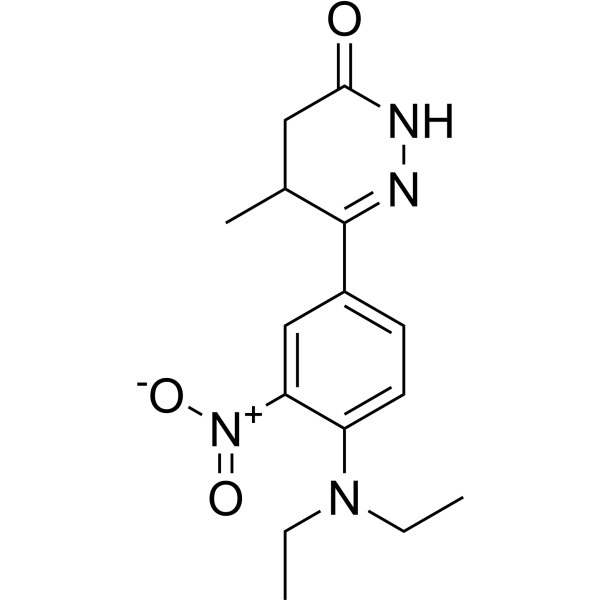
DNMDP, a phosphodiesterase 3A (PDE3A) inhibitor, is a potent and selective cancer cell cytotoxic agent. DNMDP binding to PDE3A promotes an interaction between PDE3A and Schlafen 12 (SLFN12). DNMDP shows clear cell-selective cytotoxicity .
loading...
    loading...
4
4 Cited Publications
Cat. No.: HY-B0236
CAS No.: 60-32-2
Synonyms: EACA; Epsilon-Amino-n-caproic Acid; 6-Aminohexanoic acid
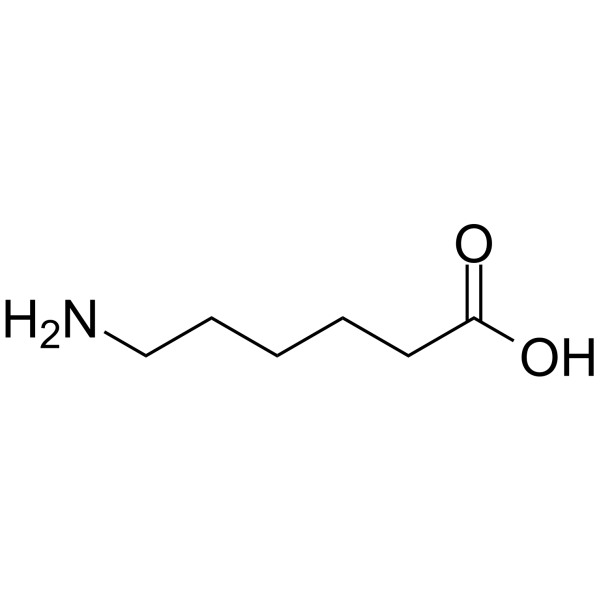
6-Aminocaproic acid (EACA), a monoamino carboxylic acid, is a potent and orally active inhibitor of plasmin and plasminogen. 6-Aminocaproic acid is a potent antifibrinolytic agent. 6-Aminocaproic acid prevents clot lysis through the competitive binding of lysine residues on plasminogen, inhibiting plasmin formation and reducing fibrinolysis. 6-Aminocaproic acid can be used for the research of bleeding disorders .
loading...
    loading...

