18 Results for "

cancer stem-like cells

" in MedChemExpress (MCE) Product Catalog:
Products (18)

18 Results for "cancer stem-like cells" in MCE Product Catalog:

79
79 Publications Verification
Cat. No.: HY-N0488
CAS No.: 2068-78-2
Synonyms: Leurocristine sulfate; NSC-67574 sulfate; 22-Oxovincaleukoblastine sulfate
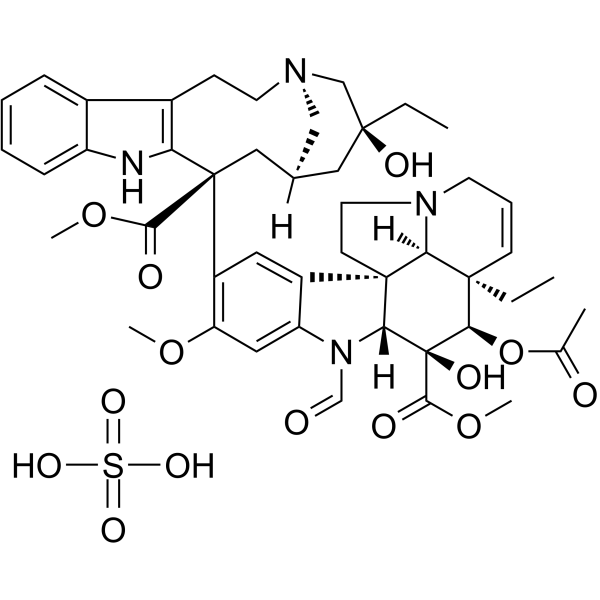
Vincristine (Leurocristine; NSC-67574; 22-Oxovincaleukoblastine) sulfate is a microtubule inhibitor that disrupts microtubule polymerization by binding to β-tubulin (with a Ki of 85 nM in bovine), arrests the cell cycle and induces apoptosis. Vincristine sulfate inhibits cell replication, tumor blood flow and the proliferation of various cancer cells, while triggering effects such as oxidative stress, inflammation, calcium overload, epithelial-mesenchymal transition and peripheral neuropathic pain. Vincristine sulfate upregulates the expression of various transporters and nuclear receptors, and enriches gastric cancer stem-like cells. Vincristine sulfate is used in research related to various tumors including acute lymphoblastic leukemia, lymphoma, melanoma, gastric cancer, solid tumors and sarcomas .
loading...
    loading...
79
79 Publications Verification
Cat. No.: HY-N0488A
CAS No.: 57-22-7
Synonyms: Leurocristine; NSC-67574; 22-Oxovincaleukoblastine
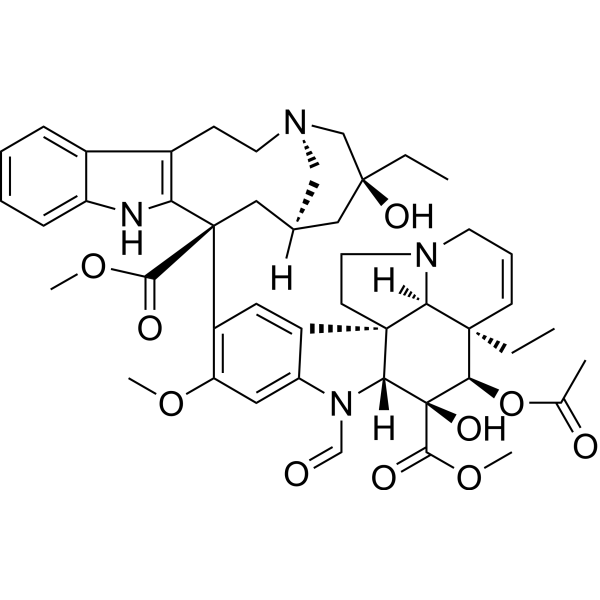
Vincristine (Leurocristine; NSC-67574; 22-Oxovincaleukoblastine) is a microtubule inhibitor that disrupts microtubule polymerization by binding to β-tubulin (with a Ki of 85 nM in bovine), arrests the cell cycle and induces apoptosis. Vincristine inhibits cell replication, tumor blood flow and the proliferation of various cancer cells, while triggering effects such as oxidative stress, inflammation, calcium overload, epithelial-mesenchymal transition and peripheral neuropathic pain. Vincristine upregulates the expression of various transporters and nuclear receptors, and enriches gastric cancer stem-like cells. Vincristine is used in research related to various tumors including acute lymphoblastic leukemia, lymphoma, melanoma, gastric cancer, solid tumors and sarcomas .
loading...
    loading...
12
12 Cited Publications
Cat. No.: HY-B1019
CAS No.: 15676-16-1
Target:  

Dopamine Receptor

Research Areas:  

Neurological Disease

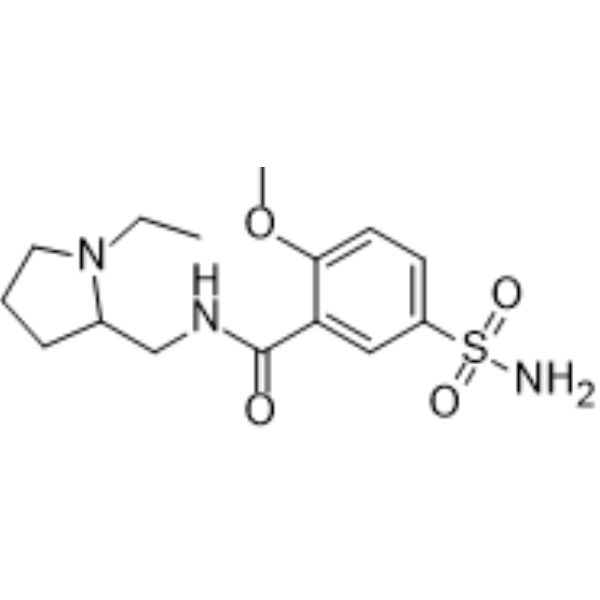
Sulpiride is an orally active dopamine D2/D3 receptor antagonist. Sulpiride is an atypical antipsychotic agent of the benzamide family. Sulpiride can be used in research into anxiety, depression and breast cancer .
loading...
    loading...
2
2 Cited Publications
Cat. No.: HY-122912
CAS No.: 109437-62-9
Purity:  99.15%
Synonyms: ALDH1Ai 673A
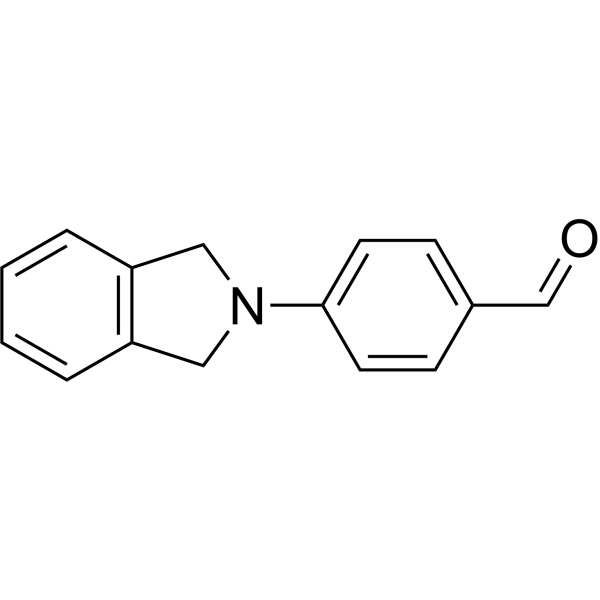
ALDH1A inhibitor 673A is an ALDH1A inhibitor with IC50s of 246 nM (ALDH1A1), 230 nM (ALDH1A2), 348 nM (ALDH1A3), respectively. ALDH1A inhibitor 673A has little or no inhibitory effect on other ALDH family members. ALDH1A inhibitor 673A induces necroptotic ovarian cancer stem-like cells (CSCs) death. ALDH1A inhibitor 673A induces DNA double stand breaks in cancer cells. ALDH1A inhibitor 673A can be used for the study of ovarian cancer .
loading...
    loading...
1
1 Cited Publications
Cat. No.: HY-W004283
CAS No.: 1002-84-2
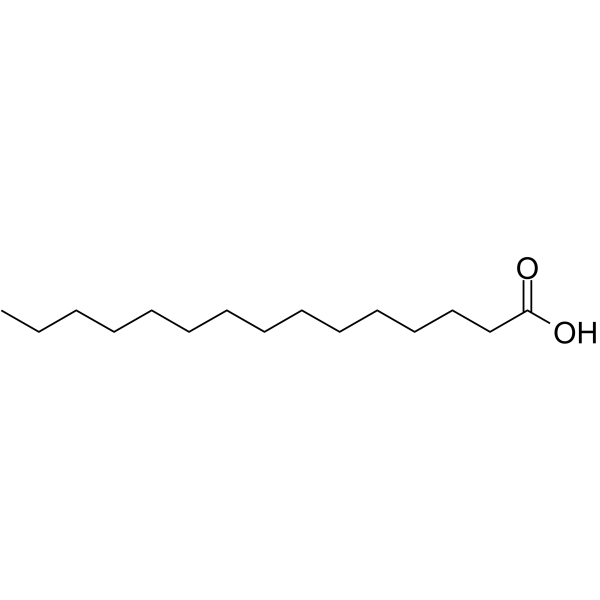
Pentadecylic acid is a saturated fatty acid with a 15-carbon backbone.
loading...
    loading...
1
1 Cited Publications
Cat. No.: HY-121608
CAS No.: 1088-56-8
Purity:  99.79%
Synonyms: Lumiflavine
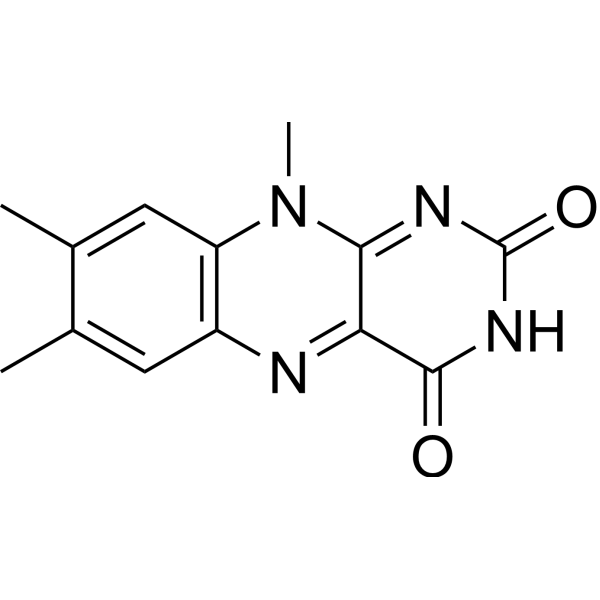
Lumiflavin (Lumiflavine), a riboflavine analog, causes significant inhibition of riboflavine uptake. Lumiflavin can effectively reduce the riboflavin enrichment in cancer stem-like cells (CSCs) and sensitize the effect of cisplatin Diamminedichloroplatinum (DDP) on CSCs. Lumiflavin is promising for research of ovarian cancer .
loading...
    loading...
1
1 Cited Publications
Cat. No.: HY-18948
CAS No.: 1816331-63-1
Research Areas:  

Cancer

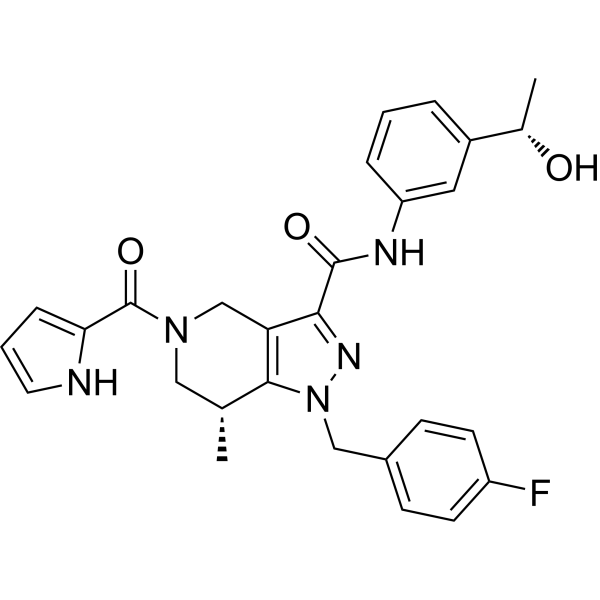
GSK321 is a potent, selective mutant IDH1 inhibitor with IC50 values of 2.9, 3.8, 4.6 and 46 nM for R132G, R132C, R132H and WT IDH1, respectively, and >100-fold selectivity over IDH2. GSK321 induces decrease in intracellular α-Hydroxyglutaric acid (2-HG) (HY-113038B), abrogation of the myeloid differentiation block and induction of granulocytic differentiation at the level of leukemic blasts and more immature stem-like cells. GSK321can be used for research of acute myeloid leukemia (AML) and other cancers .
loading...
    loading...
Cat. No.: HY-145102
CAS No.: 2411429-33-7
Purity:  99.63%
Target:  

HSP Apoptosis

Research Areas:  

Cancer

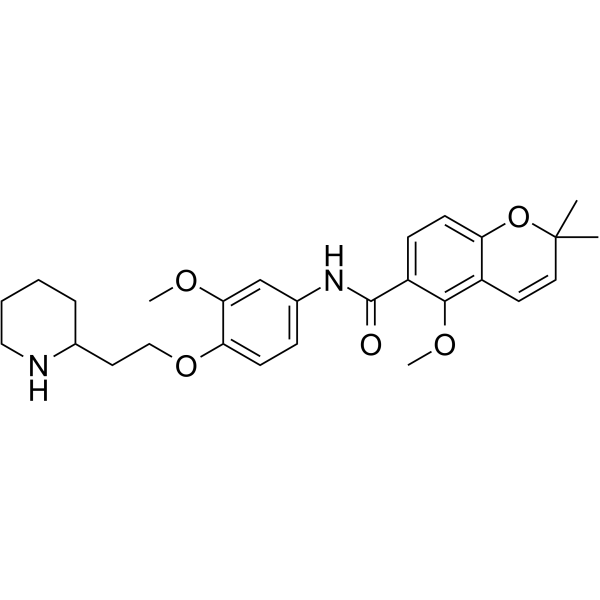
NCT-58 is a potent inhibitor of C-terminal HSP90. NCT-58 does not induce the heat shock response (HSR) due to its targeting of the C-terminal region and elicits anti-tumor activity via the simultaneous downregulation of HER family members as well as inhibition of Akt phosphorylation. NCT-58 kills Trastuzumab-resistant breast cancer stem-like cells. NCT-58 induces apoptosis in HER2-positive breast cancer cells .
loading...
    loading...
Cat. No.: HY-160972
CAS No.: 474255-10-2
Target:  

LXR

Research Areas:  

Neurological Disease Cancer

MM0299 is a selective lanosterol synthase (LSS) inhibitor with an IC50 value of 2.22 μM. MM0299 depletes intracellular cholesterol and acts as a growth inhibitor for glioma stem-like cells. MM0299 exhibits anti-glioblastoma activity. MM0299 is applicable to research related to glioblastoma .
loading...
    loading...
Cat. No.: HY-128888B
CAS No.: 1816272-18-0
Purity:  98.62%
Research Areas:  

Cancer

(S,R)-GSK321 is the (S,R)-enantiomer of GSK321 (HY-18948). GSK321 is a potent, selective mutant IDH1 inhibitor with IC50 values of 2.9, 3.8, 4.6 and 46 nM for R132G, R132C, R132H and WT IDH1, respectively, and >100-fold selectivity over IDH2. GSK321 induces decrease in intracellular 2-HG, abrogation of the myeloid differentiation block and induction of granulocytic differentiation at the level of leukemic blasts and more immature stem-like cells. GSK321can be used for research of acute myeloid leukemia (AML) and other cancers .
loading...
    loading...
Cat. No.: HY-W004283R
CAS No.: 1002-84-2
α-Linolenic acid (Standard) is the analytical standard of α-Linolenic acid. This product is intended for research and analytical applications. α-Linolenic acid, isolated from Perilla frutescens, is an essential fatty acid that cannot be synthesized by humans. α-Linolenic acid can affect the process of thrombotic through the modulation of PI3K/Akt signaling. α-Linolenic acid possess the anti-arrhythmic properties and is related to cardiovascular disease and cancer .
loading...
    loading...
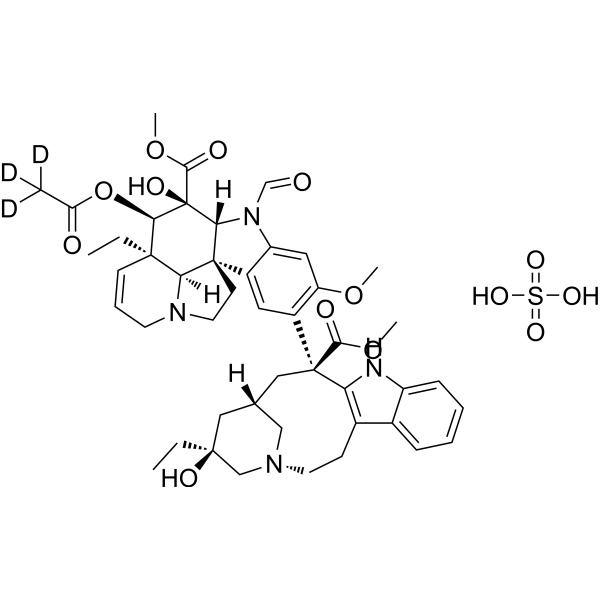
Cat. No.: HY-N0488S
CAS No.: 1246817-10-6
Synonyms: Leurocristine-d3 sulfate; NSC-67574-d3 sulfate; 22-Oxovincaleukoblastine-d3 sulfate
Vincristine-d3 sulfate is the deuterium labeled Vincristine sulfate. Vincristine sulfate (Leurocristine; NSC-67574; 22-Oxovincaleukoblastine) is a microtubule inhibitor that disrupts microtubule polymerization by binding to β-tubulin (with a Ki of 85 nM in bovine), arrests the cell cycle and induces apoptosis. Vincristine sulfate inhibits cell replication, tumor blood flow and the proliferation of various cancer cells, while triggering effects such as oxidative stress, inflammation, calcium overload, epithelial-mesenchymal transition and peripheral neuropathic pain. Vincristine sulfate upregulates the expression of various transporters and nuclear receptors, and enriches gastric cancer stem-like cells. Vincristine sulfate is used in research related to various tumors including acute lymphoblastic leukemia, lymphoma, melanoma, gastric cancer, solid tumors and sarcomas .
loading...
    loading...
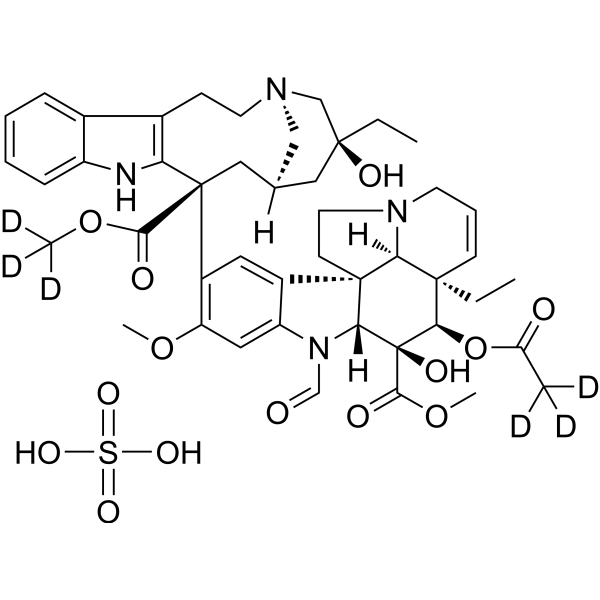
Cat. No.: HY-N0488S2
Synonyms: Leurocristine-d6 sulfate; NSC-67574-d6 sulfate; 22-Oxovincaleukoblastine-d6 sulfate
Vincristine-d6 (sulfate) is the deuterium labeled Vincristine sulfate. Vincristine sulfate (Leurocristine; NSC-67574; 22-Oxovincaleukoblastine) is a microtubule inhibitor that disrupts microtubule polymerization by binding to β-tubulin (with a Ki of 85 nM in bovine), arrests the cell cycle and induces apoptosis. Vincristine sulfate inhibits cell replication, tumor blood flow and the proliferation of various cancer cells, while triggering effects such as oxidative stress, inflammation, calcium overload, epithelial-mesenchymal transition and peripheral neuropathic pain. Vincristine sulfate upregulates the expression of various transporters and nuclear receptors, and enriches gastric cancer stem-like cells. Vincristine sulfate is used in research related to various tumors including acute lymphoblastic leukemia, lymphoma, melanoma, gastric cancer, solid tumors and sarcomas .
loading...
    loading...
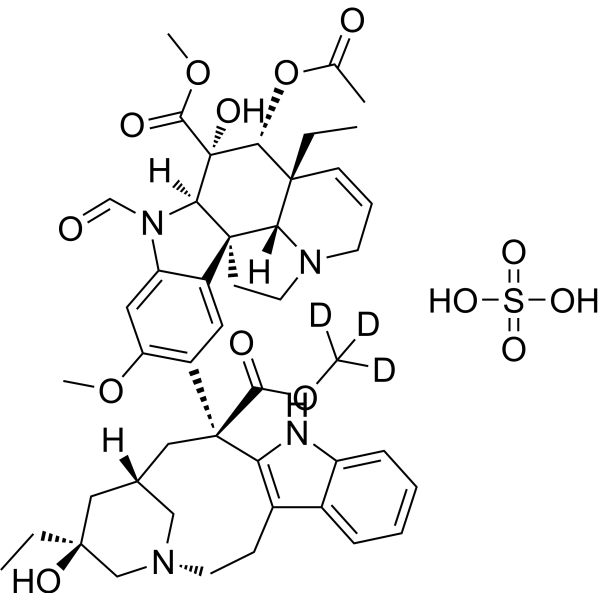
Cat. No.: HY-N0488S1
CAS No.: 1217854-24-4
Synonyms: Leurocristine-d3-1 sulfate; NSC-67574-d3-1 sulfate; 22-Oxovincaleukoblastine-d3-1 sulfate
Vincristine-d3 sulfate is the deuterium labeled Vincristine sulfate. Vincristine-1 sulfate (Leurocristine; NSC-67574; 22-Oxovincaleukoblastine) is a microtubule inhibitor that disrupts microtubule polymerization by binding to β-tubulin (with a Ki of 85 nM in bovine), arrests the cell cycle and induces apoptosis. Vincristine-1 sulfate inhibits cell replication, tumor blood flow and the proliferation of various cancer cells, while triggering effects such as oxidative stress, inflammation, calcium overload, epithelial-mesenchymal transition and peripheral neuropathic pain. Vincristine-1 sulfate upregulates the expression of various transporters and nuclear receptors, and enriches gastric cancer stem-like cells. Vincristine-1 sulfate is used in research related to various tumors including acute lymphoblastic leukemia, lymphoma, melanoma, gastric cancer, solid tumors and sarcomas .
loading...
    loading...
Cat. No.: HY-N0488R
CAS No.: 2068-78-2
Synonyms: Leurocristine sulfate (Standard); NSC-67574 sulfate (Standard); 22-Oxovincaleukoblastine sulfate (Standard)
Vincristine (sulfate) (Standard) is the analytical standard of Vincristine (sulfate). This product is intended for research and analytical applications. Vincristine sulfate (Leurocristine; NSC-67574; 22-Oxovincaleukoblastine) is a microtubule inhibitor that disrupts microtubule polymerization by binding to β-tubulin (with a Ki of 85 nM in bovine), arrests the cell cycle and induces apoptosis. Vincristine sulfate inhibits cell replication, tumor blood flow and the proliferation of various cancer cells, while triggering effects such as oxidative stress, inflammation, calcium overload, epithelial-mesenchymal transition and peripheral neuropathic pain. Vincristine sulfate upregulates the expression of various transporters and nuclear receptors, and enriches gastric cancer stem-like cells. Vincristine sulfate is used in research related to various tumors including acute lymphoblastic leukemia, lymphoma, melanoma, gastric cancer, solid tumors and sarcomas .
loading...
    loading...
Cat. No.: HY-164480
CAS No.: 1588866-45-8
Target:  

IKK NF-κB

Research Areas:  

Inflammation/Immunology Cancer

GTCpFE inhibits IKKα/β in the NF-κB pathway with anti-inflammatory activities and blocks p65 nuclear entry, which consists of Dimethyl fumarate (DMF) (HY-17363) linked to Aspirin (ASA) (HY-14654). GTCpFE exhibits selective anti-cancer stem-like cell (CSC) activity by reducing mammosphere growth and the CD44 + CD24 - immunophenotype. GTCpFE inhibits breast cancer stem cells, an important NFκB- and PGE2-dependent phenotype in aggressive cancers .
loading...
    loading...
Cat. No.: HY-179615
Entadamide A-CO-C12 is an Entadamide A (HY-N12125) derivative with potent anti-cancer activity, particularly against breast cancer cell lines. Entadamide A-CO-C12 promotes apoptosis, suppresses migratory ability, sphere formation, and stem-like cell populations. Entadamide A-CO-C12 inhibits tumor growth in a 4T1 mouse model. Entadamide A-CO-C12 can be used for the research of breast cancer .
loading...
    loading...
Cat. No.: HY-N0565AG
CAS No.: 10592-13-9
Doxycycline hydrochloride GMP is Doxycycline (hydrochloride) (HY-N0565A) produced by using GMP guidelines. GMP small molecules works appropriately as an auxiliary reagent for cell therapy manufacture. Doxycycline hydrochloride is an orally active highly lipophilic, tissue-permeable MMP inhibitor with broad-spectrum antibacterial activity. Doxycycline hydrochloride is also a semi-synthetic antibiotic with chelating properties, which blocks bacterial protein synthesis and inhibits extracellular matrix degradation through interactions with zinc and calcium atoms. Doxycycline hydrochloride also inhibits mitochondrial biogenesis, translation, and the expression of respiratory chain proteins. Doxycycline hydrochloride induces apoptosis, inhibits autophagy and EMT, downregulates stem cell markers, and activates the PI3K-AKT pathway, thereby effectively inhibiting the viability and proliferation of cancer cells such as breast cancer cells. Doxycycline hydrochloride also promotes the survival and self-renewal of embryonic stem cells and neural stem cells, and reduces the frequency of medium changes in culture. Doxycycline hydrochloride has been applied in studies related to breast cancer, prostate cancer, bladder cancer, and other cancers .
loading...
    loading...
  • 1

