1. Search Result
Search Result
Results for "

cholinergic

" in MedChemExpress (MCE) Product Catalog:

200

Inhibitors & Agonists

1

Screening Libraries

2

Biochemical Assay Reagents

10

Peptides

23

Natural
Products

3

Recombinant Proteins

24

Isotope-Labeled Compounds

3

Antibodies

Cat. No. Product Name Target Research Areas Chemical Structure
  • HY-B0282
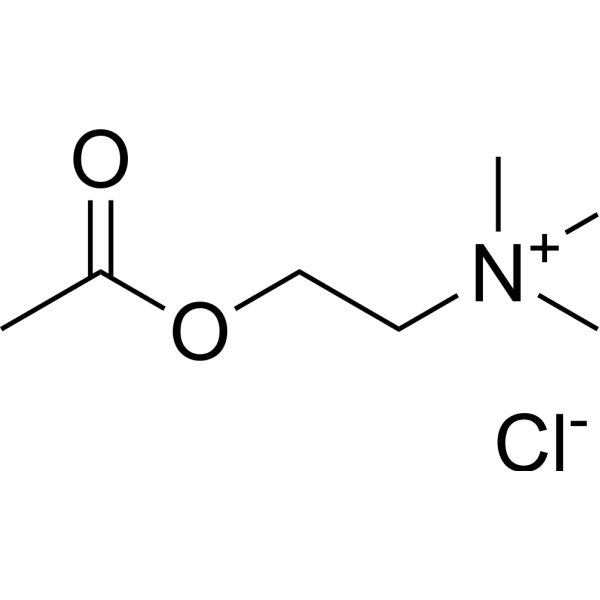
    Acetylcholine chloride
    Maximum Cited Publications
    24 Publications Verification

    ACh chloride

    nAChR Calcium Channel Endogenous Metabolite Infection Neurological Disease Cancer
    Acetylcholine chloride (ACh chloride), a neurotransmitter, is a potent and BBB-permeable cholinergic agonist. Acetylcholine chloride is a modulator of the activity of dopaminergic (DAergic) neurons through the stimulation of nicotinic acetylcholine receptors (nAChRs) . Acetylcholine chloride inhibits p53 mutant peptide aggregation in vitro .
    Acetylcholine chloride
  • HY-B0303
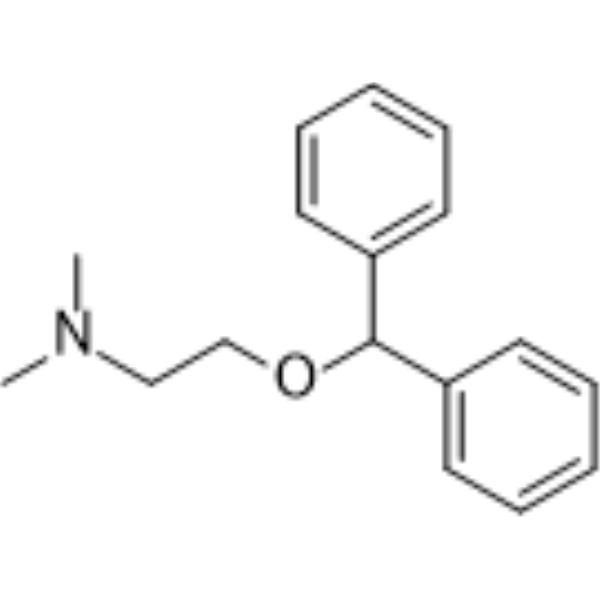
    Diphenhydramine
    5+ Cited Publications

    Histamine Receptor Bacterial Endogenous Metabolite iGluR Neurological Disease Inflammation/Immunology Cancer
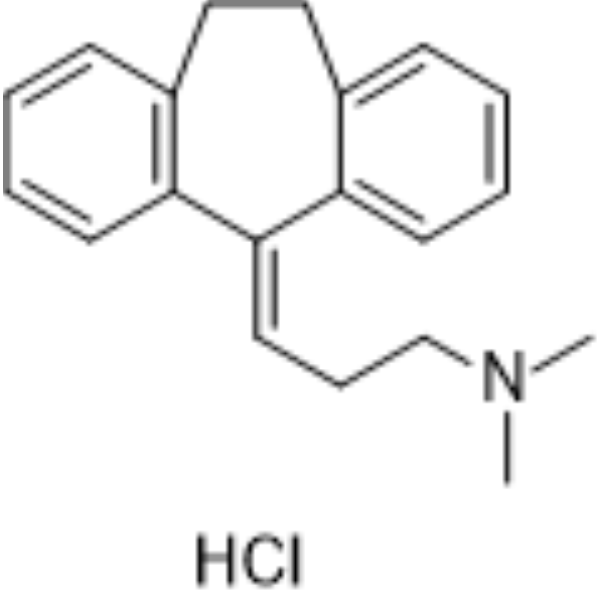
    Diphenhydramine is a first-generation histamine H1-receptor antagonist with anti-cholinergic effect. Diphenhydramine hydrochloride can across the ovine blood-brain barrier (BBB) .
    Diphenhydramine
  • HY-B0303A
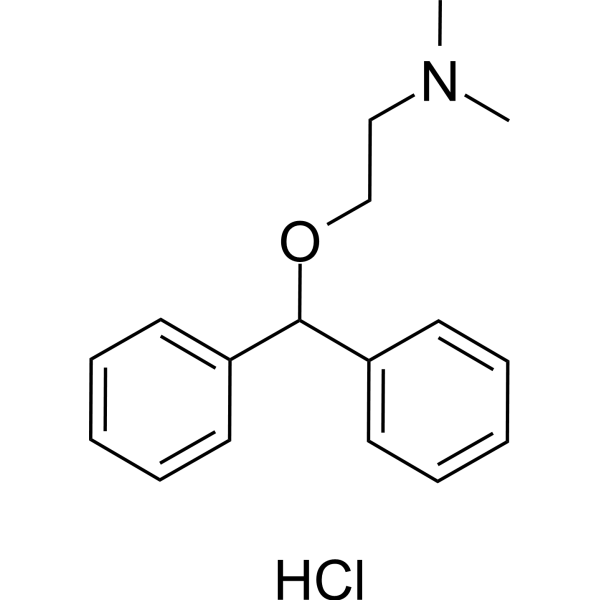
    Diphenhydramine hydrochloride
    5+ Cited Publications

    Histamine Receptor Endogenous Metabolite Bacterial Apoptosis Inflammation/Immunology Endocrinology Cancer
    Diphenhydramine hydrochloride is a first-generation histamine H1-receptor antagonist with anti-cholinergic effect. Diphenhydramine hydrochloride can across the ovine blood-brain barrier (BBB) .
    Diphenhydramine hydrochloride
  • HY-N6608
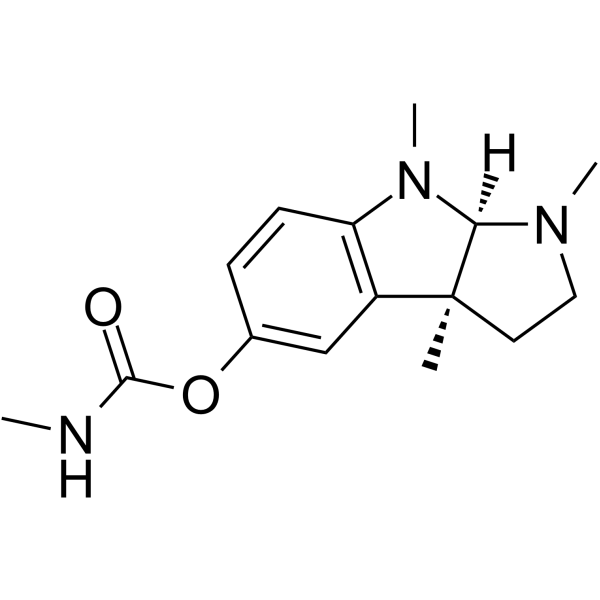
    Physostigmine
    2 Publications Verification

    Eserine

    Cholinesterase (ChE) Neurological Disease
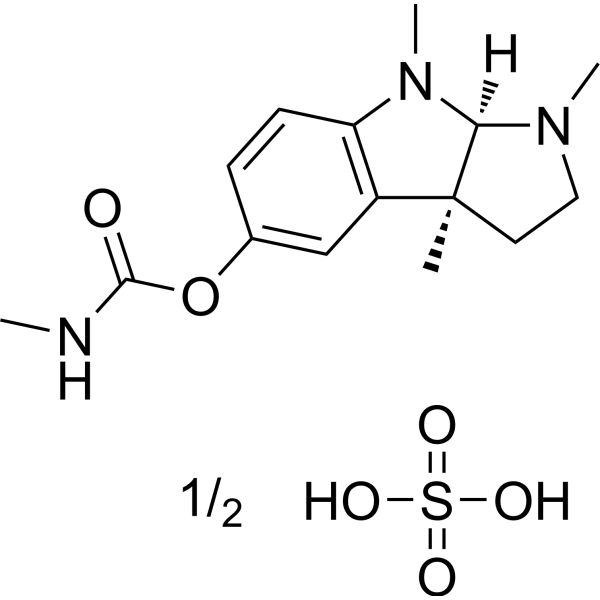
    Physostigmine (Eserine) is a reversible acetylcholinesterase (AChE) inhibitor. Physostigmine can crosses the blood-brain barrier and stimulates central cholinergic neurotransmission. Physostigmine can reverse memory deficits in transgenic mice with Alzheimer's disease. Physostigmine is also an antidote for anticholinergic poisoning .
    Physostigmine
  • HY-B1266
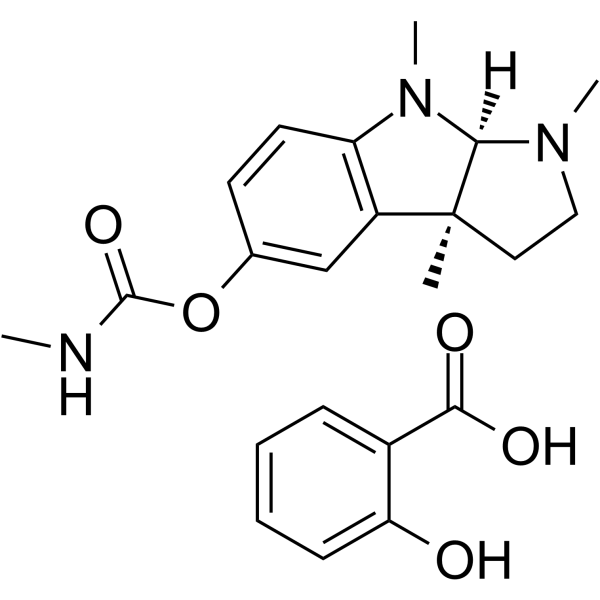
    Physostigmine salicylate
    2 Publications Verification

    Eserine salicylate

    Cholinesterase (ChE) Neurological Disease
    Physostigmine salicylate (Eserine salicylate) is a reversible acetylcholinesterase (AChE) inhibitor. Physostigmine salicylate crosses the blood-brain barrier and stimulates central cholinergic neurotransmission. Physostigmine salicylate can reverse memory deficits in transgenic mice with Alzheimer's disease. Physostigmine salicylate is also an antidote for anticholinergic poisoning .
    Physostigmine salicylate
  • HY-17368
    Rivastigmine
    1 Publications Verification

    ENA 713 free base; SDZ-ENA 713 free base

    Cholinesterase (ChE) Neurological Disease
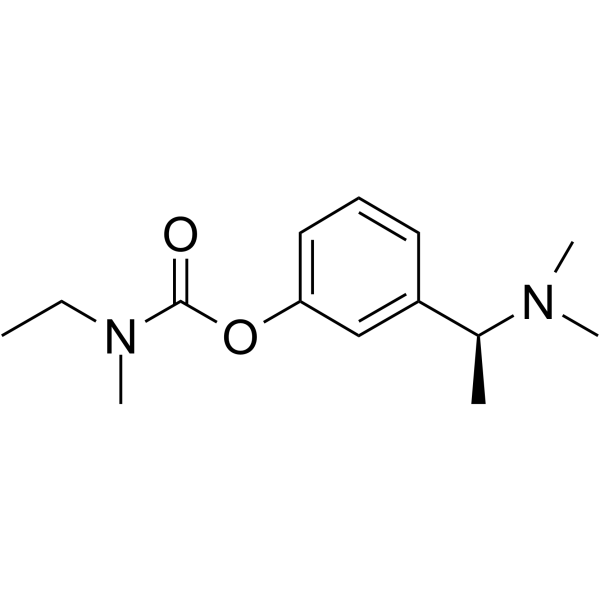
    Rivastigmine (ENA 713 free base) is an orally active and potent cholinesterase (ChE) inhibitor and inhibits butyrylcholinesterase (BChE) and acetylcholinesteras (AChE) with IC50s of 0.037 μM , 4.15 μM, respectively. Rivastigmine can pass the blood brain barrier (BBB). Rivastigmine is a parasympathomimetic or cholinergic agent used for the research of mild to moderate dementia of the Alzheimer's type and dementia due to Parkinson's disease .
    Rivastigmine
  • HY-P2860

    ACHE; EC 3.1.1.7

    Cholinesterase (ChE) Neurological Disease
    Acetylcholinesterase, Fly head (ACHE; EC 3.1.1.7) is a cholinergic enzyme mainly found in neuromuscular junctions and cholinergic type chemical synapses used in biochemical research. Acetylcholinesterase, Fly head catalyzes the breakdown or hydrolysis of acetylcholine and some other choline esters that act as neurotransmitters into acetate and choline. Acetylcholinesterase, Fly head's main role is to terminate neuronal transmission and signaling between synapses to prevent ACh spread and activation of nearby receptors .
    Acetylcholinesterase, Fly head
  • HY-11017
    Rivastigmine tartrate
    1 Publications Verification

    ENA 713; SDZ-ENA 713

    Cholinesterase (ChE) Neurological Disease
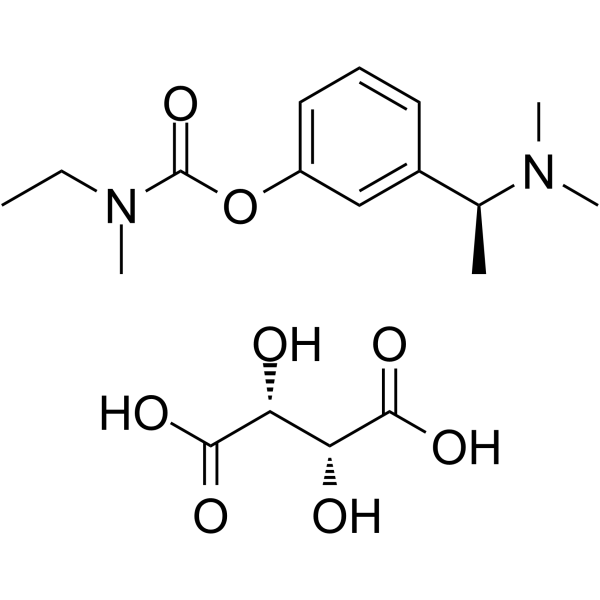
    Rivastigmine tartrate (ENA 713; SDZ-ENA 713) is an orally active and potent cholinesterase (ChE) inhibitor and inhibits butyrylcholinesterase (BChE) and acetylcholinesteras (AChE) with IC50s of 0.037 μM, 4.15 μM, respectively. Rivastigmine tartrate can pass the blood brain barrier (BBB). Rivastigmine tartrate is a parasympathomimetic or cholinergic agent used for the research of mild to moderate dementia of the Alzheimer's type and dementia due to Parkinson's disease .
    Rivastigmine tartrate
  • HY-110155
    LM11A-31 dihydrochloride
    5+ Cited Publications

    Neurotensin Receptor Neurological Disease
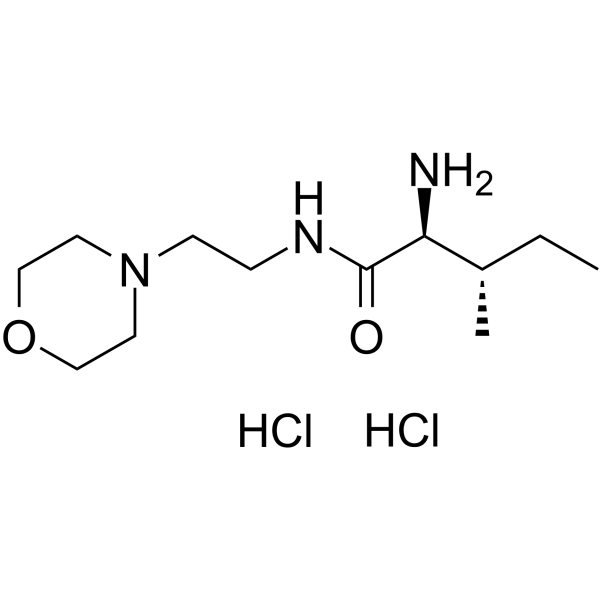
    LM11A-31 dihydrochloride, a non-peptide p75 NTR (neurotrophin receptor p75) modulator, is an orally active and potent proNGF (nerve growth factor) antagonist. LM11A-31 dihydrochloride is an amino acid derivative with high blood-brain barrier permeability and blocks p75-mediated cell death. LM11A-31 dihydrochloride reverses cholinergic neurite dystrophy in Alzheimer's disease mouse models with mid- to late-stage disease progression .
    LM11A-31 dihydrochloride
  • HY-B0461

    mAChR Neurological Disease
    Trospium chloride is an orally active, specific and competitive antagonist of muscarinic cholinergic receptors (mAChRs), with antimuscarinic activity. Trospium chloride binds to muscarinic receptors M1, M2 and M3 with high affinity, but not nicotinic, cholinergic receptors .
    Trospium chloride
  • HY-N2183
    Baimaside
    3 Publications Verification

    Quercetin 3-O-sophoroside

    SARS-CoV Infection Neurological Disease
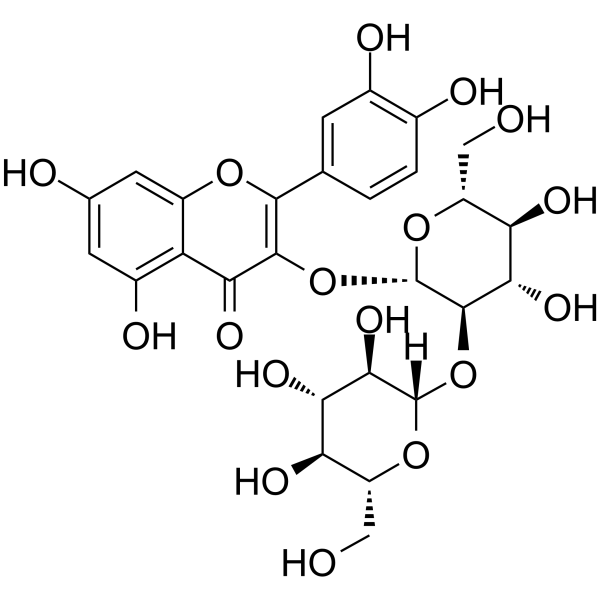
    Baimaside (Quercetin 3-O-sophoroside) is a flavonoid cholinergic function modulator that binds to SARS-CoV-2-related targets. Baimaside regulates the expression of cholinergic system-related proteins and acetylcholine levels, improves scopolamine-induced learning and memory impairment, protects hippocampal neurons, inhibits pollen protein fluorescence, and protects pollen DNA. Its biosynthesis is regulated by multiple enzymes. Baimaside is completely absorbed in rats, undergoes phase Ⅱ metabolism and gut microbiota decomposition, and inhibits the invasion and proliferation of SARS-CoV-2 and its variants, making it suitable for research related to Alzheimer's disease and COVID-19 .
    Baimaside
  • HY-P2860A

    Cholinesterase (ChE) Neurological Disease
    Acetylcholinesterase, Electric eel is a cholinergic enzyme that is mainly found in neuromuscular junctions and cholinergic chemical synapses and is often used in biochemical research. Acetylcholinesterase, Electric eel can catalyze the decomposition or hydrolysis of acetylcholine and some other choline esters that act as neurotransmitters into acetic acid and choline. The main function of Acetylcholinesterase, Electric eel is to terminate neuronal transmission and signal conduction between synapses to prevent ACh diffusion and activation of nearby receptors .
    Acetylcholinesterase, Electric eel
  • HY-W027553

    NIK-247 free base; Amiridine free base

    Cholinesterase (ChE) Potassium Channel Sodium Channel Neurological Disease Metabolic Disease
    Ipidacrine is orally active and brain-penetrant AChE and BuChE inhibitors with IC50 values of 1 μM and 1.9 μM, respectively, which is also a partial agonist of M2-cholinergic receptors and a reversible cholinesterase inhibitor. Ipidacrine has a stimulating effect on neuromuscular transmission and excitation along the nerve fibres with a moderately anti-pain effect. Ipidacrine is an aminopyridines and is structurally similar to Tacrine (HY-111338). Ipidacrine is effective in various amnesia models, improves erectile function and inhibits K + and Na +-channels in the neuronal membrane in diabetic rats. Ipidacrine is promising for research of Alzheimer’s disease, ischaemic stroke, idiopathic neuropathy of the facial nerve, diabetes mellitus-induced erectile dysfunction and other deficits in central or peripheral cholinergic deseases .
    Ipidacrine
  • HY-B0344
    Methscopolamine bromide
    1 Publications Verification

    (-)-Scopolamine methyl bromide; Hyoscine methyl bromide

    mAChR Neurological Disease
    Methscopolamine bromide ((-)-Scopolamine methyl bromide; Hyoscine methyl bromide) is a peripherally acting muscarinic receptor (mAChR) antagonist that cannot cross the blood-brain barrier. Methscopolamine bromide blocks the muscarinic negative feedback regulation of acetylcholine release from striatal cholinergic terminals, thereby increasing acetylcholine release in the striatum of freely moving rats. Methscopolamine bromide does not induce motor excitation in freely moving rats, nor does it alter the duration of ethanol-induced loss of righting reflex in mice. Methscopolamine bromide fails to antagonize the arecoline-mediated reduction in the duration of ethanol-induced loss of righting reflex in mice .
    Methscopolamine bromide
  • HY-10351A

    NAD-​299 hydrochloride

    5-HT Receptor Neurological Disease
    Robalzotan hydrochloride (NAD-​299 hydrochloride) is a potent and selective 5-Hydroxytryptamine 1A (5-HT1A) inhibitor. Robalzotan hydrochloride increases the firing rate of 5-HT cells. Robalzotan hydrochloride induces 5-HT1A receptor occupancy. Robalzotan hydrochloride has the potential for the research of a cholinergic deficit in the central -nervous system .
    Robalzotan hydrochloride
  • HY-P3960

    Thyroid Hormone Receptor Endogenous Metabolite Neurological Disease
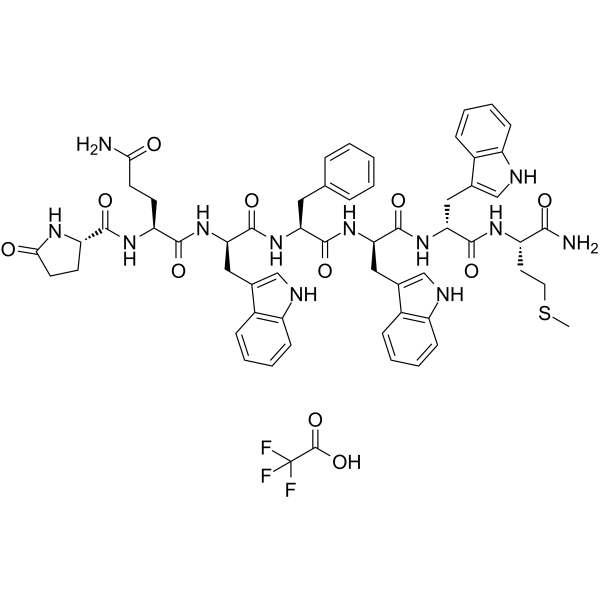
    (Glu2)-TRH, a metabolically stable analogue of Thyrotropin-releasing hormone (TRH; HY-P0002), is a negative modulator for the cholinergic effect of TRH in the mouse brain. (Glu2)-TRH significantly attenuates TRH-induced hippocampal extracellular acetylcholine release. (Glu2)-TRH is not metabolized by thyroliberinase. (Glu2)-TRH manifests neuroprotective, antidepressant, anticonvulsant in the CNS .
    (Glu2)-TRH
  • HY-B0170A

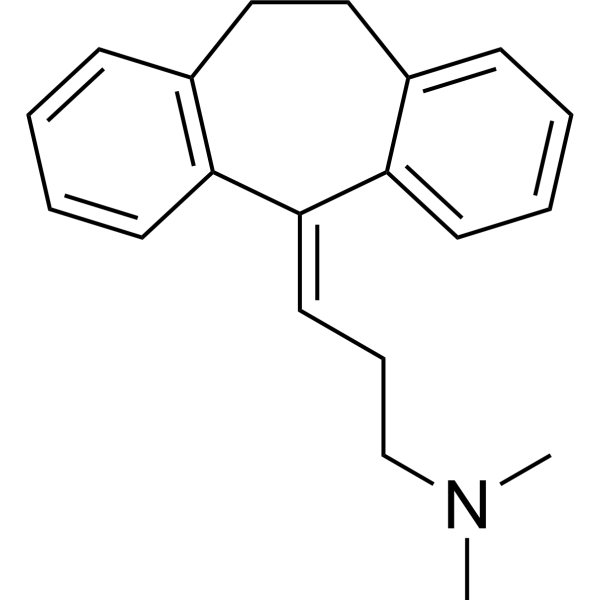
    Azatadine maleate

    Histamine Receptor Inflammation/Immunology Endocrinology
    Azatadine dimaleate (Azatadine maleate) is an inhibitor of histamine and cholinergic with an IC50 of 6. Azatadine dimaleate has additional antiserotonin activity. Azatadine dimaleate can be studied in research on perennial allergic rhinitis .
    Azatadine dimaleate
  • HY-B0303AS

    Isotope-Labeled Compounds Histamine Receptor Endogenous Metabolite Inflammation/Immunology Endocrinology
    Diphenhydramine-d6 (hydrochloride) is the deuterium labeled Diphenhydramine hydrochloride. Diphenhydramine hydrochloride is a first-generation histamine H1-receptor antagonist with anti-cholinergic effect. Diphenhydramine hydrochloride can across the ovine blood-brain barrier (BBB) .
    Diphenhydramine-d6 hydrochloride
  • HY-B0282S1

    ACh-d9 chloride

    nAChR Calcium Channel Endogenous Metabolite Neurological Disease Cancer
    Acetylcholine-d9 (chloride) is the deuterium labeled Acetylcholine chloride. Acetylcholine chloride (ACh chloride), a neurotransmitter, is a potent and BBB-permeable cholinergic agonist. Acetylcholine chloride is a modulator of the activity of dopaminergic (DAergic) neurons through the stimulation of nicotinic acetylcholine receptors (nAChRs) . Acetylcholine chloride inhibits p53 mutant peptide aggregation in vitro .
    Acetylcholine-d9 chloride
  • HY-W016414

    Environmental Pollutants Endogenous Metabolite Cardiovascular Disease
    Triethyl phosphate is a versatile phosphate ester compound. Triethyl phosphate induces rapid and short-acting anesthesia, and exhibits hypotensive, smooth muscle relaxant, and cardiac inhibitory effects. Triethyl phosphate also modulates cholinergic toxicity; its anesthetic effect shows sex- and age-dependency in rodents, and it interacts with SKF 525-A (HY-B1311) to alter the duration of anesthesia .
    Triethyl phosphate
  • HY-100907

    Acetyl dl-carnitine chloride

    Cholinesterase (ChE) Neurological Disease
    (±)-Acetylcarnitine chloride (Acetyl dl-carnitine chloride) is a weak cholinergic agonist with cholinergic properties. (±)-Acetylcarnitine chloride is an important intermediate in lipid metabolism .
    (±)-Acetylcarnitine chloride
  • HY-P3162A

    Apelin Receptor (APJ) Cardiovascular Disease
    (Ala13)-Apelin-13 TFA is a potent apelin receptors (APJ) antagonist. (Ala13)-Apelin-13 TFA inhibits gastric motility through vagal cholinergic pathway .
    (Ala13)-Apelin-13 TFA
  • HY-173396

    VU319

    mAChR Neurological Disease
    VU0467319 (Compound VU319) is a highly selective and blood-brain-permeable, orally active M1 positive allosteric modulator (PAM) (EC50: 492 nM). VU0467319 is selective (EC50 > 30 μM) versus M2-5 for both human and rat. VU0467319 improves cognitive impairment in Alzheimer's disease (AD) through central M1 muscarinic receptors. VU0467319 does not induce cholinergic adverse reactions and has potential in AD research .
    VU0467319
  • HY-B0461R

    mAChR Reference Standards Neurological Disease
    Trospium (chloride) (Standard) is the analytical standard of Trospium (chloride). This product is intended for research and analytical applications. Trospium chloride is an orally active, specific and competitive antagonist of muscarinic cholinergic receptors (mAChRs), with antimuscarinic activity. Trospium chloride binds to muscarinic receptors M1, M2 and M3 with high affinity, but not nicotinic, cholinergic receptors .
    Trospium chloride (Standard)
  • HY-W415004

    Cholinesterase (ChE) Neurological Disease
    ACHE-IN-38 (Compound mol-8) inhibits the metabolic breakdown of the neurotransmitter acetylcholine (ACh) by the enzyme acetylcholinesterase (AChE) and hence alleviates memory deficits in patients with Alzheimer’s Disease by potentiating cholinergic transmission .
    ACHE-IN-38
  • HY-B0303AS1

    Histamine Receptor Endogenous Metabolite Inflammation/Immunology Endocrinology
    Diphenhydramine-d5 (hydrochloride) is the deuterium labeled Diphenhydramine hydrochloride. Diphenhydramine hydrochloride is a first-generation histamine H1-receptor antagonist with anti-cholinergic effect. Diphenhydramine hydrochloride can across the ovine blood-brain barrier (BBB) .
    Diphenhydramine-d5 hydrochloride
  • HY-145780

    Cholinesterase (ChE) Others
    Cytidine 5′-diphosphoethanolamine is an intermediate compound in the synthesis of phosphatidylethanolamine. Cytidine 5′-diphosphoethanolamine is a stimulant of Ach synthesis .
    Cytidine 5′-diphosphoethanolamine
  • HY-W127699

    N,N,N-Trimethyl-2-(propionyloxy)ethanaminium (p-toluenesulfonate)

    Biochemical Assay Reagents Others
    Propionylcholine (p-toluenesulfonate) is an organic compound commonly used in biochemical research and neuroscience research. It can be used to study cholinergic signal transduction and esterase activity, and is widely used in biomedical research and pharmacological research. In addition, this compound is also used as a substrate or catalyst in certain biochemical reactions.
    Propionylcholine (p-toluenesulfonate)
  • HY-B0303R

    Reference Standards Histamine Receptor Bacterial Endogenous Metabolite iGluR Neurological Disease Inflammation/Immunology Cancer
    Diphenhydramine (Standard) is the analytical standard of Diphenhydramine. This product is intended for research and analytical applications. Diphenhydramine is a first-generation histamine H1-receptor antagonist with anti-cholinergic effect. Diphenhydramine hydrochloride can across the ovine blood-brain barrier (BBB) .
    Diphenhydramine (Standard)
  • HY-B2198

    Actinomin chloride

    Cholinesterase (ChE) Neurological Disease
    Carpronium (Actinomin) chloride is an orally active cholinergic agonist, local vasodilator and parasympathomimetic agent. Carpronium chloride is structurally similar to acetylcholine. Carpronium chloride promotes hair growth, and oral overdose induces cholinergic crisis. Carpronium chloride is applicable to research related to alopecia areata .
    Carpronium chloride
  • HY-17368R

    ENA 713 free base(Standard); SDZ-ENA 713 free base(Standard)

    Reference Standards Cholinesterase (ChE) Neurological Disease
    Rivastigmine (Standard) is the analytical standard of Rivastigmine. This product is intended for research and analytical applications. Rivastigmine (ENA 713 free base) is an orally active and potent cholinesterase (ChE) inhibitor and inhibits butyrylcholinesterase (BChE) and acetylcholinesteras (AChE) with IC50s of 0.037 μM , 4.15 μM, respectively. Rivastigmine can pass the blood brain barrier (BBB). Rivastigmine is a parasympathomimetic or cholinergic agent used for the research of mild to moderate dementia of the Alzheimer's type and dementia due to Parkinson's disease .
    Rivastigmine (Standard)
  • HY-B0461S

    Isotope-Labeled Compounds mAChR Neurological Disease
    Trospium-d8 (chloride) is the deuterium labeled Trospium chloride. Trospium chloride is an orally active, specific and competitive antagonist of muscarinic cholinergic receptors (mAChRs), with antimuscarinic activity. Trospium chloride binds to muscarinic receptors M1, M2 and M3 with high affinity, but not nicotinic, cholinergic receptors .
    Trospium-d8 chloride
  • HY-W742955

    mAChR Neurological Disease
    Pargeverine hydrochloride is an antispasmodic opioid alkaloid. Pargeverine hydrochloride has a moderate and non-selective blockade of muscarinic cholinergic fibers. Pargeverine hydrochloride can be used in the research of painful spasms .
    Pargeverine hydrochloride
  • HY-13976A

    Drug Derivative Neurological Disease
    PRL-8-53 is an orally active, blood-brain barrier-permeable benzoate derivative with potent spasmolytic activity and central nervous system regulatory activity. PRL-8-53 acts on dopamine, serotonin and cholinergic-related targets, enhances dopamine activity, partially inhibits serotonin function and elicits cholinergic responses, thereby maintaining neurotransmitter balance in the central nervous system. PRL-8-53 improves learning ability, short-term memory and long-term memory in animals. PRL-8-53 can be used in central nervous system-related research .
    PRL-8-53
  • HY-B0303AR
    Diphenhydramine hydrochloride (Standard)
    5 Publications Verification

    Reference Standards Histamine Receptor Endogenous Metabolite Bacterial Inflammation/Immunology Endocrinology Cancer
    Diphenhydramine (hydrochloride) (Standard) is the analytical standard of Diphenhydramine (hydrochloride). This product is intended for research and analytical applications. Diphenhydramine hydrochloride is a first-generation histamine H1-receptor antagonist with anti-cholinergic effect. Diphenhydramine hydrochloride can across the ovine blood-brain barrier (BBB) .
    Diphenhydramine hydrochloride (Standard)
  • HY-114899

    Environmental Pollutants Cholinesterase (ChE) Insecticide Infection Neurological Disease
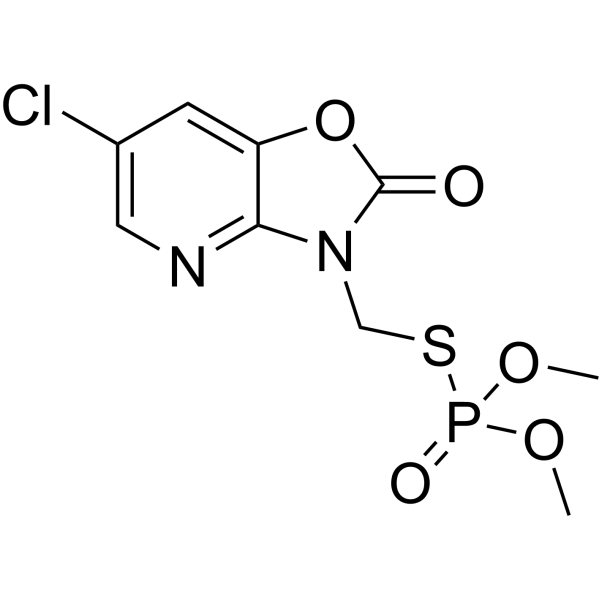
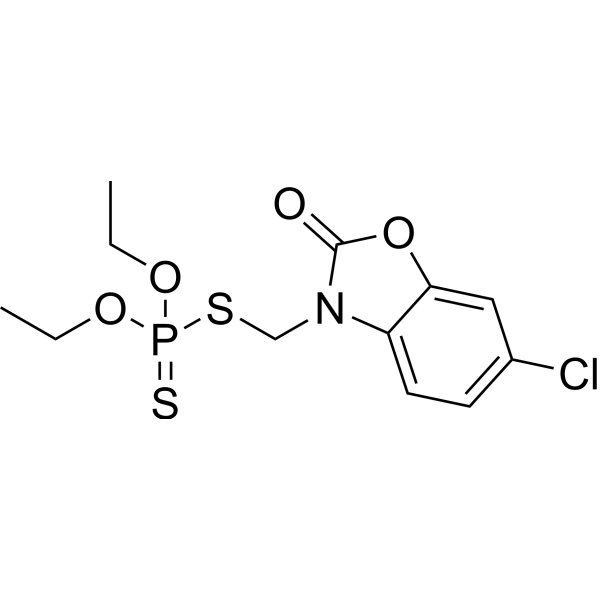
    Azamethiphos is an acetylcholinesterase inhibitor and insecticide. Azamethiphos covalently binds to acetylcholinesterase via phosphorylation, inhibits its activity, causes acetylcholine to accumulate in cholinergic synapses, triggers uncontrolled excitation of cholinergic sites, induces paralysis and leads to death. Azamethiphos can be used as a bath insecticide in salmonid aquaculture to control sea lice infestations, and it exerts acute toxicity to European lobster larvae, including mortality and movement disorders .
    Azamethiphos
  • HY-12426A

    mAChR Neurological Disease
    mAChR-IN-1 hydrochloride is a potent muscarinic cholinergic receptor (mAChR) antagonist, with an IC50 of 17 nM .
    mAChR-IN-1 hydrochloride
  • HY-105170B

    nAChR Neurological Disease
    ABT-418 hydrochloride is a potent and selective agonist of nAChRs with cognitive enhancing and anxiolytic activities. ABT-418 hydrochloride activates cholinergic channel and can be used for research of Alzheimer's disease .
    ABT-418 hydrochloride
  • HY-119918

    mAChR Neurological Disease
    Cycrimine is an orally active muscarinic cholinergic receptor (mAChR) M1 antagonist, reduces the acetylcholine levels in parkinson model. Cycrimine shows antispasmodic activity, can be used in studies of behavioral and mental disorder .
    Cycrimine
  • HY-120004

    mAChR Infection
    PF-06827443 is a potent, low-clearance, orally bioavailable, and CNS-penetrant M1-selective positive allosteric modulator (PAM) with minimal agonist activity. PF-06827443 induce cholinergic AEs and convulsion .
    PF-06827443
  • HY-106525

    Cholinesterase (ChE) Inflammation/Immunology
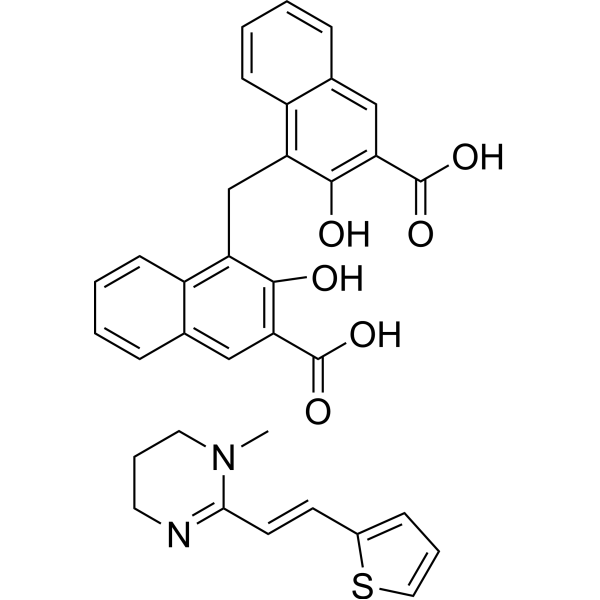
    Aclatonium napadisylate is a cholinergic agonist. Aclatonium napadisylate can increase amylase release and Ca 2+ efflux. Aclatonium napadisylate can stimulate pancreatic exocrine secretion and increase motility and peristalsis of the gastrointestinal tract. Aclatonium napadisylate can be used for the research of gastrointestinal disorders .
    Aclatonium napadisylate
  • HY-107676

    nAChR Neurological Disease
    SIB-1553A is an orally bioavailable nicotinic acetylcholine receptors (nAChRs) agonist, with selectivity for β4 subunit-containing nAChRs. SIB-1553A is also a selective neuronal nAChR ligand. SIB-1553A is a cognitive enhancer, and has therapeutic potential for the symptomatic treatment of Alzheimer’s disease and other cognitive disorders .
    SIB-1553A
  • HY-116459

    AF102A hydrochloride

    mAChR Neurological Disease
    Trans-Cevimeline (AF102A) (hydrochloride), as a trans-isomer of AF102B, is a M1 selective cholinergic agonist. Trans-Cevimeline (AF102A) (hydrochloride) can be used for the research of Alzheimer's disease .
    trans-Cevimeline hydrochloride
  • HY-120408

    Atroscine

    Adrenergic Receptor Neurological Disease
    (±)-Scopolamine (Atroscine) is the racemic modification of Scopolamine. (±)-Scopolamine inhibits α-adrenergic receptor activity. (±)-Scopolamine has Ki values of 33 μM and 7.25 nM for α1-adrenerg receptor and muscarinic cholinergic receptor, respectively .
    (±)-Scopolamine
  • HY-P11313

    Rat chromogranin A367–387

    nAChR Akt Cardiovascular Disease
    Catestatin (rat) (Rat chromogranin A367–387) is a potent, reversible, noncompetitive, and noncooperative nicotinic cholinergic antagonist derived from chromogranin A (A367-387). Catestatin (rat) inhibits norepinephrine release in rat PC12 pheochromocytoma cells (IC50 = 1.2 μM), and blocks desensitization of norepinephrine release (IC50 = 0.62 μM). Catestatin (rat) exerts antiadrenergic effects through the endothelial PI3K-AKT-eNOS pathway in rat papillary muscles and isolated cardiomyocytes. Catestatin (rat) maintains mitochondrial membrane potential in I/R cardiomyocytes and increases phosphorylation of AKT at S473, GSK3β at S9, PLB at T17, and eNOS at S1179. Catestatin (rat) reverses desensitization of 22Na + uptake. Catestatin (rat) can be used for the study of nicotinic cholinergic receptor regulation and catecholamine release control mechanisms .
    Catestatin (rat)
  • HY-P3162

    Apelin Receptor (APJ) Cardiovascular Disease
    (Ala13)-Apelin-13 is a potent apelin receptors (APJ) antagonist. (Ala13)-Apelin-13 inhibits gastric motility through vagal cholinergic pathway .
    (Ala13)-Apelin-13
  • HY-10351

    NAD-​299

    5-HT Receptor Neurological Disease
    Robalzotan (NAD-​299) is a potent and selective 5-Hydroxytryptamine 1A (5-HT1A) inhibitor. Robalzotan increases the firing rate of 5-HT cells. Robalzotan induces 5-HT1A receptor occupancy. Robalzotan has the potential for the research of a cholinergic deficit in the central -nervous system .
    Robalzotan
  • HY-W027553R

    NIK-247 free base (Standard); Amiridine free base (Standard)

    Reference Standards Cholinesterase (ChE) Potassium Channel Sodium Channel Neurological Disease Metabolic Disease
    Ipidacrine (Standard) is the analytical reference standard of Ipidacrine. This product is used for research and analytical applications. Ipidacrine is orally active and blood-brain-barrier-penetrant AChE and BuChE inhibitors with IC50 values of 1 μM and 1.9 μM, respectively, which is also a partial agonist of M2-cholinergic receptors and a reversible cholinesterase inhibitor. Ipidacrine has a stimulating effect on neuromuscular transmission and excitation along the nerve fibres with a moderately anti-pain effect. Ipidacrine is an aminopyridines and is structurally similar to Tacrine (HY-111338). Ipidacrine is effective in various amnesia models, improves erectile function and inhibits K + and Na +-channels in the neuronal membrane in diabetic rats. Ipidacrine is promising for research of Alzheimer’s disease, ischaemic stroke, idiopathic neuropathy of the facial nerve, diabetes mellitus-induced erectile dysfunction and other deficits in central or peripheral cholinergic deseases .
    Ipidacrine (Standard)
  • HY-B1585B

    Parpanil (edisylate)

    iGluR Neurological Disease
    Caramiphen edisylate (Parpanil edisylate) is an anticholinergic agent with NMDA receptor antagonist activity. Caramiphen edisylate can be used to inhibit diseases related to cholinergic neurotransmission. Caramiphen edisylate exerts its pharmacological effects by blocking cholinergic effects .
    Caramiphen (edisylate)
  • HY-U00139

    mAChR nAChR Neurological Disease
    Cyclodrine hydrochloride is a cholinergic (muscarinic, nicotinic) (mAChR and nAChR) receptor antagonist.
    Cyclodrine hydrochloride

Inquiry Online

Your information is safe with us. * Required Fields.

Salutation


Country or Region *

Applicant Name *


Organization Name *

Department *


Email Address *


Product Name *

Cat. No.


Requested quantity *

Phone Number *


Remarks

Inquiry Online

Inquiry Information

Product Name:
Cat. No.:
Quantity:
MCE Japan Authorized Agent:

