170 Results for "

competitive substrate

" in MedChemExpress (MCE) Product Catalog:
Products (170)

170 Results for "competitive substrate" in MCE Product Catalog:

12
12 Publications Verification
Cat. No.: HY-100201
CAS No.: 1982372-88-2
Purity:  99.73%
Research Areas:  

Cancer

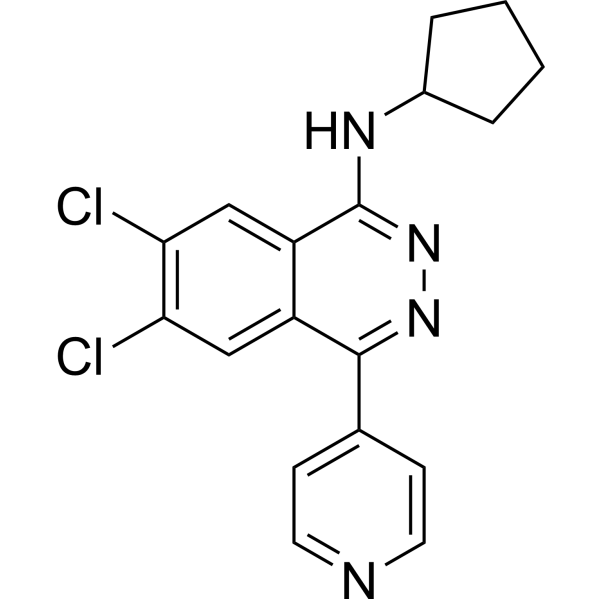
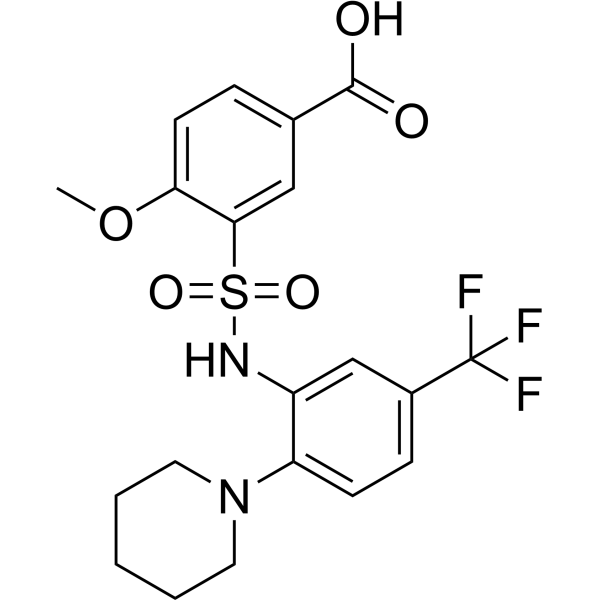
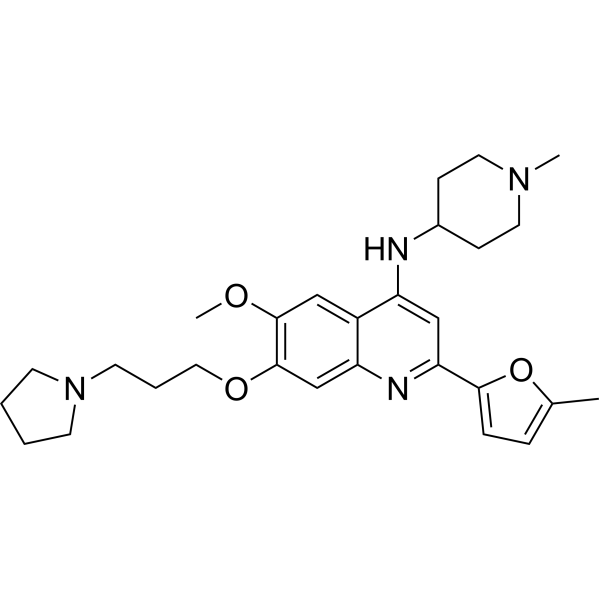
A-196 is a potent and selective inhibitor of SUV420H1 and SUV420H2 with IC50 values of 25 nM and 144 nM, respectively. A-196 inhibits SUV4-20 biochemically in a substrate-competitive manner. A-196 represents a first-in-class chemical probe of SUV4-20 to investigate the role of histone methyltransferases in genomic integrity .
loading...
    loading...
9
9 Cited Publications
Cat. No.: HY-110287
CAS No.: 300815-04-7
Purity:  99.62%
Target:  

APC Mitosis

Research Areas:  

Cancer

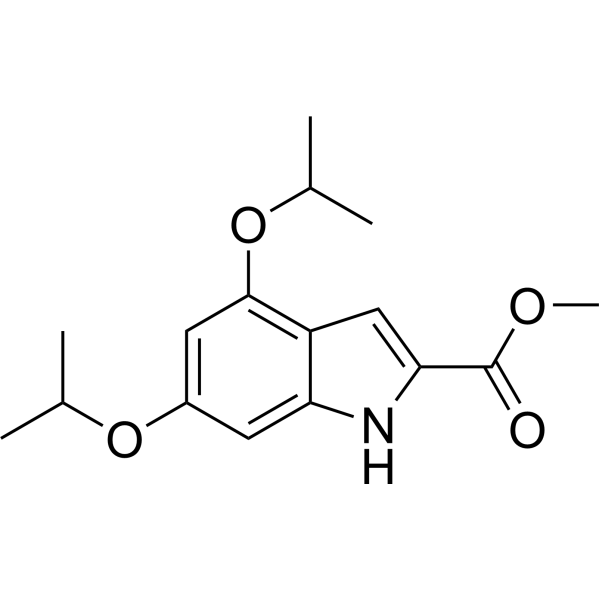
Apcin, a ligand of Cdc20, is a potent and competitive anaphase-promoting complex/cyclosome (APC/C(Cdc20)) E3 ligase activity inhibitor. Apcin competitively inhibits APC/C-dependent ubiquitylation by binding to Cdc20 and preventing substrate recognition. Apcin occupes the D-box-binding pocket on the side face of the WD40-domain and can prolong mitosis .
loading...
    loading...
7
7 Cited Publications
Cat. No.: HY-12335
CAS No.: 1620401-82-2
Purity:  99.90%
Research Areas:  

Inflammation/Immunology Cancer

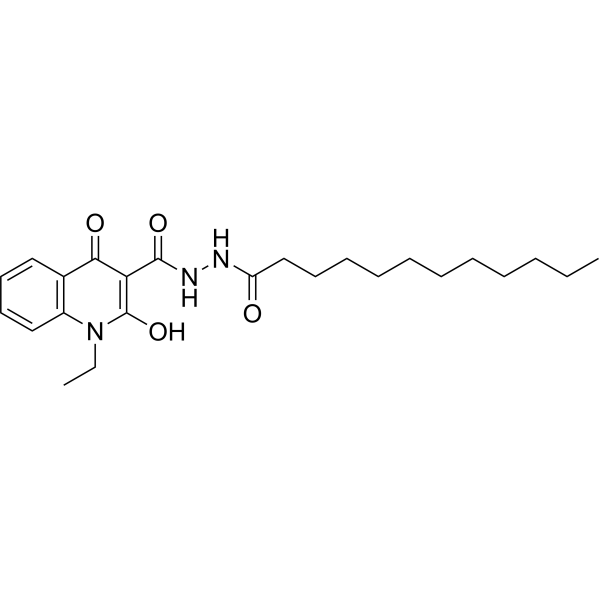
UNC0379 is a selective, substrate-competitive inhibitor of lysine methyltransferase SETD8 (KMT5A) with an IC50 of 7.3 μM, KD value of 18.3 μM. UNC0379 can be used in the research of inflammation and cancers, such as pulmonary fibrosis, ovarian cancer, neuroblastoma .
loading...
    loading...
6
6 Cited Publications
Cat. No.: HY-15779A
CAS No.: 1449240-68-9
Purity:  99.62%
Target:  

SphK Apoptosis

Research Areas:  

Cancer

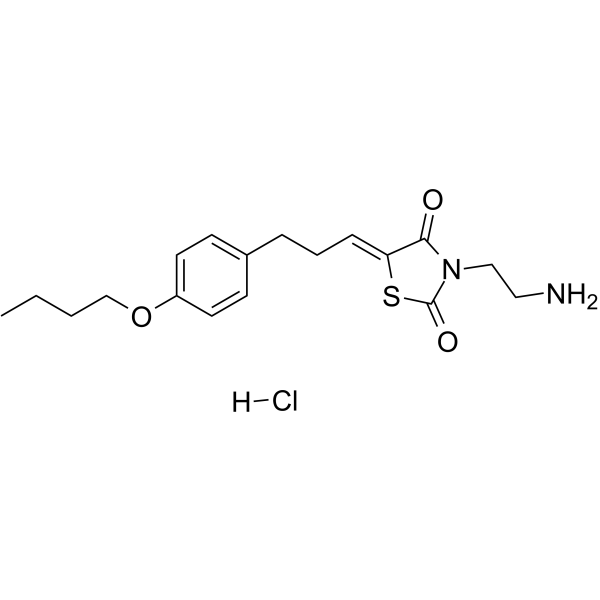
K145 hydrochloride is a selective, substrate-competitive and orally active SphK2 inhibitor with an IC50 of 4.3 μM and a Ki of 6.4 μM. K145 hydrochloride is inactive against SphK1 and other protein kinases. K145 hydrochloride induces cell apoptosis and has potently antitumor activity .
loading...
    loading...
5
5 Cited Publications
Cat. No.: HY-133125
CAS No.: 865273-97-8
Purity:  98.77%
Target:  

Aminopeptidase

Research Areas:  

Inflammation/Immunology

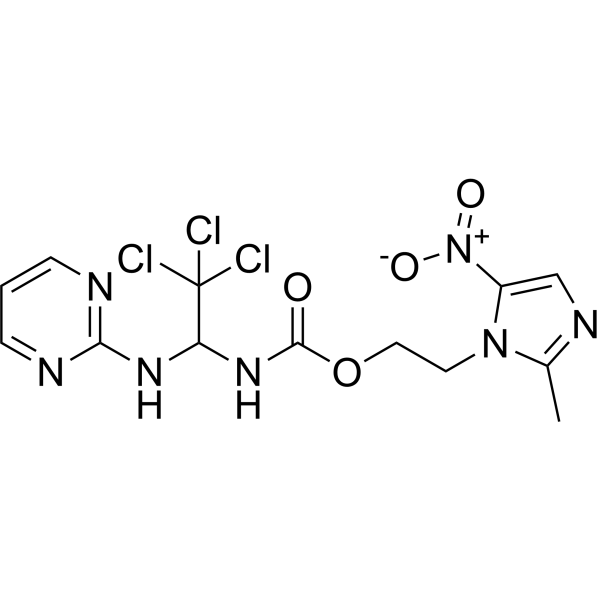
ERAP1-IN-1 is an endoplasmic reticulum aminopeptidase 1 (ERAP1) inhibitor. ERAP1-IN-1 competitively inhibits ERAP1 activity towards a nonamer peptide representative of physiological substrates .
loading...
    loading...
4
4 Cited Publications
Cat. No.: HY-137506
CAS No.: 2607143-50-8
Purity:  99.26%
XST-14 is a potent, competitive and highly selective ULK1 inhibitor with an IC50 of 26.6 nM. XST-14 induces autophagy inhibition by reducing the phosphorylation of the ULK1 downstream substrate. XST-14 induces apoptosis in hepatocellular carcinoma (HCC) cells and has antitumor effects .
loading...
    loading...
4
4 Cited Publications
Cat. No.: HY-153089
CAS No.: 331963-27-0
Purity:  98.80%
Target:  

GSK-3 Mitophagy

Research Areas:  

Neurological Disease

GSK3-IN-3 is a mitophagy inducer, inducing Parkin-dependent mitophagy. GSK3-IN-3 is also a GSK-3 inhibitor with an IC50 value of 3.01 μM. GSK3-IN-3 is non-ATP nor substrate competitive and is neuroprotective against 6-OHDA .
loading...
    loading...
4
4 Cited Publications
Cat. No.: HY-110137
CAS No.: 55368-40-6
Purity:  ≥99.0%
Synonyms: DB75 dihydrochloride; NSC 305831 dihydrochloride
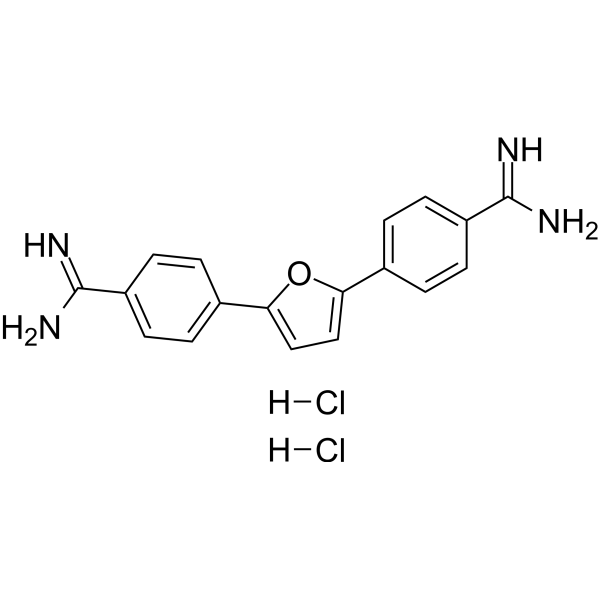
Furamidine dihydrochloride (DB75 dihydrochloride) is a selective protein arginine methyltransferase 1 (PRMT1) inhibitor with an IC50 of 9.4 μM. Furamidine dihydrochloride is selective for PRMT1 over PRMT5, PRMT6, and PRMT4 (CARM1) (IC50s of 166 µM, 283 µM, and >400 µM, respectively). Furamidine dihydrochloride is a potent, reversible and competitive tyrosyl-DNA phosphodiesterase 1 (TDP-1) inhibitor. Inhibition of TDP-1 by Furamidine dihydrochloride is effective both with single- and double-stranded DNA substrates but is slightly stronger with the duplex DNA. Furamidine dihydrochloride is also an antiparasite agent .
loading...
    loading...
3
3 Cited Publications
Cat. No.: HY-19593
CAS No.: 59456-70-1
Target:  

Fungal

Research Areas:  

Infection

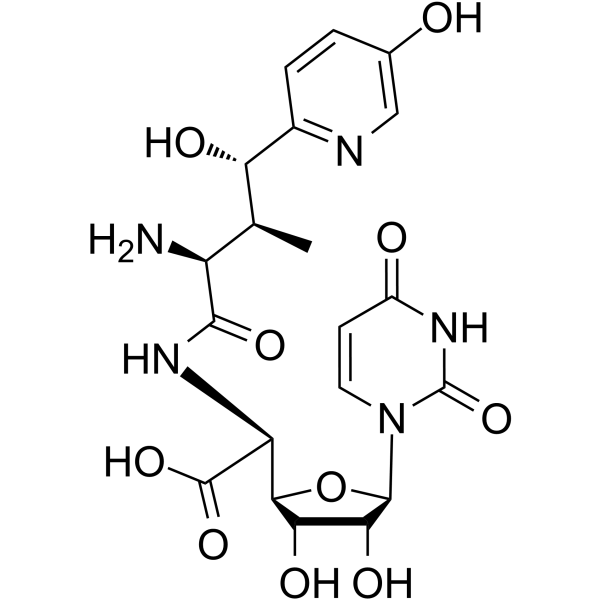
Nikkomycin Z is a nucleoside peptide and an orally active antifungal agent. Nikkomycin Z inhibits chitin synthesis by acting as a competitive analogue of the chitin synthase substrate UDP-N-acetylglucosamine. Nikkomycin Z has antifungal activity .
loading...
    loading...
3
3 Cited Publications
Cat. No.: HY-139979
CAS No.: 2851040-81-6
Purity:  99.73%
Target:  

Deubiquitinase

Research Areas:  

Cancer

USP5-IN-1 (compound 64) is a selective competitive inhibitor of USP5 zinc finger ubiquitin binding domain (ZnF-UBD) (KD=2.8 μM). USP5-IN-1 competitively blocks the binding of ubiquitin to ZnF-UBD, inhibits the catalytic activity of USP5, and thus hinders the hydrolysis of ubiquitin chains. USP5-IN-1 can inhibit USP5 cleavage of Lys48-linked diubiquitin substrates in vitro and is a potential USP5 chemical probe and potential inhibitor of USP5-related cancers.
loading...
    loading...
3
3 Cited Publications
Cat. No.: HY-N7114A
CAS No.: 982-57-0
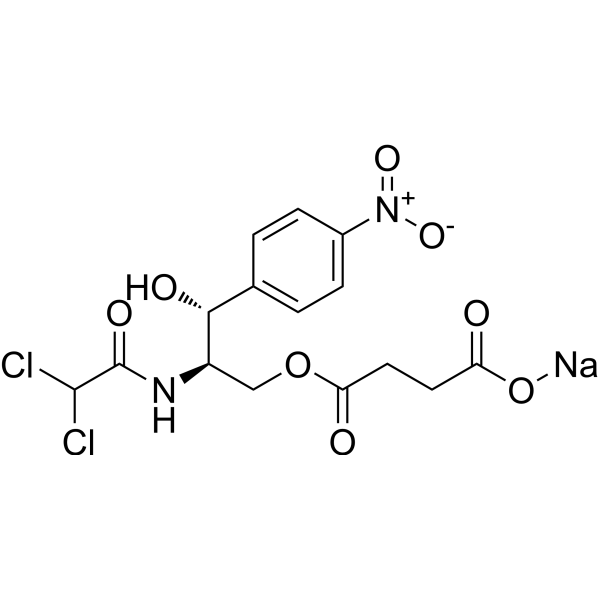
Chloramphenicol succinate sodium is a prodrug of Chloramphenicol (HY-B0239), acting as a P2Y14R inhibitor with an IC50 of 1.585 nM. Chloramphenicol succinate sodium serves as a competitive substrate and inhibitor of succinate dehydrogenase (SDH), which may account for its toxicity. Chloramphenicol succinate sodium exerts a significant inhibitory effect on colitis. Chloramphenicol succinate sodium can be used in research related to myelosuppression, gray baby syndrome, aplastic anemia, bacterial meningitis and inflammatory bowel disease .
loading...
    loading...
3
3 Cited Publications
Cat. No.: HY-101925
CAS No.: 1846570-31-7
Purity:  98.70%
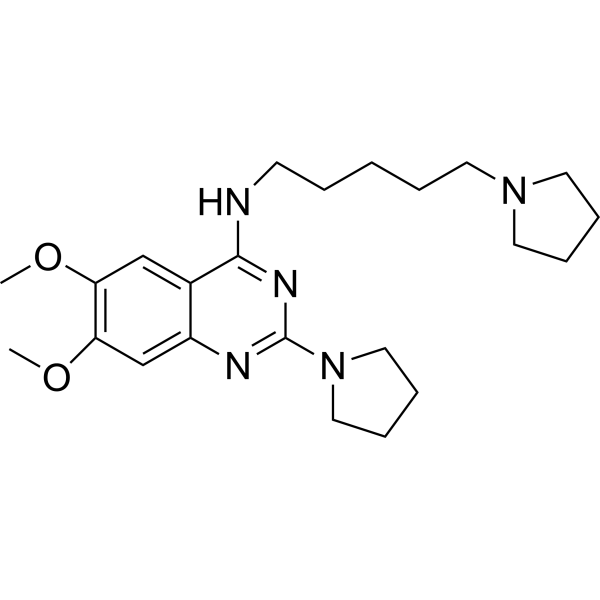
CM-272 is a first-in-class, potent, selective, substrate-competitive and reversible dual G9a/DNA methyltransferases (DNMTs) inhibitor with antitumor activities. CM-272 inhibits G9a, DNMT1, DNMT3A, DNMT3B and GLP with IC50s of 8 nM, 382 nM, 85 nM, 1200 nM and 2 nM, respectively. CM-272 inhibits cell proliferation and promotes apoptosis, inducing IFN-stimulated genes and immunogenic cell death .
loading...
    loading...
3
3 Cited Publications
Cat. No.: HY-W010991
CAS No.: 64967-39-1
Synonyms: FAPGG
Research Areas:  

Others

N-[3-(2-Furyl)acryloyl]-Phe-Gly-Gly (FAPGG) is a specific substrate of angiotensin converting enzyme (ACE) with a Ki of 2.546×10 -4 M. It is used as a chromogenic probe for quantitative detection of ACE activity. N-[3-(2-Furyl)acryloyl]-Phe-Gly-Gly can be hydrolyzed by ACE to generate N-[3-(2-furyl)acryloyl]-Phe (FAP) and Gly-Gly, and the ACE inhibitory effect is monitored by photometry. FAPGG competitively binds to the active center of ACE and is a key tool for screening ACE inhibitors such as Captopril (HY-B0368) and Dioscorin. Its reversible mechanism of action supports hypertension research and drug development targeting the renin-angiotensin system .
loading...
    loading...
3
3 Cited Publications
Cat. No.: HY-109061
CAS No.: 1903008-80-9
Purity:  99.87%
Synonyms: YH25448; GNS-1480
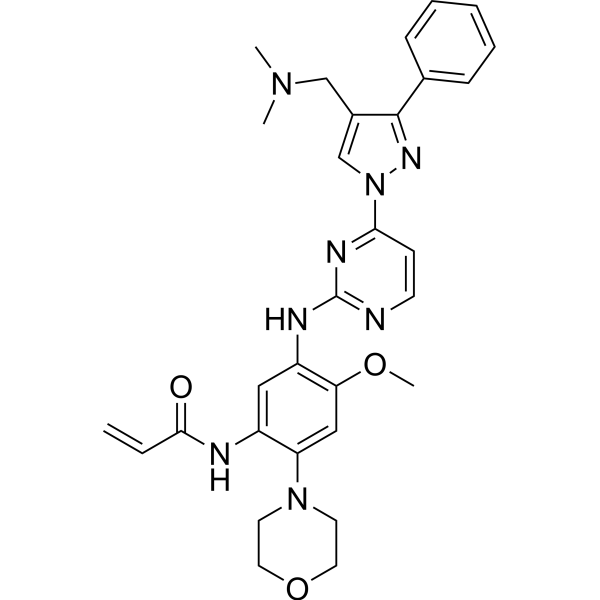
Lazertinib (YH25448; GNS-1480) is an orally active, blood-brain barrier permeable third-generation EGFR tyrosine kinase inhibitor, as well as an ABCB1/ABCG2 inhibitor and a TRPA1 activator. Lazertinib exhibits IC50 values of 0.4 mM and 0.2 mM against human ABCB1 and ABCG2, respectively. By inhibiting mutant EGFR signaling, EGFR phosphorylation and the downstream ERK/AKT pathway, as well as upregulating surface expression of EGFR/MET, Lazertinib induces cell cycle arrest, apoptosis, spontaneous calcium responses, hyperexcitability of dorsal root ganglion (DRG) neurons, and TRPA1-dependent pain-like behaviors. Lazertinib competitively binds to the substrate-binding sites of ABCB1/ABCG2, stimulates their ATPase activity without altering their expression or plasma membrane localization, thereby enhancing ADCC activity, acting as a chemosensitizer, and reversing ABCB1-mediated multidrug resistance. It exerts antitumor activity as a single agent or in combination with other drugs. Lazertinib is applicable to research related to non-small cell lung cancer, multidrug-resistant cancers, and paresthesia .
loading...
    loading...
3
3 Cited Publications
Cat. No.: HY-109061B
CAS No.: 2247995-37-3
Synonyms: YH25448 mesylate; GNS-1480 mesylate
Research Areas:  

Cancer

Lazertinib (YH25448; GNS-1480) mesylate is an orally active, blood-brain barrier permeable third-generation EGFR tyrosine kinase inhibitor, as well as an ABCB1/ABCG2 inhibitor and a TRPA1 activator. Lazertinib mesylate exhibits IC50 values of 0.4 mM and 0.2 mM against human ABCB1 and ABCG2, respectively. By inhibiting mutant EGFR signaling, EGFR phosphorylation and the downstream ERK/AKT pathway, as well as upregulating surface expression of EGFR/MET, Lazertinib mesylate induces cell cycle arrest, apoptosis, spontaneous calcium responses, hyperexcitability of dorsal root ganglion (DRG) neurons, and TRPA1-dependent pain-like behaviors. Lazertinib mesylate competitively binds to the substrate-binding sites of ABCB1/ABCG2, stimulates their ATPase activity without altering their expression or plasma membrane localization, thereby enhancing ADCC activity, acting as a chemosensitizer, and reversing ABCB1-mediated multidrug resistance. It exerts antitumor activity as a single agent or in combination with other drugs. Lazertinib mesylate is applicable to research related to non-small cell lung cancer, multidrug-resistant cancers, and paresthesia .
loading...
    loading...
2
2 Cited Publications
Cat. No.: HY-108913
CAS No.: 41906-86-9
Purity:  92.27%
Research Areas:  

Infection

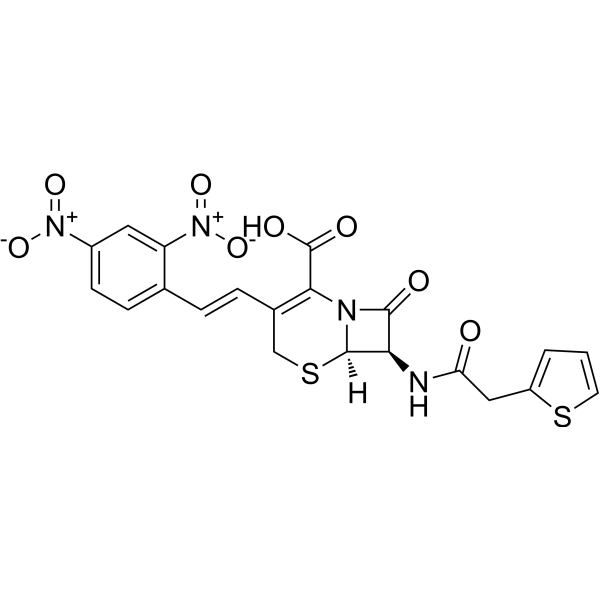
Nitrocefin is a highly activated, chromogenic cephalosporin derivative. Nitrocefin is a chromogenic β-lactamase substrate. Nitrocefin undergoes a distinctive color change from yellow to red as the amide bond in the β-lactam ring is hydrolyzed by β-lactamase. Nitrocefin is used in competitive inhibition studies in developmental work on β-lactamase-resistant antibiotics .
loading...
    loading...
2
2 Cited Publications
Cat. No.: HY-107597
CAS No.: 40045-50-9
Purity:  98.92%
Synonyms: SU3327
Target:  

JNK

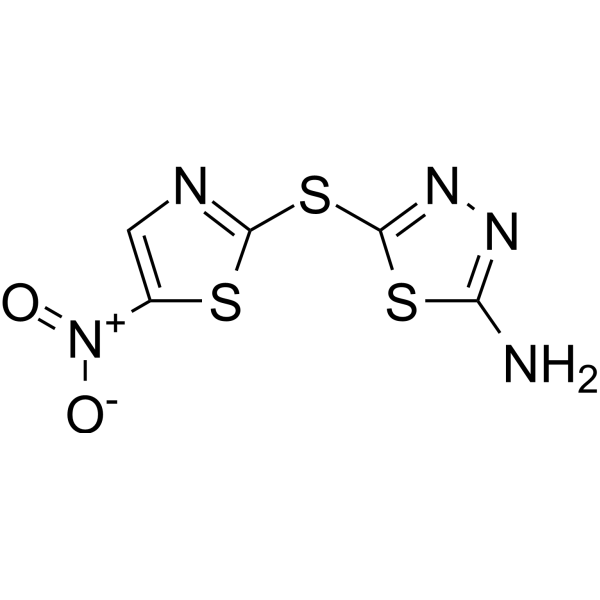
Halicin (SU3327) is a potent, selective and substrate-competitive JNK inhibitor with an IC50 of 0.7 μM. Halicin also inhibits protein-protein interactions between JNK and JNK Interacting Protein (JIP) with an IC50 of 239 nM. Halicin shows less active against p38α and Akt kinase .
loading...
    loading...
2
2 Cited Publications
Cat. No.: HY-114209
CAS No.: 2387510-80-5
Purity:  99.84%
Research Areas:  

Cancer

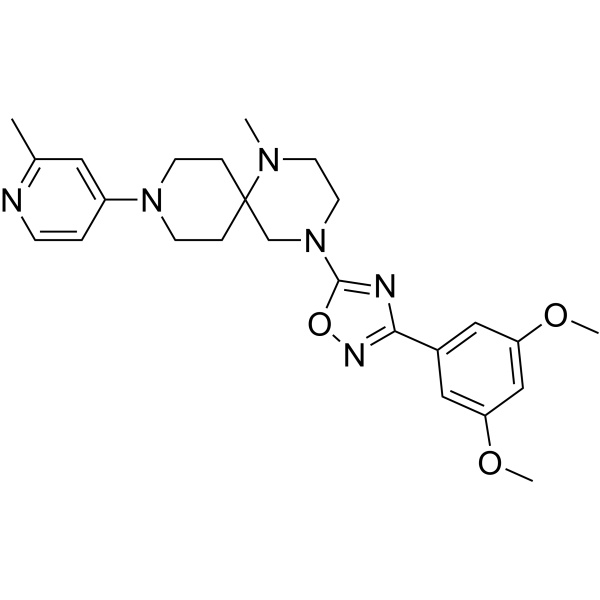
MRK-740, a chemical probe, is a potent, selective and substrate-competitive PRDM9 histone methyltransferase inhibitor with an IC50 of 80?nM. MRK-740 is more selective for PRDM9 than other histone methyltransferases and other non-epigenetic targets. MRK-740 reduces PRDM9-dependent trimethylation of H3K4 (IC50?=?0.8?μM) .
loading...
    loading...
2
2 Cited Publications
Cat. No.: HY-111832
CAS No.: 79886-50-3
Purity:  99.08%
Synonyms: TeGG
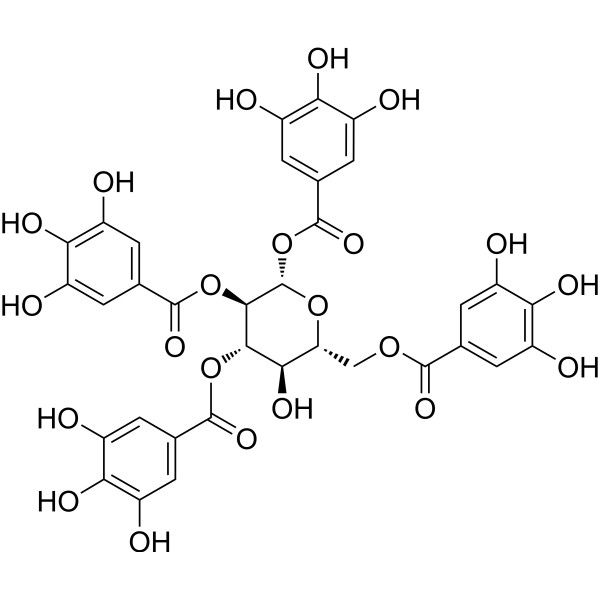
1,2,3,6-Tetragalloylglucose (TEgG) is a competitive inhibitor of UDP-glucuronyltransferase UGT1A1, targeting the competitive substrate binding site of UGT1A1. 1,2,3,6-Tetragalloylglucose inhibits UGT1A1-mediated β-estradiol 3-glucuronidation and SN-38 glucuronidation with IC50 of 6.01 μM and 4.31 μM, respectively, and binds to UGT1A1 with Ki of 3.55 μM. 1,2,3,6-Tetragalloylglucose also induces tumor cell apoptosis, inhibit cell proliferation, activates caspase-3 and induces DNA fragmentation in HL-60 cells. 1,2,3,6-Tetragalloylglucose also inhibits HIV integrase and reverse transcriptase, and inhibits HCV protease .
loading...
    loading...
1
1 Cited Publications
Cat. No.: HY-D0145
CAS No.: 5725-91-7
Synonyms: Resorufin ethyl ether
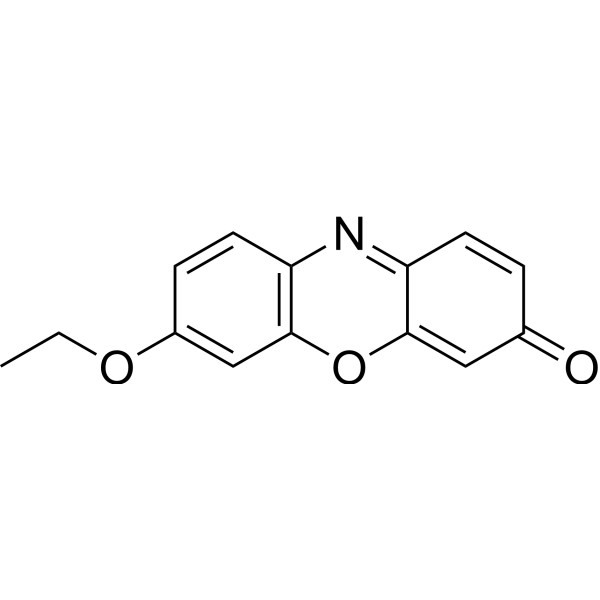
7-Ethoxyresorufin (Resorufin ethyl ether) is a fluorometric substrate and competitive inhibitor of cytochrome P450, especially CYP1A1. 7-Ethoxyresorufin also inhibits NO synthase .
loading...
    loading...