1. Search Result
Search Result
Results for "

deficiency

" in MedChemExpress (MCE) Product Catalog:

298

Inhibitors & Agonists

1

Screening Libraries

2

Fluorescent Dye

18

Biochemical Assay Reagents

4

Peptides

21

Inhibitory Antibodies

80

Natural
Products

41

Isotope-Labeled Compounds

6

Antibodies

3

Click Chemistry

8

Oligonucleotides

Cat. No. Product Name Target Research Areas Chemical Structure
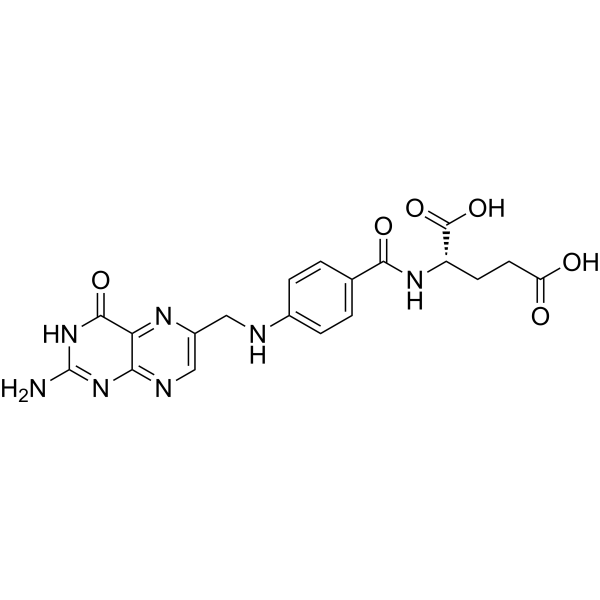
  • HY-16637
    Folic acid
    20+ Cited Publications

    Vitamin B9; Vitamin M

    Environmental Pollutants Endogenous Metabolite DNA/RNA Synthesis Cardiovascular Disease Infection Neurological Disease Cancer
    Folic acid (Vitamin B9) is a orally active essential nutrient from the B complex group of vitamins. Folic acid shows antidepressant-like effect. Folic acid sodium reduces the risk of neonatal neural tube defects. Folic acid can be used to the research of megaloblastic and macrocytic anemias due to folic deficiency .
    Folic acid
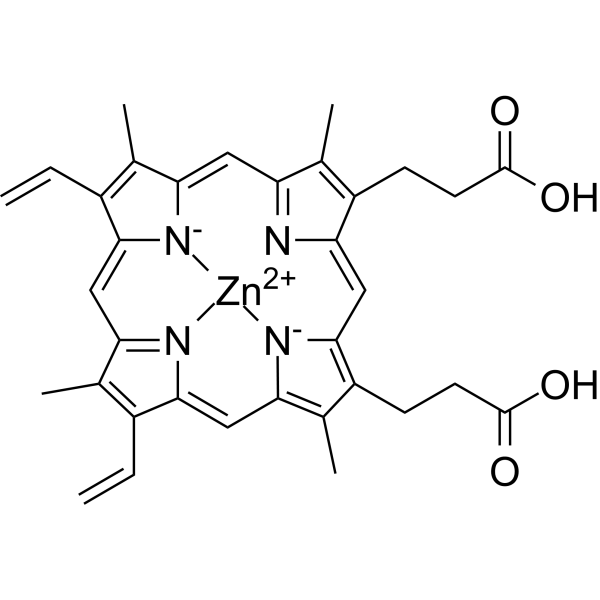
  • HY-101193
    Zinc Protoporphyrin
    Maximum Cited Publications
    67 Publications Verification

    Zn(II)-protoporphyrin IX; ZnPP; Zinc Protoporphyrin-9

    Reactive Oxygen Species (ROS) Endogenous Metabolite Apoptosis Cardiovascular Disease Metabolic Disease Cancer
    Zinc Protoporphyrin (Zn(II)-protoporphyrin IX) is an orally active and competitive heme oxygenase-1 (HO-1) inhibitor. Zinc Protoporphyrin regulates expression of HO-1 at the transcriptional level. The effect of Zinc Protoporphyrin on HO-1 expression is controversial.  It was shown to induce HO-1 expression in some cells, but suppress it in others. Zinc Protoporphyrin is used as a screening marker of iron deficiency in vivo. Zinc Protoporphyrin has anti-cancer activity .
    Zinc Protoporphyrin
  • HY-N0384

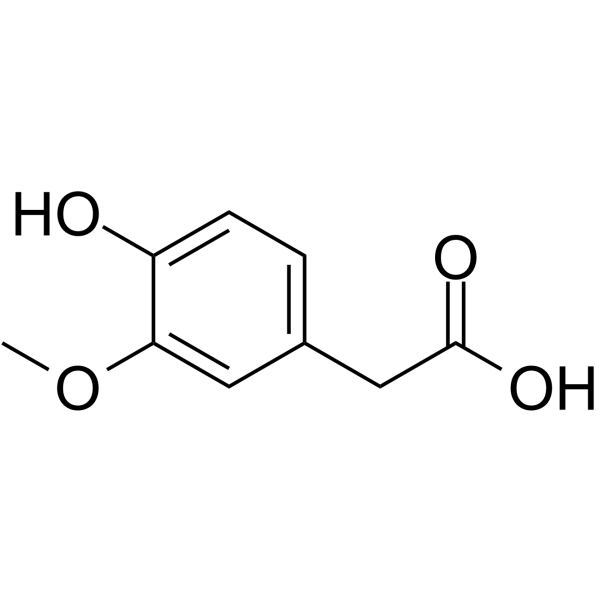
    Vanilacetic acid

    Drug Metabolite Endogenous Metabolite Autophagy Metabolic Disease
    Homovanillic acid (Vanilacetic acid) is a dopamine metabolite found to be associated with aromatic L-amino acid decarboxylase deficiency, celiac disease, growth hormone deficiency, and sepiapterin reductase deficiency .
    Homovanillic acid
  • HY-103395
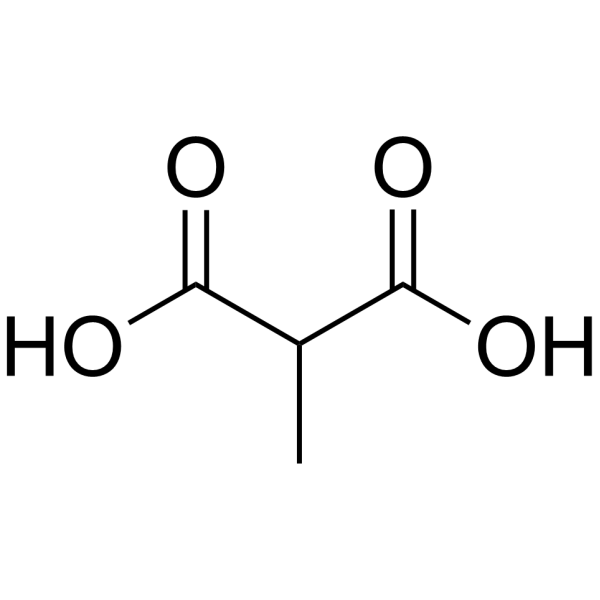
    Methylmalonic acid
    3 Publications Verification

    Methylpropanedioic acid; Methylmalonate

    Endogenous Metabolite Cancer
    Methylmalonic acid (Methylmalonate) is an indicator of Vitamin B-12 deficiency in cancer.
    Methylmalonic acid
  • HY-12689
    Mitapivat
    3 Publications Verification

    AG-348

    Pyruvate Kinase Metabolic Disease
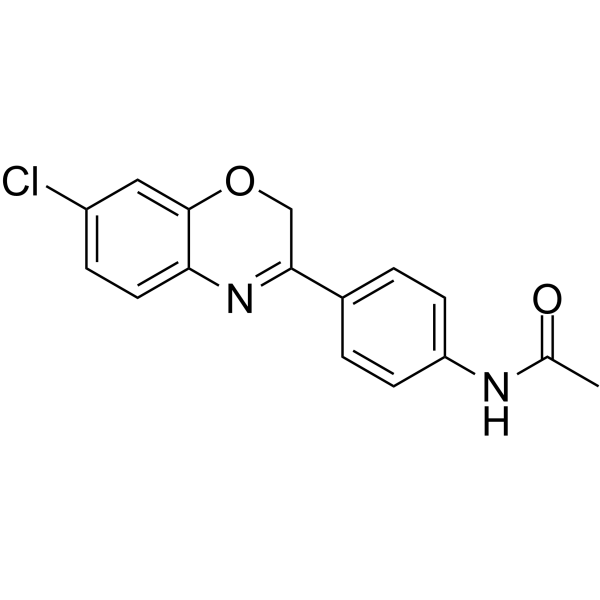
    Mitapivat (AG-348) is an orally active pyruvate kinase allosteric activator. Mitapivat increases enzymatic activity, protein stability, and ATP levels over a broad range of PKLR genotypes, shows the potential to restore the activity of PK (pyruvate kinase)-deficient glycolytic pathways. Mitapivat can be used in study of PK deficiency .
    Mitapivat
  • HY-137808
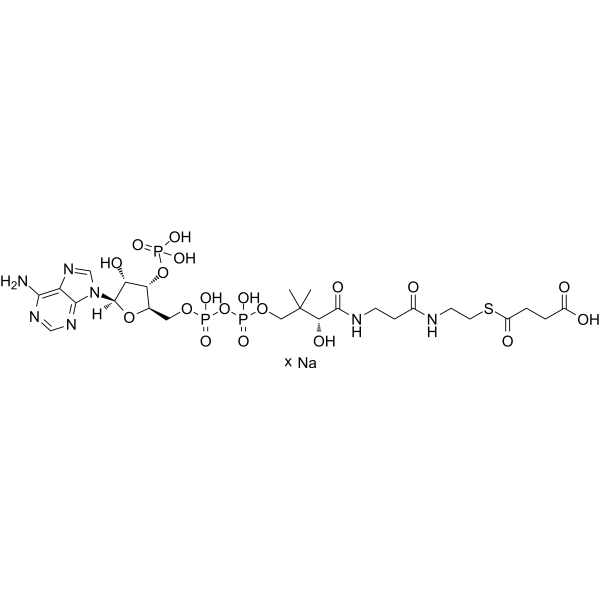
    Succinyl-Coenzyme A sodium
    3 Publications Verification

    Succinyl-CoA sodium

    Endogenous Metabolite Neurological Disease Metabolic Disease
    Succinyl CoA (Succinyl-coenzyme A) sodium is a pivotal intermediate metabolite in the tricarboxylic acid cycle and a key coenzyme A metabolite. Succinyl CoA sodium is biosynthesized from α-ketoglutarate or propionyl-CoA. Succinyl CoA sodium acts as a critical precursor and substrate for heme biosynthesis and gluconeogenesis. Succinyl CoA sodium insufficiency caused by cobalamin deficiency is directly linked to growth retardation, impaired heme synthesis, tissue glycine accumulation and neurological abnormalities. Succinyl CoA sodium can be used in research on metabolic, neurological, and hematological abnormalities (such as porphyria) caused by nutritional vitamin B12 deficiency (leading to a lack of Succinyl-Coenzyme A synthesis) .
    Succinyl-Coenzyme A sodium
  • HY-107928
    Iron dextran
    1 Publications Verification

    Fe dextran

    Transferrin Receptor Metabolic Disease Cancer
    Iron dextran (Fe dextran) can be used in the study of iron-deficiency anemia in animals .
    Iron dextran
  • HY-118861A
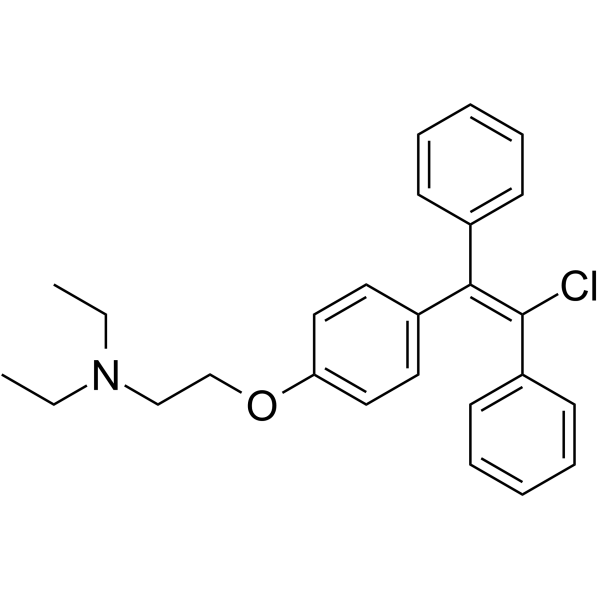
    Enclomiphene citrate
    1 Publications Verification

    (E)-Clomiphene citrate; trans-Clomiphene citrate; Enclomifene citrate

    Estrogen Receptor/ERR Metabolic Disease Endocrinology
    Enclomiphene ((E)-Clomiphene) citrate is a potent and orally active non-steroidal estrogen receptor antagonist, with antioestrogenic property. Enclomiphene citrate can be used for the research of ovarian dysfunction, testosterone deficiency, male hypogonadism and type 2 diabetes .
    Enclomiphene citrate
  • HY-Y1103
    Iron(II) sulfate heptahydrate, 99%
    1 Publications Verification

    Ferrous sulfate heptahydrate, 99%

    Environmental Pollutants Biochemical Assay Reagents Cardiovascular Disease Cancer
    Iron(II) sulfate heptahydrate, 99% (Ferrous sulfate heptahydrate, 99%) is an orally active iron salt. Iron(II) sulfate heptahydrate, 99% replaces iron found in hemoglobin and myoglobin, allowing for the transportation of oxygen via hemoglobin. Iron(II) sulfate heptahydrate, 99% is mainly used for the prevention of iron-deficiency anemia. Iron(II) sulfate heptahydrate, 99% also has anti-tumor effects on chronic myeloid leukemia and breast cancer .
    Iron(II) sulfate heptahydrate, 99%
  • HY-128144
    Lalistat 2
    3 Publications Verification

    Lipase Metabolic Disease
    Lalistat 2 is an inhibitor of many lipases especially Lysosomal acid lipase (LAL, IC50 = 152 nM), which is a key enzyme that degrades neutral lipids at an acidic pH in lysosomes. Lalistat 2 is commonly used to investigate the cell-specific functions of LAL and LAL deficiency in vitro, as well as specifically measure LAL activity in human blood samples or cells .
    Lalistat 2
  • HY-W014787
    Decanedioic acid
    1 Publications Verification

    Sebacic acid

    Environmental Pollutants Endogenous Metabolite Metabolic Disease
    Decanedioic acid is a straight-chain dicarboxylic acid. Dodecanedioic acid overcomes metabolic inflexibility in type 2 diabetes. Decanedioic acid prevents and reverses metabolic-associated liver disease and obesity. Decanedioic acid is associated with carnitine-acylcarnitine translocase deficiency and medium chain acyl-CoA dehydrogenase deficiency .
    Decanedioic acid
  • HY-113409
    3-Hydroxyisovaleric acid
    1 Publications Verification

    Endogenous Metabolite Metabolic Disease
    3-Hydroxyisovaleric acid is a normal endogenous metabolite excreted in the urine. The urinary excretion of 3-hydroxyisovaleric acid is early and sensitive indicator of biotin deficiency .
    3-Hydroxyisovaleric acid
  • HY-B0257A
    Dydrogesterone
    2 Publications Verification

    Progesterone Receptor Endocrinology
    Dydrogesterone is a potent, orally active progestogen indicated in a wide variety of gynaecological conditions related to progesterone deficiency.
    Dydrogesterone
  • HY-113092

    Endogenous Metabolite Metabolic Disease
    Propionylcarnitine is metabolized by carnitine acetyltransferase from propionyl-CoA. Increased propionylcarnitine is regarded as a biomarker of vitamin B12 deficiency .
    Propionylcarnitine
  • HY-W096159

    Drug Derivative Metabolic Disease Inflammation/Immunology
    D-Biotinol is an orally active alcohol analogue of D-Biotin (HY-B0511). D-Biotinol can replace D-Biotin to restore the biotin deficiency induced by egg whites in rats. D-Biotinol can be used for the study of biotin deficiency disorders .
    D-Biotinol
  • HY-113013

    β-Hydroxypyruvic acid; 3-Hydroxypyruvic acid

    Endogenous Metabolite Metabolic Disease
    Hydroxypyruvic acid (β-Hydroxypyruvic acid) is an intermediate in the metabolism of glycine, serine and threonine. Hydroxypyruvic acid is a substrate for serine-pyruvate aminotransferase and glyoxylate reductase/hydroxypyruvate reductase. Hydroxypyruvic acid is involved in the metabolic disorder which is the dimethylglycine dehydrogenase deficiency pathway.
    Hydroxypyruvic acid
  • HY-118861
    Enclomiphene
    5 Publications Verification

    (E)-Clomiphene; trans-Clomiphene; Enclomifene

    Estrogen Receptor/ERR Metabolic Disease Endocrinology
    Enclomiphene ((E)-Clomiphene) is a potent and orally active non-steroidal estrogen receptor antagonist, with antioestrogenic property. Enclomiphene can be used for the research of ovarian dysfunction, testosterone deficiency, male hypogonadism and type 2 diabetes .
    Enclomiphene
  • HY-Y1103A

    Ferrous sulfate heptahydrate, for cell culture, 99%

    Environmental Pollutants Biochemical Assay Reagents Cardiovascular Disease Cancer
    Iron(II) sulfate heptahydrate, for cell culture, 99% (Ferrous sulfate heptahydrate, for cell culture, 99%) is an orally active iron salt. Iron(II) sulfate heptahydrate, for cell culture, 99% replaces iron found in hemoglobin and myoglobin, allowing for the transportation of oxygen via hemoglobin. Iron(II) sulfate heptahydrate, for cell culture, 99% is mainly used for the prevention of iron-deficiency anemia. Iron(II) sulfate heptahydrate, for cell culture, 99% also has anti-tumor effects on chronic myeloid leukemia and breast cancer .
    Iron(II) sulfate heptahydrate, for cell culture, 99%
  • HY-W698249

    Ferroptosis Bacterial Cardiovascular Disease Infection
    Ferrous gluconate is a highly water-soluble iron-containing agent with high bioavailability and bactericidal activity. As a non-heme iron, Ferrous gluconate is used for meat product fortification and improvement of iron deficiency anemia. Ferrous gluconate induces ferroptosis in E. coli through Fe 2+ infiltration, reactive oxygen species burst, lipid peroxidation and direct interaction with DNA. Ferrous gluconate also downregulates the SOS responsive transcriptional repressor LexA. In addition, Ferrous gluconate regulates multiple key pathways in E. coli such as fatty acid metabolism, iron-sulfur cluster assembly and pyruvate metabolism, and is applied in studies related to *E. coli* infection and iron deficiency anemia .
    Ferrous gluconate
  • HY-B2082

    VEGFR Ferroportin NF-κB Mitochondrial Metabolism Neurological Disease Inflammation/Immunology Cancer
    Fursultiamine is a vitamin B1 derivative, has anti-nociceptive and antineoplastic activity. Fursultiamine can be used for vitamin B1?deficiency, osteoarthritis (OA) and cancer research .
    Fursultiamine
  • HY-N11200

    Endogenous Metabolite Metabolic Disease
    3-Hydroxyisovalerylcarnitine is a carnitine derivative. 3-Hydroxyisovaleryl carnitine in plasma may serve as a novel biomarker of biotin deficiency in humans, with its concentration increasing with biotin deficiency. Biotin deficiency reduces the activity of biotin-dependent 3-methylcrotonyl-CoA carboxylase, hinders the conversion of 3-methylcrotonyl-CoA into 3-methylglutaconyl-CoA, and impairs the leucine catabolism pathway; resulting in plasma 3-Hydroxyisovalerylcarnitine concentrations rise .
    3-Hydroxyisovalerylcarnitine
  • HY-113284
    Succinyladenosine
    1 Publications Verification

    N6-Succinyl adenosine

    Endogenous Metabolite Metabolic Disease
    Succinyladenosine, the metabolic product of dephosphorylation of intracellular adenylosuccinic acid (S-AMP) by cytosolic 5-nucleotidase, is a biochemical marker of adenylosuccinase (ASL) deficiency .
    Succinyladenosine
  • HY-130078

    Transferrin Receptor Metabolic Disease Inflammation/Immunology
    Ferrous bisglycinate is an orally active iron fortificants and therapeutic iron supplements. Ferrous bisglycinate can be used for the research of iron deficiency anemia .
    Ferrous bisglycinate
  • HY-108017

    Biochemical Assay Reagents Metabolic Disease Cancer
    Ferric maltol is an orally active monovalent iron (Fe 3+) complex. Ferric maltol is used in the study of iron deficiency anemia in inflammatory bowel disease .
    Ferric maltol
  • HY-B1648

    Biochemical Assay Reagents Cardiovascular Disease
    Ferric pyrophosphate is an orally effective anti-inflammatory agent and iron fortifier. Ferric pyrophosphate downregulates the expression of colonic pro-inflammatory cytokines, modulates the intestinal flora, and corrects the dysbiosis associated with iron deficiency anemia (IDA). Ferric pyrophosphate can be used in studies related to iron deficiency anemia .
    Ferric pyrophosphate
  • HY-16637R
    Folic acid (Standard)
    1 Publications Verification

    Vitamin B9 (Standard); Vitamin M (Standard)

    Reference Standards DNA/RNA Synthesis Endogenous Metabolite Neurological Disease Cancer
    Folic acid (Standard) is the analytical standard of Folic acid. This product is intended for research and analytical applications. Folic acid (Vitamin B9) is a orally active essential nutrient from the B complex group of vitamins. Folic acid shows antidepressant-like effect. Folic acid sodium reduces the risk of neonatal neural tube defects. Folic acid can be used to the research of megaloblastic and macrocytic anemias due to folic deficiency .
    Folic acid (Standard)
  • HY-113201

    Endogenous Metabolite Neurological Disease
    Tetradecanoylcarnitine is an acylcarnitine involved in mitochondrial β-oxidation of long-chain saturated fatty acids and fatty acid metabolism. Tetradecanoylcarnitine serves as a biomarker for very long-chain acyl-CoA dehydrogenase deficiency and MPTP (HY-15608)-induced Parkinson's disease. Tetradecanoylcarnitine exhibits a characteristic significant elevation in plasma levels in patients with sarcopenia, including those complicated with hypertension, and this elevation is closely associated with an increased risk of death. Tetradecanoylcarnitine is widely used in research on the pathological mechanisms of diseases such as Parkinson's disease and sarcopenia .
    Tetradecanoylcarnitine
  • HY-136648A

    dATP trisodium

    Endogenous Metabolite DNA/RNA Synthesis Cancer
    2'-Deoxyadenosine-5'-triphosphate (dATP) trisodium is a nucleotide used in cells for DNA synthesis (or replication), as a substrate of DNA polymerase. 2'-Deoxyadenosine-5'-triphosphate is promising for research of genetic immunodeficiency diseases adenosine deaminase deficiency and purine nucleotide phosphorylase deficiency .
    2'-Deoxyadenosine-5'-triphosphate trisodium
  • HY-113468

    3-Methoxytyrosine

    Endogenous Metabolite Neurological Disease
    3-O-Methyl-DL-DOPA is an endogenous metabolite present in Cerebrospinal_Fluid that can be used for the research of Epilepsy, Purine Nucleoside Phosphorylase Deficiency and Aromatic L Amino Acid Decarboxylase Deficiency .
    3-O-Methyl-DL-DOPA
  • HY-134421

    HMG-CoA Reductase (HMGCR) Metabolic Disease
    2-Butenoyl coenzyme A lithium is an inactivator and a substrate of Plasmodium falciparum enoyl-β-hydroxyacyl-acyl carrier protein (ACP) reductase and other enoyl-CoA reductases, and it is also the lithium salt of trans-2-methyl-2-butenoyl coenzyme A. 2-Butenoyl coenzyme A lithium acts on short-chain and medium-chain coenzyme A dehydrogenases as well as glutaryl-CoA dehydrogenase, and shows no activity against wild-type isovaleryl-CoA dehydrogenase. 2-Butenoyl coenzyme A lithium functions as a metabolite in the L-isoleucine catabolic pathway, and can serve as a substrate in the activity assay of 3-ketothiolase. 2-Butenoyl coenzyme A lithium is applicable to research related to 3-ketothiolase deficiency .
    2-Butenoyl coenzyme A lithium
  • HY-113024

    Endogenous Metabolite Metabolic Disease
    Pristanic acid is an endogenous metabolite present in Blood that can be used for the research of Alpha Methylacyl CoA Racemase Deficiency and Zellweger Syndrome .
    Pristanic acid
  • HY-113423

    Tetrahydrodeoxycortisol

    Endogenous Metabolite Others
    Tetrahydro-11-deoxycortisol (Tetrahydrodeoxycortisol) is an endogenous metabolite present in Urine that can be used for the research of 11 Beta Hydroxylase Deficiency .
    Tetrahydro-11-deoxycortisol
  • HY-107928B

    Biochemical Assay Reagents Others Inflammation/Immunology Cancer
    Iron-dextran (Fe 35-40% w/w) is an iron supplement (Fe 35-40% w/w). Iron-dextran can cause severe immune reactions, including anaphylactic shock. Iron-dextran can be used in studies of iron deficiency anemia .
    Iron–Dextran(Fe 35-40% w/w)
  • HY-115703

    N-Heptadecanoyl-D-erythro-sphingosine

    Biochemical Assay Reagents Metabolic Disease
    C17 Ceramide (d18:1/17:0) (N-Heptadecanoyl-D-erythro-sphingosine) is a phospholipid internal standard. C17 Ceramide (d18:1/17:0) is used in studies of medium-chain acyl-CoA dehydrogenase deficiency (MCADD) .
    C17 Ceramide (d18:1/17:0)
  • HY-W015883S

    Endogenous Metabolite Metabolic Disease Cancer
    Fumaric acid- 13C4 is the 13C-labeled Fumaric acid. Fumaric acid, associated with fumarase deficiency, is identified as an oncometabolite or an endogenous, cancer causing metabolite.
    Fumaric acid-13C4
  • HY-N9941

    Endogenous Metabolite Metabolic Disease
    2,8-Dihydroxyadenine, an endogenous metabolite, can cause the formation of urinary crystals and kidney stones. 2,8-Dihydroxyadenine can be used to diagnose adenine phosphoribosyltransferase (APRT) deficiency .
    2,8-Dihydroxyadenine
  • HY-176886

    Large Tumor Suppressor (LATS) YAP Others
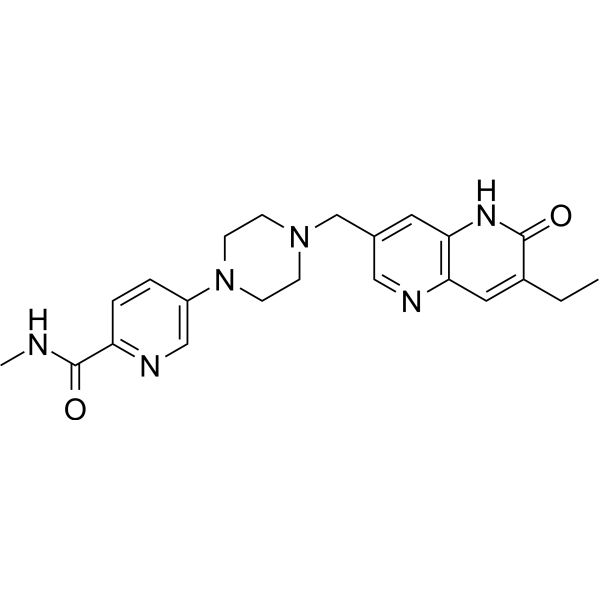
    LATS-IN-2 is an efficiently acting LATS (large tumor suppressor kinase) inhibitor. LATS-IN-2 shows potent inhibitory activity against LATS1 with an IC50 value of 1.3 nM. LATS-IN-2 suppresses the phosphorylation of YAP by inhibiting LATS kinase activity. LATS-IN-2 increases the thickness of the epidermis in mice. LATS-IN-2 can be used for the study of ocular diseases such as limbal stem cell deficiency and corneal endothelial dysfunction .
    LATS-IN-2
  • HY-148285

    Succinyl-coenzyme A; S-(Hydrogen succinyl)coenzyme A

    Endogenous Metabolite Metabolic Disease
    Succinyl CoA (Succinyl-coenzyme A) is a pivotal intermediate metabolite in the tricarboxylic acid cycle and a key coenzyme A metabolite. Succinyl CoA is biosynthesized from α-ketoglutarate or propionyl-CoA. Succinyl CoA acts as a critical precursor and substrate for heme biosynthesis and gluconeogenesis. Succinyl CoA insufficiency caused by cobalamin deficiency is directly linked to growth retardation, impaired heme synthesis, tissue glycine accumulation and neurological abnormalities. Succinyl CoA can be used in research on metabolic, neurological, and hematological abnormalities (such as porphyria) caused by nutritional vitamin B12 deficiency (leading to a lack of Succinyl-Coenzyme A synthesis) .
    Succinyl CoA
  • HY-N0384S2

    Vanilacetic acid-d5

    Isotope-Labeled Compounds Autophagy Endogenous Metabolite Drug Metabolite Neurological Disease Metabolic Disease
    Homovanillic acid-d5 (Vanilacetic acid-d5) is the deuterium labeled Homovanillic acid (HY-N0384). Homovanillic acid (Vanilacetic acid) is a dopamine metabolite found to be associated with aromatic L-amino acid decarboxylase deficiency, celiac disease, growth hormone deficiency, and sepiapterin reductase deficiency .
    Homovanillic acid-d5
  • HY-129398

    Endogenous Metabolite Metabolic Disease
    Formiminoglutamic acid, an endogenous metabolite, could be an index of folic-acid deficiency .
    Formiminoglutamic acid
  • HY-113408
    Tiglyl carnitine
    1 Publications Verification

    Endogenous Metabolite Metabolic Disease
    Tiglyl carnitine is found to be associated with celiac disease and mitochondrial acetoacetyl-CoA thiolase (T2) deficiency.
    Tiglyl carnitine
  • HY-108398A
    Mead acid
    1 Publications Verification

    5,8,11-Eicosatrienoic acid

    Endogenous Metabolite Metabolic Disease Cancer
    Mead acid (5,8,11-Eicosatrienoic acid), an unsaturated (Omega-9) fatty acid, is an indicator of essential fatty acid deficiency .
    Mead acid
  • HY-103395S1

    Endogenous Metabolite Cancer
    Methylmalonic acid- 13C4 is the 13C labeled Methylmalonic acid . Methylmalonic acid (Methylmalonate) is an indicator of Vitamin B-12 deficiency in cancer .
    Methylmalonic acid-13C4
  • HY-113470

    Endogenous Metabolite Metabolic Disease
    LysoPC(16:1(9Z)) is a type of lysophosphatidylcholine that can be used to study spleen deficiency syndrome .
    LysoPC(16:1(9Z))
  • HY-19702

    Pyruvate Kinase Metabolic Disease
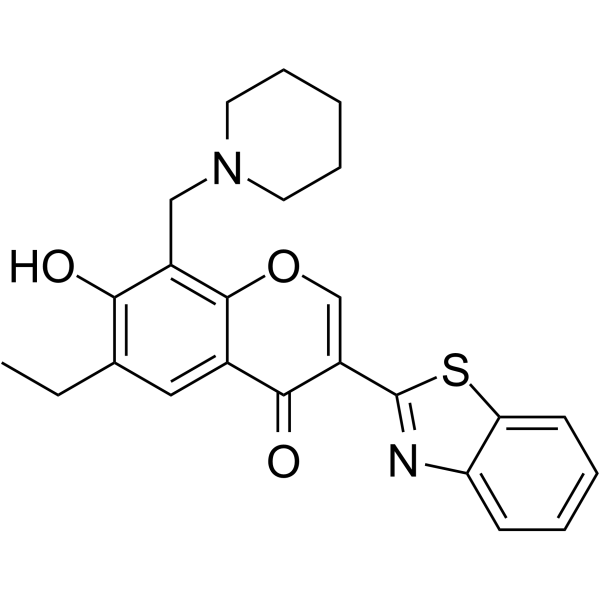
    PKR activator 3 (Compound 160) is a red blood cell pyruvate kinase (PKR) activator. PKR activator 3 can be used in the research of diseases related to PKR function, such as pyruvate kinase deficiency (PKD) .
    PKR activator 3
  • HY-Y0588

    L-Cbz-Proline

    MMP Others
    Carbobenzoxyproline (L-Cbz-Proline) is an inhibitor of prolidase. Carbobenzoxyproline can be used for prolidase deficiency (PD) research .
    Carbobenzoxyproline
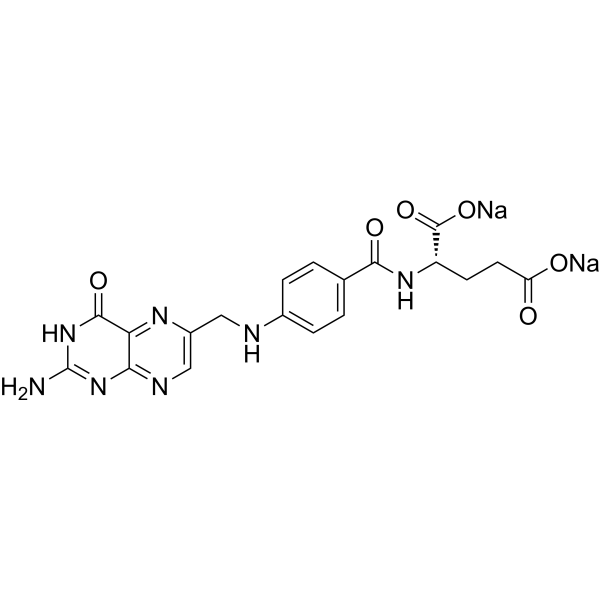
  • HY-16637A

    Vitamin B9 sodium; Vitamin M sodium

    DNA/RNA Synthesis Endogenous Metabolite Neurological Disease
    Folic acid (Vitamin B9) sodium is a orally active essential nutrient from the B complex group of vitamins. Folic acid sodium shows antidepressant-like effect. Folic acid sodium reduces the risk of neonatal neural tube defects. Folic acid sodium can be used to the research of megaloblastic and macrocytic anemias due to folic deficiency .
    Folic acid sodium
  • HY-D1632

    Fluorescent Dye Others
    4-MU-α-GlcNS sodium is a fluorogenic substrate of heparin sulphamidase, is desulfurized into 4-MU-α-GlcNH2. 4-MU-α-GlcNH2 can liberate 4-methylumbelliferone (4-MU, fluorescent product) via α-glucosaminidase catalysis, with the emission wavelength maxima of 445-454 nm. 4-MU-α-GlcNS sodium can be used to heparin sulphamidase deficiencies associated with Mucopolisaccaridosis IIIA and other lysosomal disorders researches .
    4-MU-α-GlcNS sodium
  • HY-N0384R

    Vanilacetic acid (Standard)

    Reference Standards Autophagy Endogenous Metabolite Drug Metabolite Neurological Disease Metabolic Disease
    Homovanillic acid (Standard) (Vanilacetic acid (Standard)) is the analytical standard of Homovanillic acid (HY-N0384). This product is intended for research and analytical applications. Homovanillic acid (Vanilacetic acid) is a dopamine metabolite found to be associated with aromatic L-amino acid decarboxylase deficiency, celiac disease, growth hormone deficiency, and sepiapterin reductase deficiency .
    Homovanillic acid (Standard)
  • HY-132604A

    ARO-AAT sodium

    Small Interfering RNA (siRNA) Metabolic Disease
    Fazirsiran sodium is a second-generation RNAi agent. Fazirsiran sodium consistes of a cholesterol-conjugated RNAi trigger (chol-RNAi) to selectively degrade Alpha1-antitrypsin (AAT) mRNA by RNAi and a melittin-derived peptide conjugated to N-acetylgalactosamine (NAG) formulated as the excipient EX1 to promote endosomal escape of the chol-RNAi in hepatocytes . Fazirsiran sodium can be used in the study of Alpha-1 Antitrypsin Deficiency (AATD) liver disease. AATD is caused by mutations in the alpha-1 antitrypsin (SERPINA1) gene.
    Fazirsiran sodium

Inquiry Online

Your information is safe with us. * Required Fields.

Salutation


Country or Region *

Applicant Name *


Organization Name *

Department *


Email Address *


Product Name *

Cat. No.


Requested quantity *

Phone Number *


Remarks

Inquiry Online

Inquiry Information

Product Name:
Cat. No.:
Quantity:
MCE Japan Authorized Agent:

