395 Results for "

fluoride elimination

" in MedChemExpress (MCE) Product Catalog:
Products (395)

395 Results for "fluoride elimination" in MCE Product Catalog:

291
291 Publications Verification
Cat. No.: HY-B0146
CAS No.: 129497-78-5
Synonyms: CL 318952
Research Areas:  

Cancer

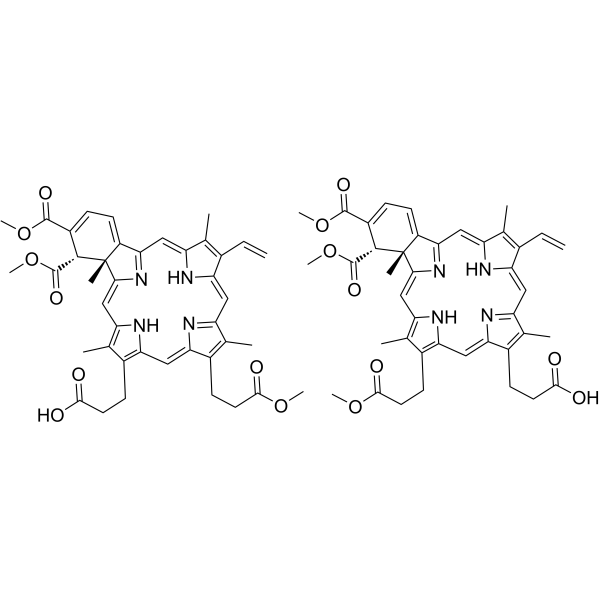
Verteporfin (CL 318952) is a photosensitizer for photodynamic therapy to eliminate the abnormal blood vessels in the eye associated with conditions such as age-related macular degeneration. Verteporfin is a YAP inhibitor which disrupts YAP-TEAD interactions. Verteporfin induces cell apoptosis . Verteporfinis an autophagy inhibitor that blocks autophagy at an early stage by inhibiting autophagosome formation .
loading...
    loading...
163
163 Cited Publications
Cat. No.: HY-B0496
CAS No.: 329-98-6
Synonyms: Phenylmethylsulfonyl fluoride; Benzylsulfonyl fluoride
Research Areas:  

Neurological Disease

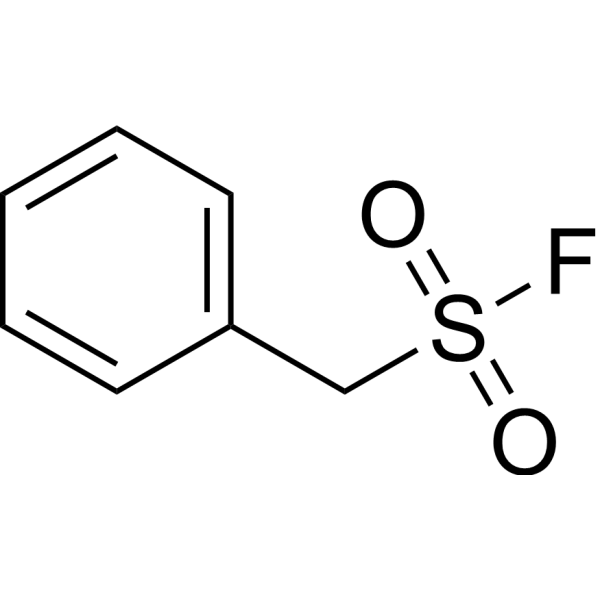
PMSF (Phenylmethylsulfonyl fluoride) is a nonspecific and irreversible serine proteases inhibitor. PMSF inhibits some thiol proteases, non-protease enzymes, and acetylcholinesterase. PMSF can be used to prepare protein extracts from tissue and cell lysates .
loading...
    loading...
101
101 Cited Publications
Cat. No.: HY-114153A
Purity:  99.88%
Target:  

c-Fms

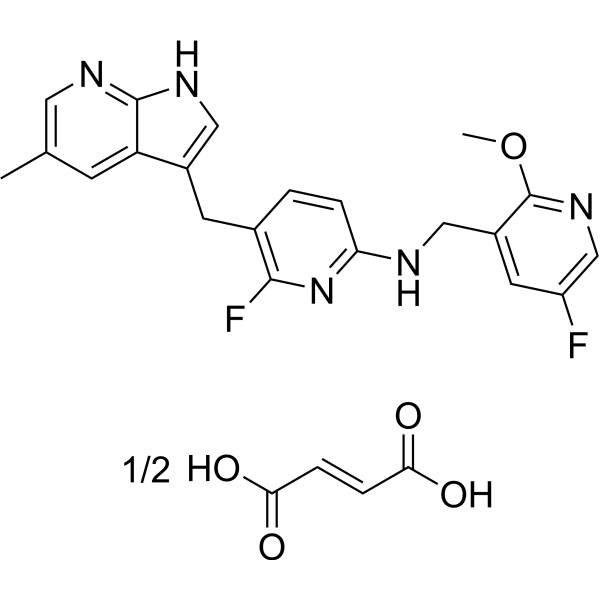
PLX5622 hemifumarate is a highly selective brain penetrant and orally active CSF1R inhibitor (IC50=0.016 μM; Ki=5.9 nM). PLX5622 hemifumarate allows for extended and specific microglial elimination, preceding and during pathology development. PLX5622 hemifumarate demonstrates desirable PK properties in varies animals .
loading...
    loading...
101
101 Cited Publications
Cat. No.: HY-114153
CAS No.: 1303420-67-8
Purity:  99.79%
Target:  

c-Fms

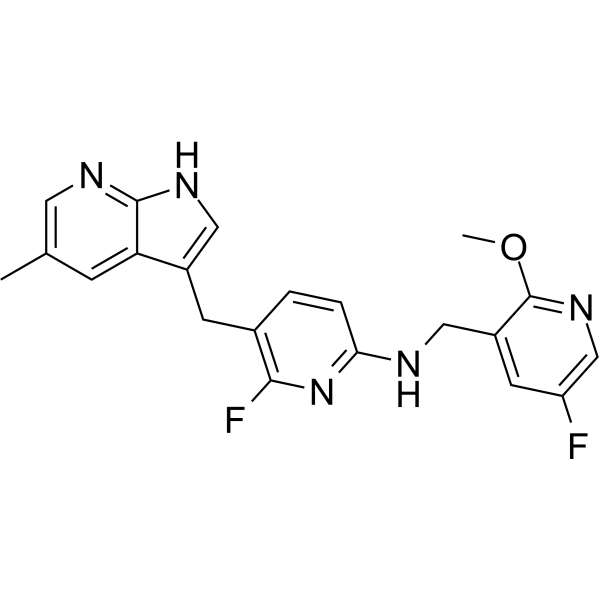
PLX5622 is a highly selective brain penetrant and orally active CSF1R inhibitor (IC50=0.016 μM; Ki=5.9 nM). PLX5622 allows for extended and specific microglial cells elimination, preceding and during pathology development. PLX5622 is an ideal choose for microglia function research in healthy or diseased states. PLX5622 has been verified by MedChemExpress, which demonstrates desirable microglia depletion efficiency in mice. PLX5622 is predominantly administered via ad libitum diets with a dose of 1200 ppm .
loading...
    loading...
45
45 Cited Publications
Cat. No.: HY-K0511A

MCE RT Master Mix for qPCR II is a convenient, ready-to-use formulation for reverse transcription and can eliminate genomic DNA (gDNA) contaminations in RNA samples. With updated reverse transcriptase, this kit can synthesize cDNA more rapidly, more specifically. The 100 rxns is defined as the base specification. All larger sizes correspond to incremental volumes of this base.

loading...
    loading...
22
22 Cited Publications
Cat. No.: HY-129905
CAS No.: 6491-83-4
Purity:  98.92%
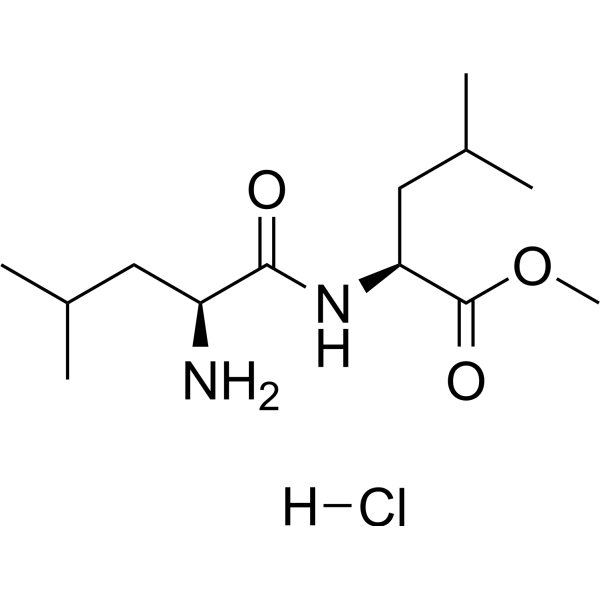
Synonyms: LLOMe hydrochloride; Leu-Leu methyl ester hydrochloride; H-Leu-Leu-OMe hydrochloride
L-Leucyl-L-Leucine methyl ester (LLOMe) hydrochloride, a dipeptide condensation product of L-leucine methyl ester generated by human monocytes or polymorphonuclear leukocytes, selectively eliminates lymphocytes with cytotoxic potential. L-Leucyl-L-Leucine methyl ester hydrochloride also can induce endolysosomal pathway stress .
loading...
    loading...
22
22 Cited Publications
Cat. No.: HY-129905A
CAS No.: 16689-14-8
Purity:  99.69%
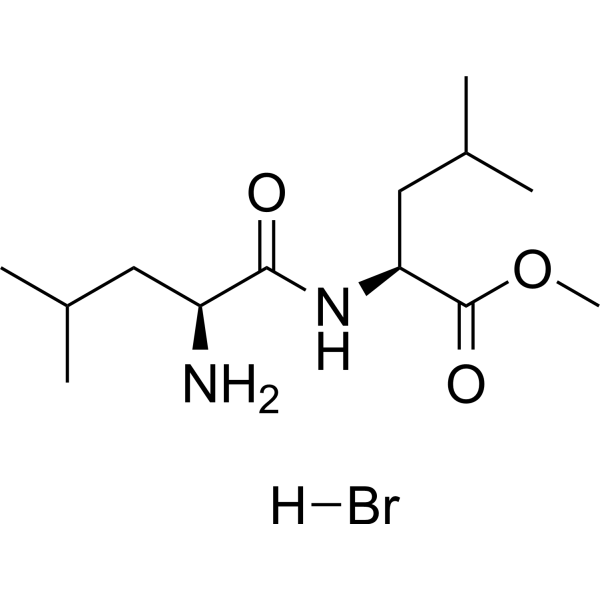
Synonyms: LLOMe hydrobromide; Leu-Leu methyl ester hydrobromide; H-Leu-Leu-OMe hydrobromide
L-Leucyl-L-Leucine methyl ester (LLOMe) hydrobromide, a dipeptide condensation product of L-leucine methyl ester generated by human monocytes or polymorphonuclear leukocytes, selectively eliminates lymphocytes with cytotoxic potential. L-Leucyl-L-Leucine methyl ester hydrobromide also can induce endolysosomal pathway stress .
loading...
    loading...
14
14 Cited Publications
Cat. No.: HY-N2333
CAS No.: 57444-62-9
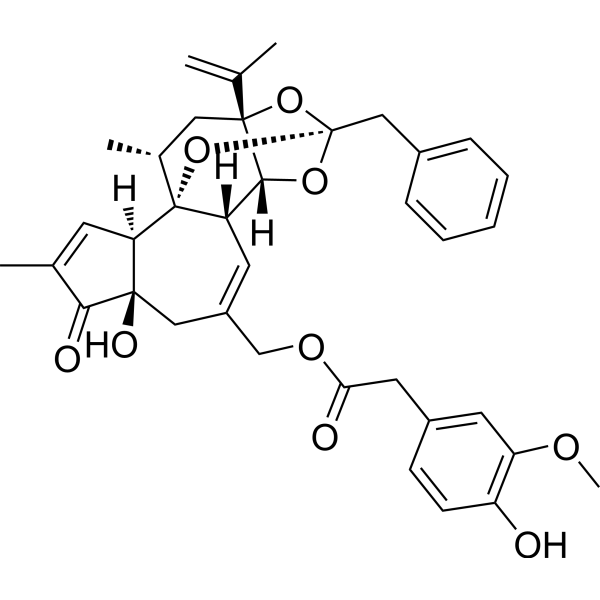
Synonyms: (+)-Resiniferatoxin
Resiniferatoxin ((+)-Resiniferatoxin), is a selective agonist of transient receptor potential vanilloid 1 (TRPV1) receptor agonist. Resiniferatoxin can be isolated from the Euphorbia resinifera plant. Resiniferatoxin eliminates TRPV1+ primary sensory afferents and blunt cardiac sympathetic afferent reflex for a relatively long period .
loading...
    loading...
11
11 Cited Publications
Cat. No.: HY-18314
CAS No.: 504433-23-2
Target:  

Trk Receptor Apoptosis

Research Areas:  

Neurological Disease Cancer

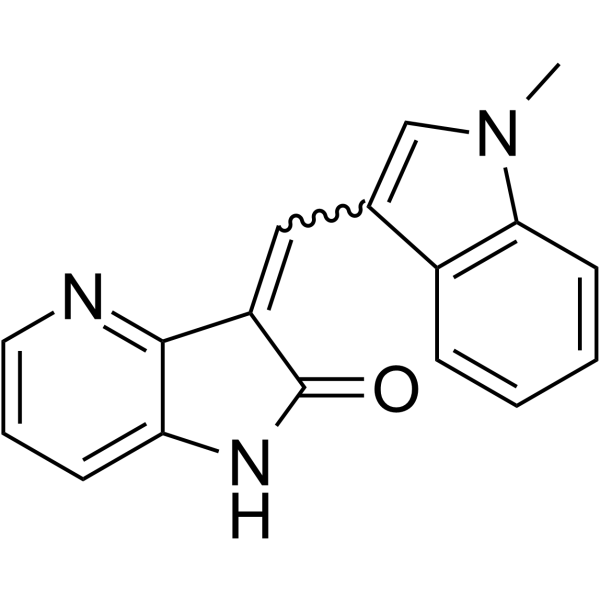
GW 441756 is a potent and specific nerve growth factor (NGF) receptor tyrosine kinases A (TrkA) inhibitor (IC50=2 nM), which eliminates the BmK NSPK-induced neurite outgrowth .
loading...
    loading...
9
9 Cited Publications
Cat. No.: HY-N0269
CAS No.: 34221-41-5
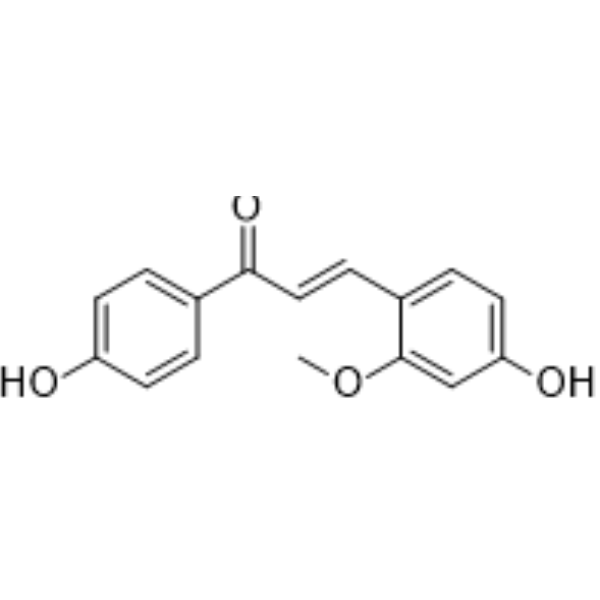
Echinatin is a chalcone isolated from the Chinese herbal medicine Gancao with hepatoprotective and anti-inflammatory effects . Echinatin can be quickly absorbed and eliminated and extensively distributed with an absolute bioavailability of approximately 6.81% in Rat .
loading...
    loading...
9
9 Cited Publications
Cat. No.: HY-P99977

Target:  

Inhibitory Antibodies

Research Areas:  

Inflammation/Immunology

Mouse IgG1 kappa, Isotype Control is a negative control reagent/isotype control for mouse-derived IgG1κ antibodies. Mouse IgG1 kappa, Isotype Control, by maintaining the same immunoglobulin structure (including isotype, light chain, etc.) as the specific mouse IgG1κ subtype primary antibody, eliminates false positive signals caused by non-specific binding in immunological experiments, thus playing a core role in verifying the specificity of the experiment. Mouse IgG1 kappa, Isotype Control can be applied to immunolocalization experiments in the field of cell biology, such as immunofluorescence staining and immunohistochemistry, assisting in research on protein subcellular localization and cell structure analysis, ensuring the reliability of experimental results .
loading...
    loading...
7
7 Cited Publications
Cat. No.: HY-130800
CAS No.: 1860875-51-9
Purity:  99.76%
Synonyms: CC-90009
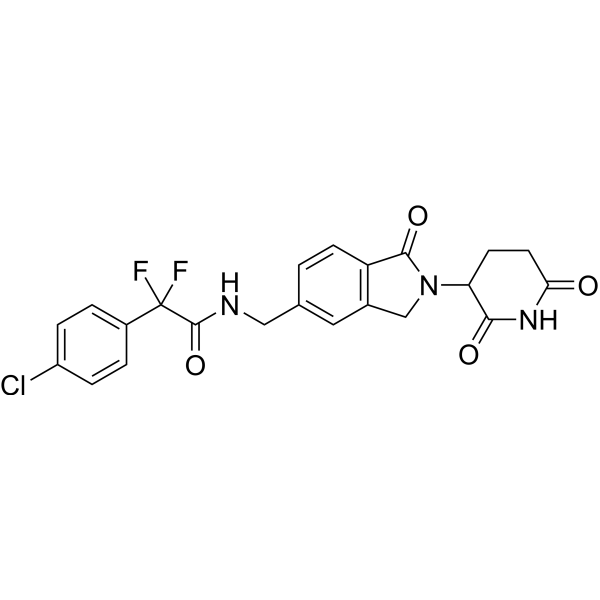
Eragidomide (CC-90009) is a GSPT1 Molecular Glue degrader. Eragidomide exhibits antiproliferative and pro-apoptotic (apoptosis) activities against acute myeloid leukemia cells. Eragidomide recruits the CRL4CRBN E3 ubiquitin ligase complex to selectively target GSPT1 for ubiquitination and proteasomal degradation. Eragidomide reduces leukemia cell engraftment and eliminates leukemia stem cells. Eragidomide promotes the activation of the GCN1/GCN2/ATF4 pathway and the integrated stress response pathway, inhibits global protein translation, promotes preferential translation of ATF4, and induces the accumulation of ATF4, CHOP and ATF3. The response to Eragidomide is regulated by the ILF2/ILF3 heterodimer complex, the mTOR signaling pathway and the integrated stress response. Eragidomide can be used in research related to acute myeloid leukemia and relapsed/refractory acute myeloid leukemia .
loading...
    loading...
6
6 Cited Publications
Cat. No.: HY-N0417
CAS No.: 18444-66-1
Synonyms: α-Elaterin; α-Elaterine
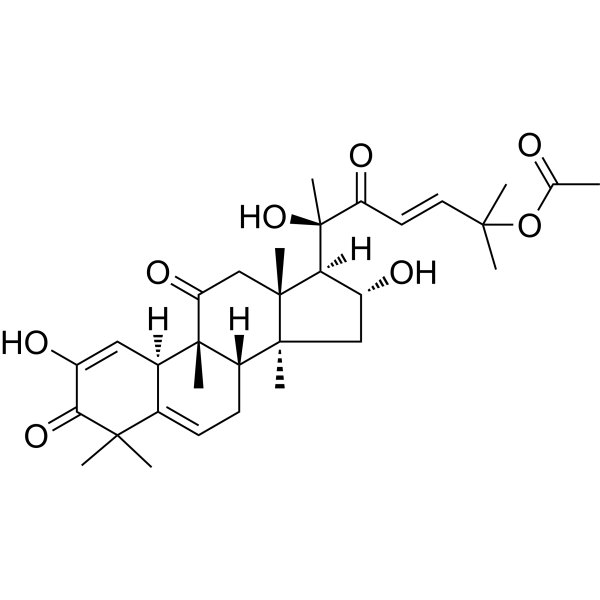
Cucurbitacin E is a CDK1 inhibitor that significantly inhibits the activity of the cyclin B1/CDC2 complex. Cucurbitacin E also induces PANoptosis in adrenocortical carcinoma cells in a ZBP1-dependent manner. Cucurbitacin E exhibits synergistic effects with Mitotane (HY-13690); when used in combination, they effectively eliminate tumors .
loading...
    loading...
5
5 Cited Publications
Cat. No.: HY-Y0873I
CAS No.: 25322-68-3
Synonyms: Polyethylene glycol 6000
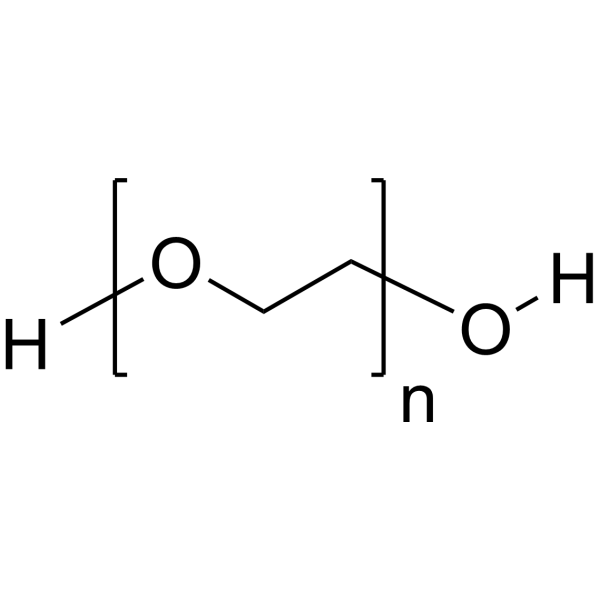
PEG6000 can be used as an excipient, such as Ointment base, lubricant, etc. Pharmaceutical excipients, or pharmaceutical auxiliaries, refer to other chemical substances used in the pharmaceutical process other than pharmaceutical ingredients. Pharmaceutical excipients generally refer to inactive ingredients in pharmaceutical preparations, which can improve the stability, solubility and processability of pharmaceutical preparations. Pharmaceutical excipients also affect the absorption, distribution, metabolism, and elimination (ADME) processes of co-administered drugs .
loading...
    loading...
4
4 Cited Publications
Cat. No.: HY-12640
CAS No.: 22204-24-6
Purity:  99.97%
Synonyms: Pyrantel embonate
Target:  

Parasite nAChR

Research Areas:  

Infection

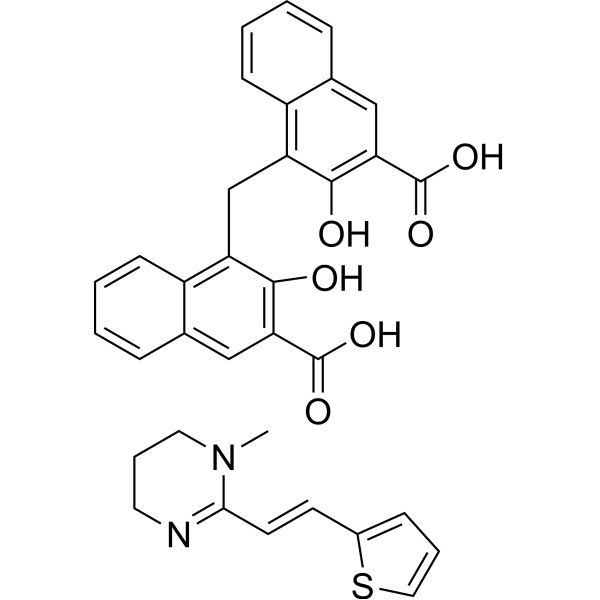
Pyrantel pamoate is an orally active antiparasitic agent. Pyrantel pamoate induces spastic paralysis in parasites via actions on neural and muscular cholinergic receptors as a nicotinic acetylcholine receptor (nAChR) agonist. Pyrantel pamoate eliminates both immature and mature endoparasites in horses. Pyrantel pamoate can be used in research related to parasitic infections .
loading...
    loading...
4
4 Cited Publications
Cat. No.: HY-125913
CAS No.: 618-39-3
Target:  

Ser/Thr Protease

Research Areas:  

Inflammation/Immunology

Benzamidine is a competitive protease inhibitor that blocks the hydrolytic cleavage of glucagon by plasmin, trypsin and thrombin. Benzamidine effectively inhibits the degradation of glucagon by relevant proteases during the collection, storage and analysis of human plasma and blood samples. During in vivo metabolism, Benzamidine undergoes N-hydroxylation and produces multiple metabolites, exhibiting characteristics of delayed excretion or biphasic elimination. Benzamidine only induces slight single-strand DNA breaks at high concentrations and shows no significant genotoxic potential overall. Benzamidine may interfere with the detection of some glucagon antisera, but does not affect key antigen-antibody affinity at specific concentrations. Benzamidine can be used as a stabilizer in glucagon radioimmunoassays to ensure the accuracy and recovery rate of detection results .
loading...
    loading...
4
4 Cited Publications
Cat. No.: HY-W018781
CAS No.: 1670-14-0
Target:  

Ser/Thr Protease

Research Areas:  

Cancer

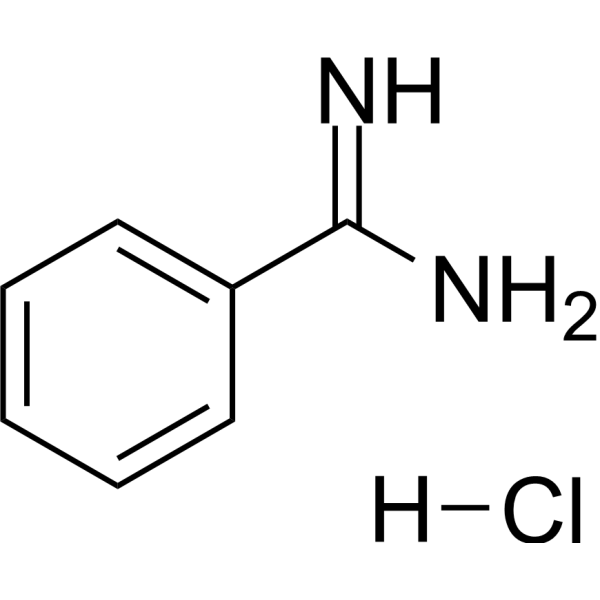
Benzamidine hydrochloride is a competitive protease inhibitor that blocks the hydrolytic cleavage of glucagon by plasmin, trypsin and thrombin. Benzamidine hydrochloride effectively inhibits the degradation of glucagon by relevant proteases during the collection, storage and analysis of human plasma and blood samples. During in vivo metabolism, Benzamidine hydrochloride undergoes N-hydroxylation and produces multiple metabolites, exhibiting characteristics of delayed excretion or biphasic elimination. Benzamidine hydrochloride only induces slight single-strand DNA breaks at high concentrations and shows no significant genotoxic potential overall. Benzamidine hydrochloride may interfere with the detection of some glucagon antisera, but does not affect key antigen-antibody affinity at specific concentrations. Benzamidine hydrochloride can be used as a stabilizer in glucagon radioimmunoassays to ensure the accuracy and recovery rate of detection results .
loading...
    loading...
4
4 Cited Publications
Cat. No.: HY-W087937
CAS No.: 206752-36-5
Synonyms: Benzenecarboximidamide hydrochloride hydrate
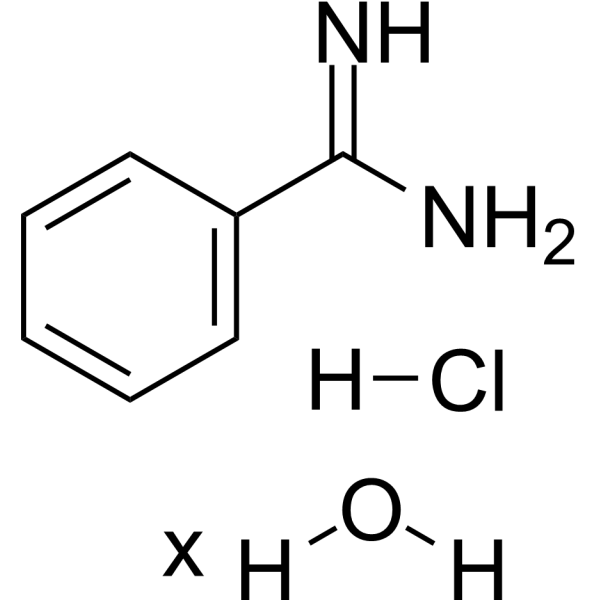
Benzamidine (Benzenecarboximidamide) hydrochloride hydrate is a competitive protease inhibitor that blocks the hydrolytic cleavage of glucagon by plasmin, trypsin and thrombin. Benzamidine hydrochloride hydrate effectively inhibits the degradation of glucagon by relevant proteases during the collection, storage and analysis of human plasma and blood samples. During in vivo metabolism, Benzamidine hydrochloride hydrate undergoes N-hydroxylation and produces multiple metabolites, exhibiting characteristics of delayed excretion or biphasic elimination. Benzamidine hydrochloride hydrate only induces slight single-strand DNA breaks at high concentrations and shows no significant genotoxic potential overall. Benzamidine hydrochloride hydrate may interfere with the detection of some glucagon antisera, but does not affect key antigen-antibody affinity at specific concentrations. Benzamidine hydrochloride hydrate can be used as a stabilizer in glucagon radioimmunoassays to ensure the accuracy and recovery rate of detection results .
loading...
    loading...
3
3 Cited Publications
Cat. No.: HY-122243
CAS No.: 670270-31-2
Purity:  99.68%
Target:  

Deubiquitinase

Research Areas:  

Neurological Disease

IU1-47 is a potent and specific USP14 inhibitor with an IC50 of 0.6 μM. IU1-47 inhibits IsoT/USP5 with an IC50 of 20 μM. IU1-47 induces tau elimination in cultured neurons .
loading...
    loading...
3
3 Cited Publications
Cat. No.: HY-111630
CAS No.: 56563-17-8
Purity:  ≥98.0%
Target:  

Topoisomerase

Research Areas:  

Cancer

PluriSIn #2 is a selective transcriptional inhibitor of topoisomerase II α (TOP2A). PluriSIn #2 is a compound that selectively eliminates undifferentiated human pluripotent stem cells (hPSCs) .
loading...
    loading...

