93 Results for "

gymnosperm spores

" in MedChemExpress (MCE) Product Catalog:
Products (93)

93 Results for "gymnosperm spores" in MCE Product Catalog:

3
3 Cited Publications
Cat. No.: HY-W001132
CAS No.: 120-72-9
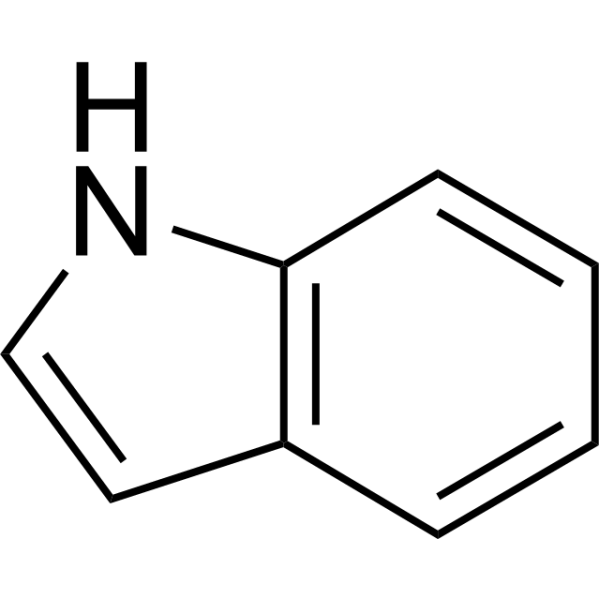
Indole is an aromatic, heterocyclic, organic compound which widely distributed in the natural environment and can be produced by a variety of bacteria. Indole regulates various aspects of bacterial physiology, including spore formation, plasmid stability, resistance to drugs, biofilm formation, and virulence as an intercellular signal molecule .
loading...
    loading...
3
3 Cited Publications
Cat. No.: HY-B0850
CAS No.: 119446-68-3
Research Areas:  

Infection

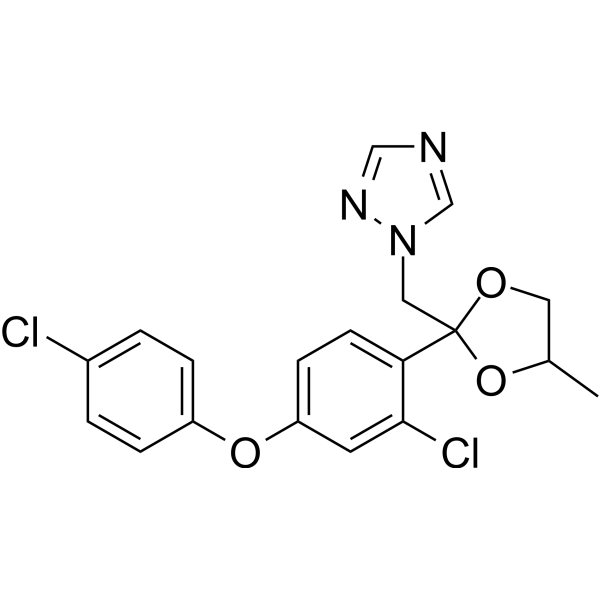
Difenoconazole is a sterol demethylation inhibitor, as a fungicide. Difenoconazole binds the heme portion of the fungal cytochrome P450 51, interferes the mycelial growth and inhibits the spore germination of pathogens, suppressing fungal growth .
loading...
    loading...
1
1 Cited Publications
Cat. No.: HY-135549
CAS No.: 907204-31-3
Purity:  99.96%
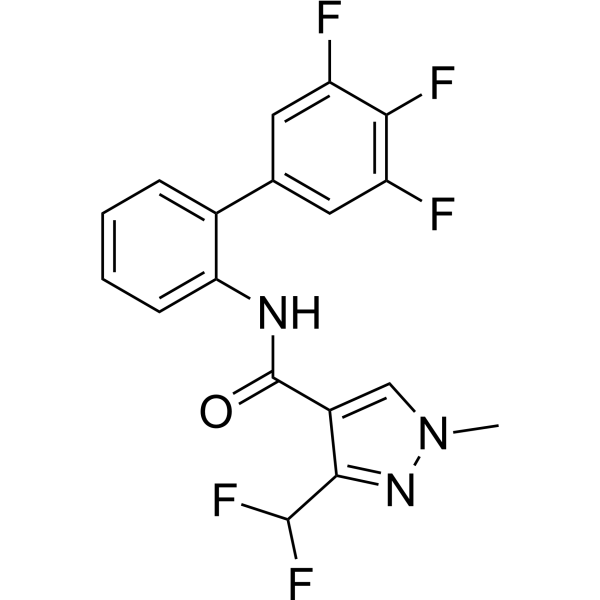
Fluxapyroxad is a synthetic broad-spectrum fungicide for the control of fungal diseases. Fluxapyroxad inhibits succinate dehydrogenase in complex II of the mitochondrial respiratory chain, resulting in inhibition of spore germination, germ tubes and mycelia growth within the fungus target species .
loading...
    loading...
1
1 Cited Publications
Cat. No.: HY-23155
CAS No.: 2257-09-2
Synonyms: 2-PE ITC
Target:  

Fungal

Research Areas:  

Infection

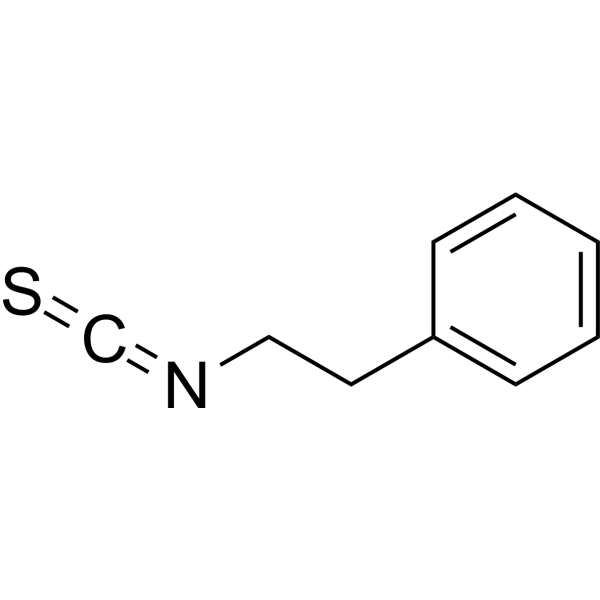
2-Phenylethyl isothiocyanate is a potent antifungal agent. 2-Phenylethyl isothiocyanate significantly inhibited spore germination and mycelial growth of Alternaria alternata, with a MIC (minimum inhibitory concentration) of 1.22 mM. The antifungal effect of 2-Phenylethyl isothiocyanate against Alternaria alternate might be via reduction in toxin content and breakdown of cell membrane integrity .
loading...
    loading...
1
1 Cited Publications
Cat. No.: HY-N7435
CAS No.: 54814-64-1
Synonyms: (±)-Massoia lactone
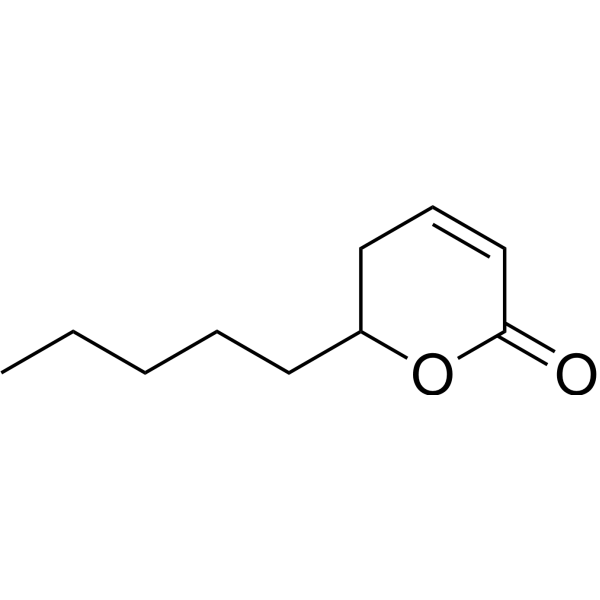
Massoia lactone ((±)-Massoia lactone) is a natural lactone-based biosurfactant with antifungal (fungal), antibiofilm, and cytotoxic activities. Massoia lactone inhibits fungal hyphal growth and spore germination, and induces fungal cell necrosis by forming membrane pores, reducing ergosterol, elevating ROS, and causing leakage of intracellular components. Massoia lactone inhibits the viability and proliferation of tumor cells. Massoia lactone degrades the extracellular polymeric substances of polymicrobial biofilms, penetrates the biofilm matrix, inhibits the growth of planktonic oral bacteria (bacterial), and reduces surface tension through its amphiphilic properties. Massoia lactone is a low-toxicity, biodegradable food additive with a coconut cream aroma, which can be used for flavor improvement and also serves as a quality control marker for Cs-4 mycelium. Massoia lactone can be used for research on Fusarium head blight, malignant tumors, and oral polymicrobial biofilm-associated dental diseases .
loading...
    loading...
1
1 Cited Publications
Cat. No.: HY-115440
CAS No.: 1013915-99-5
Purity:  99.18%
Synonyms: REP-3123 dihydrochloride
Target:  

Bacterial Antibiotic

Research Areas:  

Infection

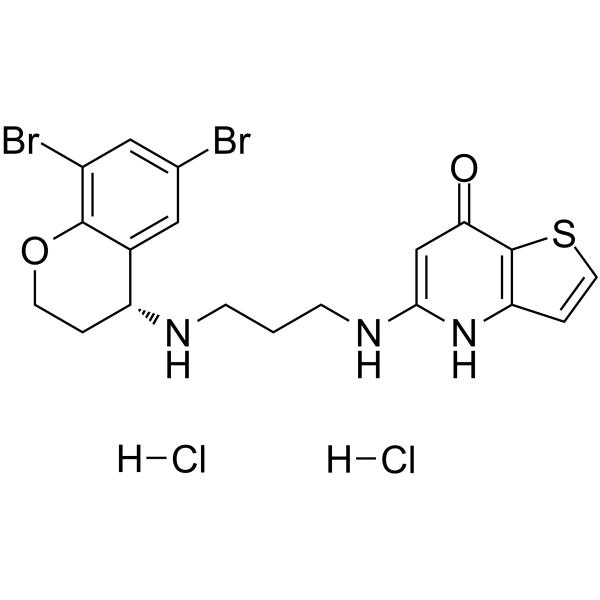
CRS3123 (REP-3123) dihydrochloride, a fully synthetic antibacterial agent, potently inhibits methionyl-tRNA synthetase (MetRS) of Clostridioides difficile, inhibiting Clostridioides difficile toxin production and spore formation. CRS3123 dihydrochloride is an oral agent for the research of Clostridioides difficile infection (CDI) .
loading...
    loading...
1
1 Cited Publications
Cat. No.: HY-N9128
CAS No.: 52766-70-8
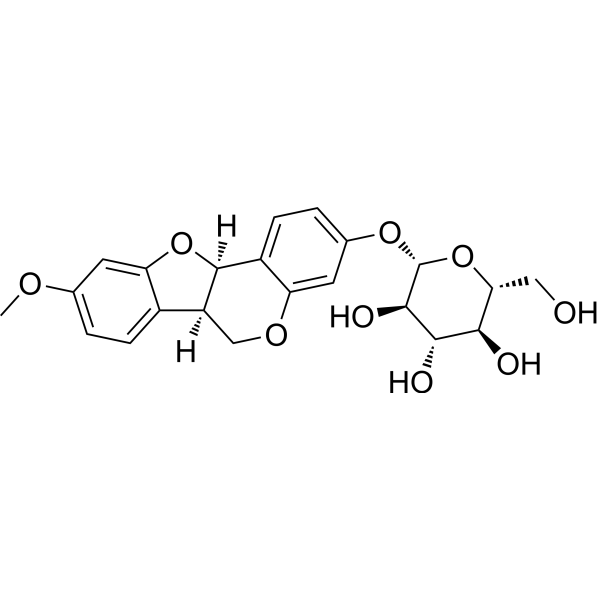
Medicarpin 3-O-glucoside a phytoalexin, shows inhibition against the germination of G. intraradices spores and hyphal elongation .
loading...
    loading...
Cat. No.: HY-W009274
CAS No.: 10597-89-4
Synonyms: MurNAc; NAMA
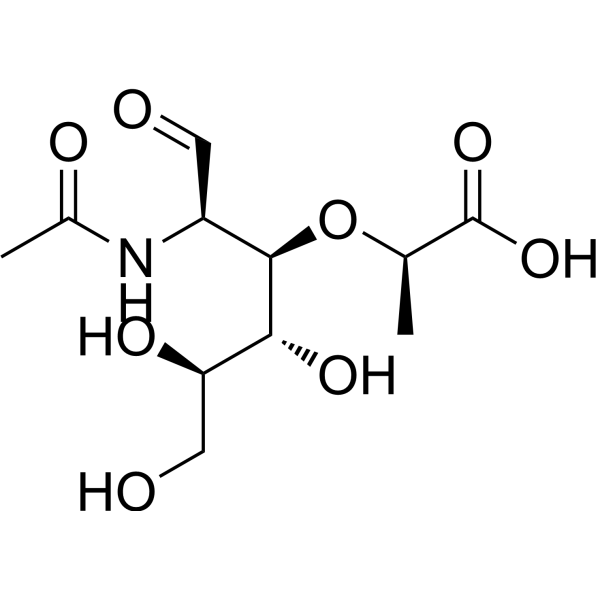
N-acetylmuramic acid is a component of the bacterial cell wall peptidoglycan, essential for maintaining cell shape and integrity . N-acetylmuramic acid inhibits spore germination by inhibiting a coat-associated hexosaminidase and a core enzyme . N-acetylmuramic acid is required by Bacteroides forsythus for proliferation and the maintenance of its cell shape . N-Acetylmuramic acid inhibits the p38 MAPK/NF-κB signaling pathway, and exhibits anti-inflammatory activity. N-Acetylmuramic acid is orally active .
loading...
    loading...
Cat. No.: HY-W116336D
CAS No.: 1314-13-2
Zinc oxide, <100 nm particle size is a nitrate reductase modulator and growth promoter with plant stress resistance activity and oral toxicity. Zinc oxide, <100 nm particle size acts as a nutrient source for maize plants. By enhancing nitrate reductase activity and reducing free proline levels, it significantly improves plant height, root length and dry matter weight of maize, and its growth-promoting effect is comparable to that of traditional zinc sulfate fertilizer. Zinc oxide, <100 nm particle size induces anemia-related and persistent tissue inflammatory damage, leading to obvious histopathological adverse reactions in the stomach, pancreas, eyes and prostate of rats. Zinc oxide, <100 nm particle size acts as a non-toxic antibacterial agent and selective cytotoxin against multiple bacteria, fungi and spores .
loading...
    loading...
Cat. No.: HY-B1263
CAS No.: 57-15-8
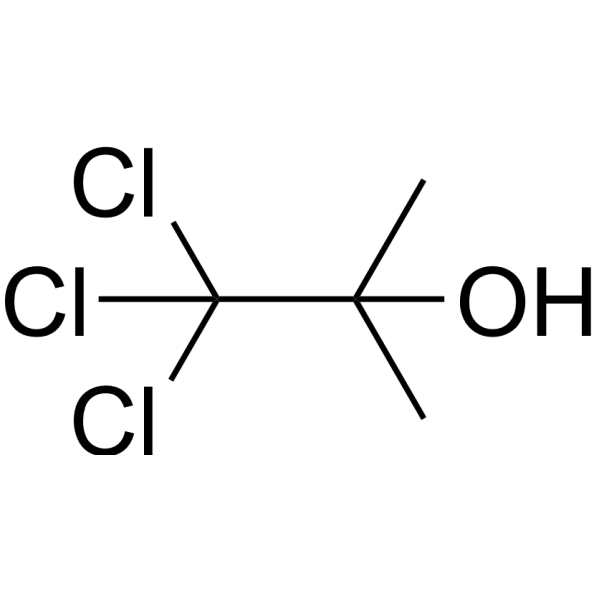
Chlorobutanol is an orally active and potent inhibitor of platelet aggregation and release and a pharmaceutical preservative with antibacterial activity. Chlorobutanol inhibits thromboxane B2 formation, ATP release, and elevation of cytosolic free calcium caused by collagen, ADP, epinephrine, arachidonic acid and thrombin. Chlorobutanol is active against a wide variety of Gram-positive and Gram-negative bacteria, and several mold spores and fungi. Chlorobutanol is widely used in food and cosmetic industry .
loading...
    loading...
Cat. No.: HY-N6784
CAS No.: 11050-94-5
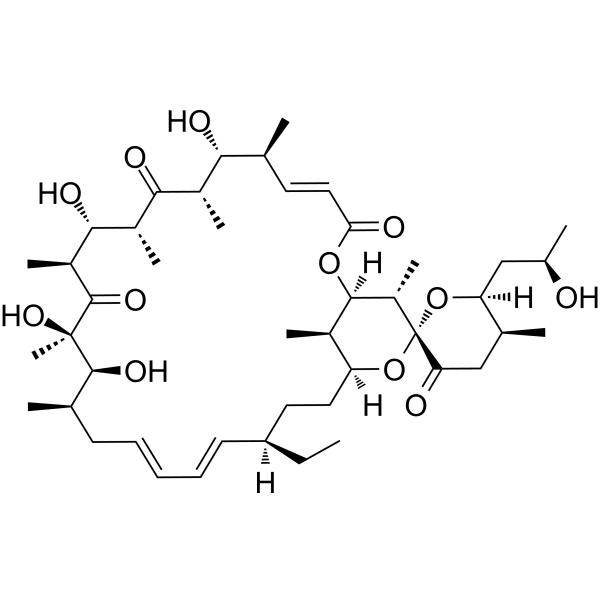
Oligomycin B is an antibiotic that acts as a non-selective inhibitor of ATP Synthase. Oligomycin B increases mitochondrial membrane potential. Oligomycin B induces apoptosis and necrosis. Oligomycin B impairs the motility of Plasmopara viticola zoospores and induces their lysis. Oligomycin B inhibits Magnaporthe oryzae (wheat blast fungus) and suppresses the development of wheat blast. Oligomycin B reduces hyphal growth and spore germination of Botrytis cinerea, and protects Arabidopsis thaliana against Botrytis cinerea infection. Oligomycin B exacerbates cytotoxic brain edema in rats with cerebral cortical contusion, increases intracranial pressure and brain water content, and aggravates mitochondrial damage in these rats. Oligomycin B is used in studies related to grape downy mildew, traumatic brain injury, wheat blast, and gray mold .
loading...
    loading...
Cat. No.: HY-W250308A
Synonyms: Epsilon-polylysine hydrochloride (MV 2000-5000); ε-Polylysine hydrochloride (MV 2000-5000); ε-PL hydrochloride (MV 2000-5000)
ε-Poly-L-lysine (Epsilon-polylysine; ε-Polylysine) hydrochloride (MV 2000-5000) is a polycationic antibacterial agent with broad-spectrum activity against Gram-positive bacteria, Gram-negative bacteria, fungi, yeasts and specific bacteriophages. ε-Poly-L-lysine hydrochloride (MV 2000-5000) exerts bactericidal effects through mechanisms such as disrupting microbial membranes, inducing ROS production, inhibiting metabolism and spore germination. ε-Poly-L-lysine hydrochloride (MV 2000-5000) also regulates the expression of multiple key genes including sodA, oxyR and recA. ε-Poly-L-lysine hydrochloride (MV 2000-5000) exhibits properties such as low eukaryotic cytotoxicity, thermal stability and pH stability, and supports tissue regeneration and anti-tumor applications. ε-Poly-L-lysine hydrochloride (MV 2000-5000) can be applied in research fields including bacterial and fungal infections, diabetic ulcers, and methicillin-resistant Staphylococcus aureus infections .
loading...
    loading...
Cat. No.: HY-N1677
CAS No.: 530-55-2
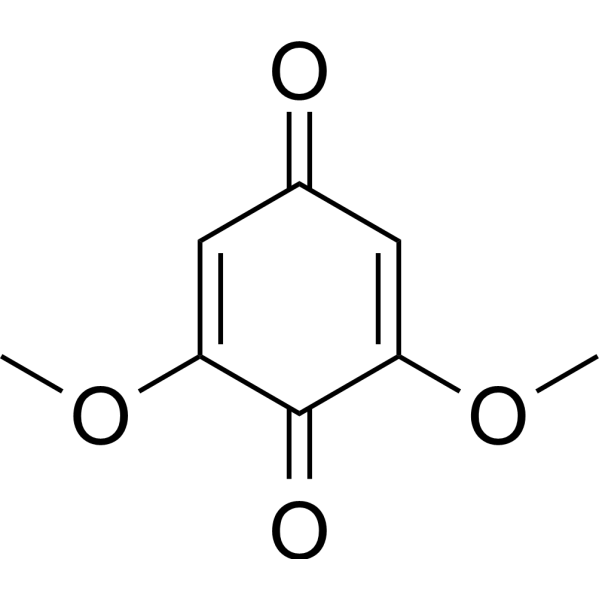
2,6-Dimethoxy-1,4-benzoquinone is a 1,4-benzoquinone derivative. 2,6-Dimethoxy-1,4-benzoquinone promotes phosphorylation of AKT, S6K, mTOR, 4E-BP1, and AMPK, and attenuates mTORC1 activity as part of the AKT/mTOR pathway. 2,6-Dimethoxy-1,4-benzoquinone stimulates myoblast differentiation, increases myotube size, elevates MHC protein expression, enhances mitochondrial biogenesis, respiration, and DNA content, and increases skeletal muscle weights, fiber size, grip strength, and treadmill performance. 2,6-Dimethoxy-1,4-benzoquinone exerts anti-cancer, anti-inflammatory, anti-adipogenic, antibacterial, and antimutagenic effects, inhibits adipogenic transcription factors, nitric oxide production, skin tumor development, Magnaporthe oryzae growth, spore germination, appressorium formation, and growth of select bacterial species, induces H2O2 generation and rice defense gene expression, and reduces rice blast lesion formation. 2,6-Dimethoxy-1,4-benzoquinone can be used for the research of obesity, skin tumorigenesis, rice blast disease, and food-borne illness .
loading...
    loading...
Cat. No.: HY-103249
CAS No.: 303957-69-9
Purity:  98.08%
Synonyms: Reutericycline
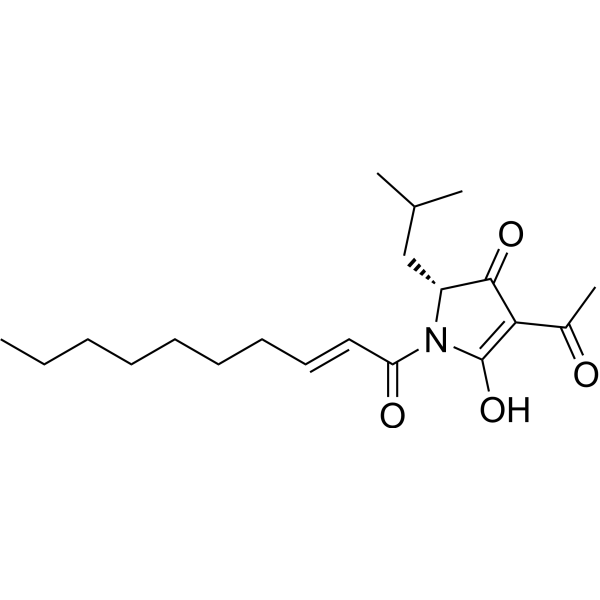
Reutericyclin (Reutericycline) is an orally active antibacterial and anti-obesity agent that selectively inhibits Gram-positive bacteria. By selectively dissipating transmembrane potential, Reutericyclin exerts non-lytic bactericidal or bacteriostatic activity against pathogens such as Clostridium difficile and Staphylococcus aureus, and rapidly kills vegetative cells and spores of Clostridium difficile. Reutericyclin possesses favorable properties including resistance to enzymatic hydrolysis, iron-chelating function, and poor absorption by colonic epithelium. Reutericyclin not only eradicates staphylococcal biofilms and inhibits drug-resistant strains, but also counteracts Risperidone (HY-11018)-induced weight gain by inducing changes in gut microbiota composition and restoring energy utilization efficiency. Reutericyclin can be used in research related to Clostridium difficile infection, Risperidone-induced weight gain, and staphylococcal superficial skin infections .
loading...
    loading...
Cat. No.: HY-75828
CAS No.: 538-58-9
Synonyms: Dibenzalacetone
Target:  

Bacterial

Research Areas:  

Infection

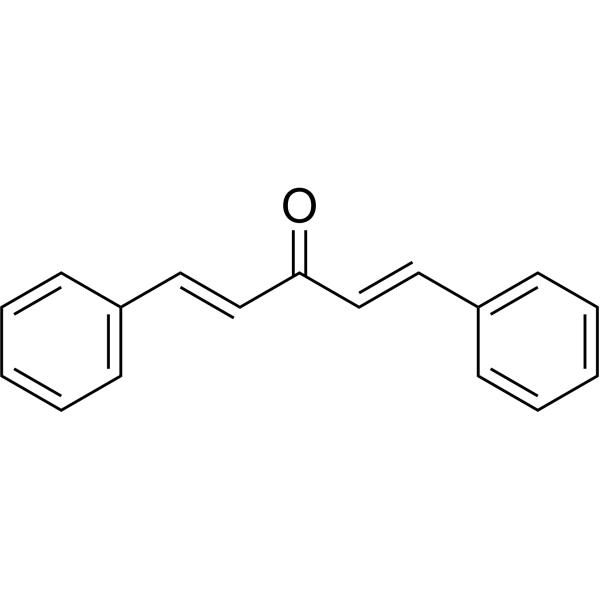
Dibenzylideneacetone (Dibenzalacetone) is a potent inhibitor of chitinase with an IC50 value of 13.10 μM. The MIC value of Dibenzylideneacetone against Botrytis cinerea is 32 μg/mL, and the EC50 values for inhibiting mycelium growth and spore germination are 16.29 and 14.64 μg/mL, respectively. Dibenzylideneacetone can be used in research on fruit and vegetable preservatives .
loading...
    loading...
Cat. No.: HY-W013289
CAS No.: 3881-21-8
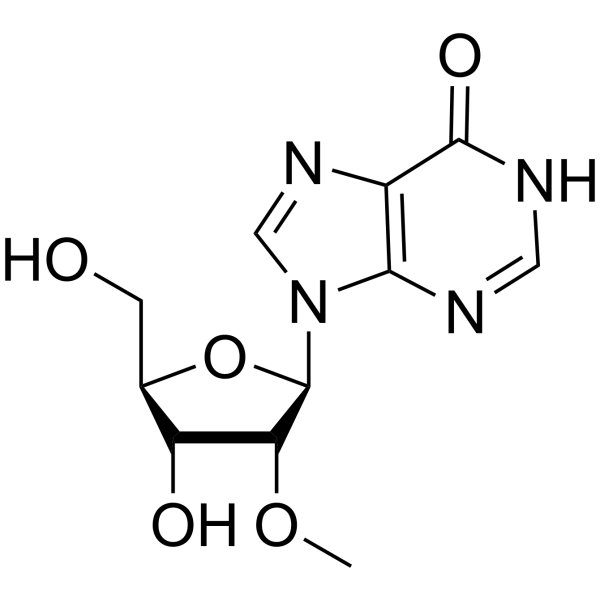
2'-O-Methylinosine is a derivative of 2'-O-Methyladenosine. 2'-O-Methylinosine can be formed by chemical deamination of unmethylated 2'-O-Methyladenosine (HY-W011552). 2'-O-Methylinosine does not induce spore germination in Bacillus cereus. 2'-O-Methylinosine can be used in studies on diabetic nephropathy and HIV infection .
loading...
    loading...
Cat. No.: HY-U00035
CAS No.: 1000277-08-6
Research Areas:  

Infection

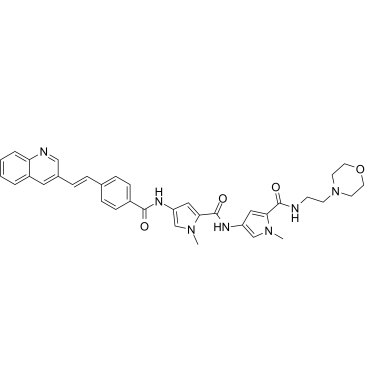
MGB-BP-3 is an orally aective Gram-positive bactericide and DNA-binding agent. MGB-BP-3 blocks transcription initiation by binding to AT-rich bacterial DNA regions, and interferes with the functions of DNA gyrase and topoisomerase IV, but does not stabilize cleavage complexes or induce the SOS response. MGB-BP-3 induces energy depletion in *Staphylococcus aureus* and inhibits spore formation in *Clostridioides difficile*, exhibiting intrinsic resistance resilience. MGB-BP-3 can be used in the research of *Clostridioides difficile*-associated diseases .
loading...
    loading...
Cat. No.: HY-N3463
CAS No.: 5835-26-7
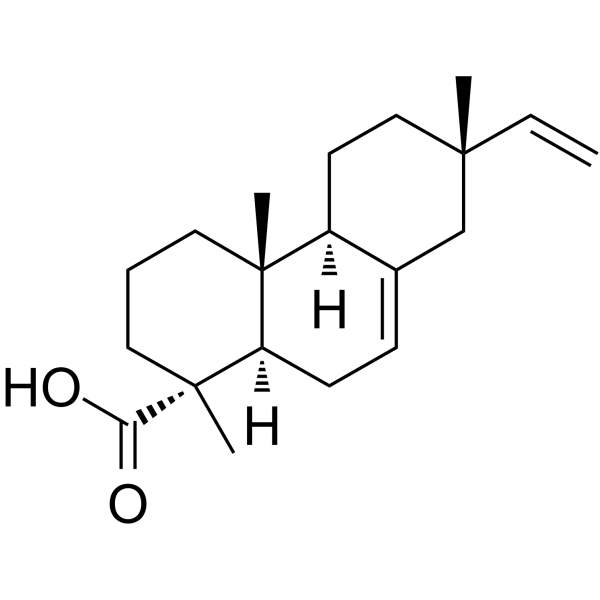
Isopimaric acid is a coniferous tree defense compound. Isopimaric acid binds to AKT and inhibits mTOR phosphorylation, thereby regulating the AKT/mTOR pathway. Isopimaric acid inhibits oxidative stress, inflammation, microglial migration, apoptosis, autophagic flux, ornithine decarboxylase activity, breast cancer proliferation and metastasis, and fungal spore germination. Isopimaric acid also induces M2 microglial polarization, mitochondrial damage, ROS accumulation, starvation-induced colon cancer cell apoptosis, and breast cancer cell cycle arrest. Isopimaric acid activates potassium channels, regulates sodium channels and calcium channels, reduces myocardial excitability, and improves arrhythmia. Isopimaric acid acts as an oxidative substrate for CYP6BW1/3, down-regulates PINK1/Parkin, and regulates calcium homeostasis, oxidative phosphorylation, EMT, and the Wnt pathway. Isopimaric acid exhibits activity against drug-resistant Staphylococcus aureus, repels feeding, and promotes the growth of rice seedlings. Isopimaric acid is suitable for research related to epilepsy, tumors, drug-resistant bacterial infections, atrial fibrillation, hypertension, hyperlipidemia, pulmonary tuberculosis, etc .
loading...
    loading...
Cat. No.: HY-172670
Target:  

Fungal

Research Areas:  

Infection

Spore germination-IN-1 (Compound 110) is an orally active spore germination inhibitor (IC50: 14 μM). Spore germination-IN-1 specifically inhibits the enzymatic activities of mature SleC and CspB on spores (Kd: 12 and 8 μM). Spore germination-IN-1 can be used in studies against C. difficile .
loading...
    loading...
Cat. No.: HY-123077
CAS No.: 522-30-5
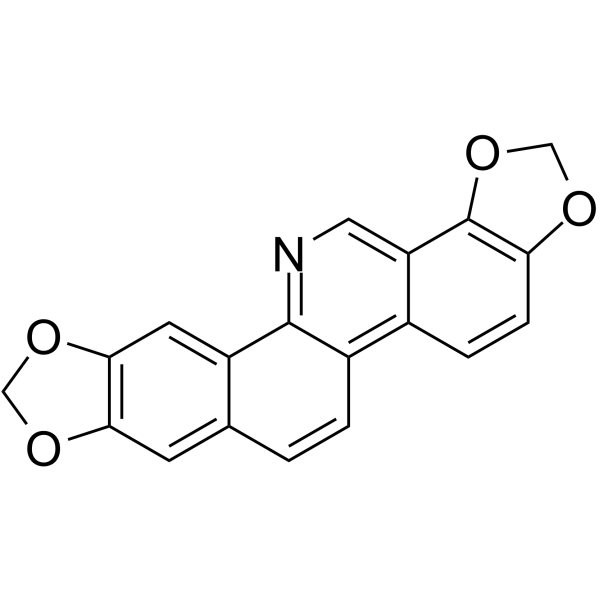
Norsanguinarine is a benzophenanthridine-type isoquinoline alkaloid and plant pathogenic Fungal spore germination inhibitor. Norsanguinarine is an intermediate in the biosynthetic process of sanguinarine-type alkaloids in poppy calli. Norsanguinarine is present in the whole plant of Eschscholtzia californica and calli of Papaver somniferum L. Norsanguinarine inhibits spore germination of Alternaria brassicicola and Curvularia maculans. Norsanguinarine can be used in studies related to plant pathogenic fungal infections .
loading...
    loading...

