181 Results for "

lethality

" in MedChemExpress (MCE) Product Catalog:
Products (181)

181 Results for "lethality" in MCE Product Catalog:

52
52 Publications Verification
Cat. No.: HY-141520
CAS No.: 2603528-97-6
Purity:  99.75%
Target:  

DNA/RNA Synthesis

Research Areas:  

Cancer

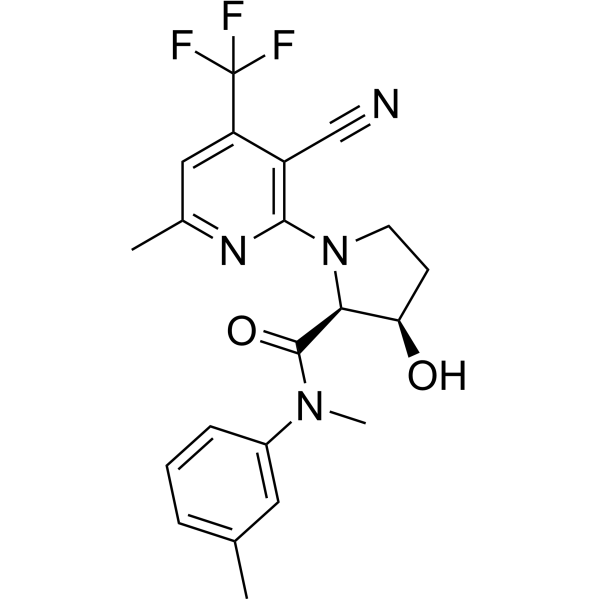
ART558 is a potent, selective and allosteric DNA polymerase theta (Polθ) inhibitor (IC50=7.9 nM). ART558 elicits BRCA-gene synthetic lethality and DNA damage. ART558 can be used for the research of cancer, such as breast cancer .
loading...
    loading...
20
20 Cited Publications
Cat. No.: HY-132167
CAS No.: 2589531-76-8
Purity:  99.76%
Synonyms: AZD5305
Target:  

PARP

Research Areas:  

Cancer

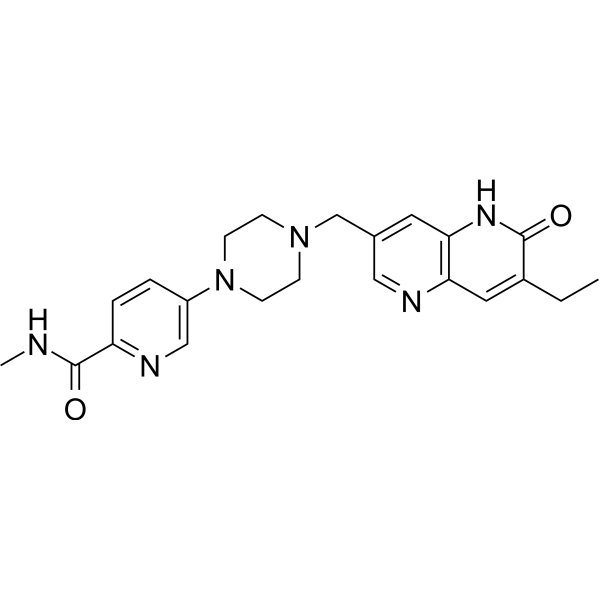
Saruparib (AZD5305) is a potent, orally active and selective PARP inhibitor and trapper with IC50 values of 3 nM and 1400 nM for PARP1 and PARP2, respectively. Saruparib has anti-proliferative activity and inhibits growth in cells with deficiencies in DNA repair .
loading...
    loading...
18
18 Cited Publications
Cat. No.: HY-100002
CAS No.: 1035072-16-2
Purity:  99.46%
Research Areas:  

Cancer

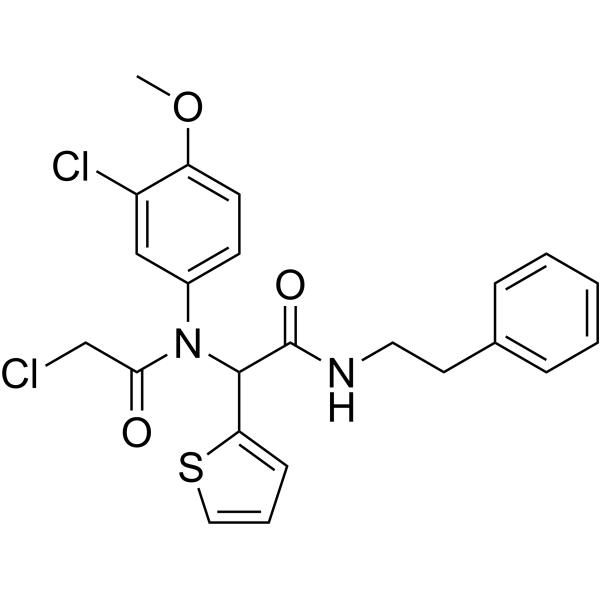
ML162 is a covalent glutathione peroxidase 4 (GPX4) inhibitor. ML162 has a selective lethal effect on mutant RAS oncogene-expressing cell lines
loading...
    loading...
16
16 Cited Publications
Cat. No.: HY-N4115
CAS No.: 84-36-6
Synonyms: Su 3118
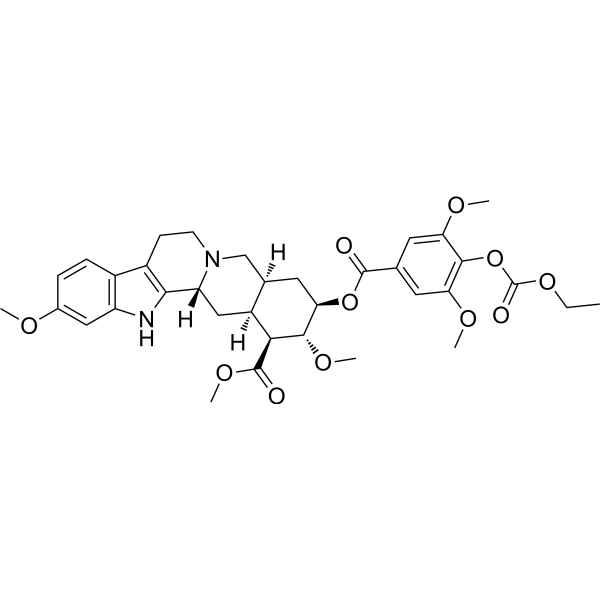
Syrosingopine (Su 3118) is an orally active lactate transporters (MCT1/MCT4) dual inhibitor, which can reduce glycolysis and induce synthetic lethality in cancer cells when combine with metformin. Syrosingopine shows anti-hypertensive activity by depleting peripheral stores of norepinephrine .
loading...
    loading...
15
15 Cited Publications
Cat. No.: HY-P1010
CAS No.: 210345-04-3
Target:  

Caspase Apoptosis

Research Areas:  

Neurological Disease Cancer

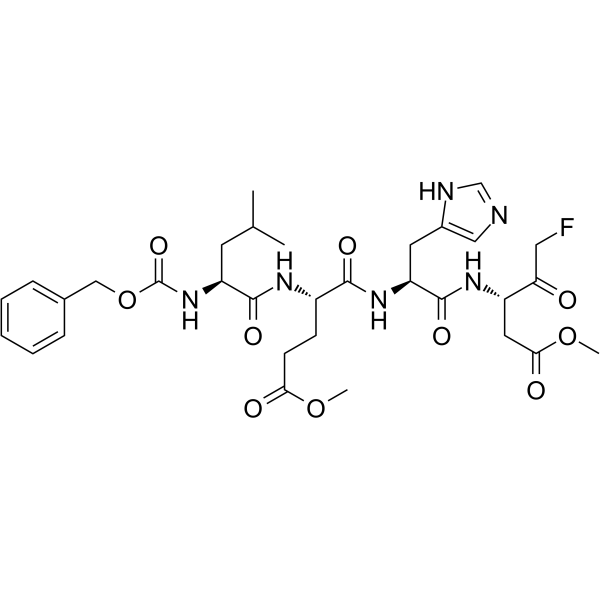
Z-LEHD-FMK is a selective and irreversible inhibitor of caspase-9, protects against lethal reperfusion injury and attenuates apoptosis. Z-LEHD-FMK exhibits the neuroprotective effect in a rat model of spinal cord trauma .
loading...
    loading...
12
12 Cited Publications
Cat. No.: HY-16911
CAS No.: 620175-39-5
Synonyms: API-1252; Debio 1452
Target:  

Bacterial Antibiotic

Research Areas:  

Infection

AFN-1252 is an orally active and selective inhibitor of FabI, an essential enzyme in fatty acid biosynthesis in Staphylococcus spp. AFN-1252 exhibits exquisite and highly selective activity against Staphylococcus spp. AFN-1252 exhibits typical MIC90 values of ⩽0.015 μg/ml against diverse clinical isolates of S. aureus. AFN-1252 is efficacious in a mouse model of septicemia providing 100% protection from an otherwise lethal peritoneal infection of S. aureus Smith .
loading...
    loading...
10
10 Cited Publications
Cat. No.: HY-B0401
CAS No.: 64-77-7
Target:  

Na+/K+ ATPase

Research Areas:  

Metabolic Disease Cancer

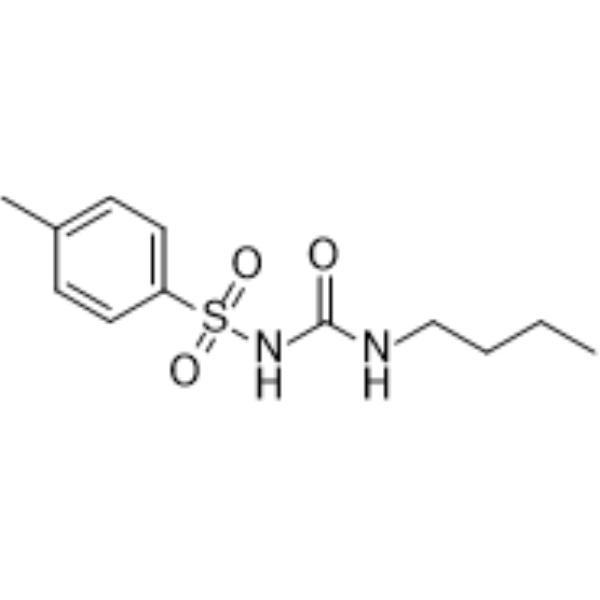
Tolbutamide is an orally active KATP inhibitor. Tolbutamide inhibits cell proliferation, stimulates exocytosis of glucagon and reduces fetal lethality of mice. Tolbutamide can be used in the research of diabete .
loading...
    loading...
6
6 Cited Publications
Cat. No.: HY-113308
CAS No.: 516-90-5
Purity:  98.06%
Taurolithocholic acid is an orally active bile acid and antiviral agent. Taurolithocholic acid upregulates FADS2 by activating the TGR5-PI3K/AKT-SREBP2 signaling axis, inhibits SFTSV-induced ferroptosis (Ferroptosis), viral replication and viral entry of HBV/HDV, while reducing the release of IL-1β, lipid ROS and LDH. While exerting antiviral protective effects, Taurolithocholic acid also stimulates the recycling of hepatocellular membrane transporters, impairs canalicular bile acid secretion function, and induces hepatocyte cholestasis, apoptosis and acute hepatocellular injury. Taurolithocholic acid serves as an experimental model compound for hepatocellular cholestasis. At concentrations ≤200 μM, Taurolithocholic acid shows no cytotoxicity and does not activate the interferon pathway. Taurolithocholic acid not only protects mice from lethal SFTSV infection but also is suitable for studies related to severe fever with thrombocytopenia syndrome and cholestasis .
loading...
    loading...
6
6 Cited Publications
Cat. No.: HY-113308A
CAS No.: 6042-32-6
Purity:  99.81%
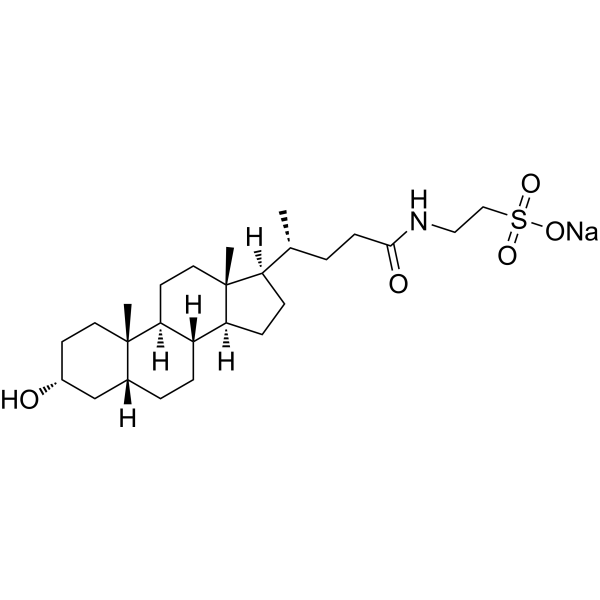
Taurolithocholic acid sodium salt is an orally active bile acid and antiviral agent. Taurolithocholic acid sodium salt upregulates FADS2 by activating the TGR5-PI3K/AKT-SREBP2 signaling axis, inhibits SFTSV-induced ferroptosis, viral replication and viral entry of HBV/HDV, while reducing the release of IL-1β, lipid ROS and LDH. While exerting antiviral protective effects, Taurolithocholic acid sodium salt also stimulates the recycling of hepatocellular membrane transporters, impairs canalicular bile acid secretion function, and induces hepatocyte cholestasis, apoptosis and acute hepatocellular injury. Taurolithocholic acid sodium salt serves as an experimental model compound for hepatocellular cholestasis. At concentrations ≤200 μM, Taurolithocholic acid sodium salt shows no cytotoxicity and does not activate the interferon pathway. Taurolithocholic acid sodium salt not only protects mice from lethal SFTSV infection but also is suitable for studies related to severe fever with thrombocytopenia syndrome and cholestasis .
loading...
    loading...
4
4 Cited Publications
Cat. No.: HY-N7091
CAS No.: 1912-24-9
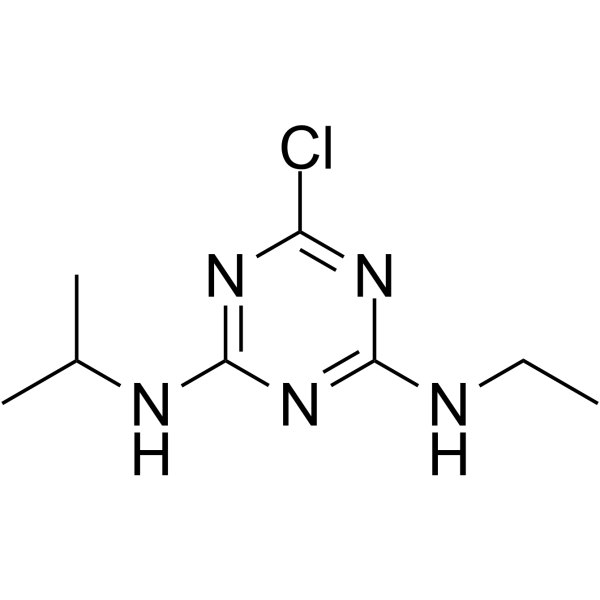
Atrazine, a triazine herbicide, is principally used for control of certain annual broadleaf and grass weeds. Atrazine inhibits photophosphorylation but typically does not result in lethality or permanent cell damage in the short term .
loading...
    loading...
4
4 Cited Publications
Cat. No.: HY-B0827
CAS No.: 165252-70-0
Synonyms: MTI-446
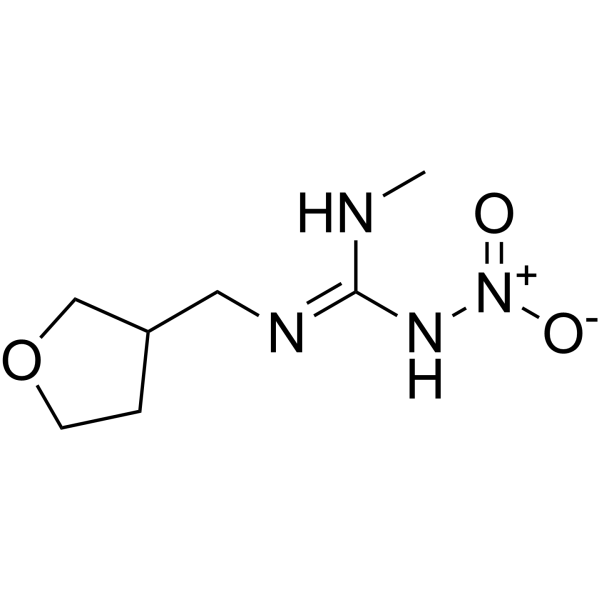
Dinotefuran is an orally active and competitive inhibitor and insecticide targeting insect nicotinic acetylcholine receptors (nAChRs). Dinotefuran blocks neural signaling and induces neural dysfunction in insects. Dinotefuran binds to [ 3H]epibatidine in the neural cord membrane of American cockroach with an IC50 of 890 nM and to [ 3H]α-bungarotoxin with an IC50 of 36.1 μM. Dinotefuran exhibits knockdown activity (KD50=0.351 nmol/g) and lethal activity (LD50=0.173 nmol/g) against German cockroach. Dinotefuran is mainly used for agricultural pest control, such as field control of piercing-sucking and chewing insects (e.g., aphids, planthoppers), while its environmental toxicological effects (e.g., oxidative stress and reproductive neurotoxicity on earthworms) are also a research focus to assess ecological risks .
loading...
    loading...
2
2 Cited Publications
Cat. No.: HY-P99123

Target:  

CD28

Research Areas:  

Inflammation/Immunology

Anti-Mouse CD28 Antibody (37.51) is an agonistic agonistic CD28-specific antibody derived from the host Syrian Hamster. Anti-Mouse CD28 Antibody (37.51) partially prevents lethal graft-versus-hostdisease (GVHD) by selective depletion of alloreactive T cells in mice .
loading...
    loading...
2
2 Cited Publications
Cat. No.: HY-136310
CAS No.: 2055405-95-1
Purity:  98.92%
Target:  

PI5P4K

Research Areas:  

Cancer

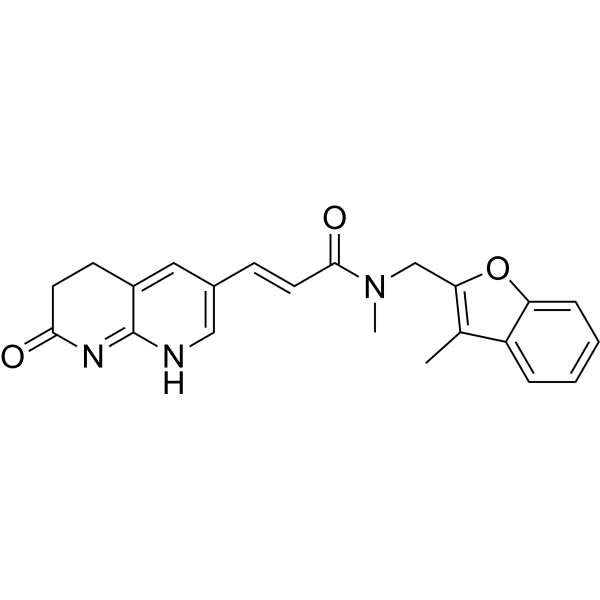
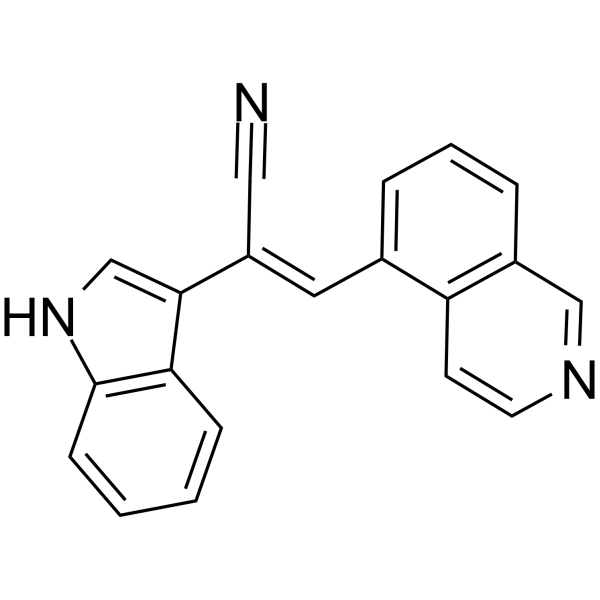
PIP4K-IN-a131 is PIP4K lipid kinases inhibitor, with IC50s of 1.9 μM and 0.6 μM for purified PIP4K2A and PIP4Ks, respectively. PIP4K-IN-a131 exhibits cancer-selective lethality via dual blockade of the lipid kinase PIP4Ks and mitotic pathways .
loading...
    loading...
1
1 Cited Publications
Cat. No.: HY-135042
CAS No.: 1202208-36-3
Purity:  98.87%
Research Areas:  

Neurological Disease

CAY10614 is a potent TLR4 antagonist. CAY10614 inhibits the lipid A-induced activation of TLR4, with an IC50 of 1.675 μM. CAY10614 can improve survival of mice in lethal endotoxin shock model .
loading...
    loading...
1
1 Cited Publications
Cat. No.: HY-112626
CAS No.: 2244987-03-7
Purity:  99.36%
Target:  

CDK

Research Areas:  

Cancer

CDK12-IN-2 is a potent, selective and nanomolar CDK12 inhibitor (IC50=52 nM) with good physicochemical properties. CDK12-IN-2 is also a strong CDK13 inhibitor due to CDK13 is the closest homologue of CDK12. CDK12-IN-2 shows excellent kinase selectivity for CDK12 over CDK2, 9, 8, and 7. CDK12-IN-2 inhibits the phosphorylation of Ser2 in the C-terminal domain of RNA polymerase II. CDK12-IN-2 can be used an excellent chemical probe for functional studies of CDK12 .
loading...
    loading...
1
1 Cited Publications
Cat. No.: HY-146052
CAS No.: 2691054-63-2
Purity:  99.23%
Target:  

Atg8/LC3 Autophagy

Research Areas:  

Cancer

Autophagy inducer 3 has autophagy induced activity. Autophagy inducer 3 possesses robust autophagic cell death in diverse cancer cells sparing normal counterpart. Autophagy inducer 3 induces lethal autophagy by formation of characteristic autophagic vacuoles, LC3 puncta formation, upregulation of signature autophagy markers like Beclin and Atg family proteins .
loading...
    loading...
1
1 Cited Publications
Cat. No.: HY-124618A
CAS No.: 1149348-10-6
Purity:  99.68%
Research Areas:  

Infection

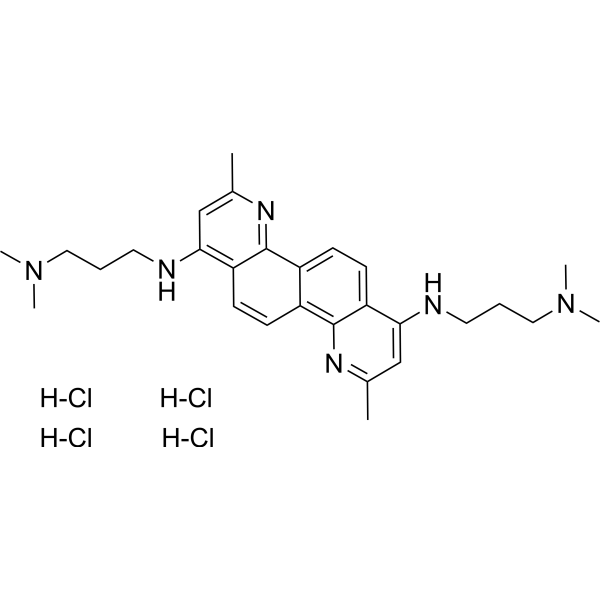
FGI-106 tetrahydrochloride is a potent and broad-spectrum inhibitor with inhibitory activity against multiple viruses. FGI-106 tetrahydrochloride is active against Ebola, Rift Valley and Dengue Fever viruses with EC50s of 100 nM, 800 nM and 400-900 nM, respectively. FGI-106 tetrahydrochloride also inhibits non-hemorrhagic fever viruses HCV and HIV-1 with EC50s of 200 nM and 150 nM, respectively .
loading...
    loading...
1
1 Cited Publications
Cat. No.: HY-B1607
CAS No.: 77-38-3
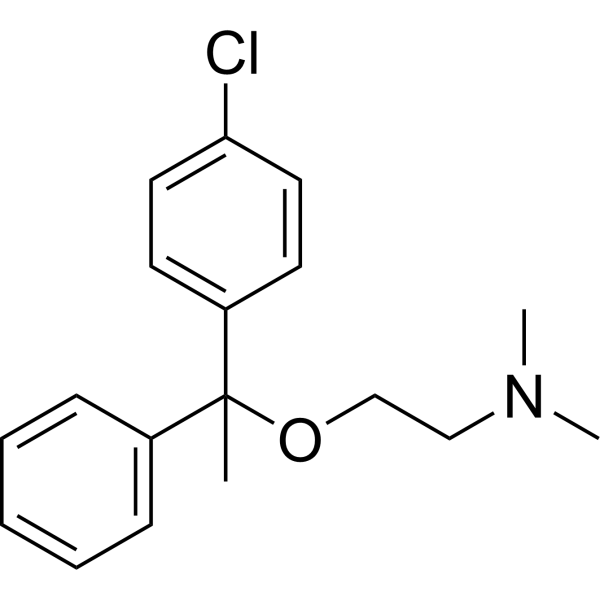
Chlorphenoxamine, an antihistamine and anticholinergic agent is a GPCR antagonist. Chlorphenoxamine inhibits multiple lethal viral diseases, such as SARS-CoV, MERS-CoV, EBOV and malaria. Chlorphenoxamine shows anti-filovirus activity against both EBOV and Marburg virus (MARV) with IC50s of 1.1 μM and 6.2 μM, respectively. Chlorphenoxamine is used for allergic conditions, urticaria, viral diseases and Parkinson’s disease .
loading...
    loading...
1
1 Cited Publications
Cat. No.: HY-B0824
CAS No.: 82657-04-3
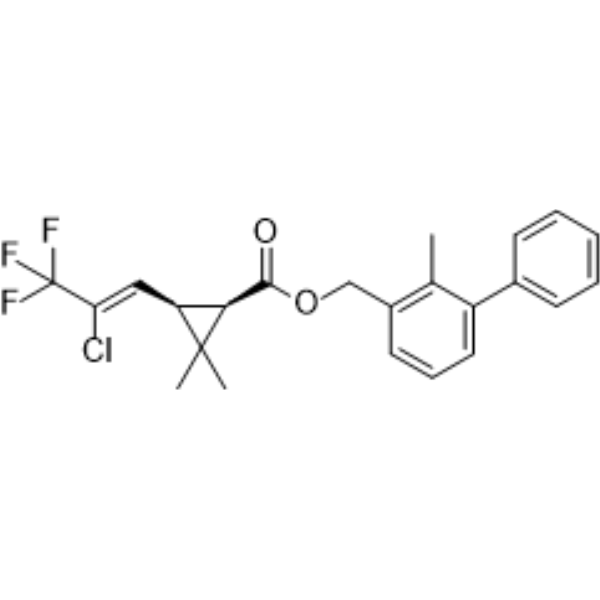
Bifenthrin is a synthetic pyrethroid insecticide. Bifenthrin prolongs the opening time of Nav1.8 sodium channels, leading to membrane depolarization and conductance block in the insect nervous system, thereby disrupting neural function. Bifenthrin was effective in inhibiting A. gambiae (LD50=0.15 ng/mg) and C. quinquefasciatus (LD50=0.16 ng/mg). Bifenthrin has good lethality against susceptible and resistant mosquitoes and is very effective in inhibiting blood sucking and can be developed as a mosquito-removal netting material .
loading...
    loading...
1
1 Cited Publications
Cat. No.: HY-P2460
CAS No.: 172485-26-6
SMAP‑29 is a cathelicidin antimicrobial peptide with LPS‑binding and anti‑inflammatory properties. SMAP‑29 exerts broad‑spectrum antimicrobial activity against bacteria, fungi and multidrug‑resistant isolates. SMAP‑29 kills pathogens by permeabilizing bacterial membranes, inducing depolarization and cell lysis, and also inhibits inflammatory cytokines while reducing lethality in septic shock and pneumonia models. SMAP-29 can be used for research on bacterial infections, drug-resistant infections, septic shock .
loading...
    loading...

