10085 Results for "

methionine biosynthesis genes

" in MedChemExpress (MCE) Product Catalog:
Products (10085)

10085 Results for "methionine biosynthesis genes" in MCE Product Catalog:

259
259 Publications Verification
Cat. No.: HY-13948
CAS No.: 4474-91-3
Purity:  99.98%
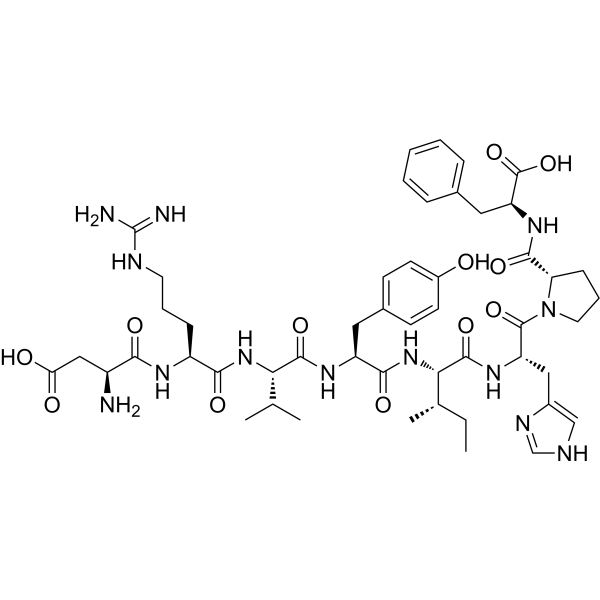
Synonyms: Angiotensin II; Ang II; DRVYIHPF
Angiotensin II (Angiotensin II) is a vasoconstrictor and a major bioactive peptide of the renin/angiotensin system. Angiotensin II human plays a central role in regulating human blood pressure, which is mainly mediated by interactions between Angiotensin II and the G-protein-coupled receptors (GPCRs) Angiotensin II type 1 receptor (AT1R) and Angiotensin II type 2 receptor (AT2R). Angiotensin II human stimulates sympathetic nervous stimulation, increases aldosterone biosynthesis and renal actions. Angiotensin II human induces growth of vascular smooth muscle cells, increases collagen type I and III synthesis in fibroblasts, leading to thickening of the vascular wall and myocardium, and fibrosis. Angiotensin II human also induces apoptosis. Angiotensin II induces capillary formation from endothelial cells via the LOX-1 dependent redox-sensitive pathway .
loading...
    loading...
259
259 Publications Verification
Cat. No.: HY-13948A
CAS No.: 68521-88-0
Purity:  99.62%
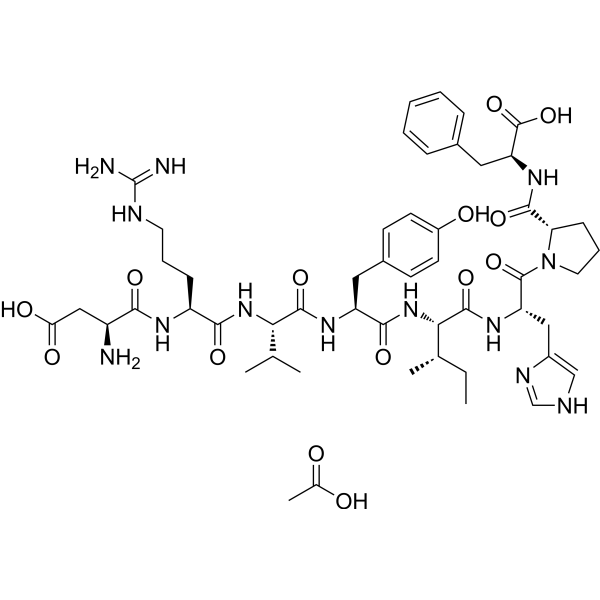
Synonyms: Angiotensin II acetate; Ang II acetate; DRVYIHPF acetate
Angiotensin II human (Angiotensin II) acetate is a vasoconstrictor and a major bioactive peptide of the renin/angiotensin system. Angiotensin II human acetate plays a central role in regulating human blood pressure, which is mainly mediated by interactions between Angiotensin II and the G-protein-coupled receptors (GPCRs) Angiotensin II type 1 receptor (AT1R) and Angiotensin II type 2 receptor (AT2R). Angiotensin II human acetate stimulates sympathetic nervous stimulation, increases aldosterone biosynthesis and renal actions. Angiotensin II human acetate induces growth of vascular smooth muscle cells, increases collagen type I and III synthesis in fibroblasts, leading to thickening of the vascular wall and myocardium, and fibrosis. Angiotensin II human acetate also induces apoptosis. Angiotensin II human acetate induces capillary formation from endothelial cells via the LOX-1 dependent redox-sensitive pathway .
loading...
    loading...
259
259 Publications Verification
Cat. No.: HY-13948B
CAS No.: 2761969-44-0
Purity:  98.84%
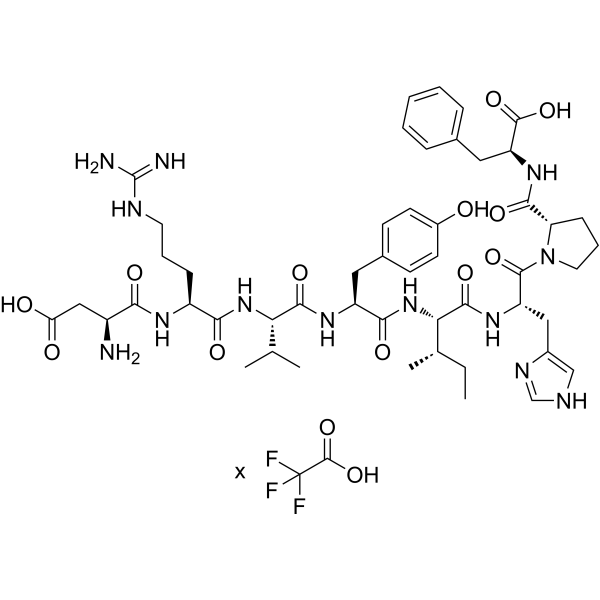
Synonyms: Angiotensin II TFA; Ang II TFA; DRVYIHPF TFA
Angiotensin II human (Angiotensin II) TFA is a vasoconstrictor and a major bioactive peptide of the renin/angiotensin system. Angiotensin II human TFA plays a central role in regulating human blood pressure, which is mainly mediated by interactions between Angiotensin II and the G-protein-coupled receptors (GPCRs) Angiotensin II type 1 receptor (AT1R) and Angiotensin II type 2 receptor (AT2R). Angiotensin II human TFA stimulates sympathetic nervous stimulation, increases aldosterone biosynthesis and renal actions. Angiotensin II human TFA induces growth of vascular smooth muscle cells, increases collagen type I and III synthesis in fibroblasts, leading to thickening of the vascular wall and myocardium, and fibrosis. Angiotensin II human TFA also induces apoptosis. Angiotensin II human TFA induces capillary formation from endothelial cells via the LOX-1 dependent redox-sensitive pathway .
loading...
    loading...
168
168 Cited Publications
Cat. No.: HY-B2176I
CAS No.: 987-65-5
Synonyms: Adenosine 5'-triphosphate disodium salt, 100 mM Solution, PCR Grade
ATP (Adenosine 5'-triphosphate) disodium salt, 100 mM Solution, PCR Grade is a central component of energy storage and metabolism in vivo. ATP disodium salt, 100 mM Solution, PCR Grade provides the metabolic energy to drive metabolic pumps and serves as a coenzyme in cells. ATP disodium salt, 100 mM Solution, PCR Grade is an important endogenous signaling molecule in immunity and inflammation. ATP disodium salt, 100 mM Solution, PCR Grade can activate the NLRP3 inflammasome and induce IL-1β and chemokines secretion. ATP disodium salt, 100 mM Solution, PCR Grade has anti-bacterial infection effects and can protect mice against bacterial infection in mice .
loading...
    loading...
143
143 Cited Publications
Cat. No.: HY-12591
CAS No.: 103404-75-7
Purity:  99.92%
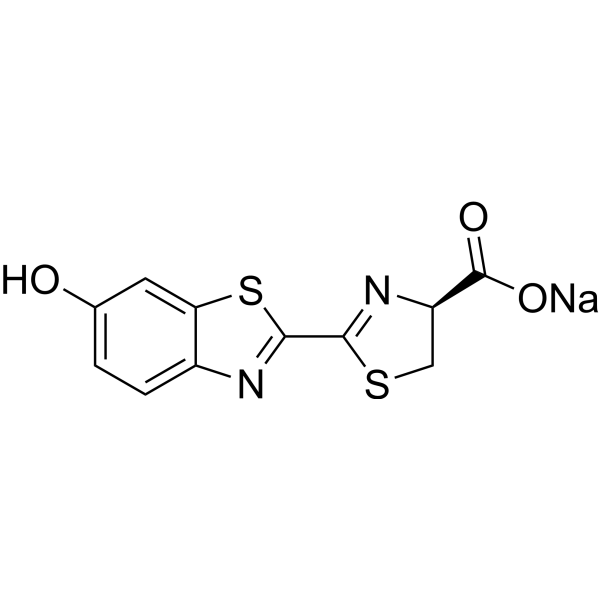
Synonyms: D-(-)-Luciferin sodium; Firefly luciferin sodium; Beetle Luciferin sodium
D-luciferin sodium is the natural substrate of the enzyme luciferase (Luc) that catalyzes the production of the typical yellowgreen light of fireflies. The 560 nm chemiluminescence from this reaction peaks within seconds, with light output that is proportional to luciferase concentration when the substrate luciferin is present in excess. The luciferase (luc) gene is a popular reporter gene for research and agent screening. Chemiluminescent techniques are virtually background-free, making the luc reporter gene ideal for detecting low-level gene expression. As little as 0.02 pg of luciferase can be reliably measured in a standard scintillation counter. In addition to its role as a reporter of gene expression, luciferase is commonly used in an extremely sensitive assay for ATP . We of er the firefly luciferase (HY-P1004A), luciferin free acid (HY-12591A), as well as its water-soluble sodium salts (HY-12591) and potassium salts (HY-12591B) .
loading...
    loading...
143
143 Cited Publications
Cat. No.: HY-12591A
CAS No.: 2591-17-5
Purity:  99.54%
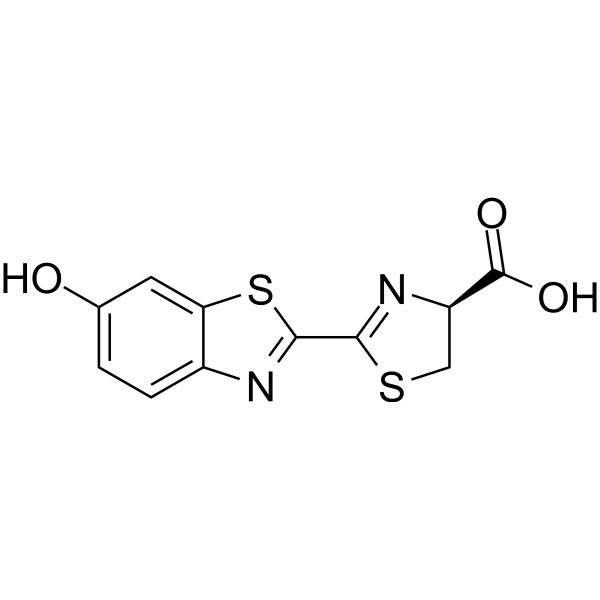
Synonyms: D-(-)-Luciferin; Firefly luciferin; Beetle Luciferin
D-luciferin is the natural substrate of the enzyme luciferase (Luc) that catalyzes the production of the typical yellowgreen light of fireflies. The 560 nm chemiluminescence from this reaction peaks within seconds, with light output that is proportional to luciferase concentration when the substrate luciferin is present in excess. The luciferase (luc) gene is a popular reporter gene for research and agent screening. Chemiluminescent techniques are virtually background-free, making the luc reporter gene ideal for detecting low-level gene expression. As little as 0.02 pg of luciferase can be reliably measured in a standard scintillation counter. In addition to its role as a reporter of gene expression, luciferase is commonly used in an extremely sensitive assay for ATP . We of er the firefly luciferase (HY-P1004A), luciferin free acid (HY-12591A), as well as its water-soluble sodium salts (HY-12591) and potassium salts (HY-12591B) .
loading...
    loading...
143
143 Cited Publications
Cat. No.: HY-12591B
CAS No.: 115144-35-9
Purity:  99.97%
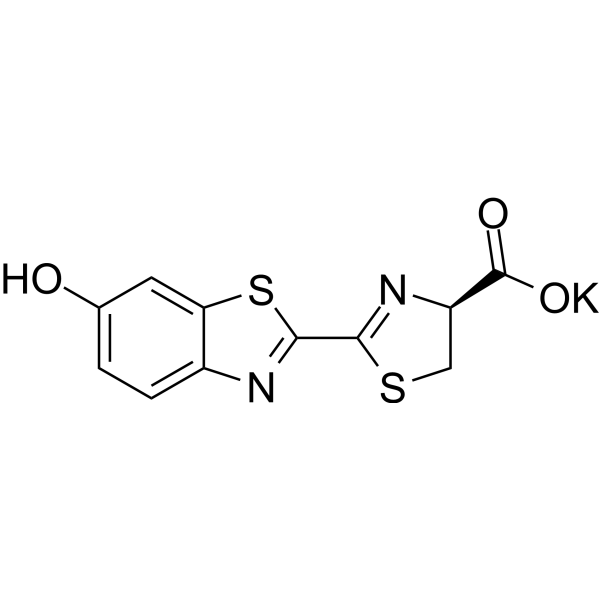
Synonyms: D-(-)-Luciferin potassium; Firefly luciferin potassium; Beetle Luciferin potassium
D-luciferin potassium is the natural substrate of the enzyme luciferase (Luc) that catalyzes the production of the typical yellowgreen light of fireflies. The 560 nm chemiluminescence from this reaction peaks within seconds, with light output that is proportional to luciferase concentration when the substrate luciferin is present in excess. The luciferase (luc) gene is a popular reporter gene for research and agent screening. Chemiluminescent techniques are virtually background-free, making the luc reporter gene ideal for detecting low-level gene expression. As little as 0.02 pg of luciferase can be reliably measured in a standard scintillation counter. In addition to its role as a reporter of gene expression, luciferase is commonly used in an extremely sensitive assay for ATP . We offer the firefly luciferase (HY-P1004A), luciferin free acid (HY-12591A), as well as its water-soluble sodium salts (HY-12591) and potassium salts (HY-12591B) .
loading...
    loading...
131
131 Cited Publications
Cat. No.: HY-12040
CAS No.: 488832-69-5
Purity:  99.80%
Synonyms: STA-4783
Research Areas:  

Cancer

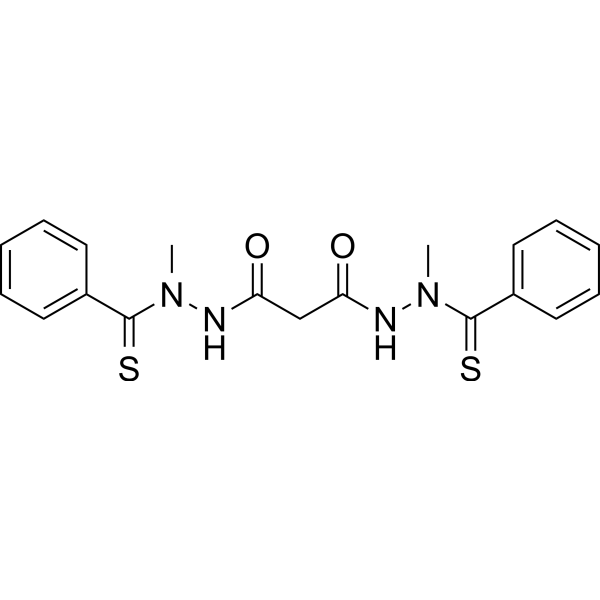
Elesclomol (STA-4783) is a potent copper ionophore and promotes copper-dependent cell death (cuproptosis). Elesclomol specifically binds ferredoxin 1 (FDX1) α2/α3 helices and β5 strand. Elesclomol inhibits FDX1-mediated Fe-S cluster biosynthesis. Elesclomol is an oxidative stress inducer that induces cancer cell apoptosis. Elesclomol is a reactive oxygen species (ROS) inducer. Elesclomol can be used for Menkes and associated disorders of hereditary copper deficiency research .
loading...
    loading...
118
118 Cited Publications
Cat. No.: HY-112735
CAS No.: 28728-55-4
Purity:  99.69%
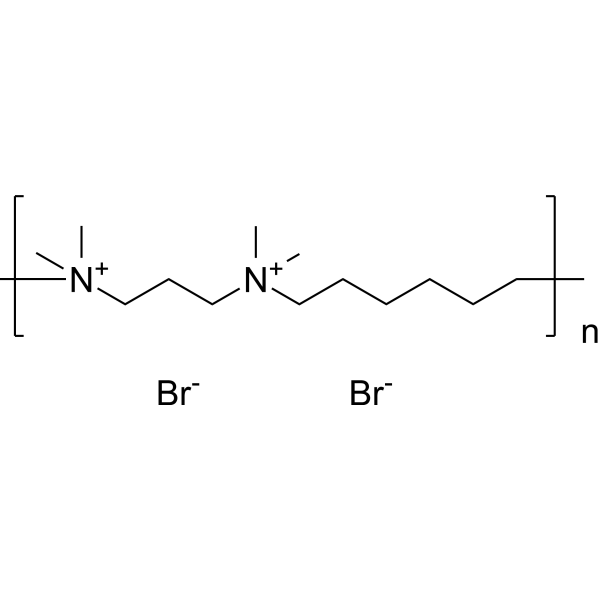
Synonyms: Polybrene; 1,5-Dimethyl-1,5-diazaundecamethylene polymethobromide
Hexadimethrine bromide (Polybrene) is a cationic polymer used routinely to enhance the efficiency of retrovirus vector-mediated gene transfer .
loading...
    loading...
109
109 Cited Publications
Cat. No.: HY-108331
CAS No.: 120241-79-4
Purity:  99.96%
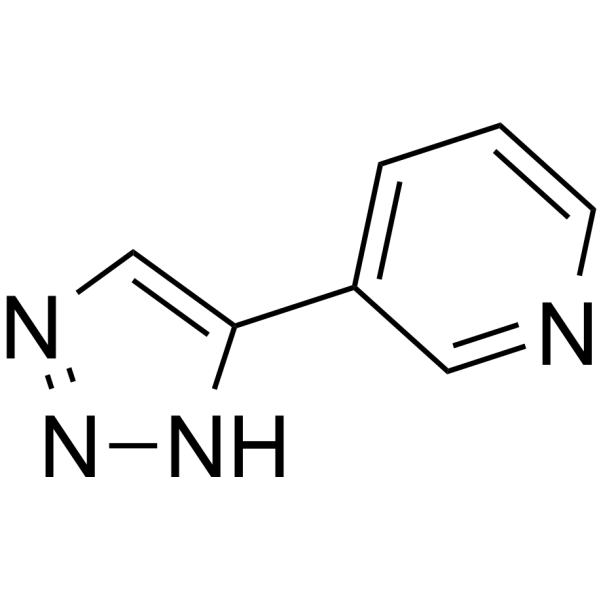
3-TYP is an inhibitor of SIRT3 (IC50of 38 μM) and an inhibitor of Methionine Adenosyltransferase (MAT) 2 and Indoleamine 2,3-Dioxygenase (IDO). There may be many off-target sites for 3-TYP that need to be examined, such as NAD-dependent enzymes, including dehydrogenases .
loading...
    loading...
91
91 Cited Publications
Cat. No.: HY-12885A
CAS No.: 1638750-95-4
Purity:  99.43%
Synonyms: ADU-S100 disodium salt; MIW815 disodium salt; ML RR-S2 CDA disodium salt
Target:  

STING

Research Areas:  

Inflammation/Immunology Cancer

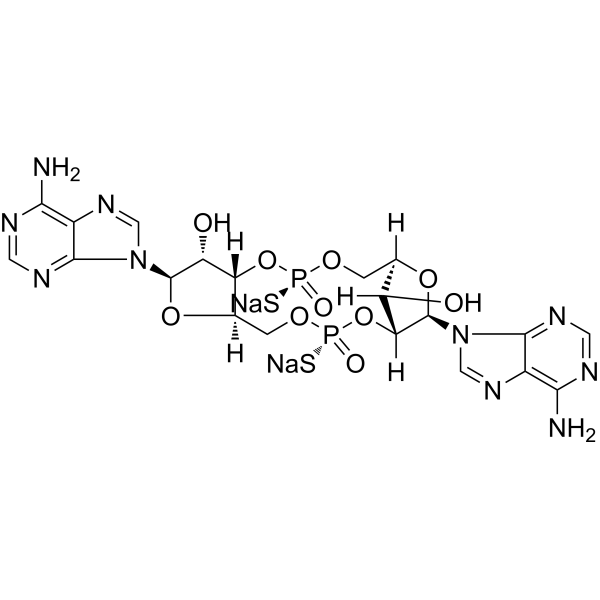
2’3’-c-di-AM(PS)2 (Rp,Rp) disodium salt (ADU-S100 disodium salt) is an activator of stimulator of interferon genes (STING).
loading...
    loading...
67
67 Cited Publications
Cat. No.: HY-N0184A
CAS No.: 68797-35-3
Synonyms: Glycyrrhizic acid dipotassium; Dipotassium glycyrrhizate
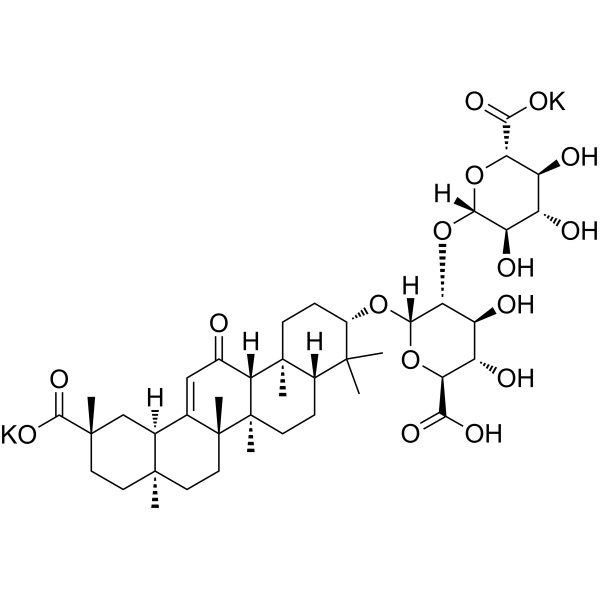
Dipotassium glycyrrhizinate is a HMGB1 inhibitor, inhibits atopic dermatitis-related gene expression with anti-anti-inflammatory activity .
loading...
    loading...
62
62 Cited Publications
Cat. No.: HY-12702
CAS No.: 403811-55-2
Purity:  99.49%
Target:  

c-Myc Autophagy

Research Areas:  

Cancer

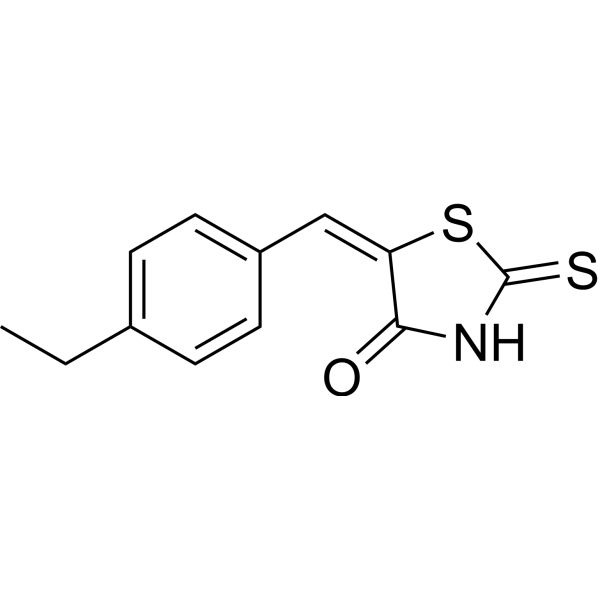
10058-F4 is a c-Myc inhibitor that prevents c-Myc-Max dimerization and transactivation of c-Myc target gene expression.
loading...
    loading...
52
52 Cited Publications
Cat. No.: HY-112921B
CAS No.: 2138299-34-8
Purity:  99.84%
Target:  

STING

Research Areas:  

Inflammation/Immunology Cancer

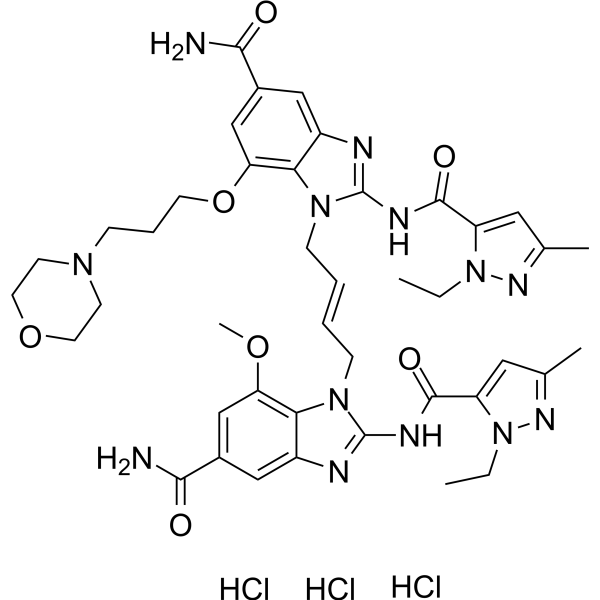
diABZI STING agonist-1 (trihydrochloride) is a selective stimulator of interferon genes (STING) receptor agonist, with EC50s of 130, 186 nM for human and mouse, respectively.
loading...
    loading...
42
42 Cited Publications
Cat. No.: HY-15921
CAS No.: 367-93-1
Synonyms: Isopropyl β-D-thiogalactoside
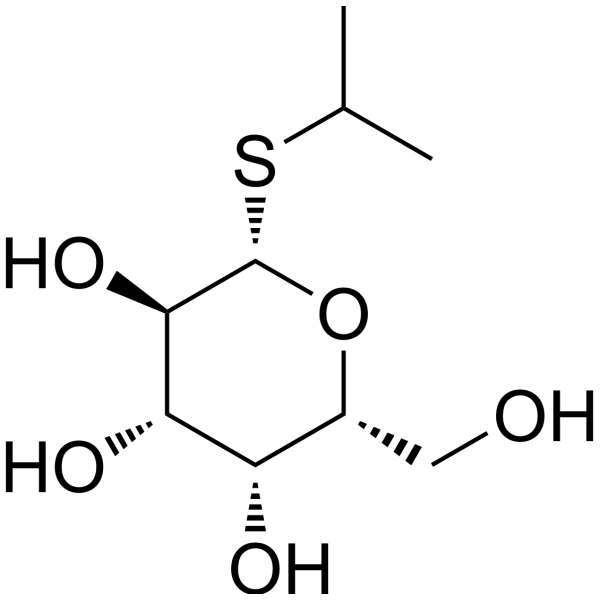
IPTG is a molecular mimic of allolactose, a lactose metabolite that triggers transcription of the lac operon, and it is therefore used to induce protein expression where the gene is under the control of the lac operator.
loading...
    loading...
37
37 Cited Publications
Cat. No.: HY-106376
CAS No.: 5072-26-4
Purity:  99.67%
Synonyms: Buthionine sulfoximine; BSO
Target:  

Ferroptosis

Research Areas:  

Cancer

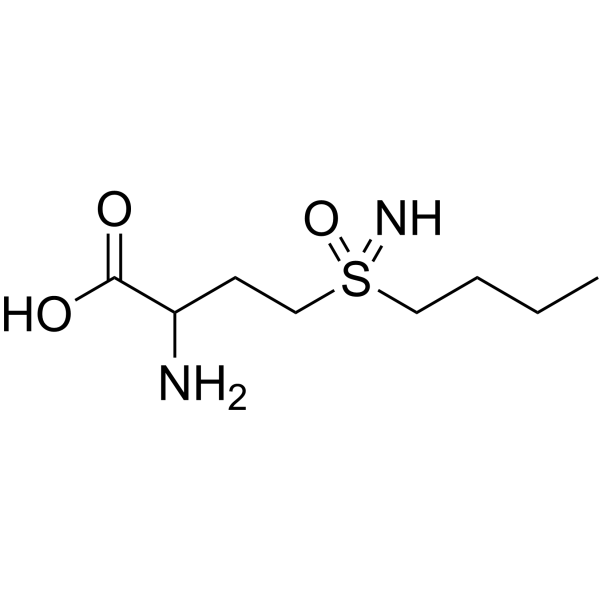
DL-Buthionine-(S,R)-sulfoximine is a potent inhibitor of glutamylcysteine synthetase biosynthesis.
loading...
    loading...
37
37 Cited Publications
Cat. No.: HY-106376B
Purity:  99.09%
Synonyms: Buthionine sulfoximine hydrochloride; BSO hydrochloride
Target:  

Ferroptosis

Research Areas:  

Cancer

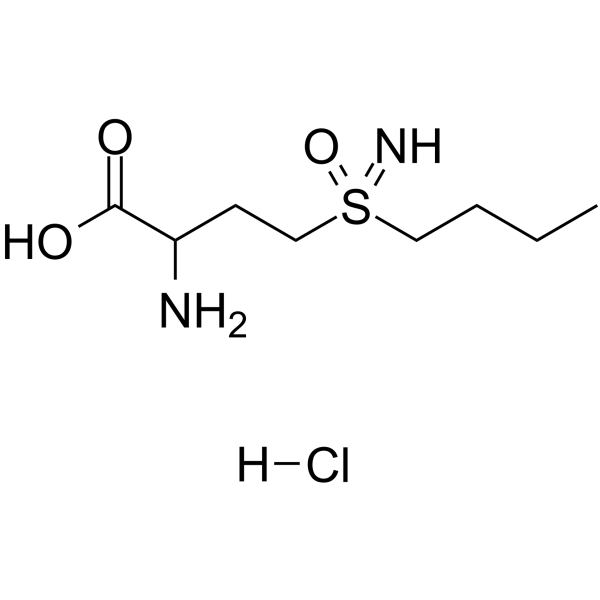
DL-Buthionine-(S,R)-sulfoximine hydrochloride (Buthionine sulfoximine hydrochloride) is a potent inhibitor of glutamylcysteine synthetase biosynthesis.
loading...
    loading...
27
27 Cited Publications
Cat. No.: HY-B1368
CAS No.: 7424-00-2
Synonyms: 4-Chloro-DL-phenylalanine; PCPA; CP-10188
Research Areas:  

Neurological Disease Cancer

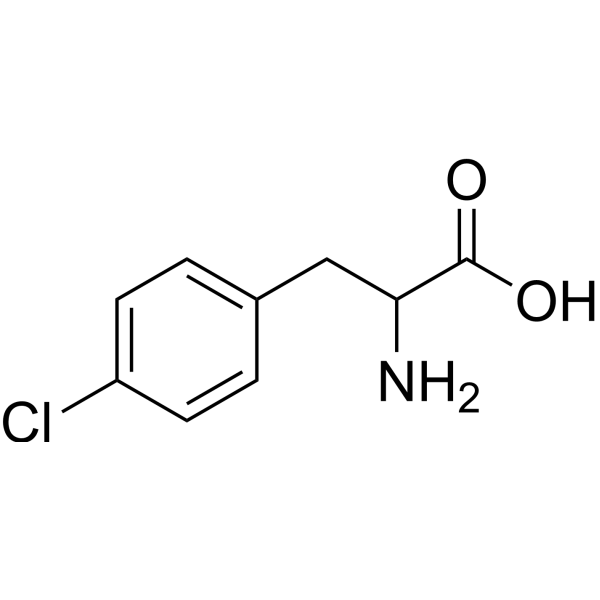
Fenclonine is a selective and irreversible tryptophan hydroxylase inhibitor, which is a rate-limiting enzyme in the biosynthesis of serotonin. Fenclonine can be used in carcinoid syndrome research .
loading...
    loading...
27
27 Cited Publications
Cat. No.: HY-W772850
CAS No.: 23633-07-0
Synonyms: 4-Chloro-DL-phenylalanine hydrochloride; PCPA hydrochloride; CP-10188 hydrochloride
Research Areas:  

Neurological Disease Cancer

Fenclonine hydrochloride is a selective and irreversible tryptophan hydroxylase inhibitor, which is a rate-limiting enzyme in the biosynthesis of serotonin. Fenclonine hydrochloride can be used in carcinoid syndrome research .
loading...
    loading...
25
25 Cited Publications
Cat. No.: HY-B0617
CAS No.: 29908-03-0
Synonyms: S-Adenosyl methionine; Ademetionine; AdoMet
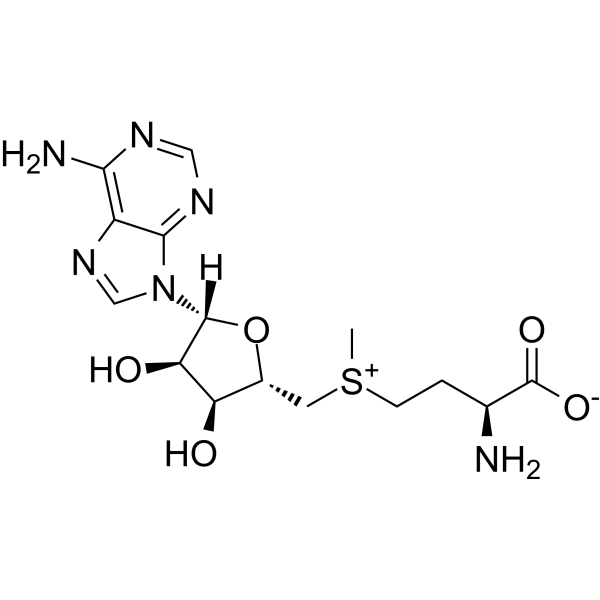
S-Adenosyl-L-methionine (S-Adenosyl methionine) is an orally active methyl group donor. S-Adenosyl-L-methionine is a dietary supplement with potent antidepressant effects. S-Adenosyl-L-methionine also has anti‑proliferative, pro‑apoptotic and anti‑metastatic roles in cancers. S-Adenosyl-L-methionine has the potential for, cancer, liver disease and osteoarthritis research .
loading...
    loading...

