
1019 Results for "

microtubule (MT) cytoskeleton

" in MedChemExpress (MCE) Product Catalog:
Products (1019)

1019 Results for "microtubule (MT) cytoskeleton" in MCE Product Catalog:

177
177 Publications Verification
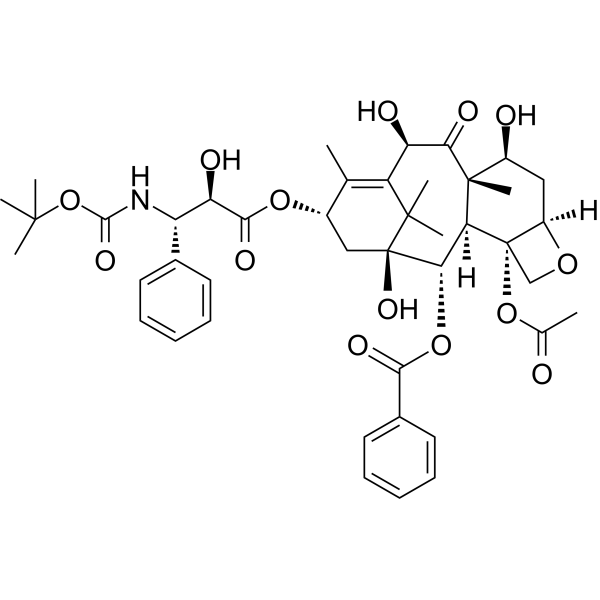
Cat. No.: HY-B0011
CAS No.: 114977-28-5
Synonyms: RP-56976
Docetaxel (RP-56976) is a microtubule depolymerization inhibitor, with an IC50 of 0.2 μM. Docetaxel attenuates the effects of bcl-2 and bcl-xL gene expression. Docetaxel arrests the cell cycle at G2/M and leads to cell apoptosis. Docetaxel has anti-cancer activity .
loading...
    loading...
177
177 Publications Verification
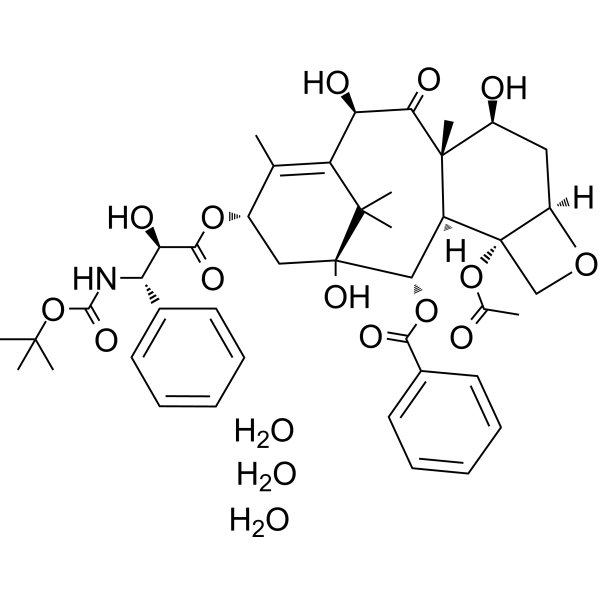
Cat. No.: HY-B0011A
CAS No.: 148408-66-6
Synonyms: RP-56976 Trihydrate
Research Areas:  

Cancer

Docetaxel Trihydrate (RP-56976 Trihydrate) is an antineoplastic agent and inhibits microtubule depolymerization with an IC50 value of 0.2 μM . Docetaxel Trihydrate is a semisynthetic analog of taxol and attenuates the effects of bcl-2 and bcl-xL gene expression. Docetaxel Trihydrate arrests the cell cycle at G2/M and leads to cell apoptosis .
loading...
    loading...
131
131 Cited Publications
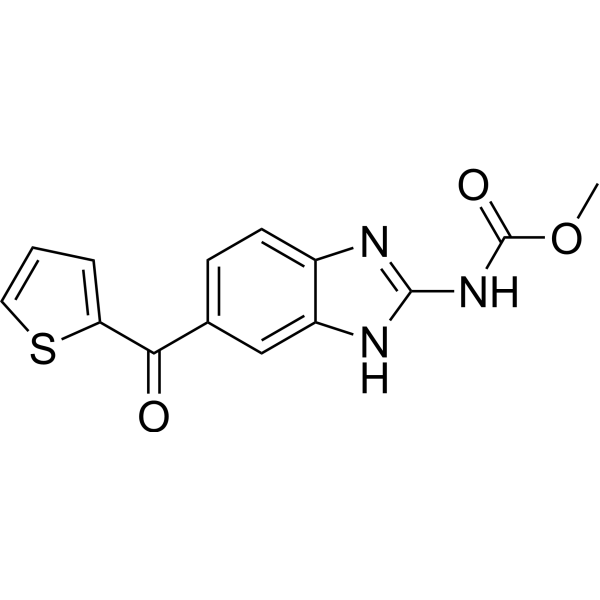
Cat. No.: HY-13520
CAS No.: 31430-18-9
Purity:  99.59%
Synonyms: Oncodazole; R17934
Research Areas:  

Cancer

Nocodazole (Oncodazole) is a rapidly-reversible inhibitor of microtubule. Nocodazole binds to β-tubulin and disrupts microtubule assembly/disassembly dynamics, which prevents mitosis and induces apoptosis in tumor cells. Nocodazole inhibits Bcr-Abl.
loading...
    loading...
126
126 Cited Publications
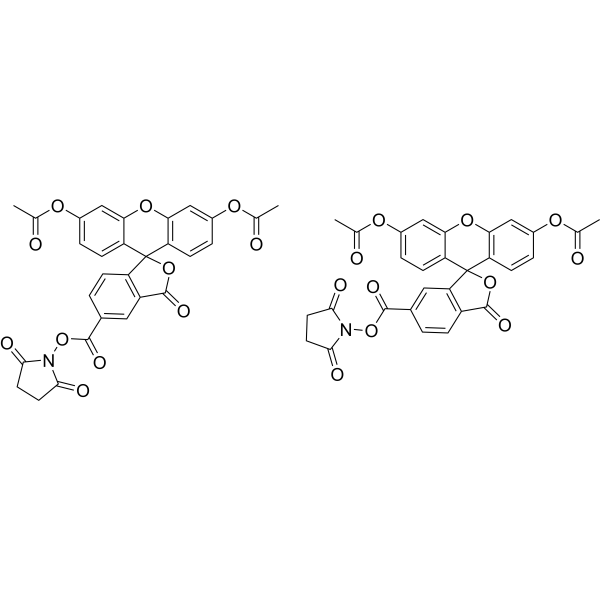
Cat. No.: HY-D0938
CAS No.: 150347-59-4
Synonyms: CFSE; 5(6)-Carboxyfluorescein diacetate succinimidyl ester; 5(6)-CFDA N-succinmidyl ester
CFDA-SE is a fluorescent dye that can penetrate the cell membrane. It can react with the free amine group in the cytoskeleton protein inside the cell, and finally form a protein complex with fluorescence. After entering the cell, CFDA-SE locates in the cell membrane, cytoplasm and nucleus, and the fluorescence staining is strongest in the nucleus . CFDA-SE dye can be uniformly inherited by the cells with cell division and proliferation, and its attenuation is proportional to the number of cell divisions. This phenomenon can be detected and analyzed by flow cytometry under the excitation light of 488 nm, and can be used to detect the proliferation of cells .
loading...
    loading...
80
80 Cited Publications
Cat. No.: HY-N0488A
CAS No.: 57-22-7
Synonyms: Leurocristine; NSC-67574; 22-Oxovincaleukoblastine
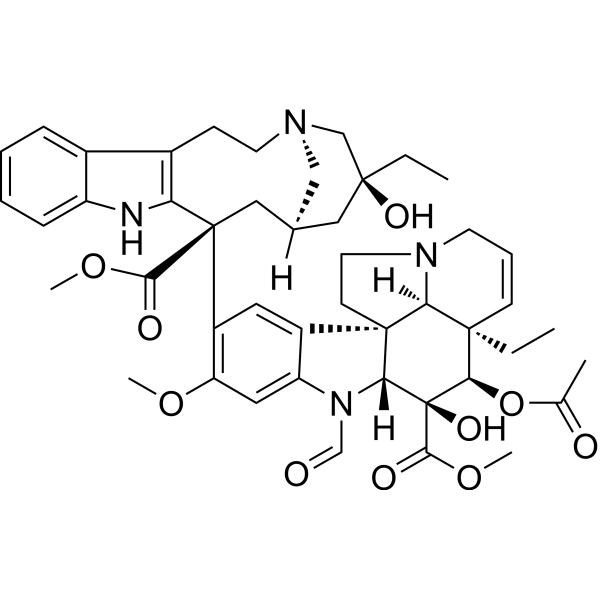
Vincristine (Leurocristine; NSC-67574; 22-Oxovincaleukoblastine) is a microtubule inhibitor that disrupts microtubule polymerization by binding to β-tubulin (with a Ki of 85 nM in bovine), arrests the cell cycle and induces apoptosis. Vincristine inhibits cell replication, tumor blood flow and the proliferation of various cancer cells, while triggering effects such as oxidative stress, inflammation, calcium overload, epithelial-mesenchymal transition and peripheral neuropathic pain. Vincristine upregulates the expression of various transporters and nuclear receptors, and enriches gastric cancer stem-like cells. Vincristine is used in research related to various tumors including acute lymphoblastic leukemia, lymphoma, melanoma, gastric cancer, solid tumors and sarcomas .
loading...
    loading...
80
80 Cited Publications
Cat. No.: HY-N0488
CAS No.: 2068-78-2
Synonyms: Leurocristine sulfate; NSC-67574 sulfate; 22-Oxovincaleukoblastine sulfate
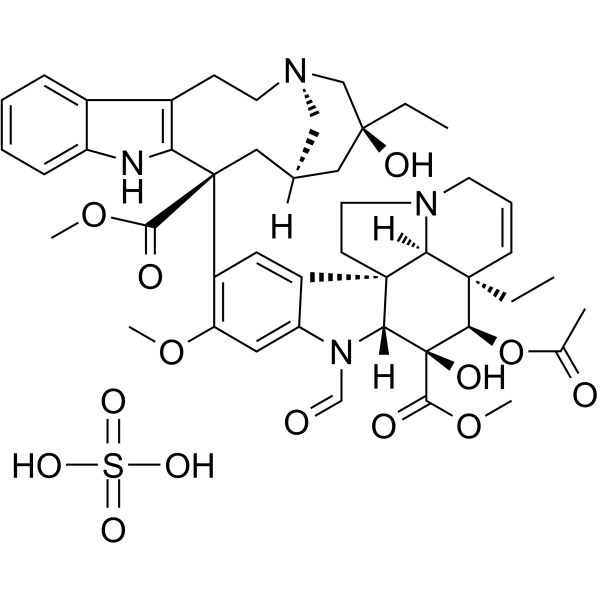
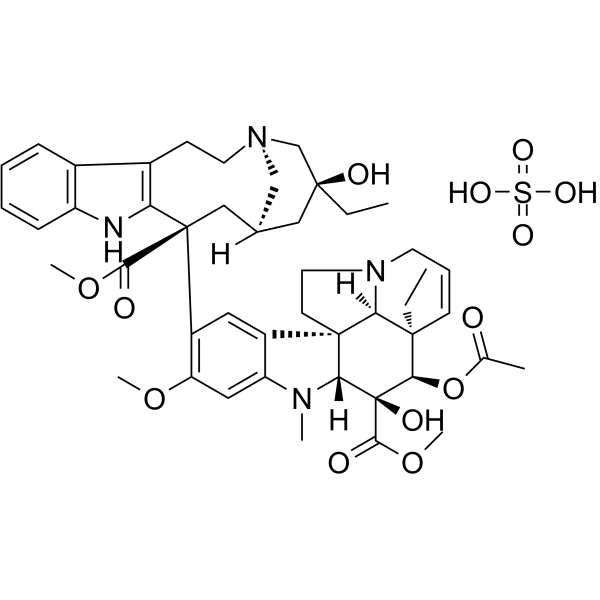
Vincristine (Leurocristine; NSC-67574; 22-Oxovincaleukoblastine) sulfate is a microtubule inhibitor that disrupts microtubule polymerization by binding to β-tubulin (with a Ki of 85 nM in bovine), arrests the cell cycle and induces apoptosis. Vincristine sulfate inhibits cell replication, tumor blood flow and the proliferation of various cancer cells, while triggering effects such as oxidative stress, inflammation, calcium overload, epithelial-mesenchymal transition and peripheral neuropathic pain. Vincristine sulfate upregulates the expression of various transporters and nuclear receptors, and enriches gastric cancer stem-like cells. Vincristine sulfate is used in research related to various tumors including acute lymphoblastic leukemia, lymphoma, melanoma, gastric cancer, solid tumors and sarcomas .
loading...
    loading...
77
77 Cited Publications
Cat. No.: HY-16569
CAS No.: 64-86-8
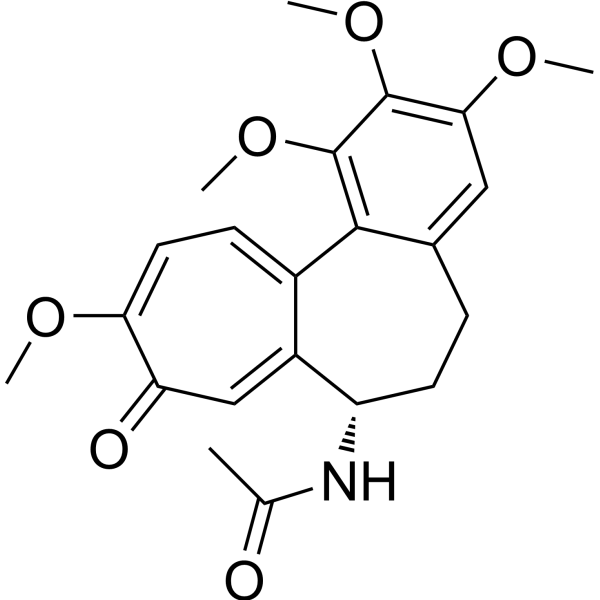
Colchicine, an orally active alkaloid, is a potent tubulin inhibitor and a microtubule disrupting agent. Colchicine inhibits microtubule polymerization with an IC50 of 3 nM. Colchicine is also a competitive antagonist of the α3 glycine receptors (GlyRs). Colchicine prevents non-steroidal anti-inflammatory drug (NSAID)-induced small intestinal injury by inhibiting activation of the NLRP3 inflammasome. Colchicine has extensive anti-inflammatory, immunosuppressive and strong anti-fibrosis effects and has the potential for gouty arthritis research .
loading...
    loading...
33
33 Cited Publications
Cat. No.: HY-12033
CAS No.: 362-07-2
Purity:  99.76%
Synonyms: 2-ME2; NSC-659853
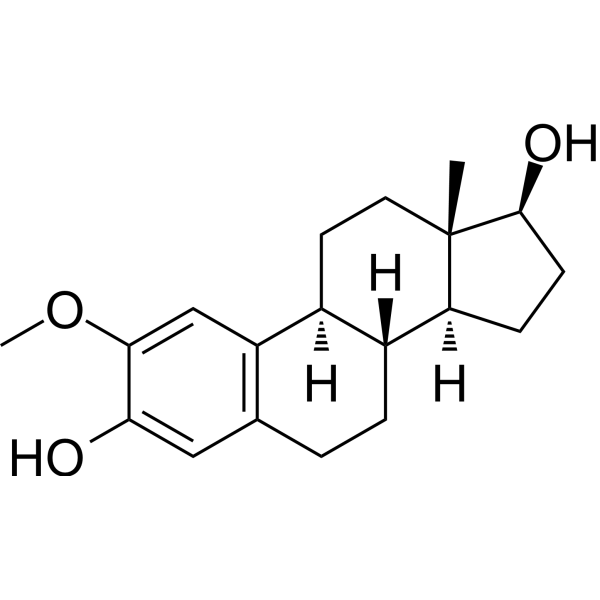
2-Methoxyestradiol (2-ME2), an orally active endogenous metabolite of 17β-estradiol (E2), is an apoptosis inducer and an angiogenesis inhibitor with potent antineoplastic activity. 2-Methoxyestradiol also destablize microtubules. 2-Methoxyestradio, also a potent superoxide dismutase (SOD) inhibitor and a ROS-generating agent, induces autophagy in the transformed cell line HEK293 and the cancer cell lines U87 and HeLa .
loading...
    loading...
25
25 Cited Publications
Cat. No.: HY-P0028
CAS No.: 17466-45-4
Target:  

Fluorescent Dye

Research Areas:  

Others

Phalloidin is a mushroom-derived toxin which can be used to label F-actin of the cytoskeleton with fluorochrome .
loading...
    loading...
21
21 Cited Publications
Cat. No.: HY-13780
CAS No.: 143-67-9
Purity:  99.86%
Synonyms: Vincaleukoblastine sulfate salt
Vinblastine sulfate is a cytotoxic alkaloid used against various cancer types. Vinblastine sulfate inhibits the formation of microtubule and suppresses nAChR with an IC50 of 8.9 μM.
loading...
    loading...
18
18 Cited Publications
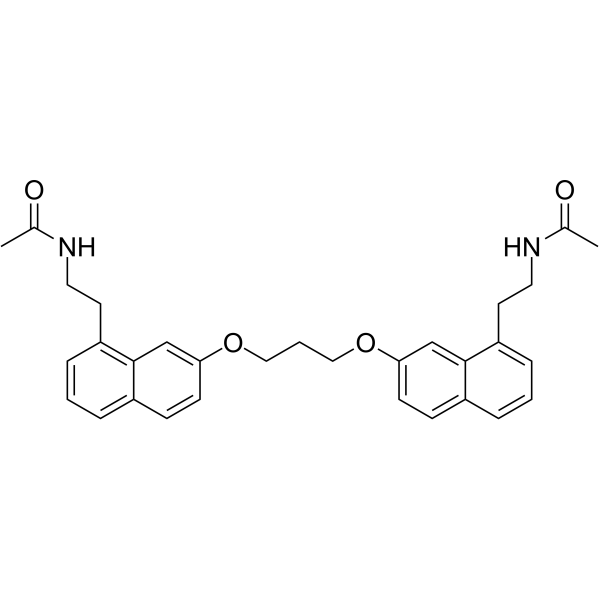
Cat. No.: HY-101254
CAS No.: 117946-91-5
Purity:  100.0%
Synonyms: N-0774
Target:  

Melatonin Receptor

Research Areas:  

Neurological Disease

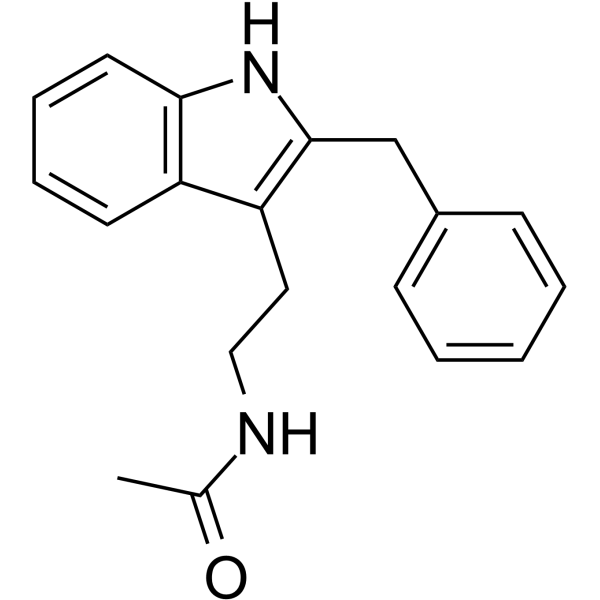
Luzindole (N-0774) is a selective melatonin receptor antagonist. Luzindole preferentially targets MT2 (Mel1b) over MT1 (Mel1a) with Ki values of 10.2 and 158 nM for human MT2 and MT1, respectively. Luzindole suppresses experimental autoimmune encephalomyelitis (EAE), and exerts antidepressant-like activity .
loading...
    loading...
13
13 Cited Publications
Cat. No.: HY-A0014
CAS No.: 196597-26-9
Synonyms: TAK-375
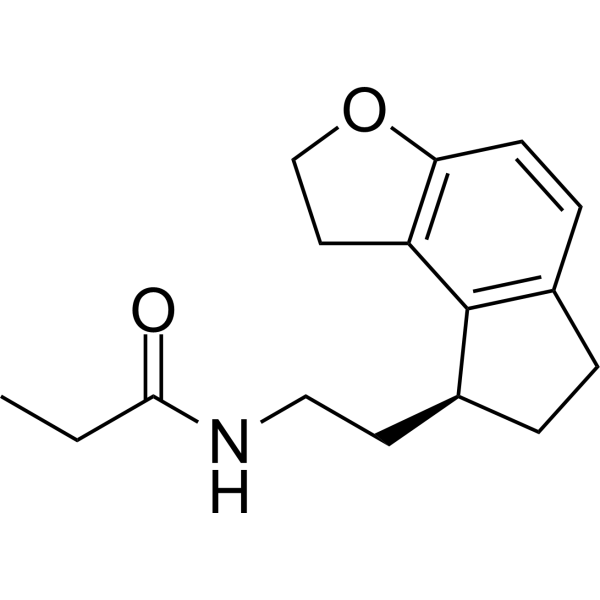
Ramelteon is a potent, highly selective, and orally active agonist of MT1/MT2 with Ki values of 14 and 112 pM, respectively. Ramelteon has the potential for the research of insomnia. Ramelteon consistently reduces sleep onset after long-term treatment, with no next-morning residual effects or rebound insomnia or withdrawal symptoms upon discontinuation .
loading...
    loading...
13
13 Cited Publications
Cat. No.: HY-100609
CAS No.: 134865-74-0
Purity:  99.90%
Target:  

Melatonin Receptor

Research Areas:  

Neurological Disease

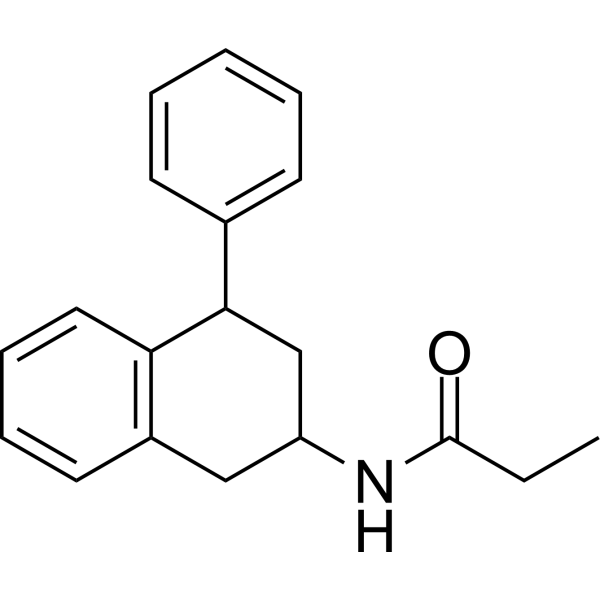
4-P-PDOT is a potent, selective and affinity Melatonin receptor (MT2) antagonist. 4-P-PDOT is >300-fold more selective for MT2 than MT1. 4-P-PDOT significantly counteracts Melatonin-mediated antioxidant effects (GSH/GSSG ratio, phospho-ERK, Nrf2 nuclear translocation, Nrf2 DNA-binding activity) .
loading...
    loading...
13
13 Cited Publications
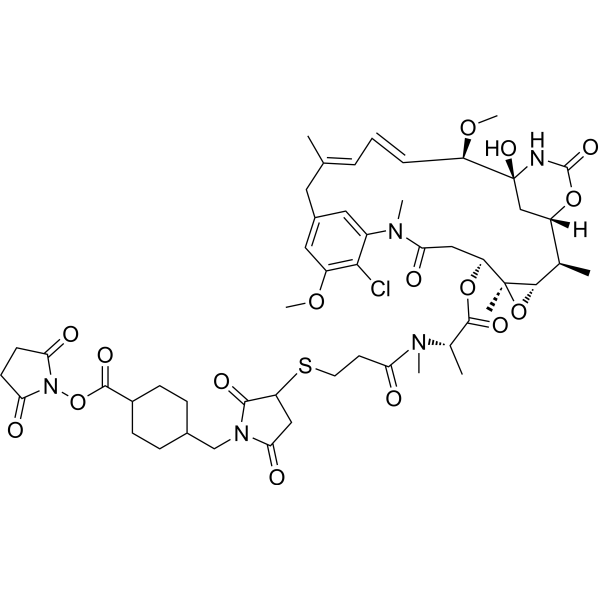
Cat. No.: HY-101070
CAS No.: 1228105-51-8
Purity:  99.23%
Synonyms: DM1-SMCC
Research Areas:  

Cancer

SMCC-DM1 (DM1-SMCC) is a agent-linker conjugate composed of a potent microtubule-disrupting agent DM1 and a linker SMCC to make antibody agent conjugate (ADC) .
loading...
    loading...
12
12 Cited Publications
Cat. No.: HY-122136
CAS No.: 296280-56-3
Purity:  99.63%
Target:  

Melatonin Receptor

Research Areas:  

Neurological Disease

S26131 (compound 5) is a potent and selective MT1 melatoninergic ligand, and the Ki values are 0.5 and 112 nM for MT1 and MT2, respectively. S26131 behaves as an MT1 and MT2 antagonist .
loading...
    loading...
11
11 Cited Publications
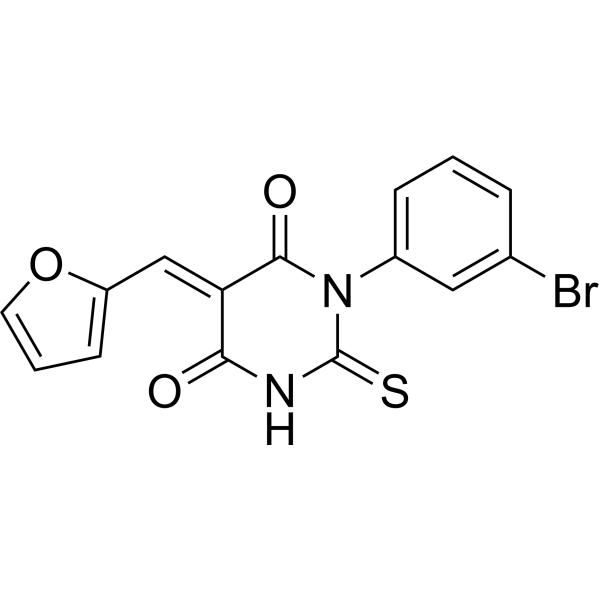
Cat. No.: HY-16931
CAS No.: 340316-62-3
Target:  

Arp2/3 Complex

Research Areas:  

Cancer

SMIFH2 is a formin specific inhibitor. SMIFH2 inhibits actin polymerization by Formins and affects the actin cytoskeleton .
loading...
    loading...
10
10 Cited Publications
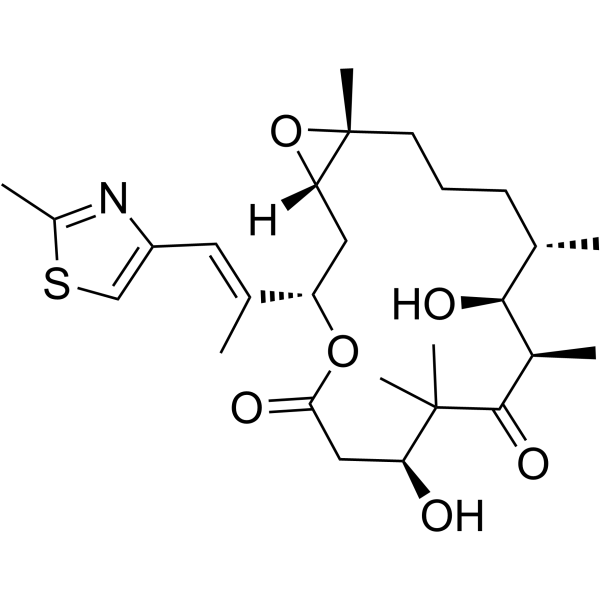
Cat. No.: HY-17029
CAS No.: 152044-54-7
Synonyms: EPO 906; Patupilone
Epothilone B is a microtubule stabilizer (MSA) with a Ki of 0.71μM, and is a MSA with blood-brain barrier permeability. Epothilone B acts by binding to the αβ-tubulin heterodimer subunit which causes decreasing of αβ-tubulin dissociation .
loading...
    loading...
9
9 Cited Publications
Cat. No.: HY-50101
CAS No.: 558447-26-0
Synonyms: AMD-070; AMD-11070
Target:  

CXCR HIV

Research Areas:  

Infection Endocrinology Cancer

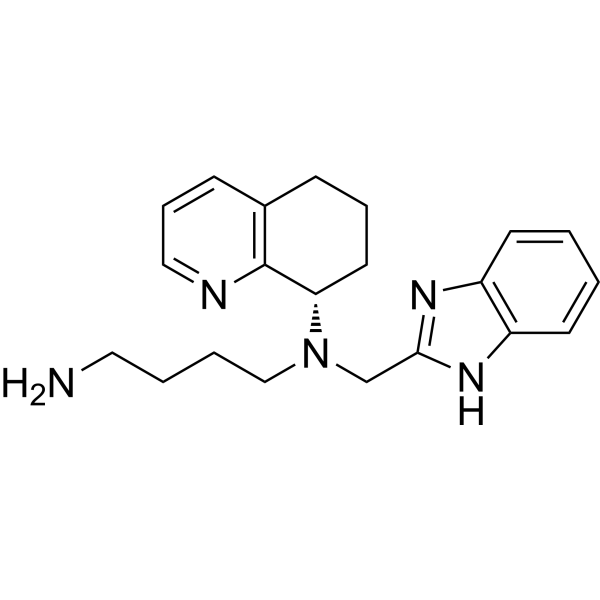
Mavorixafor (AMD-070) is a potent, selective and orally available CXCR4 antagonist, with an IC50 value of 13 nM against CXCR4 125I-SDF binding, and also inhibits the replication of T-tropic HIV-1 (NL4.3 strain) in MT-4 cells and PBMCs with an IC50 of 1 and 9 nM, respectively. Mavorixafor can be used for the study of WHIM syndrome .
loading...
    loading...
9
9 Cited Publications
Cat. No.: HY-50101A
CAS No.: 2309699-17-8
Synonyms: AMD-070 trihydrochloride; AMD-11070 trihydrochloride
Target:  

CXCR HIV

Research Areas:  

Infection Endocrinology Cancer

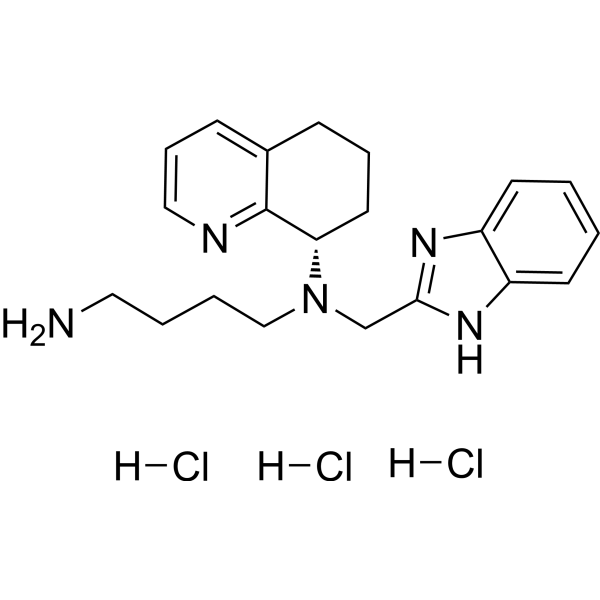
Mavorixafor trihydrochloride (AMD-070 trihydrochloride) is a potent, selective and orally available CXCR4 antagonist, with an IC50 value of 13 nM against CXCR4 125I-SDF binding, and also inhibits the replication of T-tropic HIV-1 (NL4.3 strain) in MT-4 cells and PBMCs with an IC50 of 1 and 9 nM, respectively.Mavorixafor trihydrochloride can be used for the study of WHIM syndrome .
loading...
    loading...
9
9 Cited Publications
Cat. No.: HY-50101C
CAS No.: 880549-30-4
Synonyms: AMD-070 hydrochloride; AMD-11070 hydrochloride
Target:  

CXCR HIV

Research Areas:  

Infection Cancer

Mavorixafor (AMD-070) hydrochloride is a potent, selective and orally available CXCR4 antagonist, with an IC50 value of 13 nM against CXCR4 125I-SDF binding. Mavorixafor hydrochloride also inhibits the replication of T-tropic HIV-1 (NL4.3 strain) in MT-4 cells and PBMCs with an IC50 of 1 nM and 9 nM, respectively. Mavorixafor hydrochloride can be used for the study of WHIM syndrome .
loading...
    loading...

