183 Results for "

mutagenicity

" in MedChemExpress (MCE) Product Catalog:
Products (183)

183 Results for "mutagenicity" in MCE Product Catalog:

16
16 Publications Verification
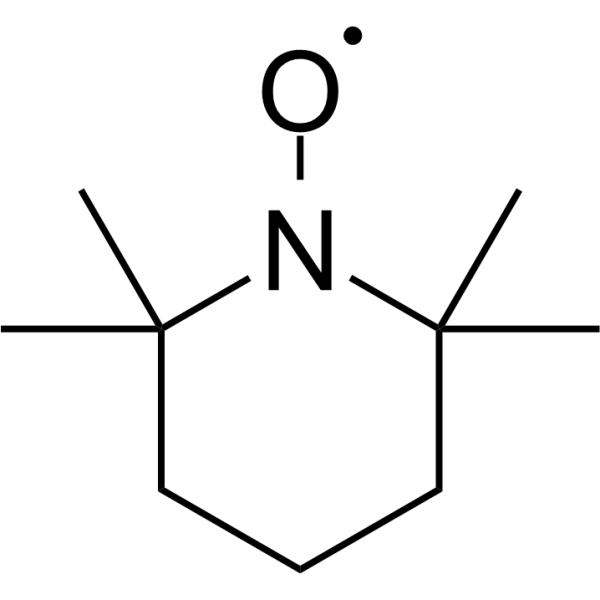
Cat. No.: HY-W001187
CAS No.: 2564-83-2
Tempo is a nitric oxide radical and a selective scavenger of ROS in mitochondria. Tempo is also an organocatalyst that disproportionates superoxide and oxidizes primary alcohols to aldehydes in a catalytic cycle. Tempo has mutagenic and antioxidant effects and can induceDNA strand breaks. Tempo also exerts cytotoxic and mutagenic properties in mouse lymphoma cells .
loading...
    loading...
16
16 Publications Verification
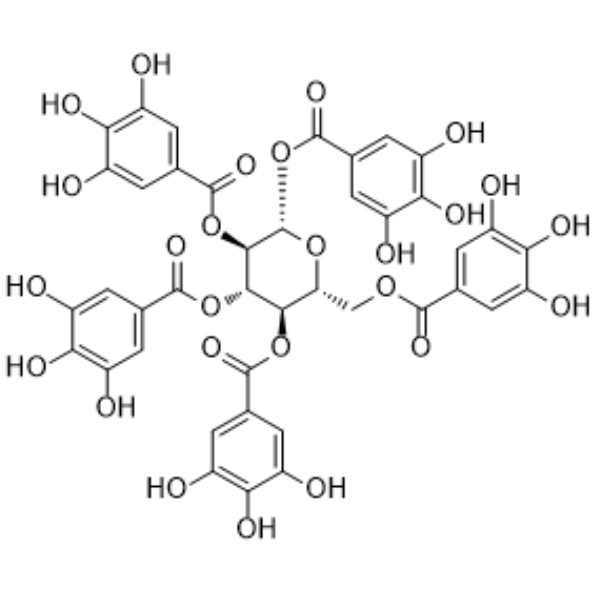
Cat. No.: HY-N0527
CAS No.: 14937-32-7
Synonyms: Penta-O-galloyl-β-D-glucose; 1,2,3,4,6-Pentagalloyl glucose
Pentagalloylglucose (Penta-O-galloyl-β-D-glucose) is an orally active gallic tannin compound and an inducer of apoptosis and autophagy. Pentagalloglucose induces cell apoptosis and autophagy through the GSK3β/β-catenin pathway. Pentagalloylglucose inhibits UBE2T-mediated p53 ubiquitination, upregulates p53, downregulates RRM1/RRM2 in pancreatic cancer organoids. Pentagalloglucose has antioxidant, anti mutagenic, anti-inflammatory, anticonvulsant, cardioprotective, anti allergic, cholesterol lowering, and anti-tumor activities .
loading...
    loading...
15
15 Cited Publications
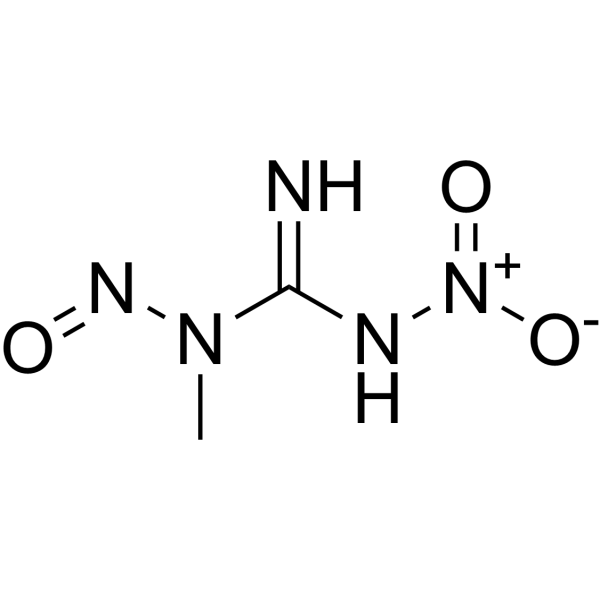
Cat. No.: HY-128612
CAS No.: 70-25-7
Purity:  99.96%
Synonyms: MNNG
Research Areas:  

Cancer

Methylnitronitrosoguanidine (MNNG) is an orally active alkylating agent with toxic and mutagenic effects. Methylnitronitrosoguanidine can as a carcinogen and mutagen . 50% water content, specifications are based on dry weight.
loading...
    loading...
15
15 Cited Publications
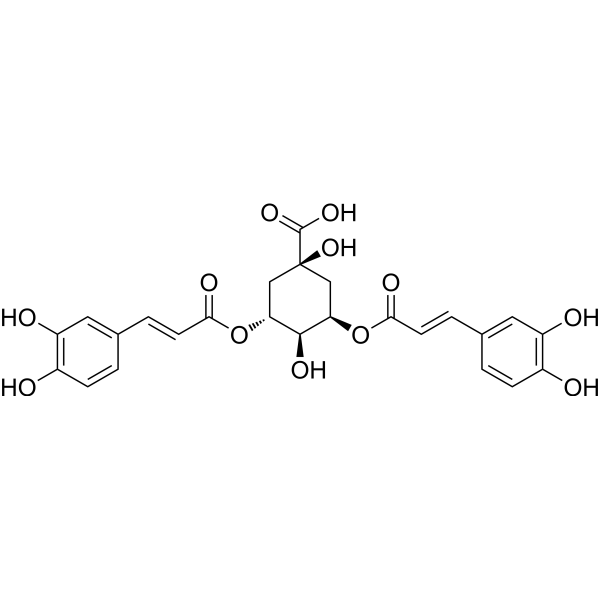
Cat. No.: HY-N0056
CAS No.: 2450-53-5
Synonyms: 3,5-Dicaffeoylquinic acid; 3,5-CQA
Isochlorogenic acid A (3,5-Dicaffeoylquinic acid) is a natural phenolic acid with anti-mutagenicity, anti-HBV, anti-HIV, anti-oxidant, anti-bacterial, and anti-inflammatoryy activities .
loading...
    loading...
8
8 Cited Publications
Cat. No.: HY-15930
CAS No.: 54827-17-7
Synonyms: BM blue; Sure Blue TMB
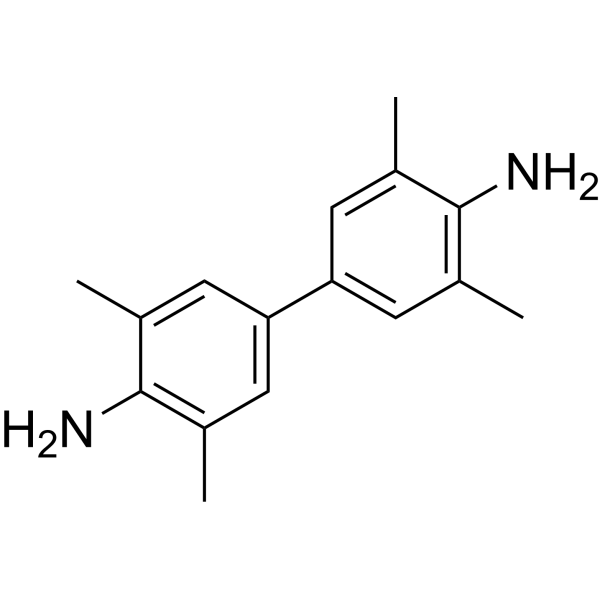
TMB is a non-toxic, non-mutagenic, colorless dye that is also used as a chromogenic agent in enzyme detection systems based on horseradish peroxidase (HRP). TMB can function as a photoacoustic probe for reactive oxygen and nitrogen species (ROS/RNS), reacting with hypochlorite, hydrogen peroxide, singlet oxygen, and nitrogen dioxide to produce blue oxidation products. TMB can detect the singlet oxygen produced by the outer membrane of Escherichia coli ATCC 25922 .
loading...
    loading...
8
8 Cited Publications
Cat. No.: HY-15930A
CAS No.: 64285-73-0
Synonyms: BM blue dihydrochloride; Sure Blue TMB dihydrochloride
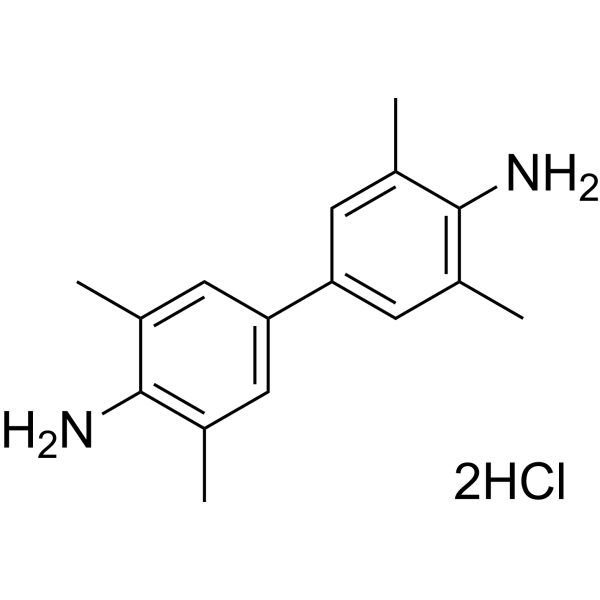
TMB dihydrochloride is the dihydrochloride form of TMB (HY-15930). TMB dihydrochloride is a non-toxic, non-mutagenic, colorless dye that is also used as a chromogenic agent in enzyme detection systems based on horseradish peroxidase (HRP). TMB dihydrochloride can function as a photoacoustic probe for reactive oxygen and nitrogen species (ROS/RNS), reacting with hypochlorite, hydrogen peroxide, singlet oxygen, and nitrogen dioxide to produce blue oxidation products. TMB dihydrochloride can detect the singlet oxygen produced by the outer membrane of Escherichia coli ATCC 25922 .
loading...
    loading...
8
8 Cited Publications
Cat. No.: HY-15930B
CAS No.: 207738-08-7
Synonyms: Sure Blue TMB dihydrochloride x.hydrate
TMB (dihydrochloride x.hydrate) is the dihydrochloride x hydrate form of TMB (HY-15930). TMB (dihydrochloride x.hydrate) is a non-toxic, non-mutagenic, colorless dye that is also used as a chromogenic agent in enzyme detection systems based on horseradish peroxidase (HRP). TMB (dihydrochloride x.hydrate) can function as a photoacoustic probe for reactive oxygen and nitrogen species (ROS/RNS), reacting with hypochlorite, hydrogen peroxide, singlet oxygen, and nitrogen dioxide to produce blue oxidation products. TMB (dihydrochloride x.hydrate) can detect the singlet oxygen produced by the outer membrane of Escherichia coli ATCC 25922 .
loading...
    loading...
8
8 Cited Publications
Cat. No.: HY-15930C
CAS No.: 54827-18-8
Synonyms: BM blue monosulfate; Sure Blue TMB monosulfate
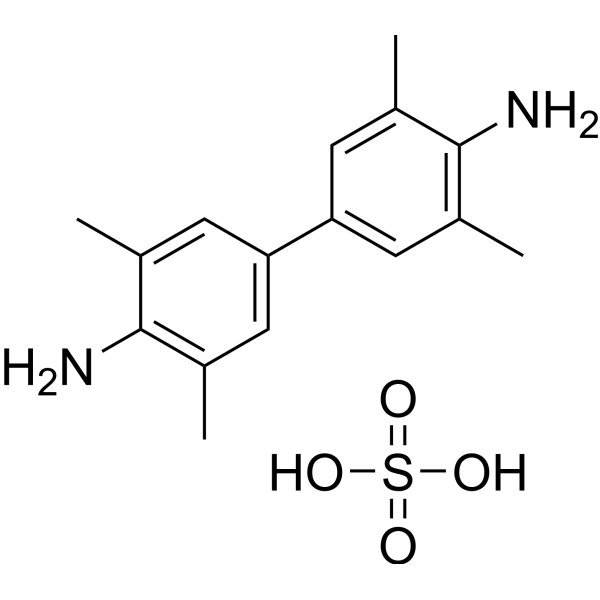
TMB monosulfate is the monosulfate form of TMB (HY-15930). TMB monosulfate is a non-toxic, non-mutagenic, colorless dye that is also used as a chromogenic agent in enzyme detection systems based on horseradish peroxidase (HRP). TMB monosulfate can function as a photoacoustic probe for reactive oxygen and nitrogen species (ROS/RNS), reacting with hypochlorite, hydrogen peroxide, singlet oxygen, and nitrogen dioxide to produce blue oxidation products. TMB monosulfate can detect the singlet oxygen produced by the outer membrane of Escherichia coli ATCC 25922 .
loading...
    loading...
7
7 Cited Publications
Cat. No.: HY-105008
CAS No.: 257930-74-8
Purity:  99.74%
Synonyms: (S,S)-SDG; (S,S)-LGM2605
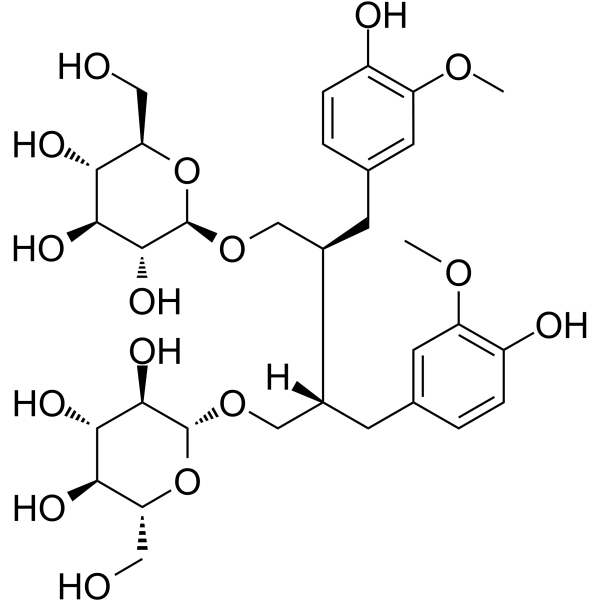
Secoisolariciresinol diglucoside ((S,S)-SDG), the main lignan in wholegrain flaxseed, is known for its beneficial effects including anti-inflammatory, antioxidant, anti-mutagenic, anti-microbial, anti-obesity, hypolipidemic, and neuroprotective effects .
loading...
    loading...
6
6 Cited Publications
Cat. No.: HY-N0790
CAS No.: 545-47-1
Synonyms: Clerodol; Monogynol B; Fagarasterol
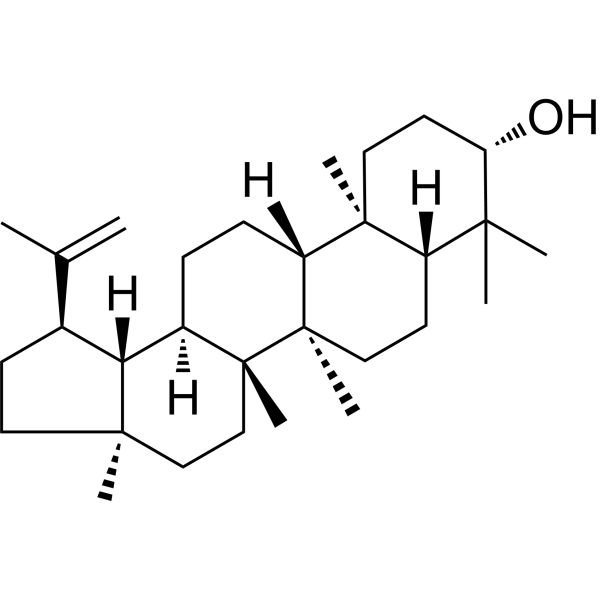
Lupeol (Clerodol; Monogynol B; Fagarasterol) is an active pentacyclic triterpenoid, has anti-oxidant, anti-mutagenic, anti-tumor and anti-inflammatory activity. Lupeol is a potent androgen receptor (AR) inhibitor and can be used for cancer research, especially prostate cancer of androgen-dependent phenotype (ADPC) and castration resistant phenotype (CRPC) .
loading...
    loading...
5
5 Cited Publications
Cat. No.: HY-44076
CAS No.: 85073-19-4
Synonyms: Lithium phenyl-2,4,6-trimethylbenzoylphosphinate
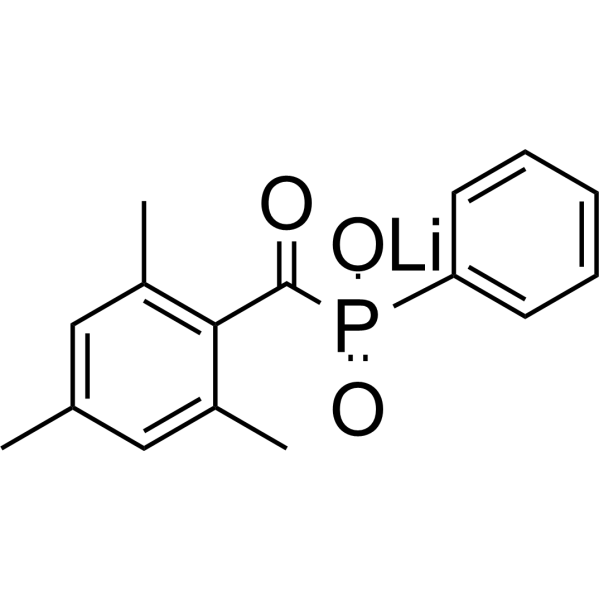
LAP (Lithium phenyl-2,4,6-trimethylbenzoylphosphinate) is a free radical initiator. The free radicals produced by LAP under bioprinting conditions are potentially cytotoxic and mutagenic. In addition, the concentration of LAP affects the mechanical strength of 3D printed scaffolds. Generally, the concentration range of LAP used for curing is 0.05%-1%. The elastic modulus produced at a concentration of 0.1% is the highest, with enhanced mechanical properties and excellent biocompatibility .
loading...
    loading...
5
5 Cited Publications
Cat. No.: HY-I0960
CAS No.: 66-22-8
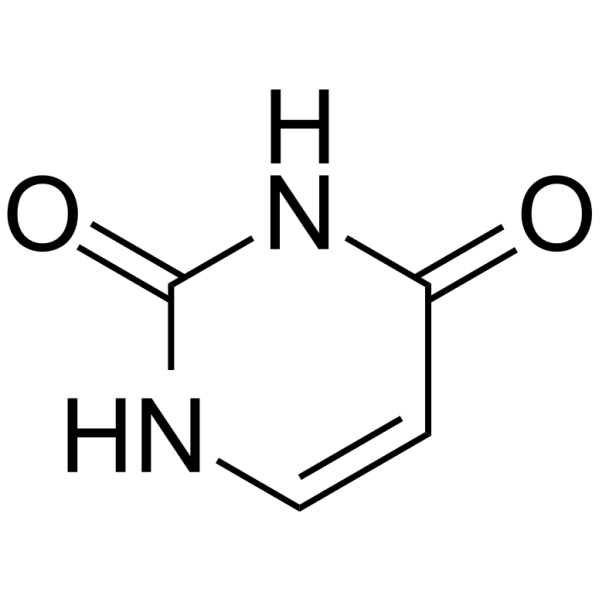
Uracil is a pyrimidine derivative and one of the four nucleobases in the nucleic acid of RNA. Uracil is a frequently occurring DNA base damage that results from the spontaneous or chemically induced deamination of cytosine and is mutagenic at the level of replication. Uracil could potentially alter transcriptional fidelity, resulting in production of mutant proteins .
loading...
    loading...
4
4 Cited Publications
Cat. No.: HY-126214
CAS No.: 1361227-90-8
Purity:  99.87%
Target:  

DNA/RNA Synthesis

Research Areas:  

Cancer

JH-RE-06, a potent REV1-REV7 interface inhibitor (IC50=0.78 μM; Kd=0.42 μM), targets REV1 that interacts with the REV7 subunit of POLζ. JH-RE-06 disrupts mutagenic translesion synthesis (TLS) by preventing recruitment of mutagenic POLζ. JH-RE-06 improves chemotherapy .
loading...
    loading...
4
4 Cited Publications
Cat. No.: HY-N6779
CAS No.: 149-29-1
Synonyms: Terinin
Patulin (Terinin) is a mycotoxin produced by fungi including the Aspergillus, Penicillium, and Byssochlamys species, causes chromosome breakage, mutation, teratogenic and cytotoxic. Patulin induces autophagy-dependent apoptosis through lysosomal-mitochondrial axis, and causes DNA damage .
loading...
    loading...
4
4 Cited Publications
Cat. No.: HY-W011950
CAS No.: 52417-22-8
Target:  

DNA/RNA Synthesis

Research Areas:  

Others

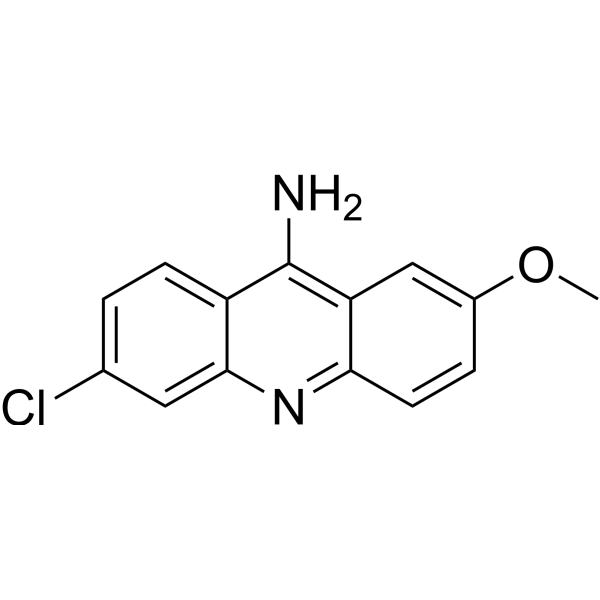
Acridin-9-amine (9-Aminoacridine) hydrochloride hydrate is a mutagen and DNA modifier. Acridin-9-amine hydrochloride hydrate induces mutagenic lesions during DNA replication .
loading...
    loading...
3
3 Cited Publications
Cat. No.: HY-B0464
CAS No.: 304-20-1
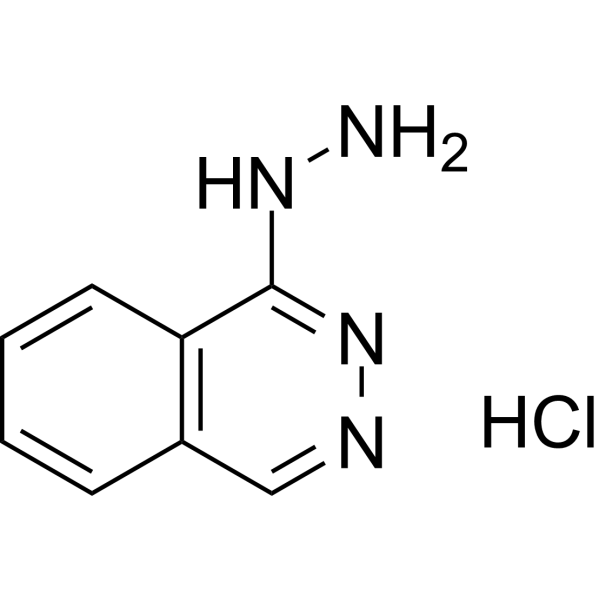
Hydralazine hydrochloride is an orally active, blood-brain barrier-permeable DNA methyltransferase inhibitor with vasodilatory, arterial smooth muscle relaxant and hypotensive activities. Hydralazine hydrochloride reactivates silenced tumor suppressor genes via mediating DNA demethylation, while exerting neuroprotective and anti-inflammatory properties. Hydralazine hydrochloride inhibits NOS-2 (iNOS) and COX-2, and reduces the production of NO and PGEE2; meanwhile, Hydralazine hydrochloride scavenges reactive oxygen species and inhibits macrophage activation. Hydralazine hydrochloride alleviates motor dysfunction, neuropathic inflammatory pain, and formalin-induced somatic and emotional pain responses. In addition, Hydralazine hydrochloride directly induces DNA strand breaks and sister chromatid exchange, exhibiting certain mutagenic characteristics. Hydralazine hydrochloride has been widely used in studies on hypertension, various cancers (such as cervical cancer, leukemia), spinal cord injury and the mechanisms of inflammatory pain .
loading...
    loading...
3
3 Cited Publications
Cat. No.: HY-B0464A
CAS No.: 86-54-4
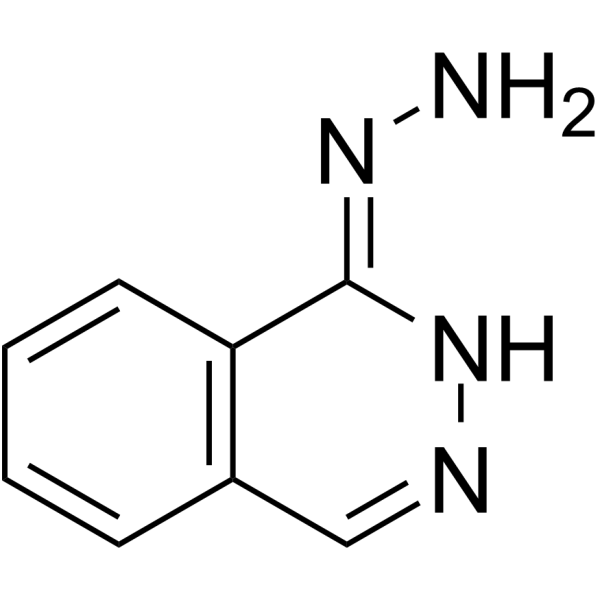
Hydralazine is an orally active, blood-brain barrier-permeable DNA methyltransferase inhibitor with vasodilatory, arterial smooth muscle relaxant and hypotensive activities. Hydralazine reactivates silenced tumor suppressor genes via mediating DNA demethylation, while exerting neuroprotective and anti-inflammatory properties. Hydralazine inhibits NOS-2 (iNOS) and COX-2, and reduces the production of NO and PGEE2; meanwhile, Hydralazine scavenges reactive oxygen species and inhibits macrophage activation. Hydralazine alleviates motor dysfunction, neuropathic inflammatory pain, and formalin-induced somatic and emotional pain responses. In addition, Hydralazine directly induces DNA strand breaks and sister chromatid exchange, exhibiting certain mutagenic characteristics. Hydralazine has been widely used in studies on hypertension, various cancers (such as cervical cancer, leukemia), spinal cord injury and the mechanisms of inflammatory pain .
loading...
    loading...
2
2 Cited Publications
Cat. No.: HY-I0508
CAS No.: 88-99-3
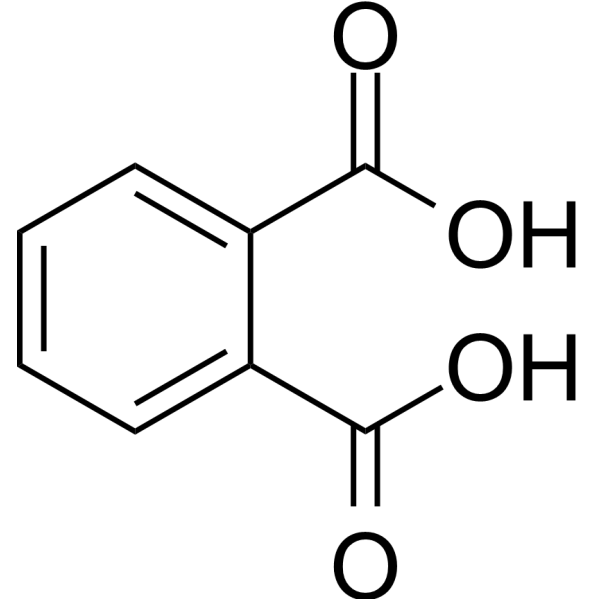
Phthalic acid is the final common metabolite of phthalic acid esters (PAEs). Phthalic acid can be used for the synthesis of synthetic agents, such as isophthalic acid (IPA), and terephthalic acid (TPA). Phthalic acid has applications in the preparation of phthalate ester plasticizers. Phthalic acid exhibits mutagenic effect and causes genetic damage in mammalian germ cells .
loading...
    loading...
2
2 Cited Publications
Cat. No.: HY-B1400
CAS No.: 83-73-8
Synonyms: Iodoquinol; 5,7-Diiodo-8-hydroxyquinoline; 5,7-Diiodo-8-quinolinol
Diiodohydroxyquinoline (Iodoquinol, 5,7-Diiodo-8-hydroxyquinoline, 5,7-Diiodo-8-quinolinol) has an orally active and satisfactory antiparasitic properties. Diiodohydroxyquinoline exhibits mutagenic potential in mice and potent anti-SARS-CoV-2 activity with an EC50 value of 1.38 μM in VeroE6 cells. Diiodohydroxyquinoline's antimutagen is ascorbic acid. Diiodohydroxyquinoline is promising for research in inflammationin, testinal amebiasis, amebic liver abscess and chronic nonspecific diarrheas .
loading...
    loading...
2
2 Cited Publications
Cat. No.: HY-17592A
CAS No.: 844-26-8
Target:  

Parasite

Research Areas:  

Infection

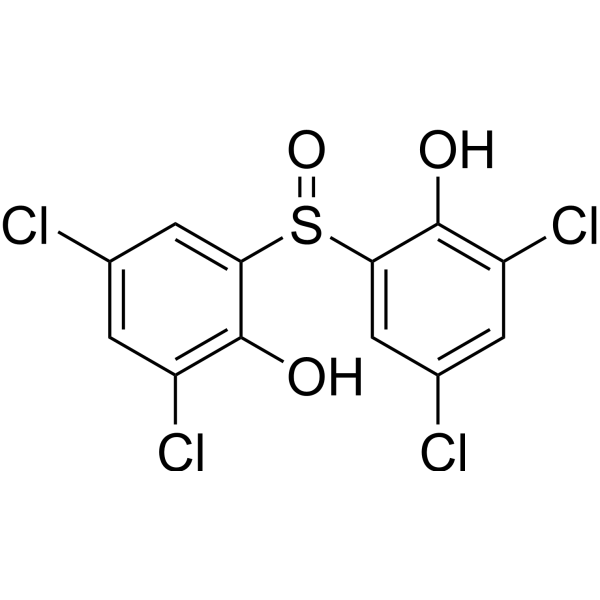
Bithionol sulfoxide is an anti-infection agent for parasites. Bithionol sulfoxide has mutagenic activity. Bithionol sulfoxide can be used in the research of parasite infection, such as paragonimiasis, flukes andcestodes infection .
loading...
    loading...

