



1. Search Result
Search Result
Results for "

programmed

" in MedChemExpress (MCE) Product Catalog:

119

Inhibitors & Agonists

11

Screening Libraries

1

Biochemical Assay Reagents

10

Peptides

25

Inhibitory Antibodies

4

Natural
Products

61

Recombinant Proteins

1

Isotope-Labeled Compounds

15

Antibodies

1

Click Chemistry

5

Oligonucleotides

Cat. No. Product Name Target Research Areas Chemical Structure
  • HY-P9902
    Pembrolizumab
    25+ Cited Publications

    MK-3475; Lambrolizumab

    PD-1/PD-L1 Cancer
    Pembrolizumab (MK-3475) is a humanized IgG4 antibody inhibiting the programmed cell death 1 (PD-1) receptor, used in cancer immunotherapy.
    Pembrolizumab
  • HY-P9904
    Atezolizumab
    Maximum Cited Publications
    36 Publications Verification

    MPDL3280A; RG-7446; RO-5541267

    PD-1/PD-L1 Apoptosis Autophagy Cancer
    Atezolizumab (MPDL3280A) is a selective humanized monoclonal IgG1 antibody against programmed death ligand 1 (PD-L1), used for cancer research.
    Atezolizumab
  • HY-P9903
    Nivolumab
    20+ Cited Publications

    BMS-936558; ONO-4538; MDX-1106

    PD-1/PD-L1 Infection Cancer
    Nivolumab is a programmed death receptor-1 (PD-1) blocking human IgG4 antibody to treat advanced (metastatic) non-small cell lung cancer.
    Nivolumab
  • HY-100573
    Necrosulfonamide
    Maximum Cited Publications
    139 Publications Verification

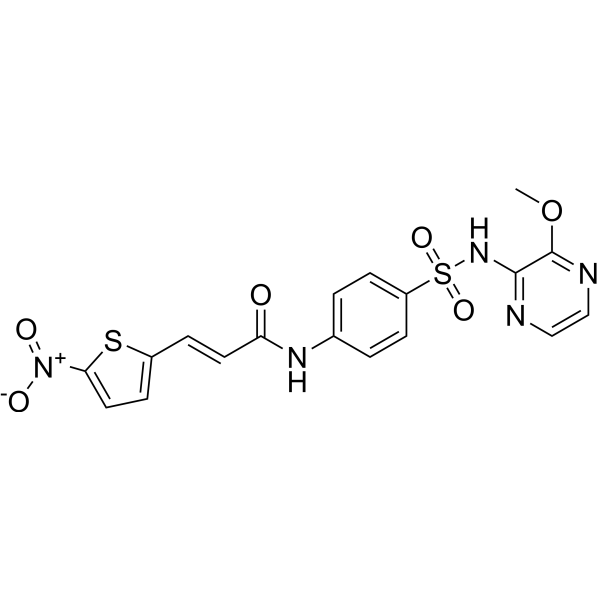
    Mixed Lineage Kinase Necroptosis Pyroptosis Caspase NOD-like Receptor (NLR) Keap1-Nrf2 TNF Receptor Interleukin Related NO Synthase Heme Oxygenase (HO) Cardiovascular Disease Neurological Disease Metabolic Disease Inflammation/Immunology Endocrinology
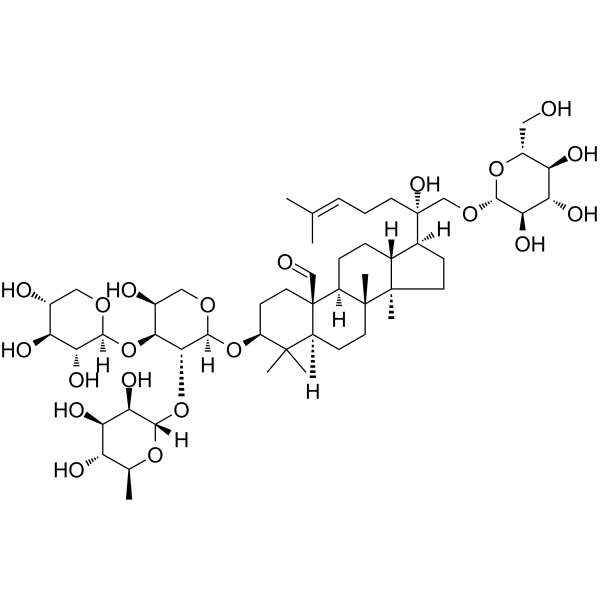
    Necrosulfonamide is a MLKL and Gasdermin D (GSDMD) inhibitor, capable of separately inhibiting necroptosis and pyroptosis of cells. Necrosulfonamide does not affect the activation of upstream signals, but specifically inhibits the downstream executor oligomerization step. Necrosulfonamide reduces the expression of the key kinases NLRP3 and caspase-1 involved in necroptosis and pyroptosis, activate the Nrf2 pathway and the downstream antioxidant enzymes, and also downregulates a variety of inflammatory factors. Necrosulfonamide plays significant roles in various diseases such as neurodegenerative diseases (such as Parkinson’s disease), tissue damage and ischemia-reperfusion injury, inflammatory bowel disease, osteoarthritis and fracture repair, and hair loss by regulating two important programmed necrosis pathways .
    Necrosulfonamide
  • HY-P2149
    Concanavalin A
    5 Publications Verification

    Mitosis Infection Metabolic Disease Inflammation/Immunology Cancer
    Concanavalin A can be coupled to agarose to form Concanavalin A (agarose) (HY-P2149A). Concanavalin A (ConA) is a selective, competitive binding agent that targets specific carbohydrate structures containing glucose and mannose; it acts as a mitogen and exhibits varying degrees of cytotoxicity, hepatotoxicity, and teratogenicity. Concanavalin A is also utilized for in vivo blood glucose monitoring in the context of diabetes .
    Concanavalin A
  • HY-16268
    Kartogenin
    30+ Cited Publications

    KGN

    TGF-beta/Smad Inflammation/Immunology
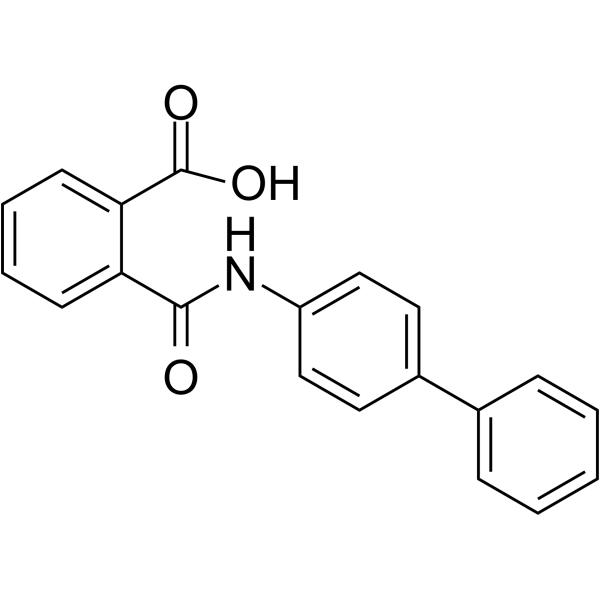
    Kartogenin (KGN) is an inducer of chondrogenic tissue formation (EC50: 100 nM). Kartogenin induces chondrogenesis by binding to fibrin A, disrupting its interaction with the transcription factor core binding factor beta subunit (CBFβ), and by modulating the CBFβ-RUNX1 transcriptional program. Kartogenin also promotes tendon-bone junction (TBJ) wound healing by stimulating collagen synthesis. Kartogenin is widely used in cell-free therapy in the field of regeneration for cartilage regeneration and protection, tendon-bone healing, wound healing and limb development. Kartogenin promotes cartilage repair, coordinates limb development, and is also used in osteoarthritis (OA) research .
    Kartogenin
  • HY-P99052
    Tislelizumab
    3 Publications Verification

    BGB-A317

    PD-1/PD-L1 Inflammation/Immunology Cancer
    Tislelizumab is a monoclonal antibody that specifically binds to programmed cell death receptor 1 (PD-1), blocking its interaction with programmed death ligand 1 (PD-L1) and programmed death ligand 2 (PD-L2). Tislelizumab can reactivate immune cells such as T lymphocytes and enhance anti-tumor activity. Tislelizumab can be used for the research of a variety of tumors including typical Hodgkin's lymphoma, urothelial carcinoma, non-small cell lung cancer and hepatocellular carcinoma .
    Tislelizumab
  • HY-153278

    CDK7-IN-21

    CDK DNA/RNA Synthesis c-Myc Early 2 Factor (E2F) Topoisomerase Cancer
    Q901 (CDK7-IN-21) is a selective and potent CDK7 inhibitor with an IC50 of 10 nM. Q901 disrupts MYC and E2Fprogram, downregulating cell cycle control and DNA damage repair pathways. Q901 stabilizes TOP1-DPCs and sensitizes tumor to TOP1 inhibitors by suppressing RNAPII transition from initiation to elongation. Q901 can inhibit tumor growth and significantly enhances tumor growth inhibition combined with TOP1 inhibitors. Q901 can be used for the research of cancer, such as colon cancer and lung cancer .
    Q901
  • HY-N0596
    Panaxadiol
    4 Publications Verification

    20(R)-Panaxadiol

    PD-1/PD-L1 HIF/HIF Prolyl-Hydroxylase STAT Cancer
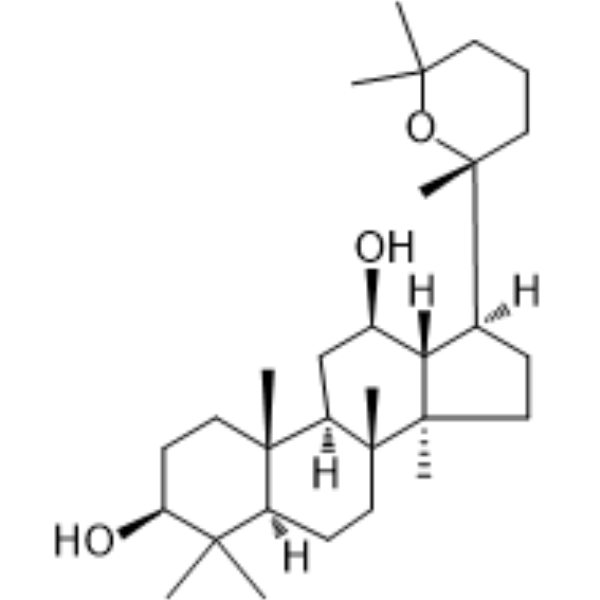
    Panaxadiol (20(R)-Panaxadiol) is an orally active HIF-1α/STAT3 inhibitor. Panaxadiol can suppress HIF-1α and STAT3 then lead to downregulation of programmed cell death-ligand 1 (PD-L1) expression. Panaxadiol shows anticancer, cardioprotective, anti-arrhythmic, and antioxidative activities .
    Panaxadiol
  • HY-149913
    NR2F1 agonist 1
    1 Publications Verification

    Orphan Nuclear Receptor Cancer
    NR2F1 agonist 1, a nuclear receptor NR2F1 agonist, specifically activates dormancy programs in malignant cells. NR2F1 agonist 1 up-regulates NR2F1 and downstream target genes that regulate dormancy. NR2F1 agonist 1 induces neural crest-like and growth suppression in head and neck squamous cell carcinoma (HNSCC) via NR2F1 activation. NR2F1 agonist 1 inhibits tumor growth in a mouse primary tumor model .
    NR2F1 agonist 1
  • HY-P2780

    Apoptosis Ferroptosis Autophagy Necroptosis Others Cancer
    Cathepsin B, Bovine spleen is a cysteine protease and is involved in multiple kinds of programmed cell death (including apoptosis, pyroptosis, ferroptosis, necroptosis, and autophagic cell death) .
    Cathepsin B, Bovine spleen
  • HY-P99618

    IBI-315; BH2950

    EGFR PD-1/PD-L1 Cancer
    Fidasimtamab is a bispecific antibody targeting human epidermal growth factor receptor 2 (Her2) and programmed death protein 1 (PD-1), with a Ka of 3.55e-10 M for human Her2 and a Ka of 1.17e-9 M for human PD-1. Fidasimtamab cross-links Her2-positive tumor cells with PD-1-positive T cells to form immune synapses, blocks PD-1-ligand interactions, preserves antibody-dependent cellular cytotoxicity, induces gasdermin B (GSDMB)-mediated pyroptosis, and activates T cells. Fidasimtamab is applicable to relevant research on Her2-positive gastric cancer .
    Fidasimtamab
  • HY-P99480

    M7824; MSB0011359C

    TGF-β Receptor Cancer
    Bintrafusp alfa (M 7824) is a first-in-class bifunctional fusion protein composed of the extracellular domain of TGF-βRII fused to a human IgG1 mAb blocking programmed cell death ligand. Bintrafusp alfa can be used for the research of cancer .
    Bintrafusp alfa
  • HY-19625

    Reactive Oxygen Species (ROS) Paraptosis Cancer
    MCB-613 is a potent Steroid receptor coactivator SRC small molecule ‘stimulator’ (SMS), super-stimulates SRCs’ transcriptional activity. MCB-613 increases SRCs’ interactions with other coactivators and markedly induces ER stress coupled to the generation of reactive oxygen species (ROS). MCB-613 is a SMS that target oncogenes can be exploited as anti-cancer agents by over-stimulating the SRC oncogenic program .
    MCB-613
  • HY-P99489

    ABBV 181; PR 1648817

    PD-1/PD-L1 Inflammation/Immunology Cancer
    Budigalimab (ABBV 181; PR 1648817) is a humanized, recombinant IgG1 monoclonal antibody targeting programmed cell death 1 (PD-1) receptor. Budigalimab has an Fc mutation that reduces the inhibition of Fc receptor interactions and effector factors. Budigalimab can block the binding of PD-1 and PD-L1, which has anti-tumor activity. Budigalimab can be used in the study of solid tumors .
    Budigalimab
  • HY-P99203

    REGN-2810; SAR-439684

    PD-1/PD-L1 Cancer
    Cemiplimab (Anti-Human PD-1) is a high-affinity programmed death receptor-1 (PD-1) monoclonal IgG4 antibody that blocks PD-1/PD-L1-mediated T-cell suppression. Cemiplimab is commonly used in squamous cell skin cancer research .
    Cemiplimab
  • HY-W590549

    DODAC

    Liposome Cancer
    Dioleyldimethylammonium chloride (DODAC) is a positively charged lipid promoter with membrane-disrupting activity, which is often formulated into cationic liposomes with dioleoylphosphatidylethanolamine. Dioleyldimethylammonium chloride is used in gene transfection research; through electrostatic interactions, it effectively promotes the binding of programmable fusion vesicles to cells and induces membrane disruption. Dioleyldimethylammonium chloride is also applied in studies on L1210 leukemia and LS180 human colon cancer .
    Dioleyldimethylammonium chloride
  • HY-P99473

    BI-505

    Integrin Cancer
    Bersanlimab (BI-505) is a fully human monoclonal antibody that targets intercellular adhesion molecule-1 (ICAM-1 or CD54). Bersanlimab has anticancer effects .
    Bersanlimab
  • HY-P99114

    PD-1/PD-L1 Cancer
    Sugemalimab is a fully human, full length, anti-programmed death ligand 1 (PD-L1) immunoglobulin G4 (IgG4) monoclonal antibody (mAb). Sugemalimab shows anticancer activities and can be used for non-small cell lung cancer research .
    Sugemalimab
  • HY-138139A

    T785 hydrochloride

    Toll-like Receptor (TLR) Inflammation/Immunology Cancer
    AXC-715 (T785) hydrochloride is a TLR7/TLR8 dual agonist. AXC-715 can be used for synthesis of antibody-adjuvant immunoconjugates, comprising an antibody construct that binds programmed death-ligand 1 (PD-L1) linked to one or more adjuvants .
    AXC-715 hydrochloride
  • HY-P10439

    PD-1/PD-L1 Inflammation/Immunology Cancer
    CVRARTR is a programmed cell death ligand-1 (PD-L1) antagonist with a KD of 281 nM. CVRARTR induces the internalization of PD-L1 and downregulates PD-L1 on the cell surface. CVRARTR restores cytokine secretion and T cell proliferation in cell CT26. CVRARTR exhibits antitumor efficacy against in CT26 homograft mouse model. CVRARTR can be used in melanoma research .
    CVRARTR
  • HY-162350

    Epigenetic Reader Domain Apoptosis Cancer
    TDI-11055 is a selective and orally active eleven-nineteen leukemia (ENL) inhibitor, which displaces ENL from chromatin by blocking its YEATS domain interaction with acylated histones. TDI-11055 inhibits ENL and AF9 YEATS domains with IC50 values of 50 nM and 70 nM, respectively, and no activity against GAS41 or YEATS2. TDI-11055 decreases chromatin occupancy of ENL-associated complexes, impairs transcription elongation, suppresses key oncogenic gene expression programs, and induces differentiation. TDI-11055 can be used for the research of acute myeloid leukemia .
    TDI-11055
  • HY-139010
    Merafloxacin
    1 Publications Verification

    CI-934

    SARS-CoV Infection
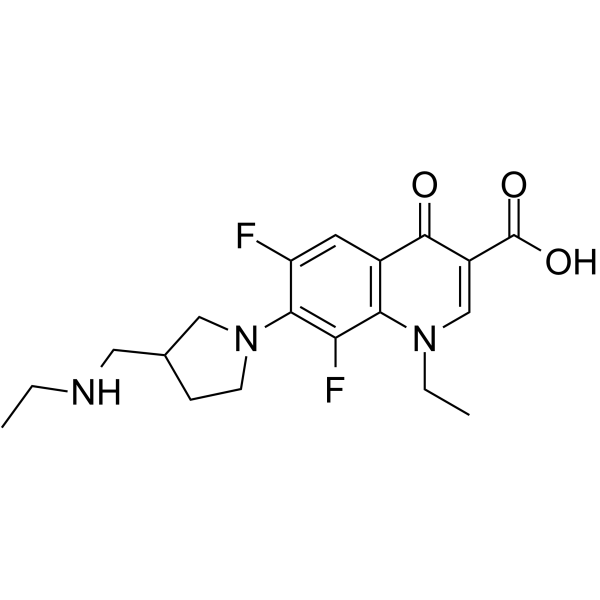
    Merafloxacin (CI-934), a fluoroquinolone antibacterial agent, is a selective programmed -1 ribosomal frameshifting (-1 PRF) inhibitor of beta coronaviruses. Merafloxacin exhibits in vitro activity against gram-positive and gram-negative bacteria .
    Merafloxacin
  • HY-P99941

    INCMGA-00012; MGA-012

    PD-1/PD-L1 Cancer
    Retifanlimab is an anti-programmed cell death protein 1 (anti-PD-1) monoclonal antibody (mAb). Retifanlimab can be used for the research of gastroesophageal adenocarcinoma (GEA) .
    Retifanlimab
  • HY-P3440

    Radionuclide-Drug Conjugates (RDCs) PD-1/PD-L1 Cancer
    WL12 is a specifically targeting programmed death ligand 1 (PD-L1) binding peptide. WL12 can be radiolabeled by different radionuclides, generating radiotracers, which can assess the tumor PD-L1 expression .
    WL12
  • HY-P10387
    RSM3
    1 Publications Verification

    METTL3 Apoptosis MDM-2/p53 NF-κB Caspase Cancer
    RSM3 is a METTL3-METTL14 complex inhibitor with a Kd of 3.10 μM for the METTL3-METTL14 complex. RSM3 reduces the m 6A modification level of SLC31A1 and the global RNA methylation level. RSM3 upregulates programmed cell death-related genes, enhances cell apoptosis, inhibits pro-cancer signals and suppresses tumor growth. RSM3 is applicable to the research of preeclampsia and cancer .
    RSM3
  • HY-119271

    SDS-1-021

    c-Myc Apoptosis Cancer
    CMLD010509 (SDS-1-021) is a highly specific inhibitor of the oncogenic translation program supporting multiple myeloma (MM)-including key oncoproteins such as MYC, MDM2, CCND1, MAF, and MCL-1. CMLD010509 (SDS-1-021) shows an IC50 below 10 nM for most MM cell lines and induces apoptosis. CMLD010509 (SDS-1-021) is a potent and selective translation inhibitor through an eIF4E phosphorylation-independent mechanism .
    CMLD010509
  • HY-114324

    PROTACs PARP Cancer
    PROTAC PARP1 degrader is a PARP1 degrader based on MDM2 E3 ligand. PROTAC PARP1 degrader induces significant PARP1 cleavage and programmed cell death. PROTAC PARP1 degrader consists of E3 ubiquitinase ligand MDM2 ligand (HY-128836), blue part; target protein ligand PAPR1 ligand (HY-171543), pink part; PROTAC linker N3-PEG4-C2-NH2 (HY-128834), black part .
    PROTAC PARP1 degrader
  • HY-149209

    PROTACs CDK STAT Early 2 Factor (E2F) Cancer
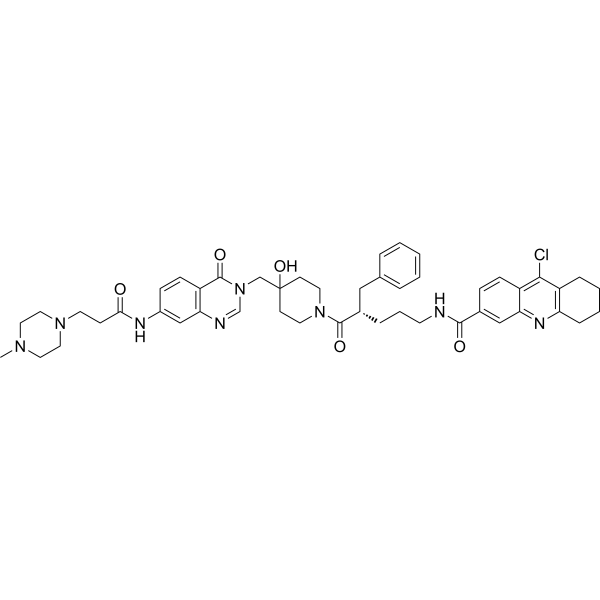
    LL-K8-22 is a potent, selective and durable PROTAC CDK8-cyclin C dual degrader, with DC50 values of 2.52 and 2.64 μM, respectively. LL-K8-22 also suppresses STAT1 Ser 727 phosphorylation. LL-K8-22 inhibits E2F- and MYC-driven carcinogenic transcriptional programs. LL-K8-22 can be used for triplenegative breast cancer (TNBC) research. (Pink: Ligand for target protein (HY-168683); Black: Linker (HY-Y0340); Blue: Ligand for E3 ligase (HY-N2427)) .
    LL-K8-22
  • HY-101058A

    PD-1/PD-L1 Inflammation/Immunology Cancer
    PD1-PDL1-IN 1 TFA (compound 16) is a potent programmed cell death 1 (PD-1) inhibitor. PD1-PDL1-IN 1 TFA is useful as immune modulator .
    PD1-PDL1-IN 1 TFA
  • HY-101097

    PD-1/PD-L1 Cancer
    PD-1-IN-17 is a programmed cell death-1 (PD-1) inhibitor extracted from patent WO2015033301A1, Compound 12, inhibits 92% splenocyte proliferation at 100 nM .
    PD-1-IN-17
  • HY-P10950A

    PD-1/PD-L1 Inflammation/Immunology Cancer
    PD-L1 inhibitory peptide TFA is an inhibitor peptide targeting programmed cell death ligand 1 (PD-L1). PD-L1 inhibitory peptide TFA binds to PD-L1, relieving immunosuppression and restoring the antitumor activity of T cells. PD-L1 inhibitory peptide TFA is promising for research of cancers .
    PD-L1 inhibitory peptide TFA
  • HY-173552

    Molecular Glues Histone Acetyltransferase BCL6 Cancer
    TCIP3 is a bivalent molecular glue with with dual binding to p300/CBP and BCL6. TCIP3 redirects p300 and CBP to activate programmed cell death genes normally repressed by the oncogenic driver, BCL6. TCIP3 can be used for the study of diffuse large B cell lymphomas (DLBCLs). TCIP3 exhibits no toxicity in non-transformed tonsillar lymphocytes or fibroblasts .
    TCIP3
  • HY-100573A
    (E/Z)-Necrosulfonamide
    1 Publications Verification

    Mixed Lineage Kinase Necroptosis Pyroptosis Caspase NOD-like Receptor (NLR) Keap1-Nrf2 TNF Receptor Interleukin Related NO Synthase Heme Oxygenase (HO) Cardiovascular Disease Neurological Disease Metabolic Disease Inflammation/Immunology Endocrinology
    (E/Z)-Necrosulfonamide is a racemic compound of Necrosulfonamide (HY-100573). Necrosulfonamide is a MLKL and Gasdermin D (GSDMD) inhibitor, capable of separately inhibiting necroptosis and pyroptosis of cells. Necrosulfonamide does not affect the activation of upstream signals, but specifically inhibits the downstream executor oligomerization step. Necrosulfonamide reduces the expression of the key kinases NLRP3 and caspase-1 involved in necroptosis and pyroptosis, activate the Nrf2 pathway and the downstream antioxidant enzymes, and also downregulates a variety of inflammatory factors. Necrosulfonamide plays significant roles in various diseases such as neurodegenerative diseases (such as Parkinson’s disease), tissue damage and ischemia-reperfusion injury, inflammatory bowel disease, osteoarthritis and fracture repair, and hair loss by regulating two important programmed necrosis pathways.
    (E/Z)-Necrosulfonamide
  • HY-115406A

    Apoptosis Cancer
    CPTH6 hydrobromide is a thiazole derivative which activates apoptotic program and increases autophagic features in human acute myeloid leukemia cell lines. CPTH6 can be used for cancer research .
    CPTH6 hydrobromide
  • HY-P99938

    HX008

    PD-1/PD-L1 Cancer
    Pucotenlimab (HX008) is a humanized immunoglobulin G4 (IgG4) anti programmed cell death protein 1 (anti-PD-1) monoclonal antibody. Pucotenlimab can be used for the research of tumor .
    Pucotenlimab
  • HY-152944

    Ribosomal S6 Kinase (RSK) Cancer
    S6K1-IN-DG2 (Compound 66) is a p70S6K inhibitor (IC50: < 100 nM) .
    S6K1-IN-DG2
  • HY-160596

    5-Formyl-deoxycytidine lithium

    DNA/RNA Synthesis Others
    5-Formyl-dCTP (5-Formyl-deoxycytidine) lithium is a DCTPP1 substrate. 5-Formyl-dCTP lithium acts as a mutagen/epigenetic disruptor via DNA polymerase incorporation, mutagenic mispairings, and disturbed epigenetic programming. 5-Formyl-dCTP lithium can be used for research on genotoxicity .
    5-Formyl-dCTP lithium
  • HY-167935

    Bacterial Metabolic Disease Inflammation/Immunology
    LCC-12 formic is a dimer of metformin that targets mitochondrial copper(II), leading to a decrease in the NAD(H) pool and modulation of inflammatory responses. LCC-12 formic reduces inflammation in mouse models of bacterial and viral infections. LCC-12 formic also serves as a tool for investigating metabolic diseases through its effects on cell plasticity and epigenetic programming.
    LCC-12 formic
  • HY-156084

    CDK PROTACs Apoptosis c-Myc Cancer
    LL-K9-3 is a potent small-molecule degrader of CDK9-cyclin T1. LL-K9-3 has anti-proliferative and pro-apoptotic activities and suppresses downstream signaling of CDK9 and AR. Moreover, LL-K9-3 inhibits AR and Myc-driven oncogenic transcriptional programs .
    LL-K9-3
  • HY-118967

    VU0183254

    HCN Channel Others
    VUANT1 (VU0183254) is an allosteric antagonist of insect odorant receptor ion channels, which has the activity of inhibiting insect odorant receptor signaling. VUANT1 can inhibit the activation of insect odorant receptors through allosteric regulation, which is important for the study of the molecular mechanism of insect olfactory signaling. Although it may be of limited use in insect control programs, it can be used as a pharmacological tool to study related mechanisms.
    VUANT1
  • HY-161742

    AUTOTACs MetAP Autophagy p62 Cancer
    Fumagilin-105 is an autophagy-targeting chimera (AUTOTAC) that degrades MetAP2 via p62-mediated macroautophagy in a ubiquitination-independent manner. Fumagilin-105 can inhibit the migration of tumor cells and induce programmed cell death. Fumagilin-105 has anti-tumor activity. (p62-ZZ ligand (HY-W489121); target-binding ligand (HY-B0751); linker (HY-W245803)) .
    Fumagilin-105
  • HY-16268A
    Kartogenin sodium
    30+ Cited Publications

    KGN sodium

    TGF-beta/Smad Inflammation/Immunology
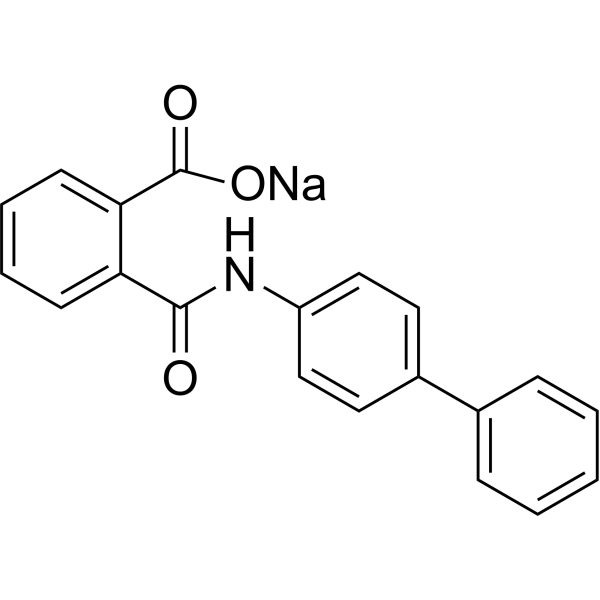
    Kartogenin (KGN) sodium is an inducer of chondrogenic tissue formation (EC50: 100 nM). Kartogenin sodium induces chondrogenesis by binding to fibrin A, disrupting its interaction with the transcription factor core binding factor beta subunit (CBFβ), and by modulating the CBFβ-RUNX1 transcriptional program. Kartogenin sodium also promotes tendon-bone junction (TBJ) wound healing by stimulating collagen synthesis. Kartogenin sodium is widely used in cell-free therapy in the field of regeneration for cartilage regeneration and protection, tendon-bone healing, wound healing and limb development. Kartogenin sodium promotes cartilage repair, coordinates limb development, and is also used in osteoarthritis (OA) research .
    Kartogenin sodium
  • HY-128605

    PD-1/PD-L1 Cancer
    PD-1-IN-22 is a potent programmed cell death-1 (PD-1)/programmed cell death-ligand 1 (PD-L1) interaction inhibitor with an IC50 of 92.3 nM .
    PD-1-IN-22
  • HY-P99723

    BCD-135

    PD-1/PD-L1 Cancer
    Manelimab is a monoclonal antibody that inhibits programmed death-ligand 1 (PD-L1) .
    Manelimab
  • HY-138139B

    T785 trihydrochloride

    Toll-like Receptor (TLR) Inflammation/Immunology Cancer
    AXC-715 (T785) trihydrochloride is a TLR7/TLR8 dual agonist. AXC-715 trihydrochloride can be used for synthesis of antibody-adjuvant immunoconjugates, comprising an antibody construct that binds programmed death-ligand 1 (PD-L1) linked to one or more adjuvants .
    AXC-715 trihydrochloride
  • HY-P10950

    PD-1/PD-L1 Inflammation/Immunology Cancer
    PD-L1 inhibitory peptide is an inhibitor peptide targeting programmed cell death ligand 1 (PD-L1). PD-L1 inhibitory peptide binds to PD-L1, relieving immunosuppression and restoring the antitumor activity of T cells. PD-L1 inhibitory peptide is promising for research of cancers .
    PD-L1 inhibitory peptide
  • HY-149393

    Mixed Lineage Kinase RIP kinase Cancer
    RIPK3-IN-3 (compound 20) is a selective inhibitor of RIP kinase RIPK3 (IC50=10 nM). RIPK3 mediates the phosphorylation of Mixed Lineage Kinase (MLKL) and causes necroptosis, while RIPK3-IN-3 inhibits p-MLKL oligomerization and thereby inhibits necroptosis. RIPK3-IN-3 also downregulates CXCL5 secretion and inhibits AsPC-1 cell migration and invasion .
    RIPK3-IN-3
  • HY-W338764

    Apoptosis Aryl Hydrocarbon Receptor Cancer
    AHR agonist 3 is an aryl hydrocarbon receptor (AhR) agonist, that can induces cell cycle arrest or apoptosis via activation of tumor-suppressive transcriptional programs. AHR agonist 3 inhibits triple-negative breast cancer (TNBC) stem cell growth via AhR while exhibits minimal cytotoxicity against normal human primary cells and can be used for cancer research .
    AHR agonist 3
  • HY-178205

    CXCR ERK Akt Cancer
    BPRCX 807 is a selective and potent CXCR4 (CXC chemokine receptor type 4) antagonist. BPRCX 807 inhibits CXCL12-mediated ERK and Akt phosphorylation. BPRCX 807 can significantly suppress primary tumor growth. BPRCX 807 can be used for the study of hepatocellular carcinoma .
    BPRCX807

Inquiry Online

Your information is safe with us. * Required Fields.

Salutation


Country or Region *

Applicant Name *


Organization Name *

Department *


Email Address *


Product Name *

Cat. No.


Requested quantity *

Phone Number *


Remarks

Inquiry Online

Inquiry Information

Product Name:
Cat. No.:
Quantity:
MCE Japan Authorized Agent:

