

28 Results for "

skin carcinoma cells

" in MedChemExpress (MCE) Product Catalog:
Products (28)

28 Results for "skin carcinoma cells" in MCE Product Catalog:

1
1 Cited Publications
Cat. No.: HY-132259
CAS No.: 1585973-65-4
Purity:  99.73%
Synonyms: ABT-414
Research Areas:  

Cancer

Depatuxizumab mafodotin (ABT-414) is an antibody-drug conjugate (ADC). Depatuxizumab mafodotin specifically targets the epidermal growth factor receptor (EGFR). Depatuxizumab mafodotin can be used in the study of glioma, head and neck squamous cell carcinoma, non-small cell lung cancer, epidermoid carcinoma of the skin, and squamous cell carcinoma of the tongue .
loading...
    loading...
1
1 Cited Publications
Cat. No.: HY-A0169A
CAS No.: 79416-27-6
Research Areas:  

Cancer

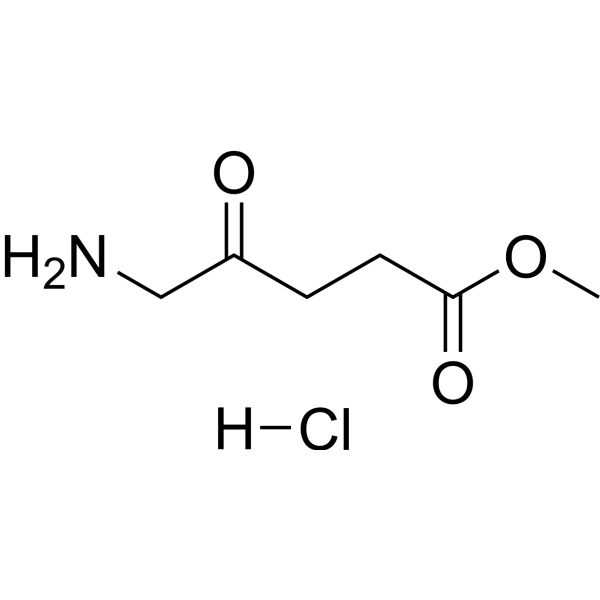
Methyl aminolevulinate hydrochloride is a sensitizer used in photodynamic therapy (PDT). Methyl aminolevulinate hydrochloride penetrates the skin and induces the production of photoactive porphyrins including protoporphyrin IX in cells; upon exposure to appropriate light, it generates ROS, which triggers cellular oxidation and cell death. Methyl aminolevulinate hydrochloride acts as a photo-damage reversing agent through epidermal reconstruction, cytokine-mediated activation of dermal fibroblasts, elastin breakdown, new collagen formation, and compression of dilated capillaries. Methyl aminolevulinate hydrochloride reduces the expression of the proliferation marker Ki-67 and the early skin carcinogenesis marker TP53. Methyl aminolevulinate hydrochloride delays the onset of ultraviolet-induced skin tumors and reduces tumor burden in hairless mice. Methyl aminolevulinate hydrochloride is applicable to research related to actinic keratosis and basal cell carcinoma .
loading...
    loading...
1
1 Cited Publications
Cat. No.: HY-P3443
Synonyms: PNA
Peanut agglutinin (PNA) is a carbohydrate-recognition protein that binds competitively and irreversibly to cell-surface β-D-Gal (1-3)-GalNAc, and this binding can be inhibited by D-galactose and asialofetuin. Peanut agglutinin recognizes exposed glycoepitopes and reflects the glycosylation status of cells. Peanut agglutinin can label glycoconjugates at neuromuscular junctions to safely visualize synaptic structures. Peanut agglutinin can be used to synthesize dyes to distinguish between normal and tumor tissues. Peanut agglutinin provides support for research on leukemia, Burkitt's tumors, and cutaneous squamous lesions .
loading...
    loading...
Cat. No.: HY-N6821
CAS No.: 129499-78-1
Target:  

Drug Derivative

Research Areas:  

Inflammation/Immunology Cancer

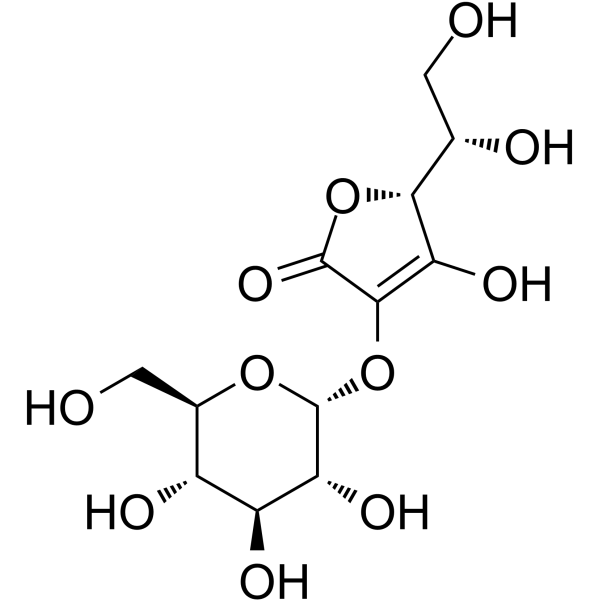
2-O-α-D-Glucopyranosyl-L-ascorbic Acid is an orally active glucoside derivative of ascorbic acid. 2-O-α-D-Glucopyranosyl-L-ascorbic Acid can be hydrolyzed by α-glucosidase to release ascorbic acid. 2-O-α-D-Glucopyranosyl-L-ascorbic Acid inhibits melanin synthesis, prevents UV-induced cell damage, and promotes collagen synthesis in skin fibroblasts. 2-O-α-D-Glucopyranosyl-L-ascorbic Acid also induces oxidative stress to inhibit tumor growth. 2-O-α-D-Glucopyranosyl-L-ascorbic Acid can be used in research related to tumors, inflammation, and other conditions .
loading...
    loading...
Cat. No.: HY-NP009
CAS No.: 9051-29-0
α-Lactalbumin is a globular whey protein that exists in milk. α-Lactalbumin binds Ca 2+, Mg 2+, Mn 2+, Na +, K + and Zn 2+ ions; among these, Ca 2+ binding enhances protein stability, while Zn 2+ binding reduces stability and induces aggregation. α-Lactalbumin forms amyloid fibrils, amorphous aggregates, nanoparticles and nanotubes depending on external conditions. α-Lactalbumin exhibits bactericidal and antiviral activities. α-Lactalbumin has anxiolytic and antidepressant activities, and its effects are enhanced under stress conditions .
loading...
    loading...
Cat. No.: HY-N2232
CAS No.: 66648-44-0
Synonyms: N-trans-Feruloyloctopamine
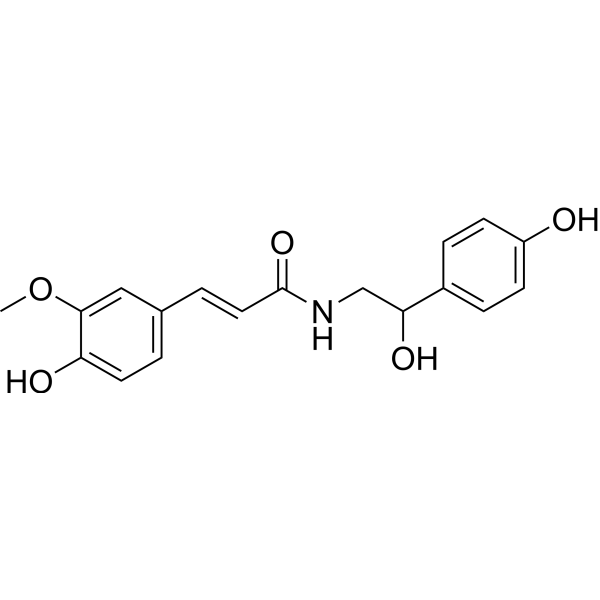
N-trans-feruloyloctopamine is a natural hydroxycinnamic acid amide compound derived from garlic outer skin, possessing tyrosinase inhibition, FGF2 inhibition, anti-melanogenic, and anti-tumor activities. N-trans-feruloyloctopamine inhibits tyrosinase activity and downregulates tyrosinase mRNA and protein expression (IC50 = 5.3 μM), and inhibits melanogenesis in α-MSH-stimulated B16F10 cells . N-trans-feruloyloctopamine inhibits Akt and p38 MAPK phosphorylation, binds to E-cadherin to block EMT, reduces Slug, inhibits hepatocellular carcinoma invasion, and induces hepatocellular carcinoma cell apoptosis. N-trans-feruloyloctopamine can be used in research related to hepatocellular carcinoma, pigmentation disorders, and UVB-induced skin damage .
loading...
    loading...
Cat. No.: HY-W587829
CAS No.: 7236-57-9
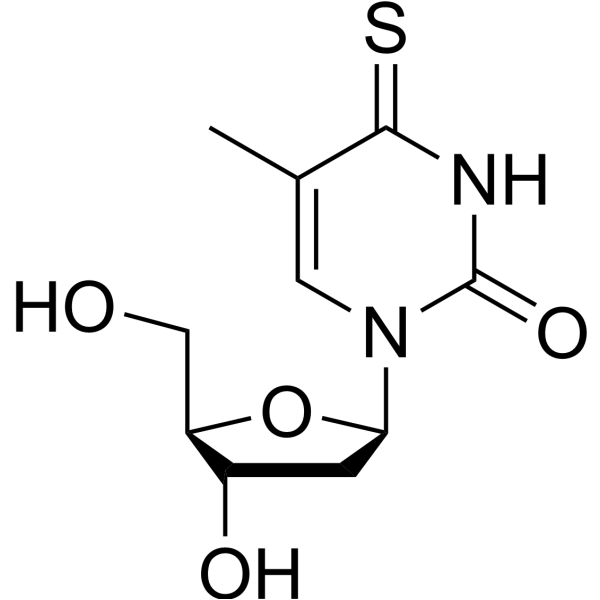
4-Thiothymidine is a thymidine analog with UVA photosensitizing properties. 4-Thiothymidine incorporates into the DNA of dividing cells via the thymidine kinase-mediated salvage pathway, replacing thymine and sensitizing cells to UVA irradiation, thereby inducing apoptosis. 4-Thiothymidine induces DNA damage upon UVA activation and inhibits DNA replication. 4-Thiothymidine is used in research related to non-melanoma skin malignancies such as squamous cell carcinoma .
loading...
    loading...
Cat. No.: HY-N2135
CAS No.: 114240-18-5
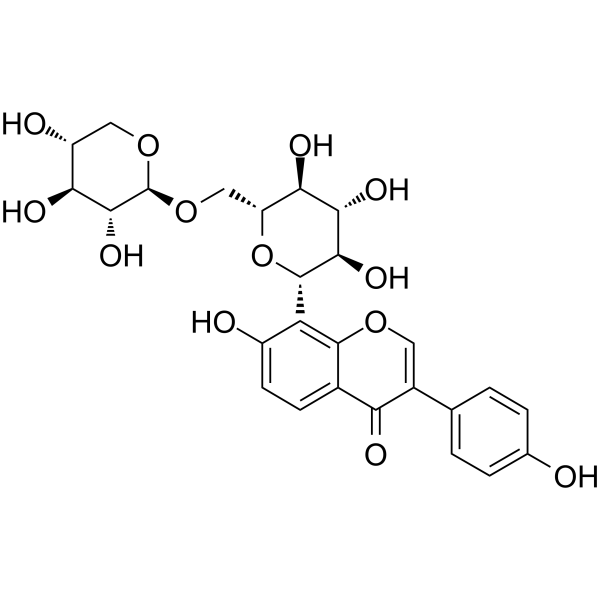
Puerarin 6''-O-Xyloside is one of the major iso-flavones found in P. lobata. Puerarin 6''-O-Xyloside inhibits cancer cells proliferation, induces apoptosis by upregulating cleaved caspase-3, 7, 9, Bax and downregulating Bcl-2 levles and inhibits tumor growth in mice. Puerarin 6''-O-Xyloside has anti-osteoporotic activity in ovariectomized mice. Puerarin 6''-O-Xyloside inhibits mushroom tyrosinase with an IC50 of 513.8 μM. Puerarin 6''-O-Xyloside can be used for the research of human lung carcinoma, osteoporosis, melanosis and melanomar .
loading...
    loading...
Cat. No.: HY-103249
CAS No.: 303957-69-9
Purity:  98.08%
Synonyms: Reutericycline
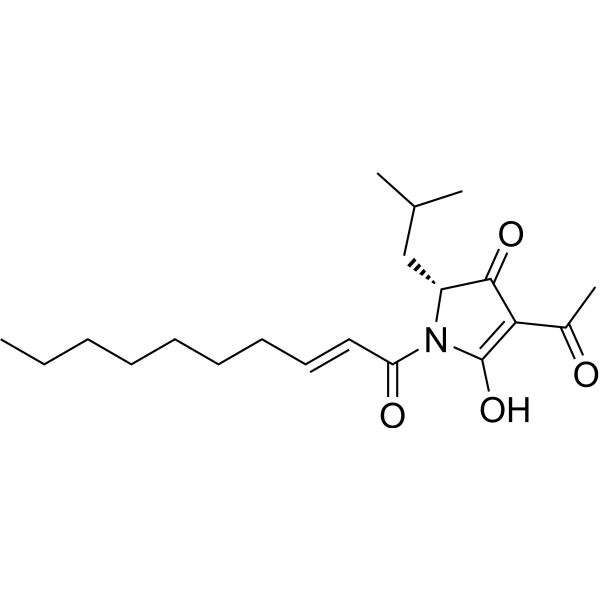
Reutericyclin (Reutericycline) is an orally active antibacterial and anti-obesity agent that selectively inhibits Gram-positive bacteria. By selectively dissipating transmembrane potential, Reutericyclin exerts non-lytic bactericidal or bacteriostatic activity against pathogens such as Clostridium difficile and Staphylococcus aureus, and rapidly kills vegetative cells and spores of Clostridium difficile. Reutericyclin possesses favorable properties including resistance to enzymatic hydrolysis, iron-chelating function, and poor absorption by colonic epithelium. Reutericyclin not only eradicates staphylococcal biofilms and inhibits drug-resistant strains, but also counteracts Risperidone (HY-11018)-induced weight gain by inducing changes in gut microbiota composition and restoring energy utilization efficiency. Reutericyclin can be used in research related to Clostridium difficile infection, Risperidone-induced weight gain, and staphylococcal superficial skin infections .
loading...
    loading...
Cat. No.: HY-N6861
CAS No.: 95311-95-8
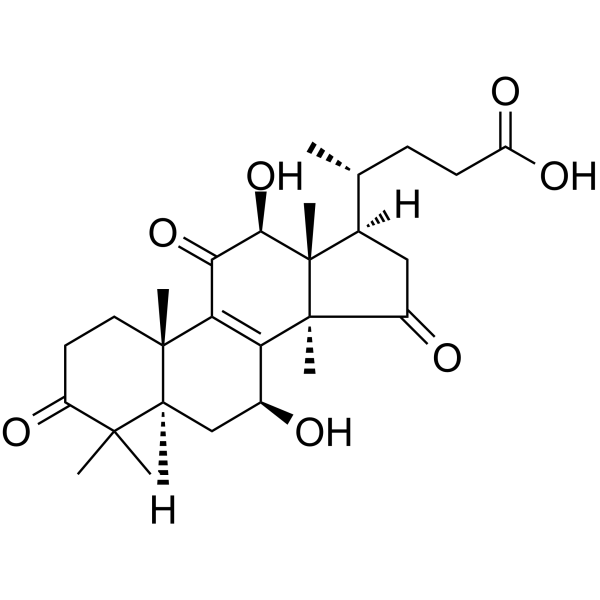
Lucidenic acid B is a triterpenoid compound. Lucidenic acid B inhibits the activities of ERK1/2, AP-1, NF-kB, and IKK, suppresses PMA (Phorbol 12-myristate 13-acetate) (HY-18739)-induced MMP-9 expression and cell invasion, and induces apoptosis in leukemia cells via the mitochondrial pathway. Lucidenic acid B inhibits the growth of various cancer cell lines without affecting normal lymphocytes and does not induce G1 phase arrest or necrosis. Lucidenic acid B can be used in research on hepatocellular carcinoma, human acute promyelocytic leukemia, and skin tumor promotion .
loading...
    loading...
Cat. No.: HY-Y1356
CAS No.: 613-45-6
Research Areas:  

Cancer

2,4-Dimethoxybenzaldehyde is a tumor initiator with genotoxic property. 2,4-Dimethoxybenzaldehyde can induce benign papilloma development and converse to squamous cell carcinoma in the skin of susceptible mouse models. 2,4-Dimethoxybenzaldehyde can be used for skin cancer research .
loading...
    loading...
Cat. No.: HY-P4088
CAS No.: 850859-24-4
Target:  

Inhibitory Antibodies

Research Areas:  

Cancer

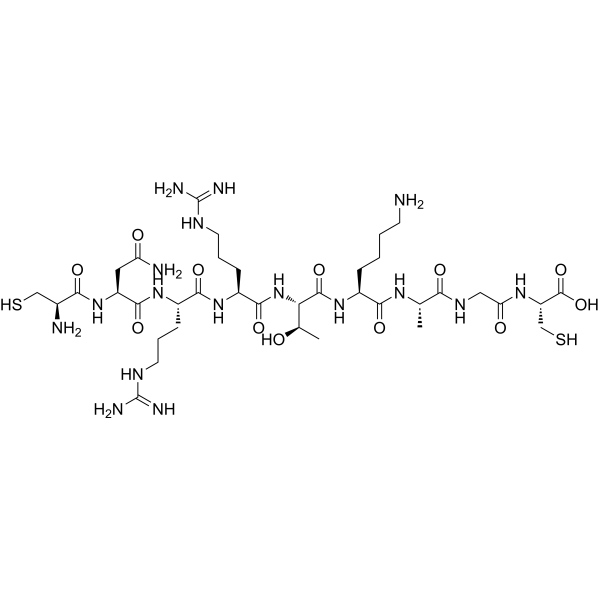
LyP-2 is a peptide that homes to tumor lymphatics. LyP2 homes to lymphatics of C8161 melanomas and cervical carcinomas and K14-HPV16 skin, but not to MDA-MB435 tumors, showing heterogeneity in the molecular markers of tumor cells and lymphatics .
loading...
    loading...
Cat. No.: HY-106364
CAS No.: 68247-85-8
Synonyms: Bleomycin PEP; Pepleomycin
Target:  

Apoptosis Antibiotic

Research Areas:  

Cancer

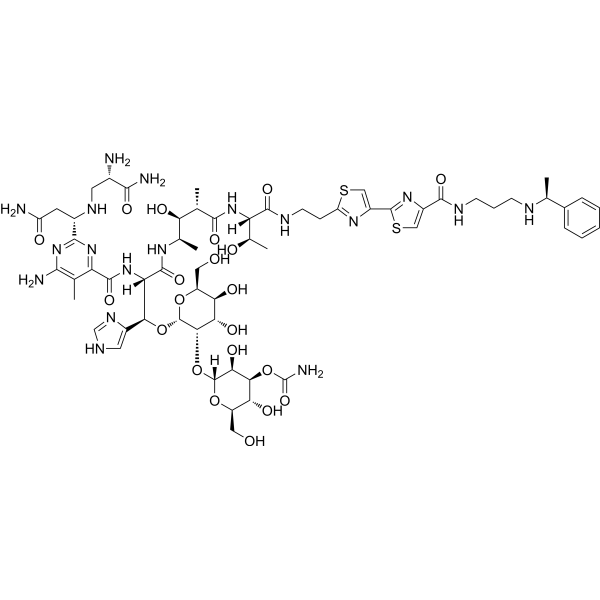
Peplomycin (Bleomycin PEP) is an analog of Bleomycin (HY-108345) and an antitumor antibiotic. Peplomycin exhibits potent antitumor activity and relatively low pulmonary toxicity. Peplomycin can induce various skin abnormalities and trigger apoptosis in SSCKN cells of oral squamous cell carcinoma. Peplomycin can also induce pulmonary fibrosis. Peplomycin is applicable for the research of tumors, pulmonary fibrosis and other related diseases .
loading...
    loading...
Cat. No.: HY-A0169
CAS No.: 33320-16-0
Research Areas:  

Cancer

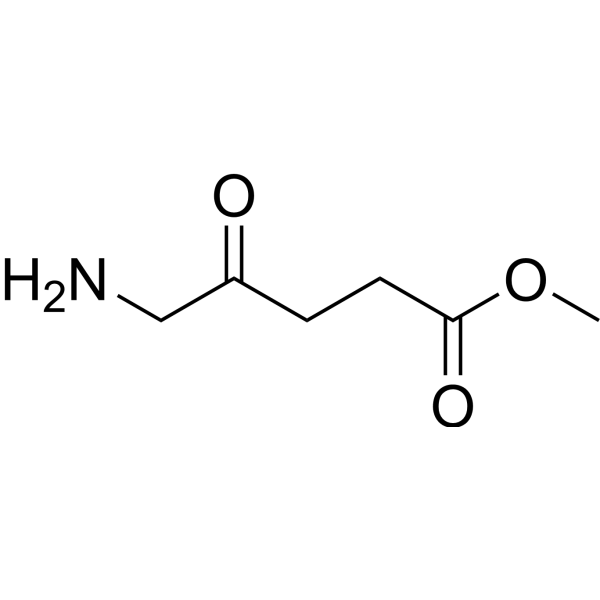
Methyl aminolevulinate is a sensitizer used in photodynamic therapy (PDT). Methyl aminolevulinate penetrates the skin and induces the production of photoactive porphyrins including protoporphyrin IX in cells; upon exposure to appropriate light, it generates ROS, which triggers cellular oxidation and cell death. Methyl aminolevulinate acts as a photo-damage reversing agent through epidermal reconstruction, cytokine-mediated activation of dermal fibroblasts, elastin breakdown, new collagen formation, and compression of dilated capillaries. Methyl aminolevulinate reduces the expression of the proliferation marker Ki-67 and the early skin carcinogenesis marker TP53. Methyl aminolevulinate delays the onset of ultraviolet-induced skin tumors and reduces tumor burden in hairless mice. Methyl aminolevulinate is applicable to research related to actinic keratosis and basal cell carcinoma .
loading...
    loading...
Cat. No.: HY-182785
Target:  

Photosensitizer

Research Areas:  

Cancer

Photosensitizer-10 is a glutathione (GSH)-activatable photosensitizer. Photosensitizer-10 shows minimal photoactivity in the absence of glutathione, and generates a highly active species upon reaction with glutathione to induce photo-cytotoxicity. Photosensitizer-10 exhibits selective photo-cytotoxicity toward cancer cells with elevated intracellular glutathione levels while sparing normal cells. Photosensitizer-10 can be used for the research of cancer, such as lung carcinoma and skin carcinoma .
loading...
    loading...
Cat. No.: HY-W887123
CAS No.: 69113-01-5
Target:  

Others

Research Areas:  

Cancer

N-nitroso-tris-chloroethylurea (NTCU) can be used for chemically inducing a lung squamous cell carcinoma model. Lung squamous cell carcinoma can be induced in five mouse strains (SWR/J, NIH Swiss, A/J, BALB/cJ, and FVB/J) by applying N-nitroso-tris-chloroethylurea to the skin, but not in the other three strains (AKR/J, 129/svJ, and C57BL/6J) .
loading...
    loading...
Cat. No.: HY-185854
CAS No.: 3115940-40-1
Research Areas:  

Cancer

BRD4 degrader-8 is a BRD4-targeting degrader. BRD4 degrader-8 induces degradation of BRD4 protein via the ubiquitin-proteasome pathway. BRD4 degrader-8 can be used for the research of hematologic tumors, gastrointestinal stromal tumors, histiocytic lymphoma, non-small cell lung cancer, small cell lung cancer, lung adenocarcinoma, lung squamous cell carcinoma, pancreatic cancer, breast cancer, prostate cancer, liver cancer, skin cancer, epithelial cell carcinoma, colorectal cancer, kidney cancer, gastric cancer, head and neck cancer, nasopharyngeal cancer .
loading...
    loading...
Cat. No.: HY-A0169AR
CAS No.: 79416-27-6
Methyl aminolevulinate hydrochloride (Standard) is the analytical standard of Methyl aminolevulinate hydrochloride. This product is intended for research and analytical applications. Methyl aminolevulinate hydrochloride is a sensitizer used in photodynamic therapy (PDT). Methyl aminolevulinate hydrochloride penetrates the skin and induces the production of photoactive porphyrins including protoporphyrin IX in cells; upon exposure to appropriate light, it generates ROS, which triggers cellular oxidation and cell death. Methyl aminolevulinate hydrochloride acts as a photo-damage reversing agent through epidermal reconstruction, cytokine-mediated activation of dermal fibroblasts, elastin breakdown, new collagen formation, and compression of dilated capillaries. Methyl aminolevulinate hydrochloride reduces the expression of the proliferation marker Ki-67 and the early skin carcinogenesis marker TP53. Methyl aminolevulinate hydrochloride delays the onset of ultraviolet-induced skin tumors and reduces tumor burden in hairless mice. Methyl aminolevulinate hydrochloride is applicable to research related to actinic keratosis and basal cell carcinoma .
loading...
    loading...
Cat. No.: HY-106364A
CAS No.: 70384-29-1
Synonyms: Bleomycin PEP sulfate; Pepleomycin sulfate
Target:  

Apoptosis Antibiotic

Research Areas:  

Infection Cancer

Peplomycin (Bleomycin PEP) sulfate is an analog of Bleomycin (HY-108345) and an antitumor antibiotic. Peplomycin sulfate exhibits potent antitumor activity and relatively low pulmonary toxicity. Peplomycin sulfate can induce various skin abnormalities and trigger apoptosis in SSCKN cells of oral squamous cell carcinoma. Peplomycin sulfate can also induce pulmonary fibrosis. Peplomycin sulfate is applicable for the research of tumors, pulmonary fibrosis and other related diseases .
loading...
    loading...
Cat. No.: HY-184827
CAS No.: 871544-55-7
Target:  

Drug Intermediate

Research Areas:  

Cancer

1-(2-Chloroacetyl)-3-(2,3-dimethylphenyl) urea is an anticancer agent. 1-(2-Chloroacetyl)-3-(2,3-dimethylphenyl) urea inhibits the growth of colon cancer, cutaneous melanoma and breast cancer. 1-(2-Chloroacetyl)-3-(2,3-dimethylphenyl) urea can be used in the research of colon cancer, cutaneous melanoma and breast cancer .
loading...
    loading...

