
1. Search Result
Search Result
Results for "

toxic effects

" in MedChemExpress (MCE) Product Catalog:

257

Inhibitors & Agonists

6

Screening Libraries

6

Fluorescent Dye

11

Biochemical Assay Reagents

9

Peptides

1

Inhibitory Antibodies

46

Natural
Products

26

Isotope-Labeled Compounds

2

Click Chemistry

5

Oligonucleotides

Cat. No. Product Name Target Research Areas Chemical Structure
  • HY-Y0320C
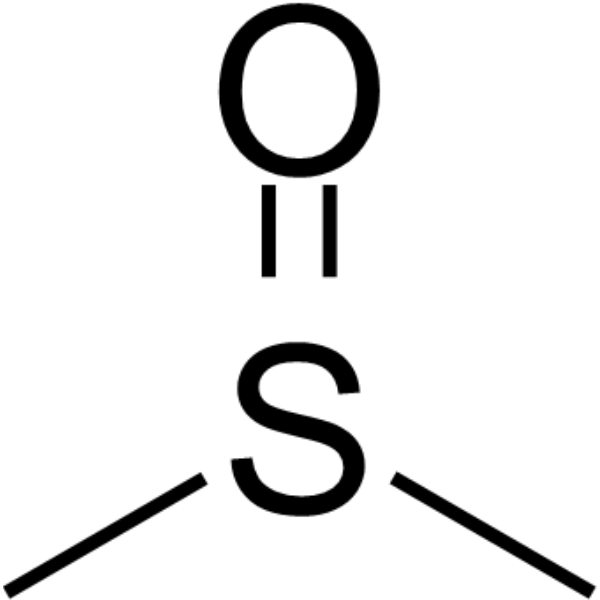
    Dimethyl sulfoxide
    30+ Cited Publications

    DMSO

    Environmental Pollutants Bacterial Cholinesterase (ChE) Inflammation/Immunology
    Dimethyl sulfoxide (DMSO) is an aprotic solvent that can dissolve water-insoluble therapeutic and toxic agents. Dimethyl sulfoxide (DMSO) has a strong affinity for water and has the ability to rapidly penetrate or enhance the penetration of other substances through biological membranes. Dimethyl sulfoxide also has potential free radical scavenging and anticholinesterase effects and may affect coagulation activity. Dimethyl sulfoxide also induces histamine release from mast cells but is thought to have low systemic toxicity .
    Low endotoxin, can be used in various biochemical experiments such as drug dissolution.
    Dimethyl sulfoxide
  • HY-128612
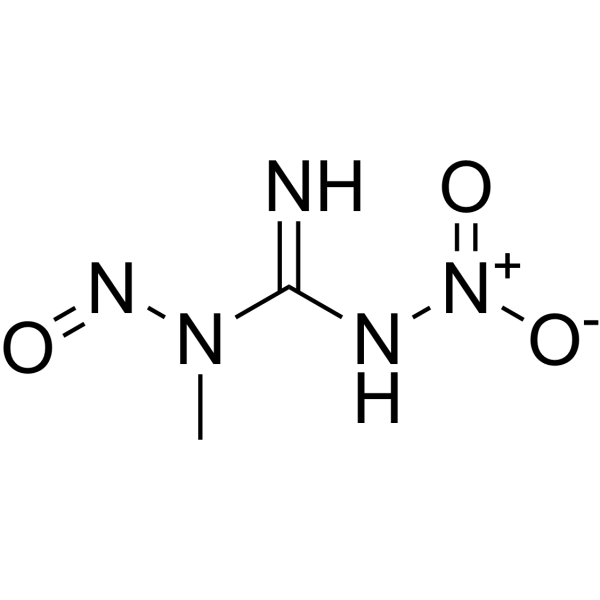
    Methylnitronitrosoguanidine
    10+ Cited Publications

    MNNG

    DNA Alkylator/Crosslinker Cancer
    Methylnitronitrosoguanidine (MNNG) is an orally active alkylating agent with toxic and mutagenic effects. Methylnitronitrosoguanidine can as a carcinogen and mutagen . 50% water content, specifications are based on dry weight.
    Methylnitronitrosoguanidine
  • HY-B1945
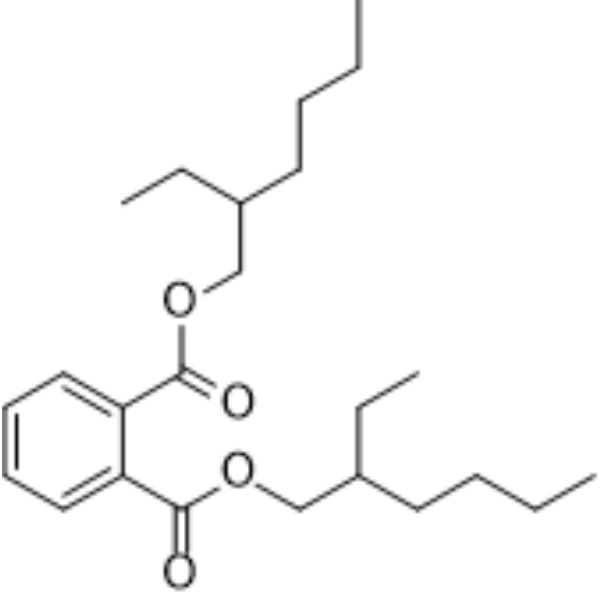
    DEHP
    Maximum Cited Publications
    10 Publications Verification

    Bis(2-ethylhexyl) phthalate; Ergoplast FDO; ESBO-D 82

    Environmental Pollutants Endogenous Metabolite Metabolic Disease
    DEHP (Bis(2-ethylhexyl) phthalate) is a widely used plasticizer, which has orally active. DEHP can produce a wide spectrum of toxic effects on organisms including neurotoxicity, liver toxicity, immunotoxicity, and reproductive toxicity .
    DEHP
  • HY-138171
    Lipid 5
    3 Publications Verification

    Liposome Others
    Lipid 5 is an amino lipid that affords efficient mRNA delivery in rodent and primate models. Lipid 5 shows optimal pharmacokinetics and non-toxic side effects .
    Lipid 5
  • HY-103447
    Zearalenone
    Maximum Cited Publications
    10 Publications Verification

    Mycotoxin F2; Toxin F2

    Estrogen Receptor/ERR Others
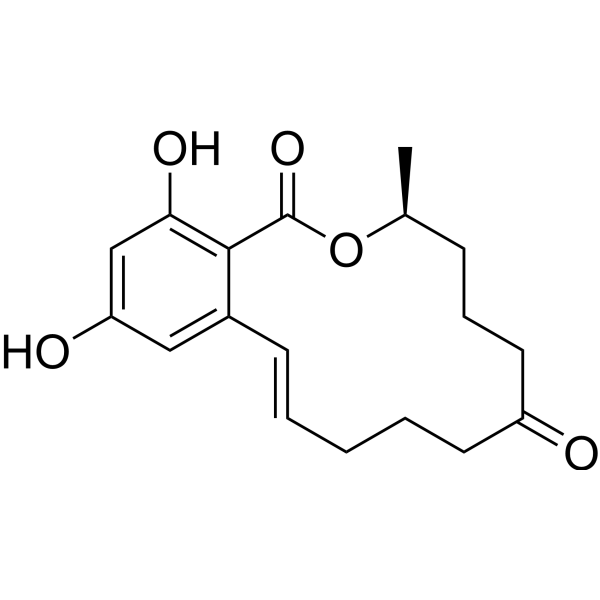
    Zearalenone is a mycotoxin produced mainly by fungi belonging to the genus Fusarium in foods and feeds. Possess oestrogenic activity in pigs, cattle and sheep, with low acute toxicity. Causes precocious development of mammae and other estrogenic effects in young gilts .
    Zearalenone
  • HY-Y0304
    Dibutyl phthalate
    Maximum Cited Publications
    10 Publications Verification

    Environmental Pollutants Neurological Disease Cancer
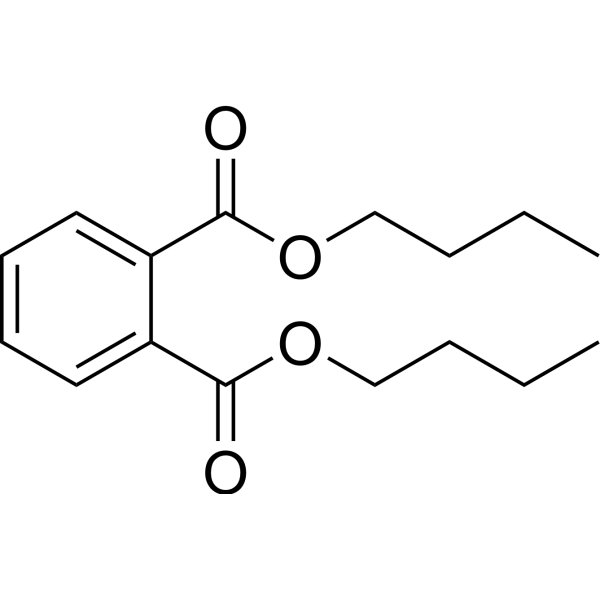
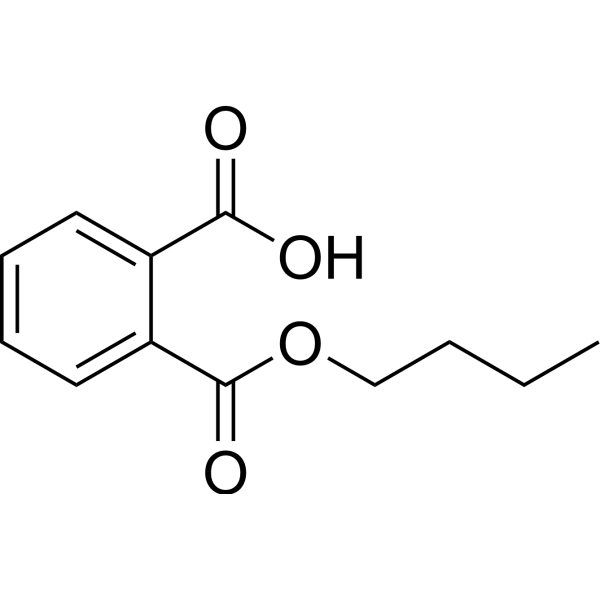
    Dibutyl phthalate is a commonly used plasticizer commonly found in some food packaging materials, personal care products, and the coating of oral medications . May cause toxicity and adverse neurobehavioral effects .
    Dibutyl phthalate
  • HY-13679
    Sodium 2-mercaptoethanesulfonate
    2 Publications Verification

    Mesnum

    Glutathione Peroxidase Cancer
    Mesna (Sodium 2-mercaptoethanesulfonate) is an antioxidant which has cytoprotective effects. Mesna is widely used as a systemic protective agent against chemotherapy toxicity. Mesna is also used to reduce hemorrhagic cystitis induced by cyclophosphamide .
    Sodium 2-mercaptoethanesulfonate
  • HY-13667
    Levoleucovorin Calcium
    3 Publications Verification

    Calcium levofolinate; CL307782

    Antifolate Cancer
    Levoleucovorin Calcium (Calcium levofolinate) is the active form of calcium Folinic acid (HY-13664) and has anti-tumor effects. Levoleucovorin Calcium is also a potentiator of the anti-cancer toxicity of 5-Fluorouracil (HY-90006) .
    Levoleucovorin Calcium
  • HY-126373

    SN-38G

    Drug Metabolite Cancer
    SN-38 glucuronide is an inactive metabolite of the anticancer active molecule Irinotecan (HY-16562) and has toxic effects on the gastrointestinal tract. Irinotecan is a topoisomerase I inhibitor which can be used for researching colon and rectal cancer .
    SN-38 glucuronide
  • HY-101559

    CXA-10; 10-Nitrooleate

    Endogenous Metabolite Inflammation/Immunology
    10-Nitrooleic acid (CXA-10), a nitro fatty acid, has potential effects in disease states in which oxidative stress, inflammation, fibrosis, and/or direct tissue toxicity play significant roles .
    10-Nitrooleic acid
  • HY-108065A
    3'-Sialyllactose sodium
    1 Publications Verification

    3'-SL sodium

    NF-κB Inflammation/Immunology
    3'-Sialyllactose (3'-SL) sodium is a prebiotic, maintains immune homeostasis and exerts anti-inflammatory and anti-arthritic effects. 3'-Sialyllactose sodium is an ordinary carbohydrate with the lowest toxicity rating, it can be used for the research of inflammation .
    3'-Sialyllactose sodium
  • HY-B1066
    Butylhydroxyanisole
    5 Publications Verification

    Butylated hydroxyanisole; E320

    Environmental Pollutants Reactive Oxygen Species (ROS) Ferroptosis Neurological Disease Inflammation/Immunology
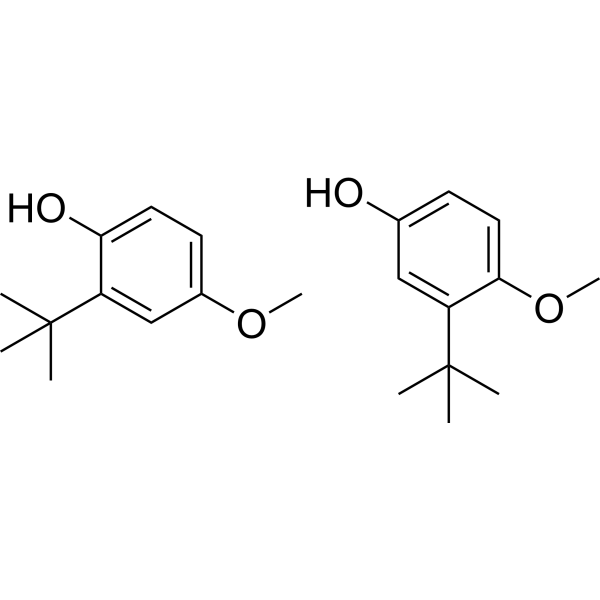
    Butylhydroxyanisole (Butylated hydroxyanisole) is an antioxidant used as a food additive preservative. Butylhydroxyanisole mediates liver toxicity, retardation in reproductive organ development and learning, and sleep deficit. Butylhydroxyanisole exerts neurotoxic effects and leads to disruption of the brain and nerve development . Butylhydroxyanisole is a ferroptosis inducer .
    Butylhydroxyanisole
  • HY-W018025

    Bacterial Fungal Parasite Endogenous Metabolite Infection Inflammation/Immunology
    5,6-Dihydroxyindole, a melanin precursor, has a broad-spectrum antibacterial, antifungal, antiviral, antiparasitic activity. 5,6-Dihydroxyindole has cytotoxic effects and is strongly toxic against various pathogens .
    5,6-Dihydroxyindole
  • HY-N6746

    NSC 186

    Bacterial Fungal Endogenous Metabolite Apoptosis Infection Neurological Disease Cancer
    Citrinin (NSC 186) is a mycotoxin that causes food contamination and has different toxic effects. Citrinin is an effective oral anticancer agent. Citrinin has various regulatory effects on mouse immune system, including regulating the number of immune cells, inducing apoptosis and autophagy of immune cells, altering toll-like receptor expression and cytokine production. Citrinin can induce oxidative stress and lead to early apoptosis of oocytes. Low doses of Citrinin have neuroprotective effects against glutamate-induced excitotoxicity in rat cortical neurons. In addition, Citrinin also has antibacterial activity .
    Citrinin
  • HY-B1024
    DL-Panthenol
    1 Publications Verification

    DL-Pantothenol; DL-Pantothenyl alcohol

    Biochemical Assay Reagents Inflammation/Immunology
    DL-Panthenol (DL-Pantothenol) is a precursor of pantothenic acid. DL-Panthenol easily penetrates the skin and has effects of deep moisturizing, promoting wound healing and anti-inflammation. DL-Panthenol can also be used as a hair conditioner in cosmetics. DL-Panthenol has low acute toxicity, non-sensitizing property, and no significant genotoxicity or reproductive and developmental toxicity. DL-Panthenol can be applied to the research of cosmetics .
    DL-Panthenol
  • HY-W011602

    Environmental Pollutants Biochemical Assay Reagents Neurological Disease
    Triethyl citrate is an orally active citrate compound. Triethyl citrate induces acute toxic effects, including weakness, depression, ataxia, hyperexcitability, restlessness, dripping urine, and irregular, labored breathing. Triethyl citrate can be used in research on plasticizers for food packaging materials .
    Triethyl citrate
  • HY-115584

    Environmental Pollutants Parasite Infection
    Lufenuron is an orally active lipophilic benzoylurea insecticide and a chitin synthesis inhibitor that can used for flea and fish lice control. Lufenuron inhibits moulting of arthropods. Lufenuron induces reproductive toxicity, genotoxic effects and oxidative stresses in pregnant albino rats and their fetuses .
    Lufenuron
  • HY-115400
    1V209
    4 Publications Verification

    TLR7 agonist T7

    Toll-like Receptor (TLR) Cancer
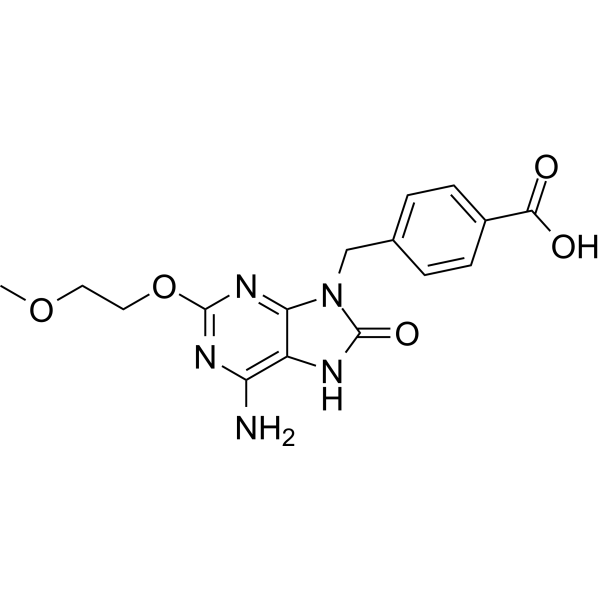
    1V209 (TLR7 agonist T7) is a Toll-like receptor 7 (TLR7) agonist and has anti-tumor effects. 1V209 can be conjugated with various polysaccharides to improve its water solubility, and enhance its efficacy, and maintain low toxicity .
    1V209
  • HY-76547
    p-Toluic acid
    1 Publications Verification

    4-Methylbenzoic acid

    Endogenous Metabolite Metabolic Disease
    p-Toluic acid (4-Methylbenzoic acid), coumarin, is a substituted benzoic acid. p-Toluic acidis synthetic p-aminomethylbenzoic acid (PAMBA), intermediates such as p-toluonitrile. p-Toluic acidMay have potential reproductive toxicity, press 1g/kgRepeated administration of doses can produce a variety of adverse effects on the epididymis .
    p-Toluic acid
  • HY-N6786

    Endogenous Metabolite Metabolic Disease
    Ochratoxin B is an orally active secondary metabolite of Aspergillus ochraceus and non-chlorinated analog of the mycotoxin Ochratoxin A. Ochratoxin B reduces the toxic effects of Ochratoxin A (HY-N6788). Ochratoxin B inhibits cell division. Ochratoxin B causes craniofacial malformations in Xenopus laevis embryos .
    Ochratoxin B
  • HY-103640
    Amifostine thiol dihydrochloride
    1 Publications Verification

    WR-1065 dihydrochloride

    MDM-2/p53 Cancer
    Amifostine thiol (WR-1065) dihydrochloride can protect normal tissues from the toxic effects of certain cancer agents and activate p53 through a JNK-dependent signaling pathway.
    Amifostine thiol dihydrochloride
  • HY-B1022
    Dimesna
    1 Publications Verification

    BNP-7787

    Drug Derivative Endocrinology Cancer
    Dimesna (BNP-7787), the disulfide form of Mesna (HY-13679), is a platinum-related toxicity protective agent. Dimesna converts to Mesna, which in turn inactivates toxic platinum substances. Dimesna does not interfere with the antitumor activity of platinum compounds. Dimesna does not affect the antiproliferative effects of Cisplatin (HY-17394) or Carboplatin (HY-17393). Dimesna counteracts Cisplatin-induced nephrotoxicity. Dimesna exerts selective protective effects on the kidneys. Dimesna can be used in studies related to ovarian cancer and Cisplatin-induced nephrotoxicity .
    Dimesna
  • HY-Y1366

    Mitochondrial Metabolism Reactive Oxygen Species (ROS) Arp2/3 Complex Apoptosis Inflammation/Immunology
    Hydroxyacetone is a toxic compound. Hydroxyacetone can be isolated from e-cigarette aerosols. Hydroxyacetone reduces the activity of cellular Mitochondrial reductase (with an IC50 of 5.53 mg/mL for mitochondrial reductase in BEAS-2B cells) and increases ROS levels. Hydroxyacetone induces mitochondrial stress and oxidative damage. Hydroxyacetone induces destabilization of F-actin. At high concentrations, Hydroxyacetone promotes cell rounding and Apoptotic body formation. Hydroxyacetone exerts toxic effects on cells including airway epithelial cells and possesses respiratory toxicity potential .\n


    Hydroxyacetone
  • HY-21197

    Perfluoroheptanoic acid; Tridecafluoroheptanoic acid; PFHpA

    PPAR Neurological Disease Metabolic Disease Inflammation/Immunology
    Perfluoroenanthic acid (Perfluoroheptanoic acid) is a kind of perfluoroalkyl carboxylic acid organic pollutant. Perfluoroenanthic acid has environmental persistence and bioaccumulation, and exposure can occur via oral, dermal and other routes. Perfluoroenanthic acid exhibits reproductive toxicity, neurotoxicity, hepatotoxicity, immunotoxicity and endocrine-disrupting effects. Perfluoroenanthic acid exerts definite adverse effects on development, spermatogenesis, neuronal activity and liver tissue .
    Perfluoroenanthic acid
  • HY-108065

    3'-SL

    NF-κB Inflammation/Immunology
    3'-Sialyllactose (3'-SL) is a prebiotic, maintains immune homeostasis and exerts anti-inflammatory and anti-arthritic effects. 3'-Sialyllactose is an ordinary carbohydrate with the lowest toxicity rating, it can be used for the research of inflammation .
    3'-Sialyllactose
  • HY-146682

    Aldehyde Dehydrogenase (ALDH) Apoptosis Cancer
    KS100 is a potent ALDH inhibitor with IC50s of 230, 1542, 193 nM for ALDH1A1, ALDH2, and ALDH3A1, respectively. KS100 shows antiproliferative and anticancer effects with low low toxic. KS100 significantly increases ROS activity, lipid peroxidation and toxic aldehyde accumulation. KS10600 induces apoptosis and cell cycle arrest at the G2/M phase .
    KS100
  • HY-146683

    Aldehyde Dehydrogenase (ALDH) Apoptosis Cancer
    KS106 is a potent ALDH inhibitor with IC50s of 334, 2137, 360 nM for ALDH1A1, ALDH2, and ALDH3A1, respectively. KS106 shows antiproliferative and anticancer effects with low low toxic.KS106 significantly increases ROS activity, lipid peroxidation and toxic aldehyde accumulation. KS106 induces apoptosis and cell cycle arrest at the G2/M phase .
    KS106
  • HY-B2015

    Environmental Pollutants Insecticide Parasite Cholinesterase (ChE) Infection
    Carbosulfan is an orally active AChE inhibitor that hydrolyzes to Carbofuran in organisms to exert insecticidal effects. Carbosulfan exhibits broad-spectrum insecticidal activity, and it also induces severe oxidative stress by enhancing lipid peroxidation and impairing the antioxidant defense system. Carbosulfan causes reproductive toxicity in male rats and developmental disorders in their offspring. Carbosulfan shows persistence in paddy field environments and potential hazards to non-target organisms, and it is commonly used in studies related to reproductive toxicity and environmental risk assessment .
    Carbosulfan
  • HY-Y0304S1

    Isotope-Labeled Compounds Cancer
    Dibutyl phthalate-d22 is the deuterium labeled Dibutyl phthalate . Dibutyl phthalate is a commonly used plasticizer commonly found in some food packaging materials, personal care products, and the coating of oral medications. May cause toxicity and adverse neurobehavioral effects .
    Dibutyl phthalate-d22
  • HY-B1945R
    DEHP (Standard)
    1 Publications Verification

    Bis(2-ethylhexyl) phthalate (Standard); Ergoplast FDO (Standard); ESBO-D 82 (Standard)

    Reference Standards Endogenous Metabolite Metabolic Disease
    DEHP (Standard) is the analytical standard of DEHP. This product is intended for research and analytical applications. DEHP (Bis(2-ethylhexyl) phthalate) is a widely used plasticizer, which has orally active. DEHP can produce a wide spectrum of toxic effects on organisms including neurotoxicity, liver toxicity, immunotoxicity, and reproductive toxicity .
    DEHP (Standard)
  • HY-Y0320E

    Cholinesterase (ChE) Bacterial Infection Inflammation/Immunology Cancer
    Dimethyl sulfoxide (suitable for HPLC) is an aprotic solvent that can dissolve water-insoluble therapeutic and toxic agents. Dimethyl sulfoxide (DMSO) has a strong affinity for water and has the ability to rapidly penetrate or enhance the penetration of other substances through biological membranes. Dimethyl sulfoxide also has potential free radical scavenging and anticholinesterase effects and may affect coagulation activity. Dimethyl sulfoxide also induces histamine release from mast cells but is thought to have low systemic toxicity. Dimethyl sulfoxide (suitable for HPLC) is suitable for HPLC .
    Dimethyl sulfoxide (suitable for HPLC)
  • HY-18941C
    Eglumegad hydrochloride
    4 Publications Verification

    LY354740 hydrochloride; Eglumetad hydrochloride

    mGluR Neurological Disease
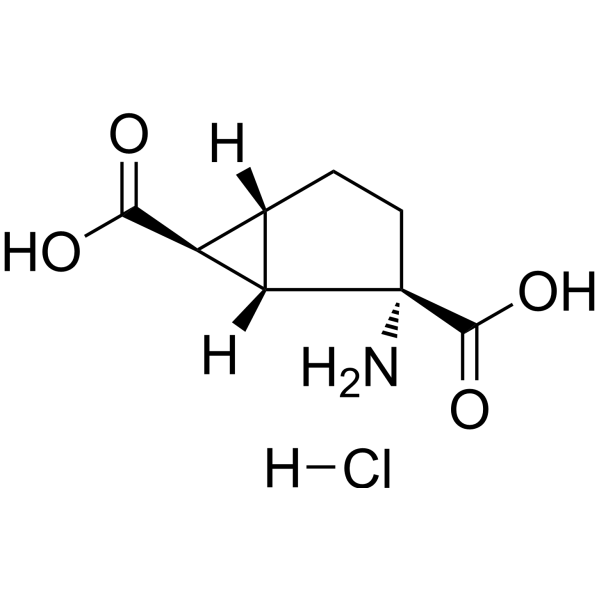
    Eglumegad (LY354740) hydrochloride is a highly potent and selective group II (mGlu2/3) receptor agonist with IC50s of 5 and 24 nM on transfected human mGlu2 and mGlu3 receptors, respectively. Eglumegad hydrochloride protects neurons from NMDA toxicity. Eglumegad hydrochloride has anxiolytic- and antipsychotic-like effects .
    Eglumegad hydrochloride
  • HY-13714

    AG 337 free base

    Antifolate Others
    Nolatrexed (AG 337 free base) is a compound with antifolate activity, high oral bioavailability, and major toxicity at inhibitory doses is gastrointestinal reactions. It can be safely taken orally at specific doses for inhibition, with effects on platelets and neutrophils.
    Nolatrexed
  • HY-141569

    Toll-like Receptor (TLR) Inflammation/Immunology
    Ganglioside GD1a modulates toxic and inflammatory effects of E. coli lipopolysaccharide by preventing TLR4 translocation into lipid rafts. Ganglioside GD1a significantly reduces the effect of LPS on the decrease of cell survival and on stimulation of reactive oxygen species production .
    Ganglioside GD1a
  • HY-124136
    WYC-209
    1 Publications Verification

    RAR/RXR Apoptosis Autophagy Cancer
    WYC-209, a synthetic retinoid, is a retinoic acid receptor (RAR) agonist. WYC-209 induces apoptosis primarily via the caspase 3 pathway (IC50=0.19 μM for inmalignant murine melanoma TRCs), and has long-term effects with little toxicity .
    WYC-209
  • HY-Y0304S
    Dibutyl phthalate-3,4,5,6-d4
    1 Publications Verification

    Isotope-Labeled Compounds Neurological Disease Cancer
    Dibutyl phthalate-3,4,5,6-d4 is the deuterium labeled Dibutyl phthalate. Dibutyl phthalate is a commonly used plasticizer commonly found in some food packaging materials, personal care products, and the coating of oral medications . May cause toxicity and adverse neurobehavioral effects .
    Dibutyl phthalate-3,4,5,6-d4
  • HY-B1970

    2,4'-DDT

    Insecticide Estrogen Receptor/ERR Endocrinology
    o,p'-DDT (2,4'-DDT) is a chlorinated organic pesticide with estrogenic activity. o,p'-DDT is persistent in the environment, can accumulate in organisms and disrupt the endocrine system. o,p'-DDT is used in agriculture as a pesticide, especially for controlling insect pests. The use of o,p'-DDT has led to toxic effects in organisms, raising widespread concern about its environmental and health effects. o,p'-DDT has also led to research into its long-term effects in ecosystems .
    o,p'-DDT
  • HY-103447S

    Isotope-Labeled Compounds Others
    (Rac)-Zearalenone-d6 is the deuterium labled Zearalenone (HY-103447). Zearalenone is a mycotoxin produced mainly by fungi belonging to the genus Fusarium in foods and feeds. Possess oestrogenic activity in pigs, cattle and sheep, with low acute toxicity. Causes precocious development of mammae and other estrogenic effects in young gilts .
    (Rac)-Zearalenone-d6
  • HY-W088190

    Cyclohexyl ketone

    Drug Intermediate Biochemical Assay Reagents Others
    Dicyclohexyl ketone (Cyclohexyl ketone) is a toxic compound that causes toxic effects in rats at high doses, including death, decreased activity, staining of the fur on the lower body, reddening of the tears, and reproductive and developmental effects.
    Dicyclohexyl ketone
  • HY-172972

    Mitochondrial Metabolism Neurological Disease Inflammation/Immunology
    Mitochondrial-IN (C458) is a potent mitochondrial complex I inhibitor. Mitochondrial-IN demonstrates high protection against Aβ toxicity, favorable pharmacokinetics, and minimal off-target effects .
    Mitochondrial-IN-1
  • HY-144368

    TNF Receptor Inflammation/Immunology
    CO delivery molecule 1 (compound 4) localizes to the endoplasmic reticulum, mitochondria, and lysosomes. Subcellular localization of CO delivery molecule 1 results in CO-induced toxicity effects. Anti-inflammatory effects of CO delivery molecule 1, as measured by TNF-α suppression, occur at the nanomolar level in the absence of CO release, and are enhanced with visible-light-induced CO release .
    CO delivery molecule 1
  • HY-161515

    NAMPT Epigenetic Reader Domain Cancer
    BRD4/NAMPT-IN-1 (Compound A2) shows strong inhibitory effects on NAMPT and BRD4 (IC50=35 nM (NAMPT) and 58 nM (BRD4)). BRD4/NAMPT-IN-1 inhibits the growth and migration of hepatocellular carcinoma cells and promotes apoptosis. BRD4/NAMPT-IN-1 also shows potent anticancer effects in HCCLM3 xenograft mouse model, with no obvious toxic effects .
    BRD4/NAMPT-IN-1
  • HY-124021

    Aryl Hydrocarbon Receptor Others
    Benzyl 2-naphthyl ether is a compound mentioned in the study of the effects of aromatic sensitizers on zebrafish embryos. It can cause morphological abnormalities and changes in gene expression in zebrafish embryos. Its toxicity mechanism is partly related to AHR, and there may be other mechanisms independent of AHR.
    Benzyl 2-naphthyl ether
  • HY-B0317F

    Calcium Channel Infection
    Amlodipine hydrochloride is a biologically active drug used to lower blood pressure and prevent chest pain. Amlodipine hydrochloride has shown synergistic effects with antimicrobial drugs in in vitro studies, especially against carbene peptide-resistant Acinetobacter baumannii. Amlodipine hydrochloride can be used in combination with other antibiotics to enhance the inhibitory effect against resistant bacteria. The use of amlodipine hydrochloride helps reduce the dosage requirements of the drug, reduce toxic effects, and delay the emergence of drug resistance .
    Amlodipine hydrochloride
  • HY-144653

    PDGFR Apoptosis Cancer
    PDGFR-IN-1 (compound 7m) is a potent and orally active PDGFR (platelet-derived growth factor receptor) inhibitor, with IC50 values of 2.4 and 0.9 nM for PDGFRα and PDGFRβ, respectively. PDGFR-IN-1 displays robust antitumor effects and low toxicity, and can be used to study osteosarcoma .
    PDGFR-IN-1
  • HY-103447R

    Mycotoxin F2(Standard); Toxin F2 (Standard)

    Reference Standards Estrogen Receptor/ERR Others
    Zearalenone (Standard) is the analytical standard of Zearalenone. This product is intended for research and analytical applications. Zearalenone is a mycotoxin produced mainly by fungi belonging to the genus Fusarium in foods and feeds. Possess oestrogenic activity in pigs, cattle and sheep, with low acute toxicity. Causes precocious development of mammae and other estrogenic effects in young gilts .
    Zearalenone (Standard)
  • HY-137005

    Topoisomerase Apoptosis Cancer
    CS1 is a potent DNA Topo II α inhibitor. CS1 displays broad-spectrum in vitro antitumor effects, low toxicity in vivo and potential anti-multidrug resistance capabilities. CS1 leads to DNA damage, cell cycle arrest at G2/M phase and apoptosis .
    CS1
  • HY-103447R1

    Mycotoxin F2 in Acetonitrile (Standard); Toxin F2 in Acetonitrile (Standard)

    Reference Standards Estrogen Receptor/ERR Others
    Zearalenone in Acetonitrile (Standard) is the solution of Zearalenone (Standard) . This product is intended for research and analytical applications. Zearalenone is a mycotoxin produced mainly by fungi belonging to the genus Fusarium in foods and feeds. Possess oestrogenic activity in pigs, cattle and sheep, with low acute toxicity. Causes precocious development of mammae and other estrogenic effects in young gilts .
    Zearalenone in Acetonitrile (Standard)
  • HY-120743

    Biochemical Assay Reagents Metabolic Disease
    Triplin is a copper chelator, Triplin perturbs copper ion transport involved in the interaction of RAN1 and ATX1. Triplin suppresses the toxic effects of excess copper ions on plant root growth. Triplin increases the RNA expression of ERF1. Triplin acts through the ethylene signal transduction pathway. Triplin also is a bacterial pore-former .
    Triplin
  • HY-145432

    PI3K Cancer
    PI3K-IN-28 (Compound 6c) is a potent inhibitor of PI3K. PI3K-IN-28 displays the most potent activity with lower toxic effects on MCF-10a. PI3K-IN-28 displays half-maximal inhibitory concentration (IC50, μM) values of 5.8, 2.3, and 7.9. PI3K-IN-28 is the most potent one with a selectivity index (SI) of 39 and is considered as a latent lead for further optimization of anticancer agents .
    PI3K-IN-28

Inquiry Online

Your information is safe with us. * Required Fields.

Salutation


Country or Region *

Applicant Name *


Organization Name *

Department *


Email Address *


Product Name *

Cat. No.


Requested quantity *

Phone Number *


Remarks

Inquiry Online

Inquiry Information

Product Name:
Cat. No.:
Quantity:
MCE Japan Authorized Agent:

