
46 Results for "

unbinding force

" in MedChemExpress (MCE) Product Catalog:
Products (46)

46 Results for "unbinding force" in MCE Product Catalog:

4
4 Cited Publications
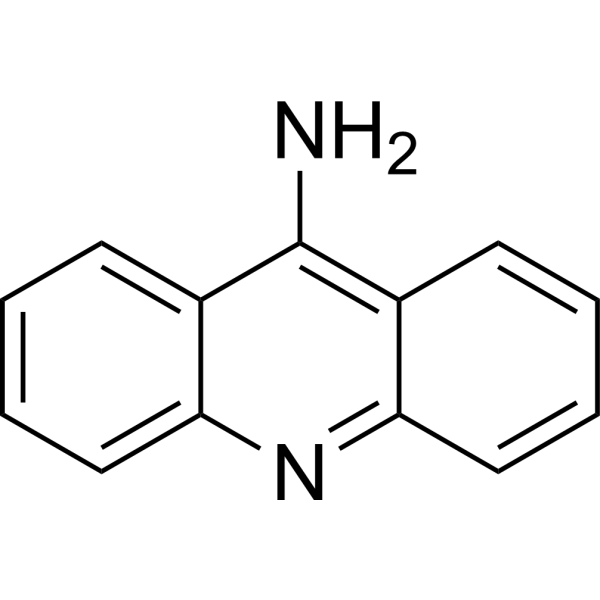
Cat. No.: HY-B1422
CAS No.: 90-45-9
Synonyms: Aminacrine
9-Aminoacridine, a fluorescent probe, acts as an indicator of pH for quantitative determination of transmembrane pH gradients (inside acidic). 9-Aminoacridine is an antimicrobial. 9-Aminoacridine exerts its antimicrobial activity by interacting with specific bacterial DNA and disrupting the proton motive force in K. pneumoniae. 9-Aminoacridine is a HIV-1 inhibitor and inhibits HIV LTR transcription highly dependent on the presence and location of the amino moiety. 9-Aminoacridine inhibits virus replication in HIV-1 infected cell lines. 9-Aminoacridine is used as a Rifampin (RIF; HY-B0272) adjuvant for the multidrug-resistant K. pneumoniae infections .
loading...
    loading...
3
3 Cited Publications
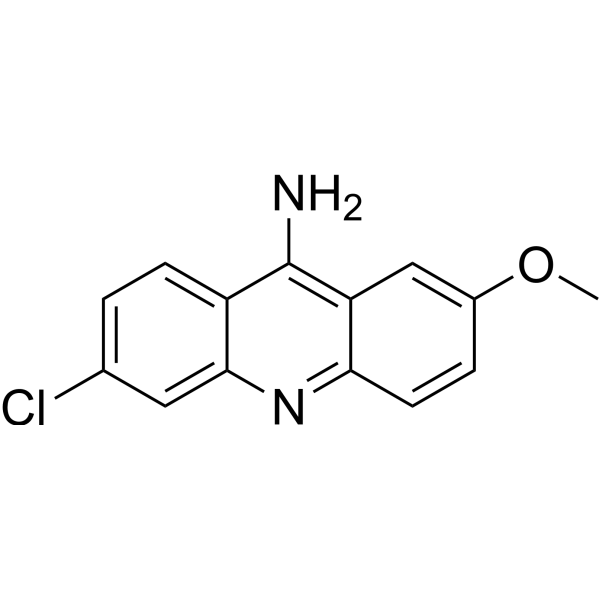
Cat. No.: HY-118155
CAS No.: 3548-09-2
Purity:  99.56%
Synonyms: ACMA
9-Amino-6-chloro-2-methoxyacridine (ACMA) is an acridine derivative and Fluorescent probe. 9-Amino-6-chloro-2-methoxyacridine inhibits viral replication, inhibits DNA synthesis and protein metabolism through cell cycle arrest, and induces lipid metabolism regulation, genotoxicity, mutagenicity, and cytotoxicity through DNA strand breaks. 9-Amino-6-chloro-2-methoxyacridine partially intercalates into DNA, forming three distinct complexes, stabilizes the DNA helix, and quenches fluorescence upon intercalation through electron transfer with guanine. 9-Amino-6-chloro-2-methoxyacridine monitors the generation and collapse of the proton motive force, H + pumping by F1F0-ATP synthase, and the collapse of pH gradients in inverted membrane vesicles. 9-Amino-6-chloro-2-methoxyacridine shows potent anti-BVDV activity. 9-Amino-6-chloro-2-methoxyacridine can be used for research on bovine viral diarrhea virus infection, leishmaniasis, and MRSA infection .
loading...
    loading...
2
2 Cited Publications
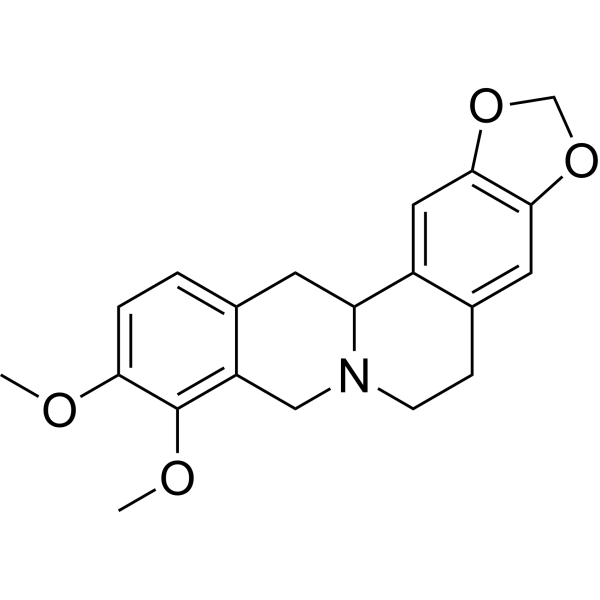
Cat. No.: HY-N0925
CAS No.: 522-97-4
Synonyms: Canadine
Tetrahydroberberine is a different kind of living thing that can be extended and divided into parts. Tetrahydroberberine is a kind of effective D2 receptor antagonistic force. Tetrahydroberberine has the ability to strengthen the stomach and relieve the pressure on the stomach .
loading...
    loading...
Cat. No.: HY-P10352A
Target:  

Bacterial

Research Areas:  

Infection

Pediocin PA-1 TFA is a class IIa bacteriocin that specifically binds to membrane proteins of susceptible Gram-positive bacteria (such as Listeria monocytogenes) to form voltage-independent hydrophilic pores, leading to dissipation of proton motive force, ATP depletion and cell death. Pediocin PA-1 TFA shows no significant activity against intact Gram-negative bacteria, strains carrying immunity genes and obligate anaerobic commensal gut microbiota, and its bactericidal function depends on the integrity of disulfide bonds, with activity lost upon reduction. Pediocin PA-1 TFA can be used not only as a food biopreservative but also for research on listeriosis .
loading...
    loading...
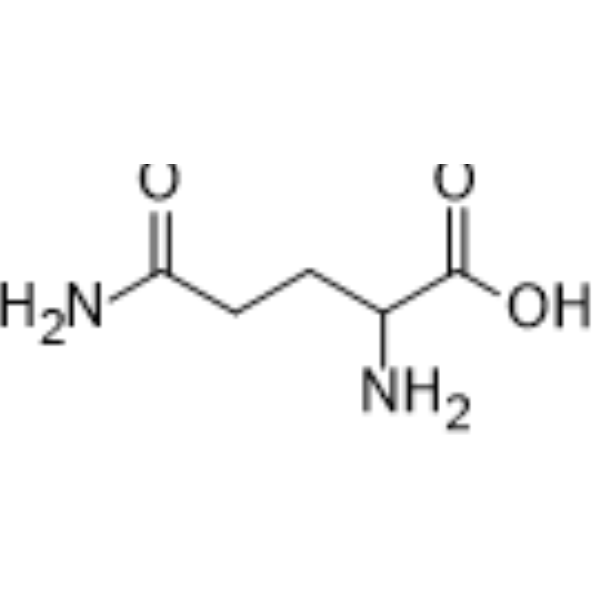
Cat. No.: HY-B1346
CAS No.: 6899-04-3
Synonyms: (±)-Glutamine; DL-Gl
DL-Glutamine ((±)-Glutamine; DL-Gl) is an amino acid metabolite. DL-Glutamine is a plasma metabolic biomarker associated with Treg/Th17 balance in an OVA-induced eosinophilic asthma mouse model. DL-glutamine positively correlates with muscle quality parameters such as muscle water-holding capacity and shear force, and negatively correlates with oxidative stress markers and apoptotic gene expression. DL-Glutamine is associated with periodontal pathogens and oral microbial communities in saliva/serum. DL-Glutamine can be used in research related to asthma, muscle quality, and periodontal disease .
loading...
    loading...
Cat. No.: HY-P10352
CAS No.: 111745-56-3
Target:  

Bacterial

Research Areas:  

Infection

Pediocin PA 1 is a class IIa bacteriocin that specifically binds to membrane proteins of susceptible Gram-positive bacteria (such as Listeria monocytogenes) to form voltage-independent hydrophilic pores, leading to dissipation of proton motive force, ATP depletion and cell death. Pediocin PA 1 shows no significant activity against intact Gram-negative bacteria, strains carrying immunity genes and obligate anaerobic commensal gut microbiota, and its bactericidal function depends on the integrity of disulfide bonds, with activity lost upon reduction. Pediocin PA 1 can be used not only as a food biopreservative but also for research on listeriosis .
loading...
    loading...
Cat. No.: HY-D3014
The Labeling Kits Centrifugation-Based Rapid Desalting Column (5KD) is a laboratory tool for rapid desalting, particularly suitable for the purification and concentration of proteins and other biological molecules. This product utilizes centrifugal force and passes through a specific filter membrane (with a molecular weight cut-off of 5KD) to effectively remove salts and other small molecule impurities from the sample.
loading...
    loading...
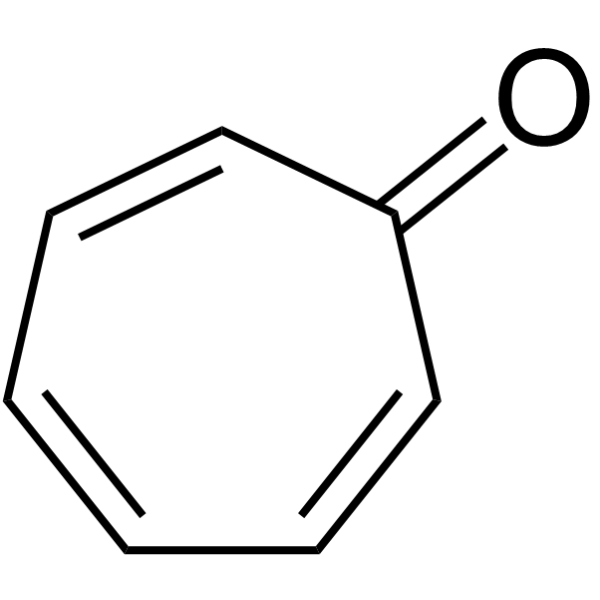
Cat. No.: HY-W035904
CAS No.: 539-80-0
Synonyms: Cycloheptatrienone
Tropone (Cycloheptatrienone) is a non-benzenoid aromatic natural product that acts as a membrane reverse transporter and metal chelator. Tropone disrupts the proton motive force by affecting the transmembrane proton gradient and functions as a quorum sensing signal through LuxR-type transcriptional regulators. Tropone exhibits broad-spectrum antibiotic, anticancer, algicidal, and probiotic activities. As a virulence factor toxic to rice seedlings, Tropone promotes biofilm formation in Burkholderia plantarii and induces neurotoxicity involving mitochondrial and cytoskeletal damage, increased Ca 2+ influx, and oxidative stress. Tropone is used in the study of bacterial infections .
loading...
    loading...
Cat. No.: HY-P2825
CAS No.: 9002-09-9
Synonyms: TDC; TyrDC
Target:  

Endogenous Metabolite

Research Areas:  

Others

Tyrosine decarboxylase, Microorganism (TDC) is a tyrosine decarboxylase produced by microorganisms. Tyrosine decarboxylase is a PLP-dependent enzyme that catalyzes the decarboxylation of L-tyrosine, L-phenylalanine, and L-dopa to produce tyramine, 2-phenethylamine, and dopamine, respectively. Tyrosine decarboxylase mediates acid stress resistance, maintains intracellular pH homeostasis, and generates proton motive force .
loading...
    loading...
Cat. No.: HY-CE01812
CAS No.: 1264-31-9
Target:  

Drug Metabolite

Research Areas:  

Metabolic Disease

Glycolyl-CoA is a carboxyl acceptor substrate and a FORCE/TaCo pathway metabolite, can be generated by HACL-mediated condensation of formyl-CoA with formaldehyde, and can also be formed from glycolate via glycolyl-CoA synthetase, is carboxylated by GCC to tartronyl-CoA and supports the tartronyl-CoA photorespiration bypass for carbon fixation, and simultaneously can serve as an intermediate in HB-5.2-catalyzed oxidative condensation of ethylene glycol. Glycolyl-CoA can be used for research on metabolic pathways and carbon fixation mechanisms .
loading...
    loading...
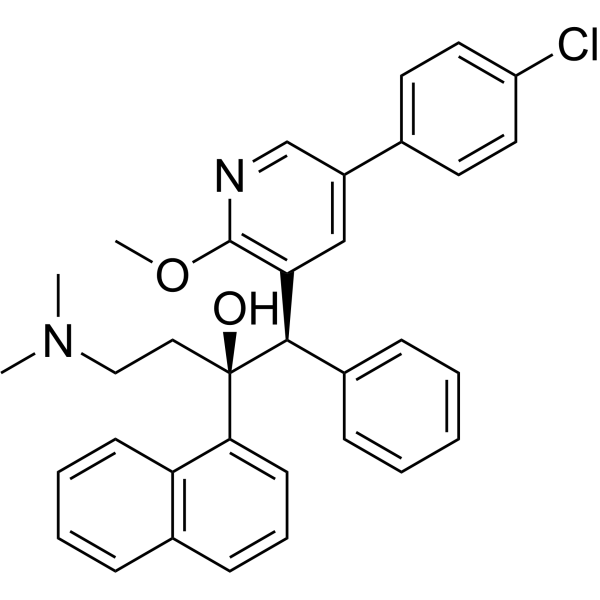
Cat. No.: HY-146158
CAS No.: 1859978-72-5
Synonyms: WX-081; Sudapyridine
Target:  

Bacterial ATP Synthase

Research Areas:  

Infection

Fudapirine (WX-081; Sudapyridine) is an orally active bactericidal agent that targets mycobacterial ATP synthase. Fudapirine induces mycobacterial death by inhibiting ATP synthesis, disrupting proton motive force and depleting bacterial energy. Fudapirine can be used in the research of tuberculosis and *Mycobacterium tuberculosis* infection .
loading...
    loading...
Cat. No.: HY-P10519
CAS No.: 2676889-05-5
Research Areas:  

Infection

Brevicidine is an antimicrobial peptide with selective bactericidal activity against Gram-negative pathogens. Brevicidine disrupts bacterial morphology by binding to lipopolysaccharide (LPS) on the bacterial cell membrane to form pores. Brevicidine causes dissipation of intracellular proton motive force, outer membrane damage, inhibition of ATP biosynthesis and reactive oxygen species accumulation in bacterial cells. As a sensitizer, Brevicidine exerts synergistic activity when combined with a variety of conventional antibiotics .
loading...
    loading...
Cat. No.: HY-163120
CAS No.: 849011-39-8
Target:  

Myosin

Research Areas:  

Cardiovascular Disease

Myosin-IN-1 (compound F10) is a Myosin inhibitor that specifically targets cardiac myosin. Myosin-IN-1 stabilizes the biochemical and structural closed state of the cardiac myosin motor domain and reduces myocardial force production and calcium sensitivity in vitro. Myosin-IN-1 acts as a negative inotropic agent in isolated Langendroff-perfused rat hearts, reducing stress in isolated myofilaments and left ventricular pressure development. Myosin-IN-1 can be used in heart failure research .
loading...
    loading...
Cat. No.: HY-P1767
CAS No.: 111366-38-2
Target:  

PACAP Receptor

Research Areas:  

Cardiovascular Disease

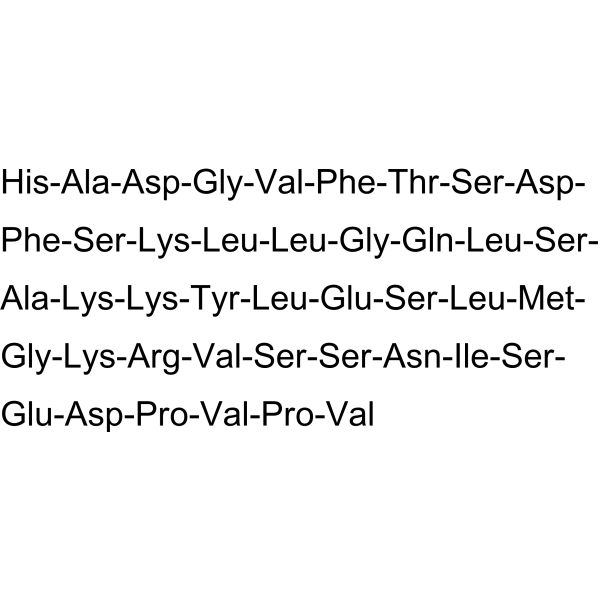
Prepro VIP (81-122), human is a prepro-vasoactive intestinal polypeptide (VIP) derived peptide, corresponding to residues 81-122. Peptide histidine valine 42 (PHV-42) has been designated to correspond exactly to Prepro VIP (81-122), which reduces both the force and frequency of spontaneous contractions of isolated rat uterus .
loading...
    loading...
Cat. No.: HY-B0204B
CAS No.: 118428-37-8
Synonyms: (-)-UD-CG115
Research Areas:  

Cardiovascular Disease

(-)-Pimobedan is an isomer of pimobedan. It has the property of stereoselective partitioning or distribution into erythrocytes. The clearance of (-)-pimobedan from erythrocytes is significantly lower than that of (+)-pimobedan, which is entirely due to its stereoselective distribution into erythrocytes. This stereoselective property of (-)-pimobedan may explain the phenomenon previously reported that it produces a 1.5-fold greater contractile force than the (+)-isomer in detergent-treated myocardial specimens of guinea pigs and dogs. These properties suggest that (-)-pimobedan may have unique advantages in terms of in vivo distribution and pharmacological action, which may have important implications for its clinical use.
loading...
    loading...
Cat. No.: HY-135473
CAS No.: 1961-77-9
Purity:  ≥97.0%
Target:  

Androgen Receptor

Research Areas:  

Metabolic Disease Endocrinology Cancer

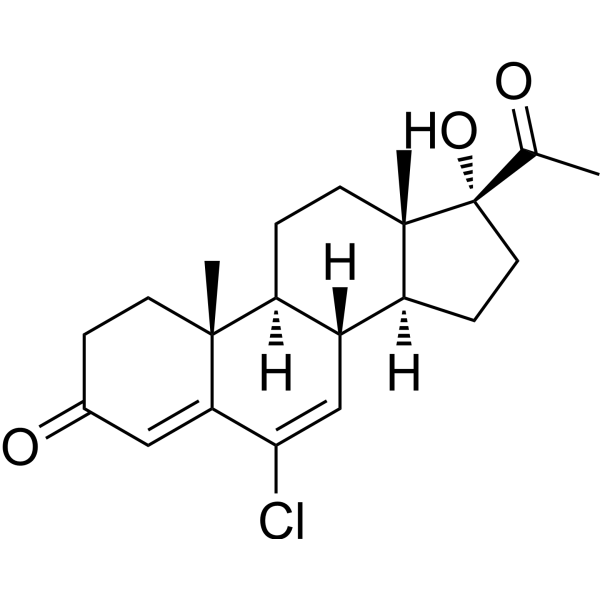
Chlormadinone is an orally active anti-androgen agent. Chlormadinone improves intermittency, terminal dribbling, and urinary stream size and force. Chlormadinone can be used for the research of benign prostatic hyperplasia .
loading...
    loading...
Cat. No.: HY-N15785
CAS No.: 2098674-45-2
Category:  

Lipids

18:0-azo PC is an analog of phosphatidylcholine (PC). Under light, 18:0-azo PC can be switched on and off by light, forcing the azobenzene portion of the molecule to undergo cis/trans isomerization, leading to the initiation or termination of cell signaling.
loading...
    loading...
Cat. No.: HY-135473S
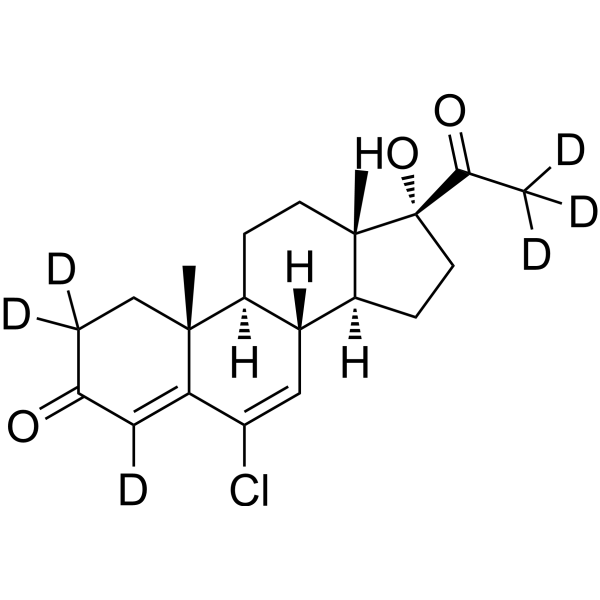
Chlormadinone-d6 is the deuterium labeled Chlormadinone (HY-135473). Chlormadinone is an orally active anti-androgen agent. Chlormadinone improves intermittency, terminal dribbling, and urinary stream size and force. Chlormadinone can be used for the research of benign prostatic hyperplasia .
loading...
    loading...
Cat. No.: HY-106819A
CAS No.: 105668-70-0
Target:  

Sodium Channel

Research Areas:  

Cardiovascular Disease

AN-132 phosphate is an antiarrhythmic agent. AN-132 phosphate can inhibit Sodium Channel. AN-132 phosphate can prolong atrioventricular conduction time, decrease sinus rate and reduce the force of papillary muscle contraction. AN-132 phosphate can be used for the research of cardiovascular disease .
loading...
    loading...
Cat. No.: HY-135473R
CAS No.: 1961-77-9
Research Areas:  

Metabolic Disease

Chlormadinone (Standard) is the analytical standard of Chlormadinone (HY-135473). This product is intended for research and analytical applications. Chlormadinone is an orally active anti-androgen agent. Chlormadinone improves intermittency, terminal dribbling, and urinary stream size and force. Chlormadinone can be used for the research of benign prostatic hyperplasia .
loading...
    loading...
