



Trovafloxacin
Based on 8 publication(s) in Google Scholar
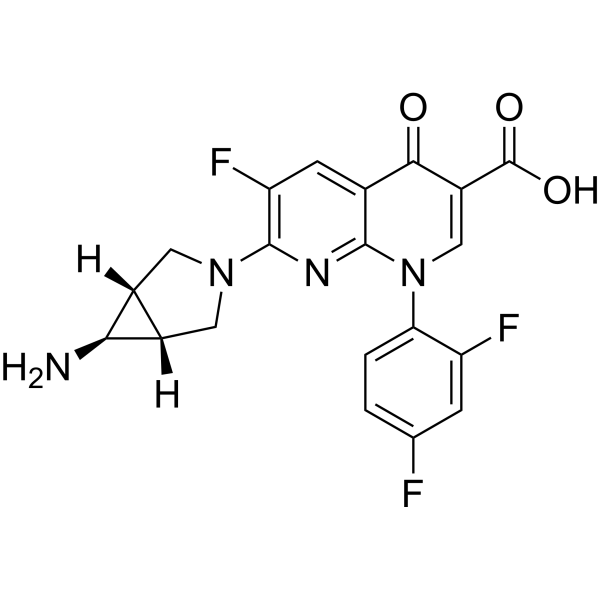
Trovafloxacin is a broad-spectrum quinolone antibiotic with potent activity against Gram-positive, Gram-negative and anaerobic organisms. Trovafloxacin blocks the DNA gyrase and topoisomerase IV activity. Trovafloxacin is also a potent, selective and orally active pannexin 1 channel (PANX1) inhibitor with an IC50 of 4 μM for PANX1 inward current. Trovafloxacin does not inhibit connexin 43 gap junction or PANX2. Trovafloxacin leads to dysregulated fragmentation of apoptotic cells by inhibiting PANX1.
For research use only. We do not sell to patients.
- Purity : 99.43%
- CAS No.: 147059-72-1
- Formula: C20H15F3N4O3
- Molecular Weight:416.35
-
Storage:Powder -20°C, 3 years , 4°C, 2 years ; In solvent -80°C, 6 months , -20°C, 1 month

To place orders, for customer services and technical support, please contact: MedChemExpress USA
Tel: 609-228-6898 E-mail: [email protected] [email protected]


-
 Biological Activity
-
Chemical Information
-
Solvent & Solubility
- Protocols
- Purity & Documentation
- References
-
 Help & FAQs


-
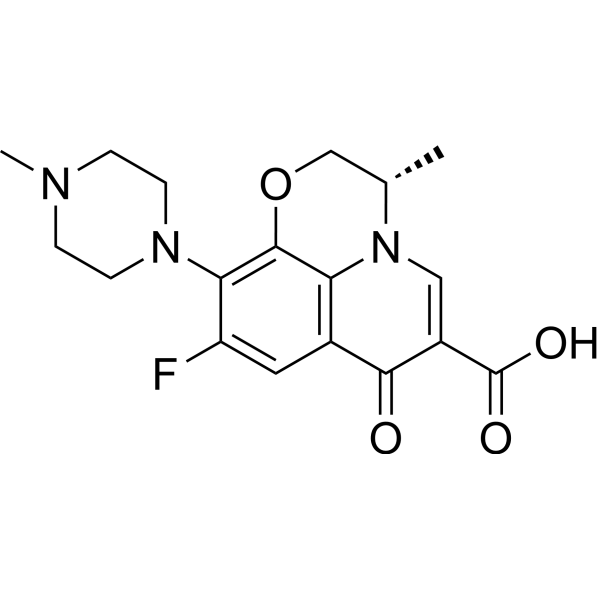
HY-B0330
LevofloxacinDNA Gyrase/Topoisomerase Inhibitor -
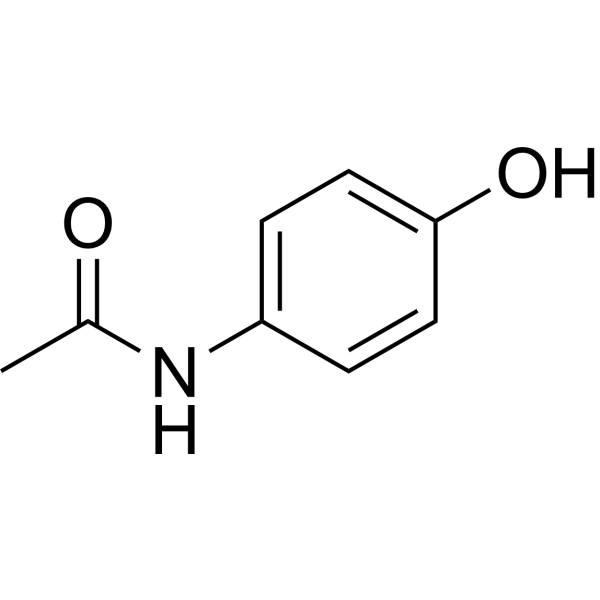
HY-66005
AcetaminophenCOX-2 Inhibitor -
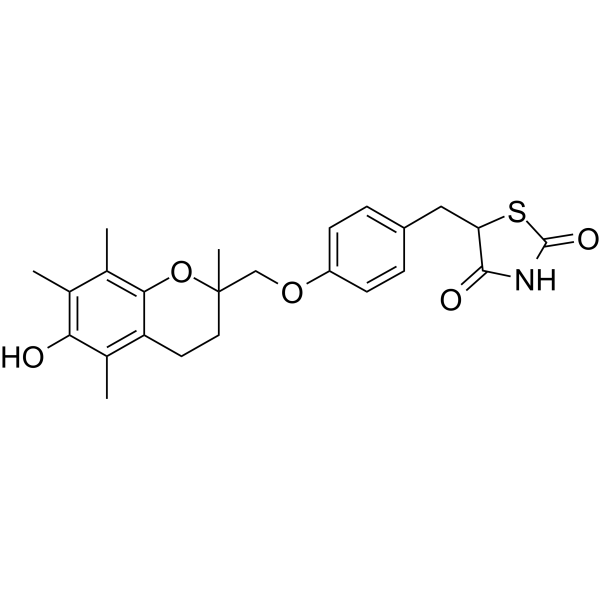
HY-50935
TroglitazonePPARγ Agonist -
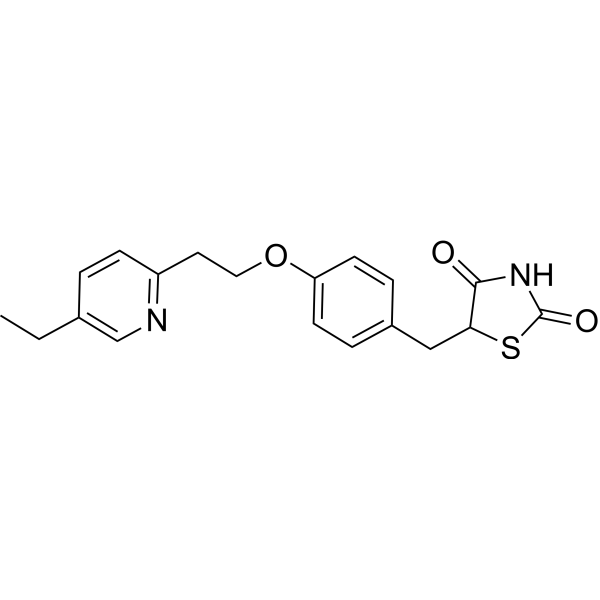
HY-13956
PioglitazonePPARγ Agonist -
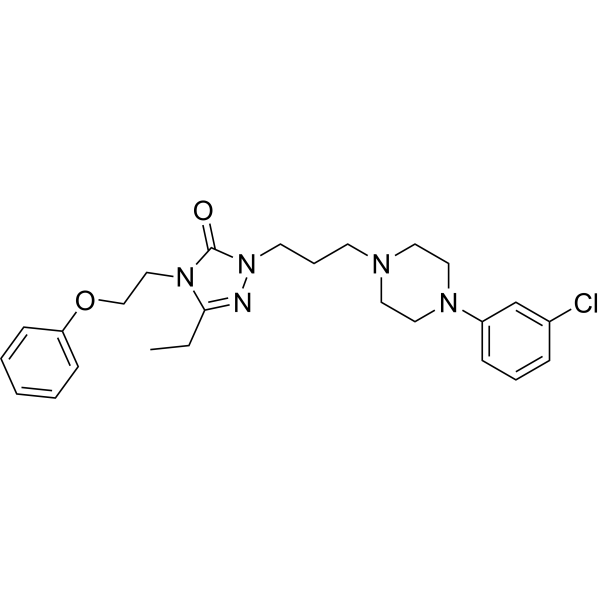
HY-119209
NefazodonePhenylpiperazine Antidepressant -
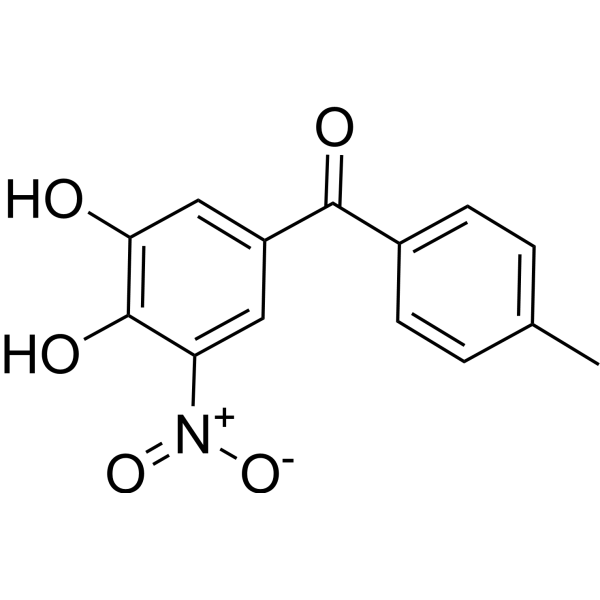
HY-17406
TolcaponeCOMT Inhibitor -
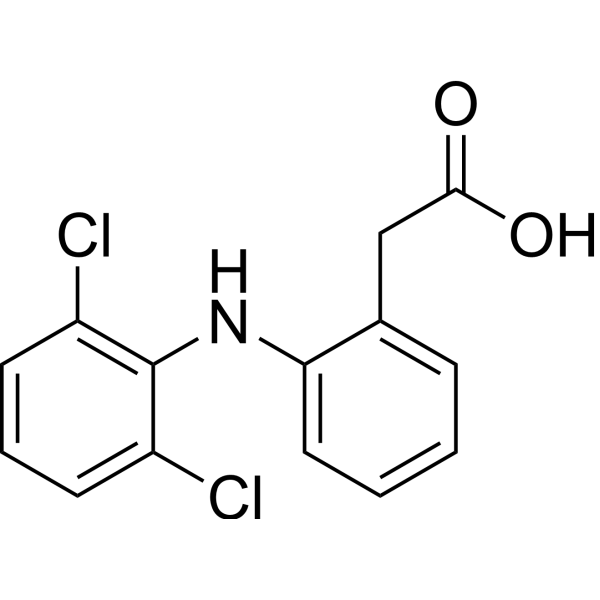
HY-15036
DiclofenacCOX Inhibitor -
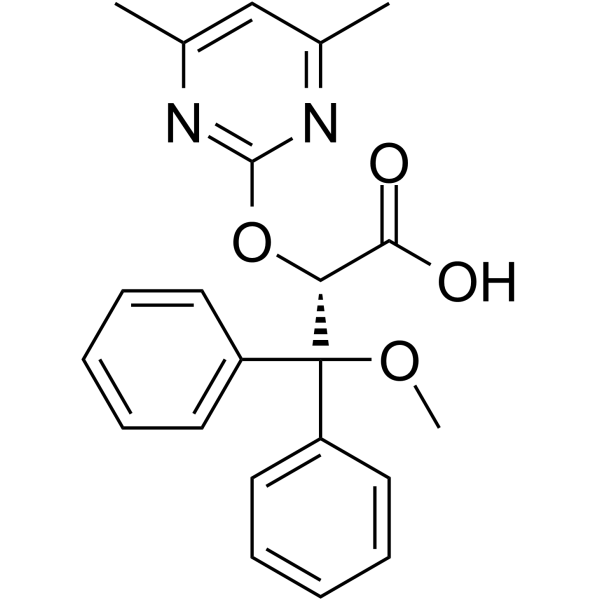
HY-13209
Ambrisentan -
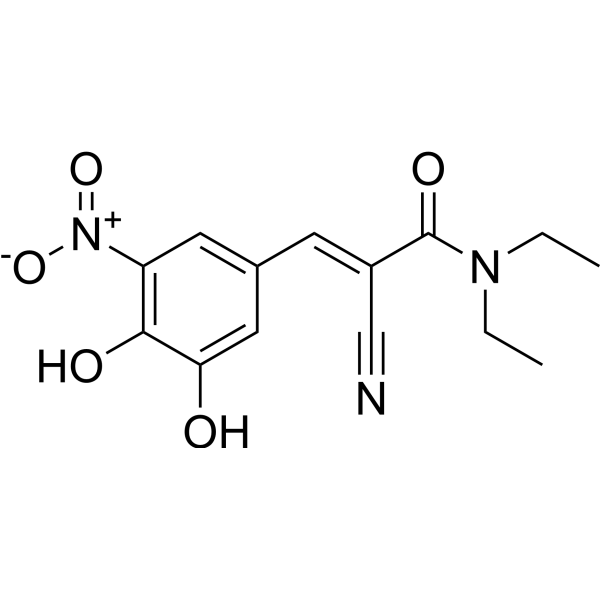
HY-14280
EntacaponeCOMT Inhibitor -
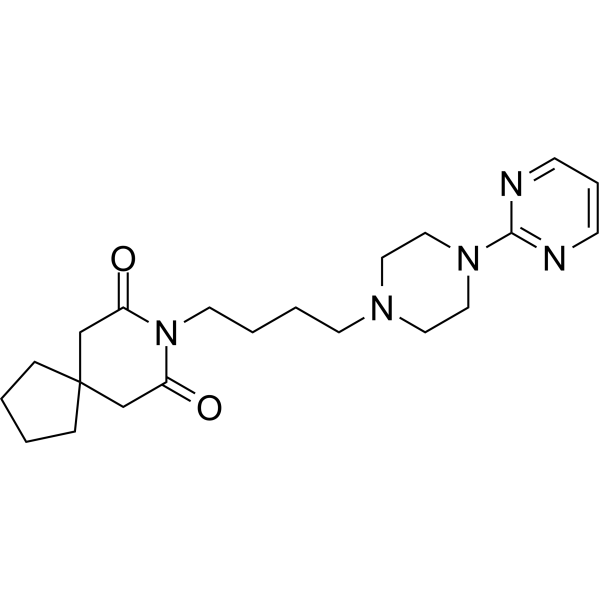
HY-B1115A
BuspironeAnxiolytic Agent -
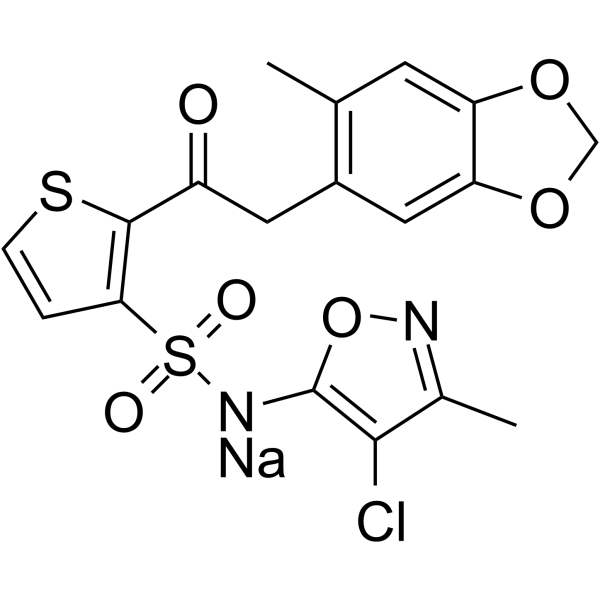
HY-11103
Sitaxsentan sodiumEndothelin A Receptor Antagonist -
HY-118122
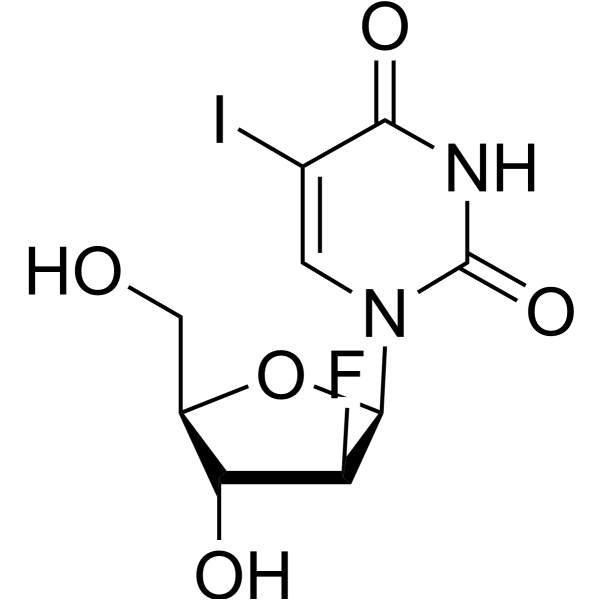
FialuridineAntiviral Agent
Publications Citing Use of MedChemExpress (MCE) Trovafloxacin
More- Nat Neurosci. 2024 Aug;27(8):1522-1533. [Abstract]
- Acta Pharm Sin B. 2025 Dec;15(12):6382-6398. [Abstract]
- Ecotoxicol Environ Saf. 2025 Nov 15:307:119433. [Abstract]
- Clin Transl Sci. 2025 Nov;18(11):e70400. [Abstract]
- Biotechnol Bioeng. 2021 Dec;118(12):4687-4698. [Abstract]
- J Gen Physiol. 2025 Jan 6;157(1):e202413676. [Abstract]
- bioRxiv. 2026 Jul 17:2026.07.12.738047.
- bioRxiv. 2024 Nov 06.
 Customer Validation & Images

-
Cell Proliferation/Viability Assay
-
Cell Proliferation/Viability Assay
-
Bio/Physico-chemical Assay
All Topoisomerase Isoforms
MoreAll Antibiotic Isoforms
More

Biological Activity
Description
IC50 & Target
|
Quinolone |
Cellular Effect
|
Cell Line

|
Type | Value | Description | References |
|---|---|---|---|---|
| HepG2 | IC50 |
11.16 μg/mL
Compound: Trovafloxacin
|
Cytotoxicity was determined for the compound in HepG2 cell line
Cytotoxicity was determined for the compound in HepG2 cell line
|
[PMID: 14980680] |
| MC3T3-E1 | IC50 |
<1.2 μM
Compound: Trovafloxacin
|
Inhibition of mouse MC3T3-E1 cell proliferation after 48 to 72 hrs
Inhibition of mouse MC3T3-E1 cell proliferation after 48 to 72 hrs
|
[PMID: 19595598] |
| MRC5 | IC50 |
0.96 μM
Compound: TVFX (trovafloxacin)
|
In vitro inhibitory activity on MRC5 fibroblast tissue cultures inoculated with virulent RH strain of Toxoplasma gondii
In vitro inhibitory activity on MRC5 fibroblast tissue cultures inoculated with virulent RH strain of Toxoplasma gondii
|
[PMID: 15125930] |
| NIH3T3 | IC50 |
244.28 μg/mL
Compound: Trovafloxacin
|
Cytotoxicity against mouse NIH/3T3 cells assessed as reduction in cell proliferation after 24 hrs by MTT assay
Cytotoxicity against mouse NIH/3T3 cells assessed as reduction in cell proliferation after 24 hrs by MTT assay
|
[PMID: 28174104] |
| V79-4 | IC50 |
3.77 μg/mL
Compound: Trovafloxacin
|
Cytotoxicity was determined for the compound in V79-4 cell line
Cytotoxicity was determined for the compound in V79-4 cell line
|
[PMID: 14980680] |
In Vitro
Trovafloxacin (20 μM; 24 hours; HepG2 cells) and tumor necrosis factor (TNF; 4 ng/mL) incubation induces apoptosis and increases leakage of lactate dehydrogenase (LDH) in HepG2 cells[1].
Trovafloxacin (20 μM; 24 hours; HepG2 cells) and TNF (4 ng/mL) incubation increases expression of early NF-κB-related factors A20 and IκBα[1].
Trovafloxacin prolongs TNF-induced activation of MAPKs and IKKα/β activation in HepG2[1].
Trovafloxacin is a potent inhibitor of TO-PRO-3 uptake by apoptotic cells. Trovafloxacin also inhibits ATP release from apoptotic cells. Trovafloxacin does not inhibit caspase 3/7 activation, or caspase-mediated PANX1 cleavage during apoptosis[2].
Trovafloxacin is equally active against both penicillin-susceptible and -resistant pneumococci, with MICs of 0.06-0.25 mg/mL reported for more than 700 isolates. The MICs of Trovafloxacin at which 90% of isolates are inhibited for 55 isolates of pneumococci is 0.125 μg/mL[3].
MedChemExpress (MCE) has not independently confirmed the accuracy of these methods. They are for reference only. Further protocols information, click here.
-
Cell Line:HepG2 cells
-
Concentration:20 µM
-
Incubation Time:24 hours
-
Result:Showed a gradual increase of Annexin V-staining and an increased leakage of lactate dehydrogenase (LDH) at 24 h.
-
Cell Line:HepG2 cells
-
Concentration:20 µM
-
Incubation Time:24 hours
-
Result:Caused a higher increase in the transcription of A20 and IκBα in HepG2 cells.
In Vivo
Trovafloxacin, when administered in combination with lipopolysaccharide (LPS) or TNF to mice induces severe liver toxicity associated with vast apoptotic areas in the liver, increased serum levels of alanine amino transferases (ALT) and pro-inflammatory cytokines[1].
MedChemExpress (MCE) has not independently confirmed the accuracy of these methods. They are for reference only.
-
Animal Model:Male C57BL/6 J mice (9-11-week-old) injected with recombinant murine TNF ion[1]
-
Dosage:150 mg/kg
-
Administration:Oral administration
-
Result:Showed a greater number of cells with increased nuclear/cytoplasmic p65 ratio in liver.
Clinical Trial
| NCT Number | Sponsor | Condition | Start Date |
Phase
|
|---|---|---|---|---|
| NCT01329991 | Plexxikon| | 2011-05 | PHASE1 |


Chemical Information
-
CAS No. 147059-72-1
-
Appearance Solid
-
Molecular Weight 416.35
-
Formula C20H15F3N4O3
-
Color White to light yellow
-
SMILES
O=C(C1=CN(C2=CC=C(F)C=C2F)C3=NC(N4C[C@@]5([H])[C@H](N)[C@@]5([H])C4)=C(F)C=C3C1=O)O
-
Shipping
Room temperature in continental US; may vary elsewhere.
-
Storage
Powder -20°C 3 years 4°C 2 years In solvent -80°C 6 months -20°C 1 month


Publications (8)
-
Journal Impact Factor
-
Most Recent
-
Nat Neurosci
Spatiotemporally selective astrocytic ATP dynamics encode injury information sensed by microglia following brain injury in mice. [Abstract]2024 Aug;27(8):1522-1533. PMID: 38862791 -
Acta Pharm Sin B
2025 Dec;15(12):6382-6398. PMID: 41477334
Trovafloxacin purchased from MedChemExpress. Usage Cited in: Acta Pharm Sin B. 2025 Dec;15(12):6382-6398. [Abstract]
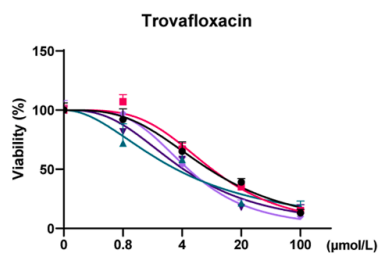
Trovafloxacin (0-100 μM) showed cytotoxicity in SB-HEO, SB-HEO-DM, HepG2 cells, PHHs, and 2D HLCs in a dose-dependent manner.
-
Ecotoxicol Environ Saf
PPARγ-responsive luciferase reporter system for high-throughput screening of chemical toxins with potential pulmonary fibrosis effects. [Abstract]2025 Nov 15:307:119433. PMID: 41273832
Trovafloxacin purchased from MedChemExpress. Usage Cited in: Ecotoxicol Environ Saf. 2025 Nov 15:307:119433. [Abstract]
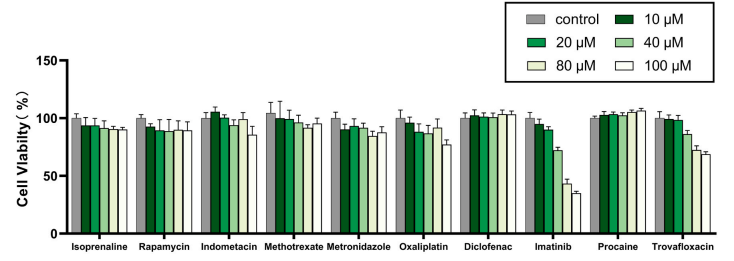
Trovafloxacin (10, 20, 40, 80, 100 μM; 24 h) inhibited cell viability of A549 cells.
Trovafloxacin purchased from MedChemExpress. Usage Cited in: Ecotoxicol Environ Saf. 2025 Nov 15:307:119433. [Abstract]
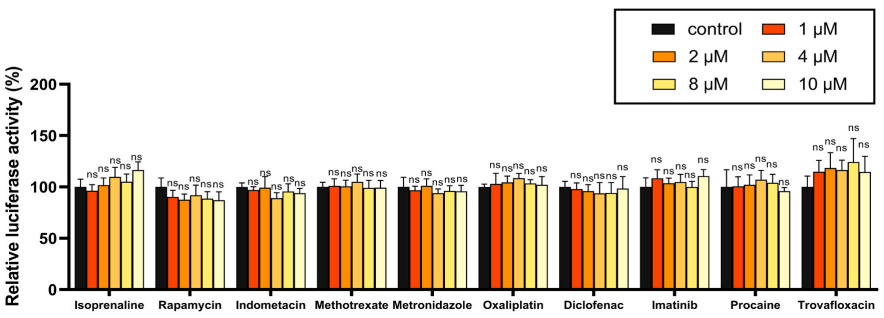
Trovafloxacin (10, 20, 40, 80, 100 μM; 24 h)showed no significant differences in relative luciferase activity when compared with the control in A549 cells.
-
Clin Transl Sci
Evaluation of Elexacaftor/Tezacaftor/Ivacaftor-Mediated Drug-Induced Liver Injury Using a Liver-On-Chip Model. [Abstract]2025 Nov;18(11):e70400. PMID: 41222452 -
Biotechnol Bioeng
An integrated biomimetic array chip for establishment of collagen-based 3D primary human hepatocyte model for prediction of clinical drug-induced liver injury. [Abstract]2021 Dec;118(12):4687-4698. PMID: 34478150 -
J Gen Physiol
Distinct properties and activation of hexameric and heptameric Pannexin 1 channel concatemers. [Abstract]2025 Jan 6;157(1):e202413676. PMID: 39704698 -
-


Solvent & Solubility
In Vitro:
DMSO : 10 mg/mL (24.02 mM; ultrasonic and adjust pH to 2 with 1M HCl; Hygroscopic DMSO has a significant impact on the solubility of product, please use newly opened DMSO)
Please refer to the solubility information to select the appropriate solvent. Once prepared, please aliquot and store the solution to prevent product inactivation from repeated freeze-thaw cycles.
Storage method and period of stock solution: -80°C, 6 months; -20°C, 1 month. When stored at -80°C, please use it within 6 months. When stored at -20°C, please use it within 1 month.
Please refer to the solubility information to select the appropriate solvent. Once prepared, please aliquot and store the solution to prevent product inactivation from repeated freeze-thaw cycles.
Storage method and period of stock solution: -80°C, 6 months; -20°C, 1 month. When stored at -80°C, please use it within 6 months. When stored at -20°C, please use it within 1 month.
Concentration (start) × Volume (start) = Concentration (final) × Volume (final)

Protocols
-
Apoptosis
Apoptosis, also called programmed cell death, is generally characterized by distinct morphological characteristics.
-
TUNEL staining for apoptotic DNA fragmentation
TUNEL staining detects DNA strand breaks by using terminal deoxynucleotidyl transferase to add labeled nucleotides to exposed 3′-OH DNA termini, generating either microscopic staining in fixed cells or tissue sections, or fluorescence/cytometric signal in cell suspensions. TUNEL positivity reflects DNA fragmentation but should not be interpreted alone as definitive apoptosis, because TUNEL can also label necrotic, autolytic, mechanically damaged, or DNA-repair-associated DNA breaks.
-
Cell Cytotoxicity Assay
Cytotoxicity assays are usually based on the assessment of cell membrane damage, which can also be indirectly detected by measuring cell viability. Detection methods include MTT assay, CKK-8 assay, LDH assay and ATP assay, etc.
-
Annexin V plus membrane-impermeant dye apoptosis staining
Annexin V-based apoptosis assays rely on the detection of phosphatidylserine (PS) externalization from the inner leaflet of the plasma membrane to the outer leaflet, an early biochemical hallmark of apoptosis. Fluorescently labeled Annexin V binds PS in a calcium-dependent manner, enabling identification of early apoptotic cells by flow cytometry or fluorescence microscopy. When combined with a membrane-impermeant DNA-binding dye (e. g. , propidium iodide), this approach allows discrimination between viable (Annexin V−/dye−), early apoptotic (Annexin V+/dye−), and late apoptotic or necrotic (Annexin V+/dye+) cell populations by assessing membrane integrity and PS exposure.
-
Apoptosis Solutions
Apoptosis is a regulated, generally non-lytic cell-death pathway that removes unwanted, damaged, infected, or abnormal cells through coordinated morphological changes, caspase activation, DNA fragmentation, and membrane remodeling. The intrinsic apoptosis pathway is controlled mainly by mitochondrial outer membrane permeabilization, BCL-2 family proteins, cytochrome c release, apoptosome formation, caspase-9 activation, and downstream executioner caspase-3/7 activation. The extrinsic apoptosis pathway is initiated by death receptors such as Fas, TNFR, and TRAIL receptors, which recruit adaptor proteins and activate caspase-8 before engaging executioner caspases or mitochondrial amplification through BID cleavage. Apoptosis is linked to many phenotypes, including cancer cell killing, tissue homeostasis, immune regulation, neurodegeneration, infection response, and treatment-induced cytotoxicity; unresolved questions include how apoptosis interacts with necroptosis, pyroptosis, ferroptos
-
Gram Staining of Tissue Sections
Gram staining of tissue sections is a histochemical technique used to differentiate Gram-positive and Gram-negative bacteria within histological specimens based on differences in bacterial cell wall structure and dye retention, adapted from classical bacteriological Gram staining into tissue-compatible “histological Gram stain” variants. In tissue applications, modifications of the Brown-Hopps and Brown-Brenn methods are commonly used to improve differentiation of microorganisms embedded within host connective tissue and to reduce overstaining or loss of Gram-negative signal, which are known limitations of earlier approaches. The principle relies on crystal violet-iodine complex retention in Gram-positive organisms and subsequent decolorization and counterstaining steps that allow contrast visualization of Gram-negative organisms against tissue background.


Purity & Documentation
-
Data Sheet (280 KB)
-
SDS (393 KB)
- English - EN (393 KB)
- Français - FR (393 KB)
- Deutsch - DE (393 KB)
- Norwegian - NO (393 KB)
- Español - ES (393 KB)
- Swedish - SV (393 KB)
- Italian - IT (393 KB)
- Korean - KR (393 KB)
- Portuguese - PT (393 KB)
-
Handling Instructions (2659 KB)
References
[1]. Giustarini G, et al. The hepatotoxic fluoroquinolone trovafloxacin disturbs TNF- and LPS-induced p65 nuclear translocation in vivo and in vitro. Toxicol Appl Pharmacol. 2020 Mar 15;391:114915. [Content Brief]
[2]. Poon IK, et al. Unexpected link between an antibiotic, pannexin channels and apoptosis. Nature. 2014 Mar 20;507(7492):329-34. [Content Brief]
[3]. Gootz TD, et al. Activity of the new fluoroquinolone trovafloxacin (CP-99,219) against DNA gyrase and topoisomerase IV mutants of Streptococcus pneumoniae selected in vitro. Antimicrob Agents Chemother. 1996 Dec;40(12):2691-7. [Content Brief]


Complete Stock Solution Preparation Table
Please refer to the solubility information to select the appropriate solvent. Once prepared, please aliquot and store the solution to prevent product inactivation from repeated freeze-thaw cycles.
Storage method and period of stock solution: -80°C, 6 months; -20°C, 1 month. When stored at -80°C, please use it within 6 months. When stored at -20°C, please use it within 1 month.
| Optional Solvent | Concentration Solvent Mass | 1 mg | 5 mg | 10 mg | 25 mg |
|---|---|---|---|---|---|
| DMSO | 1 mM | 2.4018 mL | 12.0091 mL | 24.0183 mL | 60.0456 mL |
| 5 mM | 0.4804 mL | 2.4018 mL | 4.8037 mL | 12.0091 mL | |
| 10 mM | 0.2402 mL | 1.2009 mL | 2.4018 mL | 6.0046 mL | |
| 15 mM | 0.1601 mL | 0.8006 mL | 1.6012 mL | 4.0030 mL | |
| 20 mM | 0.1201 mL | 0.6005 mL | 1.2009 mL | 3.0023 mL |


Trovafloxacin Related Classifications
HY-A0170 Related Classifications
 Powered by Bioz