



1,2,4-Trimethoxybenzene

Based on 1 Customer Validation
1,2,4-Trimethoxybenzene is an orally active NLRP3 selective inhibitor. 1,2,4-Trimethoxybenzene can markedly suppress Nigericin (HY-127019) or ATP (HY-B2176)-induced NLRP3 inflammasome activation, thus decreasing caspase-1 activation and IL-1β secretion. 1,2,4-Trimethoxybenzene specifically inhibits the activation of NLRP3 inflammasome without affecting absent in melanoma 2 (AIM2) inflammasome activation. 1,2,4-Trimethoxybenzene inhibits oligomerization of the apoptosis-associated speck-like protein containing a CARD (ASC) and protein-protein interaction between NLRP3 and ASC, thus blocking NLRP3 inflammasome assembly. 1,2,4-Trimethoxybenzene can be used for the study of experimental autoimmune encephalomyelitis (EAE), multiple sclerosis, and type 2 diabetes.
For research use only. We do not sell to patients.
- Purity : 97.0%
- CAS No.: 135-77-3
- Formula: C9H12O3
- Molecular Weight:168.19
-
Storage:
Store at room temperature 3 years.
In solvent -80°C, 2 years , -20°C, 1 year


To place orders, for customer services and technical support, please contact: MedChemExpress USA
Tel: 609-228-6898 E-mail: [email protected] [email protected]


-
 Biological Activity
-
Chemical Information
- Protocols
- Purity & Documentation
- References
-
 Help & FAQs


-
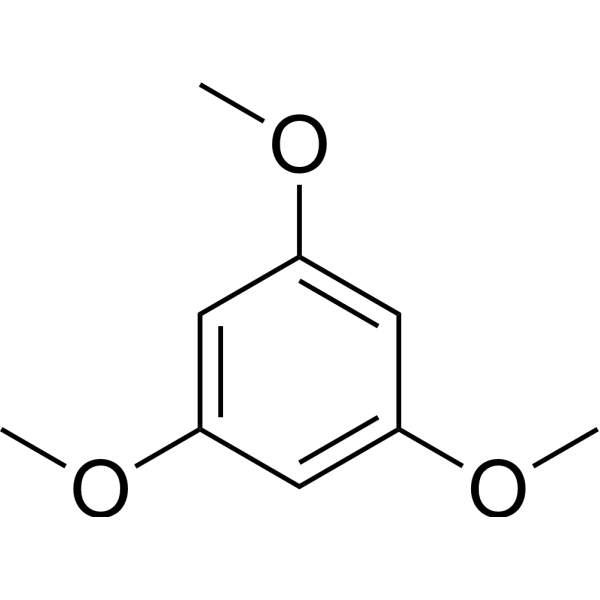
HY-Y0678
1,3,5-TrimethoxybenzeneFree Chlorine/Bromolybdenum Quencher -

HY-Y1207
EthoxybenzeneBiochemical Assay Reagent -

HY-Y0678R
1,3,5-Trimethoxybenzene (Standard)Free Chlorine/Bromolybdenum Quencher -
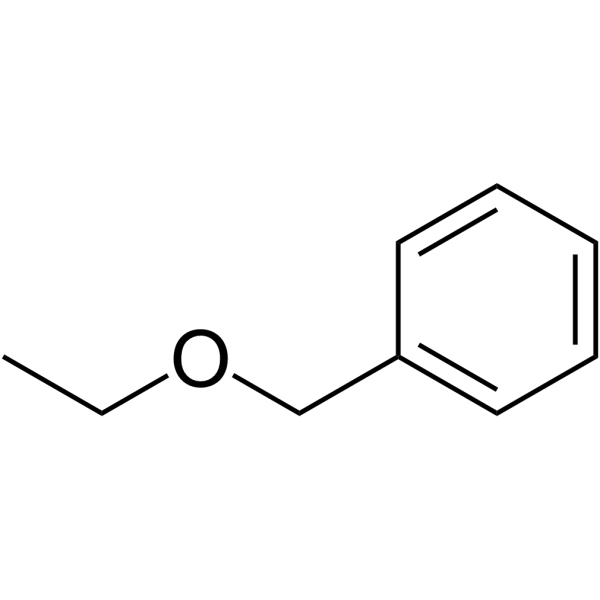
HY-W017613
(Ethoxymethyl)benzeneAromatic Ether Compound -
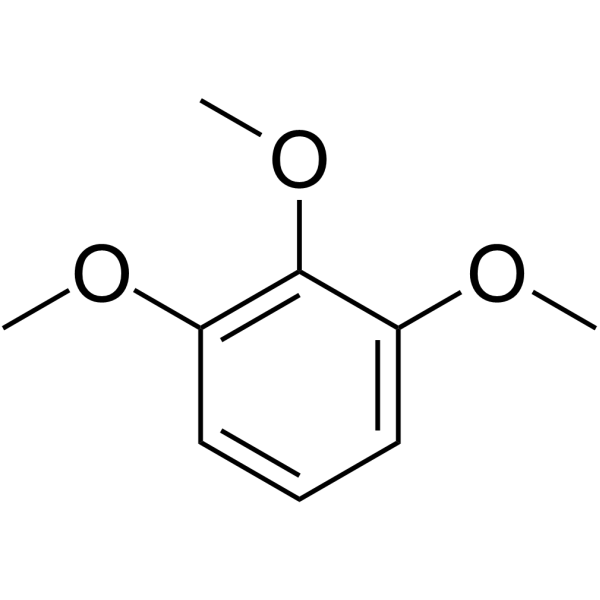
HY-W017092
1,2,3-TrimethoxybenzeneDrug Intermediate -
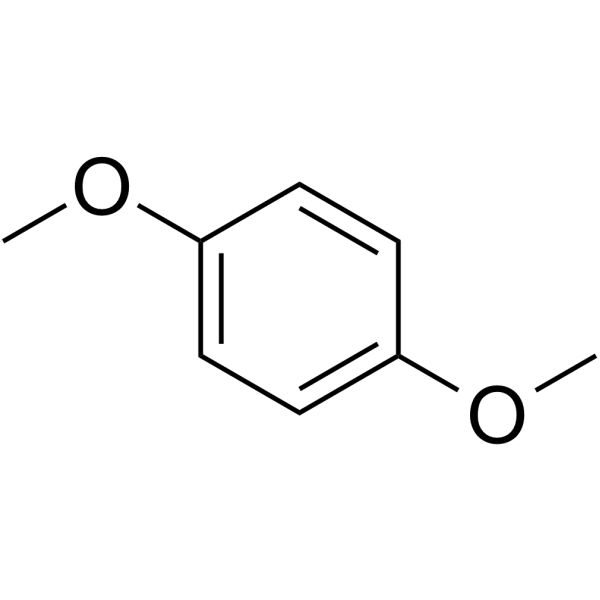
HY-W015780
1,4-DimethoxybenzeneEndogenous Metabolite -
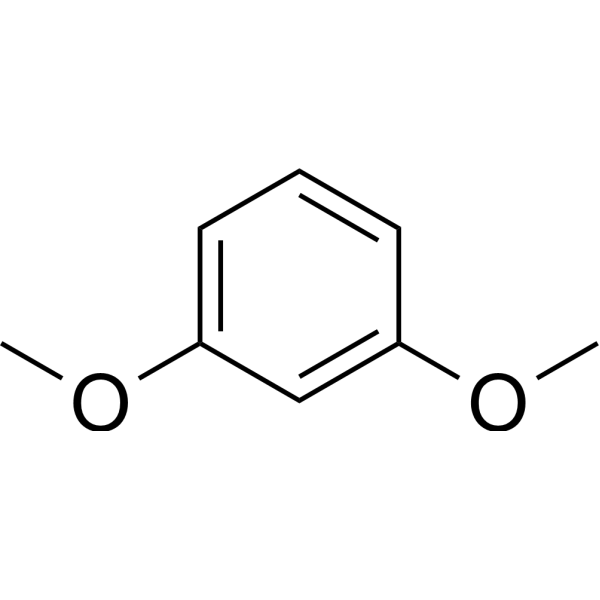
HY-34487
1,3-DimethoxybenzeneVolatile Compound -
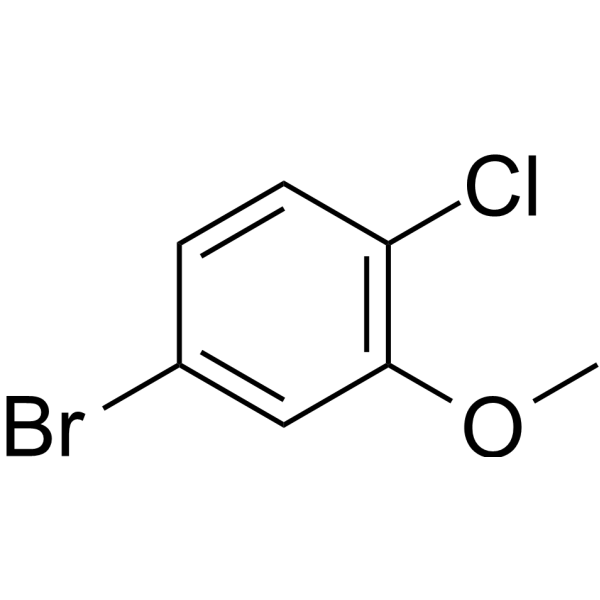
HY-W012416
5-Bromo-2-chloroanisoleBiochemical Reagent -
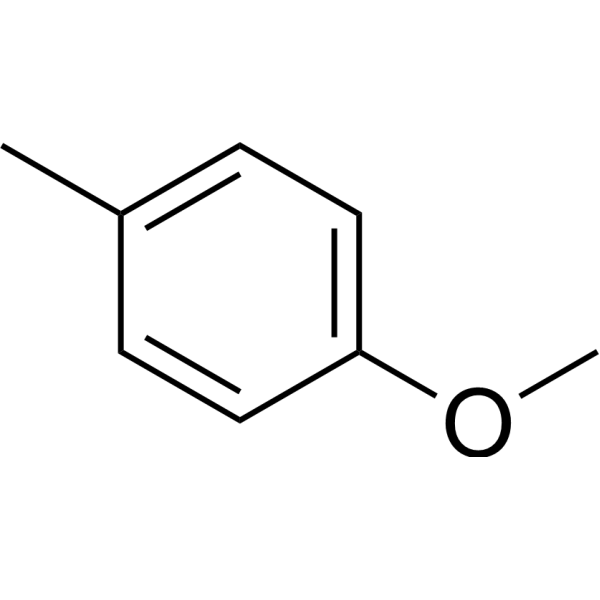
HY-W012835
4-MethylanisoleFlavoring Agent -
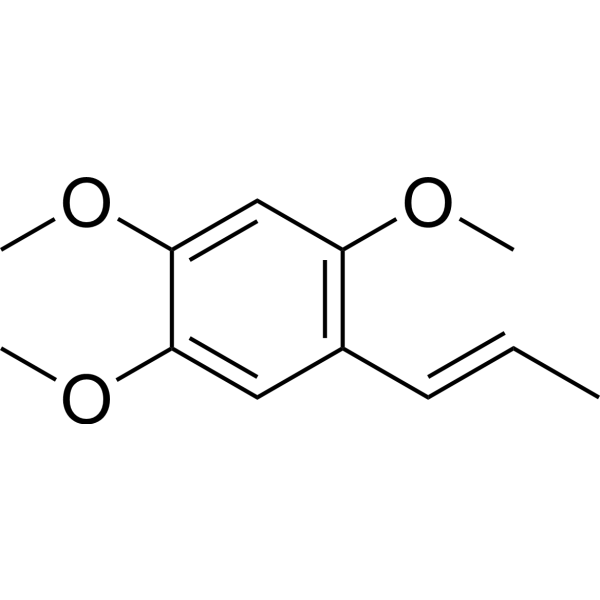
HY-N0700
alpha-AsaroneGABA Receptor Activator -
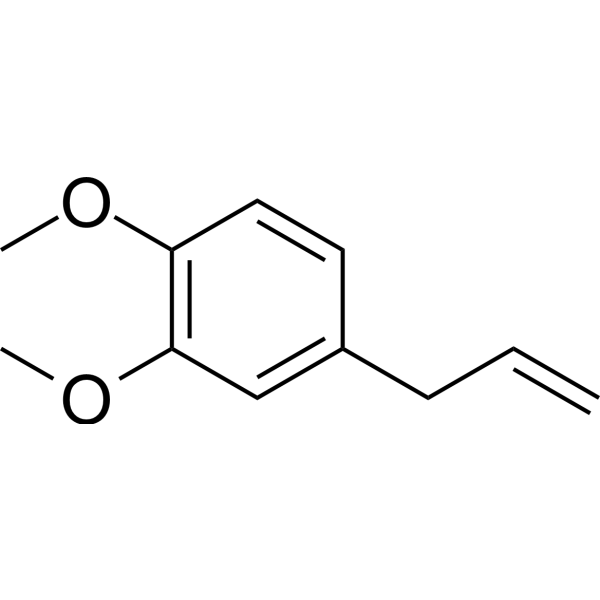
HY-N6996
Methyl EugenolAnti-Insect Agent -
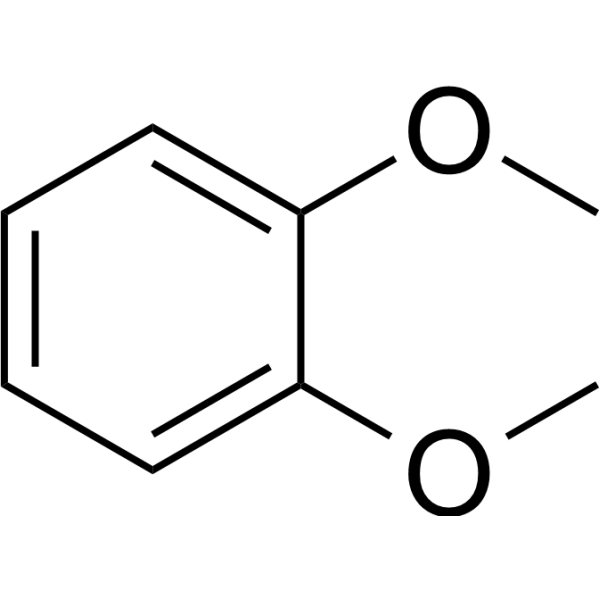
HY-B1812
VeratroleInsect Attractant
All Caspase Isoforms
More

Biological Activity
Description
IC50 & Target
[1]|
NLRP3 |
Caspase-1 |
IL-1β |
Cellular Effect
|
Cell Line

|
Type | Value | Description | References |
|---|---|---|---|---|
| HepG2 | IC50 |
>10 μM
Compound: 1
|
Cytotoxicity against human HepG2 cells assessed as cell growth inhibition after 72 hrs by alamar blue assay
Cytotoxicity against human HepG2 cells assessed as cell growth inhibition after 72 hrs by alamar blue assay
|
[PMID: 31403289] |
| HL-60 | IC50 |
>10 μM
Compound: 1
|
Cytotoxicity against human HL60 cells assessed as cell growth inhibition after 72 hrs by alamar blue assay
Cytotoxicity against human HL60 cells assessed as cell growth inhibition after 72 hrs by alamar blue assay
|
[PMID: 31403289] |
| MCF7 | IC50 |
>10 μM
Compound: 1
|
Cytotoxicity against human MCF7 cells assessed as cell growth inhibition after 72 hrs by alamar blue assay
Cytotoxicity against human MCF7 cells assessed as cell growth inhibition after 72 hrs by alamar blue assay
|
[PMID: 31403289] |
| MRC5 | IC50 |
>10 μM
Compound: 1
|
Cytotoxicity against human MRC5 cells assessed as cell growth inhibition after 72 hrs by alamar blue assay
Cytotoxicity against human MRC5 cells assessed as cell growth inhibition after 72 hrs by alamar blue assay
|
[PMID: 31403289] |
In Vitro
1,2,4-Trimethoxybenzene (0.5-1 mM, 1.5 h) significantly inhibits Nigericin (HY-127019) and Lipopolysaccharides (HY-D1056) (LPS)-induced NLRP3 inflammasome activation in immortalized murine bone marrow-derived macrophages (iBMDMs), manifested as reduced caspase-1 (Casp-1) cleavage and IL-1β secretion[1].
1,2,4-Trimethoxybenzene (1 mM, 75-90 min) inhibits LPS and ATP-induced NLRP3 activation in iBMDMs, primary microglia, and Primary macrophages cells[1].
1,2,4-Trimethoxybenzene (75-90 min) inhibits nigericin-induced NLRP3 activation in iBMDMs and primary macrophages, while 1,2,3-TTB had no inhibitory effect, indicating that the inhibitory activity is structure-dependent[1].
1,2,4-Trimethoxybenzene (45 min-2 h) does not inhibit LPS and poly(dA:dT)-induced activation of AIM2 inflammasome in primary peritoneal macrophages and iBMDMs[1].
1,2,4-Trimethoxybenzene (1 h) reduces the formation of ASC specks in iBMDMs and Primary microglia induced by LPS and nigericin: immunofluorescence showed a significant reduction in the number of ASC specks; DSS crosslinking experiments showed an increase in soluble ASCs and a decrease in insoluble ASCs[1].
1,2,4-Trimethoxybenzene (1 h) blocks the protein-protein interaction between NLRP3 and ASC in LPS-induced iBMDMs[1].
1,2,4-Trimethoxybenzene (1 h) inhibits LPS and nigericin-induced NLRP3 oligomerization of iBMDMs and primary macrophages: DSS crosslinking experiments showed reduced formation of NLRP3 monomers, dimers and higher oligomers[1].
MedChemExpress (MCE) has not independently confirmed the accuracy of these methods. They are for reference only. Further protocols information, click here.
-
Cell Line:Immortalized murine bone marrow-derived macrophages (iBMDMs)
-
Concentration:0.5 mM, 1 mM
-
Incubation Time:1.5 h
-
Result:Caspase-1 (Casp-1) cleavage and IL-1β secretion are reduced.
In Vivo
1,2,4-Trimethoxybenzene (50-100 mg/kg, p.o., once daily for 3 days) enhances the extinction of fear memories and alleviates PTSD-related anxiety and depression-like behaviors in mice by inhibiting the NLRP3 inflammasome[2].
1,2,4-Trimethoxybenzene (50-200 mg/kg, p.o., once daily for 8 weeks) improves T2DM-related cognitive dysfunction by inhibiting NLRP3 inflammasome activation and regulating gut microbiota in type 2 diabetic rats[3].
MedChemExpress (MCE) has not independently confirmed the accuracy of these methods. They are for reference only.
-
Animal Model:Female C57BL/6 mice (6-8 weeks old) were subcutaneously injected with 150 μg of MOG35-55 peptide, and intraperitoneally injected with 200 ng of pertussis toxin on the day of immunization (day 0) and day 2, to simulate EAE[1].
-
Dosage:200 mg/kg
-
Administration:P.o., once daily for 17 days
-
Result:The incidence of end-stage renal disease (ESRD) decreased, and clinical symptoms were significantly alleviated.
Significantly reduced weight loss indicates a reduction in systemic inflammatory response.
The area of myelin basic protein (MBP) positive in spinal cord sections was significantly larger than in the control group, indicating a reduced degree of demyelination.
The percentage of demyelinated area was significantly lower than in the control group, confirming the protection of myelin structure.
ASC specks were significantly reduced in spinal cord sections, suggesting that NLRP3 inflammasome activation was inhibited.
The expression of NLRP3, ASC, and cleaved caspase-1 proteins was downregulated in spinal cord tissue.
The mRNA expression of pro-inflammatory cytokines IFN-γ and IL-17a and the chemokine CCL-5 was decreased in the spinal cord, while the expression of the anti-inflammatory cytokine IL-4 was upregulated.
-
Animal Model:Male C57BL/6 mice (8 weeks old) were intraperitoneally injected with lipopolysaccharide (LPS, 2 mg/kg/d) for 3 consecutive days to induce depressive-like behavior[2].
-
Dosage:50 mg/kg, 100 mg/kg
-
Administration:P.o., once daily for 3 days
-
Result:Sucrose preference was significantly increased (with improved depressive-like behavior), and immobility time in the tail suspension test (TST) and forced swimming test (FST) was significantly reduced.
Activation of the hippocampal NLRP3 inflammasome was inhibited (e.g., reduced expression of cleaved IL-1β, cleaved caspase-1, and ASC spot formation).
-
Animal Model:Male Sprague-Dawley rats (8 weeks old, 200 g) were first given a high-sugar, high-fat diet for 5 weeks, and then type 2 diabetes (T2DM) was induced by intraperitoneal injection of streptozotocin (STZ, 30 mg/kg)[3].
-
Dosage:50 mg/kg, 100 mg/kg, 200 mg/kg
-
Administration:P.o., once daily for 8 weeks
-
Result:Significant improvements were observed in blood glucose levels (FBG, OGTT-AUC), insulin resistance index (HOMA-IR), and blood lipids (TC, TG, LDL-C) in rats, along with a decrease in oxidative stress markers (MDA).
Shortened escape latency and increased target quadrant time indicate enhanced learning and memory abilities.
Improved neuronal structure was observed in the hippocampal CA1 region, with ELISA detecting elevated BDNF levels and decreased AChE levels in the hippocampus.
Inhibition of the hippocampal NLRP3 inflammasome pathway (e.g., reduced expression of NLRP3, ASC, caspase-1, GSDMD, and IL-1β).


Chemical Information
-
CAS No. 135-77-3
-
Appearance Liquid
-
Molecular Weight 168.19
-
Formula C9H12O3
-
Color Light yellow to yellow
-
SMILES
COC(C(OC)=C1)=CC=C1OC
-
Shipping
Room temperature in continental US; may vary elsewhere.
-
Storage
Store at room temperature 3 years
In solvent -80°C 2 years -20°C 1 year

Protocols
-
Apoptosis
Apoptosis, also called programmed cell death, is generally characterized by distinct morphological characteristics.
-
TUNEL staining for apoptotic DNA fragmentation
TUNEL staining detects DNA strand breaks by using terminal deoxynucleotidyl transferase to add labeled nucleotides to exposed 3′-OH DNA termini, generating either microscopic staining in fixed cells or tissue sections, or fluorescence/cytometric signal in cell suspensions. TUNEL positivity reflects DNA fragmentation but should not be interpreted alone as definitive apoptosis, because TUNEL can also label necrotic, autolytic, mechanically damaged, or DNA-repair-associated DNA breaks.
-
Annexin V plus membrane-impermeant dye apoptosis staining
Annexin V-based apoptosis assays rely on the detection of phosphatidylserine (PS) externalization from the inner leaflet of the plasma membrane to the outer leaflet, an early biochemical hallmark of apoptosis. Fluorescently labeled Annexin V binds PS in a calcium-dependent manner, enabling identification of early apoptotic cells by flow cytometry or fluorescence microscopy. When combined with a membrane-impermeant DNA-binding dye (e. g. , propidium iodide), this approach allows discrimination between viable (Annexin V−/dye−), early apoptotic (Annexin V+/dye−), and late apoptotic or necrotic (Annexin V+/dye+) cell populations by assessing membrane integrity and PS exposure.
-
Pull-down
The pull-down assay is an in vitro technique used to detect physical interactions between two or more proteins and an invaluable tool for confirming a predicted protein-protein interaction or identifying novel interacting partners. This method typically involves the use of affinity purification with various wash and elution steps.
-
Immunoprecipitation
Immunoprecipitation (IP) is an experimental method that uses the principle of antibody specific binding to purify and enrich target proteins.
-
Apoptosis Solutions
Apoptosis is a regulated, generally non-lytic cell-death pathway that removes unwanted, damaged, infected, or abnormal cells through coordinated morphological changes, caspase activation, DNA fragmentation, and membrane remodeling. The intrinsic apoptosis pathway is controlled mainly by mitochondrial outer membrane permeabilization, BCL-2 family proteins, cytochrome c release, apoptosome formation, caspase-9 activation, and downstream executioner caspase-3/7 activation. The extrinsic apoptosis pathway is initiated by death receptors such as Fas, TNFR, and TRAIL receptors, which recruit adaptor proteins and activate caspase-8 before engaging executioner caspases or mitochondrial amplification through BID cleavage. Apoptosis is linked to many phenotypes, including cancer cell killing, tissue homeostasis, immune regulation, neurodegeneration, infection response, and treatment-induced cytotoxicity; unresolved questions include how apoptosis interacts with necroptosis, pyroptosis, ferroptos
-
Protocol for Bimolecular Fluorescence Complementation (BiFC) Assay
Bimolecular fluorescence complementation detects protein-protein proximity in living or fixed cells by fusing two candidate interaction partners to nonfluorescent N- and C-terminal fragments of a fluorescent protein; when the partners interact or remain close enough, the fluorescent fragments complement, mature, and generate a fluorescent signal at the site of the protein complex. The BiFC readout is fluorescence intensity and subcellular localization of the reconstituted fluorophore, which reflects formation or stabilization of a protein complex rather than direct biochemical binding kinetics; BiFC is therefore useful for mapping where interactions occur in cancer cells, neurons, macrophages, organoid-derived cells, or drug-screening systems, but results should be validated by independent assays such as co-IP or Western blot. BiFC signal formation is delayed by fluorophore maturation and can stabilize otherwise transient complexes, so it is not a real-time reversible interaction assay
-
Research Protocol for Metabolic Diseases
AMP-activated protein kinase, AMPK, is a conserved cellular energy sensor that responds to reduced cellular energy status and coordinates metabolism by increasing ATP-generating catabolic pathways while suppressing ATP-consuming anabolic processes. In metabolic disease research, the AMPK pathway is experimentally relevant because it regulates hepatic lipid synthesis, fatty acid oxidation, glucose production, skeletal-muscle glucose disposal, mTORC1-linked biosynthesis, autophagy, mitochondrial homeostasis, and whole-body energy balance. The central pathway logic is that energy stress, metformin, exercise-like stimulation, or direct AMPK activators increase AMPKα Thr172 phosphorylation and downstream substrate phosphorylation, including ACC and RAPTOR. Phosphorylation of ACC suppresses lipogenesis and supports fatty acid oxidation, whereas phosphorylation of RAPTOR suppresses mTORC1 signaling and links cellular energy status to growth and protein synthesis control. The pathway is linked
-
Pyroptosis Solutions
Pyroptosis is a lytic inflammatory cell-death pathway executed by gasdermin pores, most classically through inflammasome-mediated activation of caspase-1, cleavage of gasdermin D, membrane pore formation, LDH release, and secretion of IL-1β and IL-18. The canonical pathway is commonly modeled by priming cells with an inflammatory signal such as LPS to induce pro-IL-1β and inflammasome components, followed by an activation signal such as ATP or nigericin to activate NLRP3, ASC speck formation, caspase-1 cleavage, GSDMD cleavage, cytokine release, and pyroptotic membrane rupture. The non-canonical pathway is triggered when cytosolic LPS activates mouse caspase-11 or human caspase-4/5, leading to GSDMD cleavage and pyroptosis, and this can secondarily activate NLRP3-dependent IL-1β release. Pyroptosis is linked to inflammatory injury, infection, cancer, liver disease, ocular disease, placental inflammation, and other disease phenotypes, but unresolved questions include which gasdermin fam
-
Co-Immunoprecipitation
Co-immunoprecipitation technology can verify protein interaction based on the specific immune reaction between antibodies and antigens.
-
Protocol for Yeast Two-Hybrid (Y2H) Assay
The yeast two-hybrid assay detects binary protein-protein interactions by separating a transcription factor into a DNA-binding domain fused to a "bait" protein and a transcriptional activation domain fused to a "prey" protein; if bait and prey interact in yeast, the transcription factor is reconstituted and activates reporter genes such as HIS3, ADE2, lacZ, MEL1, or other selectable/readable reporters. The readout is yeast growth on selective medium and/or reporter activity, which reflects proximity-dependent transcriptional activation in the yeast nucleus rather than direct biochemical binding in the original mammalian, tumor, neuronal, macrophage, or organoid context. Because yeast two-hybrid can generate false positives and false negatives, interaction claims should be validated using independent assays such as co-immunoprecipitation, Western blot, immunofluorescence colocalization, BiFC, pull-down, or mammalian two-hybrid assays.


Purity & Documentation
-
Data Sheet (280 KB)
-
SDS (394 KB)
- English - EN (394 KB)
- Français - FR (394 KB)
- Deutsch - DE (394 KB)
- Norwegian - NO (394 KB)
- Español - ES (394 KB)
- Swedish - SV (394 KB)
- Italian - IT (394 KB)
- Korean - KR (394 KB)
- Portuguese - PT (394 KB)
-
Handling Instructions (2659 KB)
References
[1]. Pan RY, et al. 1,2,4-Trimethoxybenzene selectively inhibits NLRP3 inflammasome activation and attenuates experimental autoimmune encephalomyelitis. Acta Pharmacol Sin. 2021 Nov;42(11):1769-1779. doi: 10.1038/s41401-021-00613-8IF: 8.4 Q1 . Epub 2021 Feb 24. Erratum in: Acta Pharmacol Sin. 2022 Feb;43(2):504. [Content Brief]
[2]. Zhang Y, et al. 1,2,4-Trimethoxybenzene ameliorates depression-like behaviors by inhibiting the activation of NLRP3 inflammasome. Int Immunopharmacol. 2025 Apr 4;151:114361. [Content Brief]
[3]. Zhong P, et al. 1,2,4-Trimethoxybenzene alleviates cognitive dysfunction in type 2 diabetes model rats by inhibiting NLRP3 inflammasome and restoring gut microbiota disorders. Biochem Pharmacol. 2025 Dec;242(Pt 4):117409. [Content Brief]

Calculators
Concentration (start) × Volume (start) = Concentration (final) × Volume (final)


1,2,4-Trimethoxybenzene Related Classifications
HY-W017087 Related Classifications
 Powered by Bioz