



AMPK
AMP-activated protein kinase
AMPK (AMP-activated protein kinase) is an enzyme that plays a role in cellular energy homeostasis. It consists of three proteins (subunits) that together make a functional enzyme. The net effect of AMPK activation is stimulation of hepatic fatty acid oxidation andketogenesis, inhibition of cholesterol synthesis, lipogenesis, and triglyceride synthesis, inhibition of adipocyte lipolysis and lipogenesis, stimulation of skeletal muscle fatty acid oxidation and muscle glucose uptake by pancreatic beta-cells. AMPK acts as a metabolic master switch regulating several intracellular systems including the cellular uptake of glucose, the β-oxidation of fatty acids and the biogenesis of glucose transporter 4 (GLUT4) and mitochondria.
AMPK Isoform Specific Products
-
NUAK1
(10)
View all products
-
NUAK2
(5)
View all products
-
AMPK
(341)
View all products
-
AMPK α1β1γ1
(12)
View all products
-
AMPK α2β1γ1
(8)
View all products
-
AMPK α1β2γ1
(5)
View all products
-
AMPK α2β2γ1
(6)
View all products
-
BRSK1
(1)
View all products
-
BRSK2
(1)
View all products
-
HUNK
(1)
View all products
-
AMPKα
(2)
View all products
All Product Categories
-
AMPK Inhibitors
(73)
View all products
-
AMPK Agonists
(16)
View all products
-
AMPK Antagonists
(2)
View all products
-
AMPK Activators
(318)
View all products
-
AMPK Modulators
(5)
View all products
-
AMPK Inducers
(4)
View all products
-
AMPK Substrate
(1)
View all products
-
AMPK Proteins
(7)
View all products
-
AMPK Related Products (470)
Related Products (470)

-
Recombinant Proteins (7)
-
Antibodies (17)
-
AMPK Isoform Comparison
-
Arjunolic acid
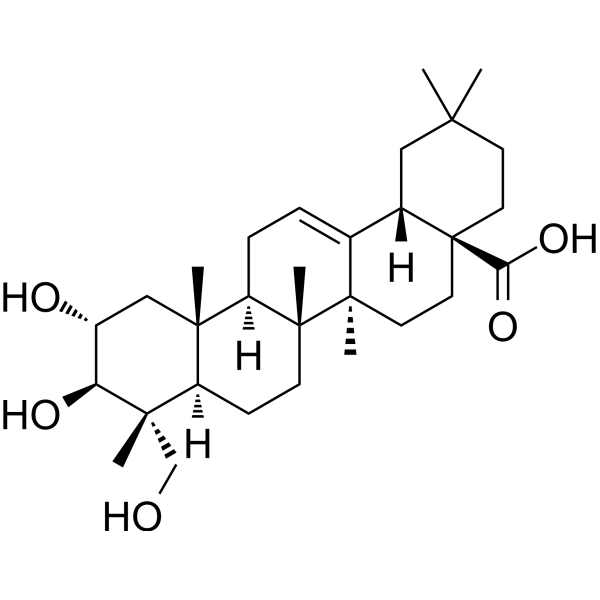 0 ImagesArjunolic acid is an orally active, multifunctional bioactive compound. Arjunolic acid exhibits free radical scavenging activity, as well as fungal and bacterial activities. Arjunolic acid induces apoptosis (Apoptosis) in various cancer cells. Arjunolic acid protects hepatocytes against induced oxidative stress and apoptosis by reducing reactive oxygen species and inhibiting NF-κB activation. Arjunolic acid regulates pancreatic dysfunction in type 2 diabetic rats by blocking the activation of the TLR-4/MyD88 and canonical Wnt pathways. Arjunolic acid inhibits neuroinflammation and ameliorates depressive behaviors via the SIRT1/AMPK/Notch1 signaling pathway in microglia. Arjunolic acid improves Crohn's disease-like colitis by restoring gut microbiota composition and inhibiting TLR4 signaling. Arjunolic acid suppresses osteosarcoma progression by inhibiting Wnt3a-mediated M2 polarization of macrophages. Arjunolic acid ameliorates diabetic retinopathy via the autophagy pathway regulated by AMPK/mTOR/HO-1. Arjunolic acid is applicable to research related to type 2 diabetes, organ toxicity, depression, Crohn's disease, osteosarcoma, diabetic retinopathy, and testicular dysfunction.
-
Myricanol
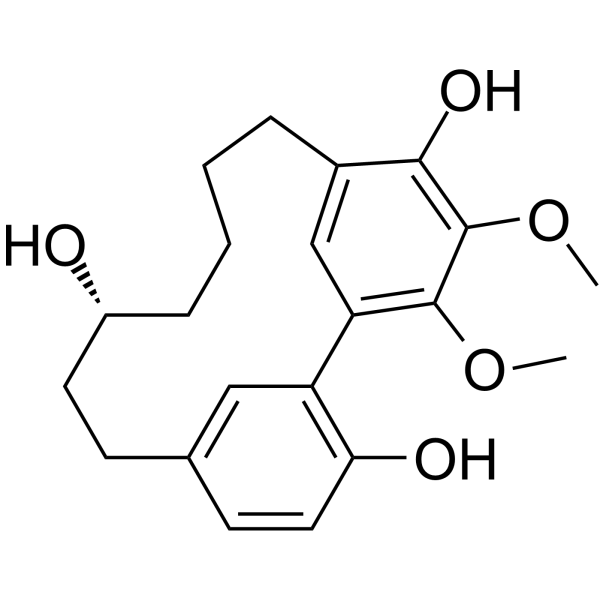 0 ImagesCat. No.: HY-N3225CAS No.: 33606-81-4Myricanol is a diarylheptanoid and a Nampt activator. Myricanol exerts anti-inflammatory effects and alleviates glucocorticoid-induced muscle atrophy by increasing Sirtuin 1 (SIRT1) and PRDX5 activities while regulating inflammatory factors. Myricanol exhibits growth inhibition and induces apoptosis in human lung adenocarcinoma A549 cells. Myricanol promotes autophagy-mediated clearance of microtubule-associated protein tau to exert neuroprotective effects. Myricanol protects cardiovascular function by inhibiting PDGFRβ and NF-κB signaling pathways. Myricanol activates mitochondrial transcription factor A (TFAM) expression to exert anti-renal fibrosis effects. Myricanol improves insulin resistance through AMPK activation.
-
D-Arabitol (Standard)
 0 ImagesD-Arabitol (Standard) is the analytical standard of D-Arabitol (HY-N3686). This product is intended for research and analytical applications. D-Arabitol is an orally active D-enantiomer of arabitol. D-Arabitol modulates the composition of gut microbiota, increases short-chain fatty acids, and promotes AMPK-PGC-1α-related browning of white adipose tissue. D-Arabitol improves weight gain, fat accumulation, insulin resistance, lipid deposition and inflammatory responses. D-Arabitol serves as the sole carbon/energy source for Bacillus methanolicus MGA3, a strain that can co-utilize it with mannitol. D-Arabitol is applicable to obesity-related research.
-
NPC26
 0 ImagesNPC26 is a small molecule mitochondrial disruptor with anti-tumor activity. NPC-26 shows significant anti-proliferative and cytotoxic effects on CRC cell lines (HCT-116, DLD-1, and HT-29). NPC26 can damage mitochondrial function, leading to the opening of the mitochondrial permeability transition pore (mPTP) and the production of reactive oxygen species, ultimately inducing cell death. NPC-26 can kill CRC cells by activating the AMP-activated protein kinase (AMPK) signaling pathway.
-
10Z-Hymenialdisine
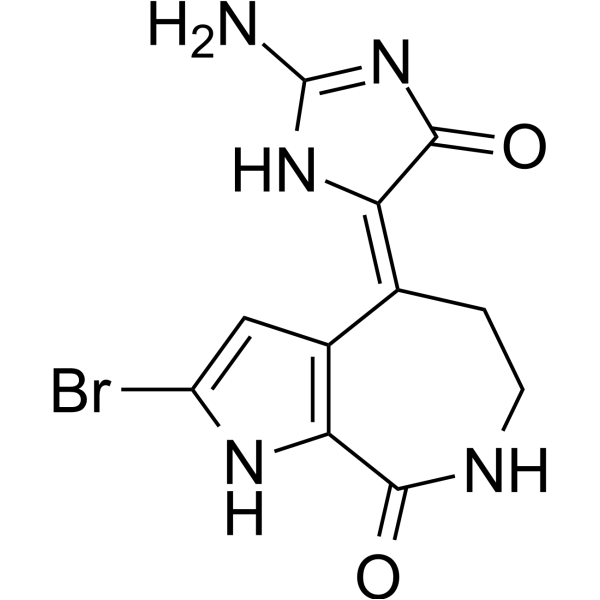 0 ImagesCat. No.: HY-N6794CAS No.: 82005-12-7Synonyms: (Z)-Hymenialdisine; Hymenialdisine10Z-Hymenialdisine ((Z)-Hymenialdisine) is a natural bioactive pyrrole alkaloid. 10Z-Hymenialdisine is a pan kinase inhibitor, and has anticancer activities.
-
DX-8951 Hydroxy-acid sodium
 0 ImagesCat. No.: HY-178239APurity: 98.65%DX-8951 Hydroxy-acid sodium is a prodrug of phosphoramide. DX-8951 Hydroxy-acid sodium can effectively increase intracellular ATP levels. DX-8951 Hydroxy-acid sodium activates the AMPK signaling pathway by increasing the AMP/ATP ratio. DX-8951 Hydroxy-acid sodium can enhance mitochondrial function and antioxidant capacity while reducing reactive oxygen species (ROS) levels. DX-8951 Hydroxy-acid sodium has shown significant anti-aging and longevity effects in both human fibroblast and nematode models.
-
Kazinol U
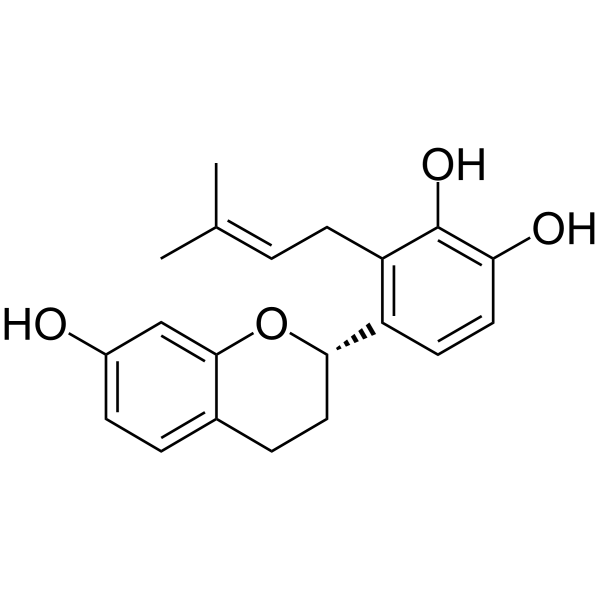 0 ImagesCat. No.: HY-N3425CAS No.: 1238116-48-7Kazinol U inhibits melanogenesis through the inhibition of tyrosinase-related proteins via AMPK activation.

-
Dox-btn2
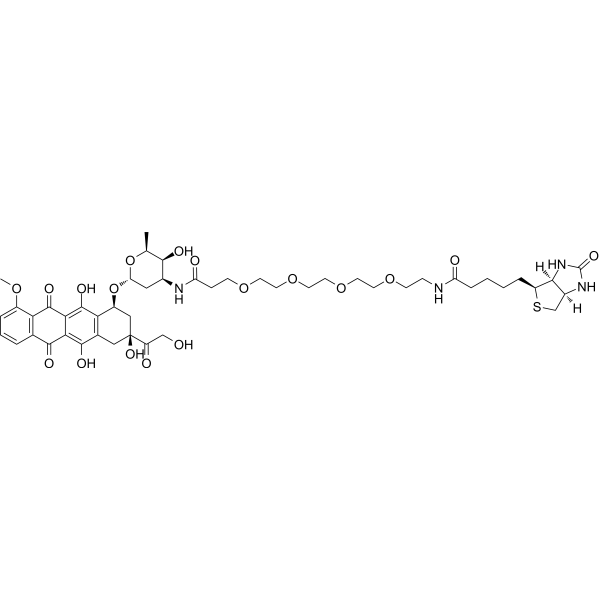 0 ImagesSynonyms: Biotin Labeled DoxorubicinDox-btn2 is a biotin labeled Doxorubicin (HY-15142A), with a biotin label at the point of conjugation to doxorubicin at 3'-NH2. Dox-btn2 can be used for cell imaging. While Doxorubicin is mainly accumulated in the nucleus, while Dox-btn2 is mainly located in the cytoplasm.
-
Momordicine I
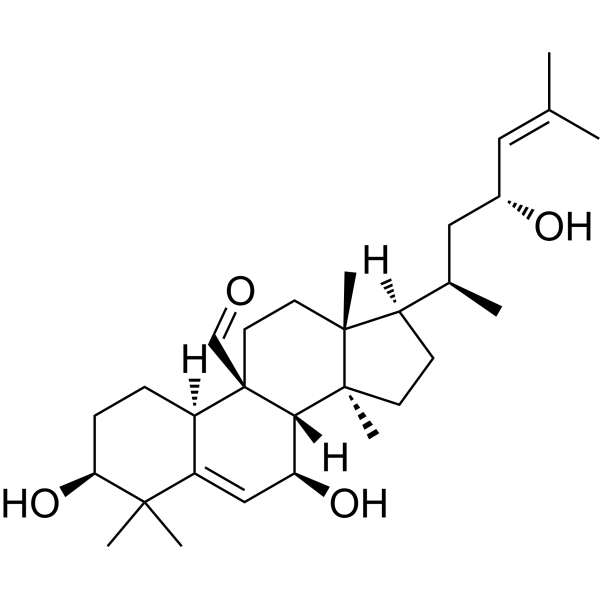 0 ImagesCat. No.: HY-122949CAS No.: 91590-76-0Momordicine I is a cucurbitane-type triterpenoids. Momordicine I suppresses glioma growth by promoting apoptosis and impairing mitochondrial oxidative phosphorylation. Momordicine I inhibits glycolysis, lipid metabolism, induces autophagy in HNC cells to suppress head and neck cancer growth. Momordicine I alleviates isoproterenol-induced cardiomyocyte hypertrophy through suppression of PLA2G6 and DGK-ζ. Momordicine I exerts its cardiovascular benefits by upregulating nitric oxide, inhibiting the activity of angiotensin-converting enzyme (ACE), activating the PI3K/Akt pathway, reducing oxidative stress and inflammation. Momordicine I inhibits AKT1, IL-6, and SRC, suggesting its potential application in type 2 diabetes.
-
[6]-Gingerol (Standard)
![[6]-Gingerol (Standard)](https://file.medchemexpress.com/product_pic/hy-14615r.gif "Click to View [6]-Gingerol (Standard) Product Detail") 0 ImagesSynonyms: (S)-(+)-[6]Gingerol (Standard)-Gingerol (Standard) is the analytical standard of -Gingerol. This product is intended for research and analytical applications. -Gingerol is an active compound isolated from Ginger (Zingiber officinale), exhibits a variety of biological activities including anticancer, anti-inflammation, and anti-oxidation.
0 ImagesSynonyms: (S)-(+)-[6]Gingerol (Standard)-Gingerol (Standard) is the analytical standard of -Gingerol. This product is intended for research and analytical applications. -Gingerol is an active compound isolated from Ginger (Zingiber officinale), exhibits a variety of biological activities including anticancer, anti-inflammation, and anti-oxidation.
-
(R)-MRT199665
 0 ImagesCat. No.: HY-120877APurity: 98.70%(R)-MRT199665 is an isomer of MRT199665 (HY-120877). MRT199665 is a potent and ATP-competitive, selective MARK/SIK/AMPK inhibitor with IC50s of 2/2/3/2 nM, 10/10 nM, and 110/12/43 nM for MARK1/MARK2/MARK3/MARK14, AMPKα1/AMPKα2, and SIK1/SIK2/SIK3, respectively. MRT199665 causes apoptosis in MEF2C-activated human acute myeloid leukemias (AML) cells. MRT199665 inhibits the phosphorylation of SIK substrate CRTC3 at S370.
-
Pegloxenatide
 0 ImagesCat. No.: HY-P3491CAS No.: 2420483-82-3Synonyms: Polyethylene glycol loxenatide; PEX 168Pegloxenatide (Polyethylene glycol loxenatide) is a long-acting glucagon-like peptide-1 receptor (GLP-1RA) agonist. Pegloxenatide has various activities such as lowering blood glucose, lowering blood lipids, improving body weight, anti-inflammation, promoting wound healing, protecting the liver, and protecting the heart. Pegloxenatide can be used in the research of type 2 diabetes and its multiple complications.
-
Pterosin A
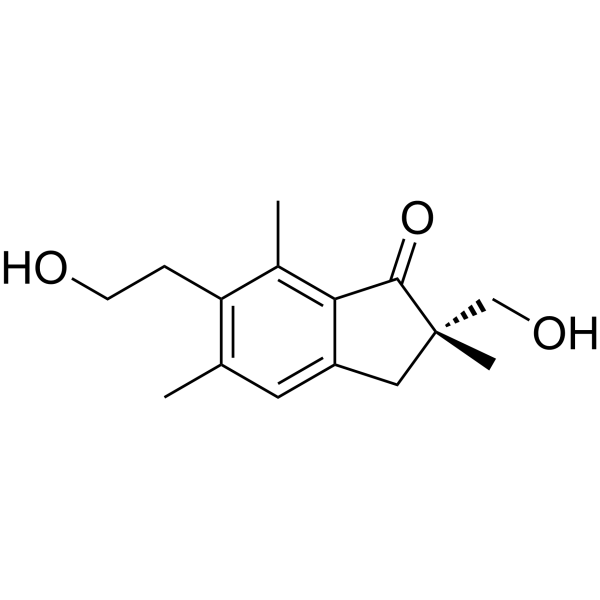 0 ImagesCat. No.: HY-N7912CAS No.: 35910-16-8Synonyms: (2S)-Pterosin APterosin A ((2S)-Pterosin A) is a sesquiterpene compound. Pterosin A is an orally active AMPK activator with anti-diabetic effect. Pterosin A can promote glucose uptake, increase serum insulin, and improve hyperglycemia and glucose intolerance. Pterosin A can prevent insulin-secreting cells death and reduce ROS production. Pterosin A can be used for the research of metabolic disease, such as diabetes.
-
Danthron (Standard)
 0 ImagesSynonyms: Dantron (Standard); Chrysazin (Standard); 1,8-Dihydroxyanthraquinone (Standard)Danthron (Standard) is the analytical standard of Danthron. This product is intended for research and analytical applications. Danthron is a natural product extracted from the traditional Chinese medicine Salvia miltiorrhiza Bunge. Danthron functions in regulating glucose and lipid metabolism by activating AMPK.
-
Phellodendrine
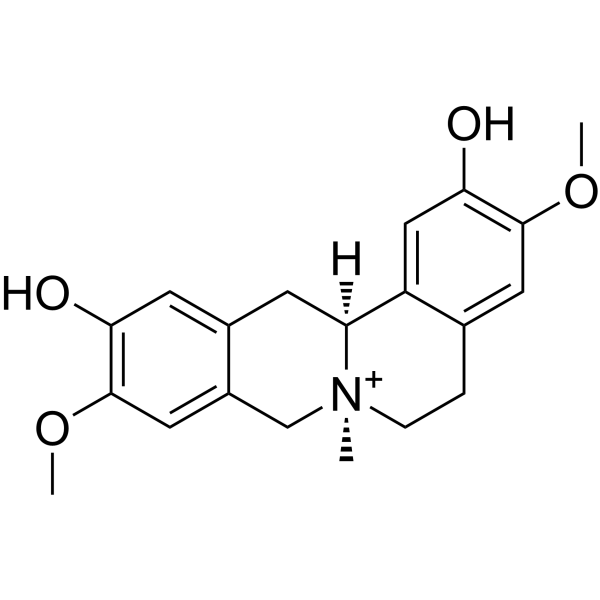 0 ImagesPhellodendrine is an orally active plant alkaloid. Phellodendrine inhibits the proliferation of KRAS-mutated pancreatic cancer cells by suppressing macropinocytosis and glutamine metabolism, inducing ROS accumulation and mitochondrial apoptosis. Phellodendrine promotes autophagy by activating the AMPK/mTOR pathway, alleviating intestinal damage in ulcerative colitis. Phellodendrine can alleviate gouty arthritis by inhibiting the IL-6/STAT3 signaling pathway. Phellodendrine suppresses allergic reactions by altering the conformation of MRGPRB3/MRGPRX2 protein, thereby inhibiting the activation of PKC and subsequent downstream MAPK and NF-κB signaling. Phellodendrine inhibits the AKT/NF-κB pathway and down-regulates the expression of COX-2, thereby protecting zebrafish embryos from oxidative stress. Phellodendrine has an anti-major depressive disorder (MDD) effect by down-regulating CHRM1, HTR1A, and the PI3K/Akt signaling pathway.
-
Flufenamic acid-13C6
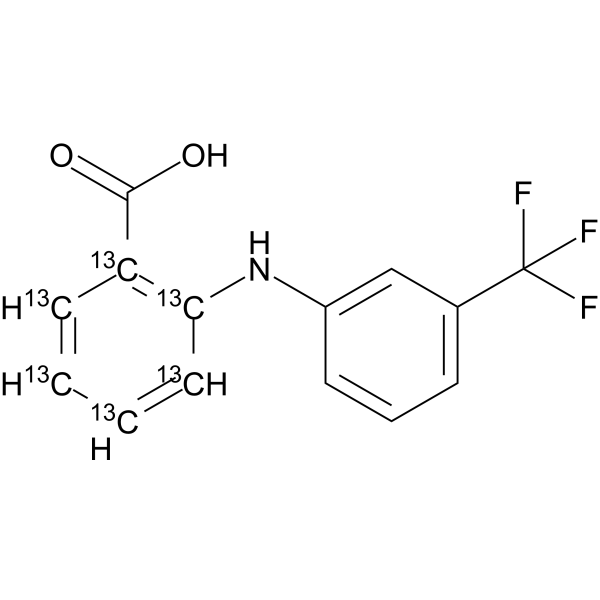 0 ImagesCat. No.: HY-B1221S1CAS No.: 1325559-30-5Flufenamic acid-13C6 is the 13C6 labeled Flufenamic acid. Flufenamic acid is a non-steroidal anti-inflammatory agent, inhibits cyclooxygenase (COX), activates AMPK, and also modulates ion channels, blocking chloride channels and L-type Ca2+ channels, modulating non-selective cation channels (NSC), activating K+ channels. Flufenamic acid binds to the central pocket of TEAD2 YBD and inhibits both TEAD function and TEAD-YAP-dependent processes, such as cell migration and proliferation.
-
Kanglexin
 0 ImagesKanglexin is an orally active and novel anthraquinone compound. Kanglexin inhibits NLRP3 inflammatory body activation and cell pyroptosis, and has a cardioprotective effect. Kanglexin promotes angiogenesis through FGFR1/ERK signaling pathway and accelerates diabetic wound healing. In addition, Kanglexin has the effect of lipid-lowering and inhibiting the dedifferentiation of vascular smooth muscle cells, and can be used in the study of hyperlipidemia, fatty liver and atherosclerosis.
-
GL-V9
 0 ImagesGL-V9 inhibits proliferation of HepG2 cell (IC50 is 35.2 μM) through induction of apoptosis and cell cycle arrest at G2/M phase. GL-V9 regulates mitochondrial membrane potential and increases the production of intracellular reactive oxygen species. GL-V9 inhibits the pentose phosphate pathway (PPP), enhances fatty acid oxidation (FAO) through activation of AMPK, and thus inhibits the metastasis of cancer cells. GL-V9 exhibits antitumor efficacy in mouse model.
-
Pyraclostrobin-d6
 0 ImagesCat. No.: HY-W654330Purity: 99.90%




