



Akt
PKB; Protein kinase B
Akt/PKB (Protein kinase B), a serine/threonine protein kinase with antiapoptotic activity, is one of the major downstream targets of PtdIns(3,4,5)P3 signaling pathway. It contains a pleckstrin homology domain (PH domain) that specifically binds PtdIns(3,4,5)P3 on the plasma membrane. Akt phosphorylation and activation are directly determined by the level of PtdIns(3,4,5)P3 on the plasma membrane, which is regulated by PI3K.
Akt consists of three isoforms: PKBα/Akt1, PKBβ/Akt2 and PKBγ/Akt3. Akt isoforms have an N-terminal PH (pleckstrin homology) domain and a kinase domain, which are separated by a 39-amino-acid hinge region. Catalytically active Akt regulates the function of numerous substrates involved in cell survival, growth, proliferation, metabolism and protein synthesis.
Akt is a crucial mediator of cell survival and its deactivation is implicated in various stress-induced pathological cell death and degenerative diseases.
Akt Isoform Specific Products
All Product Categories
-
Akt Inhibitors
(993)
View all products
-
Akt Agonists
(7)
View all products
-
Akt Activators
(298)
View all products
-
Akt Modulators
(25)
View all products
-
Akt Chemical
(1)
View all products
-
Akt Inducers
(9)
View all products
-
Akt Degraders
(11)
View all products
-
Akt Control
(1)
View all products
-
Akt Substrate
(1)
View all products
-
Akt Ligands
(6)
View all products
-
AKT Serine/Threonine Kinase 2 (AKT2) Proteins
(5)
View all products
-
AKT Serine/Threonine Kinase 3 (AKT3) Proteins
(6)
View all products
-
Akt Related Products (1461)
Related Products (1461)

-
Recombinant Proteins (11)
-
Antibodies (11)
-
Akt Isoform Comparison
-
Auriculasin
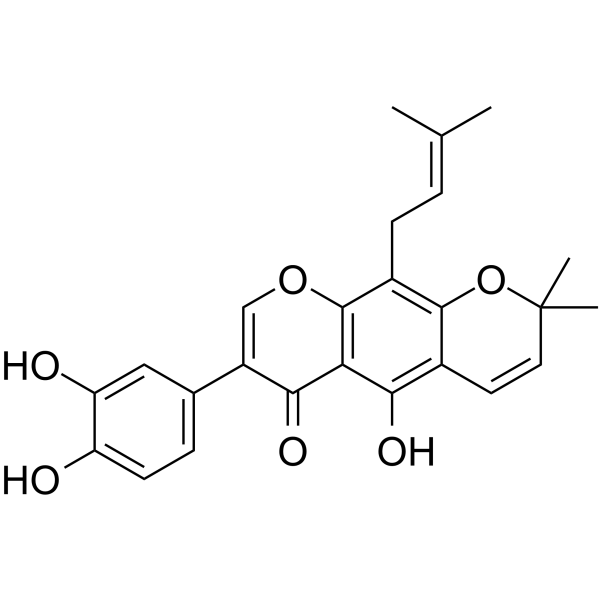 0 ImagesAuriculasin is an anticancer agent that inhibits VEGFR2, PI3K/AKT/mTOR, MAPK. Auriculasin can inhibit cell proliferation, induce cell apoptosis, and inhibit angiogenesis, and promotes mitochondrial oxidative stress and ferroptosis. Auriculasin is also active at the cannabinoid receptor CB1 with an IC50 of 8.92 μM. Auriculasin can be used in cancer research, especially related diseases such as prostate cancer and non-small cell lung cancer, as well as research on the development of anti-angiogenic drugs.
-
Theasaponin E1
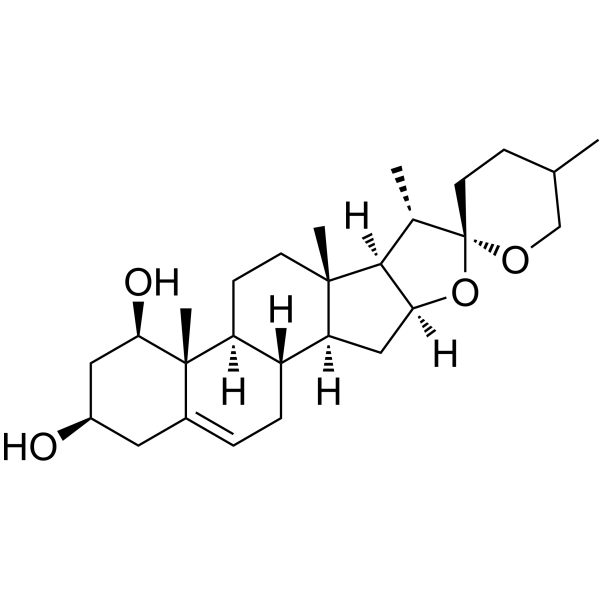
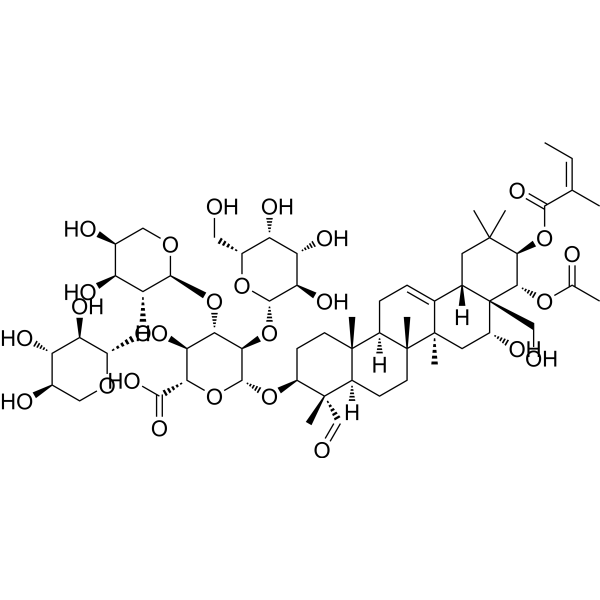 0 ImagesTheasaponin E1 is an orally effective tea saponin. Theasaponin E1 inhibits the proliferation of cancer cells by activating apoptosis. Theasaponin E1 inhibits angiogenesis in ovarian cancer cells and HUVECs by reducing the expression of VEGF. Theasaponin E1 upregulates the phosphorylation level of ATM protein and the expression level of PTEN protein in cancer cells, decreases the phosphorylation levels of Akt, mTOR, p70S6K and 4E-BP1 proteins, downregulates the expression of HIF-1α and NF-κB, and reduces the protein expression of Notch ligands Dll4 and Jagged1. Theasaponin E1 exerts neuroprotective effects by inhibiting the activity of acetylcholinesterase, activating α-secretase and neprilysin, reducing the concentration of Aβ, and inhibiting the activities of β-secretase and γ-secretase. Theasaponin E1 exhibits toxic effects on cancer cells and quinone reductase-inducing activity, and inhibits tumor growth in vivo. Theasaponin E1 induces ferroptosis in Pomacea canaliculata by synergistically disrupting cholesterol homeostasis and sphingolipid metabolism. Theasaponin E1 possesses anti-biofilm activity against Candida albicans. Theasaponin E1 can be used in the research of ovarian cancer, obesity, Alzheimer's disease and fungal infections.
-
SMART1
 0 ImagesCat. No.: HY-W998345Purity: 99.87%SMART1 is a highly specific and CRBN-dependent PROTAC that can effectively degrade Smurf1. SMART1 can block the PDK1-Akt signaling pathway in KRAS mutant colorectal cancer. SMART1 can inhibit tumor growth in KRAS mutant colorectal cancer (CRC) xenograft models.
-
Dehydrovomifoliol
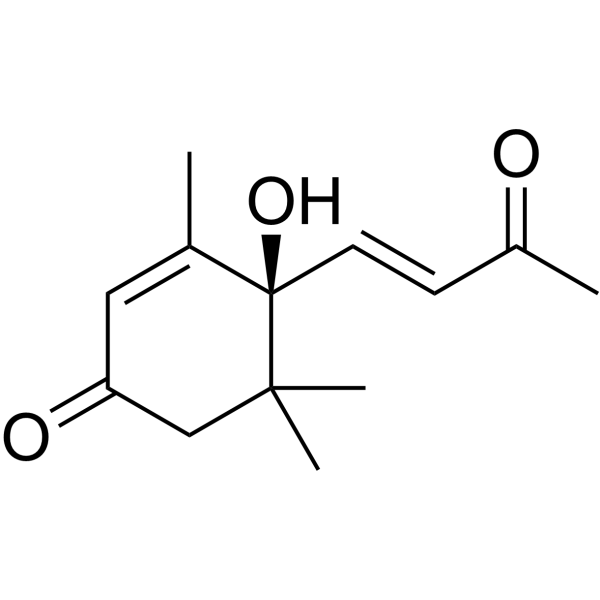 0 ImagesDehydrovomifoliol is a AKT/mTOR dual inhibitor. Dehydrovomifoliol reduces lipid accumulation and lipogenesis by inhibiting the AKT/mTOR signaling pathway. Dehydrovomifoliol is used in nonalcoholic fatty liver disease research (NAFLD) .
-
Phlorizin dihydrate
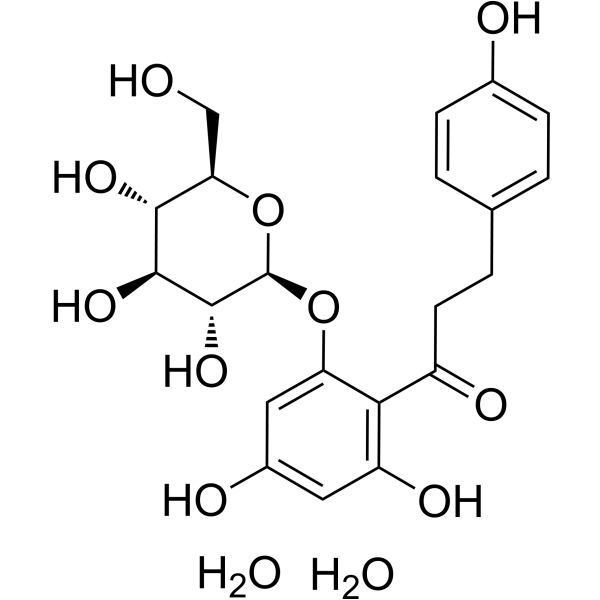 0 ImagesPhlorizin (Floridzin) dihydrate is an orally active non-selective sodium-glucose cotransporter (SGLT) inhibitor, with an IC50 of 0.04 μM and a Ki of 39 nM against hSGLT2, and an IC50 of 0.17 μM and a Ki of 0.31 μM against hSGLT1. Phlorizin dihydrate promotes GLUT4 translocation, inhibits gluconeogenesis and promotes glycogen synthesis by activating the PI3K/Akt/mTOR pathway. Phlorizin dihydrate reduces DNA damage and apoptosis (apoptosis) by inhibiting the NF-κB inflammatory pathway. Phlorizin dihydrate induces apoptosis via activating the Caspase pathway by antagonizing the JAK/STAT3 and PCK pathways. Phlorizin dihydrate also exhibits antibacterial, anti-inflammatory and neuroprotective activities.
-
SKF-96365
 0 ImagesSKF-96365 is a TRPC channel antagonist and store-operated calcium entry (SOCE) inhibitor. SKF-96365 reduces calcium ion influx by inhibiting the activity and expression of TRPC6, STIM1 and Orai1. SKF-96365 inhibits voltage-gated sodium current (cardiac INa/NaV1.5) and slows myocardial conduction. SKF-96365 inhibits phosphorylation/activation of CaMKIIγ and suppresses the downstream AKT signaling pathway. SKF-96365 induces G2/M phase cell cycle arrest, apoptosis and cytoprotective autophagy in colorectal cancer cells. SKF-96365 alleviates allergic rhinitis symptoms by reducing inflammatory cytokine levels. SKF-96365 reduces intracellular calcium overload, inhibits Homer1 expression, prevents nuclear damage and suppresses apoptosis. SKF-96365 inhibits the growth of colorectal cancer xenografts in nude mice. SKF-96365 is applicable to research related to allergic rhinitis, colorectal cancer, Parkinson's disease, persistent spontaneous nociception and hyperalgesia.

-
Pongamol
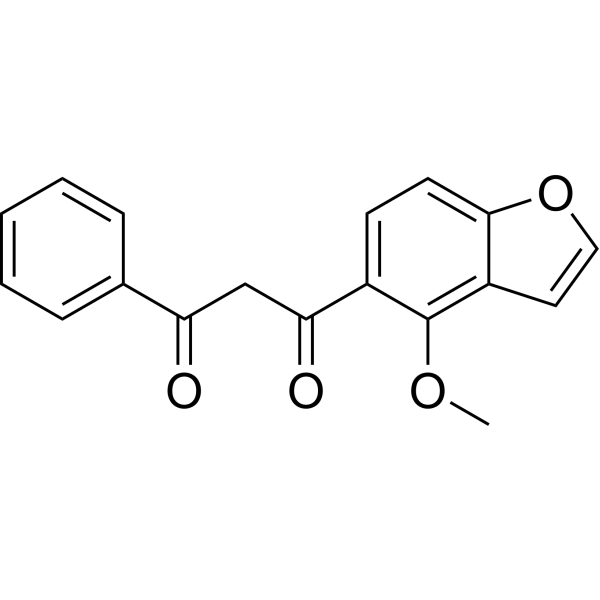 0 ImagesPongamol (Lanceolatin C) is an orally active flavonoid with an IC50 of 75 μM and a Ki of 58 μM against PTPase-1B, and an IC50 of 103.5 μM against intestinal α-Glycosidase. Pongamol reduces the release of IL‑1β, TNF‑α, COX‑2 and iNOS in cells, reverses the nuclear translocation of NF‑κB, and upregulates the levels of Beclin 1 and LC3 Ⅱ/LC3 Ⅰ. Pongamol promotes glucose uptake by increasing the level of GLUT4 on the surface of skeletal muscle cells. Pongamol inhibits epithelial-mesenchymal transition by suppressing the FAK/Akt-mTOR signaling pathway. Pongamol inhibits neuronal cytotoxicity, suppresses cell apoptosis and extends the lifespan of Caenorhabditis elegans by activating the MAPKs/Nrf2 signaling pathway. Pongamol exerts hypoglycemic effects in diabetic mouse models. Pongamol exhibits antibacterial activity. Pongamol alleviates oxidative stress, neuroinflammation, Aβ deposition and excessive phosphorylation of Tau Protein, and restores autophagy function in Alzheimer's disease mouse models by inhibiting the Akt/mTOR signaling pathway. Pongamol is applicable to research related to Alzheimer's disease, type 2 diabetes, non-small cell lung cancer and postprandial hyperglycemia.

-
Petunidin-3-O-glucoside chloride
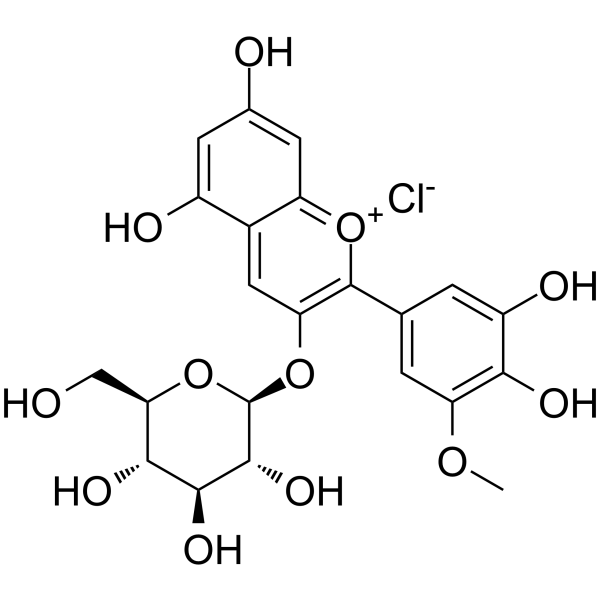 0 ImagesPetunidin-3-O-glucoside chloride is a blood-brain barrier-penetrating tyrosinase inhibitor with an IC50 of 10.3 μM and a Ki of 9.0 μM. Petunidin-3-O-glucoside also acts as an α-glucosidase inhibitor with an IC50 of 218.2 µM. Petunidin-3-O-glucoside chloride inhibits the SIRT3/p53-mediated mitochondrial pathway and the PI3K/Akt-ERK pathway, suppresses glycolysis, and induces cell apoptosis. Petunidin-3-O-glucoside chloride scavenges ROS to exert antioxidant activity. It can be used in research related to glioblastoma multiforme, skin anti-aging and whitening, as well as obesity.
-
YN14
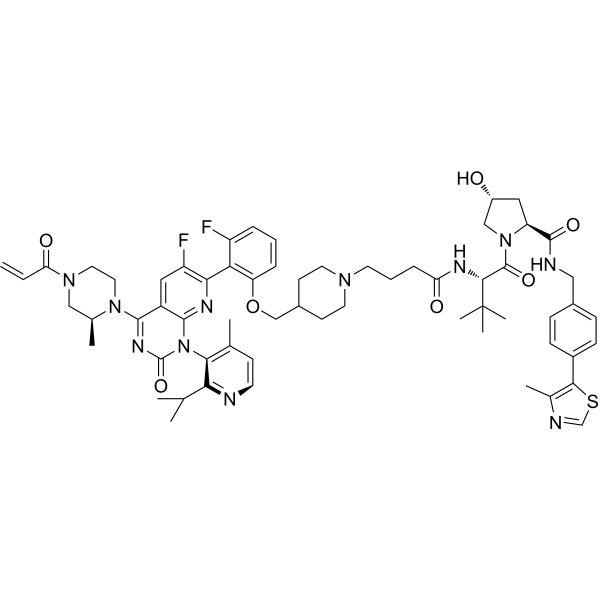 0 ImagesCat. No.: HY-155356Purity: 99.08%YN14 is a KRASG12C PROTAC degrader that recruits E3 ubiquitin ligase to induce the polyubiquitination and proteasomal degradation of KRASG12C. YN14 induces tumor cell apoptosis, cell cycle arrest, and cell migration inhibition. YN14 exhibits in vivo antitumor proliferative activity in tumor cell xenograft nude mice. YN14 can be used in cancer-related research.
-
Larixol
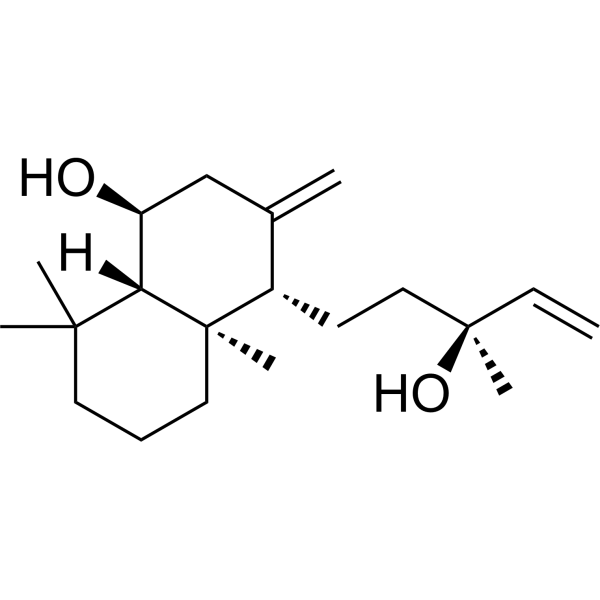 0 ImagesCat. No.: HY-W744699CAS No.: 1438-66-0Synonyms: (+)-LarixolLarixol is an fMLP inhibitor and also inhibits Src kinase, ERK1/2, p38 and AKT phosphorylation signals in immune regulation. Larixol can interfere with the interaction between the βγ subunit of the fMLP receptor Gi protein and its downstream molecules, thereby inhibiting fMLP-induced respiratory burst. Larixol inhibits fMLP (0.1 μM)-induced superoxide anion production (IC50: 1.98 μM), cathepsin G release (IC50: 2.76 μM), and chemotaxis. Larixol improves neutrophil hyperactivation and reduces inflammation or tissue damage. A series of Larixol derivatives were found to have inhibitory effects on FSGS-related TRPC6 functional mutants.
-
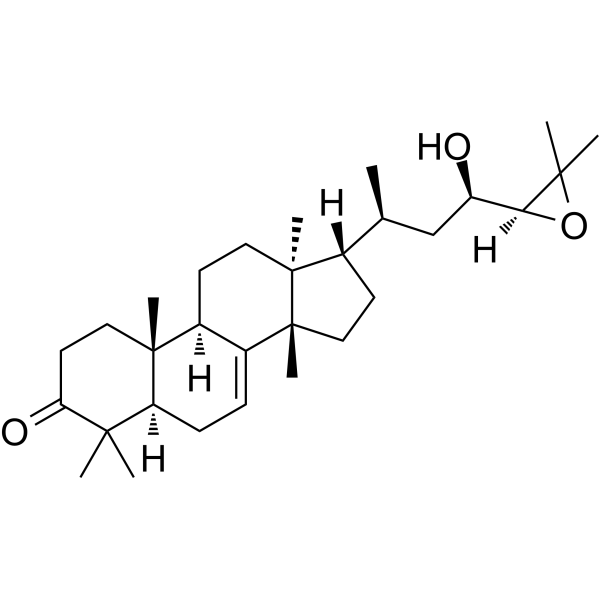
Afatinib (Standard)
 0 ImagesCat. No.: HY-10261RCAS No.: 850140-72-6Synonyms: BIBW 2992 (Standard)Afatinib (Standard) is the analytical standard of Afatinib. This product is intended for research and analytical applications. Afatinib (BIBW 2992) is an orally active, potent and irreversible dual specificity inhibitor of ErbB family (EGFR and HER2), with IC50 values of 0.5 nM, 0.4 nM, 10 nM and 14 nM for EGFRwt, EGFRL858R, EGFRL858R/T790M and HER2, respectively. Afatinib can be used for the research of esophageal squamous cell carcinoma (ESCC), non-small cell lung cancer (NSCLC) and gastric cancer.
-
MMPP
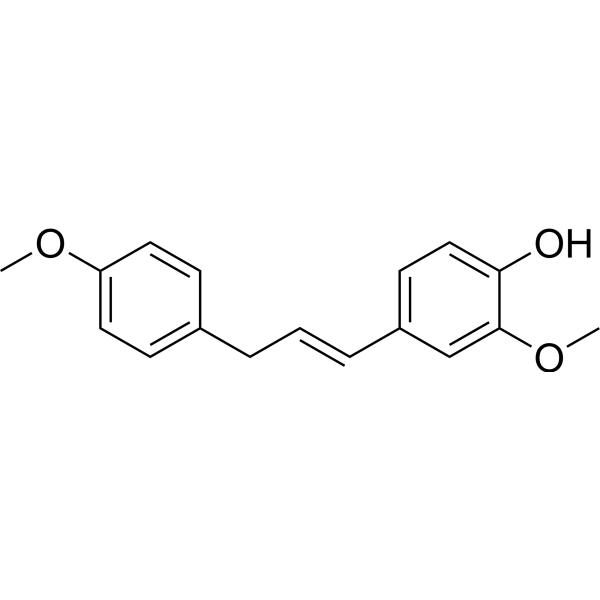 0 ImagesMMPP is an orally active inhibitor of STAT3 and VEGFR2, as well as an activator of PPARγ. MMPP blocks the VEGFR2/AKT/ERK/NF-κB signaling pathway to inhibit angiogenesis. MMPP inhibits ferroptosis and inflammation, and alleviates sepsis-induced myocardial injury. MMPP induces G1-phase cell cycle arrest and apoptosis, and inhibits the growth of non-small cell lung cancer (NSCLC) and solid tumors. MMPP promotes adipogenesis and glucose uptake. MMPP can be used in research related to NSCLC, type 2 diabetes and myocardial injury.
-
Akt1-IN-1
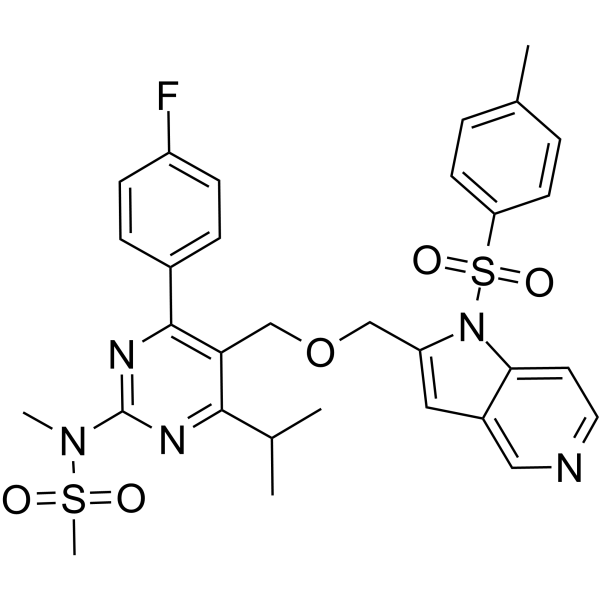 0 ImagesCat. No.: HY-146459Purity: 99.77%Akt1-IN-1 (compound 5b) is a potent and selective Akt1 inhibitor with an IC50 value of 18.79 nM in MIA Paca-2 cells. Akt1-IN-1 does not exhibit obvious teratogenicity, hepatotoxicity and cardiotoxicity (No Observed Adverse Effect Level > 100 µM). Akt1-IN-1 can be used for researching anticancer.
-
BI-113823
 0 ImagesBI-113823 is an orally active, blood-brain barrier-permeable bradykinin B1 receptor antagonist, with a Ki value of 5.3 nM for human receptors and 13.3 nM for rat receptors. BI-113823 reduces inflammation-induced mechanical hyperalgesia, as well as the mechanical sensitivity of peripheral afferent nerves and spinal nociceptive-specific neurons. BI-113823 alleviates liver fibrosis and portal hypertension, and improves survival in chronic liver disease models. BI-113823 inhibits the activities of monocytes, neutrophils and hepatic stellate cells, as well as the PI3K/Akt signaling pathway. BI-113823 can be used in research related to inflammatory pain, liver fibrosis and portal hypertension.
-
YK-8S
 0 ImagesCat. No.: HY-159591CAS No.: 3060515-08-1YK-8S is a dual-targeted K-Ras (G12D/G12C) covalent inhibitor. YK-8S shows no significant binding to wild-type K-Ras and other mutants (G12R, G13D, Q61R/K). YK-8S exhibits anti-proliferative activity against H358 (G12C) and AGS (G12D) cells. YK-8S inhibits the phosphorylation of p-AKT/p-ERK in BaF3/G12D and G12C cells. YK-8S can be used for pancreatic cancer, colorectal cancer and other tumors with high incidence of G12D.
-
Wnt/β-catenin-IN-6
 0 ImagesCat. No.: HY-172920Purity: 98.34%Wnt/β-catenin-IN-6 is an orally active Wnt/β-catenin pathway inhibitor. Wnt/β-catenin-IN-6 blocks the AKT/GSK-3β/β-catenin signaling pathway, leading to reduced expression of Wnt target genes (c-Myc, c-Jun). Wnt/β-catenin-IN-6 reduces COX2 expression and IL-8 levels, highlighting its dual anti-inflammatory and antitumor effects. Wnt/β-catenin-IN-6 can induce apoptosis. Wnt/β-catenin-IN-6 serves as a tool for non-small cell lung cancer (NSCLC) research.




