



COX
Cyclooxygenase (COX) catalyzes the conversion of arachidonic acid into prostaglandin G2 and prostaglandin H2, initiating prostanoid biosynthesis that regulates inflammation, vascular homeostasis, pain signaling, and tissue responses to injury[1][2]. Mechanistically, COX enzymes contain two major isoforms, COX-1 and COX-2, which catalyze the same biochemical reaction but differ in gene regulation, tissue distribution, intracellular localization, and substrate selectivity[1][2]. COX-1 is constitutively expressed in most tissues and contributes to gastric mucosal protection, platelet function, and renal hemodynamic maintenance, whereas COX-2 is rapidly induced by inflammatory cytokines, growth factors, and pathological stimuli[1][3]. In disease models, increased COX-2 expression is associated with chronic inflammatory disorders, neurodegenerative diseases, and multiple cancer types, supporting its central role in inflammation-driven pathophysiology and tumor progression[1][2]. Compared with related isoforms, COX-2 contains a larger and more flexible substrate-binding channel that enables distinct inhibitor selectivity and broader fatty-acid utilization[1][4]. Therefore, selective and non-selective nonsteroidal anti-inflammatory drugs (NSAIDs) remain important experimental tools for dissecting prostaglandin-dependent signaling pathways, while COX-2-selective inhibitors have been widely used to investigate inflammatory mechanisms and disease-associated prostanoid production[1][2][4].
References:
- [1]. Faki Y, et al. Different Chemical Structures and Physiological/Pathological Roles of Cyclooxygenases. Rambam Maimonides Med J. 2021 Jan 19;12(1):e0003. [Content Brief]
- [2]. Joanne P, et al. Lipid reorganization induced by membrane-active peptides probed using differential scanning calorimetry. Biochim Biophys Acta. 2009 Sep;1788(9):1772-81. [Content Brief]
- [3]. Cyclooxygenase in sciencedirect topic.
-
COX Related Products (740)
Related Products (740)

-
Sodium thiosulfate (98%)
 0 ImagesSodium thiosulfate (Sodium hyposulfite) is an antioxidant. Sodium thiosulfate inhibits the expression of p-GSK-3β and β-catenin proteins, reduces IL-1β, COX-2, and Iba-1, and inhibits NFκB activation. Sodium thiosulfate promotes angiogenesis, inhibits inflammation, and improves acute lung injury. Sodium thiosulfate also exhibits anti-cancer activity against melanoma. Sodium thiosulfate also exerts renal protective effects. Sodium thiosulfate can be used in the research of osteoarthritis, brain inflammation, cancer (such as breast cancer, melanoma), and kidney disease.
-
Zaloglanstat
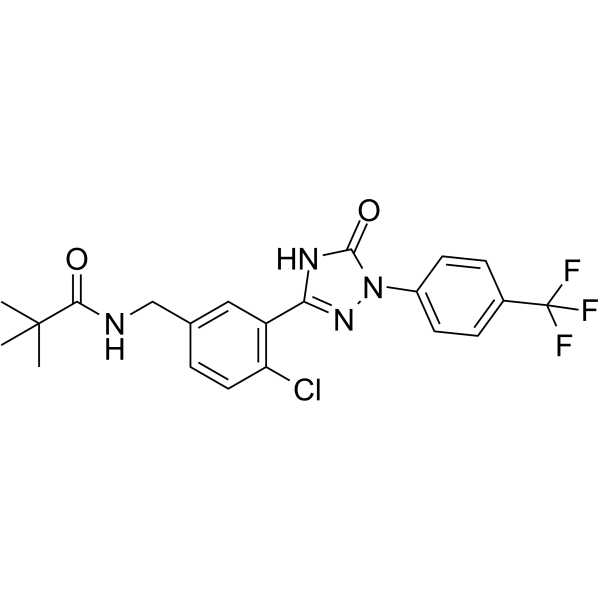 0 ImagesSynonyms: ISC-27864; GRC-27864Zaloglanstat (ISC-27864; GRC-27864) is a selective, orally active microsomal mPGES-1 inhibitor. Zaloglanstat has an IC50 of 5 nM for human mPGES-1 without significant inhibitory effect on COX-1/2 (IC50 >10 μM). Zaloglanstat blocks the conversion of arachidonic acid metabolite prostaglandin PGH2 to prostaglandin PGE2, thereby inhibiting inflammation-related PGE2 overproduction and reducing inflammatory responses and pain. Zaloglanstat inhibits IL-1β-induced PGE2 release in A549 cells and human synovial fibroblasts in vitro. Zaloglanstat inhibits PGE2 release in pig and dog whole blood with IC50s of 161 nM and 154 nM, respectively. Zaloglanstat can be used in the study of asthma, osteoarthritis, and neurodegenerative diseases.
-
Acetaminophen-d7
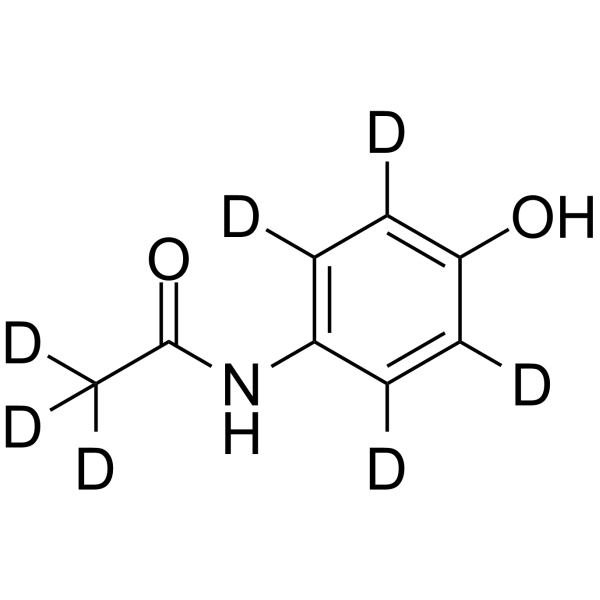 0 ImagesSynonyms: Paracetamol-d7; 4-Acetamidophenol-d7; 4'-Hydroxyacetanilide-d7Acetaminophen-d7 is the deuterium labeled Acetaminophen. Acetaminophen (Paracetamol) is a selective cyclooxygenase-2 (COX-2) inhibitor with an IC50 of 25.8 μM; is a widely used antipyretic and analgesic agent. Acetaminophen is a potent hepatic N-acetyltransferase 2 (NAT2) inhibitor.
-
Choline fenofibrate
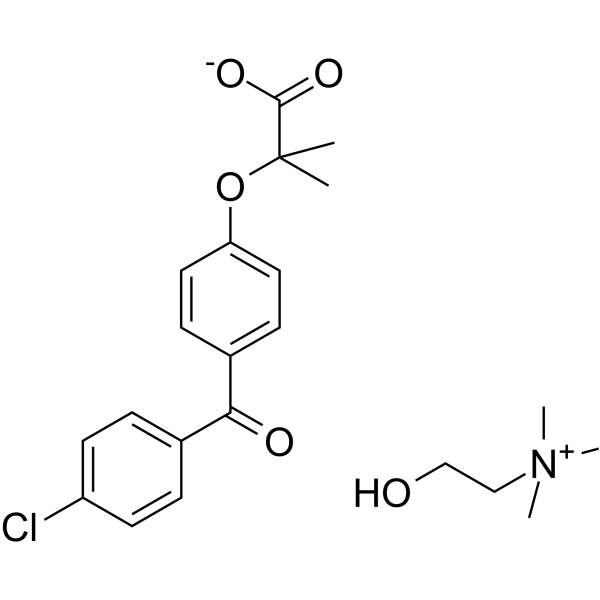 0 ImagesSynonyms: ABT-335Choline Fenofibrate (ABT-335), a choline salt of Fenofibric acid (HY-B0760), releases free Fenofibric acid in the gastrointestinal tract. Fenofibric acid is a PPAR activator with antihyperlipidemic effect.
-
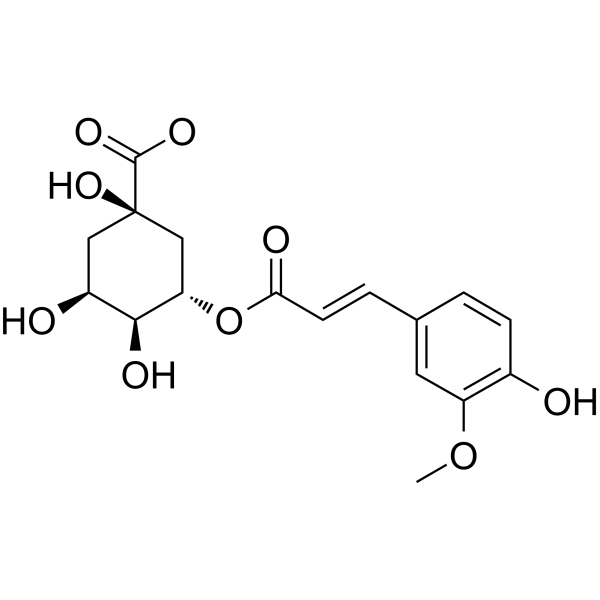
(-)-Syringaresinol
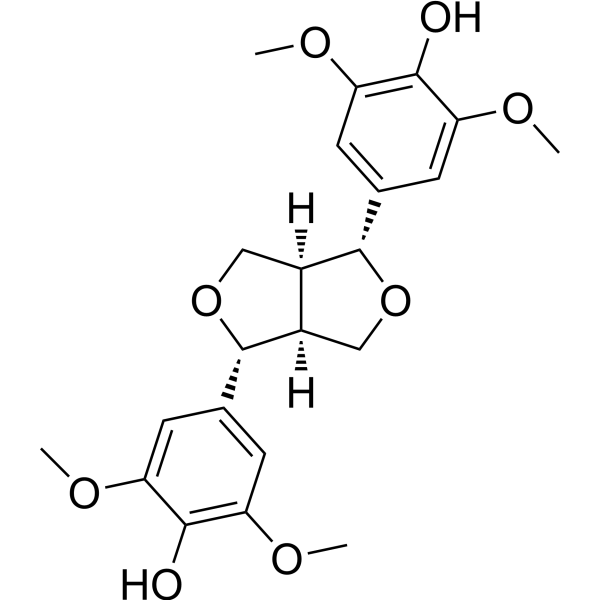 0 Images(-)-Syringaresinol is an orally active isomer of syringaresinol (HY-N8307) found in Annona Montana. (-)-Syringaresinol exhibits antioxidant, anti-inflammatory, and anticancer activities. (-)-Syringaresinol can alleviate ulcerative colitis via the PI3K-Akt/MAPK/Wnt signaling pathway. (-)-Syringaresinol inhibits HL-60 cell proliferation by arresting the G1 phase and inducing apoptosis. (-)-Syringaresinol inhibits LPS (HY-D1056)-induced microglial activation by downregulating the NF-κB p65 signaling pathway and its interaction with ERβ, exerting anti-neuroinflammatory effects.
-
Methylhydroquinone
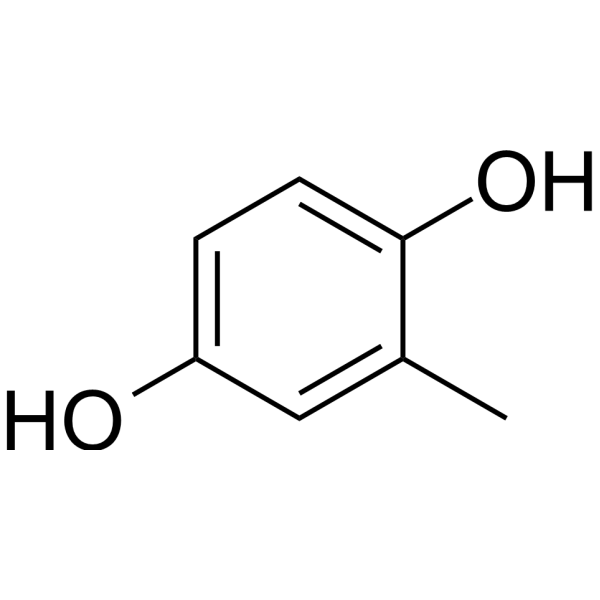 0 ImagesMethylhydroquinone is an orally active COX inhibitor with IC50s of 480.7 μM and 52.2 μM for ovine COX-1 and human recombinant COX-2, respectively. Methylhydroquinone has potential DNA damaging effects: 1) inhibiting COX-1 to reduce prostaglandin synthesis and exert anti-inflammatory activity; 2) inducing DNA single-strand breaks. Methylhydroquinone exerts its effects by competitively binding to the active sites of COX-1 (such as Tyr385, Met522) and non-covalent interactions.
-
Methyl syringate
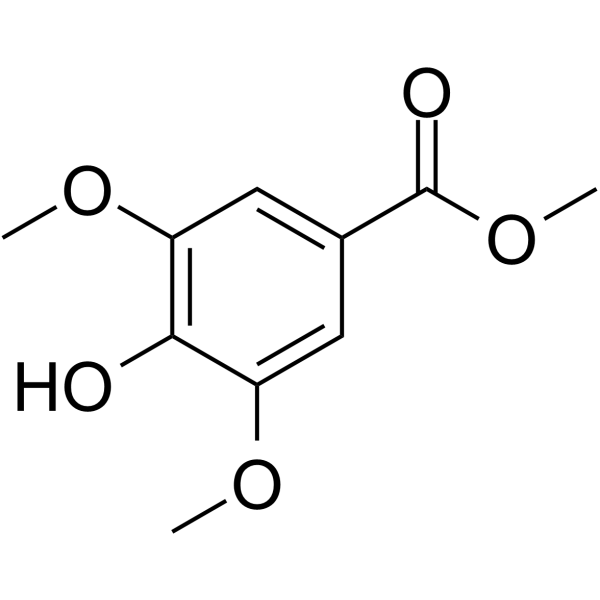 0 ImagesMethyl syringate is a selective TRPA1 agonist. Methyl syringate regulates food intake and gastric emptying through a TRPA1-mediated pathway. Methyl syringate is an efficient phenolic mediator for bacterial and fungal laccases. Methyl syringate is a chemical marker of Asphodel monofloral honey. Methyl syringate contributes to the antibacterial activity of honey. Methyl syringate inhibits aflatoxin production. Methyl syringate can contribute to weight suppression. Methyl syringate can be studies for cancer prevention (e.g. lung cancer), suppression of hypoxia-induced inflammatory response and tumorigenesis.

-
Metamizole sodium hydrate
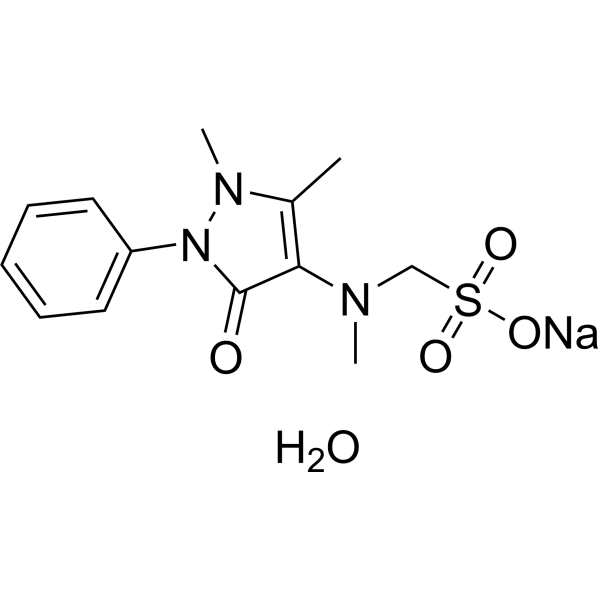 0 ImagesSynonyms: Dipyrone hydrate; Methamizole sodium hydrateMetamizole sodium hydrate (Dipyrone) is an orally active cyclooxygenase (COX) inhibitor.. Metamizole sodium hydrate can inhibit cell proliferation and promote cell apoptosis. Metamizole sodium hydrate has anti-inflammatory and antioxidant activities. Metamizole sodium hydrate is an antipyretic, analgesic and spasmolytic agent. Metamizole sodium hydrate can be used in research to relieve a variety of pain.
-
3′,4′,7-Trihydroxyflavone
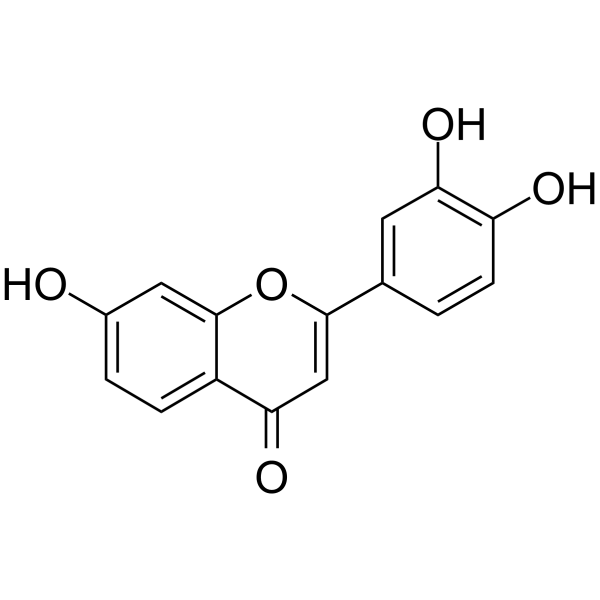 0 Images3′,4′,7-Trihydroxyflavone is an orally active inhibitor of OXA-48 (IC50 = 1.89 μM) and COX-1 (IC50 = 36.37 μM). 3′,4′,7-Trihydroxyflavone exhibits antioxidant and anti-inflammatory properties, inhibiting the release of inflammatory cytokines such as IL-6, IL-8, and TNF-α. 3′,4′,7-Trihydroxyflavone inhibits H2O2-induced neuronal apoptosis and ROS accumulation, and exerts anti-neuroinflammatory effects by suppressing the JNK-STAT1 pathway. 3′,4′,7-Trihydroxyflavone exhibits antimicrobial and antibiotic-modifying activities against multidrug-resistant Gram-negative enteric bacteria. 3′,4′,7-Trihydroxyflavone inhibits RANKL-induced osteoclast formation via NFATc1. 3′,4′,7-Trihydroxyflavone activates the CREB-BDNF axis and restores scopolamine (HY-N0296)-induced memory deficits in mice.
-
Flurbiprofen-d3
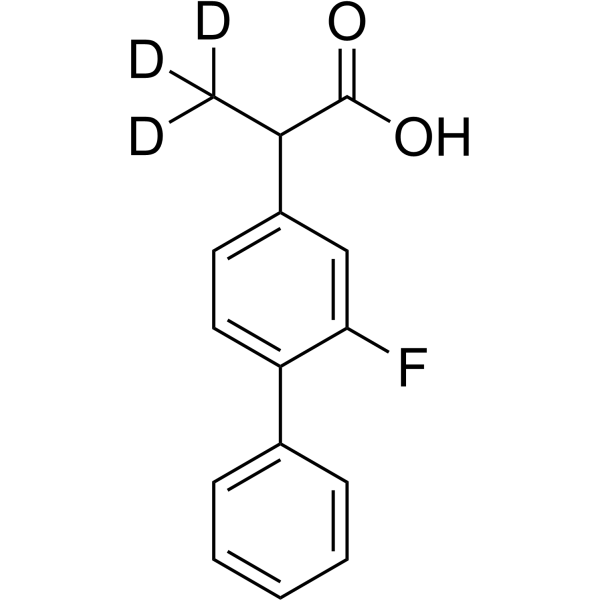 0 ImagesSynonyms: dl-Flurbiprofen-d3Flurbiprofen-d3 is the deuterium labeled Flurbiprofen. Flurbiprofen (dl-Flurbiprofen) is a potent, orally active nonsteroidal anti-inflammatory agent (NSAIA/NSAID), with antipyretic and analgesic activities. Flurbiprofen is commonly used for the research of inflammatory diseases, including osteoarthritis and rheumatoid arthritis. Flurbiprofen is a non-selective cyclooxygenase (COX) inhibitor that can be used for the research of colorectal cancer.
-
4-Methylamino antipyrine
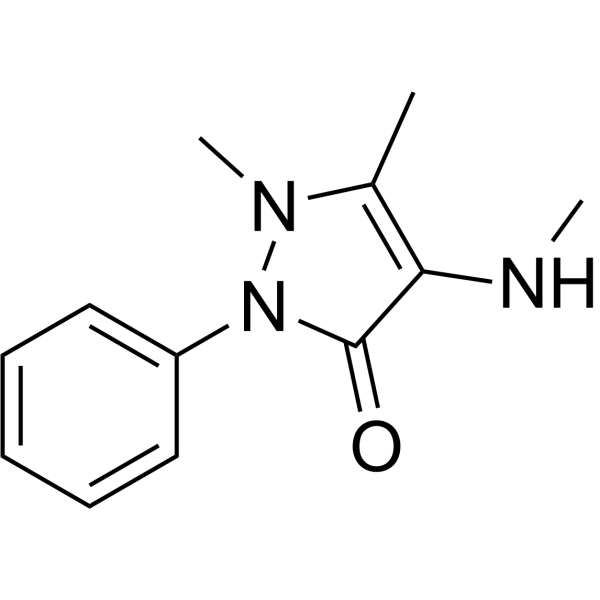 0 Images4-Methylamino antipyrine is an active metabolite of Metamizole. Metamizole is a pyrazolone non-steroidal anti-inflammatory drug (NSAID) and inhibits COX. Metamizole is an nonopioid analgesic agent and can be used for pain and fever. 4-Methylamino antipyrine has analgesic, antipyretic, and relatively weak antiinflammatory properties.
-
Chlorotrianisene
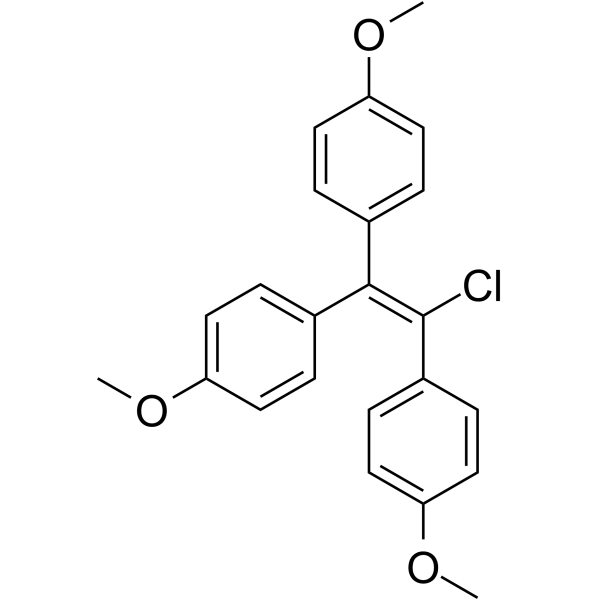 0 ImagesChlorotrianisene is a long-acting non-steroidal estrogen and an orally active estrogen receptor modulator. Chlorotrianisene exhibits antiestrogenic activity. Chlorotrianisene potently inhibits the enzyme COX-1 and inhibits platelet aggregation in whole blood.
-
Famprofazone
 0 ImagesFamprofazone is a non-steroidal anti-inflammatory drug (NSAID) that belongs to the pyrazolone series, and it has analgesic, anti-inflammatory, and antipyretic effects.
-
Aspirin-d4
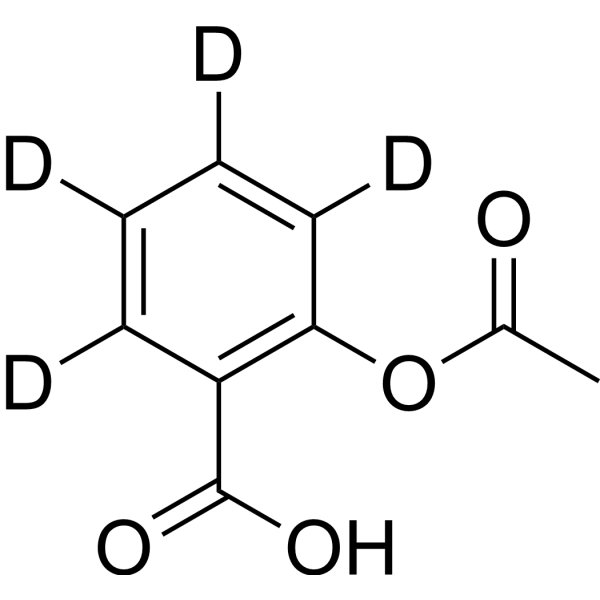 0 ImagesSynonyms: Acetylsalicylic acid-d4; ASA-d4Aspirin-d4 is the deuterium labeled Aspirin (HY-14654). Aspirin (Acetylsalicylic acid) is an orally active, potent and irreversible inhibitor of cyclooxygenase COX-1 and COX-2, with IC50 values of 5 and 210 μg/mL, respectively. Aspirin induces apoptosis. Aspirin inhibits the activation of NF-κB. Aspirin also inhibits platelet prostaglandin synthetase, and can prevent coronary artery and cerebrovascular thrombosis.
-
Clonixin
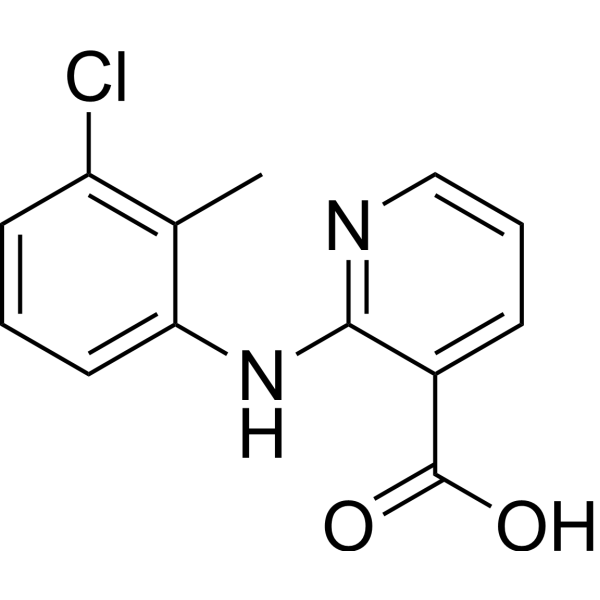 0 ImagesSynonyms: SCH-10304Clonixin (SCH-10304) is an orally active non-steroidal anti-inflammatory agent (NSAID) that inhibits COX synthesis. Clonixin acts as a voltage-gated L-type calcium channel blocker, exerts vasodilatory effects by antagonizing Ca2+ in vascular smooth muscle. Clonixin inhibits TGF-β, reduces lung coefficient, immune cell infiltration level, oxidative stress response, airway resistance, hydroxyproline content and collagen deposition. Clonixin can be used in research related to inflammation such as idiopathic pulmonary fibrosis and moderate to severe pain.
-
Sodium propionate-13C3
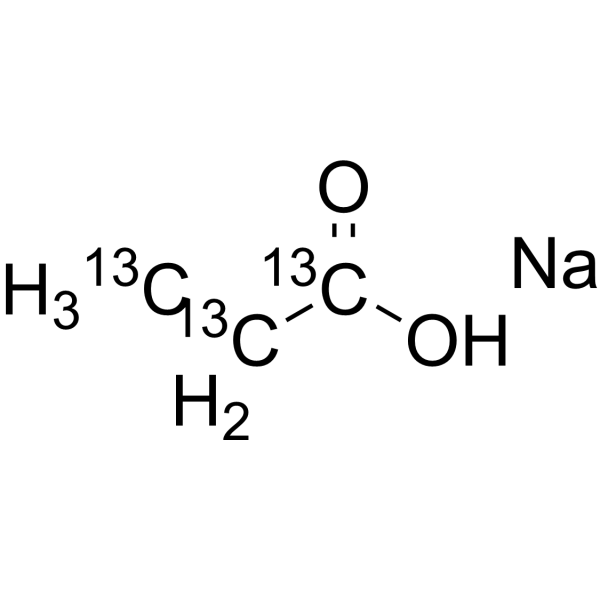 0 ImagesSodium propionate-13C-3 is the 13C-labeled Propionate sodium (HY-B1773A). Sodium propionate is an orally active short-chain fatty acid. Sodium propionate can be produced by intestinal bacteria from the metabolism of dietary fiber. Sodium propionate increases PPAR-γ, inhibits NF-κB activation, and reduces COX-2 expression and NO production. Sodium propionate also induces Apoptosis and Autophagy. Sodium propionate reduces HSV-1-induced keratitis. Sodium propionate has anticancer effects against glioblastoma. Sodium propionate exhibits neuroprotective, antioxidant, and anti-inflammatory activities. Sodium propionate can be used in the research of spinal cord injury and Alzheimer's disease.



