



EGFR
Epidermal growth factor receptor; ErbB-1; HER1
The EGFR family of receptor tyrosine kinases (RTK) comprises four distinct receptors: the EGFR (also known as ErbB-1/HER1), ErbB-2 (neu, HER2), ErbB-3 (HER3) and ErbB-4 (HER4). All EGFR family members are characterized by a modular structure consisting of an extracellular ligand-binding domain, a single hydrophobic transmembrane region, and the intracellular part harbouring the highly conserved tyrosine kinase domain. The ErbB family of receptor tyrosine kinases (RTKs) couples binding of extracellular growth factor ligands to intracellular signaling pathways regulating diverse biologic responses, including proliferation, differentiation, cell motility, and survival. Ten growth factors and their ErbB specificities are: EGF, amphiregulin (AR), and TGF bind ErbB-1; betacellulin, and epiregulin bind both ErbB-1 and ErbB-4; the neuregulins (also called heregulins and Neu differentiation factors) NRG-1 and NRG-2 bind ErbB-3 and ErbB-4; and NRG-3 and NRG-4 bind ErbB-4. No known ligand binds ErbB-2. The three best characterized signaling pathways induced through ErbBs are Ras-mitogen-activated protein kinase (Ras-MAPK), phosphatidylinositol 3 kinase-protein kinase B (PI3K-PKB/Akt), and phospholipase C-protein kinase C (PLC-PKC) pathways.
EGFR Isoform Specific Products
All Product Categories
-
EGFR Inhibitors
(1054)
View all products
-
EGFR Agonists
(4)
View all products
-
EGFR Antagonists
(5)
View all products
-
EGFR Activators
(9)
View all products
-
EGFR Modulators
(7)
View all products
-
EGFR Chemicals
(3)
View all products
-
EGFR Inducers
(5)
View all products
-
EGFR Degraders
(54)
View all products
-
EGFR Controls
(6)
View all products
-
EGFR Substrate
(1)
View all products
-
EGFR Ligands
(20)
View all products
-
ErbB2/HER2 Proteins
(40)
View all products
-
ErbB3/HER3 Proteins
(15)
View all products
-
EGFR Proteins
(47)
View all products
-
ErbB4/HER4 Proteins
(10)
View all products
-
EGFR Related Products (1295)
Related Products (1295)

-
Recombinant Proteins (112)
-
Antibodies (19)
-
EGFR Isoform Comparison
-
Firmonertinib
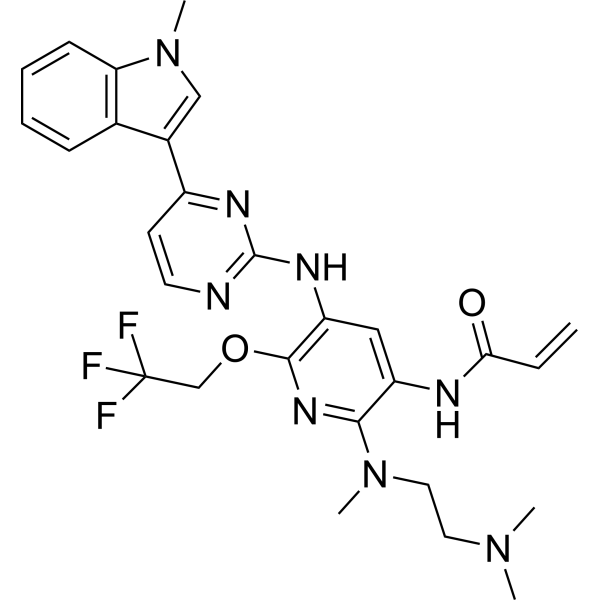 0 ImagesSynonyms: Alflutinib; Furmonertinib; AST2818Firmonertinib (Alflutinib; Furmonertinib) is an orally active, mutant-selective, and highly brain penetrant EGFR inhibitor. Firmonertinib inhibits EGFR active mutations as well as the T790M acquired resistant mutation. Firmonertinib has the potential for the research of cancer diseases, especially advanced non-small cell lung cancer (NSCLC) with EGFR ex20ins mutation.
-
Runimotamab
 0 ImagesSynonyms: BTRC-4017A; RG-6194

-
Butein
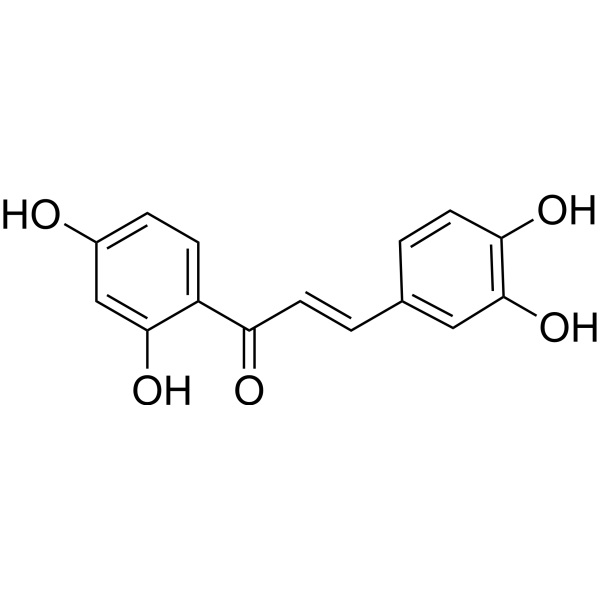 0 ImagesButein is a cAMP-specific PDE inhibitor with an IC50 of 10.4 μM for PDE4. Butein is a specific protein tyrosine kinase inhibitor with IC50s of 16 and 65 μM for EGFR and p60c-src in HepG2 cells. Butein sensitizes HeLa cells to Cisplatin through AKT and ERK/p38 MAPK pathways by targeting FoxO3a. Butein is a SIRT1 activator (STAC).
-
Almonertinib
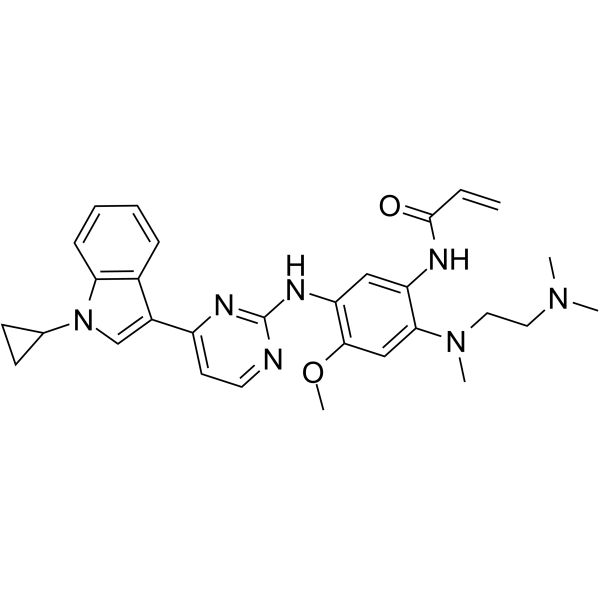 0 ImagesSynonyms: HS-10296Almonertinib (HS-10296) is an orally available, irreversible, third-generation EGFR tyrosine kinase inhibitor with high selectivity for EGFR-sensitizing and T790M resistance mutations. Almonertinib shows great inhibitory activity against T790M, T790M/L858R and T790M/Del19 (IC50: 0.37, 0.29 and 0.21 nM, respectively), and is less effective against wild type (3.39 nM). Almonertinib is used for the research of the non-small cell lung cancer.
-
Delphinidin chloride
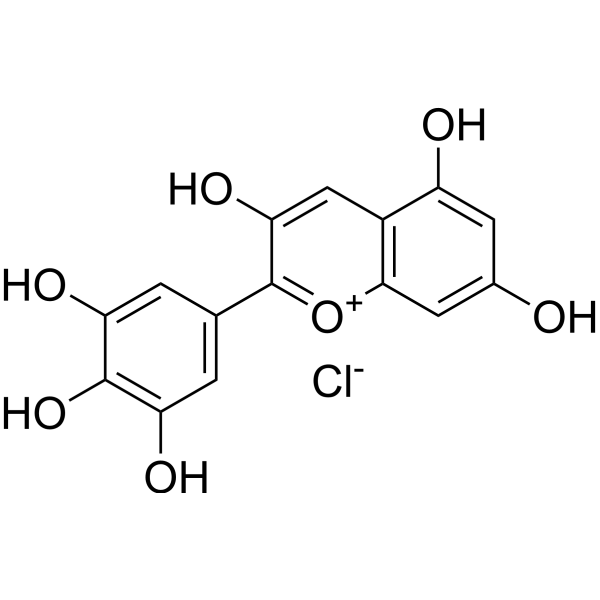 0 ImagesDelphinidin chloride is an anthocyanin isolated from berries and red wine. Delphinidin chloride exhibits endothelium-dependent vasodilation and anticancer activity. Delphinidin chloride also modulates JAK/STAT3 and MAPK signaling, thereby inducing apoptosis in HCT116 cells. Delphinidin chloride is also a potent inhibitor of EGFR (IC50: 1.3 μM), shutting down downstream signaling cascades.
-
Pyrotinib
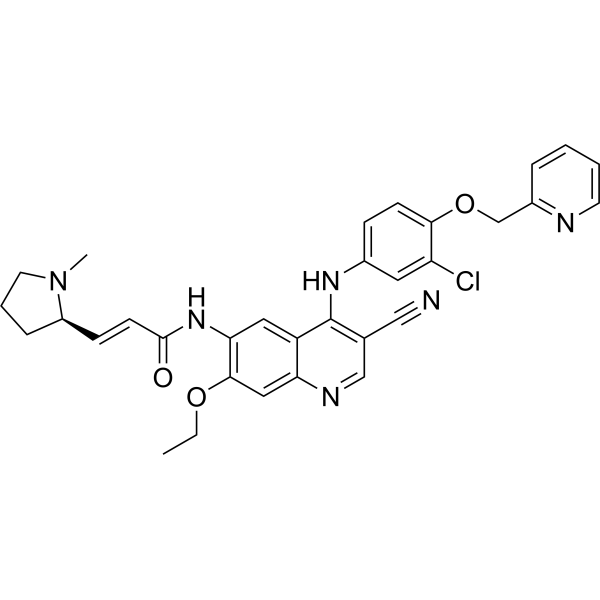 0 ImagesSynonyms: SHR-1258Pyrotinib (SHR-1258) is a potent and selective EGFR/HER2 dual inhibitor with IC50s of 13 and 38 nM, respectively.
-
Gefitinib hydrochloride
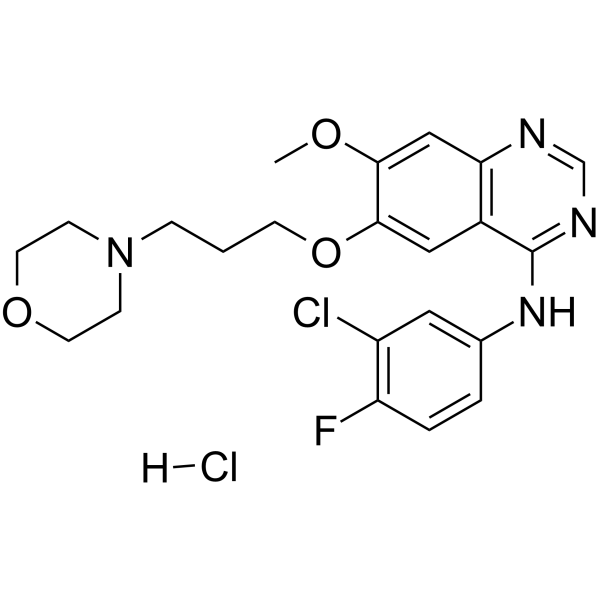 0 ImagesSynonyms: ZD-1839 hydrochlorideGefitinib hydrochloride (ZD1839 hydrochloride) is a potent, selective and orally active EGFR tyrosine kinase inhibitor with an IC50 of 33 nM. Gefitinib hydrochloride selectively inhibits EGF-stimulated tumor cell growth (IC50 of 54 nM) and that blocks EGF-stimulated EGFR autophosphorylation in tumor cells. Gefitinib hydrochloride also induces autophagy. Gefitinib hydrochloride has antitumour activity.
-
Cetuximab MMAE
 0 ImagesCat. No.: HY-171135Purity: 99.64%Cetuximab MMAE is an antibody-drug conjugate (ADC) targeting EGFR, formed by the random conjugation of the Cetuximab (HY-P9905) antibody and VcMMAE (HY-15575) via reduced interchain cysteines. Cetuximab MMAE binds to EGFR, blocks ligand interactions, inhibits downstream signal transduction, mediates receptor internalization, and delivers MMAE to induce G2/M phase cell cycle arrest, inhibit microtubule polymerization, interfere with mitosis, and exert radiosensitizing effects. Cetuximab MMAE limits the toxicity of free MMAE to EGFR-expressing cells and circumvents EGFR resistance mechanisms. Cetuximab MMAE is applicable to research related to EGFR+ tumors.
-
TX1-85-1
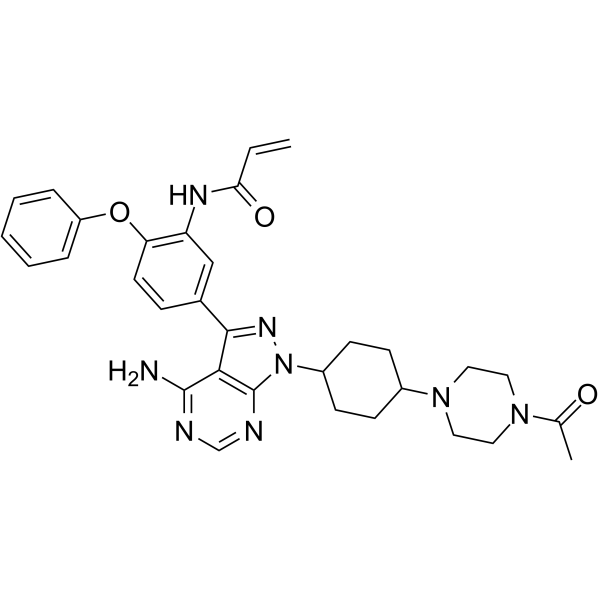 0 ImagesTX1-85-1 is an irreversible Her3 (ErbB3) inhibitor with an IC50 of 23 nM. TX1-85-1 is also the first selective Her3 ligand, which forms a covalent bond with Cys721 located in the ATP-binding site of Her3. TX1-85-1 induces partial degradation of Her3 protein and attenuates Her3-dependent signaling.
-
Sunvozertinib
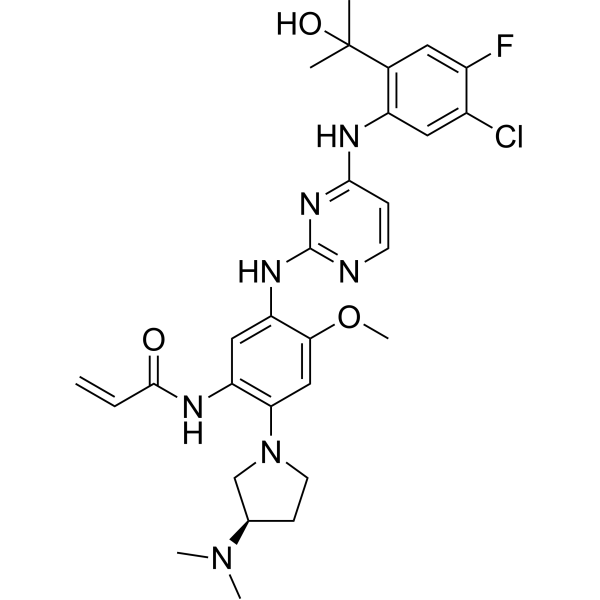 0 ImagesSynonyms: DZD9008Sunvozertinib (DZD9008) is a potent ErbBs (EGFR, Her2, especially mutant forms) and BTK inhibitor. Sunvozertinib shows IC50s of 20.4, 20.4, 1.1, 7.5, and 80.4 nM for EGFR exon 20 NPH insertion, EGFR exon 20 ASV insertion, EGFR L858R and T790M mutations, and Her2 Exon20 YVMA, and EGFR WT A431, respectively (patent WO2019149164A1, example 52).
-
Cetuximab (PBS)
 0 ImagesCat. No.: HY-P9S0008Purity: 99.33%
-
Canertinib
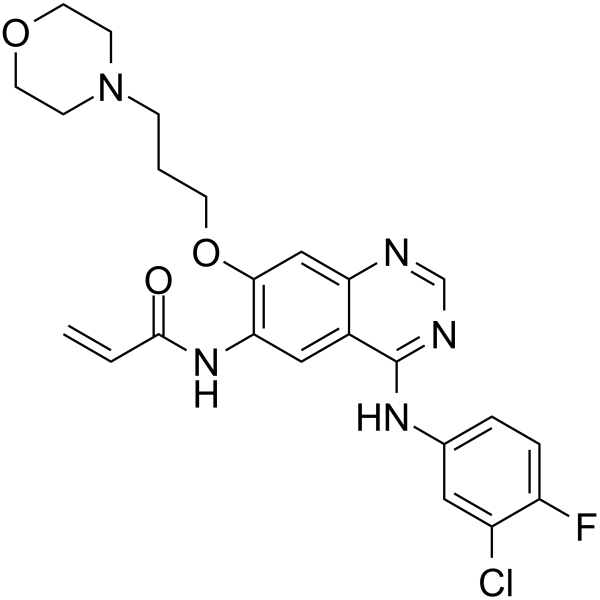 0 ImagesSynonyms: CI-1033; PD-183805
-
Zorifertinib
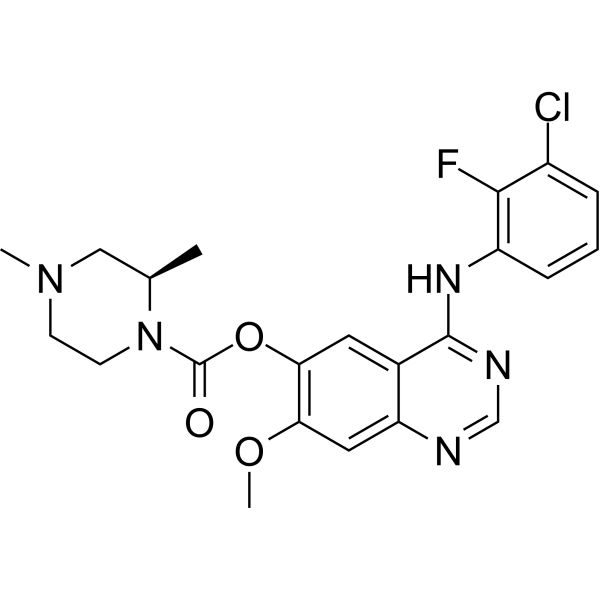 0 ImagesSynonyms: AZD3759Zorifertinib (AZD3759) is a potent, orally active, BBB-penetrant, EGFR inhibitor. At Km ATP concentrations, the IC50s are 0.3, 0.2, and 0.2 nM for EGFRwt, EGFRL858R, and EGFRexon 19Del, respectively. Zorifertinib induces cancer cell apoptosis. Zorifertinib has antitumor activity, and can be used for NSCLC, HCC etc. research.
-
Necitumumab
 0 ImagesSynonyms: 11F8; IMC-11F8; LY3012211Necitumumab (11F8; IMC-11F8; LY3012211) is a human IgG monoclonal antibody directed against EGFR. Necitumumab binds to the EGF binding site of EGFR, blocks ligand binding, neutralizes ligand-induced EGFR phosphorylation and downstream signaling, induces EGFR internalization and degradation, and mediates antibody-dependent cellular cytotoxicity (ADCC) in EGFR-expressing cells. Necitumumab enhances antitumour activity in combination with Gemcitabine (HY-17026) and Cisplatin (HY-17394) in murine non-small-cell lung cancer xenograft models. Necitumumab can be used in research on cancers such as non-small cell lung cancer and colorectal cancer.
-
WS6
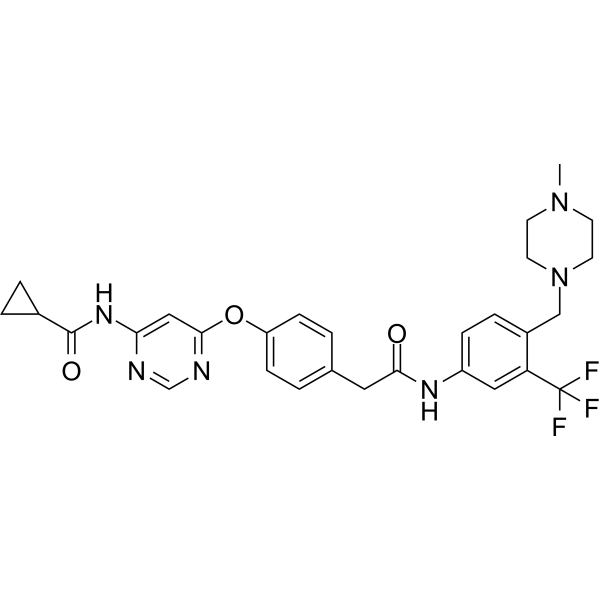 0 ImagesWS6 is an IkB kinase and EBP1 inhibitor, with IC50 values of 0.24 nM, 0.21 nM, and 40.48 nM in MV4-11, MOLM13, and K562 cells, respectively. WS6 promotes the proliferation of alpha and beta cells in the pancreas, has antioxidant and anti-inflammatory activities, and can alleviate depression like behavior in rats[1][2][4].
-
Daphnetin
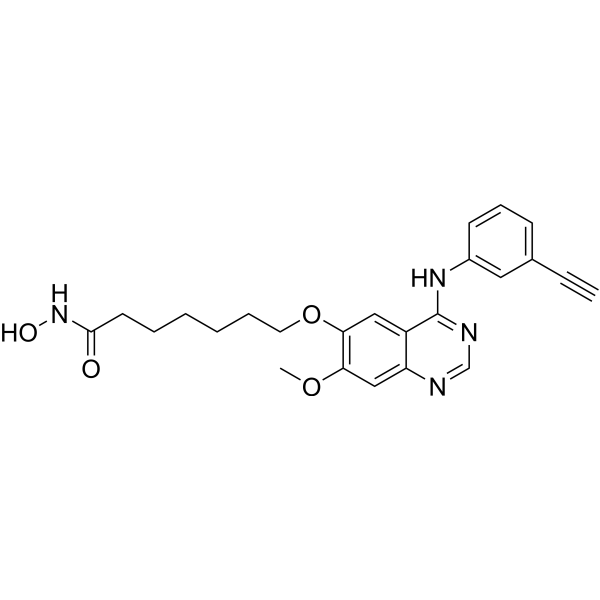
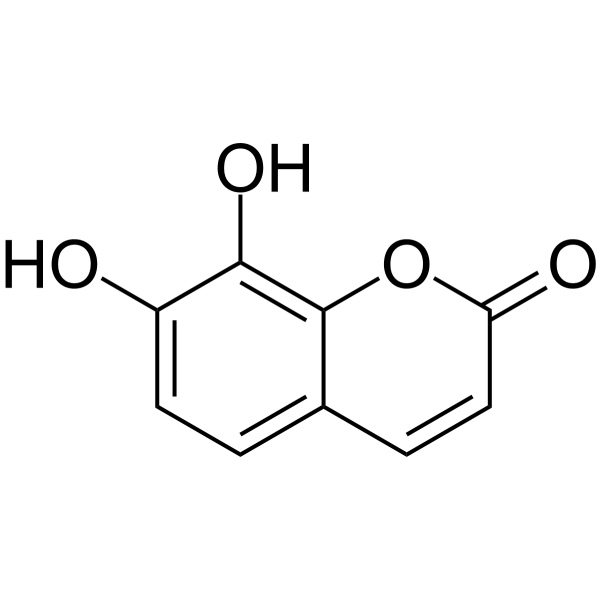 0 ImagesDaphnetin (7,8-dihydroxycoumarin), one coumarin derivative can be found in plants of the Genus Daphne, is a potent, oral active protein kinase inhibitor, with IC50s of 7.67 μM, 9.33 μM and 25.01 μM for EGFR, PKA and PKC in vitro, respectively. Daphnetin triggers ROS-induced cell apoptosis and induces cytoprotective autophagy by modulating the AMPK/Akt/mTOR pathway. Daphnetin has anti-inflammation activitity and inhibits TNF-α, IL-1β, ROS, and MDA production. Daphnetin has schizontocidal activity against malaria parasites. Daphnetin can be used for rheumatoid arthritis , cancer and anti-malarian research.
-
4-DAMP
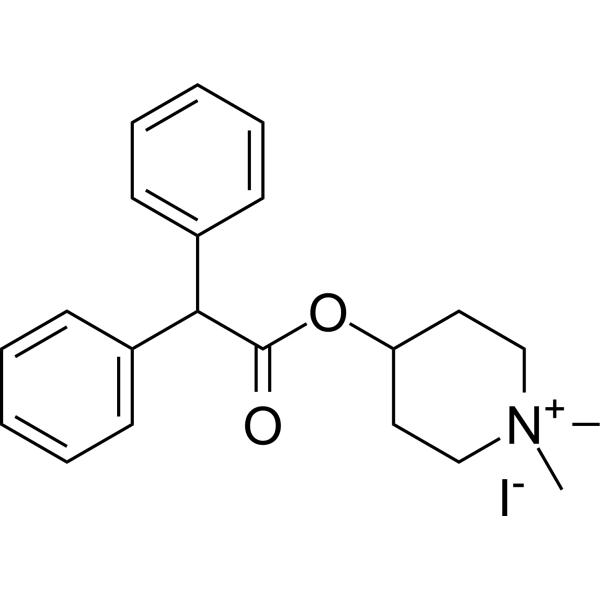 0 Images4-DAMP (4-DAMP methiodide) is a potent and selective antagonist of M3 receptors and also has a high affinity for the closely-related M5 receptors. 4-DAMP combined with 5-Fluorouracil (5-Fu) (HY-90006) could significantly reduce the cell viability and enhance apoptosis in MKN45 and BGC823 gastric cancer cells. 4-DAMP inhibits lipopolysaccharide (LPS)- and tobacco-induced pulmonary inflammation and reduces mucin 5AC (MUC5AC), oligomeric mucus/gel-forming secretion.
-
Becotatug vedotin
 0 ImagesCat. No.: HY-171265Synonyms: MRG003Becotatug vedotin (MRG003) is an Antibody-Drug Conjugate (ADC) that consists of an anti-EGFR humanized IgG1 monoclonal antibody Becotatug (HY-P990049) and MMAE (HY-15162). These two parts are connected through a valine-citrulline (valine-citrulline) linker, where the linker and MMAE constitute the ADC's Drug-Linker conjugate VcMMAE (HY-15575). Becotatug vedotin can be used for the research of cancer, such as squamous cell carcinomas of the head and neck, nasopharyngeal carcinoma.




