Epigenetic Reader Domain
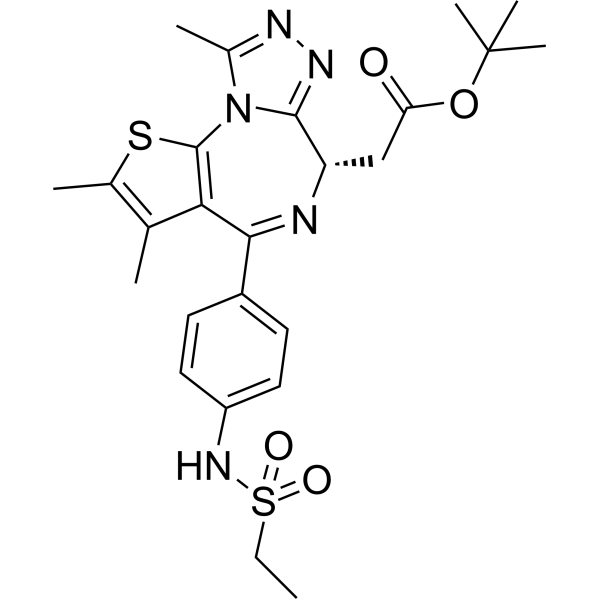
Epigenetic regulators of gene expression and chromatin state include so-called writers, erasers, and readers of chromatin modifications.Well-characterized examples of reader domains include bromodomains typically binding acetyllysine and chromatin organization modifier (chromo), malignant brain tumor (MBT), plant homeodomain (PHD), and Tudor domains generally associating with methyllysine. Research on epigenetic readers has been tremendously influenced by the discovery of selective inhibitors targeting the bromodomain and extraterminal motif (BET) family of acetyl-lysine readers. The human genome encodes 46 proteins containing 61 bromodomains clustered into eight families. Distinct experimental approaches are used to identify the first BET inhibitors, GSK 525762A and (+)-JQ-1.
The Polycomb group (PcG) protein, enhancer of zeste homologue 2 (EZH2), has an essential role in promoting histone H3 lysine 27 trimethylation (H3K27me3) and epigenetic gene silencing. This function of EZH2 is important for cell proliferation and inhibition of cell differentiation, and is implicated in cancer progression. Cyclin-dependent kinases regulate epigenetic gene silencing through phosphorylation of EZH2. In many types of cancers including lymphomas and leukemia, EZH2 is postulated to exert its oncogenic effects via aberrant histone and DNA methylation, causing silencing of tumor suppressor genes.
p300/CBP is not only a transcriptional adaptor but also a histone acetyltransferase.
Epigenetic Reader Domain Isoform Specific Products
-
Epigenetic Reader Domain
(448)
View all products
-
Brd
(3)
View all products
-
BRPF1
(9)
View all products
-
BRPF2
(5)
View all products
-
BRPF3
(2)
View all products
-
BRD2
(66)
View all products
-
BRD3
(61)
View all products
-
BRD4
(298)
View all products
-
BRDT
(26)
View all products
-
CECR2
(4)
View all products
-
BD1
(9)
View all products
-
BD2
(9)
View all products
-
BRD7
(9)
View all products
-
BRD9
(55)
View all products
-
BET
(22)
View all products
-
BAZ
(1)
View all products
All Product Categories
-
Epigenetic Reader Domain Inhibitors
(589)
View all products
-
Epigenetic Reader Domain Agonists
(3)
View all products
-
Epigenetic Reader Domain Antagonists
(2)
View all products
-
Epigenetic Reader Domain Activators
(11)
View all products
-
Epigenetic Reader Domain Modulators
(3)
View all products
-
Epigenetic Reader Domain Chemicals
(2)
View all products
-
Epigenetic Reader Domain Inducer
(1)
View all products
-
Epigenetic Reader Domain Degraders
(171)
View all products
-
Epigenetic Reader Domain Controls
(13)
View all products
-
Epigenetic Reader Domain Substrate
(1)
View all products
-
Epigenetic Reader Domain Ligands
(28)
View all products
-
Epigenetic Reader Domain Related Products (902)
Related Products (902)

-
Antibodies (109)
-
Epigenetic Reader Domain Isoform Comparison
-
dBRD9 dihydrochloride
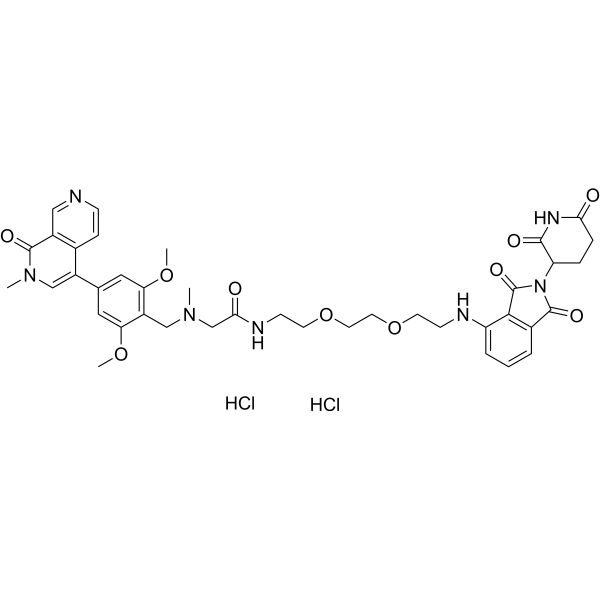 0 ImagesdBRD9 dihydrochloride is a BRD9 PROTAC degrader. dBRD9 dihydrochloride reduces the binding of the ISGF3 complex to ISG promoters, decreases the level of ISG induction downstream of IFNAR signaling, and reduces the chromatin binding of BRD4 at BRD9 co-binding sites. dBRD9 dihydrochloride can be used in research related to acute myeloid leukemia.
-
CFT-2718
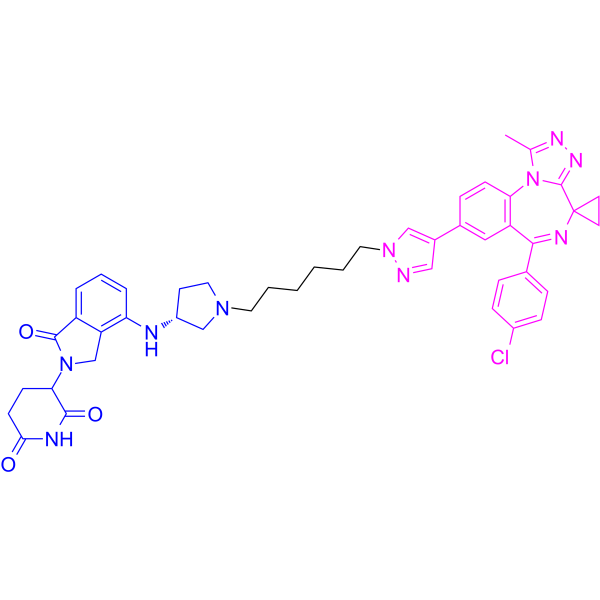 0 ImagesCat. No.: HY-132941Purity: 99.87%CFT-2718 is a selective CRBN-dependent BRD4 PROTAC degrader. CFT-2718 mediates rapid, selective BRD4 degradation, reduces total and phosphorylated Ser2 RPB1 levels, and reduces MYC protein levels. CFT-2718 can inhibit cancer cells proliferation and induce apoptosis. CFT-2718 reduces growth of lung cancer and pancreatic patient-derived xenograft models. CFT-2718 can be used for the research of cancer, such as small-cell lung cancer and pancreatic cancer.
-
ML399
 0 ImagesML399 is a Menin-MLL1 protein-protein interaction inhibitor with an IC50 of 90 nM. ML399 inhibits the proliferation of transformed mouse bone marrow cells. ML399 binds to the hERG potassium channel, exhibits superior in vitro physicochemical, drug metabolism and pharmacokinetic (DMPK) parameters, and has an extended half-life in rodents. ML399 can be used for research on acute myeloid leukemia and acute lymphoblastic leukemia.
-
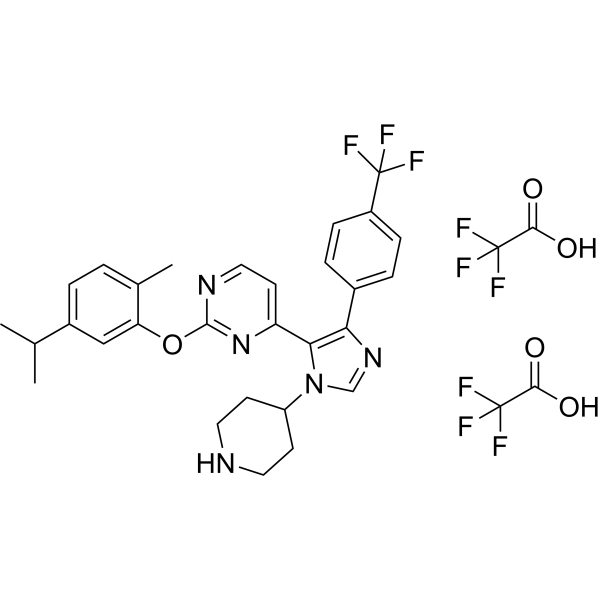
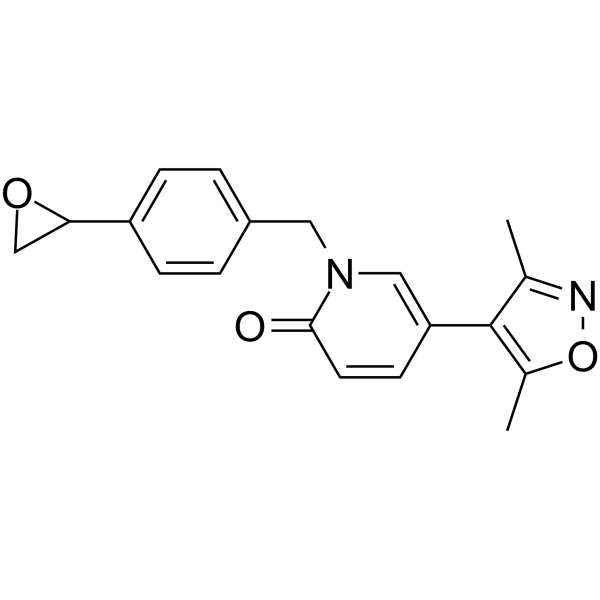
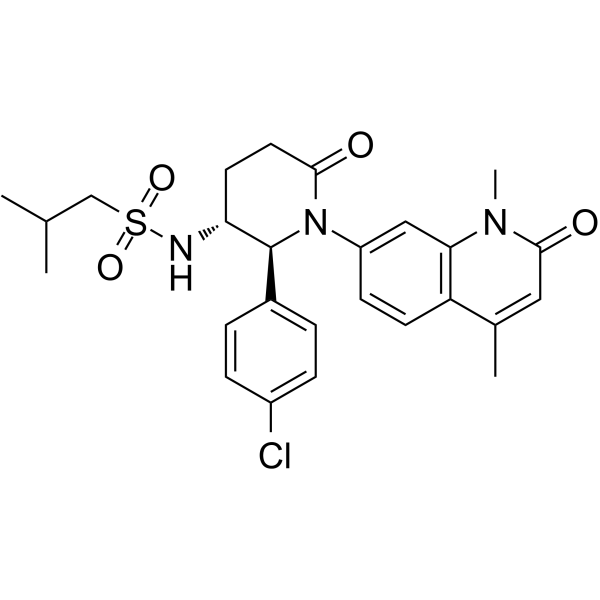
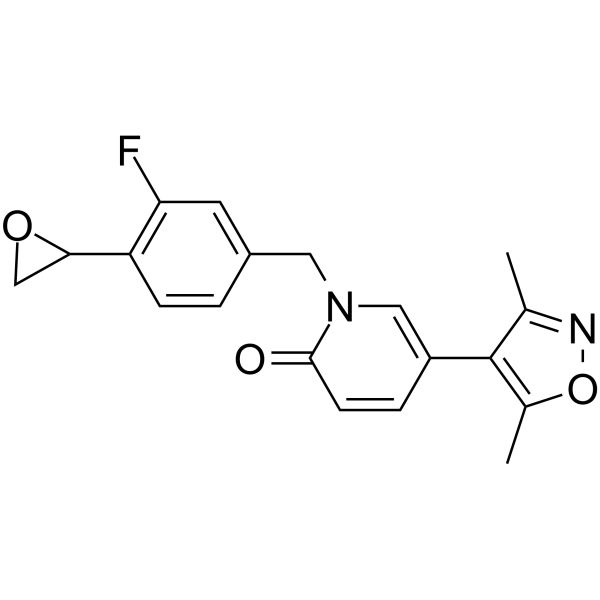
D-Moses
 0 ImagesCat. No.: HY-101125BCAS No.: 2084850-77-9Synonyms: D-45
-
β-Patchoulene
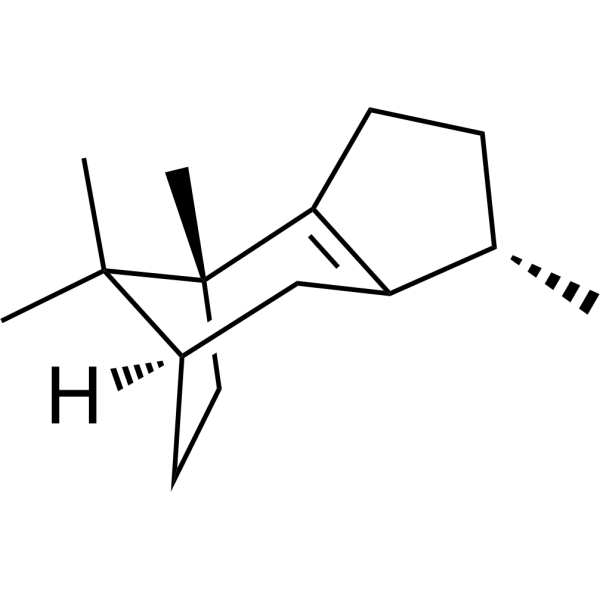 0 Imagesβ-Patchoulene is an orally active anti-inflammatory, antioxidant, and anti-apoptotic agent. β-Patchoulene inhibits the NF-κB, TLR4, and cAMP/PKA/CREB signaling pathways; activates the Sirt1/Nrf2 and AMPK signaling pathways; and targets Fas/FasL, Caspase-3, ERK1/2, ROCK1/MLC2 for inhibition. β-Patchoulene regulates cytokine secretion, inflammatory cell infiltration, lipid peroxidation, cell polarization, gut microbiota, and lipid metabolism, restores barrier function, mitochondrial function, and cell viability, and exhibits repellent activity against Spodoptera exigua larvae. β-Patchoulene can be used in research related to various inflammatory, ischemic, fibrosis-associated diseases, as well as hepatocellular carcinoma.
-
VTP50469 (Standard)
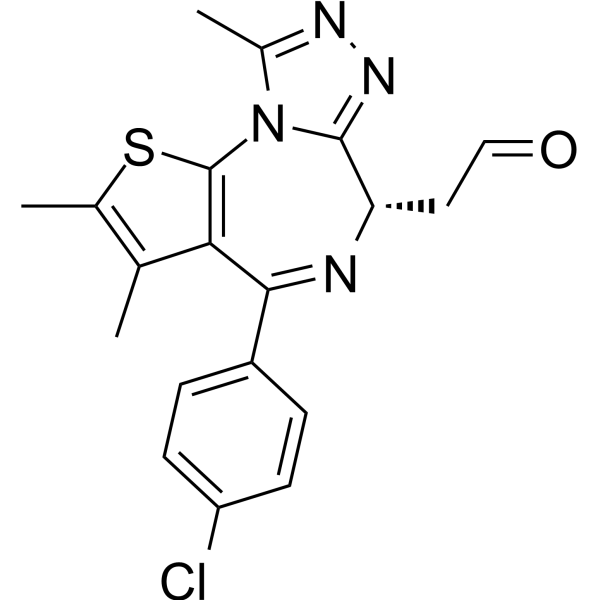
 0 ImagesCat. No.: HY-114162RCAS No.: 2169916-18-9Synonyms: SNDX-50469 (Standard)VTP50469 (Standard) is the analytical standard of VTP50469. This product is intended for research and analytical applications. VTP50469 is a potent, highly selective and orally active Menin-MLL interaction inhibitor with a Ki of 104 pM. VTP50469 has potently anti-leukemia activity.
-
BRD4-BD1/2-IN-3
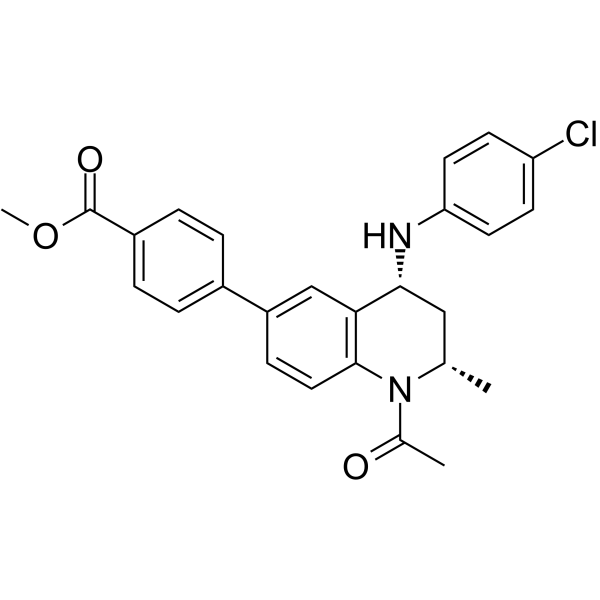
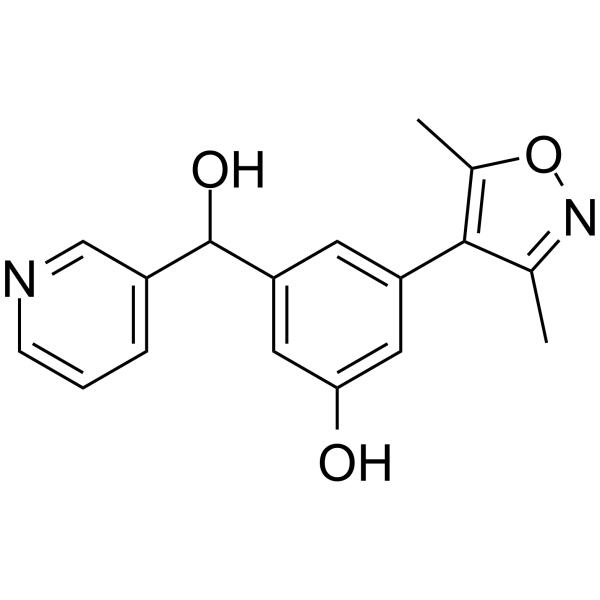
 0 ImagesBRD4-BD1/2-IN-3 (Compound B6) is a selective BRD4 BD2 inhibitor with an IC50 of 0.41 nM for BRD4 BD2 over BRD4 BD1. BRD4-BD1/2-IN-3 significantly inhibits the LPS (HY-D1056)-induced expression of IL-6. BRD4-BD1/2-IN-3 shows anti-inflammatory activities by modulating the TNF and NF-κB signaling pathway. BRD4-BD1/2-IN-3 can be used for inflammatory diseases research.
-
L134
 0 ImagesL134 is a BRD4 PROTAC degrader with a DC50 of 7.36 nM. L134 induces BRD4 protein degradation without inhibiting BRD4 gene expression, and recruits the E3 ubiquitin ligase DCAF11 to mediate this process, which can be blocked by proteasome inhibitors (MG132 (HY-13259), PS341 (HY-10227)) and E1 ubiquitin ligase inhibitors (PYR41 (HY-13296), MLN4924 (HY-70062)). L134 inhibits cancer cell migration, promotes cancer cell apoptosis and exerts antiproliferative activity. L134 can be used in studies related to triple-negative breast cancer.