



JAK
Janus kinase
Janus kinase (JAK) is a family of intracellular, nonreceptor tyrosine kinases that transduce cytokine-mediated signals via the JAK-STAT pathway. Since members of the type I and type II cytokine receptor families possess no catalytic kinase activity, they rely on the JAK family of tyrosine kinases to phosphorylate and activate downstream proteins involved in their signal transduction pathways. The receptors exist as paired polypeptides, thus exhibiting two intracellular signal-transducing domains. JAKs associate with a proline-rich region in each intracellular domain, which is adjacent to the cell membrane and called a box1/box2 region. After the receptor associates with its respective cytokine/ligand, it goes through a conformational change, bringing the two JAKs close enough to phosphorylate each other. The JAK autophosphorylation induces a conformational change within itself, enabling it to transduce the intracellular signal by further phosphorylating and activating transcription factors called STATs. The activated STATs dissociate from the receptor and form dimers before translocating to the cell nucleus, where they regulate transcription of selected genes.
JAK Isoform Specific Products
All Product Categories
-
JAK Inhibitors
(556)
View all products
-
JAK Agonists
(2)
View all products
-
JAK Antagonists
(4)
View all products
-
JAK Activators
(26)
View all products
-
JAK Modulators
(8)
View all products
-
JAK Degraders
(14)
View all products
-
JAK Control
(1)
View all products
-
JAK Substrate
(1)
View all products
-
JAK Ligands
(5)
View all products
-
Janus Kinase 1 (JAK1) Proteins
(4)
View all products
-
JAK Related Products (651)
Related Products (651)

-
Recombinant Proteins (4)
-
Antibodies (7)
-
JAK Isoform Comparison
-
Radotinib
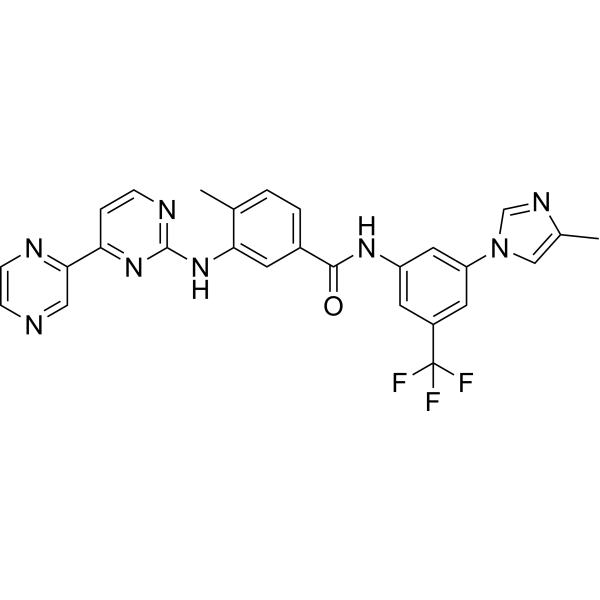 0 ImagesSynonyms: IY-5511Radotinib (IY-5511) is an orally active and BBB-permeable selective tyrosine kinase Bcr-Abl1 inhibitor with an IC50 of 34 nM. Radotinib has anti-prion and anti-tumor activities. Radotinib can inhibit the proliferation, induce cell cycle arrest and apoptosis of tumor cells . Radotinib can be used in the research of cancer such as chronic myeloid leukemia and multiple myeloma, as well as neurodegenerative diseases such as prion diseases.
-
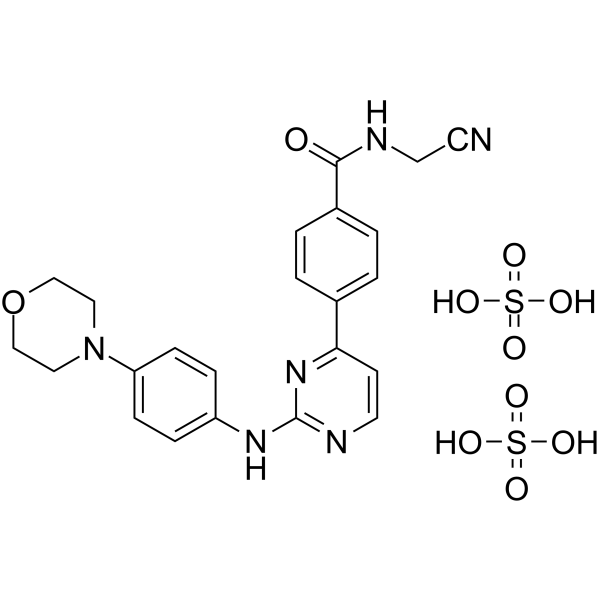
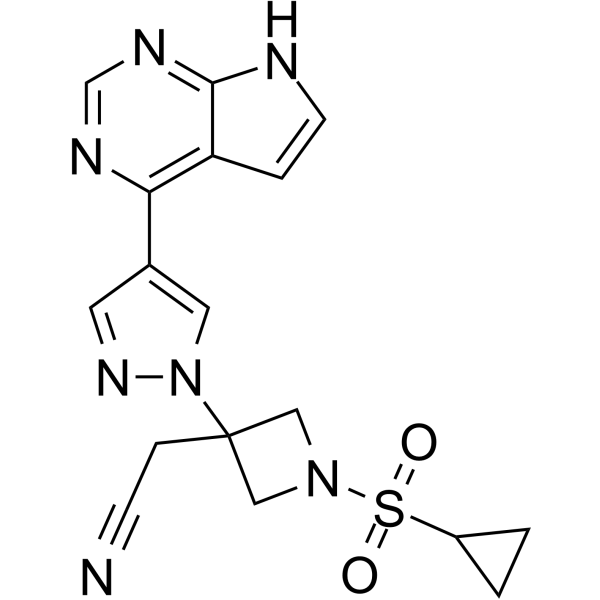
Atinvicitinib
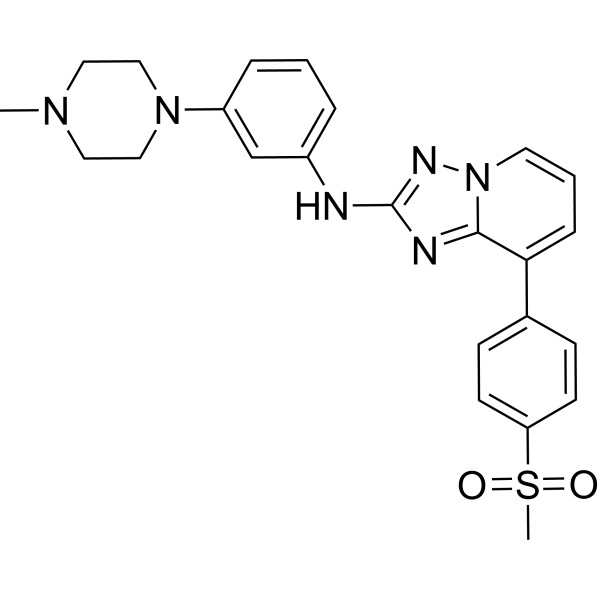
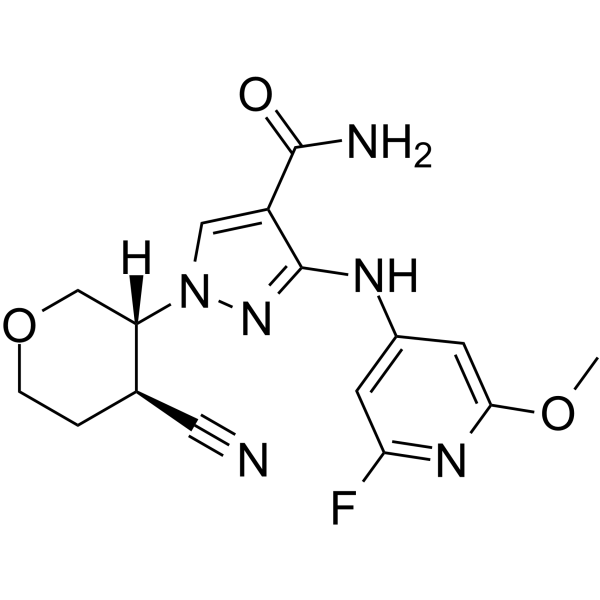 0 ImagesAtinvicitinib is an orally active and selective JAK1 inhibitor. Atinvicitinib blocks signaling of JAK1-dependent pruritogenic and pro-inflammatory cytokines, including those in the IL-31, IL-4, and IL-13 pathways. Atinvicitinib can be used for the researches of pruritus associated with allergic dermatitis and canine atopic dermatitis.
-
Gamma-glutamylcysteine TFA
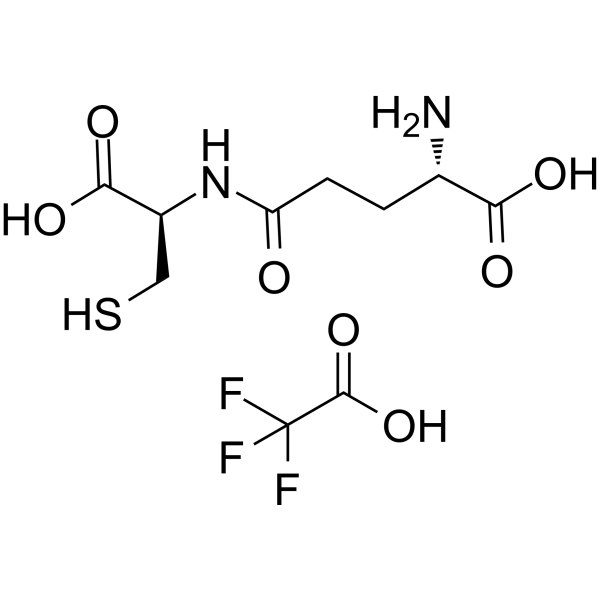 0 ImagesCat. No.: HY-113402ACAS No.: 283159-88-6Synonyms: γ-Glu-Cys TFAGamma-glutamylcysteine TFA (γ-Glu-Cys TFA) is an orally active, blood-brain barrier permeable dipeptide. Gamma-glutamylcysteine TFA activates AMPK, SIRT1, IL-4/STAT6, AC/cAMP/PI3K, IGF-1R/IRS1/PI3K, and Nrf2 signaling pathways; it inhibits NF-κB, JAK1/STAT1/3, MAPKs, cadmium-induced p38 MAPK, JNK, and PI3K/Akt signaling pathways. Gamma-glutamylcysteine TFA regulates macrophage polarization, modulates the trafficking of CD36 and GLUT4, induces glutathione synthesis, improves metabolic dysfunction, reduces lipid deposition, ameliorates glucose homeostasis, inhibits apoptosis (Apoptosis), stabilizes mitochondria, suppresses lipid peroxidation, iron accumulation and ferroptosis (Ferroptosis), reduces ds-HMGB1 levels, reverses mechanical hyperalgesia, and alleviates hepatic lipid droplet formation. Gamma-glutamylcysteine TFA is applicable to research related to inflammatory bowel disease, type 2 diabetes, cadmium-induced neurotoxicity, Alzheimer's disease, cerebral ischemia/reperfusion injury, neuropathy, and alcoholic liver disease.
-
Telocinobufagin
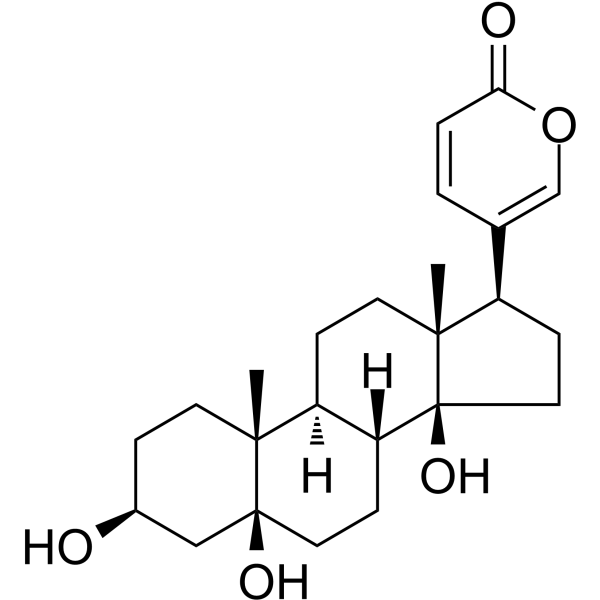 0 ImagesTelocinobufagin (Telobufotoxin; Telocinobufogenin) is an orally active bufadienolide with potential anti-tumor effects. Telocinobufagin exerts its anti-cancer effects on non-small cell carcinoma, osteosarcoma, thyroid cancer, breast cancer and head and neck squamous cell carcinoma by inhibiting the STAT3, JAK2/STAT3, LARP1-mTOR, PI3K/Akt/Snail and PLK1 pathways, and can also induce tumor cell apoptosis. Telocinobufagin enhances the Th1 immune response and protects against Salmonella typhimurium infection. Telocinobufagin has a strong cardiac-stimulating effect by inhibiting the activity of Na+/K+-ATPase, and it can promote renal fibrosis. Telocinobufagin demonstrates non-opioid analgesic effects in various acute pain models.
-
VVD-118313
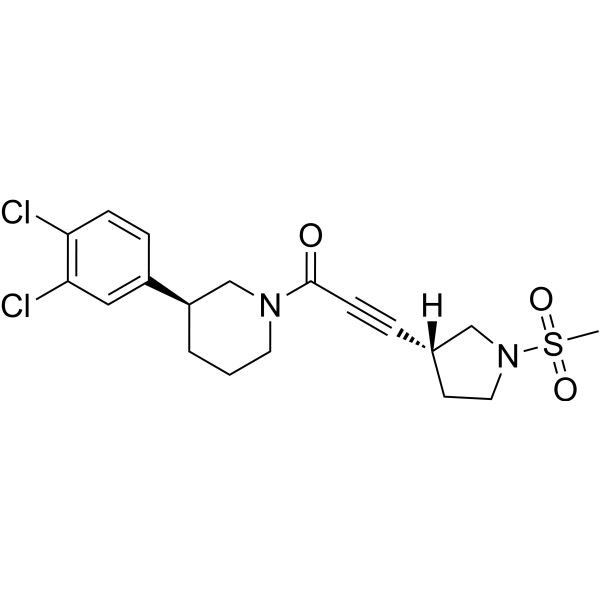 0 ImagesVVD-118313 (compound 5a) is a potent, selective JAK1 inhibitor. VVD-118313 targets an isoform-restricted allosteric cysteine to block JAK1-dependent trans-phosphorylation and cytokine signaling. VVD-118313 can be used for research of cancer. VVD-118313 is a click chemistry reagent, it contains an Alkyne group and can undergo copper-catalyzed azide-alkyne cycloaddition (CuAAc) with molecules containing Azide groups.
-
Izencitinib
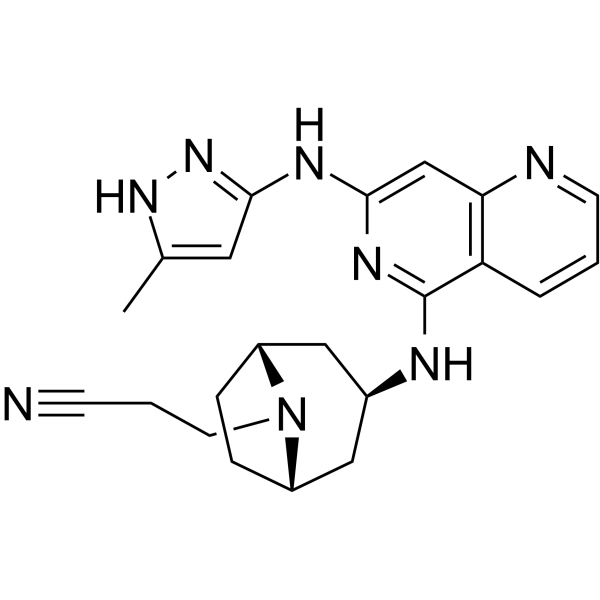 0 ImagesSynonyms: TD-1473; JNJ-8398Izencitinib (TD-1473) is an orally active, non-selective and gut-restricted JAK inhibitor. Izencitinib (TD-1473) can be used in the study for ulcerative colitis.
-
Ruxolitinib (Standard)
 0 ImagesSynonyms: INCB18424 (Standard)Ruxolitinib (Standard) is the analytical standard of Ruxolitinib. This product is intended for research and analytical applications. Ruxolitinib (INCB18424) is a potent and selective JAK1/2 inhibitor with IC50s of 3.3 nM and 2.8 nM in cell-free assays, and has 130-fold selectivity for JAK1/2 over JAK3. Ruxolitinib induces autophagy and kills tumor cells through toxic mitophagy.
-
Ivarmacitinib
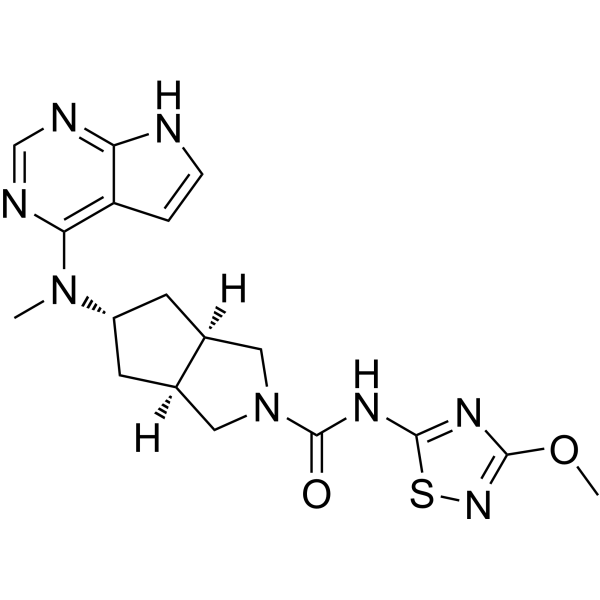 0 ImagesSynonyms: SHR0302Ivarmacitinib (SHR0302) is a potent and orally active all members of the JAK family inhibitor, particularly JAK1. The selectivity of Ivarmacitinib for JAK1 is >10-fold for JAK2, 77-fold for JAK3, 420-fold for Tyk2. Ivarmacitinib inhibits JAK1-STAT3 phosphorylation and induces the apoptosis of hepatic stellate cells. Ivarmacitinib has anti-proliferative and anti-inflammatory effects.
-
AZ960
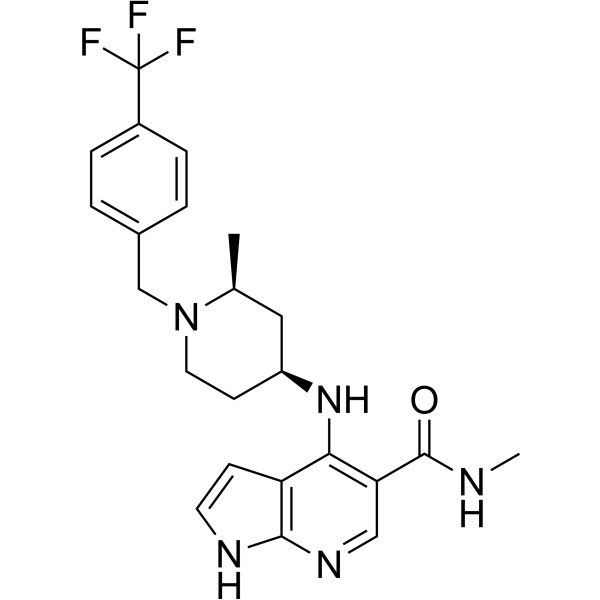
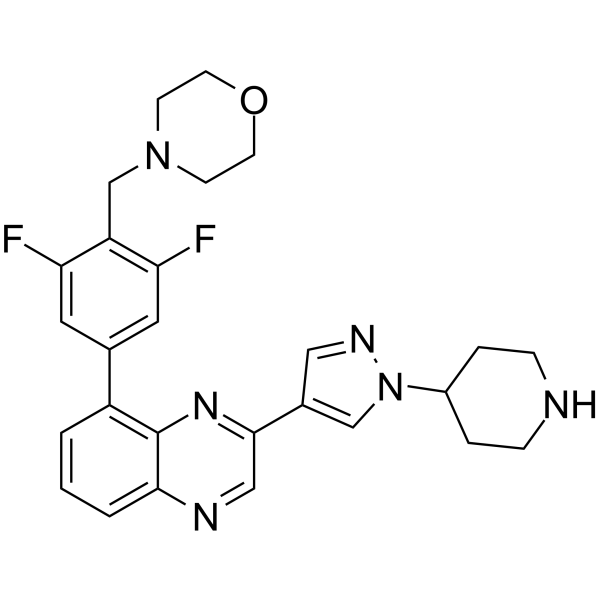
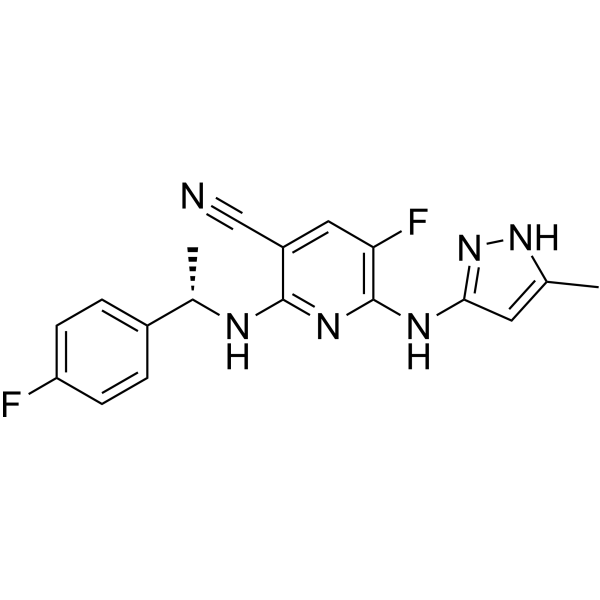 0 ImagesCat. No.: HY-10411CAS No.: 905586-69-8AZ960 is a potent and specific inhibitor of the JAK2 kinase with a Ki of 0.45 nM.
-
GMB-475
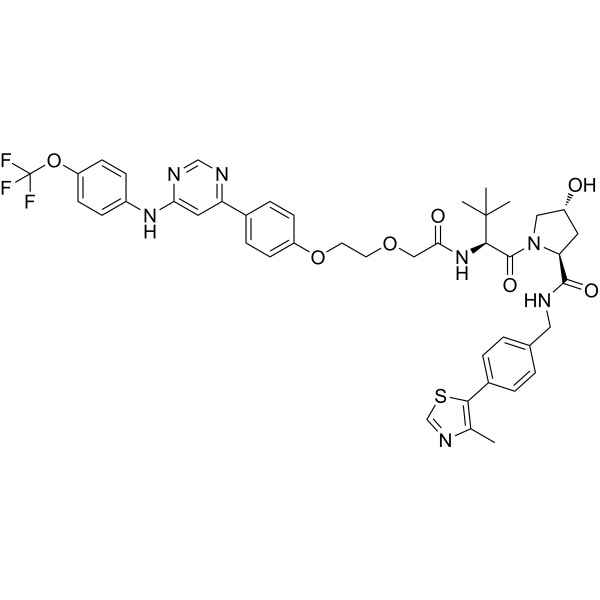 0 ImagesGMB-475 is a potent BCR-ABL1 PROTAC based on Von Hippel-Lindau (VHL). GMB-475 targets the nutmeg pocket of ABL1 in an ectopic manner and degrades BCR-ABL1 protein through the ubiquitin proteasome pathway. GMB-475 inhibits the proliferation of human K562 cells and mouse Ba/F3 cells, and is used for the study of chronic myeloid leukemia.
-
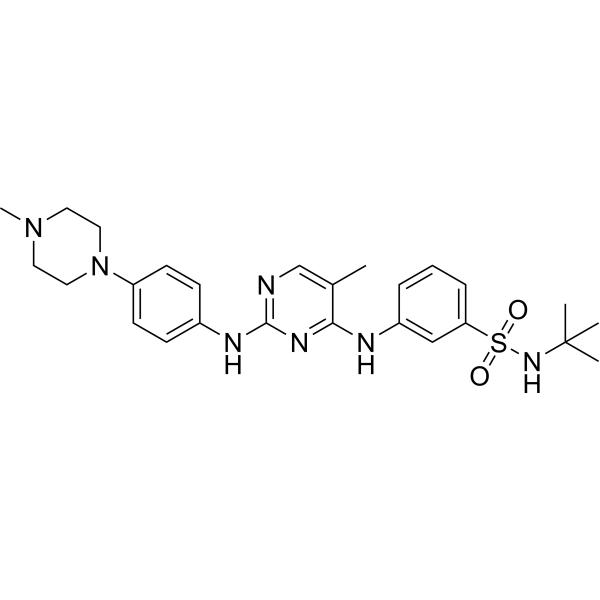
BMS-986202
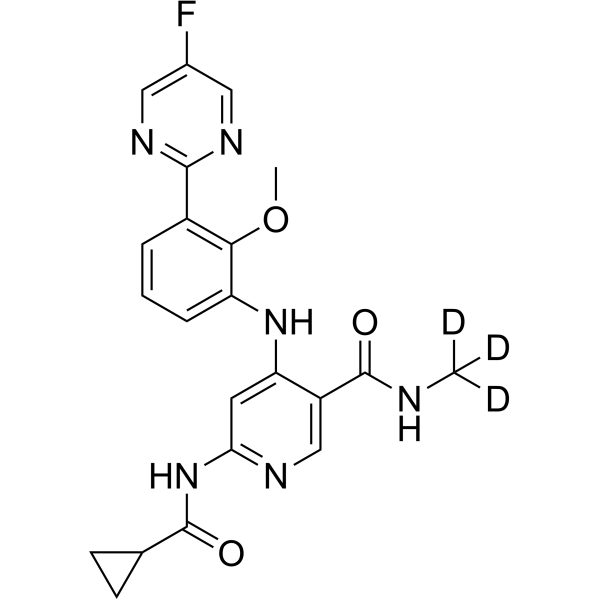 0 ImagesBMS-986202 is a potent, selective and orally active Tyk2 inhibitor that binds to Tyk2 JH2 with an IC50 value of 0.19 nM and a Ki of 0.02 nM. BMS-986202 is remarkably selective over other kinases including Jak family members. BMS-986202 is also a weak inhibitor of CYP2C19 with an IC50 value of 14 μM. BMS-986202 can be used for IL-23-driven acanthosis, anti-CD40-induced colitis, and spontaneous lupus research. BMS-986202 is a de novo deuterium.
-
Atopaxar
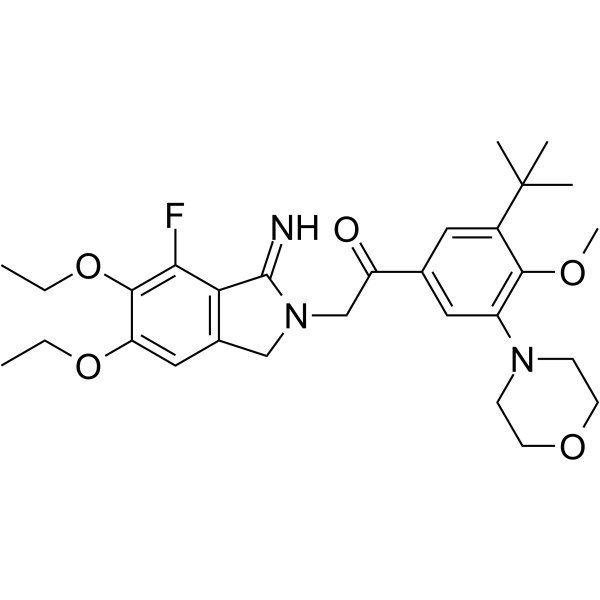 0 ImagesSynonyms: E5555; ER-172594-00Atopaxar (E5555) is a potent, orally active, selective and reversible thrombin receptor protease-activated receptor-1 (PAR-1) antagonist. Atopaxar, an antiplatelet agent, interferes with platelet signaling. Atopaxar can be used for the research of atherothrombotic disease.
-
Calenduloside E
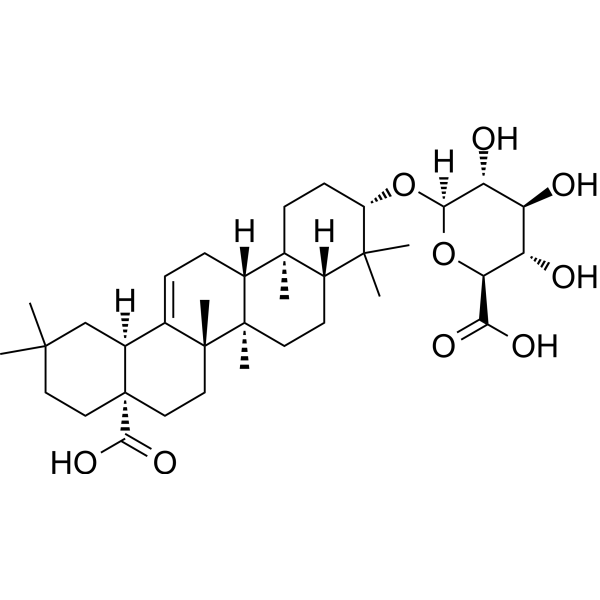 0 ImagesCalenduloside E is a pentacyclic triterpenoid saponin that can be extracted from the bark and roots of Aralia ovata, and has anti-inflammatory and anti-apoptotic activities. Calenduloside E alleviates atherosclerosis by regulating macrophage polarization, improves mitochondrial function by regulating the AMPK-SIRT3 pathway, and alleviates acute liver injury. In addition, Calenduloside E promotes the interaction between L-type calcium channels and Bcl-2 related apoptosis genes, inhibits calcium overload, and alleviates myocardial ischemia/reperfusion injury. Calenduloside E also improves non-alcoholic fatty liver disease by regulating heat shock-dependent pathways, and inhibits ROS mediated JAK1-STAT3 pathways to reduce cellular inflammatory responses.




