



PPAR
Peroxisome proliferator-activated receptors (PPARs) are a group of nuclear receptor proteins that function as transcription factors regulating gene expression. There are three main isoforms: PPARα, PPARβ/δ, and PPARγ, each with distinct tissue distribution and biological roles. PPARα is primarily expressed in liver, heart, and muscle, where it regulates fatty acid oxidation and lipid metabolism[1]. PPARβ/δ is widely expressed and involved in energy homeostasis, glucose metabolism, and inflammation modulation[1]. PPARγ is highly expressed in adipose tissue and plays a central role in adipogenesis, insulin sensitivity, and lipid storage[2].
References:
- [1]. Man versus microbe. Nat Med. 2004 Dec;10(12 Suppl):S69. doi: 10.1038/nm1149. PMID: 15577933; PMCID: PMC7096048. et al. Nat Med. 2004 Dec;10(12 Suppl):S69. [Content Brief]
- [2]. Kiros M, et al. Trends in HIV-1 pretreatment drug resistance and HIV-1 variant dynamics among antiretroviral therapy-naive Ethiopians from 2003 to 2018: a pooled sequence analysis. Virol J. 2023 Oct 25;20(1):243. [Content Brief]
- [3]. Brent J, et al. Fomepizole for the treatment of ethylene glycol poisoning. Methylpyrazole for Toxic Alcohols Study Group. N Engl J Med. 1999 Mar 18;340(11):832-8. [Content Brief]
- [4]. Liu Y, et al. Neuron-mediated generation of regulatory T cells from encephalitogenic T cells suppresses EAE. Nat Med. 2006 May;12(5):518-25. [Content Brief]
- [5]. Paranjape AN, et al. Introduction of SV40ER and hTERT into mammospheres generates breast cancer cells with stem cell properties. Oncogene. 2012 Apr 12;31(15):1896-909. [Content Brief]
- [6]. Iancu-Rubin C, et al. Whirling Platelets Away for Transfusion. Cell. 2018 Jul 26;174(3):503-504. [Content Brief]
-
PPAR Related Products (400)
Related Products (400)

-
Ophiopogonin D (Standard)
 0 ImagesOphiopogonin D (Standard) is the analytical standard of Ophiopogonin D. This product is intended for research and analytical applications. Ophiopogonin D can be isolated from the tubers of Ophiopogon japonicus, is a rare naturally occurring C29 steroidal glycoside. Ophiopogonin D is a CYP2J3 inducer that significantly inhibits Ang II induced NF-κB nuclear translocation, IκBα down-regulation, intracellular Ca2+ overload and activation of pro-inflammatory cytokines by increasing the expression of CYP2J2/EETs and PPARα in human umbilical vein endothelial cells (HUVECs). Ophiopogonin D can inhibit isteoclastic differentiation in RAW264.7 cells. Ophiopogonin D has protective effect as an antioxidant in H2O2-induced endothelial injury. Ophiopogonin D blocks ERK signaling cascades. Ophiopogonin D alleviates high-fat diet-induced metabolic syndrome and changes the structure of gut microbiota in mice. Ophiopogonin D has been used against inflammatory, metabolic and cardiovascular diseases.
-
Wistin
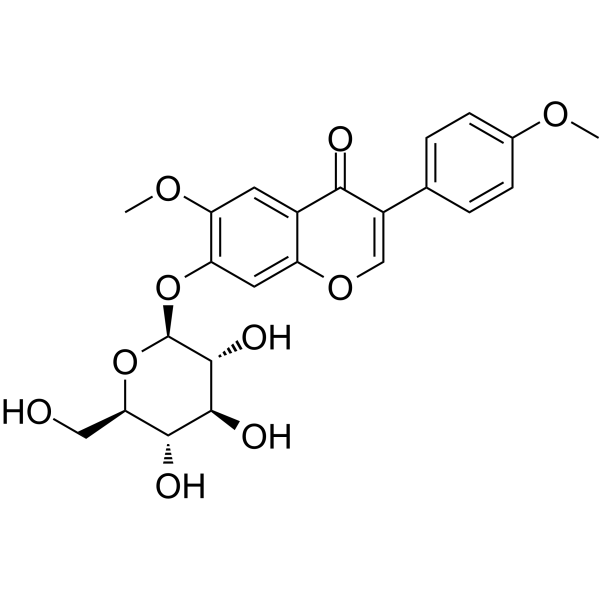 0 ImagesCat. No.: HY-N9333CAS No.: 19046-26-5
-
Pparg Mouse Pre-designed siRNA Set A
 0 ImagesCat. No.: HY-RS10926
Pparg Mouse Pre-designed siRNA Set A contains three designed siRNAs for Pparg gene (Mouse), as well as a negative control, a positive control, and a FAM-labeled negative control.
-
Triphenyl phosphate-d15
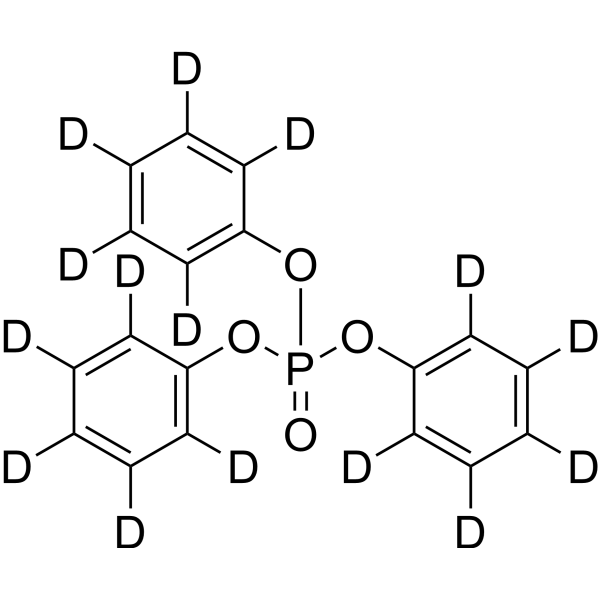 0 ImagesSynonyms: Celluflex TPP-d15; DHPF 005-d15; Disflamol TP-d15; Disflamoll TP-d15; NSC 57868-d15; Phenyl phosphate ((PhO)3PO)-d15; Phoscon FR 903N-d15Triphenyl phosphate-d15 is the deuterium labeled Triphenyl phosphate. Triphenyl phosphate is an orally active, blood-brain barrier-permeable aryl organophosphate flame retardant and endocrine disruptor. Triphenyl phosphate disrupts mitochondrial dynamic balance through oxidative stress, induces excessive mitophagy and apoptosis, and ultimately leads to myocardial fibrosis. In the brain, Triphenyl phosphate activates the NF-κB inflammatory pathway by disrupting the gut microbiota, alters tryptophan metabolism and elevates neurotoxins, thereby inducing anxiety- and depression-like behaviors. In the skeletal and reproductive systems, Triphenyl phosphate inhibits osteoblast differentiation and induces germ cell apoptosis by suppressing the MAPK/ERK pathway and activating the JNK signal, respectively. In adipose and placental tissues, Triphenyl phosphate promotes lipid accumulation by activating the PI3K/AKT-PPARγ axis, and disrupts placental metabolism via the MAOA/ROS/NF-κB cascade, impairing neurodevelopment of offspring.
-
Ppard Mouse Pre-designed siRNA Set A
 0 ImagesCat. No.: HY-RS10923
Ppard Mouse Pre-designed siRNA Set A contains three designed siRNAs for Ppard gene (Mouse), as well as a negative control, a positive control, and a FAM-labeled negative control.
-
20-Carboxyarachidonic acid
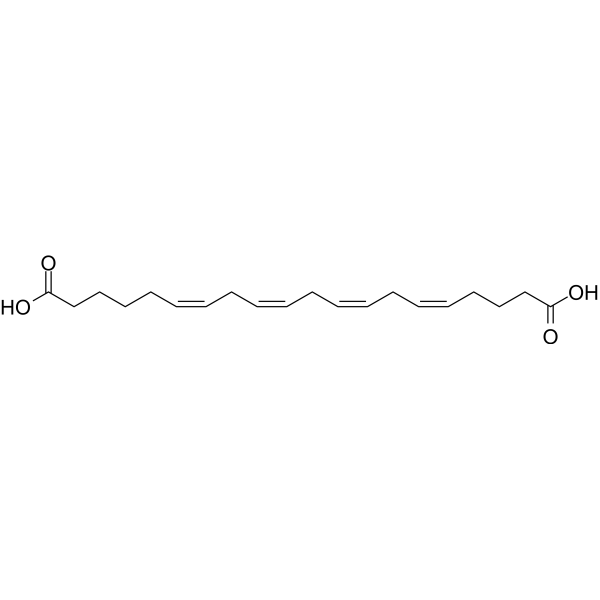 0 Images20-Carboxyarachidonic acid, a relatively stable metabolite of 20-HETE, is an endogenous dual activator of PPARalpha and PPARgamma.
-
Palmitelaidic acid-d13
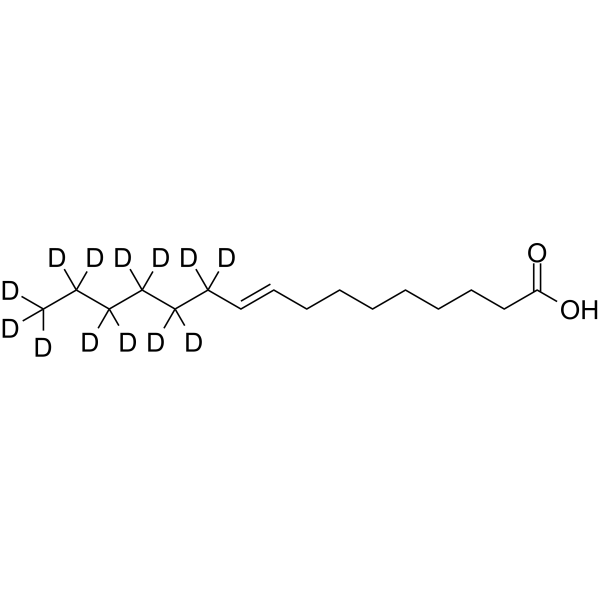 0 ImagesPalmitelaidic acid-d13 is the deuterium labeled Palmitelaidic Acid. Palmitelaidic Acid (9-trans-Hexadecenoic acid) is the trans isomer of palmitoleic acid. Palmitoleic acid is one of the most abundant fatty acids in serum and tissue.
-
SP4e
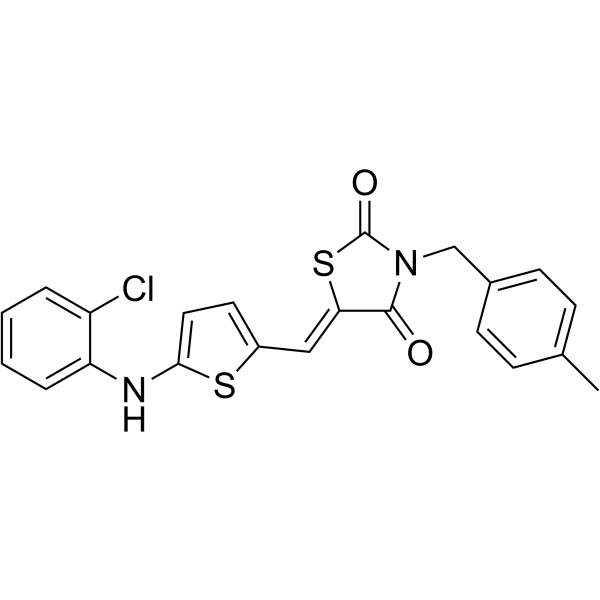 0 ImagesSP4e is an activator of PPAR-γ, with the EC50 of 739 nM in HK-2 cells. SP4e reduces the blood glucose levels and lipid peroxidation, and increases glutathione levels and catalase activityin the Swiss albino mice.
-
Fucoxanthin (Standard)
 0 ImagesFucoxanthin (Standard) is the analytical standard of Fucoxanthin. This product is intended for research and analytical applications. Fucoxanthin (all-trans-Fucoxanthin) is a marine carotenoid and shows anti-obesity, anti-diabetic, anti-oxidant, anti-inflammatory and anticancer activities.
-
Anti-NASH agent 1
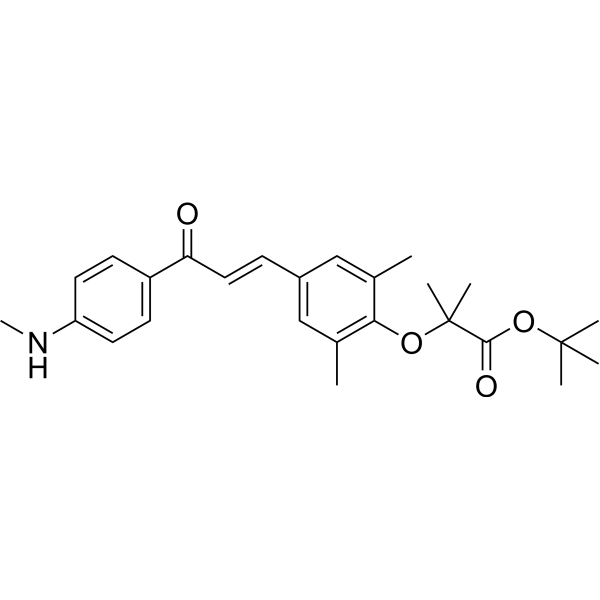 0 ImagesAnti-NASH agent 1 (compound 3d),a derivative of Elafibranor (HY-16737),is a potent agonist of PPAR-α/δ,targeting to nonalcoholic steatohepatitis (NASH). Anti-NASH agent 1 (3-10 mg/kg; 4 weeks) improves hyperlipidemia,liver fat degeneration and liver inflammation in Methionine-choline deficiency (MCD) induced NASH mice model. Anti-NASH agent 1 shows low liver toxicity and potent liver protection effect.
-
PPARG Human Pre-designed siRNA Set A
 0 ImagesCat. No.: HY-RS10925
PPARG Human Pre-designed siRNA Set A contains three designed siRNAs for PPARG gene (Human), as well as a negative control, a positive control, and a FAM-labeled negative control.
-
Pioglitazone-d4
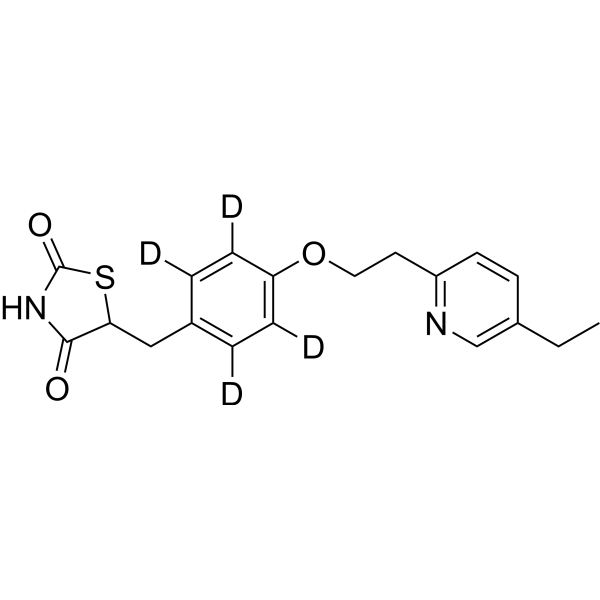 0 ImagesSynonyms: U 72107-d4Pioglitazone-d4 is a deuterium labeled Pioglitazone. Pioglitazone (U 72107) is a potent and selective PPARγ agonist with high affinity binding to the PPARγ ligand-binding domain with EC50 of 0.93 and 0.99 μM for human and mouse PPARγ, respectively.
-
Amorfrutin B
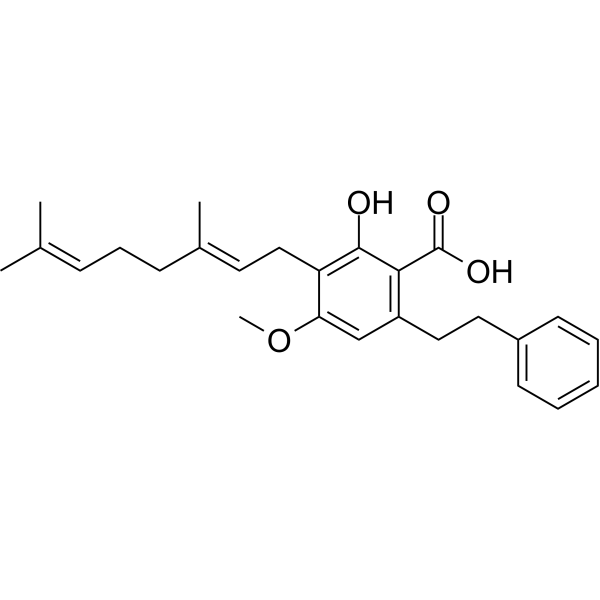 0 ImagesCat. No.: HY-113631CAS No.: 78916-42-4Amorfrutin B is a highly potent natural peroxisome proliferation-activated receptor γ (PPARγ) agonist with oral activity with Ki values of 19 nM and EC50 values of 73 nM, respectively. Amorfrutin B has hypoglycemic and neuroprotective activities.

-
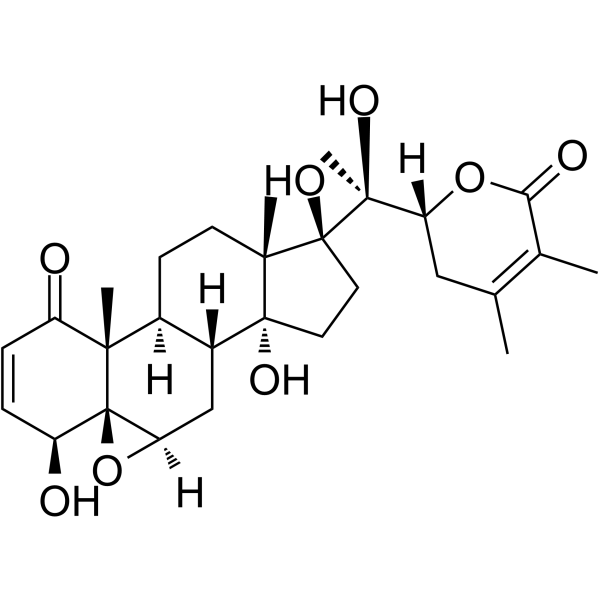
15-deoxy-Δ12,14-Prostaglandin D2
 0 ImagesSynonyms: 15-Deoxy-Δ12,14-PGD215-deoxy-Δ12,14-Prostaglandin D2 (15-Deoxy-Δ12,14-PGD2) is a metabolite of prostaglandin D₂ (PGD₂) (HY-101988), which can undergo further dehydration metabolism to 15-deoxy-Δ12,14-PGJ₂. 15-deoxy-Δ12,14-Prostaglandin D2 is a highly selective agonist for DP2 receptor and PPARγ. 15-deoxy-Δ12,14-Prostaglandin D2 causes morphological changes in eosinophils and migration of type II innate lymphoid cells (ILC2). 15-deoxy-Δ12,14-Prostaglandin D2 has a growth inhibitory effect on prostate cancer cells expressing PPARγ, induces cell cycle arrest and promotes apoptosis. 15-deoxy-Δ12,14-Prostaglandin D2 can be used in related research on asthma and prostate cancer.
-
Daidzein-d6
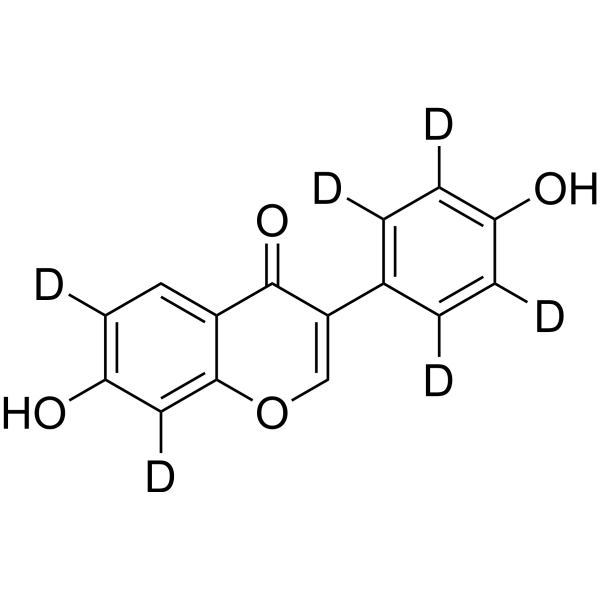 0 ImagesCat. No.: HY-N0019S1CAS No.: 291759-05-2
-
Fisetin quarterhydrate
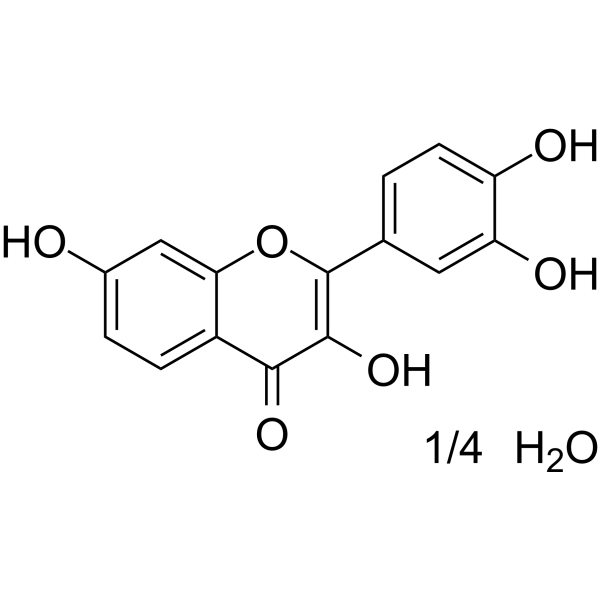 0 ImagesCat. No.: HY-N0182AFisetin quarterhydrate is a natural flavonol found in many fruits and vegetables with various benefits, such as antioxidant, anticancer, neuroprotection effects.
-
Candesartan (Standard)
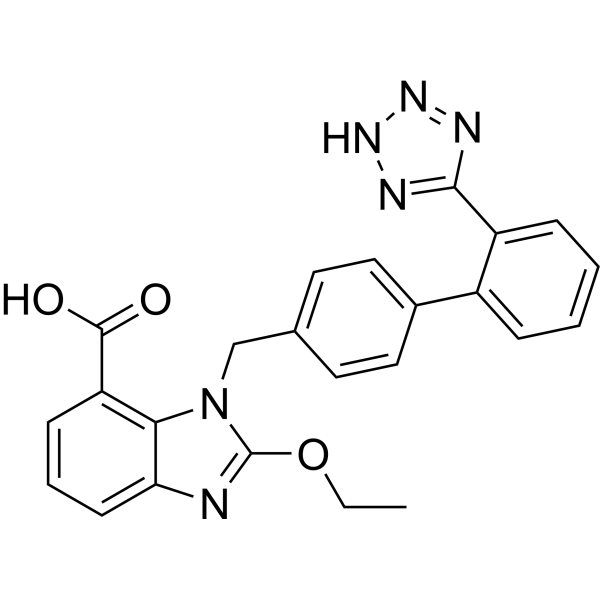 0 ImagesSynonyms: CV 11974 (Standard)Candesartan (Standard) is the analytical standard of Candesartan. This product is intended for research and analytical applications. Candesartan (CV 11974) is an orally active angiotensin II AT1-Receptor blocker and PPAR-γ agonist. Candesartan has potent and long-lasting antihypertensive effects. Candesartan can be used for the research of hypertension, chronic heart failure (CHF) and Traumatic brain injury (TBI).
-
Soyasaponin Aa
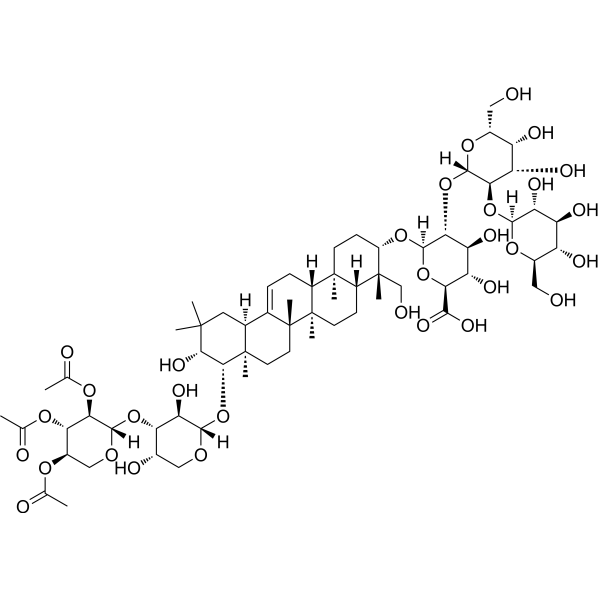 0 ImagesSoyasaponin Aa is a soyasaponin that can be found in soy. Soyasaponin Aa suppresses PPARγ transcriptional activity, reduces PPARγ and C/EBPα expression, inhibits adipocyte differentiation and lipid accumulation, and reduces adipogenic marker gene expression. Soyasaponin Aa reduces hydrogen peroxide-induced reactive oxygen species (ROS) production and malondialdehyde levels. Soyasaponin Aa exhibits cellular antioxidant activity. Soyasaponin Aa can be used for the research of obesity.



