



Plasmodium
Plasmodium parasites invade erythrocytes to access nutrients and occupy a protected intracellular niche[1]. Mechanistically, P. falciparum merozoite invasion depends on ligand-receptor interactions and regulated microneme and rhoptry secretion[2]. The apicoplast supports blood-stage growth mainly through isoprenoid precursor biosynthesis, shown by chemical rescue of parasites lacking this organelle[3]. Apicoplast-derived isoprenoids also support GPI-anchor biosynthesis, egress, and invasion in P. falciparum[4]. Compared with related apicomplexan parasites, malaria parasites use conserved host-cell entry logic but species-specific ligand-receptor interactions[1]. For experimental applications, apicoplast translation inhibitors and aminoacyl-tRNA synthetase inhibitors provide tools to test delayed death, organelle maintenance, and parasite viability[5][6].
References:
- [1]. Cowman AF, et al. Invasion of red blood cells by malaria parasites. Cell. 2006 Feb 24;124(4):755-66. [Content Brief]
- [2]. Singh S, et al. Distinct external signals trigger sequential release of apical organelles during erythrocyte invasion by malaria parasites. PLoS Pathog. 2010 Feb 5;6(2):e1000746. [Content Brief]
- [3]. Yeh E, et al. Chemical rescue of malaria parasites lacking an apicoplast defines organelle function in blood-stage Plasmodium falciparum. PLoS Biol. 2011 Aug;9(8):e1001138. [Content Brief]
- [4]. Bulloch MS, et al. Apicoplast-derived isoprenoids are essential for biosynthesis of GPI protein anchors, and consequently for egress and invasion in Plasmodium falciparum. PLoS Pathog. 2024 Sep 6;20(9):e1012484. [Content Brief]
- [5]. Pasaje CF, et al. Selective inhibition of apicoplast tryptophanyl-tRNA synthetase causes delayed death in Plasmodium falciparum. Sci Rep. 2016 Jun 9;6:27531. [Content Brief]
- [6]. Herman JD, et al. The cytoplasmic prolyl-tRNA synthetase of the malaria parasite is a dual-stage target of febrifugine and its analogs. Sci Transl Med. 2015 May 20;7(288):288ra77. [Content Brief]
-
Plasmodium Related Products (265)
Related Products (265)

-
Micrococcin P1
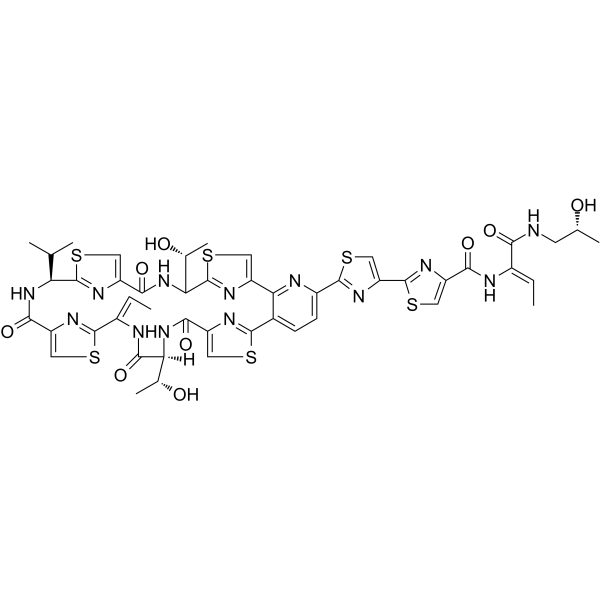 0 ImagesMicrococcin P1 is a macrocyclic peptide antibiotic and is a potent hepatitis C virus (HCV) inhibitor with an EC50 range of 0.1-0.5 μM. Micrococcin P1 has in vitro antibacterial activity against Gram-positive bacterial strains. The MIC values of Micrococcin P1 against S. aureus 1974149, E. faecalis 1674621 and S. pyogenes 1744264 are 2 μg/mL, 1 μg/mL and 1 μg/mL, respectively. Micrococcin P1 is also a potent inhibitor of the malaria parasite Plasmodium falciparum.
-
WR 146459
 0 ImagesCat. No.: HY-185218CAS No.: 50665-54-8WR 146459 is an orally active 9-phenanthrenecarbinol and antimalarial agent. WR 146459 bears a 2-piperidyl substituent on its 9-carbinol moiety. WR 146459 inhibits hypoxanthine uptake by Plasmodium falciparum strains, reducing parasite viability. WR 146459 can be used for the research of malaria.
-
RYL-552S
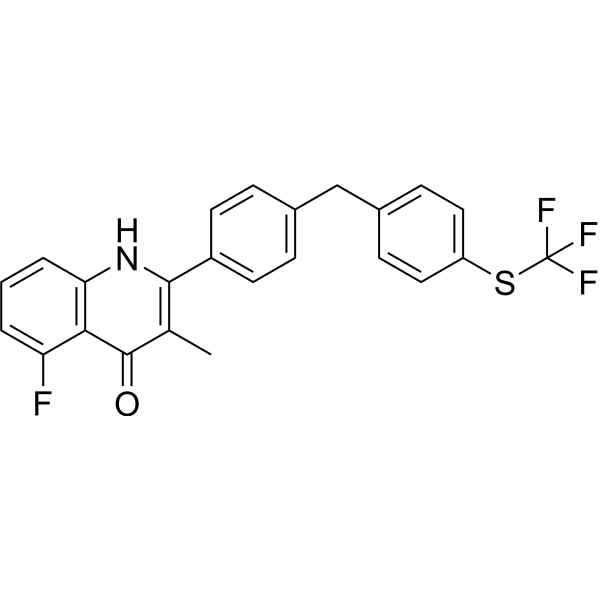 0 ImagesRYL-552S kills drug-resistant strains of Plasmodium falciparum. RYL-552S can efficiently kill asexual blood-stage parasites in vitro.
-
Cabamiquine succinate
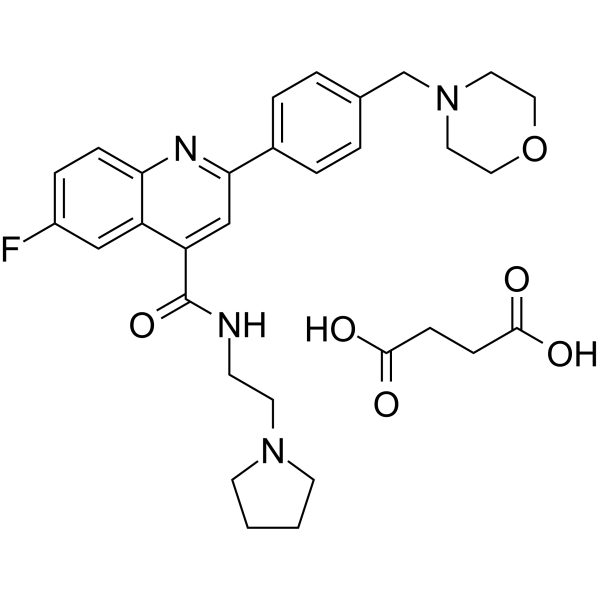 0 ImagesSynonyms: DDD107498 succinate; DDD-498 succinate; M5717 succinateCabamiquine (DDD107498) succinate is a potent and orally active antimalarial agent, inhibits multiple life-cycle stages of the parasite, with an EC50 of 1 nM against P. falciparum 3D7. Cabamiquine succinate inhibits protein synthesis by targeting eEF2/CaMKIII, with an EC50 of 2 nM for WT-PfeEF2.
-
SARS-CoV-IN-3
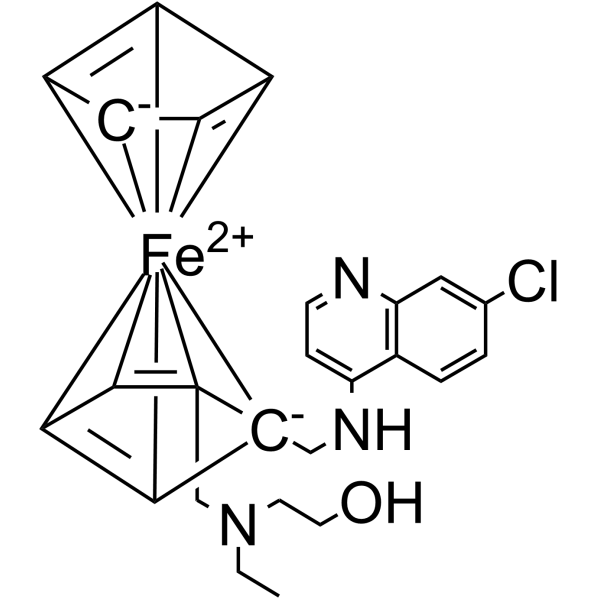 0 ImagesSARS-CoV-IN-3 is an effective inhibitor of SARS-CoV replication. SARS-CoV-IN-3 shows anti-Coronavirus activity with an EC50 of 3.6 μM in Vero cells. SARS-CoV-IN-3 inhibits the 3D7 and W2 strains of P. falciparum with IC50s of 11.7 and 20.4 nM; and IC90s of 29.19 and 56 nM; respectively. SARS-CoV-IN-3 reduces HIV-1-induced cytopathic effect with an EC50 of 10 μM in MT-4 cells.
-
UCT943
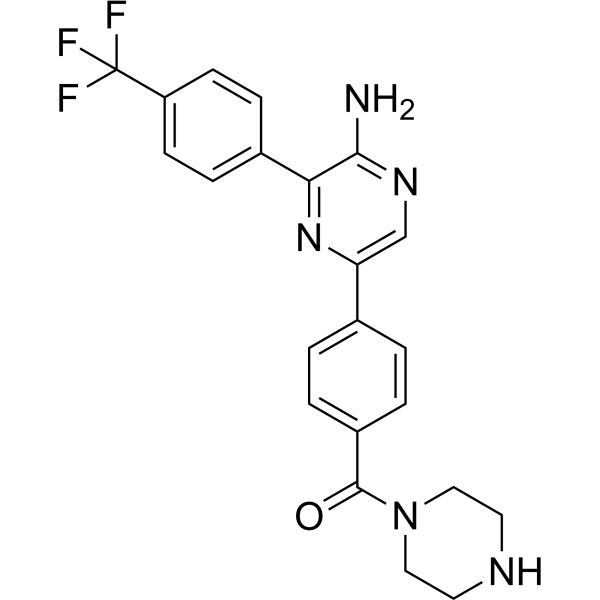 0 ImagesUCT943 is a next-generation Plasmodium falciparum PI4K inhibitor. UCT943 inhibits the P. vivax PI4K (PvPI4K) enzyme with an IC50 of 23 nM.
-
SARS-CoV-IN-1
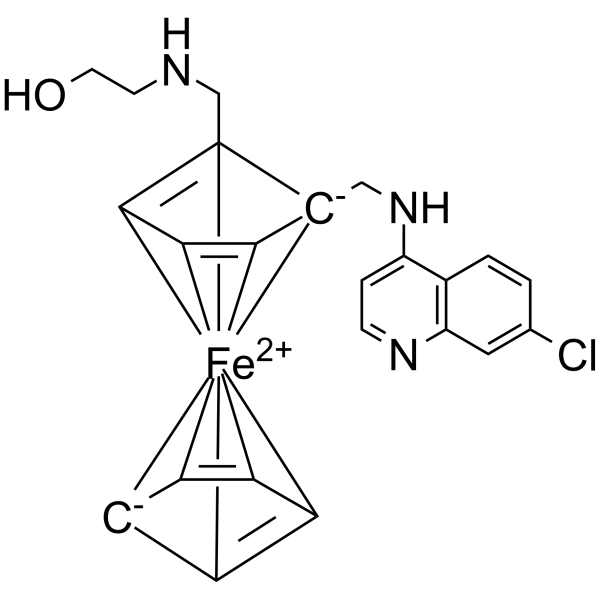 0 ImagesSARS-CoV-IN-1 is an effective inhibitor of SARS-CoV replication. SARS-CoV-IN-1 shows anti-Coronavirus activity with an EC50 of 4.9 μM in Vero cells. SARS-CoV-IN-1 inhibits the 3D7 and W2 strains of P. falciparum with IC50s of 15.4 and 133.2 nM; and IC90s of 25.7 and 459.1 nM; respectively. Antimalarial and antiviral activities.
-
SARS-CoV-IN-2
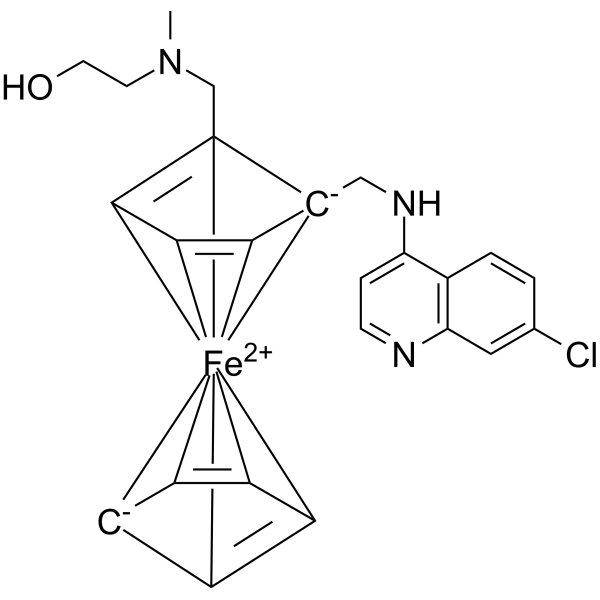 0 ImagesSARS-CoV-IN-2 is an effective inhibitor of SARS-CoV replication. SARS-CoV-IN-2 shows anti-Coronavirus activity with an EC50 of 1.9 μM in Vero cells. SARS-CoV-IN-2 inhibits the 3D7 and W2 strains of P. falciparum with IC50s of 21.5 and 30 nM; and IC90s of 51.0 and 99.9 nM; respectively. SARS-CoV-IN-2 reduces HIV-1-induced cytopathic effect with an EC50 of 2.9 μM in MT-4 cells. Antimalarial and Antiviral Activities.
-
DSM502
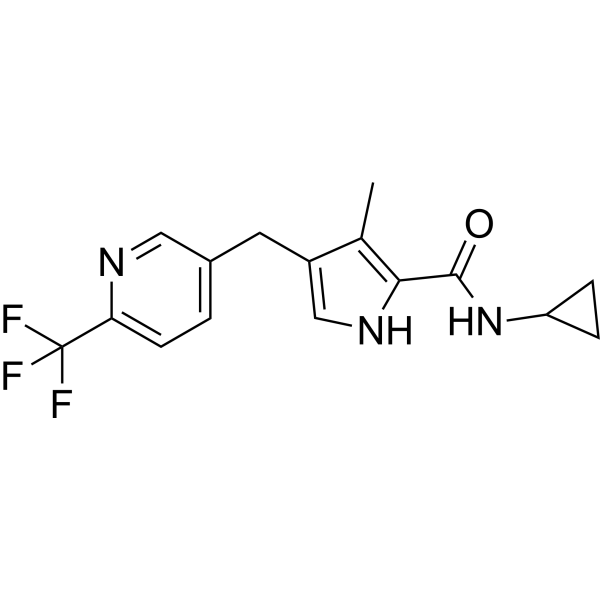 0 ImagesDSM502 is a pyrrole-based Dihydroorotate Dehydrogenase (DHODH) inhibitor. DSM502 exhibits nanomolar potency againsts Plasmodium DHODH and Plasmodium parasites, with no inhibition of mammalian DHODHs.
-
Amodiaquine-d10
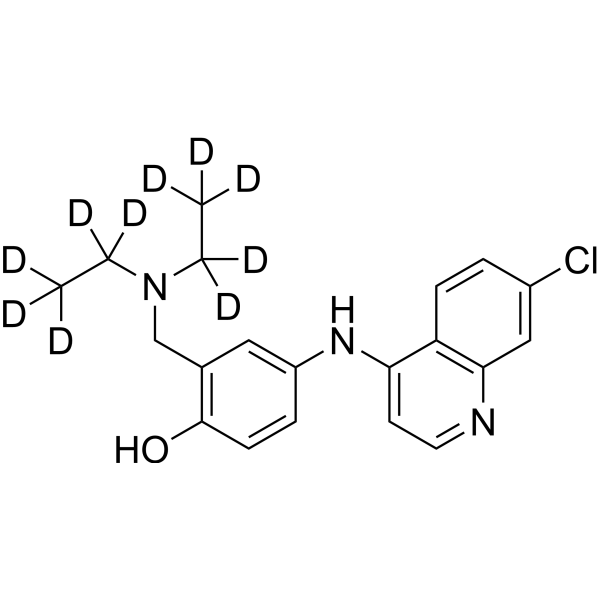 0 ImagesCat. No.: HY-B1322ASCAS No.: 1189449-70-4Amodiaquine-d10 is the deuterium labeled Amodiaquine. Amodiaquine (Amodiaquin), a 4-aminoquinoline class of antimalarial agent, is a potent and orally active histamine N-methyltransferase inhibitor. Amodiaquine is also a Nurr1 agonist and specifically binds to Nurr1-LBD (ligand binding domain) with an EC50 of ~20 μM. Anti-inflammatory effect.
-
Hydroxychloroquine-d4-1 sulfate
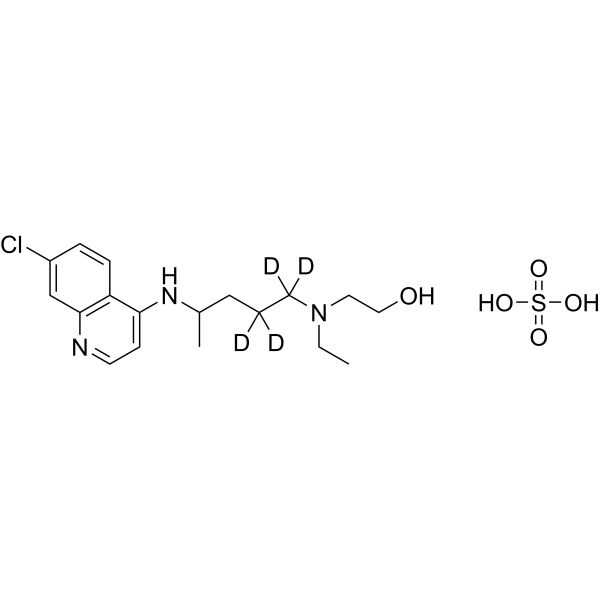 0 ImagesCat. No.: HY-W031727SCAS No.: 1216432-56-2Hydroxychloroquine-d4-1 (sulfate) is the deuterium labeled Hydroxychloroquine. Hydroxychloroquine is a synthetic antimalarial agent which can also inhibit Toll-like receptor 7/9 (TLR7/9) signaling. Hydroxychloroquine is efficiently inhibits SARS-CoV-2 infection in vitro.
-
Clindamycin-d3 hydrochloride
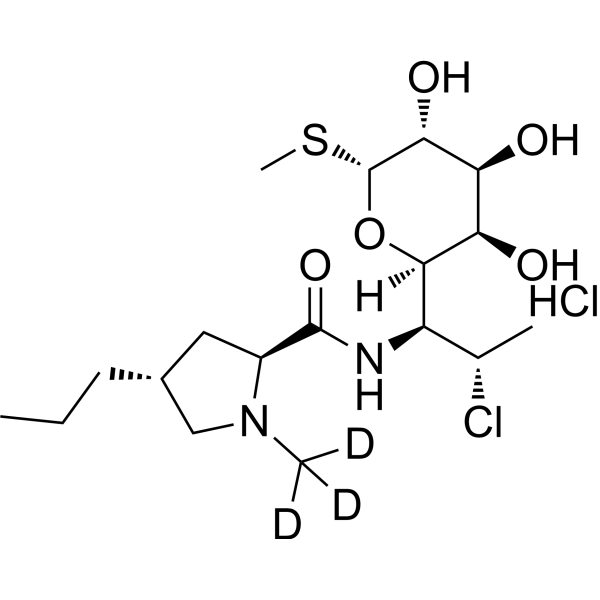 0 ImagesCat. No.: HY-B1455SCAS No.: 1356933-72-6Clindamycin-d3 (hydrochloride) is the deuterium labeled Clindamycin. Clindamycin is an orally active and broad-spectrum bacteriostatic lincosamide antibiotic. Clindamycin can inhibit bacterial protein synthesis, possessing the ability to suppress the expression of virulence factors in Staphylococcus aureus at sub-inhibitory concentrations (sub-MICs). Clindamycin resistance results from enzymatic methylation of the antibiotic binding site in the 50S ribosomal subunit (23S rRNA). Clindamycin decreases the production of Panton-Valentine leucocidin (PVL), toxic-shock-staphylococcal toxin (TSST-1) or alpha-haemolysin (Hla). Clindamycin also can be used for researching malaria.
-
NSC5844
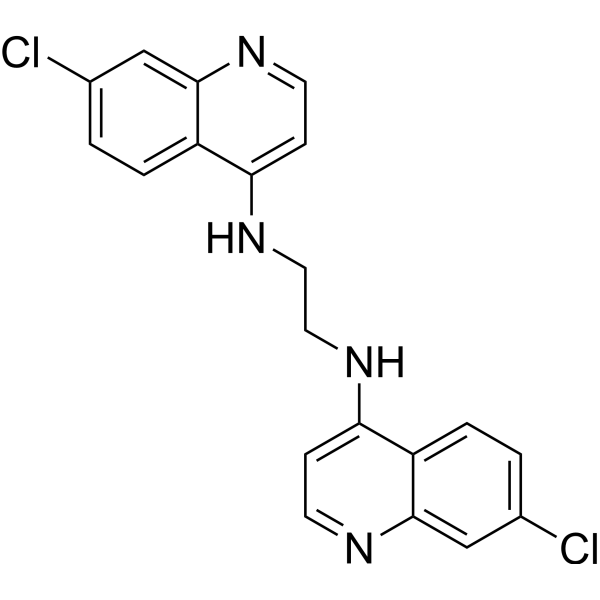 0 ImagesSynonyms: RE-640NSC5844 (RE-640) is a 4-aminoquinoline derivative, with antitumor and antimalarial activity.
-
Antimalarial agent 1
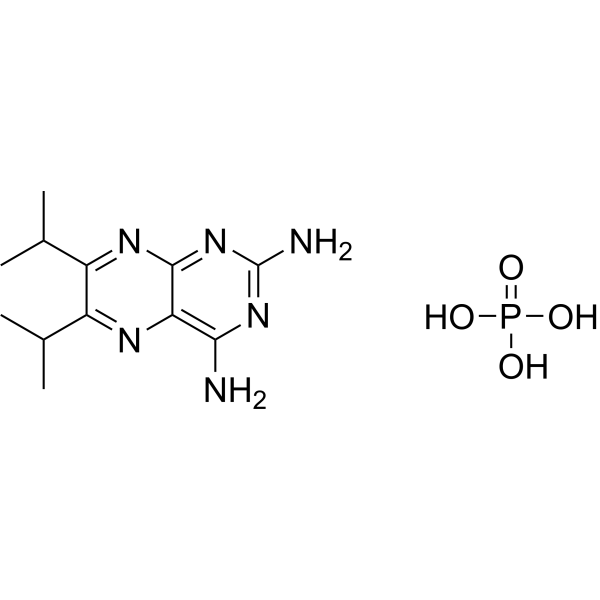 0 ImagesAntimalarial agent 1 is a potent antimalarial agent.
-
Cletoquine
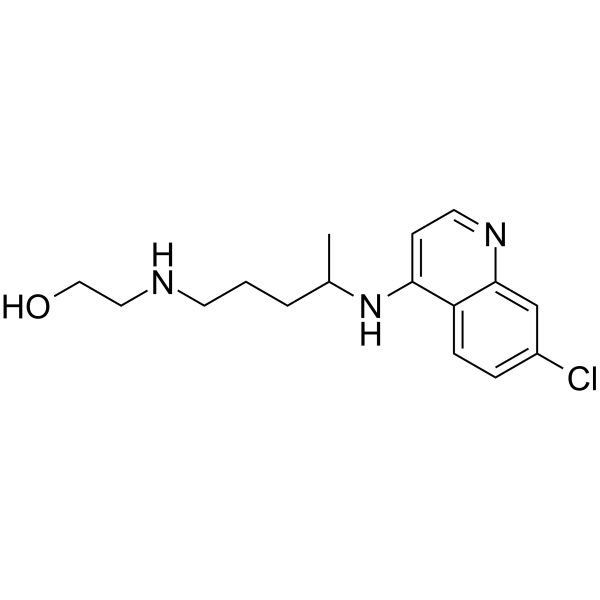 0 ImagesCletoquine (Desethylhydroxychloroquine) is a major active metabolite of Hydroxychloroquine. Cletoquine is produced in the liver by CYP2D6, CYP3A4, CYP3A5, and CYP2C8 isoenzymes. Cletoquine is also a Chloroquine derivative and has the ability to against the chikungunya virus (CHIKV). Cletoquine has antimalarial effects and has the potential for autoimmune diseases treatment.
-
Sulfadoxine-d3
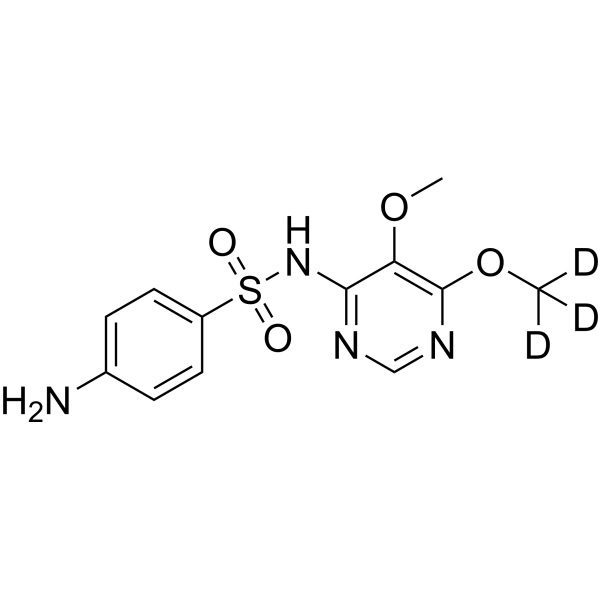 0 ImagesSynonyms: Sulphadoxine d3Sulfadoxine-d3 is a deuterium labeled Sulfadoxine (HY-B0439). Sulfadoxine is a sulfonamide that is used, usually in combination with Pyrimethamine(HY-18062), for multidrug-resistant Plasmodium falciparum and P. vivax inhibition. Unlike PYR, Sulfadoxine has no impact on HIV replication or MT-2 cell cycle progression. But also Sulfadoxine exhibits suppression on respiratory, and urinary tract infections.
-
SID 26681509 quarterhydrate
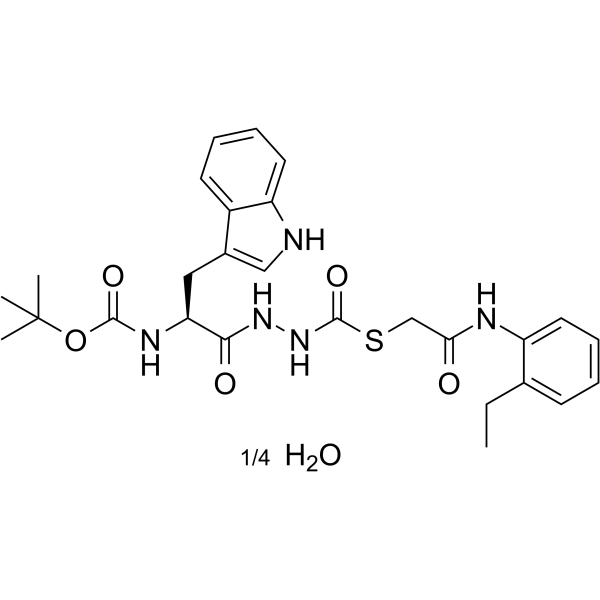 0 ImagesCat. No.: HY-103353APurity: 98.02%SID 26681509 quarterhydrate is a potent, reversible, competitive, and selective inhibitor of human cathepsin L with an IC50 of 56 nM. SID 26681509 quarterhydrate inhibits in vitro propagation of malaria parasite Plasmodium falciparum and inhibits Leishmania major with IC50s of 15.4 μM and 12.5 μM, respectively. SID 26681509 quarterhydrate shows no inhibitory activity against cathepsin G.
-
Cletoquine oxalate
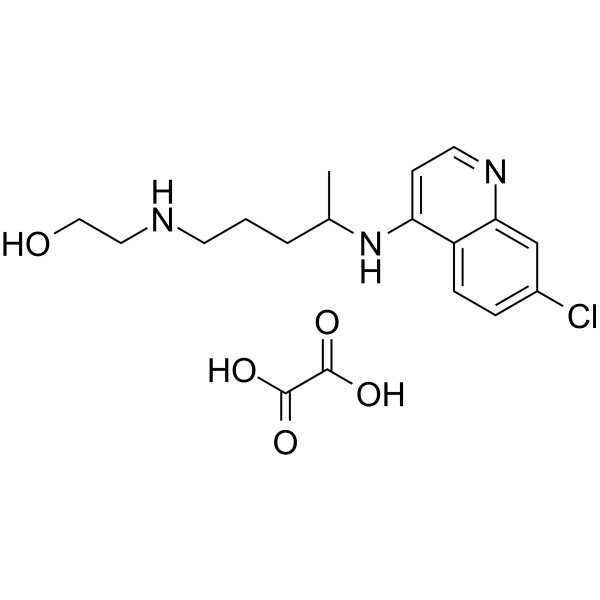 0 ImagesSynonyms: Desethylhydroxychloroquine oxalateCletoquine oxalate (Desethylhydroxychloroquine oxalate) is a major active metabolite of Hydroxychloroquine. Cletoquine oxalate is produced in the liver by CYP2D6, CYP3A4, CYP3A5, and CYP2C8 isoenzymes. Cletoquine oxalate is also a Chloroquine derivative and has the ability to against the chikungunya virus (CHIKV). Cletoquine oxalate has antimalarial effects and has the potential for autoimmune diseases treatment.
-
Cycloguanil
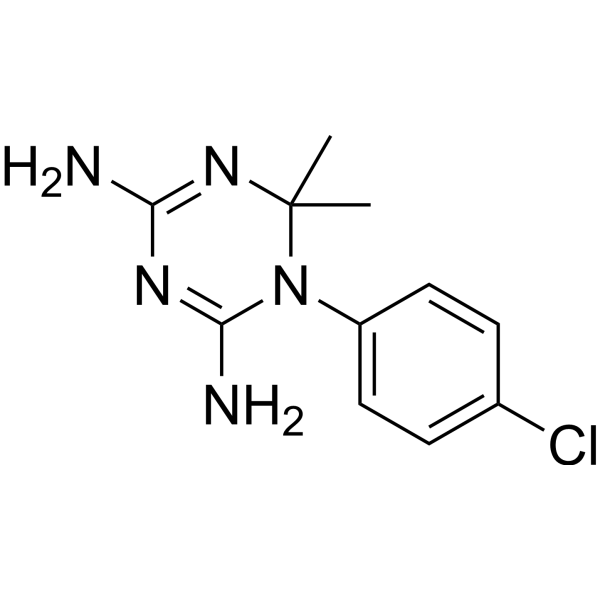 0 ImagesCycloguanil (Chlorguanide triazine) is a dihydrofolate reductase (DHFR) inhibitor with an IC50 of 10.8 μM against human DHFR. Cycloguanil blocks the folate metabolic pathway, thereby affecting nucleotide synthesis and interfering with DNA replication. Cycloguanil inhibits DHFR in Plasmodium and is thus used in malaria research. Cycloguanil also potently inhibits DHFR in human cancer cells and blocks the transcriptional activity of STAT3, thereby exhibiting anticancer activity.
-
Tectol
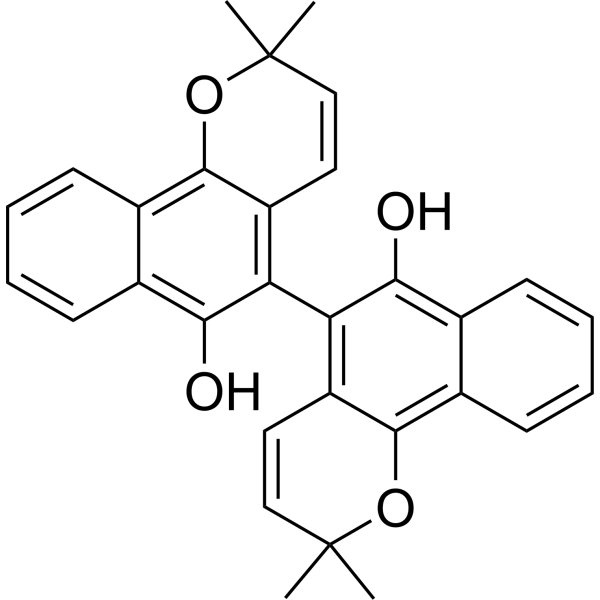 0 ImagesTectol, isolated from Lippia sidoides, exhibits significant activity against human leukemia cell lines HL60 and CEM. Tectol is a farnesyltransferase (FTase) inhibitor with IC50s of 2.09 and 1.73 μM for human and T. brucei FTase, respectively. Tectol inhibits drug-resistant strain of P. falciparum (FcB1) with an IC50 of 3.44 μM.



