



c-Myc
Myc
The transcription factor c-Myc is a member of the basic helix-loop-helix leucinezipper (bHLHZip) protein family. The target genes of the c-MYC protein participate in different cellular functions, including cell cycle, survival, protein synthesis, cell adhesion, and micro-RNA expression. c-Myc is also one of the four factors used in reprogramming somatic cells to induce pluripotent stem (iPS) cells and is implicated in maintaining cancer stem-like cells (CSCs). Most biological functions of c-Myc require heterodimerization with its activation partner Max.
c-Myc is also part of a dynamic network whose members interact selectively with one another and with various transcriptional coregulators and histone-modifying enzymes. Deregulated expression of c-MYC caused by gene amplification, retroviral insertion, or chromosomal translocation is associated with tumorigenesis. c-Myc has been identified as a highly promising target for cancer therapy.
All Product Categories
-
c-Myc Related Products (282)
Related Products (282)

-
Antibodies (12)
-
Agrimol B
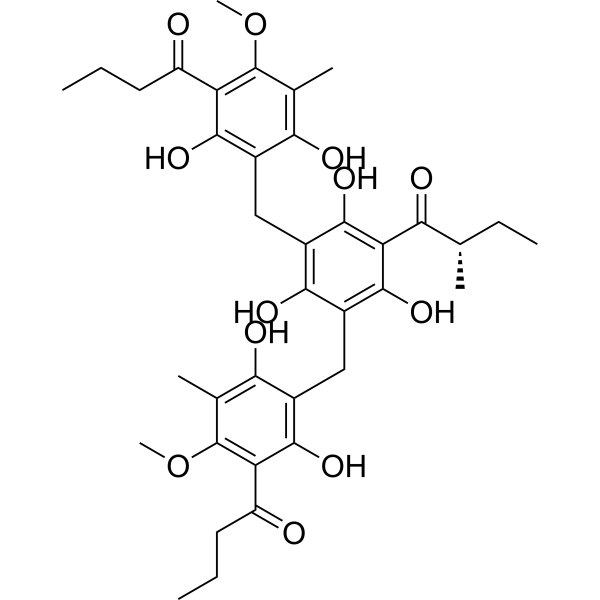 0 ImagesAgrimol B, a polyphenol, is an orally active and potent SIRT1 activator. Agrimol B shows anti-adipogenic and anticancer activity. Agrimol B shows antibacterial activity against plant pathogens. Agrimol B dramatically inhibits 3T3-L1 adipocyte differentiation by reducing PPARγ, C/EBPα, FAS, UCP-1, and apoE expression. The action of Agrimol B on the cancer cells is likely derived from its effect on c-MYC, SKP2 and p27.
-
MYC-RIBOTAC
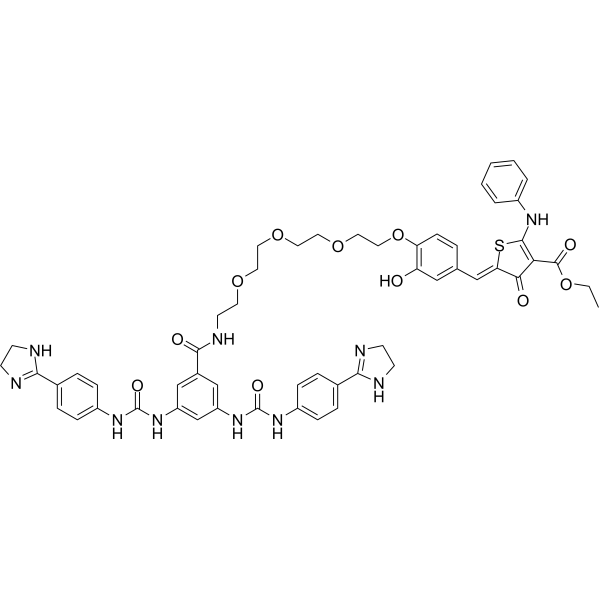 0 ImagesCat. No.: HY-153713Purity: 98.17%MYC-RIBOTAC is a nucleic acid-targeting degrader (ribonuclease-targeting chimera, RIBOTAC) that targets the MYC internal ribosome entry site (IRES). MYC-RIBOTAC contains a MYC mRNA binding component and a small molecule that recruits and locally activates RNAse L1. MYC-RIBOTAC reduces MYC mRNA and protein expression levels, induces cell apoptosis, and can be used for antitumor research. MYC-RIBOTAC consists of pre-miR-155 binder Anticancer agent 167 (HY-156839), RNA binder NCI-B16 (HY-156215), and Linker Amino-PEG4-alcohol (HY-W008005).
-
BTYNB
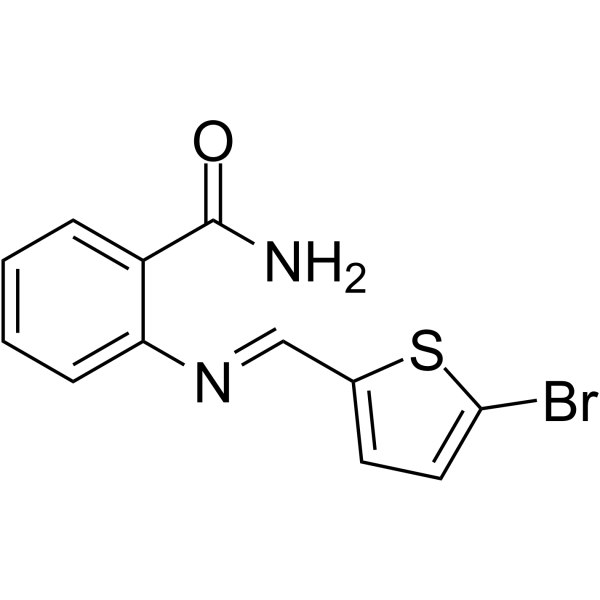 0 ImagesBTYNB is a structure-specific nucleic acid binder and IGF2BP1 inhibitor (with an IC50 of 5 μM against hBTYNB). BTYNB disrupts the IGF2BP1-RNA interaction and blocks its binding to oncogenic mRNAs such as c-Myc, MDM2, PD-L1. BTYNB completely blocks the INHBA-Smad2/3 pathway, disrupts the MYCN/IGF2BP1 loop, and thereby induces apoptosis and cell cycle arrest, effectively inhibiting the proliferation and survival of cancer cells. In addition, BTYNB acts as an immune activator and tumor microenvironment modulator, enhances T cell-mediated tumor killing, and produces significant synergistic effects with inhibitors of PD-1, BRD and BIRC5. BTYNB can be used in relevant research on various malignant tumors including ovarian cancer, neuroblastoma, leukemia and melanoma.
-
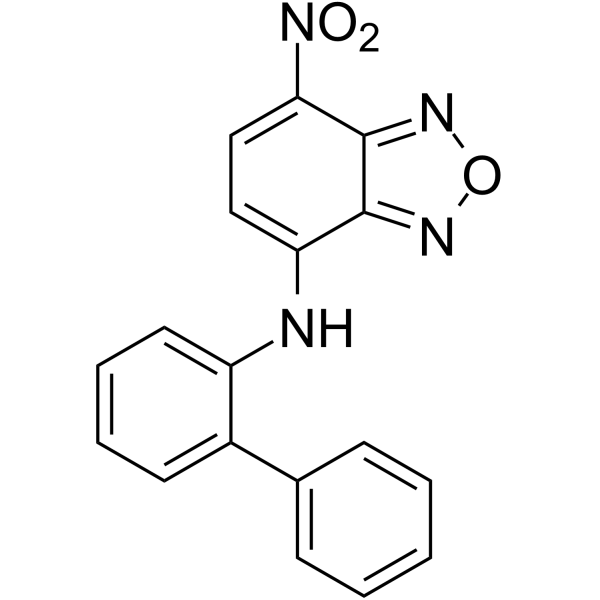
FKBP12 PROTAC dTAG-7
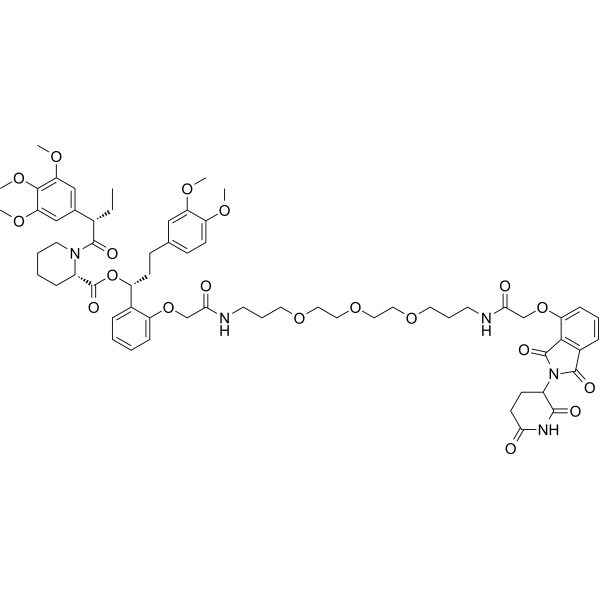 0 ImagesSynonyms: dTAG-7FKBP12 PROTAC dTAG-7 (dTAG-7) is a FKBP12F36V PROTAC degrader. FKBP12 PROTAC dTAG-7 binds FKBP12F36V and CRBN to form a complex, mediating degradation via the ubiquitin-proteasome system. FKBP12 PROTAC dTAG-7 mediates the degradation of FKBP12F36V-tagged nuclear and cytoplasmic proteins, including BRD4, HDAC1, EZH2, MYC, PLK1, KRASG12V, and antigen fusion proteins. FKBP12 PROTAC dTAG-7 enhances MHC class I antigen presentation. FKBP12 PROTAC dTAG-7 is applicable to leukemia-related research.
-
RS47
 0 ImagesRS47 is a selective RelB inhibitor with a Kd value of 1.1 μM. RS47 also acts as an inhibitor of HCV replication. RS47 can block the non-canonical NF-κB signaling pathway without affecting the canonical pathway. RS47 exerts anti-tumor effects of inhibiting proliferation and promoting apoptosis on colorectal cancer, B-cell lymphoma and other related tumors both in vitro and in vivo by disrupting the binding of RelB to target DNA. RS47 can be used for the research of tumors and infectious diseases.
-
H122
 0 ImagesCat. No.: HY-172113Purity: 98.33%H122 is a PROTAC degrader for TEAD that degrades TEAD1 with a DC50 of 3 nM. H122 exhibits good affinity to TEAD2, TEAD3, and TEAD4 with Ki values of 2.0, 3.6 and 1.6 nM, respectively. H122 relies on binding to TEAD1 and CRBN, functional E3 ligase activity, and a functional proteasome for degradation.H122 induces degradation of TEAD3 and forms a ternary complex with TEAD4 and CRBN/DDB1 to mediate degradation.H122 downregulates expression of Myc target genes. H122 exhibits antitumor efficacy in MSTO-211H mouse xenograft models.H122 can be used for the research of malignant mesothelioma.
-
c-Myc Peptide TFA
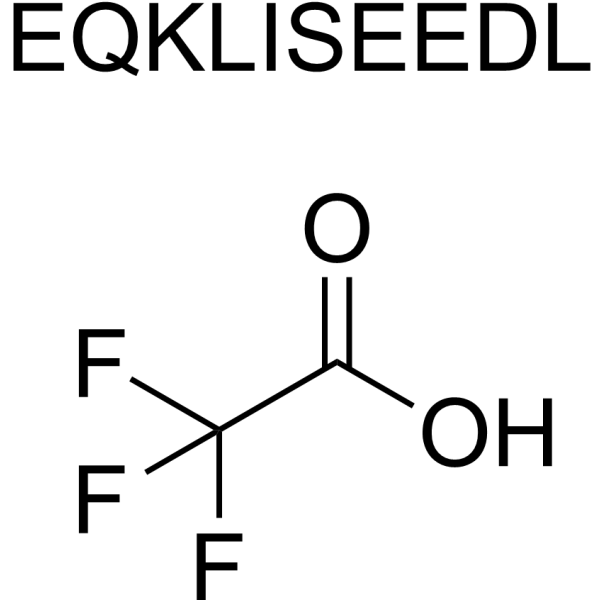 0 Imagesc-Myc Peptide (TFA) is a synthetic peptide corresponding to the C-terminal amino acids (410-419) of human c-myc protein, and participates in regulation of growth-related gene transcription.
-
QCA570
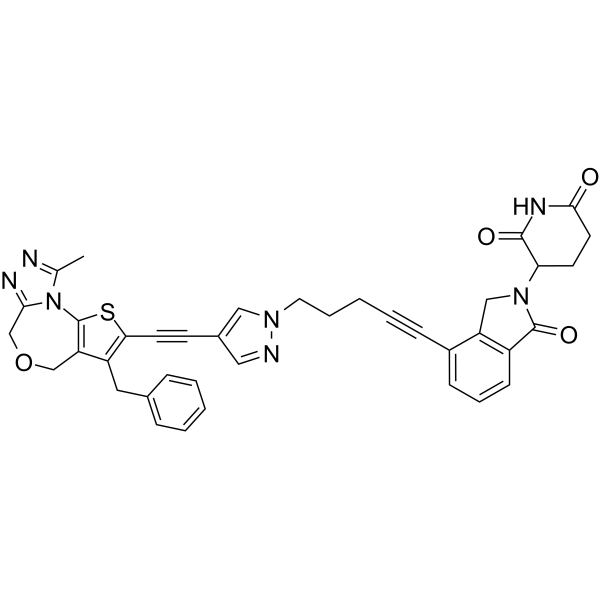 0 ImagesQCA570 is a pan-BET-BRD PROTAC degrader. QCA570 degrades BRD2/3/4 and BRDT via cereblon and the ubiquitin-proteasome pathway, inhibits the expression of c-MYC, EZH2 and Mcl-1, induces tumor cell apoptosis, cycle arrest and regression, and exerts a synergistic inhibitory effect on Osimertinib (HY-15772)-resistant EGFR-mutant non-small cell lung cancer. QCA570 can be used in the research of acute myeloid leukemia, acute lymphoblastic leukemia, bladder cancer and non-small cell lung cancer.
-
Ganoderma lucidum polysaccharide
 0 ImagesCat. No.: HY-159059Ganoderma Lucidum/Reishi Extract is a Ganoderma lucidum extract. Ganoderma Lucidum/Reishi Extract reduces the expression of c-Myc, BCL-2, BCL-XL, TERT, PDGFB, eIF4G, Survivin, β-catenin, and eIF4E. Ganoderma Lucidum/Reishi Extract downregulates the gene expression of MMP-9. Ganoderma Lucidum/Reishi Extract upregulates the expression of IL8. Ganoderma Lucidum/Reishi Extract is applicable to the research of inflammatory breast cancer. Ganoderma Lucidum is used in the research of various diseases, such as allergy, arthritis, hypertension, neurasthenia, inflammation, and cancer.
-
GT19630
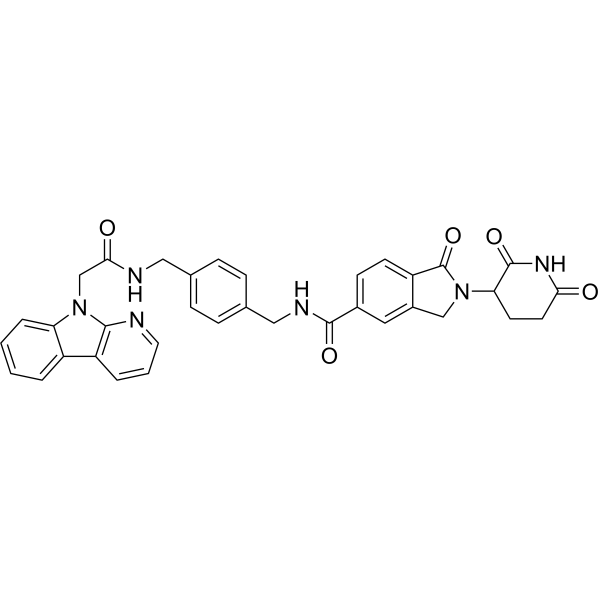 0 ImagesGT19630 is an orally active c-Myc PROTAC targeted degrader based on the cereblon E3 ubiquitin ligase, with an IC50 of 1.5 nM against human c-Myc. GT19630 mediates the degradation of MYC, GSPT1, GSPT2, CK1 alpha, N-Myc, B7-H3 and XIAP, and disrupts the MYC-GSPT1 synergistic regulatory feedback loop. GT19630 inhibits cell proliferation, blocks S-phase progression of the cell cycle, promotes cell apoptosis, reduces cell migration capacity, induces integrated stress response, and blocks oxidative phosphorylation by inhibiting the TCA cycle. GT19630 can be used in the research of Myc-driven hematological cancers, small cell lung cancer, breast cancer, TP53-mutant cancers, and venetoclax-resistant cancers.
-
Mycro 3
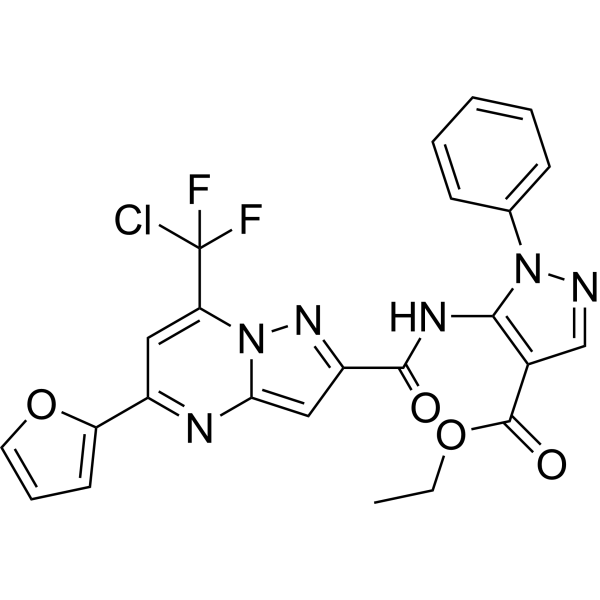 0 ImagesMycro 3 is an orally active, potent and selective inhibitor of Myc-associated factor X (MAX) dimerization. Mycro 3 also inhibit DNA binding of c-Myc. Mycro 3 could be used for the research of pancreatic cancer.
-
IGF2BP1-IN-1
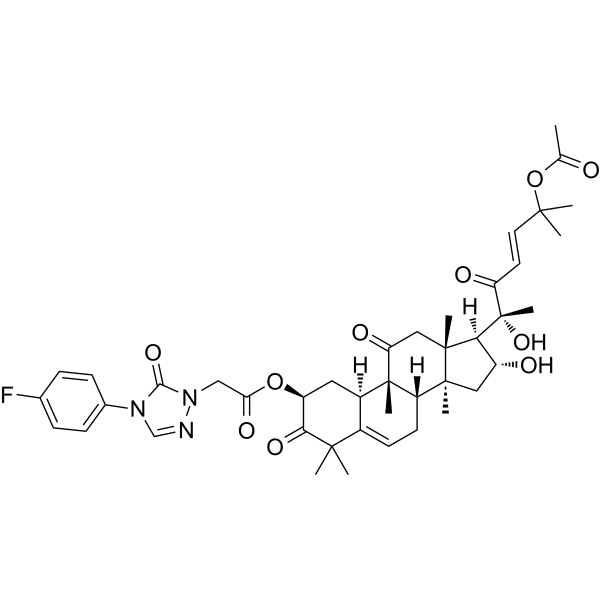 0 ImagesIGF2BP1-IN-1, a Cucurbitacin B (HY-N0416) derivative, is a potent IGF2BP1 inhibitor (KD = 2.88 nM). IGF2BP1-IN-1 binds directly to IGF2BP1, thereby inducing tumor cell cycle arrest, increasing apoptosis, and reducing autophagy. IGF2BP1-IN-1 can be used in research on NSLSC, colon, breast, liver, ovarian, pancreatic, and cervical cancers.
-
Ertabresib
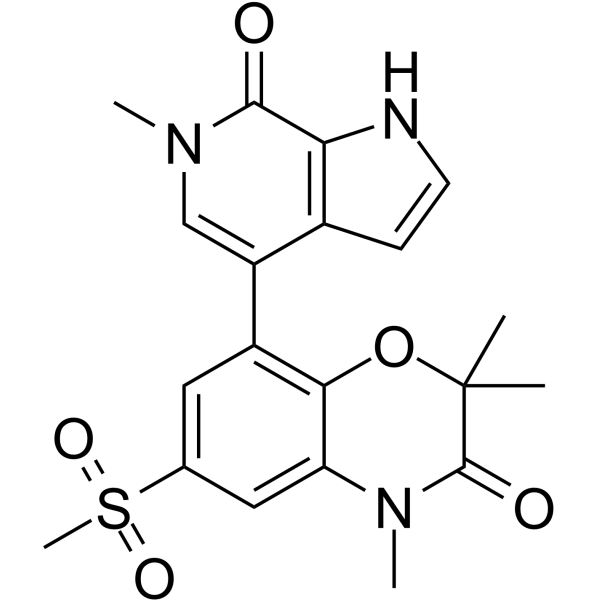 0 ImagesSynonyms: INCB-057643Ertabresib (INCB-057643) is an orally active BET protein inhibitor. Ertabresib blocks gene transcription by targeting the BET protein family, induces cell cycle arrest and apoptosis by downregulating proto-oncogenes such as c-MYC, and additionally reduces the expression of FOXP3 and PD-L1 to improve the immune microenvironment. It also exerts synergistic effects and overcomes drug resistance when combined with chemotherapy and XPO1 inhibitors. Ertabresib can be used in research related to high-grade B-cell lymphoma with MYC and BCL2 rearrangements, pancreatic cancer, pancreatitis, and metastatic castration-resistant prostate cancer.
-
FzM1.8
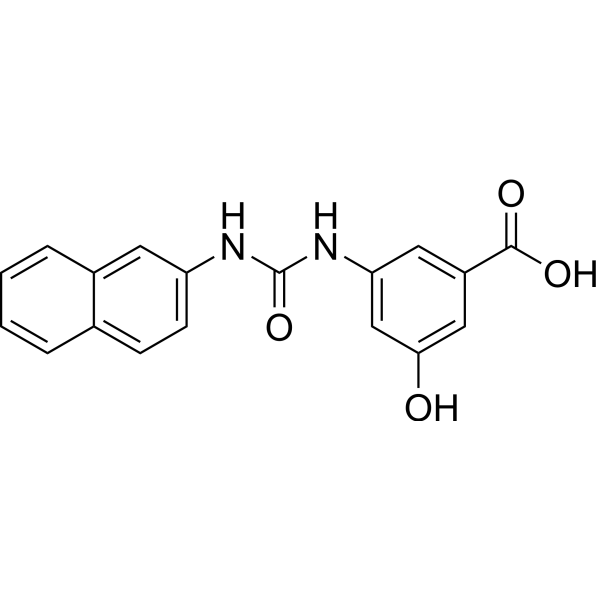 0 ImagesFzM1.8 is a Wnt/β-catenin signaling pathway agonist and an allosteric agonist of Frizzled 4 (FZD4), with a pEC50 of 6.4 for FZD4. FzM1.8 stabilizes a conformation with increased affinity for heterotrimeric G proteins, promoting Gβγ release and subsequent PI3K activation. FzM1.8 activates the AKT pathway downstream of FZD4. FzM1.8 does not affect FZD4 maturation or plasma membrane localization and does not induce FZD4 endocytosis. FzM1.8 upregulates the WNT-responsive genes C-myc and Cyclin D1, while leaving lgr5 expression unchanged. FzM1.8 can be used for colon cancer research.
-
Mollugin
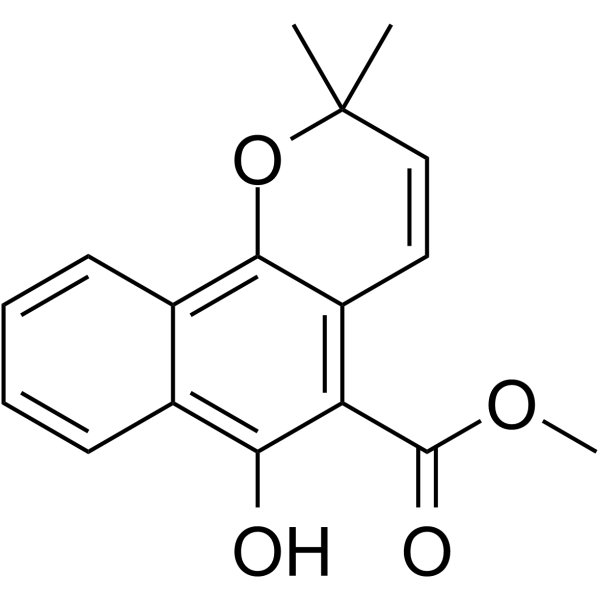 0 ImagesMollugin is an orally active and potent NF-κB inhibitor. Mollugin induces S-phase arrest of HepG2 cells, and increased intracellular reactive oxygen species (ROS) levels. Mollugin induces DNA damage in HepG2 cells, as well as an increase in the expression of p-H2AX. Mollugin shows anti-cancer effect by inhibiting TNF-α-induced NF-κB activation. Mollugin enhances the osteogenic action of BMP-2 (bone morphogenetic protein 2) via the p38-Smad signaling pathway.
-
dBET57
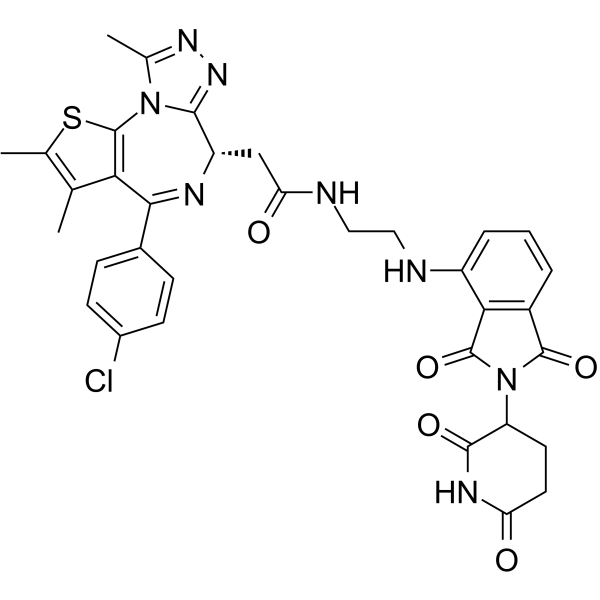 0 ImagesdBET57 is a potent and selective BRD4BD1 PROTAC degrader with a DC50 of approximately 500 nM. dBET57 forms a ternary complex with CRL4CRBN and BRD4BD1, induces the ubiquitination and degradation of BRD4, and indirectly inhibits the transcription of MYCN, c-Myc and PD-L1, ultimately leading to cell cycle arrest and apoptosis. dBET57 can be used in related research on neuroblastoma, non-small cell lung cancer and colorectal cancer.
-
KI-CDK9d-32
 0 ImagesKI-CDK9d-32 is a selective CDK9 PROTAC degrader (IC50 = 3 nM; DC50 = 0.89 nM). KI-CDK9d-32 induces CDK9 degradation via the ubiquitin-proteasome pathway to abrogates CDK9 enzymatic and scaffolding functions, downregulates MYC expression and MYC-dependent signaling, represses TNF-alpha signaling pathways activity and pre-rRNA levels. KI-CDK9d-32 disrupts nucleolar homeostasis, blocks cell cycle progression and cellular translation by reducing 4EBP1 phosphorylation, and elicits cancer cell cytotoxicity in a CRBN-dependent manner, while high ABCB1 activity attenuates the efficacy. KI-CDK9d-32 can be used for the research of acute lymphoblastic leukemia, rhabdomyosarcoma, pancreatic adenocarcinoma.
-
VPC-70619
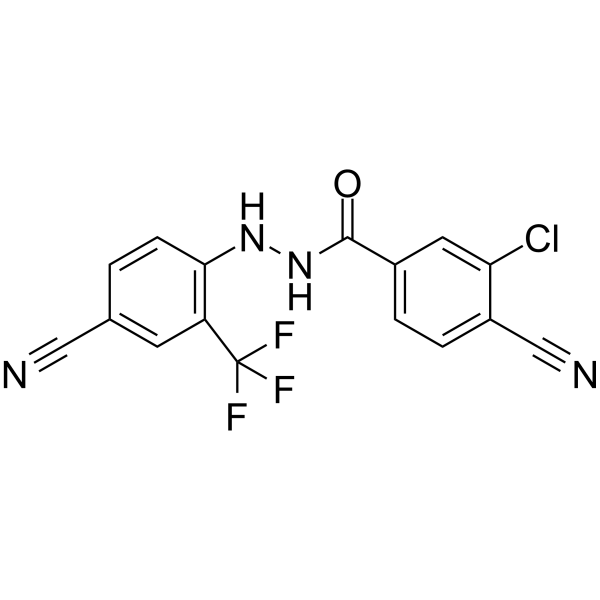 0 ImagesVPC-70619 is a potent N-Myc inhibitor. VPC-70619 blocks the binding of the N-Myc-Max heterocomplex to the DNA E-box and exhibits potent inhibitory activity against N-Myc-dependent cell lines. VPC-70619 can partially reverse paclitaxel (HY-B0015) resistance in cells by reducing MYCN expression. VPC-70619 can be used for cancer research (e.g., neuroblastoma and thyroid cancer).
-
KSI-3716
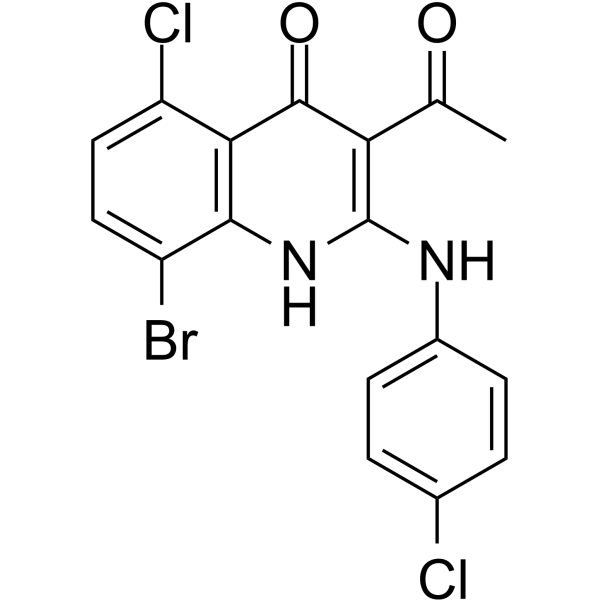 0 ImagesKSI-3716 is a potent c-Myc inhibitor that blocks c-MYC/MAX binding to target gene promoters. KSI-3716 is an effective intravesical chemotherapy agent for bladder cancer.




