



Amikacin
Based on 30 publication(s) in Google Scholar
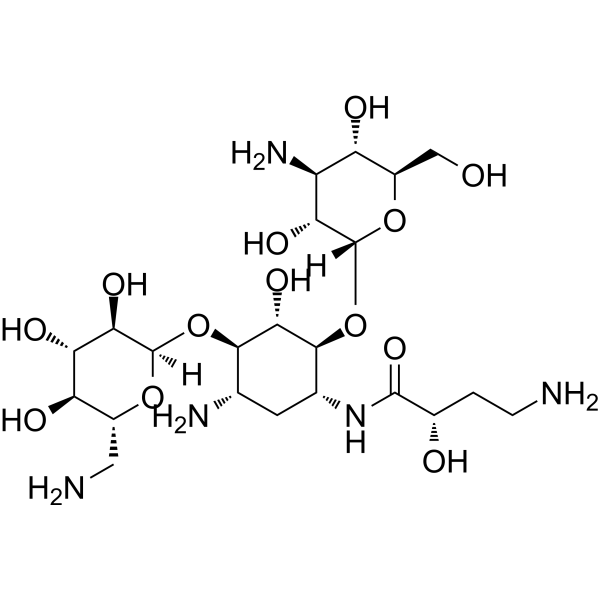
Amikacin (BAY 41-6551) is a semisynthetic kanamycin analog that is active against most Gram-negative bacteria, including gentamicin- and tobramycin-resistant strains. Significant inhibitory effect. Amikacin is ototoxic and nephrotoxic. Amikacin can be used in bacteriostatic, anti-cancer and analgesic studies.
Nos produits utilisent uniquement pour la recherche. Nous ne vendons pas aux patients.
- Pureté : 99.92%
- CAS No.: 37517-28-5
- Formule: C22H43N5O13
- Masse moléculaire:585.60
-
Stockage:
4°C, sealed storage, away from moisture
* In solvent : -80°C, 6 months; -20°C, 1 month (sealed storage, away from moisture)


To place orders, for customer services and technical support, please contact: MedChemExpress USA
Tel: 609-228-6898 E-mail: [email protected] [email protected]


-
 Activité biologique
-
Chemical Information
-
Solvant et solubilité
- Protocole
- Pureté et documentation
- Références
-
 Help & FAQs


-
HY-B0441
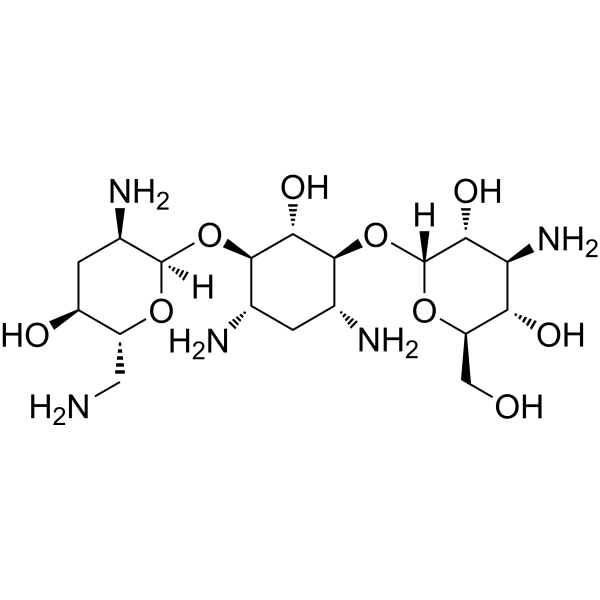
TobramycinBacterial Inhibitor -
HY-13678
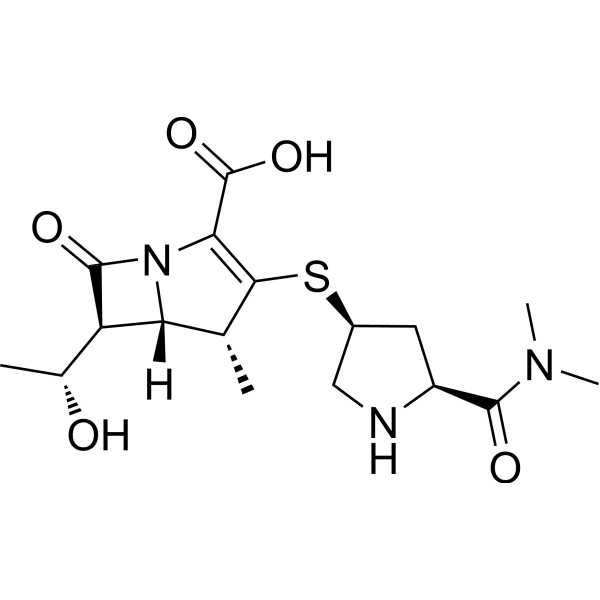
MeropenemAntimicrobial Agent -
HY-B0330
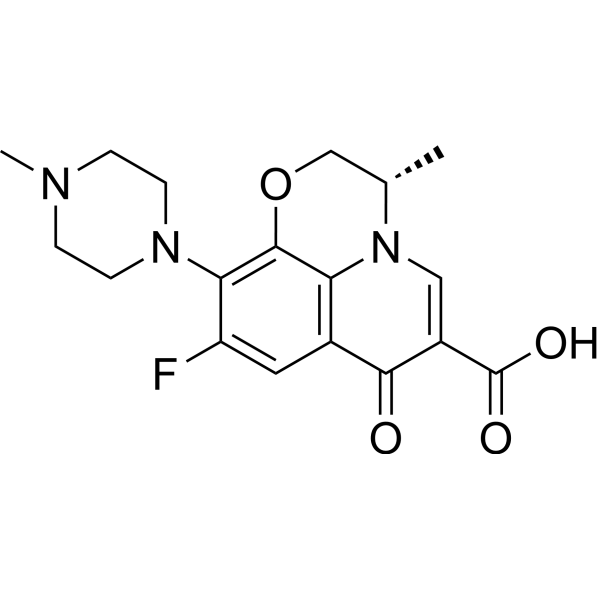
LevofloxacinAntibacterial Agent -
HY-B0522
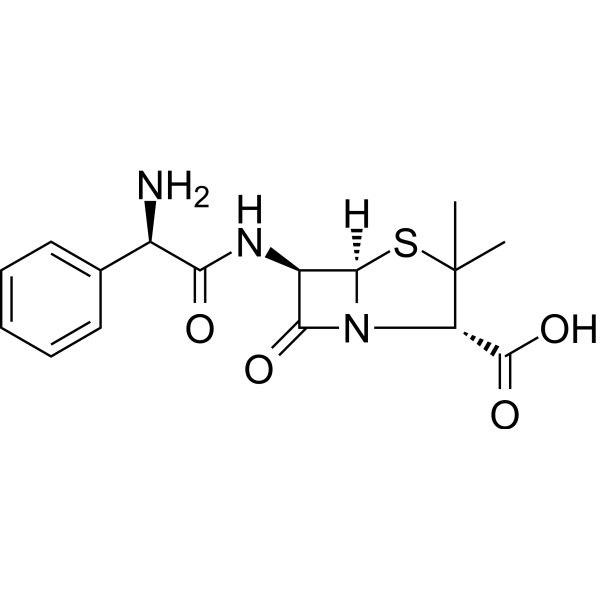
AmpicillinBacterial Inhibitor -
HY-B0117
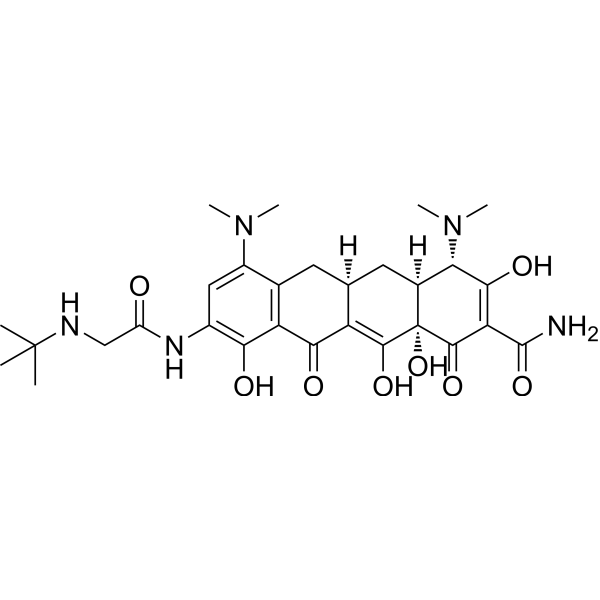
TigecyclineBacterial Inhibitor -
HY-B1369A
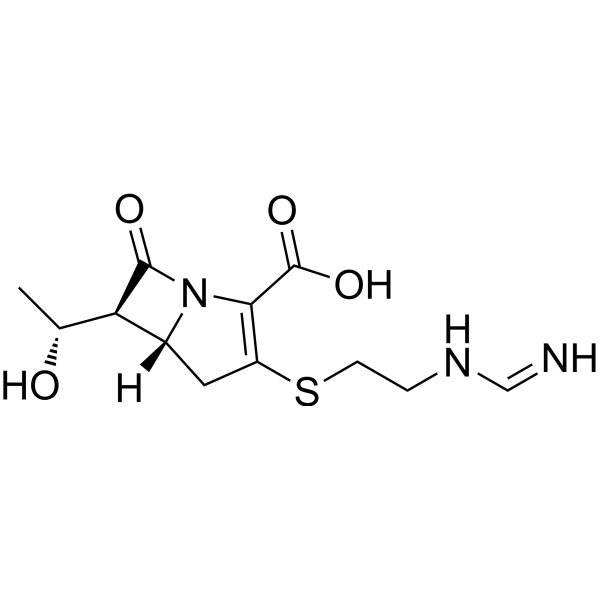
ImipenemAntibiotic -

HY-149179
Polymyxin BAntibiotic -
HY-17508
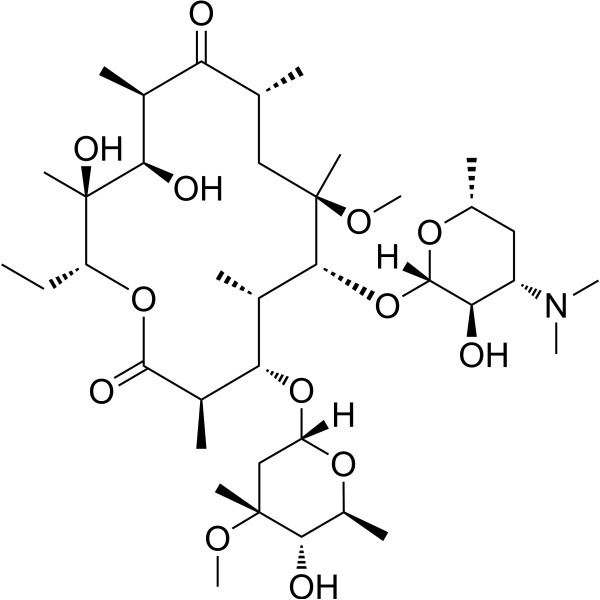
ClarithromycinAntimicrobial Agent -
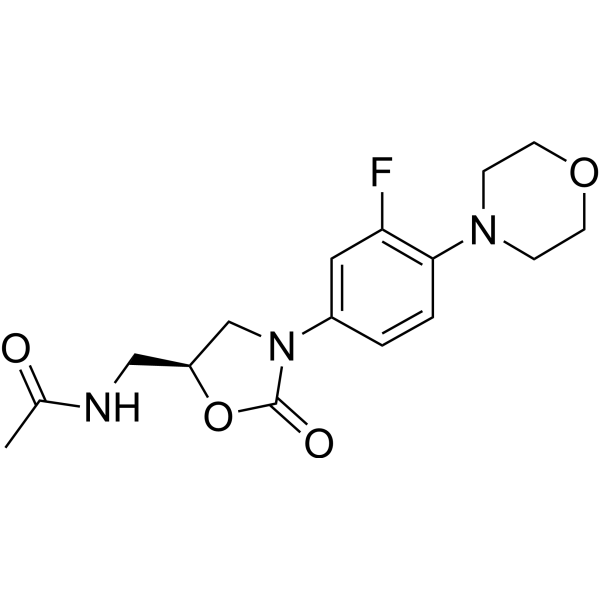
HY-10394
LinezolidAntibiotic -
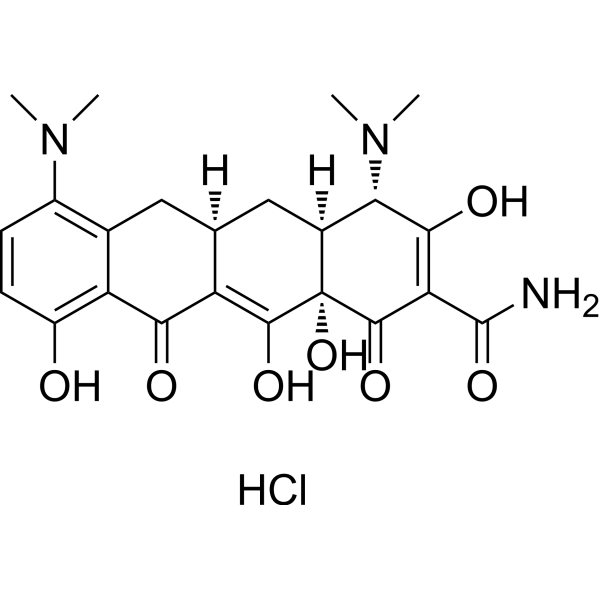
HY-17412
Minocycline hydrochlorideHIF-1α/Glutamate Inhibitor -
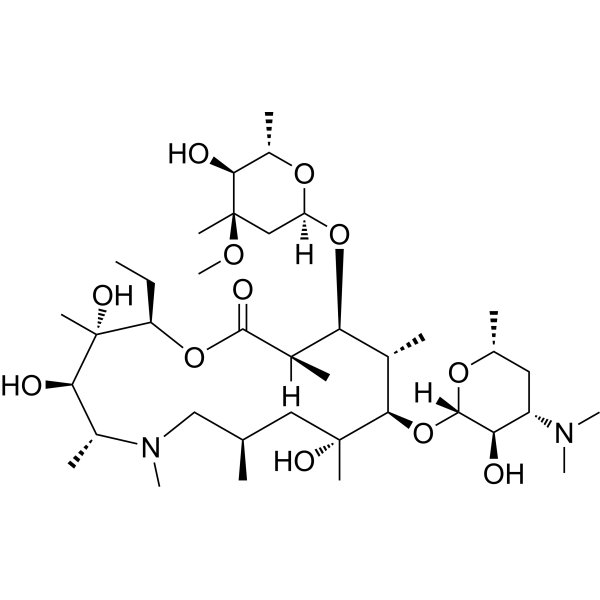
HY-17506
Azithromycin -
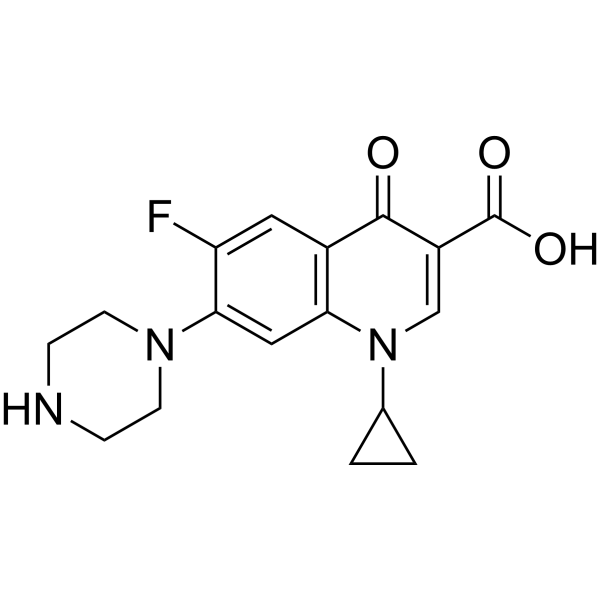
HY-B0356
CiprofloxacinTopoisomerase IV Inhibitor


Activité biologique
Description
IC50 & Target
|
Aminoglycoside |
TXNIP |
Cellular Effect
|
Cell Line

|
Type | Value | Description | References |
|---|---|---|---|---|
| BMDM | CC50 |
>90 μg/mL
Compound: AMK
|
Cytotoxicity against mouse BMDM cells
Cytotoxicity against mouse BMDM cells
|
[PMID: 35307568] |
| Vero | IC50 |
>6.25 μg/mL
Compound: Amikacin
|
Cytotoxicity against monkey Vero cells assessed as decrease in cell viability after 72 hrs by MTT assay
Cytotoxicity against monkey Vero cells assessed as decrease in cell viability after 72 hrs by MTT assay
|
[PMID: 28552337] |
| Vero | IC50 |
>62.5 μg/mL
Compound: Amikacin
|
Cytotoxicity against african green monkey Vero cells after 72 hrs by MTT assay
Cytotoxicity against african green monkey Vero cells after 72 hrs by MTT assay
|
[PMID: 23352268] |
In Vitro
Amikacin (30 µg, 0-24 h) has antibacterial activity, with a MIC50 value of 512 µg/mL against clinically isolated E. coli, and has a synergistic effect with imipenem (HY-B1369A), and the antibacterial effect is better when used in combination[1].
Amikacin (250 µg/mL, 0-24 h) inhibits the migration and invasion of human breast cancer cell line MDA-MB-231 cells by up-regulating the expression of TXNIP, indicating its anti-tumor potential[2].
MedChemExpress (MCE) has not independently confirmed the accuracy of these methods. They are for reference only.
-
Cell Line:human breast cancer cell line MDA-MB-231 cells
-
Concentration:250 µg/mL
-
Incubation Time:0-24 h
-
Result:Upregulated the expression of TXNIP to 4.87 times.
In Vivo
Amikacin (500 mg/kg/day for 8 days, s.c.) damages calpain activity in rat cochlea, promotes the degradation of sensory cells and neurons, and then leads to ototoxicity[4].
Amikacin (100 and 500 mg/kg/day for 10 days, s.c.) is nephrotoxic and its continued accumulation in rats can lead to kidney damage[5].
Pharmacokinetic Analysis in SD rats[5]
| Route | Dose (mg/kg) | Ka (h-1) | Ke1 (h-1) | t1/2 (h) | V (liter/kg) | AUC0-∞ (mg·h/mL) |
| s.c. | 100 | 1.20 | 6.77 | 0.10 | 0.28 | 53.0 |
| s.c. | 500 | 1.40 | 1.39 | 0.50 | 0.55 | 649.7 |