



Esculetin
Based on 9 publication(s) in Google Scholar
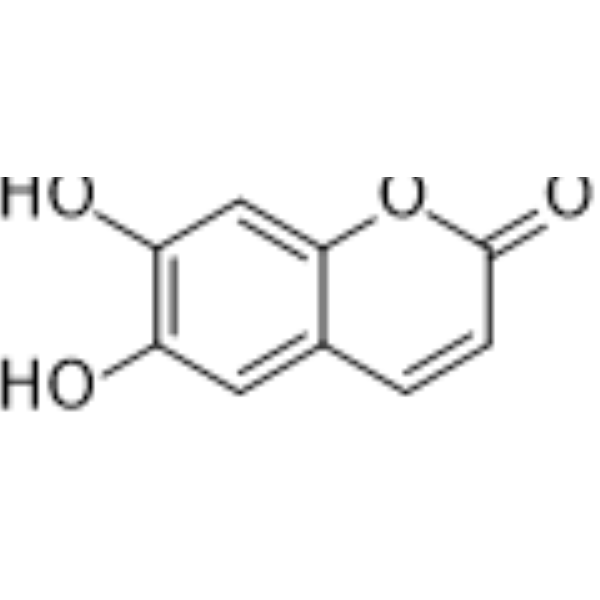
Esculetin is an active ingredient extracted mainly from the bark of Fraxinus rhynchophylla. Esculetin inhibits platelet-derived growth factor (PDGF)-induced airway smooth muscle cells (ASMCs) phenotype switching through inhibition of PI3K/Akt pathway. Esculetin has antioxidant, antiinflammatory, and antitumor activities.
For research use only. We do not sell to patients.
- Purity : 99.79%
- CAS No.: 305-01-1
- Formula: C9H6O4
- Molecular Weight:178.14
-
Storage:Powder -20°C, 3 years , 4°C, 2 years ; In solvent -80°C, 6 months , -20°C, 1 month

To place orders, for customer services and technical support, please contact: MedChemExpress USA
Tel: 609-228-6898 E-mail: [email protected] [email protected]


-
 Biological Activity
-
Chemical Information
-
Solvent & Solubility
- Purity & Documentation
- References
-
 Help & FAQs


-
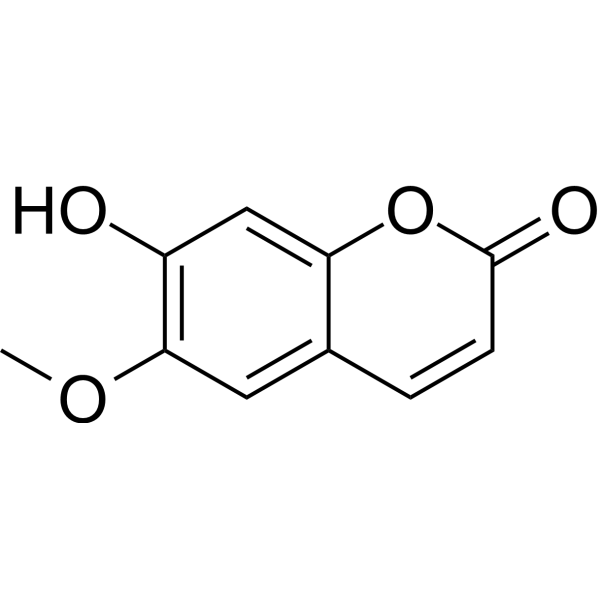
HY-N0342
ScopoletinCholinesterase (ChE) Inhibitor -
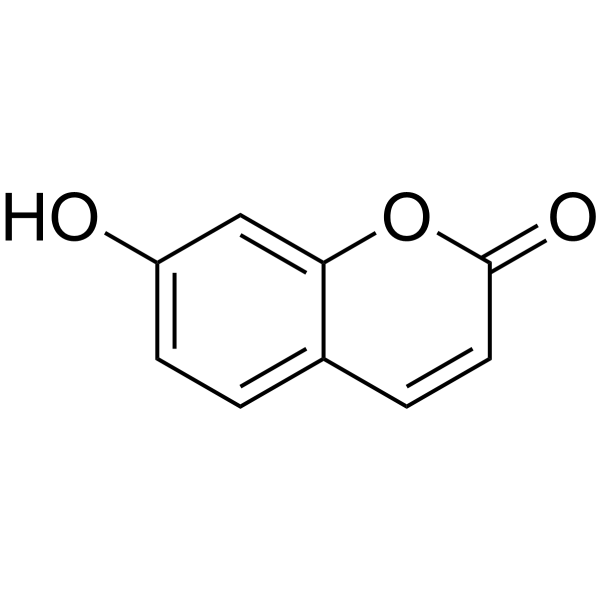
HY-N0573
UmbelliferoneFluorescence Probe -
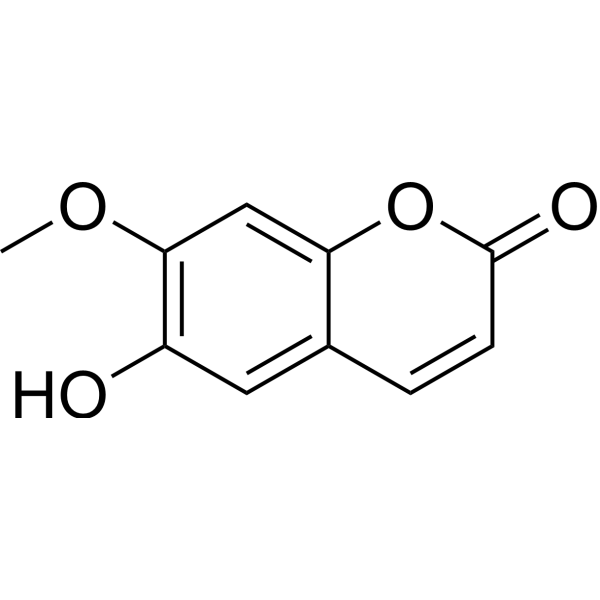
HY-N1365
IsoscopoletinHBV Inhibitor -
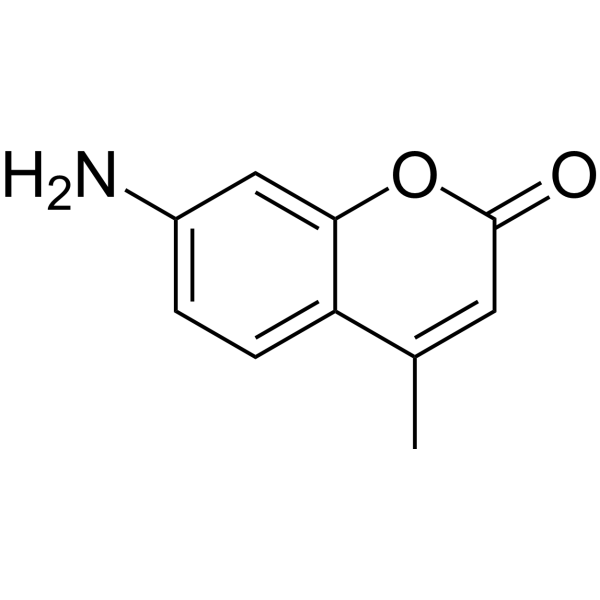
HY-D0027
7-Amino-4-methylcoumarinFluorescent Probe -
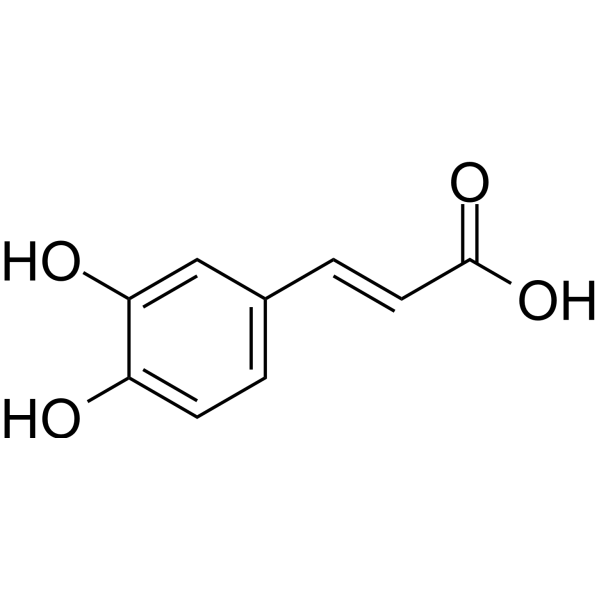
HY-N0172
Caffeic acidEndogenous Metabolite -
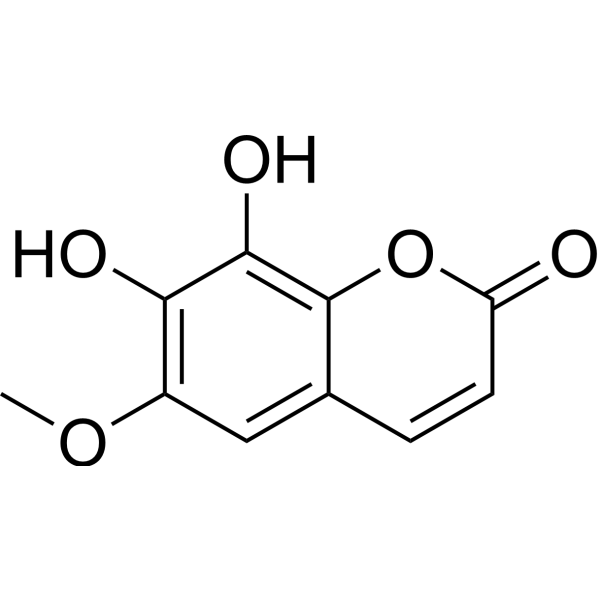
HY-N0580
FraxetinApoptosis Inducer -
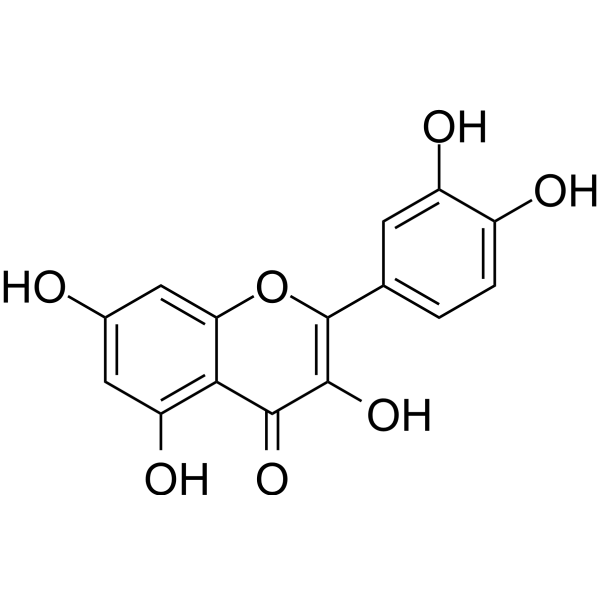
HY-18085
QuercetinFlavonoid Antioxidant -

HY-N0284R
Esculetin (Standard)PI3K Inhibitor -
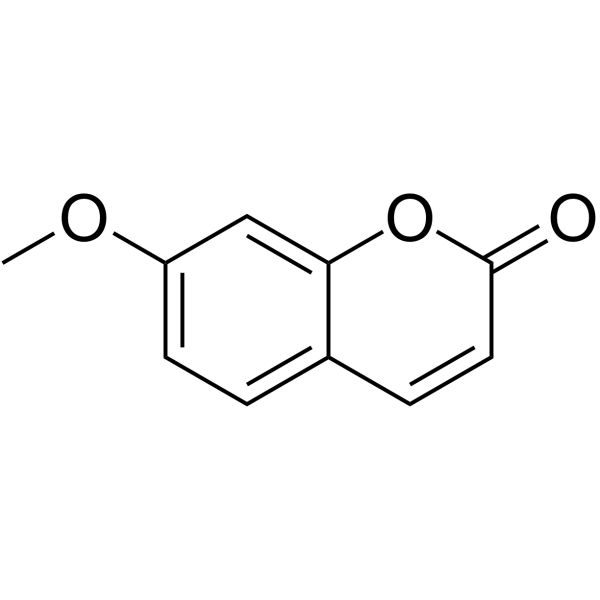
HY-N1366
HerniarinAnticancer Agent -
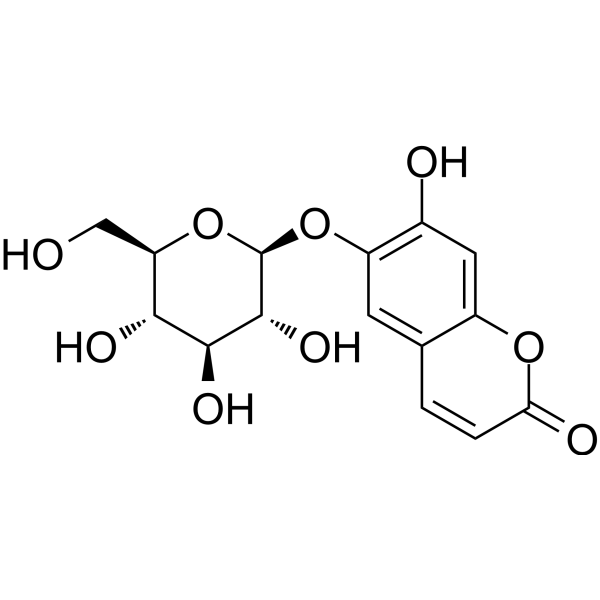
HY-N0188
Esculinp38 MAPK Inhibitor -
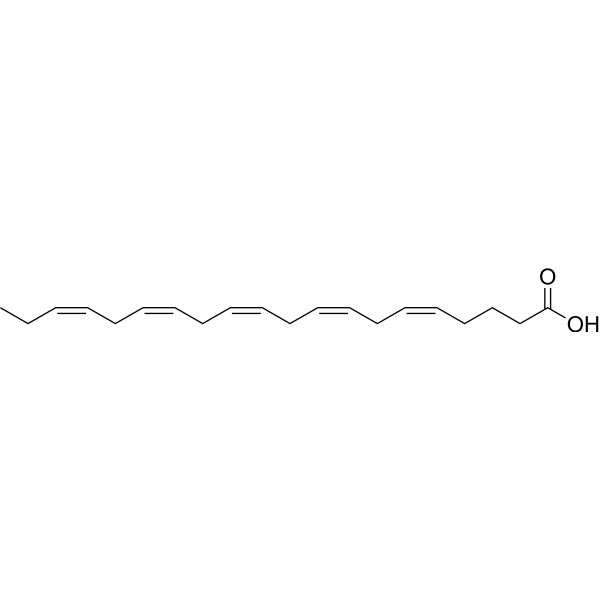
HY-B0660
Eicosapentaenoic AcidLC-PUFA -
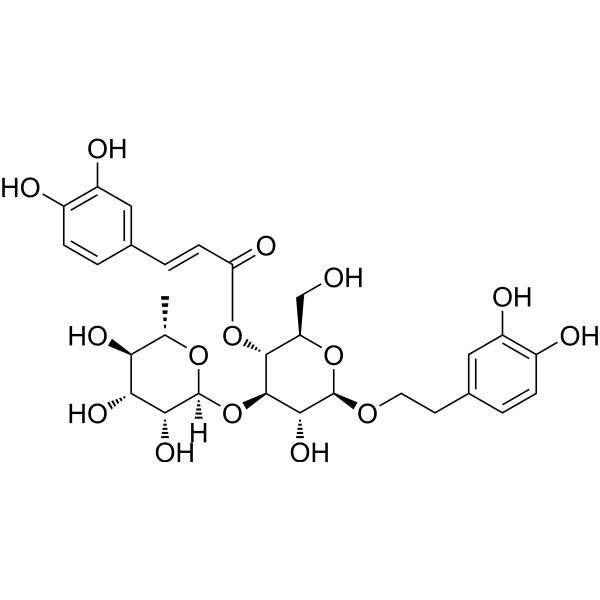
HY-N0021
VerbascosideBacterial Inhibitor
Publications Citing Use of MedChemExpress (MCE) Esculetin
More- Pharmacol Res. 2020 May:155:104751. [Abstract]
- Antioxidants (Basel). 2026 May 21;15(5):652. [Abstract]
- Chin J Nat Med. 2024.
- Eur J Pharmacol. 2025 Jul 15:999:177698. [Abstract]
- Front Cell Dev Biol. 2021 Nov 10;9:763864. [Abstract]
- J Hepatocell Carcinoma. 2023 Apr 11:10:611-629. [Abstract]
- Neuroscience. 2026 Sep 28:612:63-76.
- Toxicol Res. 2026 Feb 6.
- Folia Histochem Cytobiol. 2026;64(2):125-139. [Abstract]
 Customer Validation & Images

-
Cell Proliferation/Viability Assay

-
Cell Imaging/Staining

-
Cell Migration/Invasion Assay

-
Flow Cytometry

-
WB


Biological Activity
Description
IC50 & Target
[1]|
PI3K |
|
Cellular Effect
|
Cell Line

|
Type | Value | Description | References |
|---|---|---|---|---|
| A549 | IC50 |
>50 μM
Compound: 10; Esc
|
Antiproliferative activity against human A549 cells assessed as inhibition of cell growth measured after 48 hrs by MTT assay
Antiproliferative activity against human A549 cells assessed as inhibition of cell growth measured after 48 hrs by MTT assay
|
[PMID: 37602711] |
| HCT-116 | IC50 |
>50 μM
Compound: 10; Esc
|
Antiproliferative activity against human HCT-116 cells assessed as inhibition of cell growth measured after 48 hrs by MTT assay
Antiproliferative activity against human HCT-116 cells assessed as inhibition of cell growth measured after 48 hrs by MTT assay
|
[PMID: 37602711] |
| Macrophage | IC50 |
11 μM
Compound: 2, aesculetin
|
Antiinflammatory activity in NMRI mouse macrophages assessed as inhibition of A23187-induced PGE2 release by Ellman's method
Antiinflammatory activity in NMRI mouse macrophages assessed as inhibition of A23187-induced PGE2 release by Ellman's method
|
[PMID: 8988605] |
| Macrophage | IC50 |
11 μmol
Compound: 2, aesculetin
|
Antiinflammatory activity in NMRI mouse macrophages assessed as inhibition of A23187-induced PGE2 release by Ellman's method
Antiinflammatory activity in NMRI mouse macrophages assessed as inhibition of A23187-induced PGE2 release by Ellman's method
|
[PMID: 8988605] |
| Macrophage | IC50 |
18 μM
Compound: 2, aesculetin
|
Antiinflammatory activity in NMRI mouse macrophages assessed as inhibition of A23187-induced LTC4 release by Ellman's method
Antiinflammatory activity in NMRI mouse macrophages assessed as inhibition of A23187-induced LTC4 release by Ellman's method
|
[PMID: 8988605] |
| Macrophage | IC50 |
18 μmol
Compound: 2, aesculetin
|
Antiinflammatory activity in NMRI mouse macrophages assessed as inhibition of A23187-induced LTC4 release by Ellman's method
Antiinflammatory activity in NMRI mouse macrophages assessed as inhibition of A23187-induced LTC4 release by Ellman's method
|
[PMID: 8988605] |
| MCF7 | IC50 |
>50 μM
Compound: 10; Esc
|
Antiproliferative activity against human MCF7 cells assessed as inhibition of cell growth measured after 48 hrs by MTT assay
Antiproliferative activity against human MCF7 cells assessed as inhibition of cell growth measured after 48 hrs by MTT assay
|
[PMID: 37602711] |
| MCF7 | IC50 |
193 μM
Compound: Esculetin
|
Antiproliferative activity against human MCF7 cells measured after 72 hrs by MTT assay
Antiproliferative activity against human MCF7 cells measured after 72 hrs by MTT assay
|
[PMID: 38340509] |
| MDA-MB-231 | IC50 |
>50 μM
Compound: 10; Esc
|
Antiproliferative activity against human MDA-MB-231 cells assessed as inhibition of cell growth measured after 48 hrs by MTT assay
Antiproliferative activity against human MDA-MB-231 cells assessed as inhibition of cell growth measured after 48 hrs by MTT assay
|
[PMID: 37602711] |
| MDA-MB-231 | IC50 |
7.47 μM
Compound: 10; Esc
|
Antiproliferative activity against human MDA-MB-231 cells assessed as inhibition of cell growth measured after 48 hrs in presence of 3,4-bis(phenylsulfonyl)-1,2,5-oxadiazole 2-oxide by MTT assay
Antiproliferative activity against human MDA-MB-231 cells assessed as inhibition of cell growth measured after 48 hrs in presence of 3,4-bis(phenylsulfonyl)-1,2,5-oxadiazole 2-oxide by MTT assay
|
[PMID: 37602711] |
| SK-MEL-28 | IC50 |
0.96 μM
Compound: 4
|
Anticancer activity against human SK-MEL-28 cells assessed as reduction in cell viability incubated for 24 hrs by MTT assay
Anticancer activity against human SK-MEL-28 cells assessed as reduction in cell viability incubated for 24 hrs by MTT assay
|
[PMID: 37197457] |
| SK-MEL3 | IC50 |
1.7 μM
Compound: 4
|
Anticancer activity against human SK-MEL3 cells assessed as reduction in cell viability incubated for 24 hrs by MTT assay
Anticancer activity against human SK-MEL3 cells assessed as reduction in cell viability incubated for 24 hrs by MTT assay
|
[PMID: 37197457] |
| U-937 | CC50 |
194.1 μM
Compound: 2
|
Cytotoxicity against human U937 cells by trypan blue assay after 48 hrs
Cytotoxicity against human U937 cells by trypan blue assay after 48 hrs
|
[PMID: 18060791] |
| U-937 | IC50 |
31.33 μM
Compound: 2
|
Growth inhibition of human U937 cells by [3H]thymidine incorporation assay
Growth inhibition of human U937 cells by [3H]thymidine incorporation assay
|
[PMID: 18060791] |
| U-937 | CC50 |
107.5 μM
Compound: 3, Esculetin
|
Cytotoxicity against human U937 cells after 48 hrs by trypan blue assay
Cytotoxicity against human U937 cells after 48 hrs by trypan blue assay
|
[PMID: 22925447] |
| U-937 | IC50 |
143.1 μM
Compound: 3, Esculetin
|
Antiproliferative activity against human U937 cells assessed as incorporation of [3H]-methyl-thymidine after 12 hrs by scintillation counting
Antiproliferative activity against human U937 cells assessed as incorporation of [3H]-methyl-thymidine after 12 hrs by scintillation counting
|
[PMID: 22925447] |
In Vitro
Esculetin (40 μM, 24 h or 48 h) inhibits PDGF-BB-induced ASMC proliferation and migration[1].
Esculetin (40 μM, 1 h) inhibits PDGF-BB-induced ECM secretion and activation of PI3K/Akt pathway in ASMC cells[1].
Esculetin (100 μM, 36 h) induces pancreatic cancer cell (such as PANC-1 cells) apoptosis and loss of mitochondrial membrane potential by activation of caspases 3, 8 and 9[2].
Esculetin (100 μM, 0-12 h) binds to KEAP1 and inhibits its interaction with Nrf2 in pancreatic cancer cells (in PANC-1 cells)[2].
MedChemExpress (MCE) has not independently confirmed the accuracy of these methods. They are for reference only. .
-
Cell Line:PANC-1 cells
-
Concentration:100 μM
-
Incubation Time:0-12 h
-
Result:Increased the amount of phosphorylated form of Nrf2.
Increased the levels of Nrf2 in nuclear.
Decreased NF-κB protein levels.
In Vivo
Esculetin (10 or 30 mg/kg, i.p., three times per week for 28 days) inhibits tumor growth and metastasis via Axin2 suppression in an HCT116-implanted orthotopic mouse model[4].
Esculetin (oral gavage, 25 mg/kg for 35 days) inhibits acute restraint stress (ARS)-induced oxidative stress in mature adult mice by increasing antioxidant enzyme activities, the GSH/GSSG ratio, and cytochrome c oxidase activity in cortex[5].
MedChemExpress (MCE) has not independently confirmed the accuracy of these methods. They are for reference only.
-
Animal Model:Imiquimod (HY-B0180) (IMQ)-induced psoriatic mice[3]
-
Dosage:50 and 100 mg/kg/day
-
Administration:p.o., 7d
-
Result:Ameliorated the skin lesion and reduced the PASI score.
Inhibited epidermal hyperplasia, and CD8 expression in the skin of psoriatic mice.


Chemical Information
-
CAS No. 305-01-1
-
Appearance Solid
-
Molecular Weight 178.14
-
Formula C9H6O4
-
Color Yellow to brown
-
SMILES
O=C1C=CC2=CC(O)=C(O)C=C2O1
-
Structure Classification
-
Initial Source
-
Shipping
Room temperature in continental US; may vary elsewhere.
-
Storage
Powder -20°C 3 years 4°C 2 years In solvent -80°C 6 months -20°C 1 month


Publications (9)
-
Journal Impact Factor
-
Most Recent
-
Pharmacol Res
Cardamonin retards progression of autosomal dominant polycystic kidney disease via inhibiting renal cyst growth and interstitial fibrosis. [Abstract]2020 May:155:104751. PMID: 32151678 -
Antioxidants (Basel)
Esculetin Improves LPS/D-GalN Induced Acute Liver Injury Through AMPK/SIRT1/PGC-1α Signaling Pathway. [Abstract]2026 May 21;15(5):652. PMID: 42193273 -
-
Eur J Pharmacol
BNIP3 as a potential target of esculetin for treating ovarian cancer and prognostic biomarker in ovarian cancer patients. [Abstract]2025 Jul 15:999:177698. PMID: 40334727 -
Front Cell Dev Biol
Curdione and Schisandrin C Synergistically Reverse Hepatic Fibrosis via Modulating the TGF-β Pathway and Inhibiting Oxidative Stress. [Abstract]2021 Nov 10;9:763864. PMID: 34858986 -
J Hepatocell Carcinoma
Inhibitory Effects of Esculetin on Liver Cancer Through Triggering NCOA4 Pathway-Mediation Ferritinophagy in vivo and in vitro. [Abstract]2023 Apr 11:10:611-629. PMID: 37069958
Esculetin purchased from MedChemExpress. Usage Cited in: J Hepatocell Carcinoma. 2023 Apr 11:10:611-629. [Abstract]
Esculetin’s inhibition time (12, 24, 48 or 72h) and concentration (10–200 μΜ) on HUH7 and HCCLM3 cells was screened using the CCK8 assay.
Esculetin purchased from MedChemExpress. Usage Cited in: J Hepatocell Carcinoma. 2023 Apr 11:10:611-629. [Abstract]
Esculetin’s (20, 40, 60 μM) ability to suppress cells was displayed by crystal violet.
Esculetin purchased from MedChemExpress. Usage Cited in: J Hepatocell Carcinoma. 2023 Apr 11:10:611-629. [Abstract]
Using the wound healing assay, the effects of Esculetin (20, 40, 60 μM) on cells migration were examined.
Esculetin purchased from MedChemExpress. Usage Cited in: J Hepatocell Carcinoma. 2023 Apr 11:10:611-629. [Abstract]
Annexin V-FITC/PI in cells was detected by flow cytometry treated with Esculetin (20, 40, 60 μM).
Esculetin purchased from MedChemExpress. Usage Cited in: J Hepatocell Carcinoma. 2023 Apr 11:10:611-629. [Abstract]
The proteins expressions of cells antioxidation were examined by Western blot treated with Esculetin (20, 40, 60 μM).
-
-
-
Folia Histochem Cytobiol
Esculetin ameliorates sevoflurane-induced cognitive dysfunction in aged mice by suppressing neuroinflammation via inhibition of NF-κB/NLRP3 signaling. [Abstract]2026;64(2):125-139. PMID: 42233475


Solvent & Solubility
In Vitro:
DMSO : 125 mg/mL (701.70 mM; Need ultrasonic; Hygroscopic DMSO has a significant impact on the solubility of product, please use newly opened DMSO)
Please refer to the solubility information to select the appropriate solvent. Once prepared, please aliquot and store the solution to prevent product inactivation from repeated freeze-thaw cycles.
Storage method and period of stock solution: -80°C, 6 months; -20°C, 1 month. When stored at -80°C, please use it within 6 months. When stored at -20°C, please use it within 1 month.
Please refer to the solubility information to select the appropriate solvent. Once prepared, please aliquot and store the solution to prevent product inactivation from repeated freeze-thaw cycles.
Storage method and period of stock solution: -80°C, 6 months; -20°C, 1 month. When stored at -80°C, please use it within 6 months. When stored at -20°C, please use it within 1 month.
Concentration (start) × Volume (start) = Concentration (final) × Volume (final)
In Vivo:
Select the appropriate dissolution method based on your experimental animal and administration route.
- For the following dissolution methods, please ensure to first prepare a clear stock solution using an In Vitro approach and then sequentially add co-solvents:
- To ensure reliable experimental results, the clarified stock solution can be appropriately stored based on storage conditions. As for the working solution for In Vivo experiments, it is recommended to prepare freshly and use it on the same day.
- The percentages shown for the solvents indicate their volumetric ratio in the final prepared solution. If precipitation or phase separation occurs during preparation, heat and/or sonication can be used to aid dissolution.
Add each solvent one by one: 10% DMSO 40% PEG300 5% Tween-80 45% Saline
Solubility: ≥ 2.08 mg/mL (11.68 mM); Clear solution
This protocol yields a clear solution of ≥ 2.08 mg/mL (saturation unknown).
Taking 1 mL working solution as an example, add 100 μL DMSO stock solution (20.8 mg/mL) to 400 μL PEG300, and mix evenly; then add 50 μL Tween-80 and mix evenly; then add 450 μL Saline to adjust the volume to 1 mL.
Preparation of Saline: Dissolve 0.9 g sodium chloride in ddH₂O and dilute to 100 mL to obtain a clear Saline solution.
Add each solvent one by one: 10% DMSO 90% (20% SBE-β-CD in Saline)
Solubility: ≥ 2.08 mg/mL (11.68 mM); Clear solution
This protocol yields a clear solution of ≥ 2.08 mg/mL (saturation unknown).
Taking 1 mL working solution as an example, add 100 μL DMSO stock solution (20.8 mg/mL) to 900 μL 20% SBE-β-CD in Saline, and mix evenly.
Preparation of 20% SBE-β-CD in Saline (4°C, storage for one week): 2 g SBE-β-CD powder is dissolved in 10 mL Saline, completely dissolve until clear.
In Vivo Dissolution Calculator
Please enter the basic information of animal experiments:
-
-
-
-
Recommended: Prepare an additional quantity of animals to account for potential losses during experiments.
Please enter your animal formula composition:
-
%DMSO +
Recommended: Keep the proportion of DMSO in working solution below 2% if your animal is weak.
-
%+
-
+%Tween-80 + +
-
%Saline +
The co-solvents required include: DMSO, . All of co-solvents are available by MedChemExpress (MCE). , Tween 80. All of co-solvents are available by MedChemExpress (MCE).
Working solution concentration: 0.22 mg/mL
Method for preparing stock solution: mg drug dissolved in μL DMSO. Stock solution concentration: mg/mL.
1. Take μL DMSO stock solution;
2. Add μL .
μL , mix evenly;
3. Then add μL Tween 80, mix evenly;
4. Then add μL
Please ensure that the stock solution in the first step is dissolved to a clear state, and add co-solvents in sequence. You can use ultrasonic heating (ultrasonic cleaner, recommended frequency 20-40 kHz), vortexing, etc. to assist dissolution.


Purity & Documentation
-
Data Sheet (287 KB)
-
SDS (396 KB)
- English - EN (396 KB)
- Français - FR (396 KB)
- Deutsch - DE (396 KB)
- Norwegian - NO (396 KB)
- Español - ES (396 KB)
- Swedish - SV (396 KB)
- Italian - IT (396 KB)
- Korean - KR (396 KB)
- Portuguese - PT (396 KB)
-
Handling Instructions (2659 KB)
References
[1]. Xie C, et al. Esculetin regulates the phenotype switching of airway smooth muscle cells. Phytother Res. 2019 Aug 21. [Content Brief]
[2]. Arora R, et al. Esculetin induces antiproliferative and apoptotic response in pancreatic cancer cells by directly binding to KEAP1. Mol Cancer. 2016 Oct 18;15(1):64. [Content Brief]
[3]. Chen Y, et al. Esculetin Ameliorates Psoriasis-Like Skin Disease in Mice by Inducing CD4+Foxp3+ Regulatory T Cells. Front Immunol. 2018 Sep 12;9:2092. [Content Brief]
[4]. Kim WK, et al. Esculetin suppresses tumor growth and metastasis by targeting Axin2/E-cadherin axis in colorectal cancer. Biochem Pharmacol. 2018 Jun;152:71-83. [Content Brief]
[5]. Martín-Aragón S, et al. Age-dependent effects of esculetin on mood-related behavior and cognition from stressed mice are associated with restoring brain antioxidant status. Prog Neuropsychopharmacol Biol Psychiatry. 2016 Feb 4;65:1-16. [Content Brief]


Complete Stock Solution Preparation Table
Please refer to the solubility information to select the appropriate solvent. Once prepared, please aliquot and store the solution to prevent product inactivation from repeated freeze-thaw cycles.
Storage method and period of stock solution: -80°C, 6 months; -20°C, 1 month. When stored at -80°C, please use it within 6 months. When stored at -20°C, please use it within 1 month.
| Optional Solvent | Concentration Solvent Mass | 1 mg | 5 mg | 10 mg | 25 mg |
|---|---|---|---|---|---|
| DMSO | 1 mM | 5.6136 mL | 28.0678 mL | 56.1356 mL | 140.3391 mL |
| 5 mM | 1.1227 mL | 5.6136 mL | 11.2271 mL | 28.0678 mL | |
| 10 mM | 0.5614 mL | 2.8068 mL | 5.6136 mL | 14.0339 mL | |
| 15 mM | 0.3742 mL | 1.8712 mL | 3.7424 mL | 9.3559 mL | |
| 20 mM | 0.2807 mL | 1.4034 mL | 2.8068 mL | 7.0170 mL | |
| 25 mM | 0.2245 mL | 1.1227 mL | 2.2454 mL | 5.6136 mL | |
| 30 mM | 0.1871 mL | 0.9356 mL | 1.8712 mL | 4.6780 mL | |
| 40 mM | 0.1403 mL | 0.7017 mL | 1.4034 mL | 3.5085 mL | |
| 50 mM | 0.1123 mL | 0.5614 mL | 1.1227 mL | 2.8068 mL | |
| 60 mM | 0.0936 mL | 0.4678 mL | 0.9356 mL | 2.3390 mL | |
| 80 mM | 0.0702 mL | 0.3508 mL | 0.7017 mL | 1.7542 mL | |
| 100 mM | 0.0561 mL | 0.2807 mL | 0.5614 mL | 1.4034 mL |


Esculetin Related Classifications
HY-N0284 Related Classifications
 Powered by Bioz