



Astaxanthin
Based on 21 publication(s) in Google Scholar
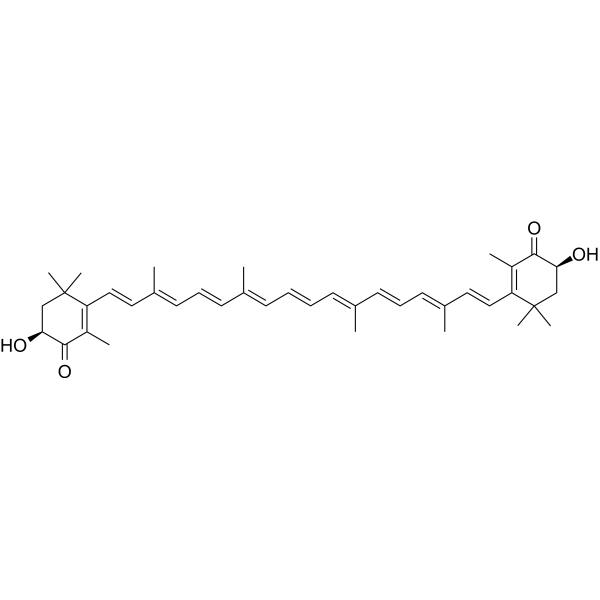
Astaxanthin, the red dietary carotenoid, is an orally effective and potent antioxidant. Astaxanthin inhibits NF-κB and down-regulates VEGF in blood glucose. Astaxanthin exerts anti-cancer cell proliferation, increases apoptosis, impairs migration and invasion by activating PPARγ and reducing the expression of STAT3. Astaxanthin also has neuroprotective and anti-inflammatory activity and can be used in studies of cancer, diabetic retinopathy, cardiovascular disease, and in the coloring of animal feed.
For research use only. We do not sell to patients.
- Purity : 98.0%
- CAS No.: 472-61-7
- Formula: C40H52O4
- Molecular Weight:596.84
-
Storage:
-20°C, protect from light, stored under nitrogen
* The compound is unstable in solutions, freshly prepared is recommended.

To place orders, for customer services and technical support, please contact: MedChemExpress USA
Tel: 609-228-6898 E-mail: [email protected] [email protected]


-
 Biological Activity
-
Chemical Information
-
Solvent & Solubility
- Protocols
- Purity & Documentation
- References
-
 Help & FAQs


-
HY-N0411
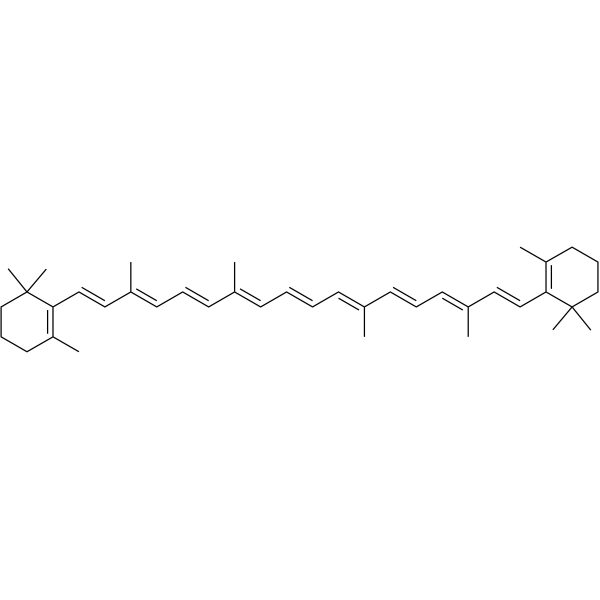
β-CaroteneCarotenoid compound -
HY-N6947
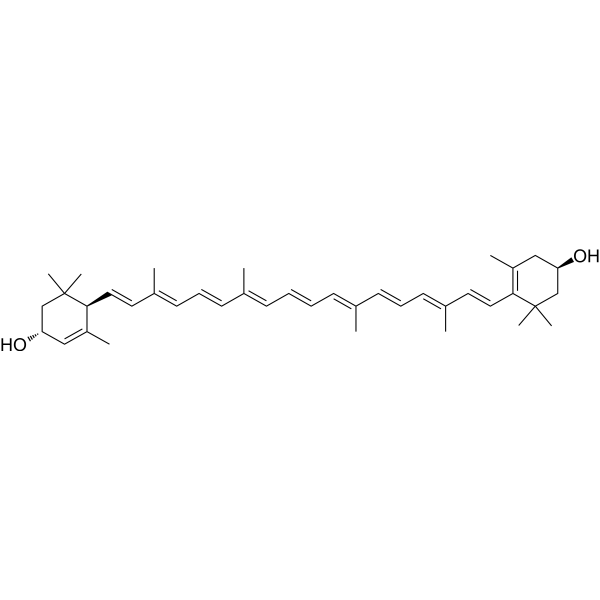
LuteinAnti-inflammatory Agent -
HY-N2302
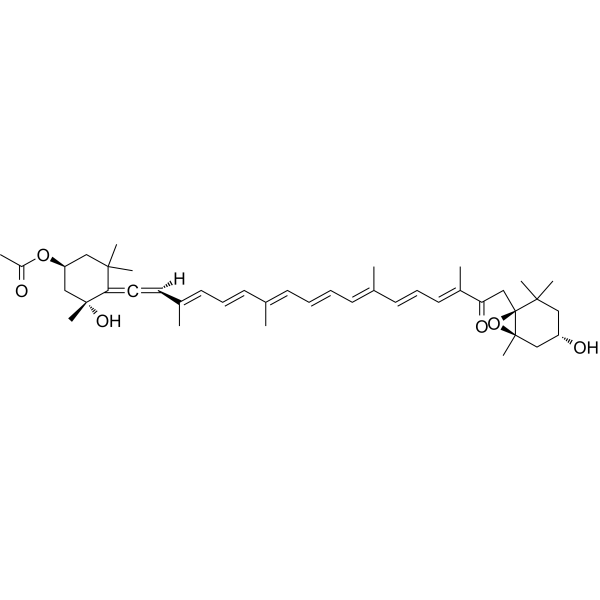
FucoxanthinMarine Carotenoid -
HY-N0111
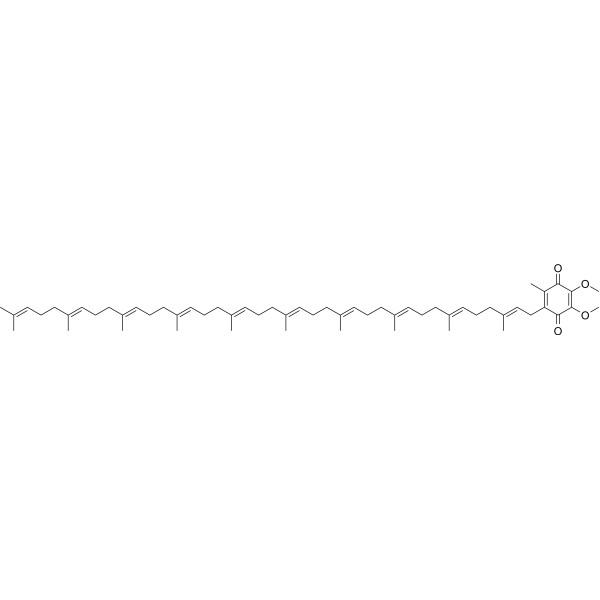
Coenzyme Q10Antioxidant -

HY-N0411R
β-Carotene (Standard)Carotenoid compound -
HY-120318
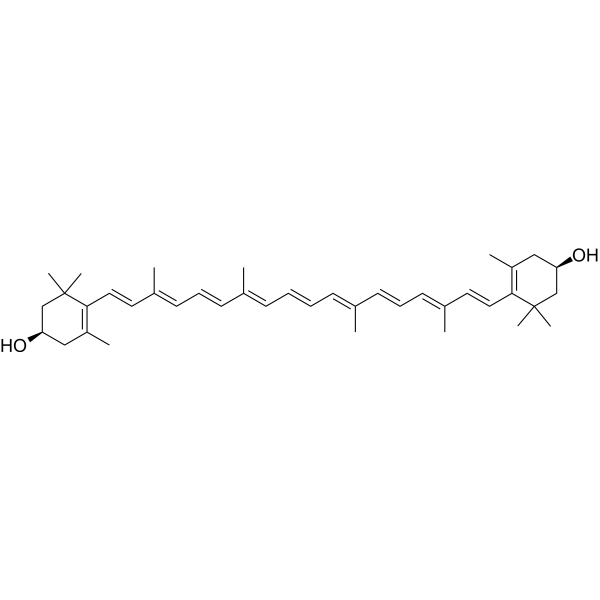
ZeaxanthinDiet-obtained Carotenoid -
HY-16561
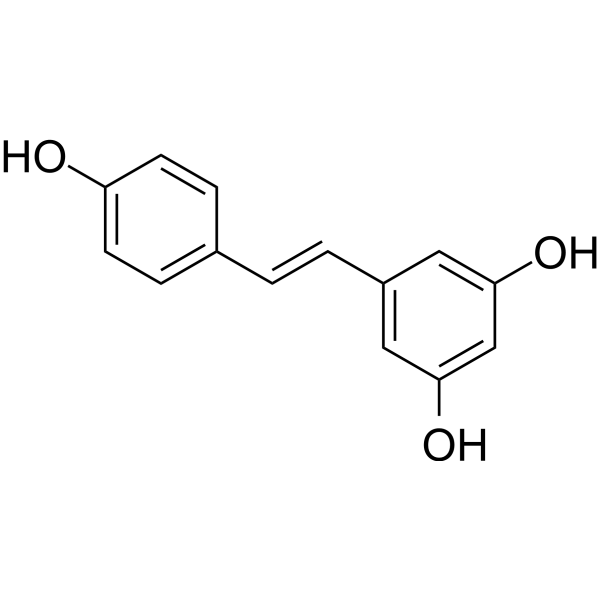
ResveratrolPolyphenolic Phytoalexin -
HY-100599
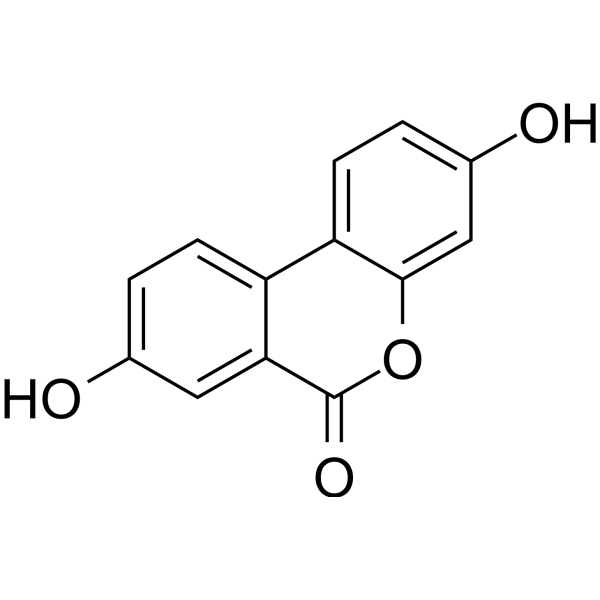
Urolithin AMitophagy Activator -
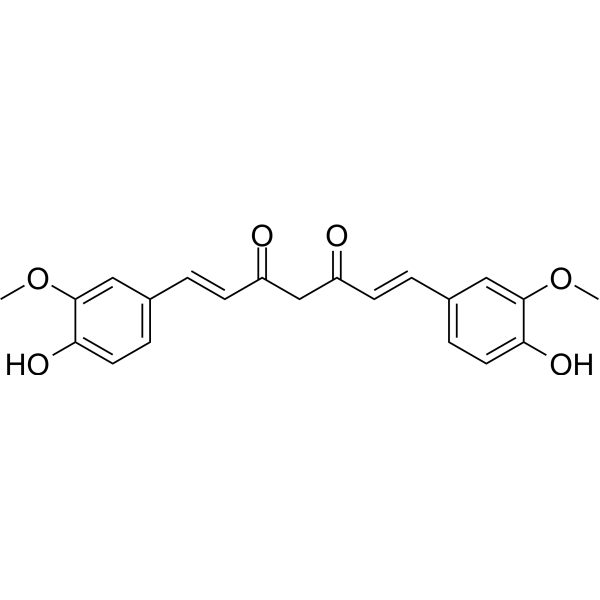
HY-N0005
Curcuminp300 Histone Acetylatransferase Inhibitor -
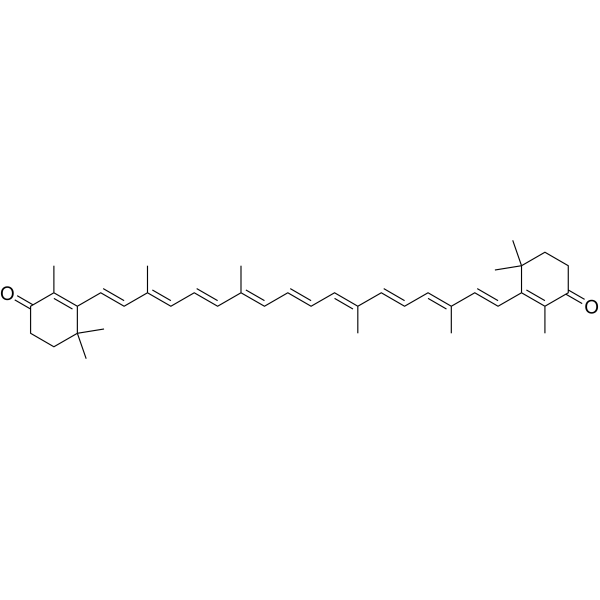
HY-B1960
CanthaxanthinAntioxidant -
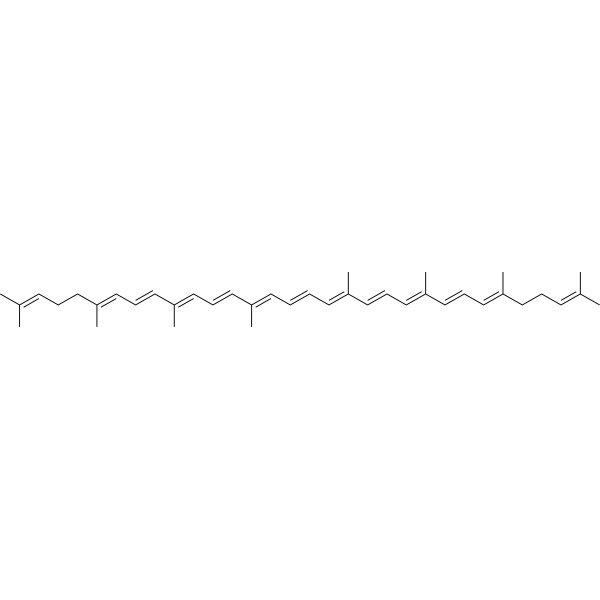
HY-N0287
LycopeneAntioxidant -
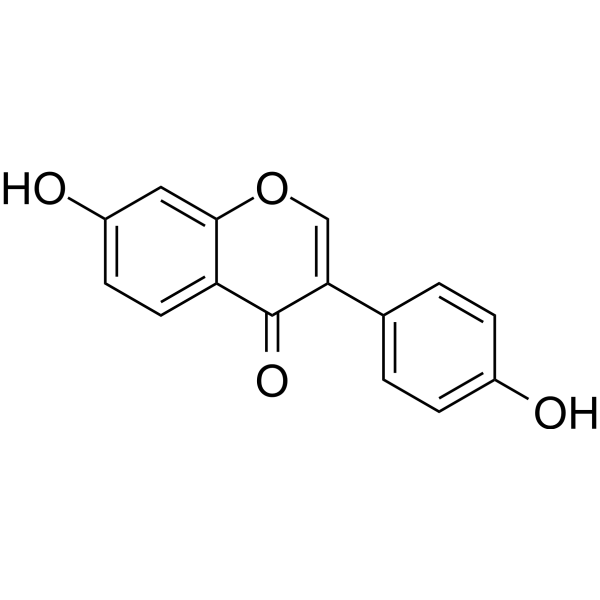
HY-N0019
DaidzeinEndogenous Metabolite
Publications Citing Use of MedChemExpress (MCE) Astaxanthin
More- J Hazard Mater. 2026 Jan 1:501:140750. [Abstract]
- Free Radic Biol Med. 2025 Mar 16:230:294-308. [Abstract]
- J Agric Food Chem. 2025 Feb 19;73(7):4270-4287. [Abstract]
- Ecotoxicol Environ Saf. 2025 Dec:308:119482. [Abstract]
- Nutrients. 2026 Mar 25;18(7):1048. [Abstract]
- Chem Biol Interact. 2026 Mar 25:427:111929. [Abstract]
- Chem Biol Interact. 2023 Sep 25:383:110684. [Abstract]
- Pharmacol Rep. 2024 Dec;76(6):1346-1362. [Abstract]
- J Funct Foods. 2024 Oct.
- Exp Biol Med. 2023 Feb;248(4):293-301. [Abstract]
- Animal Model Exp Med. 2025 Jun;8(6):1056-1079. [Abstract]
- Theriogenology. 2026 Nov:265:118121.
- Acta Histochem. 2023 Jun 19;125(6):152069. [Abstract]
- Mar Biotechnol (NY). 2026 Jul 4;28(4):115.
- Transl Cancer Res. 2026 Jan 31;15(1):9. [Abstract]
- Lett Drug Des Discov. 2026 May 5.
- SSRN. 2025 May 27.
- Biomed Pharmacother. 2024 Jul:176:116856. [Abstract]
- Biomed Pharmacother. 2024 Jun:175:116637. [Abstract]
- Biomed Pharmacother. 2023 Nov:167:115471. [Abstract]
- Research Square Preprint. 2022 May.
 Customer Validation & Images

-
In Vivo Imaging
-
In Vivo Efficacy Study
-
Histological Imaging/Staining
-
IF
-
WB


Biological Activity
Description
|
PPARγ |
STAT3 |
In Vitro
Astaxanthin (50, 100, 150, 200 μM; 48 h) inhibits the proliferation of DU145 cells (IC50<200 μM)[1].
Astaxanthin (200 μM; 24 h) reduces the expression of STAT3 and the related pathway proteins (at both protein and mRNA levels) by inhibiting proliferation, increasing apoptosis and weakening migration and invasion[1]
Astaxanthin protects RPE cells from abnormal activation and oxidative stress (induced by high glucose) by down-regulating VEGF in high glucose at protein levels[2].
Astaxanthin (1-50 μM; 72 h) upregulates protein expression of PPARγ in time- and dose-dependent manners in K562 cells[3].
MedChemExpress (MCE) has not independently confirmed the accuracy of these methods. They are for reference only.
-
Cell Line:DU145 cells
-
Concentration:200 µM (pre-incubation)
-
Incubation Time:24 h
-
Result:Increased the percentage of apoptotic cells from 8.5% to 13.1% (compared to blank control).
-
Cell Line:DU145 cells
-
Concentration:200 µM
-
Incubation Time:24 h
-
Result:Decreased the migration and invasion of DU145 cells (about 41% of cells could not pass from one chamber to another, and 36% cells could not pass through the transwell membrane as compared to the control group).
-
Cell Line:ARPE-19 cells
-
Concentration:50 µM (pre-incubation)
-
Incubation Time:7 days
-
Result:Significantly decreased cell proliferation exposed to high glucose.
-
Cell Line:DU145 cells
-
Concentration:200 µM
-
Incubation Time:24 h
-
Result:Reduced the expression of STAT3 at both protein and mRNA levels (downregulated the protein expression of JAK2, BCL-2 and NF-κB and upregulated the protein expression of BAX, Caspase3 and Caspase9).
-
Cell Line:K562 cells
-
Concentration:1-50 µM
-
Incubation Time:72 h
-
Result:Significantly promoted PPARγ protein expression in time- and dose-dependent manners.
In Vivo
Astaxanthin (125 or 500 mg/kg; in animal feedings; 7 days) provides significant cardioprotection and reduces oxidative stress in rats[4].
MedChemExpress (MCE) has not independently confirmed the accuracy of these methods. They are for reference only.
-
Animal Model:Nude mice (approximately 20 g; DU145 tumor xenografts model)[1].
-
Dosage:200 mg/kg
-
Administration:Intragastric administration; once daily for 3 weeks.
-
Result:Exerted a significant inhibitory effect on tumor growth.
-
Animal Model:Female C57BL/6 mice (7 weeks old)[4].
-
Dosage:125 or 500 mg/kg
-
Administration:In animal feedings; 7 days.
-
Result:Significantly reduced mean infarct size in the two treated groups (125 and 500 mg/kg) to 45.1% and 39.1%, respectively.
Exhibited myocardial salvage of 26 and 36% for 125 and 500 mg/kg groups, respectively.
Significantl reduced level of 9-HETE in a dose-dependent manner. 9-HETE is a regioisomer oxidation product of arachidonic acid believed to be a product of free radical-mediated oxidation.
- RNA extraction experimental
- Cell migration
- Somatic Cell Culture
- Detection of Apoptosis
- TUNEL staining for apoptotic DNA fragmentation
- Apoptosis Solutions
- Cell invasion
- MTT Cell Proliferation Assay
- Annexin V plus membrane-impermeant dye apoptosis staining
- BrdU Incorporation Assay
- CFSE Dye Dilution Proliferation Assay
- Dye-dilution cell tracking and proliferation staining
- CCK-8/WST-8 Cell Proliferation Assay
- Protocol for Cell Cycle
- Research Protocol for Cardiovascular Diseases
- Research Protocol for Inflammation-related Diseases
- Cell Counting-Based Growth Curve Assay
- Colony Formation (Clonogenic) Assay
- Cell Viability Determination by MTT Colorimetric Assay
- EdU Incorporation Assay (Click Chemistry-Based DNA Synthesis Measurement)
- Ki-67 Immunostaining Proliferation Assay
- PCNA Immunodetection Proliferation Assay
- Protocol for Cell Counting and Cell Density Analysis
- Cotton Pellet Granuloma
- Carrageenan-Induced Paw Edema
Clinical Trial
| NCT Number | Sponsor | Condition | Start Date |
Phase

|
|---|---|---|---|---|
| NCT01329991 | 2011-05 | PHASE1 |


Chemical Information
-
CAS No. 472-61-7
-
Appearance Solid
-
Molecular Weight 596.84
-
Formula C40H52O4
-
Color Dark purple to black
-
SMILES
CC(/C=C/C(C(C)(C[C@H](O)C1=O)C)=C1C)=C\C=C\C(C)=C\C=C\C=C(C)\C=C\C=C(C)\C=C\C(C(C)(C[C@H](O)C2=O)C)=C2C
-
Structure Classification
-
Initial Source
Haematococcus pluvialis
-
Shipping
Room temperature in continental US; may vary elsewhere.
-
Storage
-20°C, protect from light, stored under nitrogen
* The compound is unstable in solutions, freshly prepared is recommended.


Publications (21)
-
Journal Impact Factor
-
Most Recent
-
J Hazard Mater
Bile acids insufficiency links perfluorooctane sulfonate-induced oxidative stress-mediated fatty liver with osteoarthritis. [Abstract]2026 Jan 1:501:140750. PMID: 41380262
Astaxanthin purchased from MedChemExpress. Usage Cited in: J Hazard Mater. 2026 Jan 1:501:140750. [Abstract]
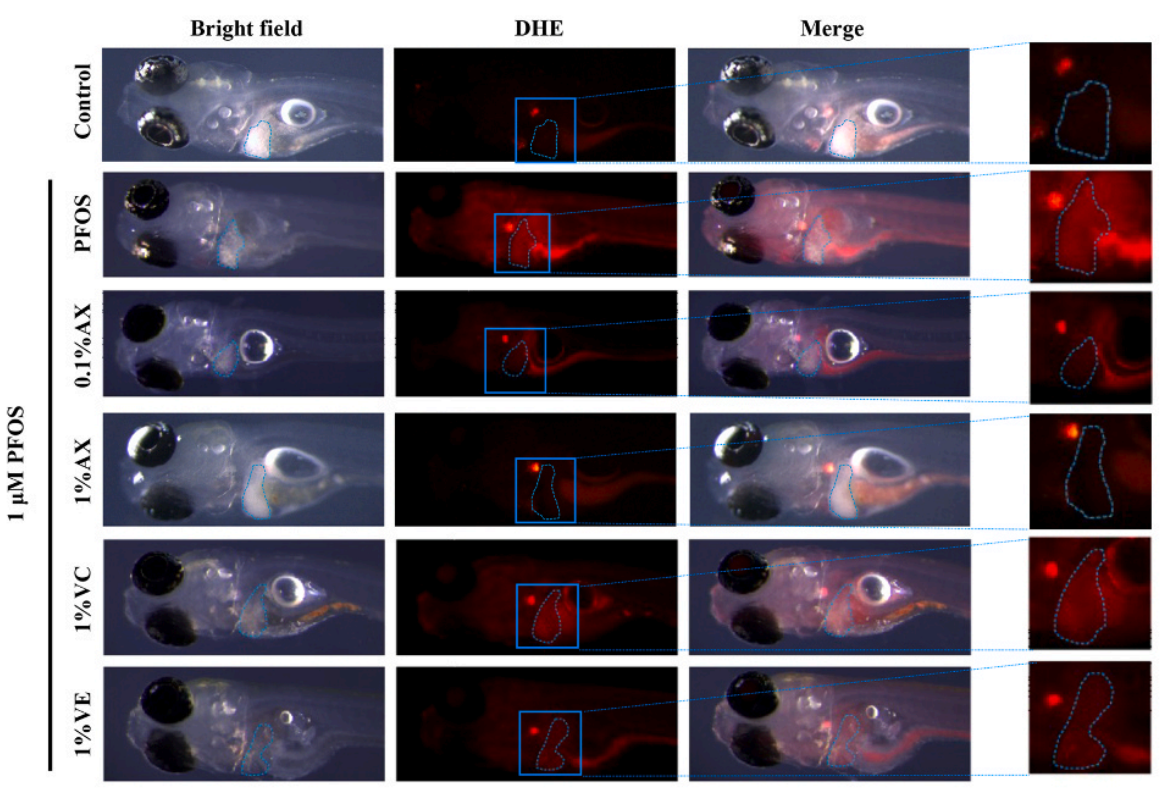
Typical DHE fluorescence in zebrafish larvae exposed to PFOS and treated with vitamin C, vitamin E, and Astaxanthin. The results showed that Astaxanthin (AX, 1% w/w in fodder; 0.1 mg/larva/day and 10 mg/adult/day for 4 weeks), when supplemented to the fodder as an antioxidant, scavenged the overload of superoxide induced by PFOS in the liver.
Astaxanthin purchased from MedChemExpress. Usage Cited in: J Hazard Mater. 2026 Jan 1:501:140750. [Abstract]
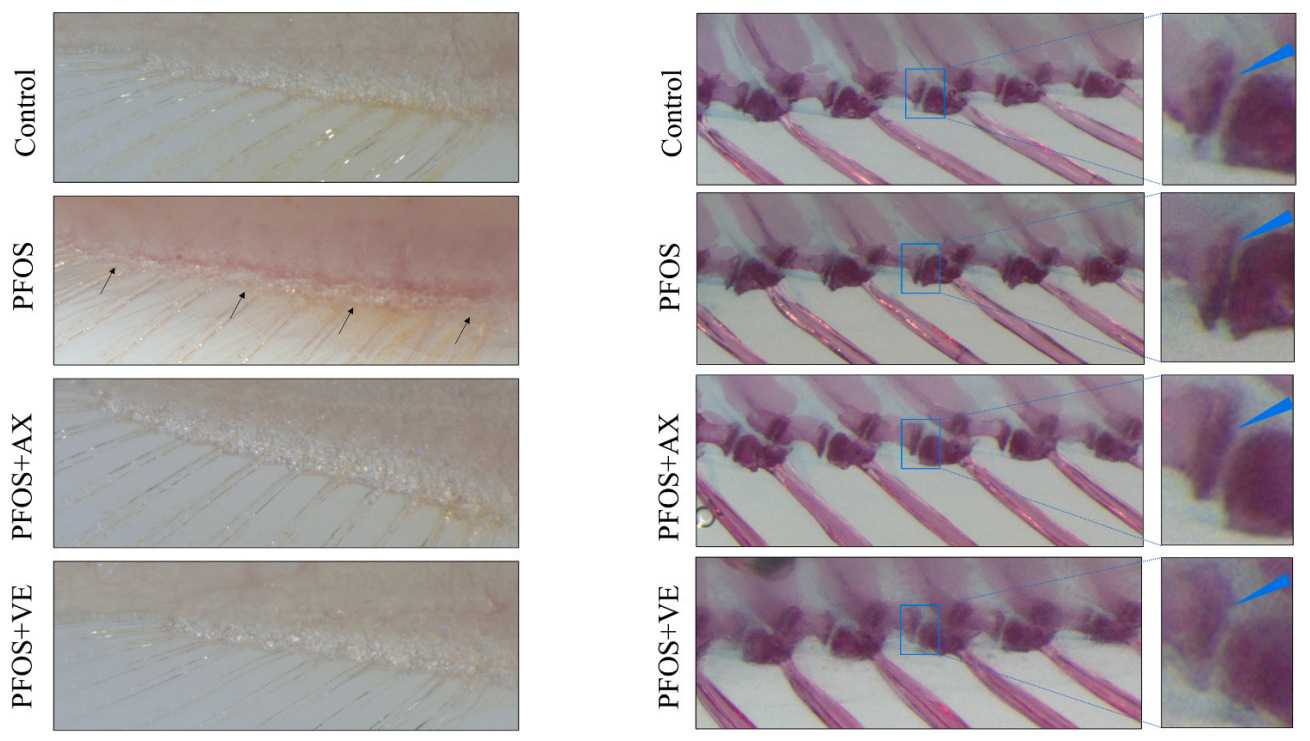
Panels show typical images of hyperemia and Alcian blue–Alizarin red staining in the zebrafish anal fin, respectively. The zebrafish were exposed to 3 μM PFOS for two weeks. Astaxanthin or vitamin E was incorporated into the fodder during the second week of PFOS exposure. Black arrows indicate areas of hyperemia. The results showed that Astaxanthin (AX, 1% w/w in fodder; 0.1 mg/larva/day and 10 mg/adult/day for 4 weeks) significantly reversed the hyperemia around the anal fin joints and narrowed intraarticular space induced by PFOS.
-
Free Radic Biol Med
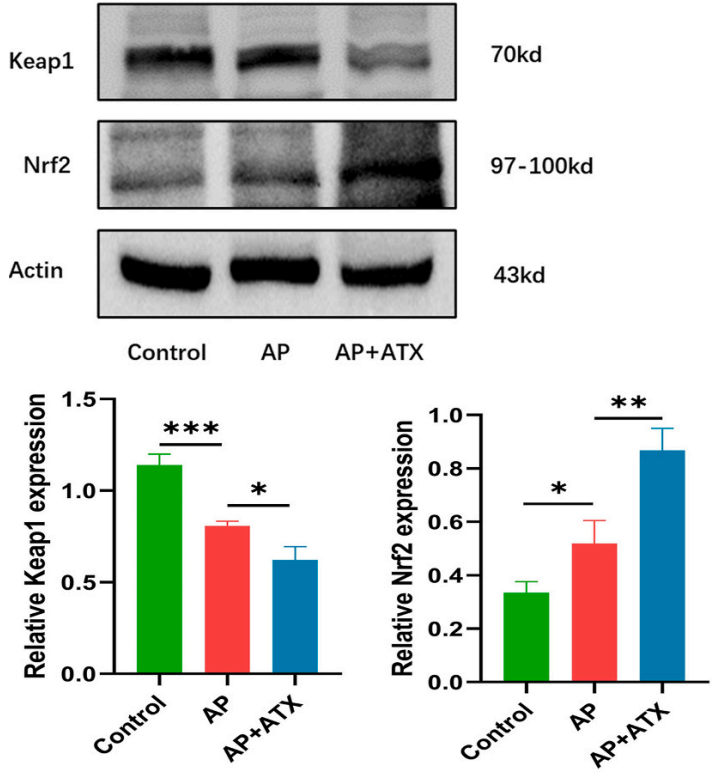
Nrf2 ameliorates defective autophagic processes and thereby inhibits ferroptosis in acute pancreatitis by suppressing Beclin1-Slc7a11 complex formation. [Abstract]2025 Mar 16:230:294-308. PMID: 39947493
Astaxanthin purchased from MedChemExpress. Usage Cited in: Free Radic Biol Med. 2025 Mar 16:230:294-308. [Abstract]
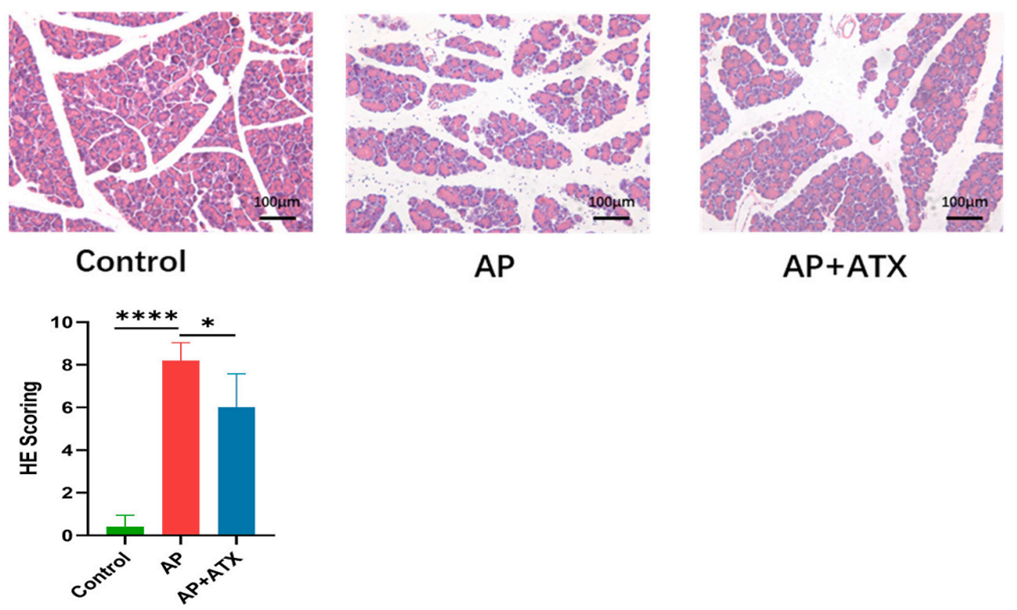
Representative images of mouse pancreatic tissues collected from the control, AP, and AP + Astaxanthin (ATX) groups (stained with H&E), and their pathology scores. H&E staining revealed that activation of Nrf2 by Astaxanthin (ATX, 40 mg/kg; single dose) significantly alleviated edema and inflammatory cell infiltration in mouse pancreatic tissue, and also markedly reduced the pathological scores of the pancreas.
Astaxanthin purchased from MedChemExpress. Usage Cited in: Free Radic Biol Med. 2025 Mar 16:230:294-308. [Abstract]
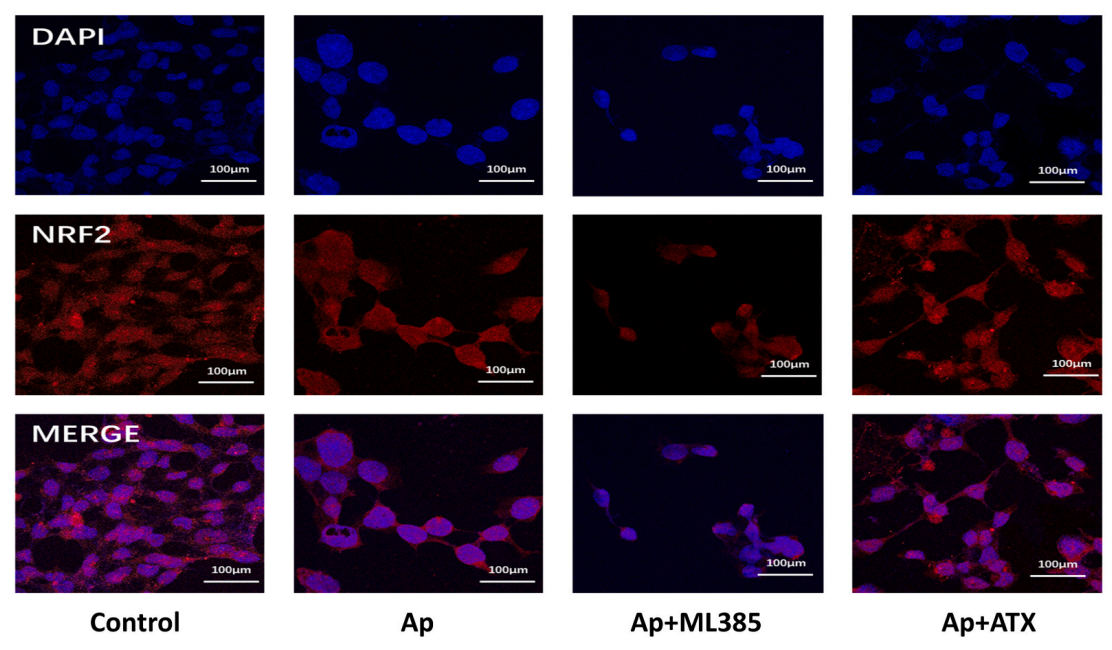
Fluorescent expression of Nrf2 in pancreatic tissues of the control, AP, AP + ML385, and AP + Astaxanthin (ATX; 10 μM; 1 h) groups. The results showed that Nrf2 expression decreased in the AP + ML385 group and increased in the AP + Astaxanthin group, in which nucleation was also favored.
Astaxanthin purchased from MedChemExpress. Usage Cited in: Free Radic Biol Med. 2025 Mar 16:230:294-308. [Abstract]
Astaxanthin (ATX, 40 mg/kg; single dose) activated Nrf2 expression in mouse pancreatic tissue via the Keap1/Nrf2 axis.
-
J Agric Food Chem
Astaxanthin Prevents Glucocorticoid-Induced Femoral Head Osteonecrosis by Targeting Ferroptosis through the JAK2/STAT3 Signaling Pathway. [Abstract]2025 Feb 19;73(7):4270-4287. PMID: 39903514 -
Ecotoxicol Environ Saf
Asiaticoside ameliorates pyrimethanil-induced autophagy-dependent liver injury by suppressing CRHR1. [Abstract]2025 Dec:308:119482. PMID: 41338089 -
Nutrients
Synergistic Effects of a Pro-Inflammatory-High-Fat Composite Dietary Pattern on Gut-Liver Injury and the Therapeutic Potential of Haematococcus pluvialis-Derived Astaxanthin. [Abstract]2026 Mar 25;18(7):1048. PMID: 41978098 -
Chem Biol Interact
2026 Mar 25:427:111929. PMID: 41548734 -
Chem Biol Interact
Astaxanthin ameliorates oxidative stress in lens epithelial cells by regulating GPX4 and ferroptosis. [Abstract]2023 Sep 25:383:110684. PMID: 37648051 -
Pharmacol Rep
Astaxanthin has a beneficial influence on pain-related symptoms and opioid-induced hyperalgesia in mice with diabetic neuropathy-evidence from behavioral studies. [Abstract]2024 Dec;76(6):1346-1362. PMID: 39528765 -
-
Exp Biol Med
2023 Feb;248(4):293-301. PMID: 36691330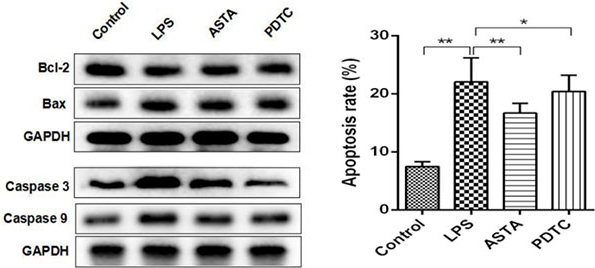
Astaxanthin purchased from MedChemExpress. Usage Cited in: Exp Biol Med. 2023 Feb;248(4):293-301. [Abstract]
Astaxanthin (ASTA) decreases levels of caspase 3 and caspase 9 in MLE-12 cells, which reveals that ASTA prevents apoptosis stimulated by LPS in MLE-12 cells.
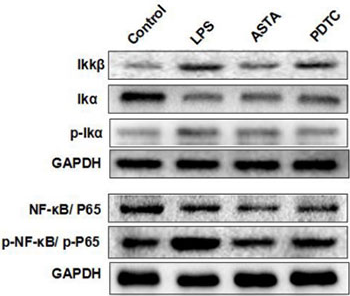
Astaxanthin purchased from MedChemExpress. Usage Cited in: Exp Biol Med. 2023 Feb;248(4):293-301. [Abstract]
Astaxanthin (ASTA) inhibits apoptosis by targeting NF-κB signal pathway in MLE-12 cells.
-
Animal Model Exp Med
Astaxanthin ameliorates benzalkonium chloride-induced dry eye disease through suppressing inflammation and oxidative stress via Keap1-Nrf2/HO-1 signaling pathways. [Abstract]2025 Jun;8(6):1056-1079. PMID: 40045550 -
-
Acta Histochem
2023 Jun 19;125(6):152069. PMID: 37343496 -
-
Transl Cancer Res
2026 Jan 31;15(1):9. PMID: 41674982 -
-
-
Biomed Pharmacother
Astaxanthin alleviates fibromyalgia pain and depression via NLRP3 inflammasome inhibition. [Abstract]2024 Jul:176:116856. PMID: 38852510 -
Biomed Pharmacother
Lapatinib combined with doxorubicin causes dose-dependent cardiotoxicity partially through activating the p38MAPK signaling pathway in zebrafish embryos. [Abstract]2024 Jun:175:116637. PMID: 38653111 -
Biomed Pharmacother
Astaxanthin attenuated cigarette smoke extract-induced apoptosis via decreasing oxidative DNA damage in airway epithelium. [Abstract]2023 Nov:167:115471. PMID: 37699317 -


Solvent & Solubility
In Vitro:
THF : 5 mg/mL (8.38 mM; ultrasonic and warming and heat to 60°C)
DMSO : 2 mg/mL (3.35 mM; ultrasonic and warming and heat to 60°C; Hygroscopic DMSO has a significant impact on the solubility of product, please use newly opened DMSO)
DMSO : Acetone mixture (1:1) : 2 mg/mL (3.35 mM; ultrasonic and warming and heat to 60°C)
Acetone : < 1 mg/mL (insoluble)
* Astaxanthin is usually formulated as a suspension.
Please refer to the solubility information to select the appropriate solvent. The compound is unstable in solutions, freshly prepared is recommended.
Please refer to the solubility information to select the appropriate solvent. The compound is unstable in solutions, freshly prepared is recommended.
Concentration (start) × Volume (start) = Concentration (final) × Volume (final)
In Vivo:
For the following dissolution methods, please prepare the working solution directly:
It is recommended to prepare fresh solutions and use them promptly within a short period of time.
The percentages shown for the solvents indicate their volumetric ratio in the final prepared solution. If precipitation or phase separation occurs during preparation, heat and/or sonication can be used to aid dissolution.


Purity & Documentation
-
Data Sheet (281 KB)
-
SDS (394 KB)
- English - EN (394 KB)
- Français - FR (394 KB)
- Deutsch - DE (394 KB)
- Norwegian - NO (394 KB)
- Español - ES (394 KB)
- Swedish - SV (394 KB)
- Italian - IT (394 KB)
- Korean - KR (394 KB)
- Portuguese - PT (394 KB)
-
Handling Instructions (2659 KB)
References
[1]. Sun SQ, et al. Anti-Tumor Effects of Astaxanthin by Inhibition of the Expression of STAT3 in Prostate Cancer. Mar Drugs. 2020 Aug 7;18(8):415. [Content Brief]
[3]. Zhang X, et al. Carotenoids inhibit proliferation and regulate expression of peroxisome proliferators-activated receptor gamma (PPARγ) in K562 cancer cells. Arch Biochem Biophys. 2011 Aug 1;512(1):96-106. [Content Brief]
[4]. Gross GJ, et al. Seven day oral supplementation with Cardax (disodium disuccinate astaxanthin) provides significant cardioprotection and reduces oxidative stress in rats. Mol Cell Biochem. 2006 Feb;283(1-2):23-30. [Content Brief]
[5]. Zhang L, et al. Multiple Mechanisms of Anti-Cancer Effects Exerted by Astaxanthin. Mar Drugs. 2015 Jul 14;13(7):4310-30. [Content Brief]


Complete Stock Solution Preparation Table
Please refer to the solubility information to select the appropriate solvent. The compound is unstable in solutions, freshly prepared is recommended.
| Optional Solvent | Concentration Solvent Mass | 1 mg | 5 mg | 10 mg | 25 mg |
|---|---|---|---|---|---|
| DMSO / DMSO : Acetone mixture (1:1) / THF | 1 mM | 1.6755 mL | 8.3775 mL | 16.7549 mL | 41.8873 mL |
| THF | 5 mM | 0.3351 mL | 1.6755 mL | 3.3510 mL | 8.3775 mL |


Astaxanthin Related Classifications
HY-B2163 Related Classifications
 Powered by Bioz