



フコステロール
Based on 3 publication(s) in Google Scholar
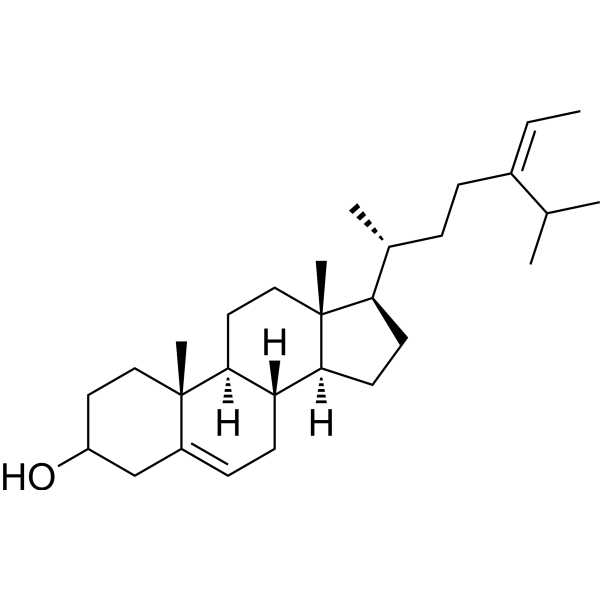
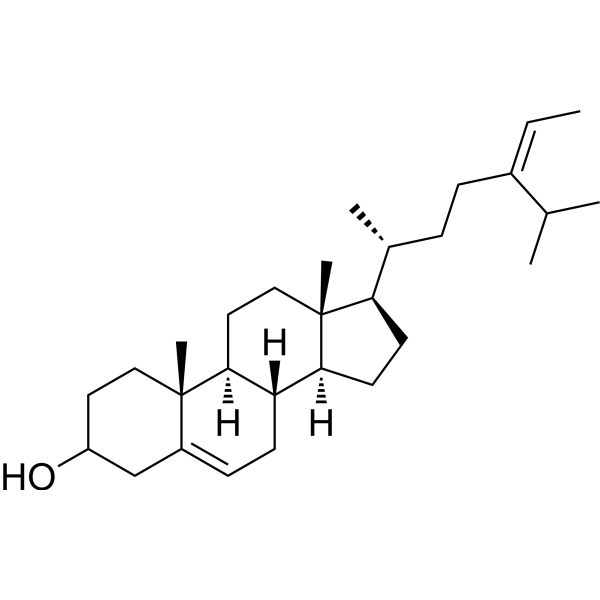
Fucosterol is a sterol isolated from algae, seaweed or diatoms. Fucosterol exhibits various biological activities, including antioxidant, anti-adipogenic, blood cholesterol reducing, anti-diabetic and anti-cancer activities. Fucosterol regulates adipogenesis via inhibition of PPARα and C/EBPα expression and can be used for anti-obesity agents development research.
商品は「研究用試薬」です。人や動物の医療用・臨床診断用・食品用の製品ではありません。
研究用途以外に使用した場合、当社は一切の責任を負いかねます。
- 純度 : 98.27%
- CAS 番号: 17605-67-3
- 分子式: C29H48O
- 分子量:412.69
-
保管条件:
4°C, protect from light
* In solvent : -80°C, 6 months; -20°C, 1 month (protect from light)

To place orders, for customer services and technical support, please contact: MedChemExpress USA
Tel: 609-228-6898 E-mail: [email protected] [email protected]


-
 生物活性
生物活性
-
化学情報
-
溶剤 & 溶解度
- プロトコル
- 純度とドキュメンテーション
- 参考文献
-
 Help & FAQs


-
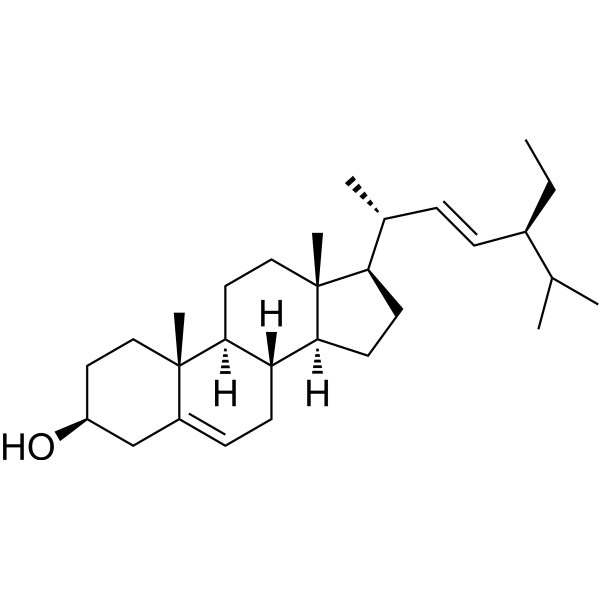
HY-N0131
StigmasterolPlant Sterol -
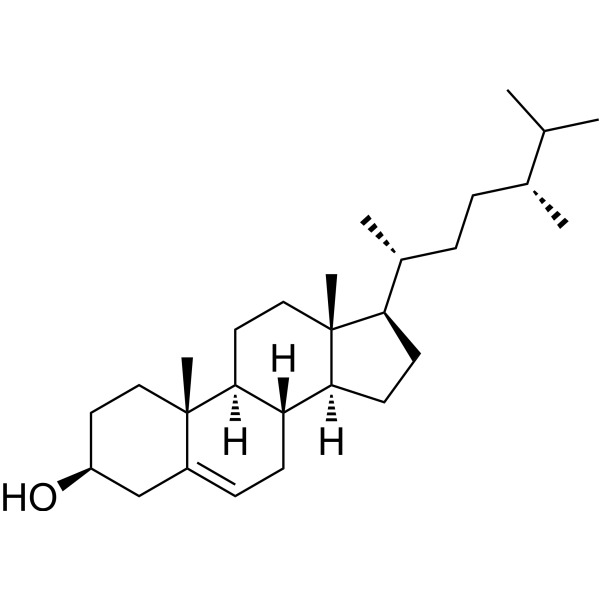
HY-N1459
CampesterolEndogenous Metabolite -
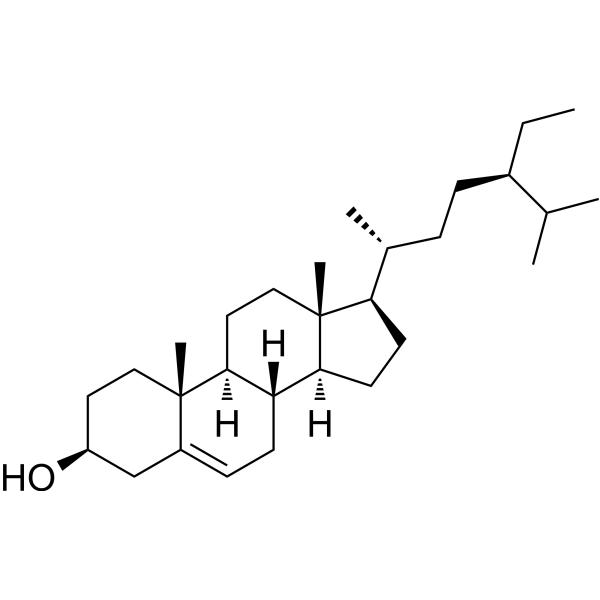
HY-N0171A
Beta-Sitosterol (purity>98%)Dietary Plant Sterols -
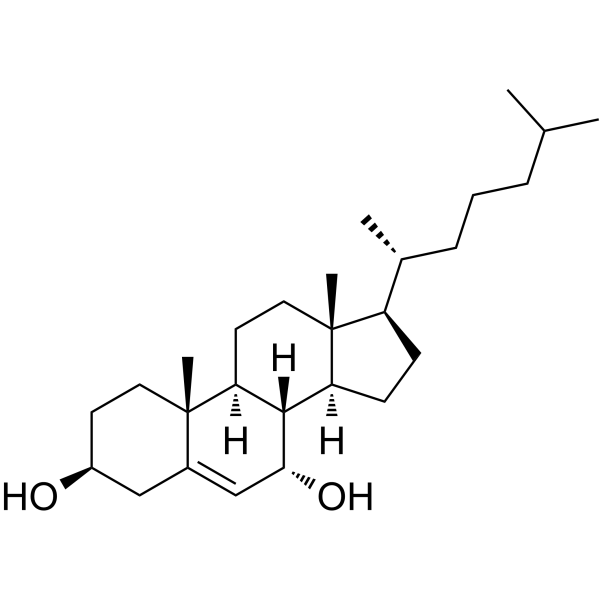
HY-N7264
7α-HydroxycholesterolCholesterol Oxide -
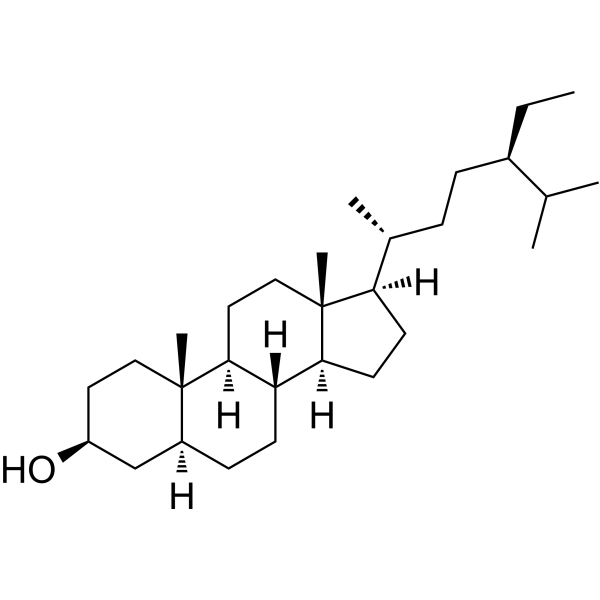
HY-113494
SitostanolNatural Product -
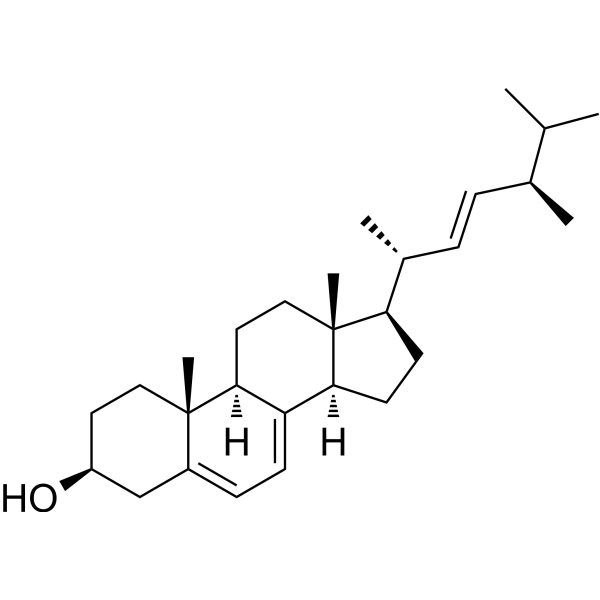
HY-N0181
ErgosterolEndogenous Metabolite -
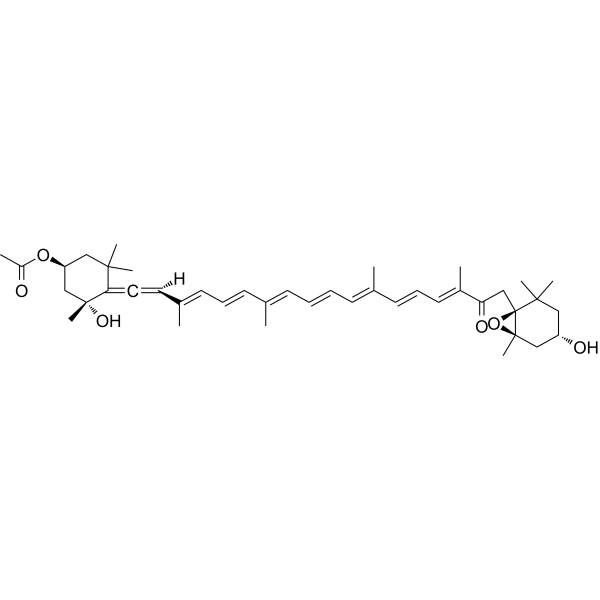
HY-N2302
FucoxanthinMarine Carotenoid -
HY-113134
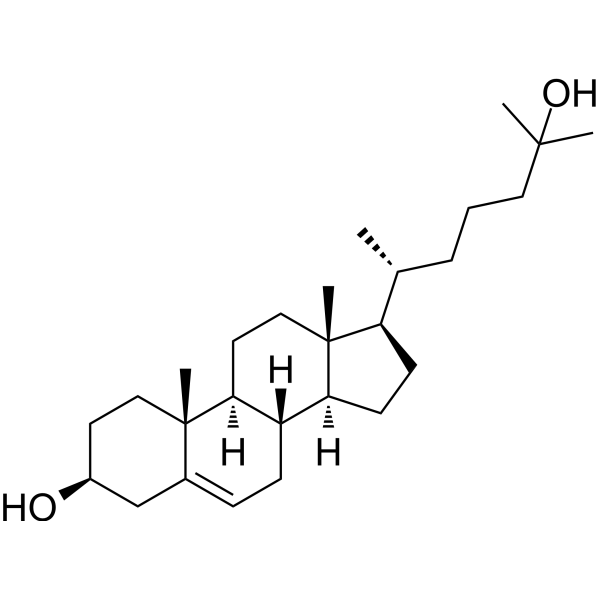
25-HydroxycholesterolCholesterol Metabolite -
HY-N0171R
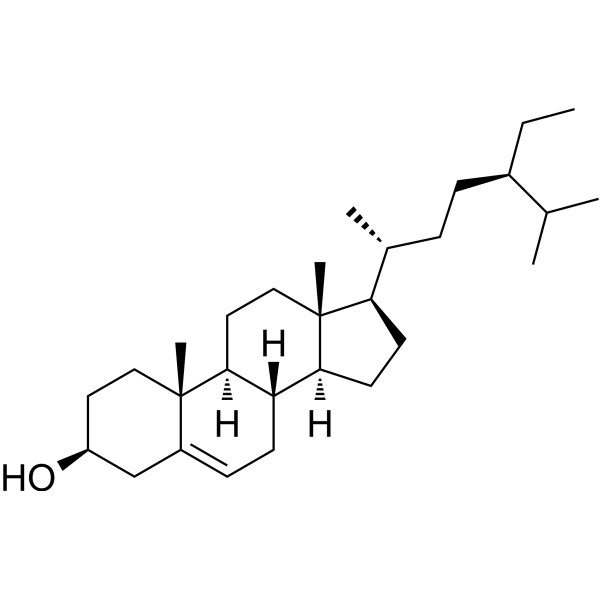
Beta-Sitosterol (Standard) -
HY-15162
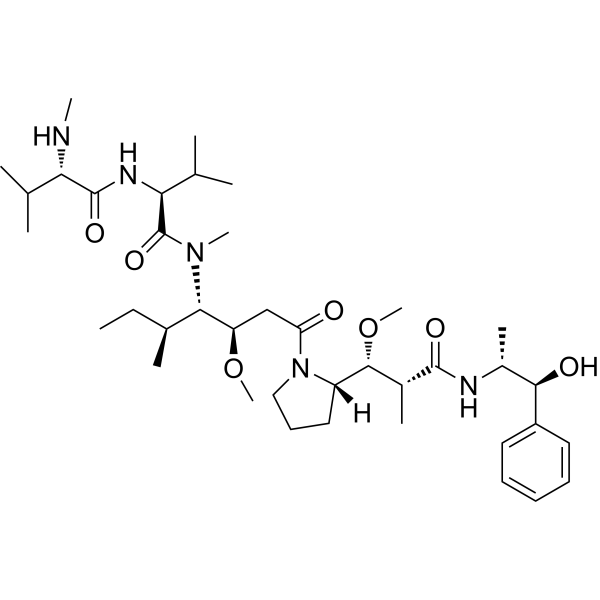
Monomethyl auristatin EAntimitotic Agent -
HY-N1201
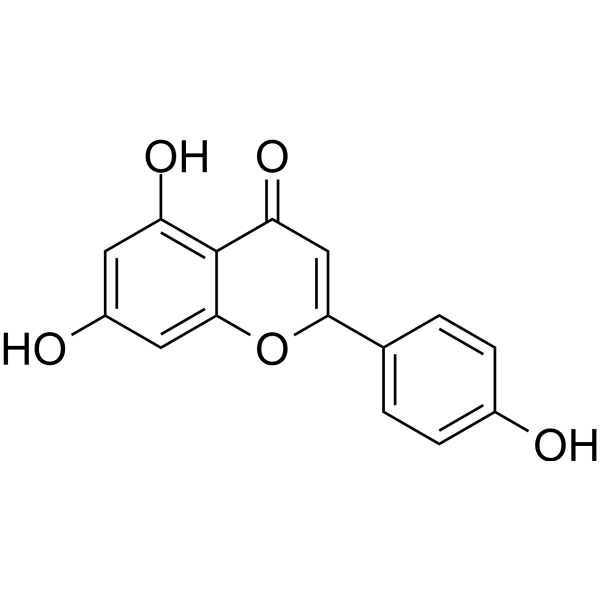
ApigeninCytochrome P450 Inhibitor -
HY-N4103R
Fucosterol (Standard)
MedChemExpress(MCE)の使用を引用している文献 Fucosterol
More Customer Validation & Images

-
RT-PCR
-
WB
-
Cell Proliferation/Viability Assay
-
Flow Cytometry
-
IHC
Endogenous Metabolite アイソフォーム固有の製品をすべて表示
More

生物活性
製品説明
IC50 & Target
PPARα; C/EBPα[1]
体外実験
Fucosterol (0-50 μM; 7 days) suppresses the expression of PPARα and C/EBPα when compared to fully differentiated control adipocytes[1]. Fucosterol shows cytotoxicity against T47D and HT29 cell lines with IC50 values of 27.94 and 70.41 μg/ml, respectively[3].Fucosterol decreases cell HEK293, MCF-7, and SiHa cells proliferation with IC50 values of 185.4, 43.3, and 34.0 μg/ml, respectively[4].
MedChemExpress (MCE) has not independently confirmed the accuracy of these methods. They are for reference only.
-
Cell Line:3T3-L1 adipocytes
-
Concentration:0 μM; 25 μM; 50 μM
-
Incubation Time:7 days
-
Result:Inhibited PPARα and C/EBPα expression.
体内実験
MedChemExpress (MCE) has not independently confirmed the accuracy of these methods. They are for reference only.


化学情報
-
CAS 番号 17605-67-3
-
性状 Solid
-
分子量 412.69
-
分子式 C29H48O
-
Color White to off-white
-
SMILES
C/C=C(C(C)C)/CC[C@@H](C)[C@H]1CC[C@@]2([H])[C@]3([H])CC=C4CC(O)CC[C@]4(C)[C@@]3([H])CC[C@]12C
-
別名
Fucosterol
-
Structure Classification
-
輸送条件
Room temperature in continental US; may vary elsewhere.
-
保管条件
4°C, protect from light
* In solvent : -80°C, 6 months; -20°C, 1 month (protect from light)


Publications (3)
-
Journal Impact Factor
-
Most Recent
-
-
Int Immunopharmacol
Fucosterol ameliorates depressive-like behaviours by suppressing microglial activation and neuroinflammation via inhibition the MAPK/ERK1/2 signaling pathway. [Abstract]2025 Jun 17:158:114821. PMID: 40349406 -
Atheroscler Plus
Fucosterol exerts an anti-atherosclerotic action via NF-κB and p38/Erk MAPK signaling pathways. [Abstract]2025 May 13:60:51-59. PMID: 40502621
Fucosterol purchased from MedChemExpress. Usage Cited in: Atheroscler Plus. 2025 May 13:60:51-59. [Abstract]
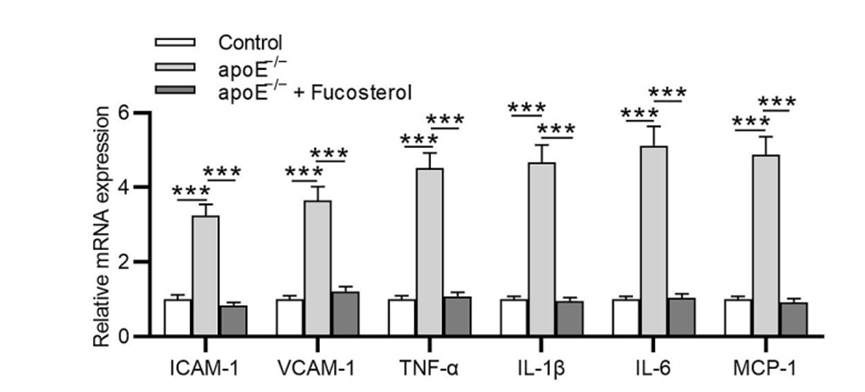
RT-qPCR analysis of expression levels of adhesion molecules and inflammatory cytokines in mouse aorta treated with Fucosterol (100 mg/kg, i.g.)
Fucosterol purchased from MedChemExpress. Usage Cited in: Atheroscler Plus. 2025 May 13:60:51-59. [Abstract]
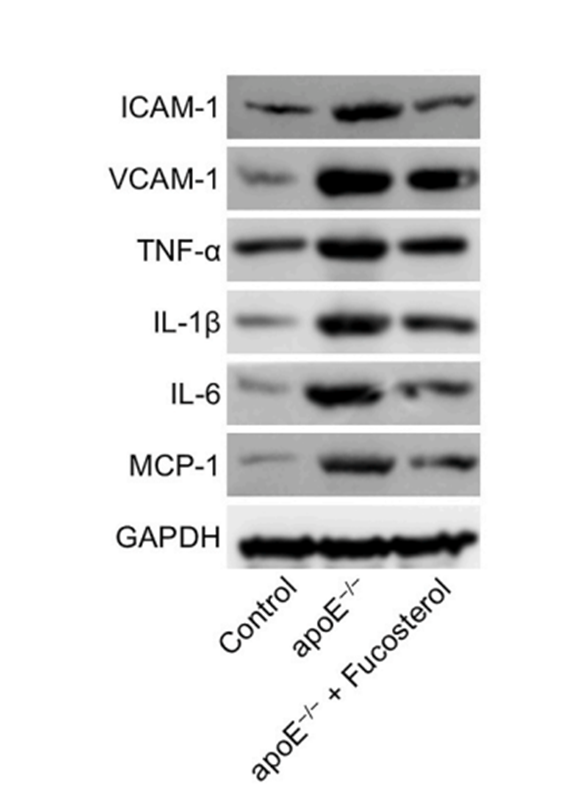
Western blot analysis of protein levels of adhesion molecules and inflammatory cytokines in mouse aorta treated with Fucosterol (100 mg/kg, i.g.).
Fucosterol purchased from MedChemExpress. Usage Cited in: Atheroscler Plus. 2025 May 13:60:51-59. [Abstract]
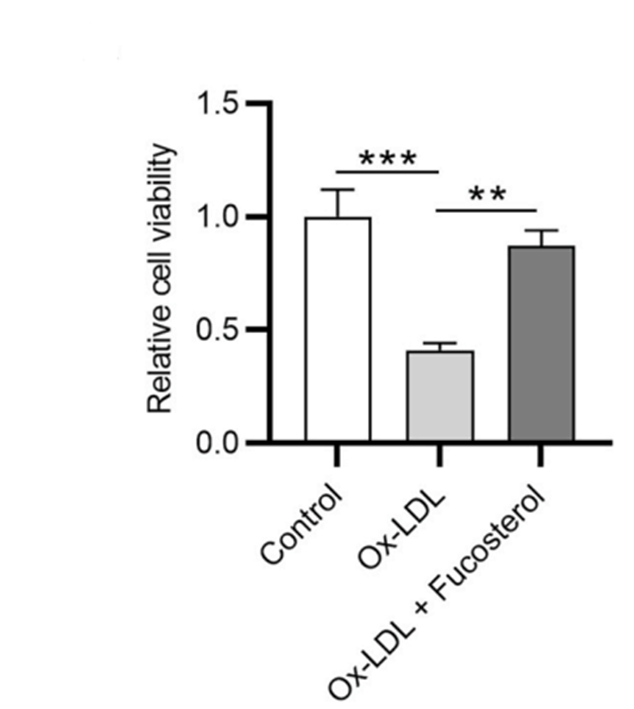
Cell viability in treated HUVECs was detected by CCK-8 assay treated with Fucosterol (50 μM).
Fucosterol purchased from MedChemExpress. Usage Cited in: Atheroscler Plus. 2025 May 13:60:51-59. [Abstract]
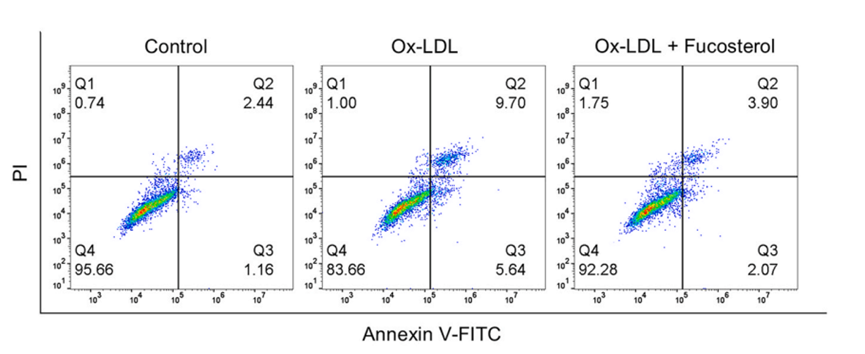
Flow cytometry analysis of apoptosis in treated HUVECs treated with Fucosterol (50 μM).
Fucosterol purchased from MedChemExpress. Usage Cited in: Atheroscler Plus. 2025 May 13:60:51-59. [Abstract]
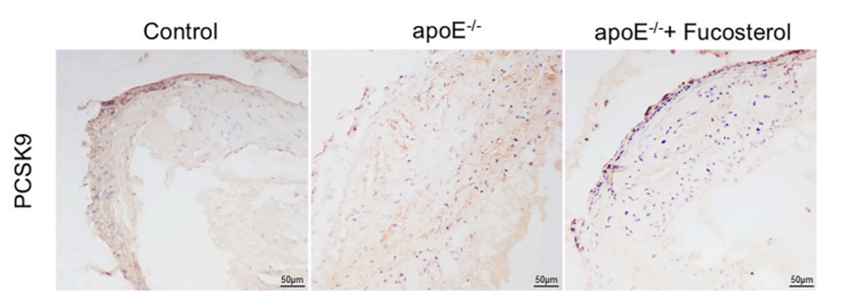
Immunohistochemical staining for PCSK9 in aortic root treated with Fucosterol (100 mg/kg, i.g.).


溶剤 & 溶解度
体外:
Ethanol : 16.67 mg/mL (40.39 mM; Need ultrasonic)
DMSO : < 1 mg/mL (insoluble or slightly soluble)
Please refer to the solubility information to select the appropriate solvent. Once prepared, please aliquot and store the solution to prevent product inactivation from repeated freeze-thaw cycles.
Storage method and period of stock solution: -80°C, 6 months; -20°C, 1 month (protect from light). When stored at -80°C, please use it within 6 months. When stored at -20°C, please use it within 1 month.
Please refer to the solubility information to select the appropriate solvent. Once prepared, please aliquot and store the solution to prevent product inactivation from repeated freeze-thaw cycles.
Storage method and period of stock solution: -80°C, 6 months; -20°C, 1 month (protect from light). When stored at -80°C, please use it within 6 months. When stored at -20°C, please use it within 1 month.
濃度 (開始) × 体積 (開始) = 濃度 (終了) × 体積 (終了)
体内:
Select the appropriate dissolution method based on your experimental animal and administration route.
- For the following dissolution methods, please ensure to first prepare a clear stock solution using an In Vitro approach and then sequentially add co-solvents:
- To ensure reliable experimental results, the clarified stock solution can be appropriately stored based on storage conditions. As for the working solution for In Vivo experiments, it is recommended to prepare freshly and use it on the same day.
- The percentages shown for the solvents indicate their volumetric ratio in the final prepared solution. If precipitation or phase separation occurs during preparation, heat and/or sonication can be used to aid dissolution.
Add each solvent one by one: 10% EtOH 90% Corn Oil
Solubility: ≥ 1.67 mg/mL (4.05 mM); Clear solution
This protocol yields a clear solution of ≥ 1.67 mg/mL (saturation unknown). If the continuous dosing period exceeds half a month, please choose this protocol carefully.
Taking 1 mL working solution as an example, add 100 μL EtOH stock solution (16.7 mg/mL) to 900 μL Corn oil, and mix evenly.
For the following dissolution methods, please prepare the working solution directly:
It is recommended to prepare fresh solutions and use them promptly within a short period of time.
The percentages shown for the solvents indicate their volumetric ratio in the final prepared solution. If precipitation or phase separation occurs during preparation, heat and/or sonication can be used to aid dissolution.
Add each solvent one by one: Corn Oil
Solubility: 10 mg/mL (24.23 mM); Clear solution; Need ultrasonic and warming and heat to 45°C
Add each solvent one by one: 17% Solutol HS-15 in Saline
Solubility: 6.25 mg/mL (15.14 mM); Suspended solution; Need ultrasonic and warming and heat to 42°C
In Vivo Dissolution Calculator
Please enter the basic information of animal experiments:
-
-
-
-
Recommended: Prepare an additional quantity of animals to account for potential losses during experiments.
Please enter your animal formula composition:
-
%DMSO +
Recommended: Keep the proportion of DMSO in working solution below 2% if your animal is weak.
-
%+
-
+%Tween-80 + +
-
%Saline +
The co-solvents required include: DMSO, . All of co-solvents are available by MedChemExpress (MCE). , Tween 80. All of co-solvents are available by MedChemExpress (MCE).
Working solution concentration: 0.22 mg/mL
Method for preparing stock solution: mg drug dissolved in μL DMSO. Stock solution concentration: mg/mL. * In solvent : -80°C, 6 months; -20°C, 1 month (protect from light)
1. Take μL DMSO stock solution;
2. Add μL .
μL , mix evenly;
3. Then add μL Tween 80, mix evenly;
4. Then add μL
Please ensure that the stock solution in the first step is dissolved to a clear state, and add co-solvents in sequence. You can use ultrasonic heating (ultrasonic cleaner, recommended frequency 20-40 kHz), vortexing, etc. to assist dissolution.


純度とドキュメンテーション
-
データシート (286 KB)
-
SDS (393 KB)
- English - EN (393 KB)
- Français - FR (393 KB)
- Deutsch - DE (393 KB)
- Norwegian - NO (393 KB)
- Español - ES (393 KB)
- Swedish - SV (393 KB)
- Italian - IT (393 KB)
- Korean - KR (393 KB)
- Portuguese - PT (393 KB)
-
取扱説明書 (2659 KB)
参考文献
[1]. Jung HA, et al. Anti-adipogenic activity of the edible brown alga Ecklonia stolonifera and its constituent fucosterol in 3T3-L1 adipocytes. Arch Pharm Res. 2014 Jun;37(6):713-20. [Content Brief]
[2]. Lee YS, et al. Anti-diabetic activities of fucosterol from Pelvetia siliquosa. Arch Pharm Res. 2004 Nov;27(11):1120-2. [Content Brief]
[3]. Qudeer Ahmed Abdul, et al. Health benefit of fucosterol from marine algae: a review. J Sci Food Agric. 2016 Apr;96(6):1856-66 [Content Brief]
[4]. Khanavi M, et al. Cytotoxicity of fucosterol containing fraction of marine algae against breast and colon carcinoma cell line. Pharmacogn Mag. 2012 Jan;8(29):60-4. [Content Brief]
[5]. Caamal-Fuentes E, et al. Cytotoxic and antiproliferative constituents from Dictyota ciliolata, Padina sanctae-crucis and Turbinaria tricostata. Pharm Biol. 2014 Oct;52(10):1244-8. [Content Brief]


Complete Stock Solution Preparation Table
Please refer to the solubility information to select the appropriate solvent. Once prepared, please aliquot and store the solution to prevent product inactivation from repeated freeze-thaw cycles.
Storage method and period of stock solution: -80°C, 6 months; -20°C, 1 month (protect from light). When stored at -80°C, please use it within 6 months. When stored at -20°C, please use it within 1 month.
| Optional Solvent | Concentration Solvent Mass | 1 mg | 5 mg | 10 mg | 25 mg |
|---|---|---|---|---|---|
| Ethanol | 1 mM | 2.4231 mL | 12.1156 mL | 24.2313 mL | 60.5782 mL |
| 5 mM | 0.4846 mL | 2.4231 mL | 4.8463 mL | 12.1156 mL | |
| 10 mM | 0.2423 mL | 1.2116 mL | 2.4231 mL | 6.0578 mL | |
| 15 mM | 0.1615 mL | 0.8077 mL | 1.6154 mL | 4.0385 mL | |
| 20 mM | 0.1212 mL | 0.6058 mL | 1.2116 mL | 3.0289 mL | |
| 25 mM | 0.0969 mL | 0.4846 mL | 0.9693 mL | 2.4231 mL | |
| 30 mM | 0.0808 mL | 0.4039 mL | 0.8077 mL | 2.0193 mL | |
| 40 mM | 0.0606 mL | 0.3029 mL | 0.6058 mL | 1.5145 mL |


Fucosterol 関連分類
HY-N4103 関連分類
 Powered by Bioz