



Ischemic Stroke
-
Ischemic Stroke (80)

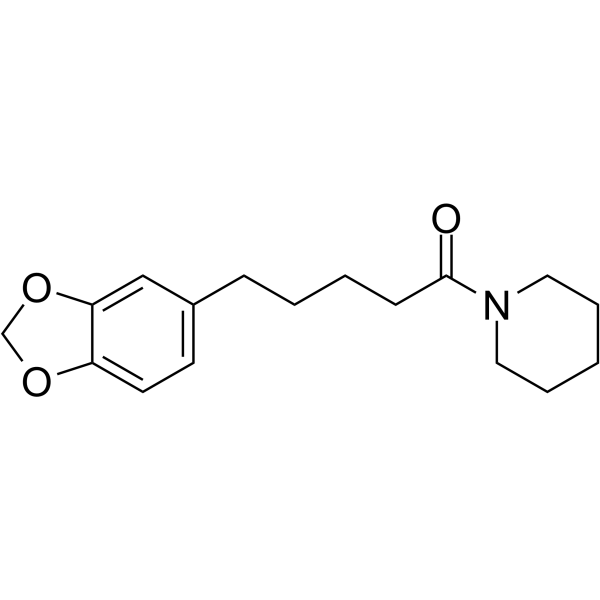
- Formula: C17H23NO3
- Molecular Weight: 289.37
Tetrahydropiperine is an orally effective, selective inhibitor of NF-κB and MAPKs, and an activator of the PI3K/Akt/mTOR pathway. Tetrahydropiperine reduces the production of pro-inflammatory cytokines such as TNF-α, IL-6, and nitric oxide (NO) by inhibiting the nuclear translocation of NF-κB and the phosphorylation of MAPKs such as ERK, JNK, and p38. At the same time, Tetrahydropiperine inhibits excessive autophagy by activating the PI3K/Akt/mTOR pathway, protecting neurons from oxidative damage. Tetrahydropiperine has anti-inflammatory, anti-apoptotic, and neuroprotective effects, and is mainly used in the study of inflammatory diseases (such as endotoxemia, arthritis) and neurological diseases such as ischemic stroke.
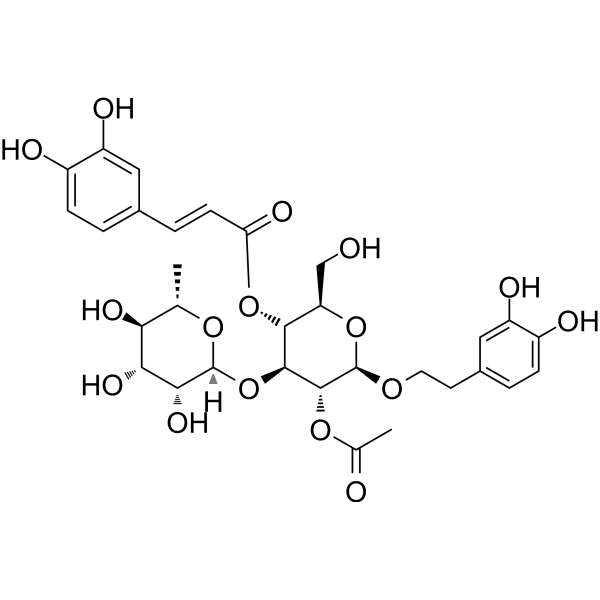
- Formula: C31H38O16
- Molecular Weight: 666.62
2'-Acetylacteoside (2'-AA) is a natural compound with oral activity and blood-brain barrier permeability. 2'-Acetylacteosideexhibits MAO‑B inhibitory activity (IC50 = 17.71 μM, Ki = 13.81 μM). 2'-Acetylacteoside downregulates the expression of RANK, TRAF6, NF‑κB, NFATc1 and IKKβ, disrupts the RANKL/RANK interaction, blocks downstream signaling pathways, and increases the level of phosphorylated Akt. 2'-Acetylacteoside possesses potent anti-osteoclastogenic, anti-bone resorptive, pro-neurogenic, neuroprotective and antioxidant activities. 2'-Acetylacteoside can be used in the research of osteoporosis, ischemic stroke and Parkinson's disease.
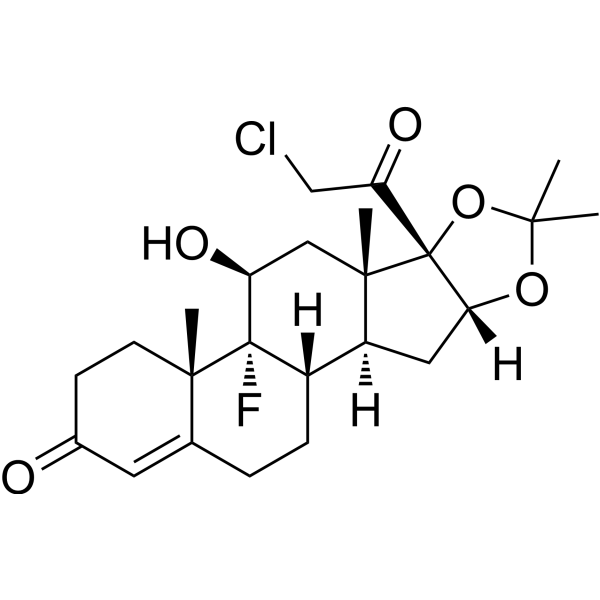
- Formula: C24H32ClFO5
- Molecular Weight: 454.96
Halcinonide (SQ-18566) is an orally active Smoothened (Smo) agonist. Halcinonide activates the Hedgehog signaling pathway by binding to Smo and promoting its internalization and expression, thereby activating Gli transcription factors. Halcinonide not only stimulates cell proliferation, increases the expression of cyclin D2/CDK6 and inhibits the degradation of caspase-3, but also suppresses Bcl-2/Bax-mediated apoptosis, oxidative stress and inflammatory responses. Halcinonide activates RxRγ to upregulate the expression of myelin genes, thereby reducing cerebral infarction and improving behavioral deficits. Halcinonide has been used in studies related to multiple sclerosis and ischemic stroke.

- Formula: C16H16F3NO
- Molecular Weight: 295.30
Norfluoxetine is the active metabolite of the antidepressant Fluoxetine (HY-B0102); it is also a TREK-2 K2P potassium channel inhibitor. Norfluoxetine exhibits neuroimmunological activity, induces apoptosis in primary microglial cells, and inhibits the release of pro-inflammatory factors. Norfluoxetine inhibits high-threshold voltage-gated Ca2+ currents in neurons with an EC50 of 20.4 μM. Norfluoxetine can be used in research related to depression, ischemic stroke, and epilepsy.

- Formula: C190H323N71O45S
- Molecular Weight: 4354.11
TAT-M2NX (tatM2NX) is a selective inhibitor targeting human TRPM2 channels and exerts inhibitory effects on ischemic stroke. TAT-M2NX reduces H2O2-induced calcium influx via TRPM2 channels. After traumatic brain injury in mice, TAT-M2NX preserves hippocampal long-term potentiation, improves memory function, and reduces infarct volume after middle cerebral artery occlusion, but it shows no effect on female mice. TAT-M2NX can be used in studies related to traumatic brain injury and ischemic stroke.

- Formula: C21H26N2O7
- Molecular Weight: 418.44
(R)-Nimodipine ((R)-BAY-e 9736) is an orally active, blood-brain barrier-permeable L-type calcium channel blocker with an IC50 of 5 nM. (R)-Nimodipine inhibits corticosterone release by blocking calcium channels on the hypothalamic-pituitary-adrenal axis, thereby reversing immobilization stress-induced memory impairment and behavioral abnormalities. (R)-Nimodipine is widely used in studies related to aneurysmal subarachnoid hemorrhage, cerebral ischemia, epilepsy, age-related degenerative neurological diseases, and alcohol intoxication.
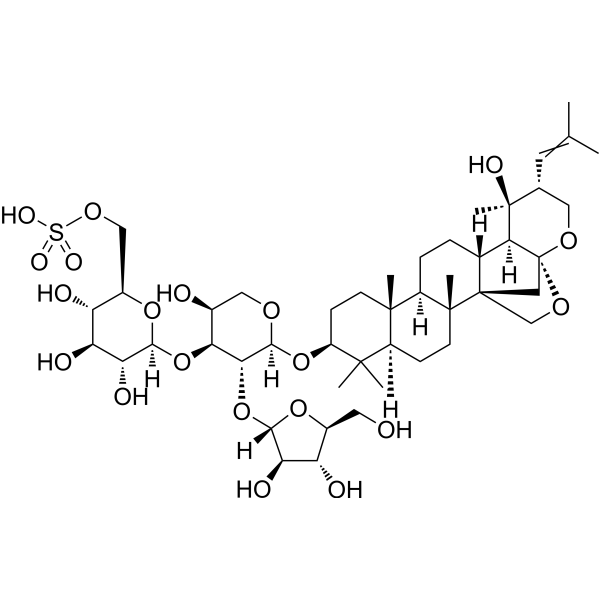
- Formula: C46H74O20S
- Molecular Weight: 979.13
Bacopaside I is an orally active aquaporin AQP1 inhibitor and PKC modulator with neuroprotective and anticancer activities. Bacopaside I specifically blocks the water channel and cGMP-gated ion channel activities of AQP1 without affecting AQP4, thereby inhibiting the migration of colon cancer cells expressing AQP1. Bacopaside I activates the Akt pathway by interacting with PI3K, specifically inhibits MAO-A, effectively alleviates neuron necrosis and apoptosis induced by oxygen-glucose deprivation, reduces oxidative stress, and regulates the surface expression of neuroreceptors. When combined with Bacopaside II (HY-N6016), Bacopaside I significantly reduces the viability, proliferation and invasion ability of breast cancer cells, and binds to the pregnane X receptor (PXR). Bacopaside I is applicable to the research of colon cancer, breast cancer, vascular dementia, cerebral ischemia and other related diseases.
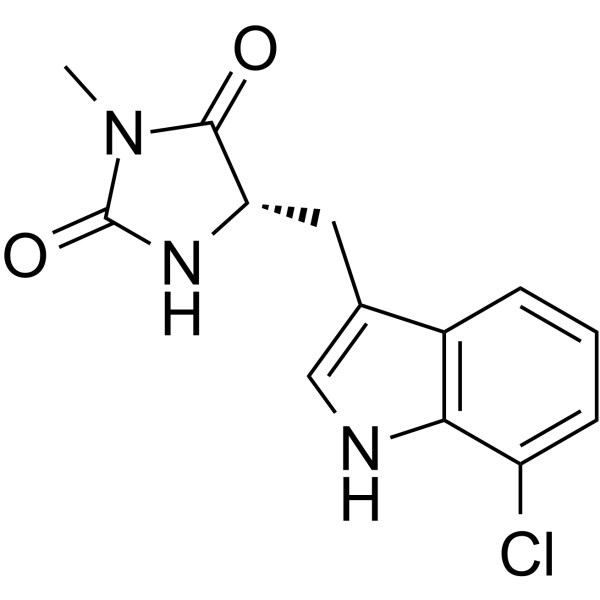
- Formula: C13H12ClN3O2
- Molecular Weight: 277.71
Necrostatin 2 S enantiomer is the S enantiomer of Necrostatin 2 (HY-14622). Necrostatin 2 S enantiomer inhibits TNF-α-induced necroptosis in Jurkat T cells. Necrostatin 2 S enantiomer can be used for the research of ischemic brain injury (stroke).


- Formula: C14H13ClN4OS
- Molecular Weight: 320.80
AZM198 is an orally active myeloperoxidase (MPO) inhibitor. AZM198 irreversibly inactivates MPO (IC50=0.015 μM) via covalent binding to the heme prosthetic group, preferentially targets extracellular MPO activity, and reduces neutrophil extracellular trap formation, reactive oxygen species production and degranulation. AZM198 increases the fibrous cap thickness of atherosclerotic plaques, reduces lesion area, ameliorates hepatic steatosis and fibrosis in non-alcoholic steatohepatitis, and alleviates proteinuria and inflammatory infiltration associated with glomerulonephritis. AZM198 also decreases circulating levels of high-sensitivity Cardiac Troponin I and IL-1β, and mitigates endothelial cell injury. Therefore, AZM198 is suitable for research on various MPO-related diseases, including atherosclerotic cardiovascular disease, myocardial infarction, ischemic stroke, non-alcoholic steatohepatitis and crescentic glomerulonephritis.

Cathepsin D (CTSD) is a lysosomal aspartic protease encoded by the CTSD gene. Cathepsin D regulates lysosomal protease activity. Loss of Cathepsin D leads to lysosomal dysfunction and the accumulation of various cellular proteins associated with neurodegenerative diseases. Cathepsin D is involved in breast cancer metastasis. Cathepsin D can be used in research on diseases such as breast cancer and stroke.

- Formula: C162H247N49O61S6·xC2HF3O2
- Molecular Weight: 4049.38 (free base)
ω-Hexatoxin-Hv1a (ω-ACTX-Hv1; ω-Atracotoxin-HV1) TFA is an orally active insecticidal neurotoxin containing an inhibitor cystine knot motif and a selective calcium channel inhibitor. ω-Hexatoxin-Hv1a TFA blocks L-type voltage-dependent Ca2+ channels and reduces intracellular calcium ion concentration, thereby decreasing apoptosis, necroptosis and oxidative stress, and promoting cell recovery and energy level elevation. ω-Hexatoxin-Hv1a TFA causes larval paralysis and death by impairing neurotransmission in the central nervous system of insects. It shows high injectable toxicity against insects of multiple orders, but exhibits weak oral toxicity. ω-Hexatoxin-Hv1a TFA is widely applicable to studies related to ischemia-reperfusion injury, atopic dermatitis, and ischemic injury of cardiomyocytes and neurons.
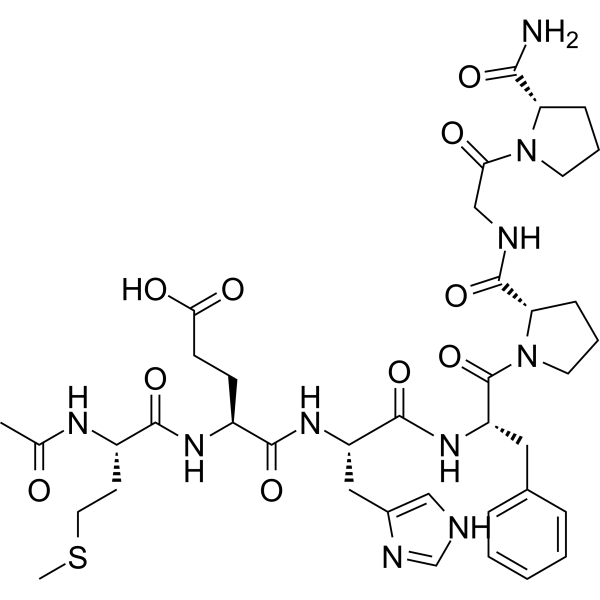
- Formula: C39H54N10O10S
- Molecular Weight: 854.97
N-Acetyl semax amidate is a derivative of Semax (HY-P1146) (Met-Glu-His-Phe-Pro-Gly-Pro) obtained via N-terminal acetylation and C-terminal amidation, and it exhibits nootropic and neuroprotective activities. N-Acetyl semax amidate exerts neuroprotective effects by upregulating the expression of BDNF and NGF, inhibiting neuronal apoptosis, alleviating oxidative stress, and reducing glutamate excitotoxicity. N-Acetyl semax amidate can be used in research related to central nervous system diseases such as ischemic stroke, cognitive impairment, and neurodegenerative diseases.
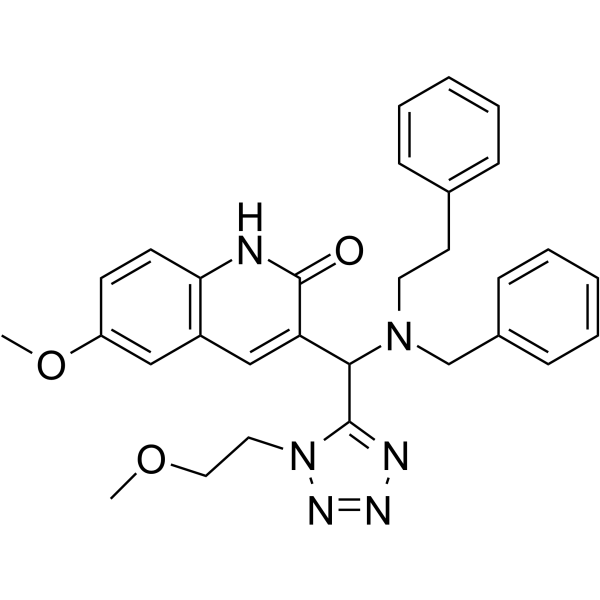
- Formula: C30H32N6O3
- Molecular Weight: 524.61
ASN04421891 is a GPR17 agonist with nanomolar EC50 and high specificity. ASN04421891 promotes oligodendrocyte precursor cell maturation to mature myelinating oligodendrocytes. ASN04421891 can be used for the research of cerebral ischaemia, cardiac ischaemia, renal ischaemia, cerebral trauma, multiple sclerosis, schizophrenia, depression, alzheimer's disease, alzheimer-like dementia, parkinson's disease, huntington's chorea, amyotrophic lateral sclerosis (ALS), neuroinflammatory disorders.
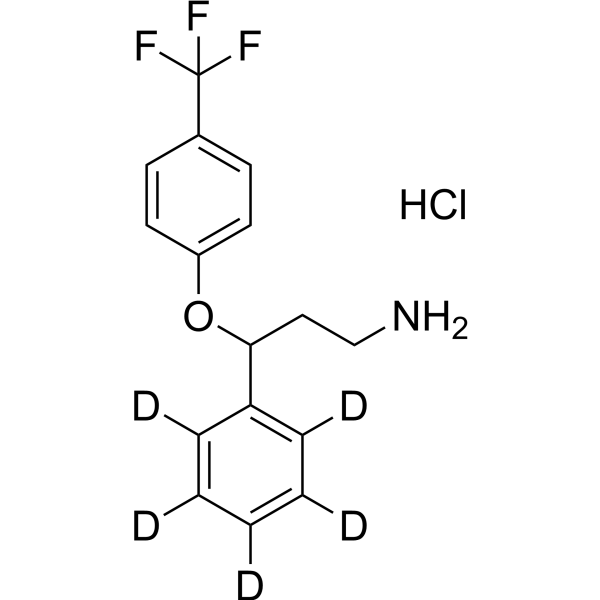
- Formula: C16H12D5ClF3NO
- Molecular Weight: 336.79
Norfluoxetine-d5 hydrochloride is the d5-labeled Norfluoxetine hydrochloride (HY-W011235). Norfluoxetine hydrochloride is the active metabolite of the antidepressant Fluoxetine (HY-B0102); it is also a TREK-2 K2P potassium channel inhibitor. Norfluoxetine hydrochloride exhibits neuroimmunological activity, induces apoptosis in primary microglial cells, and inhibits the release of pro-inflammatory factors. Norfluoxetine hydrochloride inhibits high-threshold voltage-gated Ca2+ currents in neurons with an EC50 of 20.4 μM. Norfluoxetine hydrochloride can be used in research related to depression, ischemic stroke, and epilepsy.
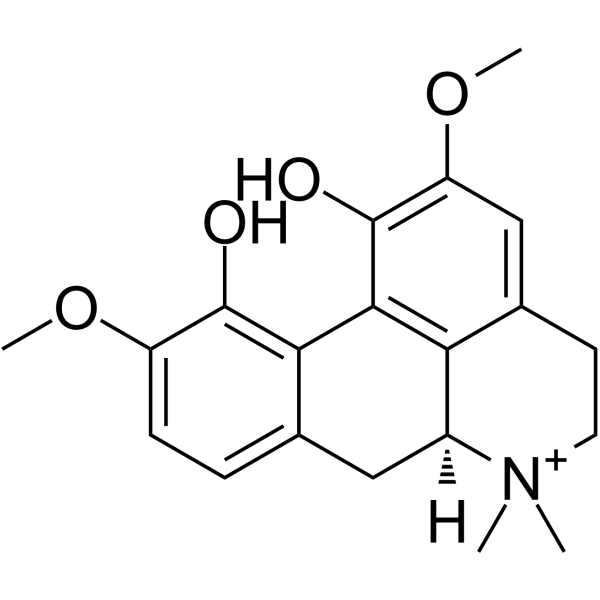
- Formula: C20H24NO4+
- Molecular Weight: 342.41
(+)-Magnoflorine (α-Magnoflorine) is an orally active aporphine alkaloid with multiple biological activities. (+)-Magnoflorine promotes Parkin/PINK1 -mediated mitochondrial autophagy, inhibits the activation of NLRP3/Caspase-1 pathway, regulates the intestinal microbiota, and exhibits significant anti-inflammatory and immunomodulatory activities. (+)-Magnoflorine inhibits JNK and TLR4/NF-κB signaling pathways, activates Sirt1/AMPK pathway, alleviates neuronal oxidative stress and apoptosis. Magnoflorine upregulates miR-410-3p, inhibits HMGB1/NF-κB pathway, and has anti-tumor activity. (+)-Magnoflorine also has significant antifungal activity.

- Formula: C34H38N3O7P
- Molecular Weight: 631.66
(R)-Efonidipine ((R)-NZ-105) is an orally active, selective T-type Ca2+ channel blocker. (R)-Efonidipine does not inhibit high-voltage-activated Ca2+ channels, voltage-dependent Na+ channels, or Ca2+-activated K+ channels. (R)-Efonidipine modulates cardiac autonomic function by increasing parasympathetic activity and decreasing sympathetic activity. (R)-Efonidipine significantly improves survival in a mouse model of dilated cardiomyopathy. (R)-Efonidipine can be used in research on ischemic encephalopathy, heart failure, and hypertension.
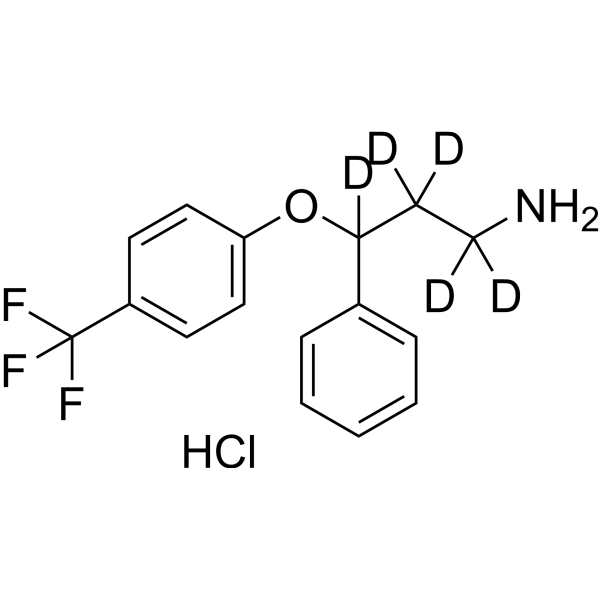
- Formula: C16H12D5ClF3NO
- Molecular Weight: 336.79
Norfluoxetine-d5 is the d5-labeled Norfluoxetine (HY-135556). Norfluoxetine is the active metabolite of the antidepressant Fluoxetine (HY-B0102); it is also a TREK-2 K2P potassium channel inhibitor. Norfluoxetine exhibits neuroimmunological activity, induces apoptosis in primary microglial cells, and inhibits the release of pro-inflammatory factors. Norfluoxetine inhibits high-threshold voltage-gated Ca2+ currents in neurons with an EC50 of 20.4 μM. Norfluoxetine can be used in research related to depression, ischemic stroke, and epilepsy.

- Formula: C14H15NO6
- Molecular Weight: 293.27
eNOS activator-1 is an orally active, blood-brain barrier permeable endothelial nitric oxide synthase (eNOS) activator. eNOS activator-1 upregulates eNOS mRNA expression, enhances endogenous NO biosynthesis, and activates the eNOS signaling pathway to maintain blood-brain barrier integrity. eNOS activator-1 upregulates the protein expression levels of PI3K, AKT, p-PI3K, and p-AKT. eNOS activator-1 reduces oxidative stress levels by decreasing lipid peroxidation and restoring antioxidant enzyme activities. eNOS activator-1 upregulates the expression of tight junction proteins ZO-1 and occludin, increases Cav-1 expression, and inhibits MMP-9-mediated blood-brain barrier disruption. eNOS activator-1 can be used in the research of ischemic stroke.

- Formula: C16H20N2O
- Molecular Weight: 256.34
KDS12025 is a blood-brain barrier-permeable, orally active H2O2-decomposing peroxidase enhancer. KDS12025 enhances the H2O2-decomposing pseudoperoxidase activity of Hb without altering oxygen transport function, and reduces intracellular H2O2 load. KDS12025 reduces abnormal H2O2 levels and inhibits the production of COL1. KDS12025 restores cerebral blood flow, maintains neuronal excitability, membrane properties, synaptic connections and corticospinal tract fibers, reduces cerebral edema and exerts neuroprotective effects. KDS12025 improves motor function and overall neurological function. KDS12025 can be used in the research of ischemic stroke, Alzheimer's disease, Parkinson's disease, amyotrophic lateral sclerosis, aging-related neurodegenerative diseases and rheumatoid arthritis.



