



Platycodin D3
Based on 1 publication(s) in Google Scholar
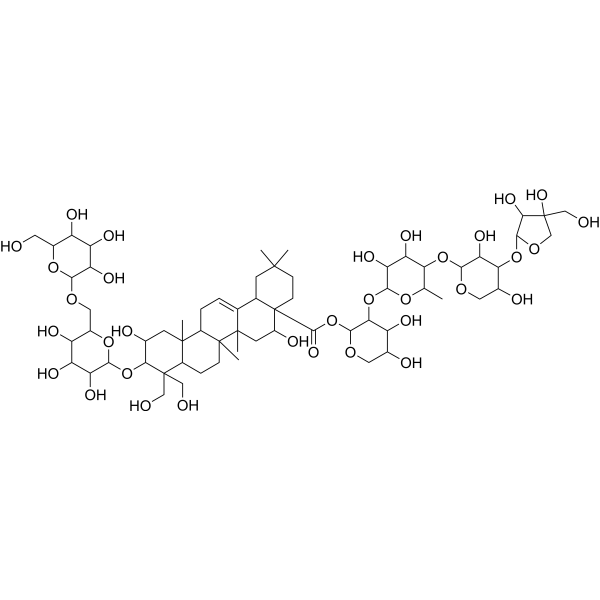
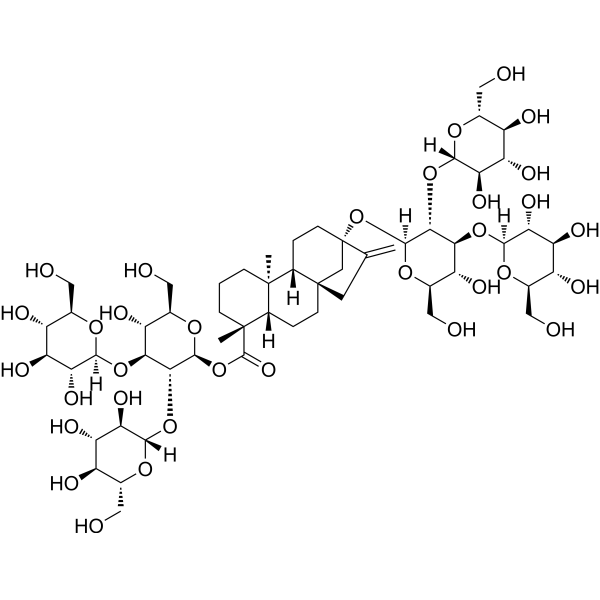
Platycodin D3 is a triterpenoid saponin that can be found in Platycodon grandiflorum. Platycodin D3 exhibits multiple activities including anti-inflammation, regulation of airway mucus secretion, improvement of asthmatic airway inflammation and remodeling, and inhibition of hepatitis C virus (HCV) replication. The IC50 value of Platycodin D3 against HCV NS5B RNA-dependent RNA polymerase is 8 μg/mL. Platycodin D3 can be used in studies related to asthma, hepatitis C virus infection and inflammatory diseases.
For research use only. We do not sell to patients.
- Purity : 98.91%
- CAS No.: 67884-03-1
- Formula: C63H102O33
- Molecular Weight:1387.46
-
Storage:
4°C, protect from light
* In solvent : -80°C, 6 months; -20°C, 1 month (protect from light)

To place orders, for customer services and technical support, please contact: MedChemExpress USA
Tel: 609-228-6898 E-mail: [email protected] [email protected]


-
 Biological Activity
-
Chemical Information
- Protocols
- Purity & Documentation
- References
-
 Help & FAQs


-
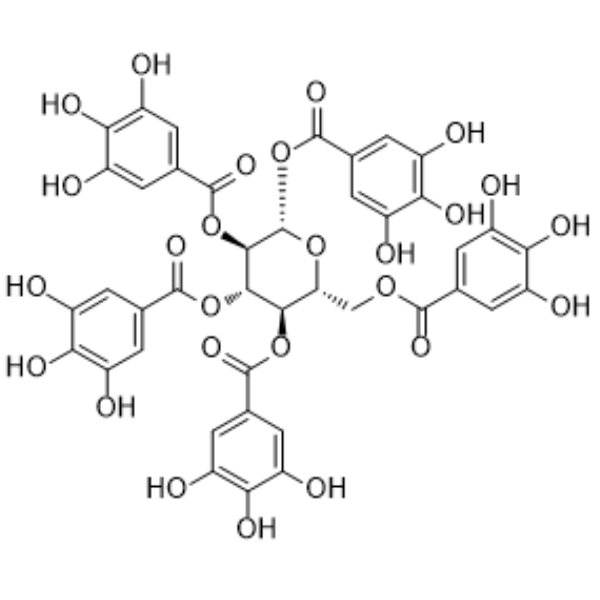
HY-N0527
PentagalloylglucoseAntioxidant -
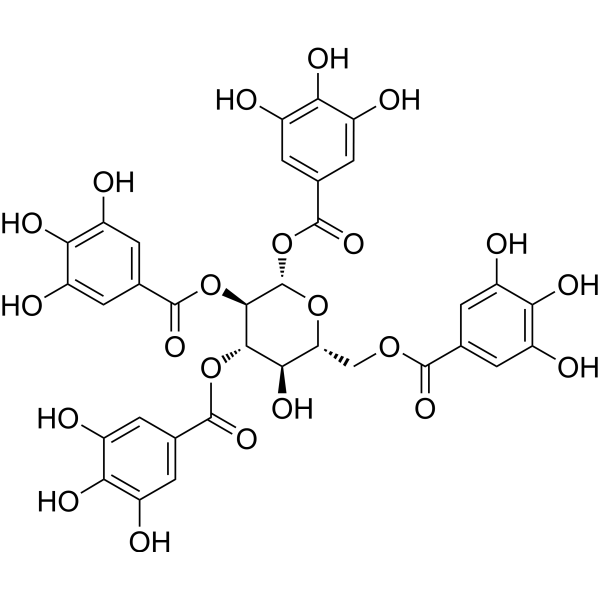
HY-111832
1,2,3,6-TetragalloylglucoseUGT1A1 Inhibitor -
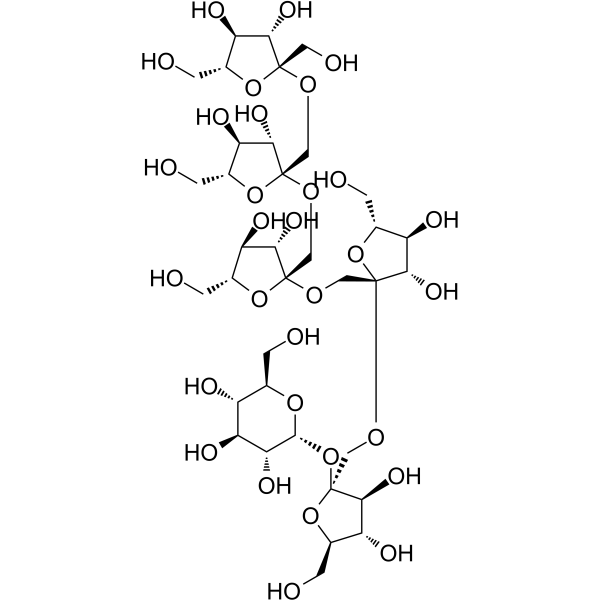
HY-N6838
1,1,1,1-KestohexaoseFructooligosaccharide -
HY-N3520
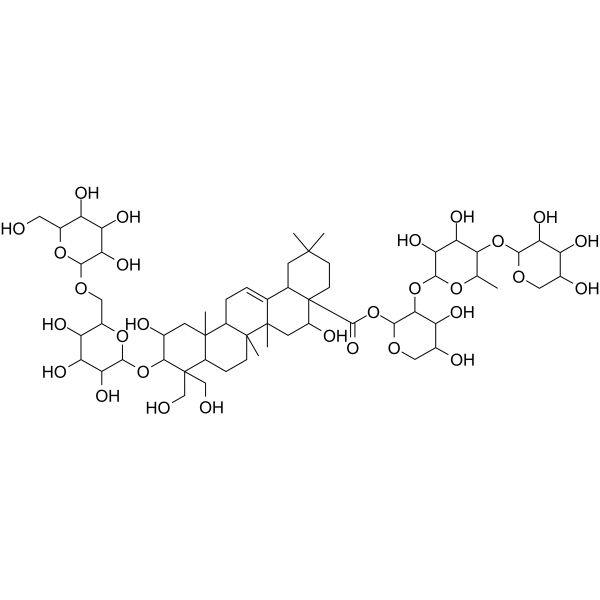
Deapi-platycodin D3 -
HY-N0502
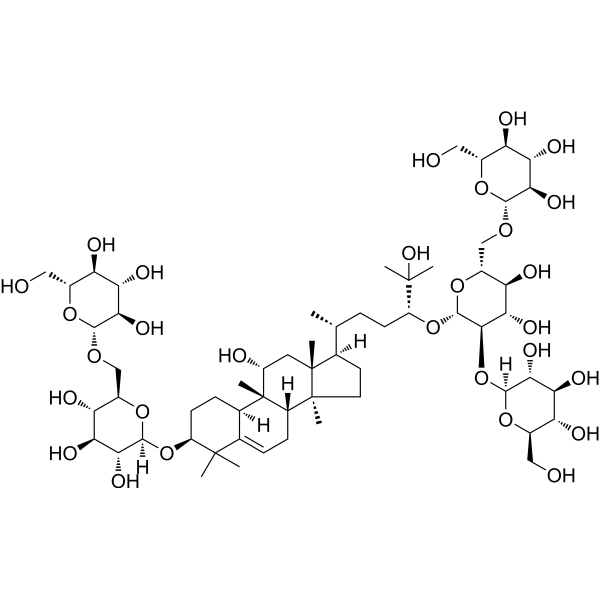
Mogroside VAntioxidant Compound -
HY-N2577
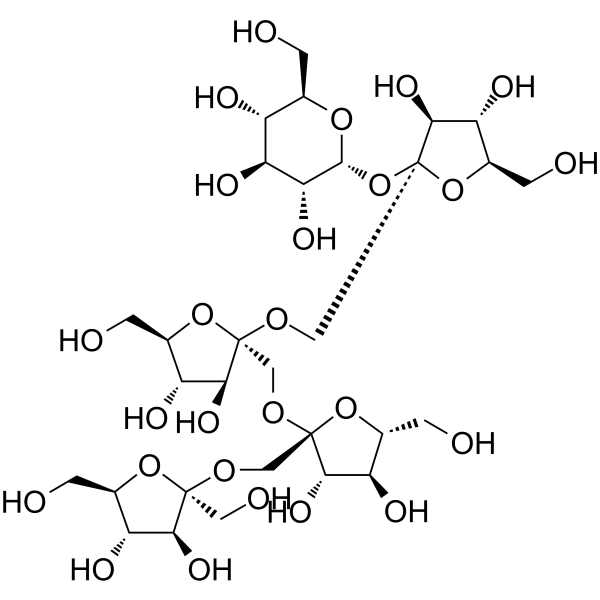
1F-FructofuranosylnystoseFructo-oligose -
HY-N2109
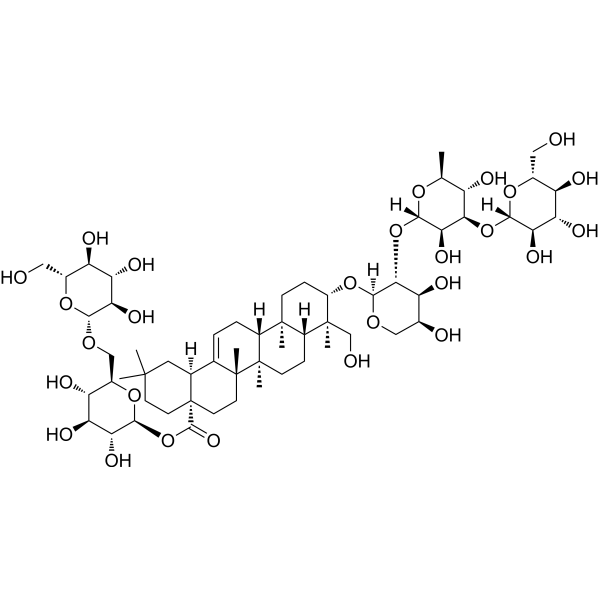
Macranthoidin ASaponin -
HY-N6833
Rebaudioside MSweetener
Publications Citing Use of MedChemExpress (MCE) Platycodin D3
More

Biological Activity
Description
In Vitro
Platycodin D3 inhibits the activity of HCV NS5B RdRp with an IC50 of 8 μg/mL, and does not inhibit the activity of HCV NS3/4A protease[1].
Platycodin D3 (72 h) inhibits RNA replication of HCV genotype 1b in Huh7 replicon cells, with an EC50 of 2.33 μg/mL and a CC50 of 100 μg/mL in Huh7 cells, indicating low cytotoxicity[1].
Platycodin D3 (48 h) inhibits HCV genotype 2a (JFH1) RNA replication in infected Huh7 cells, with an EC50 of 27 μg/mL[1].
Platycodin D3 (0.5-5 μg/mL; 3 days) dose-dependently inhibits the expression of HCV NS5A protein in Huh7 cells harboring the subgenomic replicon of HCV genotype 1b[1].
Platycodin D3 (0-60 μM; 24 h) dose-dependently inhibits nitric oxide production in RAW 264.7 cells activated by LPS (HY-D1056) and IFN-γ, with an IC50 of 55 μM, and shows no cytotoxicity at concentrations up to 60 μM[2].
Platycodin D3 (20-50 μM; 16-24 h) dose-dependently inhibits iNOS protein expression and upregulates TNF-α mRNA expression in RAW 264.7 cells activated by LPS and IFN-γ[2].
Platycodin D3 (1-100 μM; 30 min pre-incubation) inhibits the production and secretion of MUC5AC mucin in PMA (HY-18739)-induced NCI-H292 cells[3].
MedChemExpress (MCE) has not independently confirmed the accuracy of these methods. They are for reference only. Further protocols information, click here.
-
Cell Line:Huh7 cells harboring HCV genotype 1b subgenomic replicon
-
Concentration:0.5, 1, 5 μg/mL
-
Incubation Time:3 days
-
Result:Prominently reduced HCV NS5A protein expression in a dose-dependent manner.
Resulted in near-complete inhibition of NS5A protein levels relative to untreated controls at 5 μg/mL.
In Vivo
MedChemExpress (MCE) has not independently confirmed the accuracy of these methods. They are for reference only.
-
Animal Model:BALB/c (male, 6-8 weeks old, 18-20 g, ovalbumin + aluminum hydroxide-induced asthma)[4]
-
Dosage:20 mg/kg/d; 40 mg/kg/d; 80 mg/kg/d
-
Administration:daily; 8 weeks
-
Result:Enhanced airway dynamic compliance and reduced total airway resistance in a dose-dependent manner following methacholine challenge.
Reduced total inflammatory cells, eosinophils, macrophages, lymphocytes, and neutrophils in BALF in a dose-dependent manne.
Reduced BALF levels of eotaxin, IL-4, IL-5, IL-13, IFN-γ, and serum IgE in a dose-dependent manner.
Reduced lung tissue inflammatory cell infiltration, mucus hypersecretion, and goblet cell hyperplasia in a dose-dependent manner via HE and PAS staining.
Inhibited phosphorylation of NF-κBp65, p38, ERK1/2, and JNK1/2 proteins in lung tissue.


Chemical Information
-
CAS No. 67884-03-1
-
Appearance Solid
-
Molecular Weight 1387.46
-
Formula C63H102O33
-
Color White to off-white
-
SMILES
OC(C(C(OC1C(C(C(O)CO1)OC2C(C(CO)(O)CO2)O)O)C(C)O3)O)C3OC(C(C(O)CO4)O)C4OC(C56C(CC(C)(C)CC6)C7=CCC(C8(C(C(CO)(C(OC9OC(C(O)C(O)C9O)COC%10OC(C(O)C(O)C%10O)CO)C(O)C8)CO)CC%11)C)C%11(C)C7(C)CC5O)=O
-
Structure Classification
-
Initial Source
-
Shipping
Room temperature in continental US; may vary elsewhere.
-
Storage
4°C, protect from light
* In solvent : -80°C, 6 months; -20°C, 1 month (protect from light)


Publications (1)
-
Journal Impact Factor
-
Most Recent
-
Vet Microbiol
The Chinese medicine monomer Schisandrin C inhibits PRRSV infection by regulating the OGT-PI3K/AKT/mTOR signaling pathway. [Abstract]2026 May:316:110992. PMID: 41865607

Protocols
-
Research Protocol for Infectious Diseases
Infectious-disease experiments test how pathogens interact with host barriers, innate immune receptors, inflammatory signaling, pathogen replication, and tissue injury; pattern-recognition receptors such as TLRs, RIG-I-like receptors, NOD-like receptors, and inflammasomes detect microbial molecules and activate NF-κB, interferon, and cytokine responses. The central hypothesis is that infection severity reflects the balance between pathogen burden and host response: protective inflammation restricts pathogen growth, whereas excessive or mislocalized inflammation contributes to tissue damage and disease phenotype. Unresolved questions include which host pathways are protective versus pathogenic, why some infection models fail to translate to human disease, and which combined readouts best predict clinically relevant infection outcomes.
-
Cell Cytotoxicity Assay
Cytotoxicity assays are usually based on the assessment of cell membrane damage, which can also be indirectly detected by measuring cell viability. Detection methods include MTT assay, CKK-8 assay, LDH assay and ATP assay, etc.
-
Research Protocol for Inflammation-related Diseases
The NLRP3 inflammasome is a cytosolic innate immune signaling platform that integrates priming signals and danger-signal activation to promote caspase-1 activation, maturation of IL-1β and IL-18, and gasdermin D-mediated pyroptotic cell death. The core experimental logic is to determine whether inflammatory disease phenotypes are driven by increased NLRP3 expression, ASC-containing inflammasome assembly, caspase-1 cleavage, GSDMD cleavage, and extracellular release of IL-1β/IL-18 rather than by nonspecific cell injury alone. The pathway is strongly linked to inflammation-related disease phenotypes because monosodium urate crystals activate NALP3/NLRP3 inflammasome signaling in gout-like crystal inflammation, cholesterol crystals activate NLRP3 inflammasomes in atherogenesis models, and DSS-induced intestinal inflammation has been reported to involve NLRP3 inflammasome activity. However, experimental colitis studies also show context-dependent protective effects of NLRP3 inflammasome co


Purity & Documentation
-
Data Sheet (276 KB)
-
SDS (252 KB)
- English - EN (252 KB)
- Français - FR (252 KB)
- Deutsch - DE (252 KB)
- Norwegian - NO (252 KB)
- Español - ES (252 KB)
- Swedish - SV (252 KB)
- Italian - IT (252 KB)
- Korean - KR (252 KB)
- Portuguese - PT (252 KB)
-
Handling Instructions (2659 KB)
References
[1]. Kim JW, et al. Triterpenoid Saponins Isolated from Platycodon grandiflorum Inhibit Hepatitis C Virus Replication. Evid Based Complement Alternat Med. 2013;2013:560417. [Content Brief]
[2]. Wang C, et al. Platycodin D and D3 isolated from the root of Platycodon grandiflorum modulate the production of nitric oxide and secretion of TNF-alpha in activated RAW 264.7 cells. Int Immunopharmacol. 2004;4(8):1039-1049. [Content Brief]
[3]. Ryu J, et al. Effects of the root of Platycodon grandiflorum on airway mucin hypersecretion in vivo and platycodin D(3) and deapi-platycodin on production and secretion of airway mucin in vitro. Phytomedicine. 2014;21(4):529-533. [Content Brief]
[4]. Peng F, et al. Protective Effects of Platycodin D3 on Airway Remodeling and Inflammation via Modulating MAPK/NF-κB Signaling Pathway in Asthma Mice. Evid Based Complement Alternat Med. 2022;2022:1612829. Published 2022 Aug 10. [Content Brief]

Calculators
Concentration (start) × Volume (start) = Concentration (final) × Volume (final)


Platycodin D3 Related Classifications
HY-N3519 Related Classifications
 Powered by Bioz
Keywords
- Platycodin D3
- 67884-03-1
- Platycodin D 3
- Platycodin D-3
- HCV
- Branched Chain Amino Acid Transaminase (BCAT)
- Interleukin Related
- NF-κB
- ERK
- p38 MAPK
- JNK
- NCI-H292 cells
- ERK1/2
- Huh7 cells
- RAW 264.7 cells
- NF-κBp65
- p38 proteins
- human HCV NS5B RNA-dependent RNA polymerase
- asthmatic mice
- JNK1/2
- Platycodon grandiflorum
- Inhibitor
- inhibitor
- inhibit