759 Results for "

Epithelial

" in MedChemExpress (MCE) Product Catalog:
Products (759)

759 Results for "Epithelial" in MCE Product Catalog:

6
6 Cited Publications
Cat. No.: HY-111431
CAS No.: 3233-58-7
Purity:  99.87%
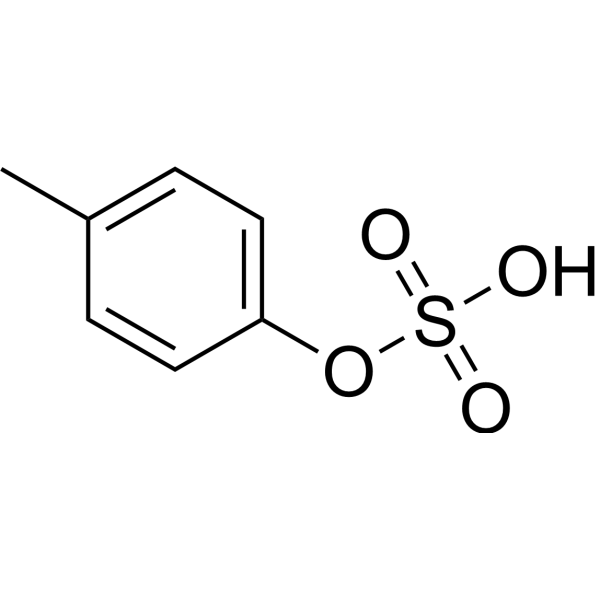
Synonyms: p-Tolyl sulfate
p-Cresyl sulfate (p-Tolyl sulfate) is a uremic toxin, that can cause renal damage and dysfunction. p-Cresyl sulfate shows antiproliferation activity. p-Cresyl sulfate increases the protein expression of HIF-1α and VHL, decreases the protein expression of HIF-2α. p-Cresyl sulfate induces epithelial-mesenchymal transition (EMT). p-Cresyl sulfate activates the JNK and p38 MAPK signaling pathways .
loading...
    loading...
6
6 Cited Publications
Cat. No.: HY-N0260
CAS No.: 110642-44-9
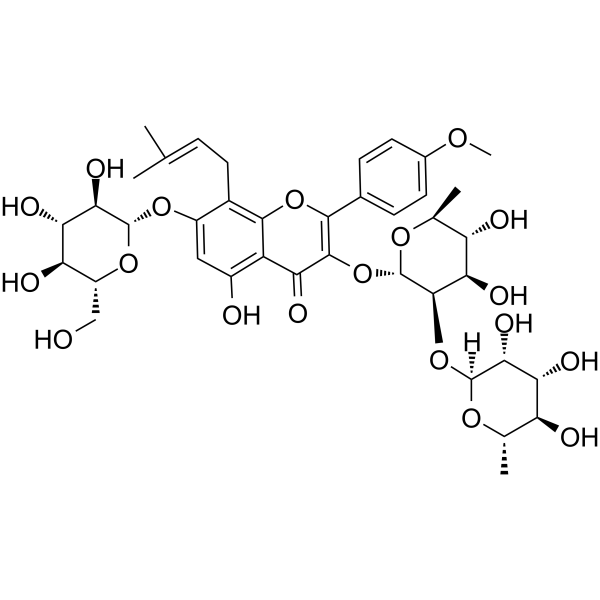
Synonyms: Epimedin-C; Baohuoside-VI
Epmedin C (Epimedin-C; Baohuoside-VI) is an orally active anti-inflammatory agent and immunomodulator that binds to multiple key proteins including UCP1, Caspase-1, CDK2 and Keap1. Epmedin C inhibits epithelial cell proliferation by disrupting the complex function of CDK2/Cyclin E. Epmedin C also upregulates Nrf2 expression, reduces ROS levels and inhibits pro-inflammatory cytokine secretion, thereby effectively restoring antibody production and alleviating tissue damage. Epmedin C has good safety with no hepatotoxicity or skin sensitization, and it has been used in studies on diseases such as obesity, Deoxynivalenol (HY-N6684)-induced immunotoxicity and mammary hyperplasia .
loading...
    loading...
5
5 Cited Publications
Cat. No.: HY-12693
CAS No.: 54197-31-8
Purity:  99.17%
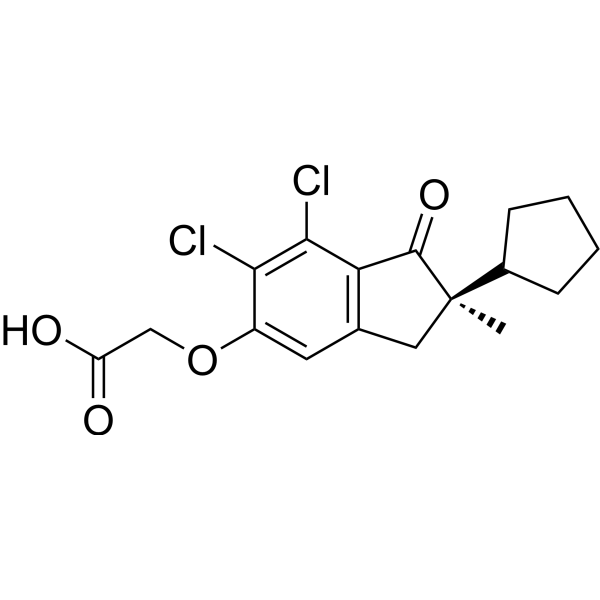
Synonyms: R(+)-IAA-94
Target:  

Chloride Channel

Research Areas:  

Others

R(+)-Methylindazone (R(+)-IAA-94) is a potent indanyloxyacetic acid blocker of epithelial chloride channels. R(+)-Methylindazone inhibits Nef-sdAb19 (single-domain antibody) interaction and binds to negative factor (Nef) .
loading...
    loading...
5
5 Cited Publications
Cat. No.: HY-103038
CAS No.: 1883510-31-3
Purity:  98.06%
Target:  

c-Myc Autophagy

Research Areas:  

Cancer

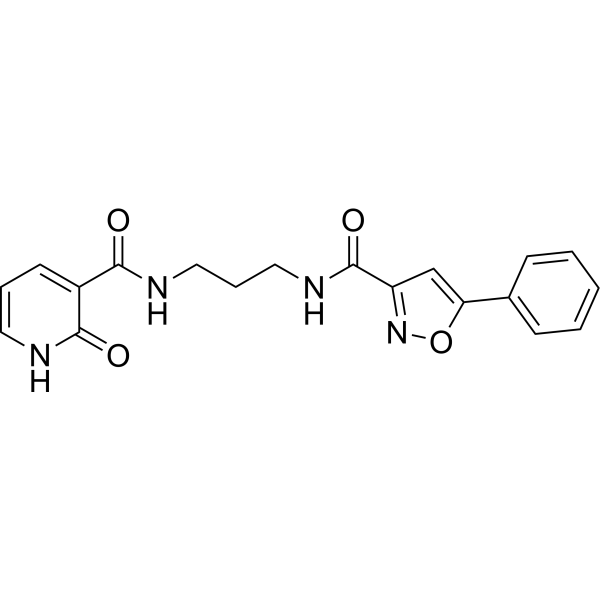
ML327 is a blocker of MYC which can also de-repress E-cadherin transcription and reverse Epithelial-to-Mesenchymal Transition (EMT).
loading...
    loading...
5
5 Cited Publications
Cat. No.: HY-134570
CAS No.: 1211825-25-0
Purity:  99.75%
Target:  

FAK

ZINC40099027 is a selective FAK activator. ZINC40099027 promotes FAK phosphorylation, without activating its paralogs Pyk2 and Src. ZINC40099027 promotes the wound closure of human intestinal epithelial monolayers and the healing of mouse ulcers by activating FAK. ZINC40099027 can be used for diseases related to gastrointestinal mucosal injury research .
loading...
    loading...
5
5 Cited Publications
Cat. No.: HY-100432
CAS No.: 877963-94-5
Purity:  ≥98.0%
Target:  

PDI

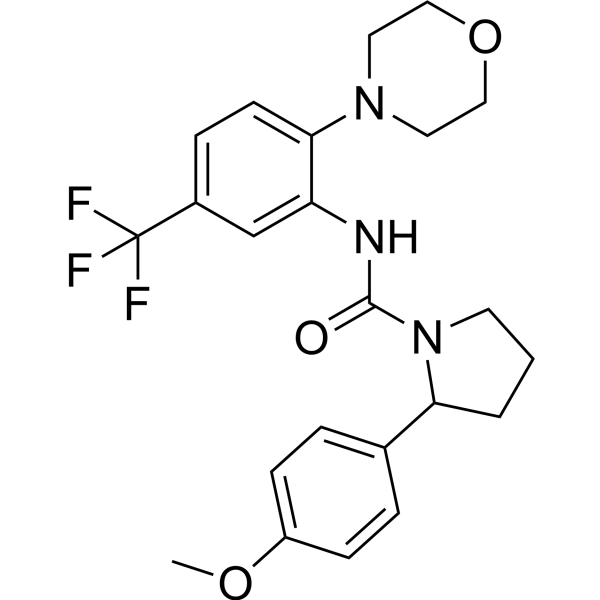
LOC14 is a potent Protein disulfide isomerase (PDI) inhibitor with EC50 and Kd values of 500 nM and 62 nM, respectively. LOC14 exhibits high stability in mouse liver microsomes and blood plasma, low intrinsic microsome clearance, and low plasma-protein binding . LOC14 inhibits PDIA3 activity, decreases intramolecular disulfide bonds and subsequent oligomerization (maturation) of HA in lung epithelial cells .
loading...
    loading...
4
4 Cited Publications
Cat. No.: HY-103473
CAS No.: 67247-12-5
Purity:  99.93%
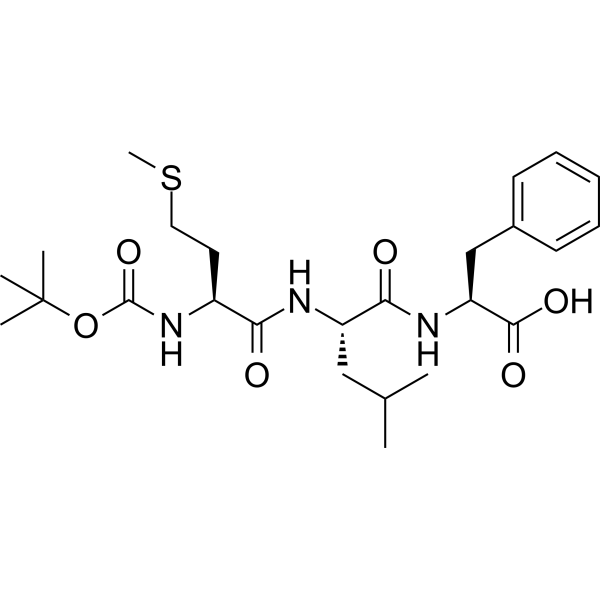
Synonyms: Boc-Met-Leu-Phe-OH
Research Areas:  

Inflammation/Immunology

Boc-MLF (Boc-Met-Leu-Phe-OH) is a competitive FPR1 antagonist. Boc-MLF inhibits fMLF-induced neutrophil activation through FPR. Boc-MLF inhibits receptor-induced inflammation and cell migration. Boc-MLF inhibits amniotic epithelial-mesenchymal transition. Boc-MLF reduces pro-inflammatory cytokine levels. Boc-MLF increases collagen expression in fetal membranes. Boc-MLF reverses fetal membrane epithelial cell collapse, increases villi, and reduces mucus attachment. Boc-MLF can be used in research on premature rupture of fetal membranes .
loading...
    loading...
4
4 Cited Publications
Cat. No.: HY-103473A
Purity:  99.48%
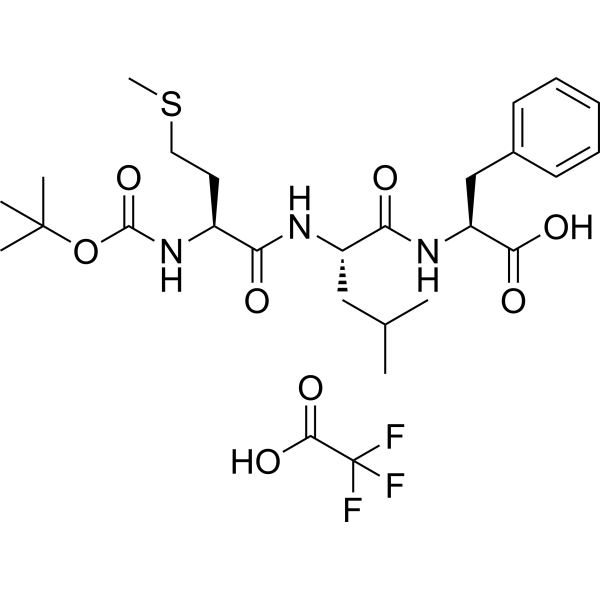
Synonyms: Boc-Met-Leu-Phe-OH TFA
Research Areas:  

Inflammation/Immunology

Boc-MLF TFA (Boc-Met-Leu-Phe-OH TFA) is a competitive FPR1 antagonist. Boc-MLF TFA inhibits fMLF-induced neutrophil activation through FPR. Boc-MLF TFA inhibits receptor-induced inflammation and cell migration. Boc-MLF TFA inhibits amniotic epithelial-mesenchymal transition. Boc-MLF TFA reduces pro-inflammatory cytokine levels. Boc-MLF TFA increases collagen expression in fetal membranes. Boc-MLF TFA reverses fetal membrane epithelial cell collapse, increases villi, and reduces mucus attachment. Boc-MLF TFA can be used in research on premature rupture of fetal membranes .
loading...
    loading...
4
4 Cited Publications
Cat. No.: HY-N0428
CAS No.: 751-03-1
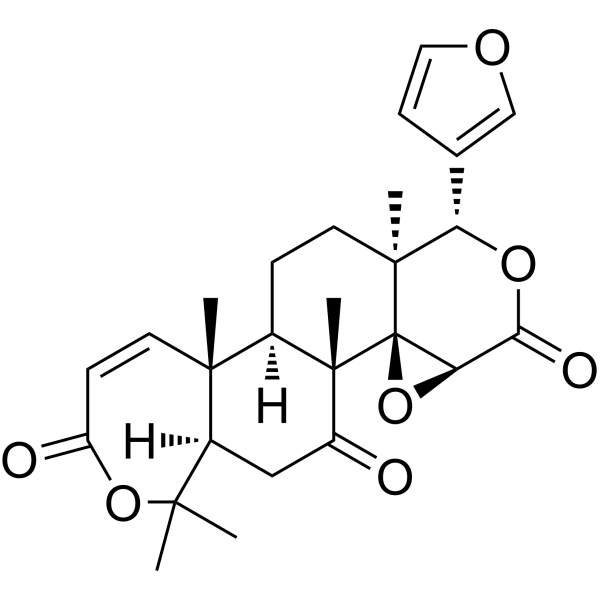
Obacunone is a highly oxidized triterpenoid limonoid isolated from citrus plants. Obacunone exerts its anticancer effects by inducing apoptosis. Obacunone also protects retinal pigment epithelial (RPE) cells from ultraviolet (UV) radiation (UVR)-induced oxidative damage .
loading...
    loading...
4
4 Cited Publications
Cat. No.: HY-N2098
CAS No.: 477-85-0
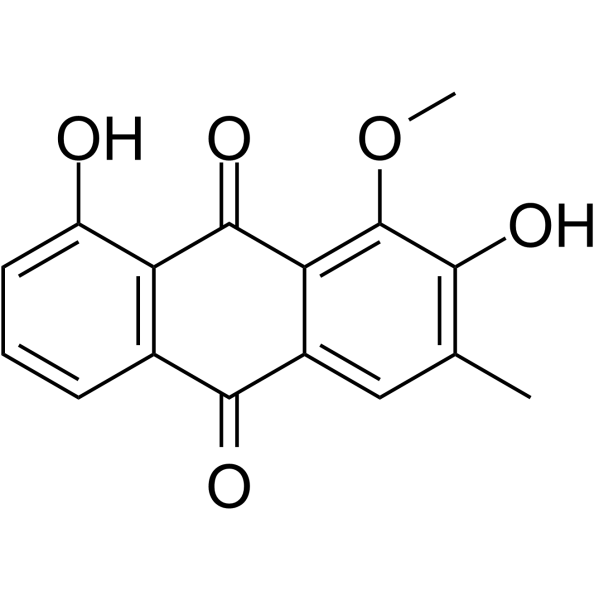
Obtusifolin, isolated from the seeds of Cassia obtusifolia, regulates the gene expression and production of MUC5AC mucin in airway epithelial cells via inhibiting NF-kB pathway . Obtusifolin suppresses phthalate esters-induced breast cancer bone metastasis by targeting parathyroid hormone-related protein .
loading...
    loading...
4
4 Cited Publications
Cat. No.: HY-101981
CAS No.: 58-97-9
Purity:  99.98%
Synonyms: 5'-​Uridylic acid
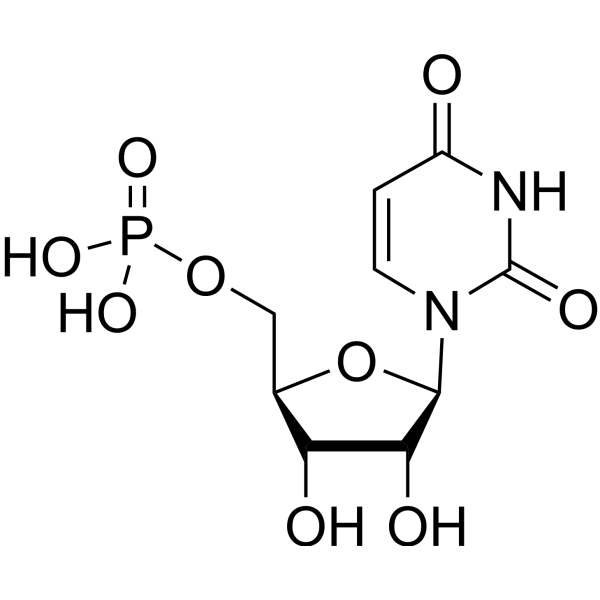
Uridine 5'-monophosphate (5'-Uridylic acid) is an orally active mitochondrial ATP-dependent potassium channel activator that has a protective effect on the heart. Uridine 5'-monophosphate can promote the synthesis of CDP-choline and induce apoptosis in intestinal epithelial cells, which is beneficial for gut development and reduces diarrhea .
loading...
    loading...
4
4 Cited Publications
Cat. No.: HY-W013175
CAS No.: 3387-36-8
Synonyms: 5'-​Uridylic acid disodium salt
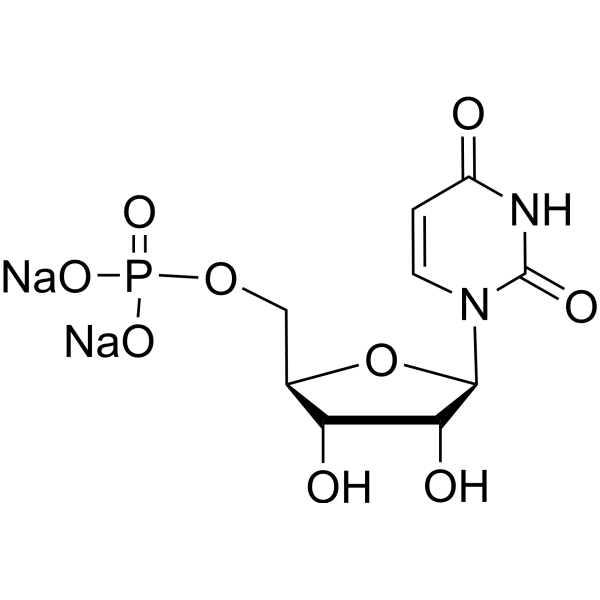
Uridine 5'-monophosphate (5'-Uridylic acid) disodium salt is an orally active mitochondrial ATP-dependent potassium channel activator that has a protective effect on the heart. Uridine 5'-monophosphate disodium salt can promote the synthesis of CDP-choline and induce apoptosis in intestinal epithelial cells, which is beneficial for gut development and reduces diarrhea .
loading...
    loading...
4
4 Cited Publications
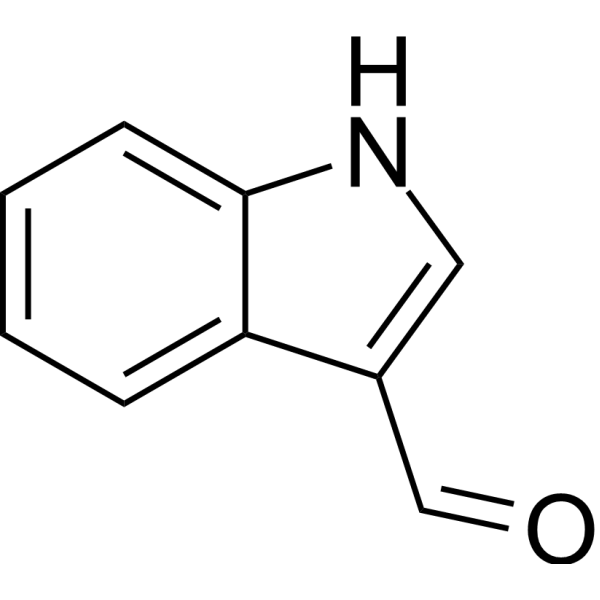
Cat. No.: HY-W007376
CAS No.: 487-89-8
Synonyms: 3-Formylindole
Indole-3-carboxaldehyde (3-Formylindole), a banlangen extract, is the product of the oxidative degradation of indole-3-acetic acid (IAA) by crude enzyme preparations from etiolated pea seedlings. Indole-3-carboxaldehyde is a biochemical used to prepare analogs of the indole phytoalexin cyclobrassinin. Indole-3-carboxaldehyde also enhances the epithelial barrier and anti-inflammatory activity in the intestinal tract .
loading...
    loading...
4
4 Cited Publications
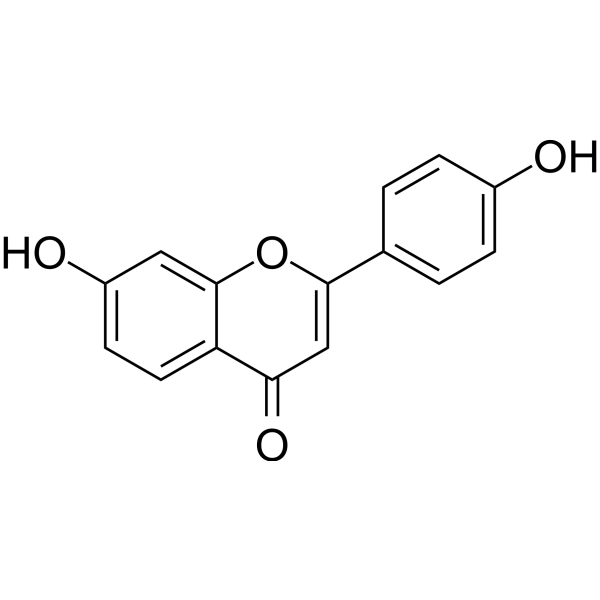
Cat. No.: HY-N2609
CAS No.: 2196-14-7
7,4'-Dihydroxyflavone (7,4'-DHF) is a flavonoid, which can be isolated from Glycyrrhiza uralensis. 7,4'-Dihydroxyflavone is eotaxin/CCL11 inhibitor and CBR1 inhibitor (IC50=0.28 μM). 7,4'-Dihydroxyflavone has the ability to consistently suppress eotaxin production and prevent dexamethasone (Dex)‐paradoxical adverse effects on eotaxin production . 7,4'-Dihydroxyflavone (7,4'-DHF) inhibits MUC5AC gene expression, mucus production and secretion via regulation of NF-κB, STAT6 and HDAC2.7,4'-Dihydroxyflavone (7,4'-DHF) decreases phorbol 12-myristate 13-acetate (PMA) stimulated NCI-H292 human airway epithelial cell MUC5AC gene expression and mucus production with IC50 value of 1.4 µM .
loading...
    loading...
3
3 Cited Publications
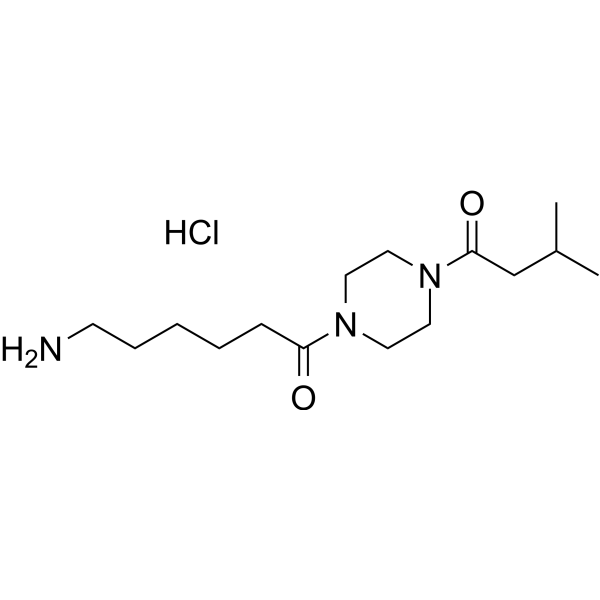
Cat. No.: HY-124748A
CAS No.: 2703451-51-6
Purity:  98.33%
ENMD-1068 hydrochloride is a selective protease-activated receptor 2 (PAR2) antagonist. ENMD-1068 hydrochloride reduces hepatic stellate cell activation and collagen expression by inhibiting TGF-β1/Smad signaling. ENMD-1068 hydrochloride also inhibits the proliferation of endometrial cells and induces apoptosis of epithelial cells in the lesion. ENMD-1068 hydrochloride can be used in the study of endometriosis and liver fibrosis .
loading...
    loading...
3
3 Cited Publications
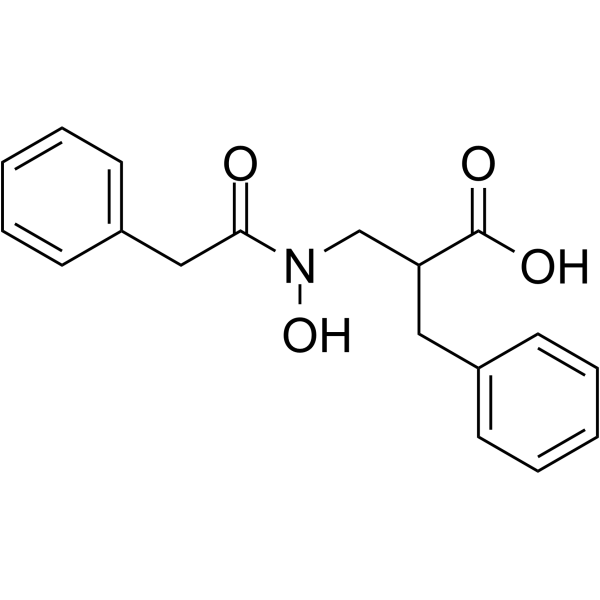
Cat. No.: HY-70005
CAS No.: 223532-02-3
Synonyms: Carboxypeptidase inhibitor
Research Areas:  

Inflammation/Immunology

CPA inhibitor (Compound 5) (Carboxypeptidase inhibitor) is an orally active competitive carboxypeptidase A (CPA) inhibitor with a Ki value of 0.32 μM. CPA inhibitor blocks the activity of carboxypeptidase A3 (CPA3). CPA activator activates the Wnt/Lrp6/β-catenin signaling pathway. CPA inhibitor reduces epithelial damage. CPA inhibitor is applicable to research related to inflammatory bowel disease, including ulcerative colitis and Crohn's disease .
loading...
    loading...
3
3 Cited Publications
Cat. No.: HY-B0723
CAS No.: 128607-22-7
Synonyms: FC-1271a
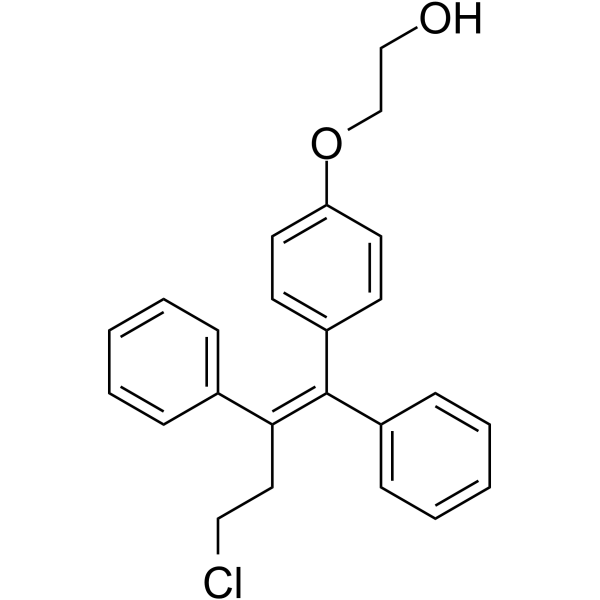
Ospemifene (FC-1271a) is an orally active and non-estrogenic selective estrogen receptor modulator (SERM) with Ki values of 380 and 410 nM for estrogen receptor α (ERα) and ERβ, respectively. Ospemifene inhibits caspase-3 activity. Ospemifene inhibits neuronal degeneration, prevents bone loss, and increases vaginal weight and vaginal epithelial height. Ospemifene has anticancer activity against breast cancer .
loading...
    loading...
3
3 Cited Publications
Cat. No.: HY-32350
CAS No.: 60133-18-8
Synonyms: 1α,25-Dihydroxy Vitamin D2
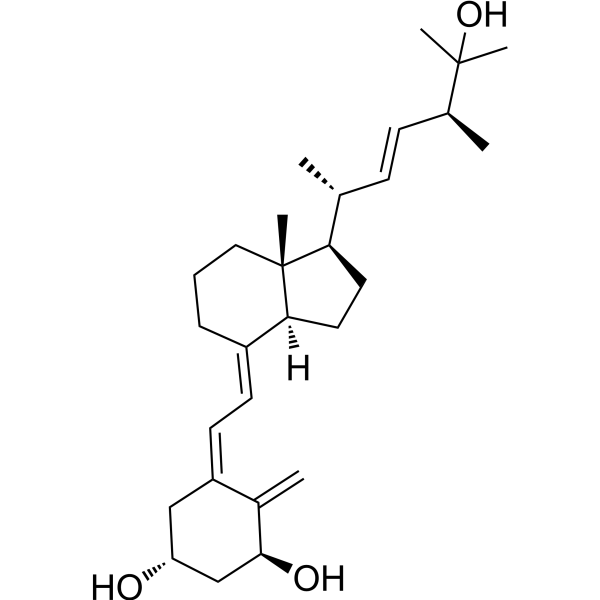
Ercalcitriol (1α,25-Dihydroxy Vitamin D2) is a vitamin D receptor (VDR) agonist with high binding affinity. After binding to VDR, Ercalcitriol forms a complex with retinoid X receptor (RXR) to regulate target gene transcription. For example, Ercalcitriol induces human gingival/oral epithelial cells to produce human cat antimicrobial peptide (hCAP-18/LL-37), which has antimicrobial activity against periodontal pathogens such as Porphyromonas gingivalis. Ercalcitriol enhances the innate immune defense of the oral mucosa by promoting the expression of antimicrobial peptides, and is mainly used in the study of periodontal diseases and immune-related oral diseases .
loading...
    loading...
3
3 Cited Publications
Cat. No.: HY-D0227
CAS No.: 77-86-1
Synonyms: Tris; Tris(hydroxymethyl)aminomethane
Research Areas:  

Metabolic Disease

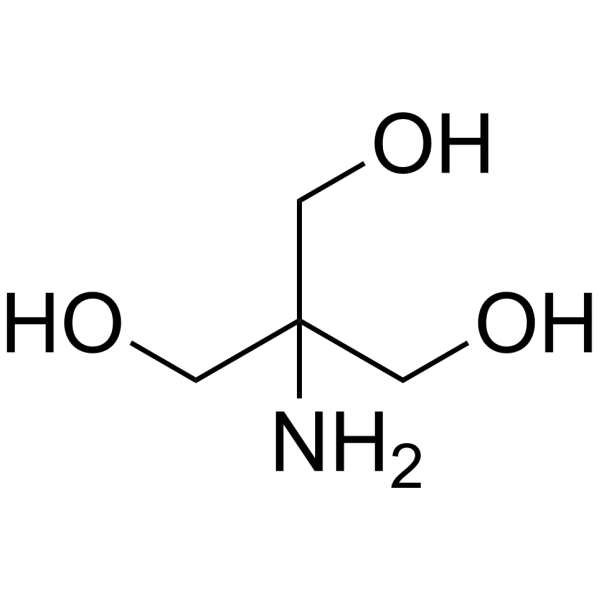
THAM (Tris) is a low-toxicity amino alcohol buffer, a specific CO2-consuming proton acceptor that buffers carbon dioxide and acid both in vitro and in vivo. THAM binds protons to form bicarbonate, reduces PaCO2, and induces intracellular alkalization, thereby ameliorating hypercapnia-induced elevation of pulmonary blood vessels and pulmonary arterial pressure. THAM may cause PaCO2 rebound, hypoglycemia, and respiratory depression. THAM removes amniotic epithelium and preserves the basement membrane, but depletes extracellular matrix and reduces the adhesion rate of limbal epithelial cells. THAM can act as a CO2 carrier to enhance the productivity and carbon utilization rate of Scenedesmus obliquus. THAM is a key component of buffer solutions used in various biological, cell culture, biochemical, and molecular biology applications .
loading...
    loading...
3
3 Cited Publications
Cat. No.: HY-N4185
CAS No.: 61153-77-3
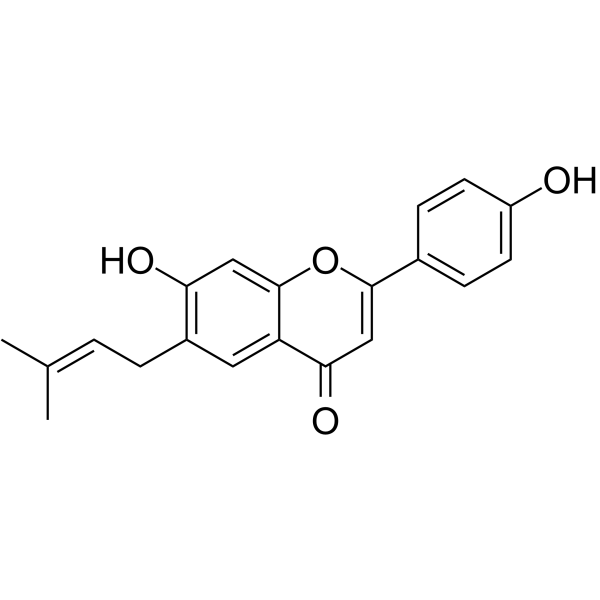
Licoflavone A is an orally active PTP1B/VEGFR-2 inhibitor, with an IC50 of 54.5 μM against PTP1B, an IC50 of 14.36 μM and a Kd of 142.38 nM against human VEGFR-2. Licoflavone A blocks the PI3K/AKT and MEK/ERK signaling pathways. Licoflavone A induces G1 phase cell cycle arrest, apoptosis via the intrinsic mitochondrial pathway (apoptosis), and inhibits migration, invasion and epithelial-mesenchymal transition (EMT) of gastric cancer cells. Licoflavone A inhibits the proliferation of gastric cancer cells in vitro and in xenograft models. Licoflavone A reduces the expression levels of HIF-1α, GLUT1, LDHA, PKM2 and HK2 in hypoxic gastric cancer cells, decreases glucose uptake and suppresses glycolysis. Licoflavone A can be used in research related to gastric cancer, type 2 diabetes and obesity .
loading...
    loading...

