104 Results for "

brain cell proliferation

" in MedChemExpress (MCE) Product Catalog:
Products (104)

104 Results for "brain cell proliferation" in MCE Product Catalog:

1
1 Cited Publications
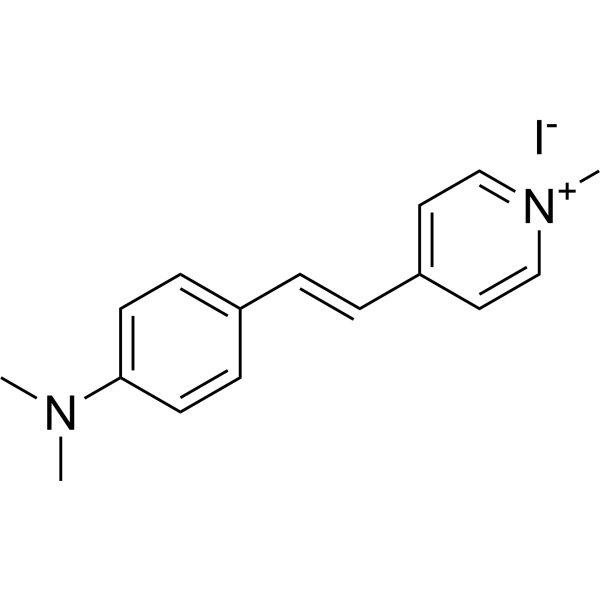
Cat. No.: HY-W094758A
CAS No.: 959-81-9
4-Di-1-ASP is a styryl dye used to stain glioma cells in living brain tissue for analysis of cell structure, viability, proliferation and endocytosis, cytokinesis and phagocytosis, as well as for observation of mitochondrial structures in living cells. 4-Di-1-ASP fluoresces green when imaged microscopically (λex /λem = 475/606 nm) .
loading...
    loading...
1
1 Cited Publications
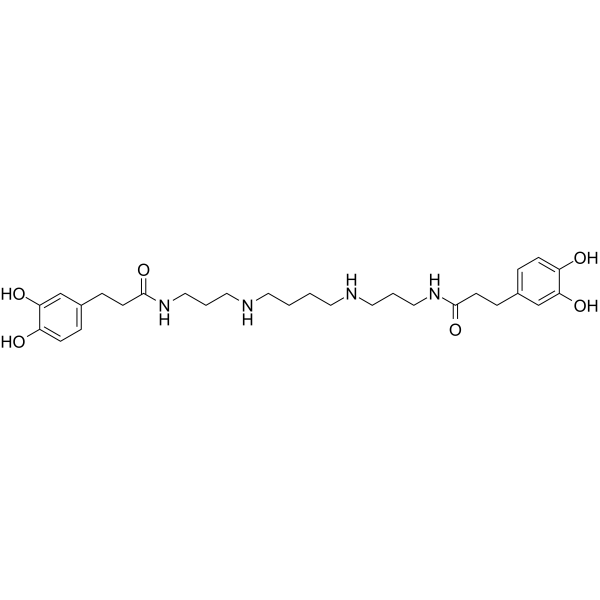
Cat. No.: HY-N2392
CAS No.: 75288-96-9
Kukoamine A, a spermine alkaloid, is an orally active and brain-penetrant component found in the root barks of Lycium chinense (L. chinense) Miller. Kukoamine A inhibits purified Crithidia fasciculata trypanothione reductase and soybean lipoxygenase, activates μ-opioid receptor. Kukoamine A can inhibt cancer cell proliferation, migration and invasion, cause G0/G1 phase cell cycle arrest and induce apoptosis. Kukoamine A exerts neuroprotective effect and can induce autophagy . Kukoamine A inhibits LPS (HY-D1056)-induced NO, ROS, PGE2, TNF-α, IL-1β, IL-6 production and COX-2 activity. Kukoamine A reverses palmitic acid-induced insulin resistance, lipid accumulation, and oxidative stress via downregulation of Srebp-1c. Kukoamine A can be used for the research of cancer, infection, inflammation, metabolic and neurological disease, such as glioblastoma and Parkinson's disease .
loading...
    loading...
1
1 Cited Publications
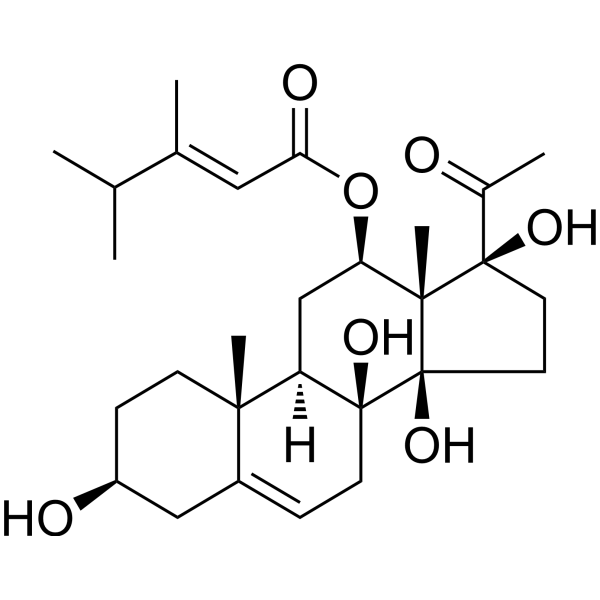
Cat. No.: HY-N1983
CAS No.: 38395-02-7
Caudatin is an orally active and brain-penetrant C-21 steroidal found in Cynanchum bungei decne with a variety of biological activities. Caudatin can inhibit cell proliferation, migration, invasion, cause cell phase arrest, induce apoptosis, autophagy, ROS prodution and loss of mitochondrial membrane potential. Caudatin activates PARP, caspase-3, -7, -9, upregulates pro-apoptotic Bad and Bax and downregulates anti-apoptotic Bcl-2 and Bcl-XL. Caudatin suppresses VEGF, FAK phosphorylation, upregulates p21, p27, DR5 protein expression, activates the p38 MAPK, JNK and PPARα/TFEB-mediated autophagy-lysosomal signaling pathways. Caudatin can be used for the research of cancer, inflammation and neurological disease, such as glioma and Alzheimer's disease .
loading...
    loading...
1
1 Cited Publications
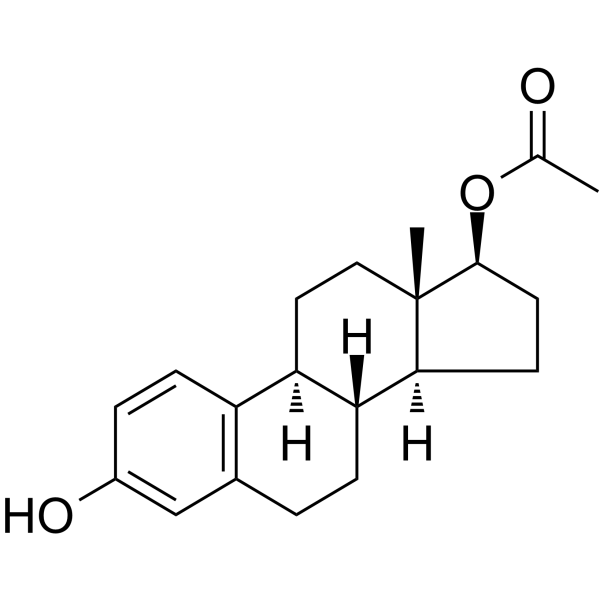
Cat. No.: HY-B0708
CAS No.: 1743-60-8
Synonyms: 1,3,5(10)-Estratriene-3,17β-diol 17-acetate
β-Estradiol 17-acetate (1,3,5(10)-Estratriene-3,17β-diol 17-acetate) is a long-acting endogenous estrogen precursor and also a cell viability and proliferation enhancer. β-Estradiol 17-acetate promotes the adhesion and proliferation of freshly isolated and revived female-derived human brain microvascular endothelial cells, and reverses the decreased viability of revived male-derived human brain microvascular endothelial cells. β-Estradiol 17-acetate exerts the microvascular protective effect of estrogen, enabling non-tumor human brain microvascular endothelial cells to be cultured in vitro for 2 months after cryopreservation. β-Estradiol 17-acetate is biotransformed into β-estradiol via hydrolase action in the in vitro skin of humans, hairless dogs, rats and hairless mice .
loading...
    loading...
1
1 Cited Publications
Cat. No.: HY-N2045
CAS No.: 81-14-1
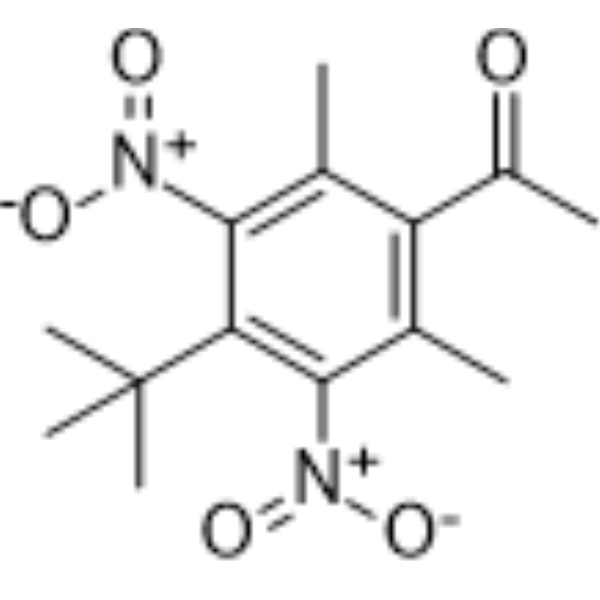
Musk ketone is a widely used artificial fragrance. Musk ketone is also a cytochrome P450 enzyme inducer. Musk ketone shows mutagenic and comutagenic effects in Hep G2 cells and induces neural stem cell proliferation and differentiation in cerebral ischemia via activation of the PI3K/Akt signaling pathway. In the brain, musk ketone is neuroprotective against stroke injury through inhibition of cell apoptosis .
loading...
    loading...
1
1 Cited Publications
Cat. No.: HY-145778
CAS No.: 2377492-26-5
Purity:  99.94%
AGI-41998 is a potent and orally active inhibitor of methionine adenosyltransferase 2A (MAT2A) that effectively penetrates the blood-brain barrier. AGI-41998 exhibits inhibitory activities against MAT2A and S-adenosyl methionine (SAM) in HCT-116 MTAP-null cells with IC50s of 22 nM and 34 nM. AGI-41998 can significantly inhibit the proliferation of HCT-116 cells and tumor growth. AGI-41998 can be used to study the role of SAM regulation in the central nervous system (CNS) and colon cancer .
loading...
    loading...
1
1 Cited Publications
Cat. No.: HY-163121
CAS No.: 1096144-06-7
PST3.1a is an orally active and brain-penetrant N-acetylglucosamine glycosyltransferase (MGAT5) inhibitor with a human IC50 of 2 µM. PST3.1a inhibits TGFβR and FAK signaling pathway activity. PST3.1a alters β1,6-GlcNAc N-glycans and microtubule/microfilament integrity, increases OLIG2 expression, and inhibits proliferation, migration, invasiveness, and clonogenic capacities of glioblastoma initiating cells. PST3.1a reduces invasive and proliferative capacity of glioblastoma initiating cells in orthotopic graft models, increases overall survival of orthotopic graft model mice. PST3.1a blunts MGAT5 overexpression, decreases renal fibrosis via collagen 1, collagen 4, and galectin 3 downregulation in a rat chronic kidney disease model. PST3.1a can be used for the research of glioblastoma multiforme and chronic kidney disease .
loading...
    loading...
Cat. No.: HY-173629
CAS No.: 3082166-76-2
Target:  

Ras Apoptosis

Research Areas:  

Cancer

RMC-5127 is a small molecule inhibitor that binds to GTP-targeted KRAS G12V, with oral bioavailability and blood-brain barrier permeability. RMC-5127 inhibits the activities of the RAS and MAPK pathways, suppresses the proliferation of KRAS G12V-mutant cancer cells and induces their apoptosis. RMC-5127 can be used for the research of KRAS G12V-mutant non-small cell lung cancer, pancreatic ductal adenocarcinoma, colorectal cancer and intracranial KRAS G12V tumors .
loading...
    loading...
Cat. No.: HY-B2167R
CAS No.: 6217-54-5
Synonyms: DHA (Standard); Cervonic acid (Standard)
Docosahexaenoic acid (Standard) is the analytical standard of Docosahexaenoic acid. This product is intended for research and analytical applications. Docosahexaenoic Acid (DHA) is an omega-3 fatty acid abundantly present brain and retina. It can be obtained directly from fish oil and maternal milk. In Vitro: Docosahexaenoic acid (DHA) is essential for the growth and functional development of the brain in infants. DHA is also required for maintenance of normal brain function in adults. The inclusion of plentiful DHA in the diet improves learning ability and memory . DHA is an essential requirement in every step of brain development like neural cell proliferation, migration, differentiation, synaptogenesis. The multiple double bonds and unique structure allow DHA to impart special membrane characteristics for effective cell signaling. Many development disorders like dyslexia, autism spectrum disorder, attention deficit hyperactivity disorder, schizophrenia etc. are causally related to decreased level of DHA . DHA is a potent RXR ligand inducing robust RXR activation already at low micro molar concentrations. The EC50 for RXRα activation by DHA is about 5-10 μM fatty acid . In Vivo: Docosahexaenoic acid administration over 10 weeks significantly reduces the number of reference memory errors, without affecting the number of working memory errors, and significantly increases the docosahexaenoic acid content and the docosahexaenoic acid/arachidonic acid ratio in both the hippocampus and the cerebral cortex . DHA treatment exerts neuroprotective actions on an experimental mouse model of PD. There is a decrease tendency in brain lipid oxidation of MPTP mice but it does not significantly .
loading...
    loading...
Cat. No.: HY-13464
CAS No.: 1197958-12-5
Purity:  99.94%
Synonyms: Brigatinib analog
Research Areas:  

Cancer

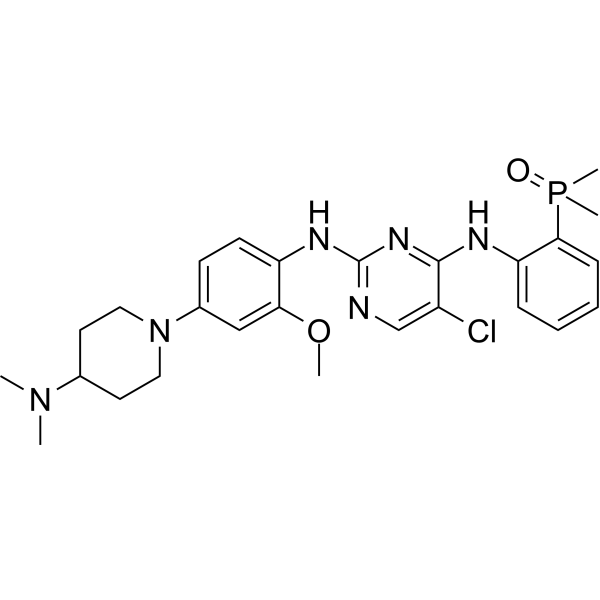
ALK-IN-1 is an orally active, blood-brain barrier-permeable ALK and EGFR inhibitor. ALK-IN-1 binds to and inhibits ALK kinase, ALK fusion proteins, and wild-type and mutant EGFR variants, thereby disrupting their corresponding signaling pathways. ALK-IN-1 can suppress the growth and proliferation of tumor cells and exhibits potential inhibitory activity against mutant EGFR. ALK-IN-1 can be used in the research of non-small-cell lung cancer .
loading...
    loading...
Cat. No.: HY-111940
CAS No.: 2274819-46-2
Purity:  97.23%
Synonyms: LUT014
Omzirafenib (LUT014) is a topical inhibitor targeting BRAF that cannot pass through the blood-brain barrier. Omzirafenib inhibits BRAF kinase and abnormally activates the MAPK/ERK signaling pathway, promoting the proliferation of epidermal keratinocytes, repairing skin barrier damage caused by radiation damage, and alleviating inflammatory responses. Omzirafenib is independent of RAS signaling and accelerates the repair and regeneration of damaged skin cells. Omzirafenib can be used to study radiation dermatitis, especially skin damage caused by breast cancer radiotherapy .
loading...
    loading...
Cat. No.: HY-N0660
CAS No.: 55466-05-2
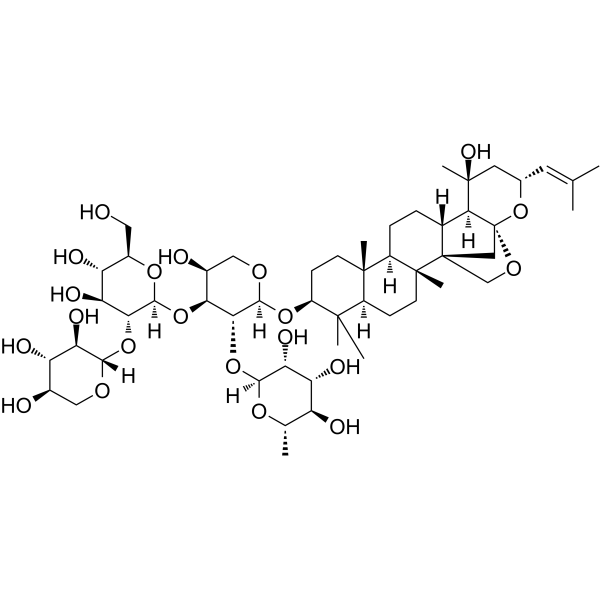
Jujuboside B is a bioactive saponin component isolated from Ziziphi Spinosae Semen (sour jujube seed), with oral efficacy and blood-brain barrier permeability. Jujuboside B induces acute leukemia cell death and drives necroptosis apoptosis by activating the RIPK1/RIPK3/MLKL pathway. Jujuboside B upregulates the expression of NOXA, PARP and caspase-3, activates AMPK, inhibits the proliferation of breast cancer cells, and induces cell apoptosis and autophagy. Jujuboside B inhibits angiogenesis and tumor growth by blocking the VEGFR-2 signaling pathway. Jujuboside B alleviates liver injury in mice by regulating the Nrf2-STING signaling pathway . Jujuboside B alleviates liver injury by regulating anti-inflammatory responses and downregulating the expression of 11β-HSD2. Jujuboside B induces ferroptosis and overcomes radioresistance in non-small cell lung cancer via the PPARγ-ATF3-Gpx4 signaling pathway. Jujuboside B exerts inhibitory effects on platelet aggregation. Jujuboside B inhibits febrile seizures by suppressing the activity of AMPA receptors. Jujuboside B reverses chronic unpredictable mild stress-promoted tumor progression by blocking the PI3K/Akt and MAPK/ERK pathways and dephosphorylating CREB signaling. Jujuboside B is applicable to related studies on acute leukemia, breast cancer, PM2.5-induced lung injury, hepatotoxicity, liver injury, colorectal cancer, non-small cell lung cancer, thromboembolic diseases, cardiovascular diseases associated with high platelet aggregation, febrile seizures, and depressive-like phenotypes .
loading...
    loading...
Cat. No.: HY-P5558
CAS No.: 917760-16-8
Target:  

VEGFR

Research Areas:  

Neurological Disease

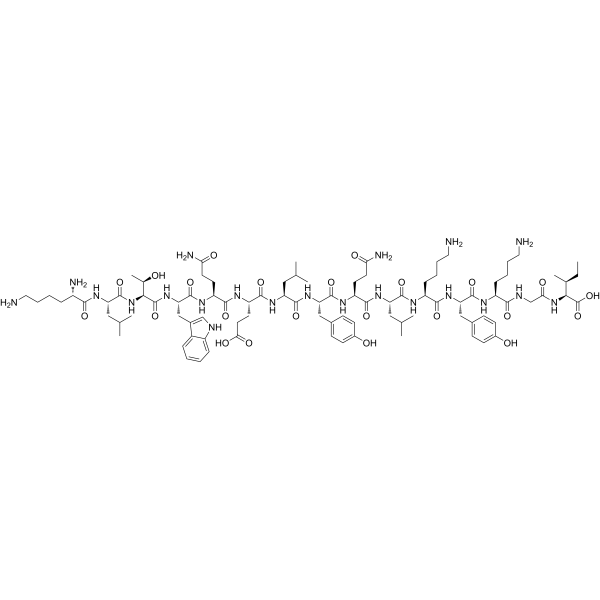
KLTWQELYQLKYKGI is a VEGF mimetic peptide designed based on the VEGF helix sequence 17-25, with the ability to activate VEGF receptors and exert pro-angiogenic biological activity. KLTWQELYQLKYKGI effectively promotes the attachment, spreading and proliferation of human umbilical vein endothelial cells. KLTWQELYQLKYKGI enhances the proliferation, migration and osteogenic differentiation of bone marrow stromal cells (BMSCs). KLTWQELYQLKYKGI synergistically accelerates angiogenesis and bone regeneration in rat cranial defect models. KLTWQELYQLKYKGI can be used for the research of brain tissue engineering and traumatic brain injury repair and biomaterials for bone tissue engineering and bone repair .
loading...
    loading...
Cat. No.: HY-159480
CAS No.: 2907782-78-7
Target:  

Src ATM/ATR Apoptosis mTOR AMPK

Research Areas:  

Cancer

AD1058 is an orally active, selective, and BBB-permeable inhibitor of ATR (IC50: 1.6 nM). AD1058 exhibits anticancer activity by inhibiting tumor cell proliferation, inducing cell cycle arrest, and promoting apoptosis. AD1058 is suitable for research on advanced malignancies and brain metastases .
loading...
    loading...
Cat. No.: HY-160236
CAS No.: 86321-32-6
Target:  

Drug Metabolite

Research Areas:  

Neurological Disease

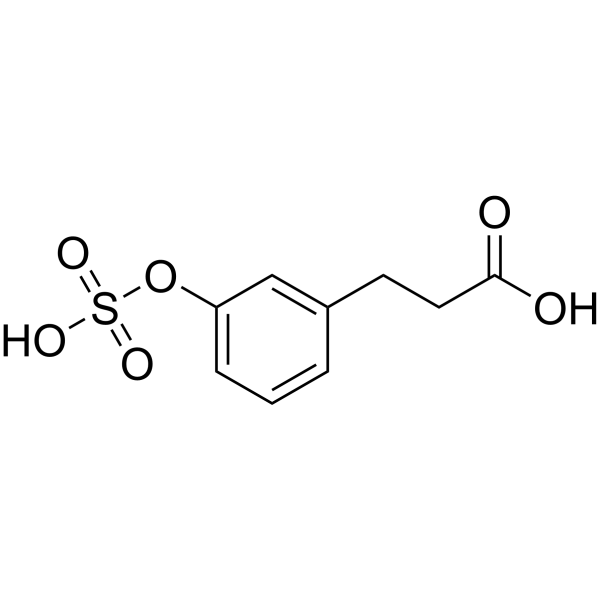
3-(3-Sulfooxyphenyl) propanoic acid is a metabolite of Echinacoside (HY-N0020). It promotes neural, psychological and brain health, enhances the proliferation, function and activity of brain cells, and facilitates extinction learning. 3-(3-Sulfooxyphenyl) propanoic acid can be used in research related to anxiety disorders, post-traumatic stress disorder, extinction learning deficits, autism, as well as neurodegenerative diseases including Parkinson's disease and Alzheimer's disease .
loading...
    loading...
Cat. No.: HY-43521
CAS No.: 1710768-30-1
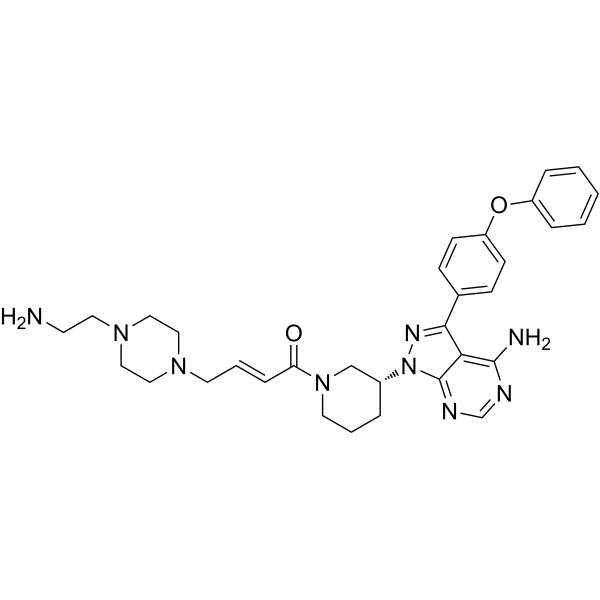
Ibrutinib-MPEA is an orally active, blood-brain barrier permeable inhibitor of BTK and STAT5. As a derivative of Ibrutinib (HY-10997) conjugated with a PROTAC linker, Ibrutinib-MPEA allows the synthesis of a series of PROTAC molecules. Ibrutinib-MPEA significantly reduces the proliferation of neoplastic mast cells and primary mastocytoma cells by inducing apoptosis and inhibiting IgE-dependent histamine release. Ibrutinib-MPEA is applicable to the research of canine mast cell tumors, cerebral ischemia/reperfusion injury in diabetic mice, and neuroinflammation-related diseases .
loading...
    loading...
Cat. No.: HY-117286
CAS No.: 1349719-98-7
Purity:  99.46%
Synonyms: TEN-010
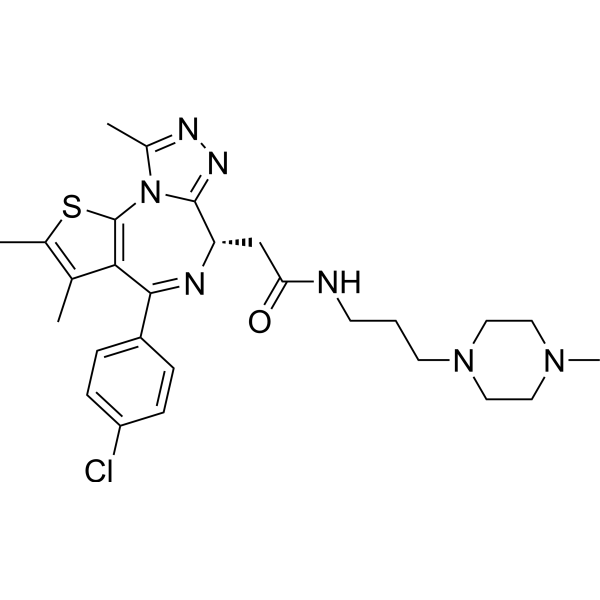
(S)-JQ-35 (TEN-010) is an orally active, blood-brain barrier-permeable bromodomain inhibitor that selectively targets the bromodomain and extra-terminal domain (BET) protein family (BRD4, BRD3, BRD2 and BRDT). (S)-JQ-35 blocks the activation of Myc gene expression by BRD4, thereby inhibiting cancer cell proliferation and promoting cancer cell apoptosis. (S)-JQ-35 can be used in research related to NUT midline carcinoma and neuroblastoma .
loading...
    loading...
Cat. No.: HY-131943
CAS No.: 2361327-08-2
Purity:  99.36%
DS44960156 is a selective MTHFD2 inhibitor with moderate to low blood-brain barrier penetration (IC50=1.6 μM, Ki=1.23 μM). DS44960156 specifically binds to the active site of MTHFD2, disrupts redox homeostasis and blocks serine-mediated one-carbon metabolism, thereby increasing the NAD +/NADH ratio and ROS levels. DS44960156 not only effectively inhibits the proliferation of glioma cells, but also enhances the sensitivity of cells to glutamine starvation-induced death. DS44960156 binds to plasma proteins, shows no mutagenicity, carcinogenicity or acute oral toxicity, and serves as a research agent for glioblastoma multiforme and other cancers .
loading...
    loading...
Cat. No.: HY-W002199
CAS No.: 647-42-7
Synonyms: 6:2 FTOH; 1H,1H,2H,2H-Perfluoro-1-octanol; 2-(Perfluorohexyl)ethanol
6:2 Fluorotelomer alcohol (6:2 FTOH) is an orally active, blood-brain barrier-permeable modulator of cyclin D1 and ETS1. 6:2 Fluorotelomer alcohol downregulates cyclin D1 expression, upregulates ETS1 via the TNF-α/ERK 1/2 pathway, impairs mitochondrial membrane potential and respiratory function, increases reactive oxygen species levels, disrupts calcium homeostasis and activates endoplasmic reticulum stress markers, and induces cell proliferation inhibition and endothelial-mesenchymal transition. Furthermore, 6:2 Fluorotelomer alcohol induces morphological abnormalities in zebrafish embryos and liver developmental damage, while disrupting the brain immune microenvironment in mice, causing systemic toxicity and delayed pup maturation in CD-1 mice. 6:2 Fluorotelomer alcohol also induces cortical neuron apoptosis, glial cell activation, synaptic abnormalities, colonic barrier damage, intestinal dysbiosis and autism spectrum disorder-like symptoms in mice. 6:2 Fluorotelomer alcohol shows no mutagenic, clastogenic, primary skin/eye irritation or skin sensitizing effects, exhibits no selective reproductive toxicity in CD-1 mice, and is classified as GHS Category 4 for acute oral toxicity. 6:2 Fluorotelomer alcohol can be used in studies of neurodevelopmental disorders and autism spectrum disorders .
loading...
    loading...
Cat. No.: HY-N0430
CAS No.: 3486-66-6
Synonyms: Coptisin
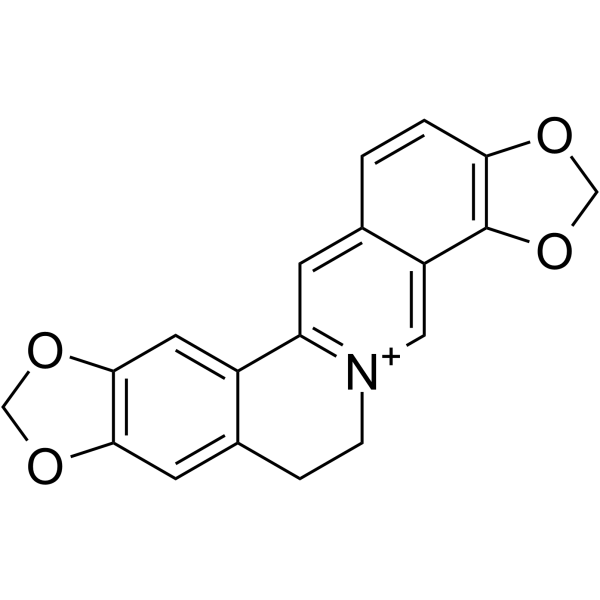
Coptisine is an orally active and brain-penetrant alkaloid found in Coptis chinensis. Coptisine is a reversible, uncompetitive IDO inhibitor with a Ki of 5.8 μM and an IC50 of 6.3 μM. Coptisine suppresses neuroinflammation, reduces Aβ plaque burden and shows neuroprotective activity. Coptisine shows anti-inflammation activity by blocking NF-κB, MAPK, and PI3K/Akt activation. Coptisine inhibits cancer cells proliferation, induces DNA damage, G2/M phase cell cycle arrest, apoptosis, ROS production and mitochondrial dysfunction. Coptisine inhibits Rho/ROCK pathway activation, reduces arrhythmia, limits cardiac injury marker release, reduces infarct size, and preserves cardiac function in rat myocardial ischemia/reperfusion models. Coptisine downregulates HMGCR and upregulates LDLR and CYP7A1 to modulate cholesterol metabolism, reduces abnormal serum lipid levels, and promotes fecal bile acid excretion. Coptisine can be used for the research of cancer, hypercholesterolemia, Alzheimer’s disease, inflammatory disorders and cardiovascular disease .
loading...
    loading...

