316 Results for "

translatable

" in MedChemExpress (MCE) Product Catalog:
Products (316)

316 Results for "translatable" in MCE Product Catalog:

4
4 Cited Publications
Cat. No.: HY-115903A
Purity:  99.16%
Research Areas:  

Cancer

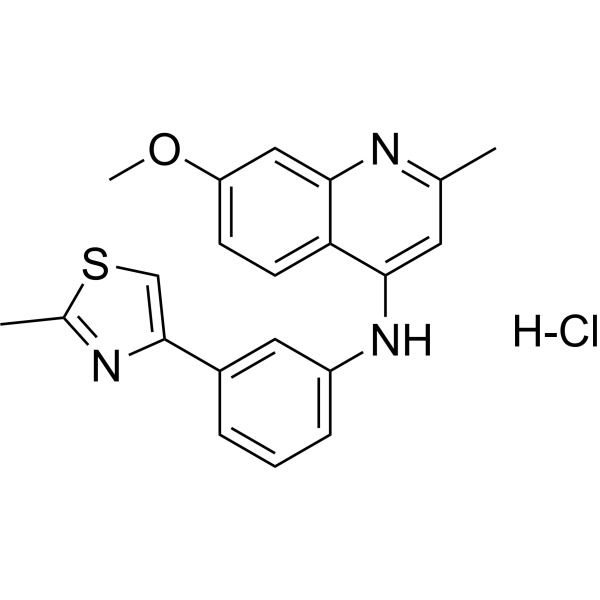
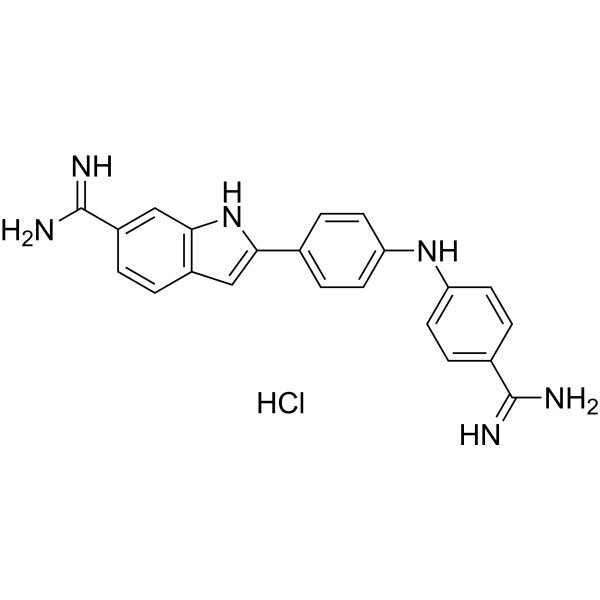
HIF-1α-IN-2 hydrochloride is an effective HIF-1α inhibitor with anticancer potencies (IC50s of 28 nM and 15 nM in MDA-MB-231 and MiaPaCa-2 cells, respectively). HIF-1α-IN-2 hydrochloride suppresses HIF-1α expression by blocking transcription and protein translation .
loading...
    loading...
4
4 Cited Publications
Cat. No.: HY-115903
CAS No.: 2762315-06-8
Purity:  98.45%
Research Areas:  

Cancer

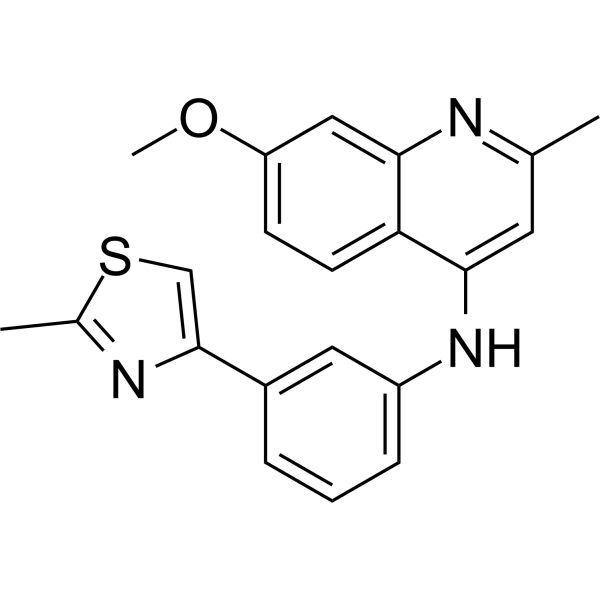
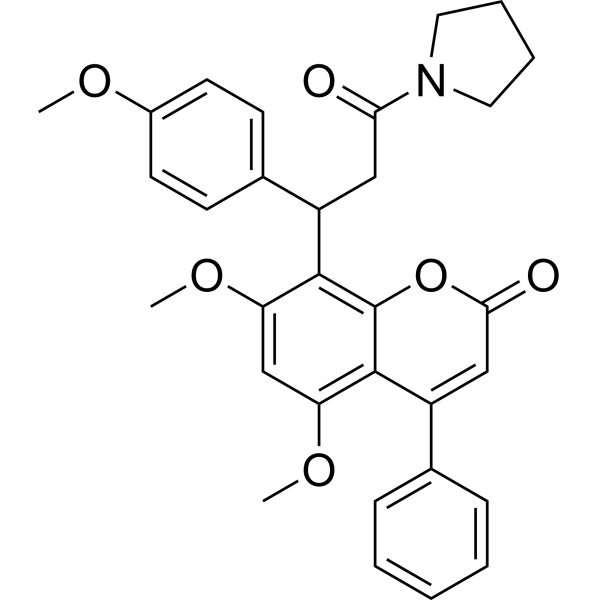
HIF-1α-IN-2 is an effective HIF-1α inhibitor with anticancer potencies (IC50s of 28 nM and 15 nM in MDA-MB-231 and MiaPaCa-2 cells, respectively). HIF-1α-IN-2 suppresses HIF-1α expression by blocking transcription and protein translation .
loading...
    loading...
3
3 Cited Publications
Cat. No.: HY-112582
CAS No.: 13860-38-3
Purity:  99.95%
Synonyms: 1-Methylpseudouridine; N1-methyl-pseudouridine
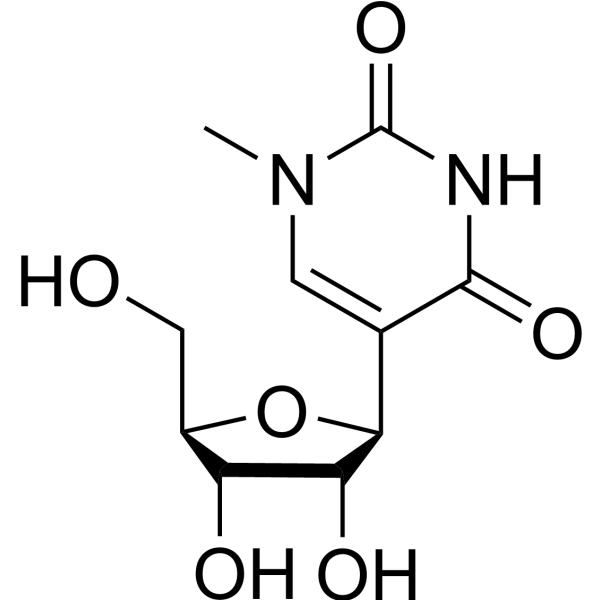
N1-methyl-pseudouridine (1-Methylpseudouridine), a methylpseudouridine, outperforms 5 mC and 5 mC/N1-methyl-pseudouridine in translation. N1-methyl-pseudouridine in mRNA enhances translation through eIF2α-dependent and independent mechanisms by increasing ribosome density .
loading...
    loading...
3
3 Cited Publications
Cat. No.: HY-P1291
CAS No.: 201422-03-9
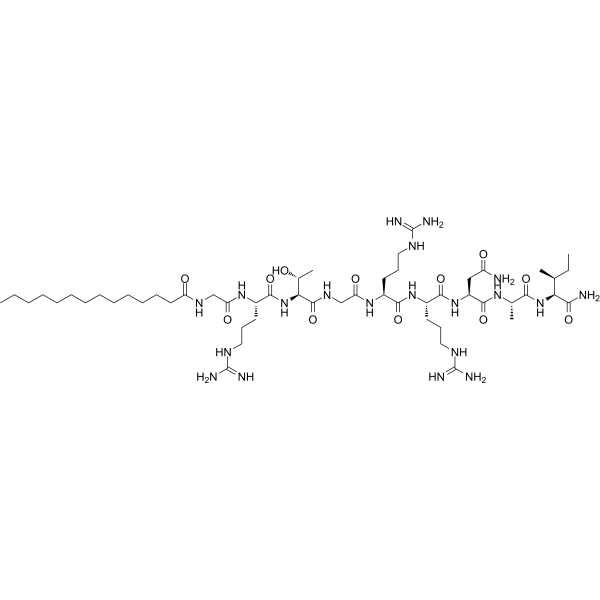
PKI 14-22 amide, myristoylated is a selective, cAMP-dependent, competitive PKA inhibitor with Ki=~36 nM. The myristoylation modification of PKI 14-22 amide, myristoylated makes it more permeable to cell membranes and blood-brain barriers than the precursor molecule. PKI 14-22 amide, myristoylated can block the phosphorylation of cAMP-dependent downstream targets (such as CREB). PKI 14-22 amide, myristoylated can prevent the development of morphine analgesic tolerance in mice, and also inhibits protein translation and negative-strand RNA synthesis of Zika virus. PKI 14-22 amide, myristoylated can be used in research fields such as opioid tolerance mechanisms and antiviral drugs .
loading...
    loading...
3
3 Cited Publications
Cat. No.: HY-P1291A
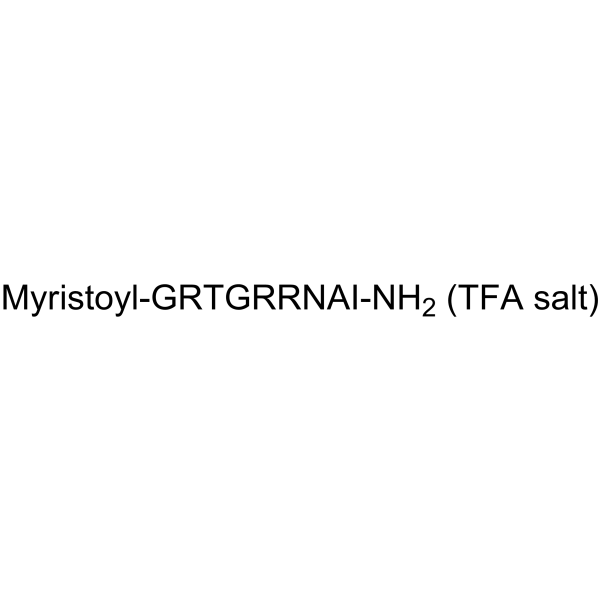
PKI 14-22 amide, myristoylated TFA is a selective, cAMP-dependent, competitive PKA inhibitor with Ki=~36 nM. The myristoylation modification of PKI 14-22 amide, myristoylated TFA makes it more permeable to cell membranes and blood-brain barriers than the precursor molecule. PKI 14-22 amide, myristoylated TFA can block the phosphorylation of cAMP-dependent downstream targets (such as CREB). PKI 14-22 amide, myristoylated TFA can prevent the development of analgesic tolerance in mice, and also inhibits protein translation and negative-strand RNA synthesis of Zika virus. PKI 14-22 amide, myristoylated TFA can be used in research fields such as opioid tolerance mechanisms and antiviral drugs .
loading...
    loading...
2
2 Cited Publications
Cat. No.: HY-122524
CAS No.: 20244-86-4
Purity:  98.08%
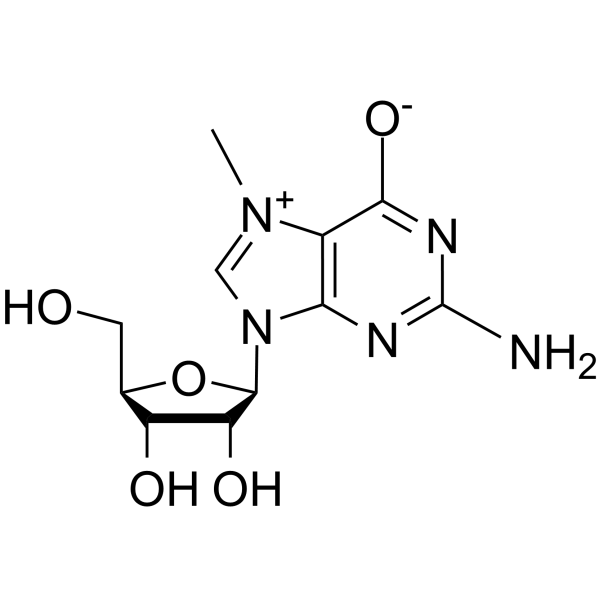
7-Methylguanosine is a modified nucleoside widely present in various RNAs and a key metabolite of the 5'-cap structure of eukaryotic mRNA. 7-Methylguanosine plays important roles in stabilizing RNA structures, regulating translation, and other aspects .
loading...
    loading...
2
2 Cited Publications
Cat. No.: HY-112565
CAS No.: 2286411-30-9
Purity:  99.19%
Target:  

Bacterial

Research Areas:  

Infection

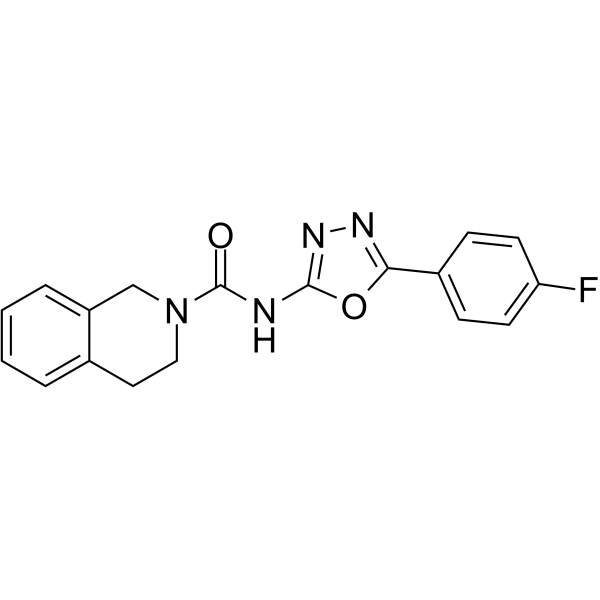
MBX-4132, a member of a chemical class called oxadiazoles that inhibit trans translation by binding to the bacterial ribosome.
loading...
    loading...
2
2 Cited Publications
Cat. No.: HY-122524A
CAS No.: 81100-62-1
7-Methylguanosine iodide is an iodide of 7-Methylguanosine (HY-122524). 7-Methylguanosine is a modified nucleoside widely present in various RNAs and a key metabolite of the 5'-cap structure of eukaryotic mRNA. 7-Methylguanosine plays important roles in stabilizing RNA structures, regulating translation, and other aspects .
loading...
    loading...
2
2 Cited Publications
Cat. No.: HY-B1350
CAS No.: 6990-06-3
Synonyms: Fusidate; SQ-16603
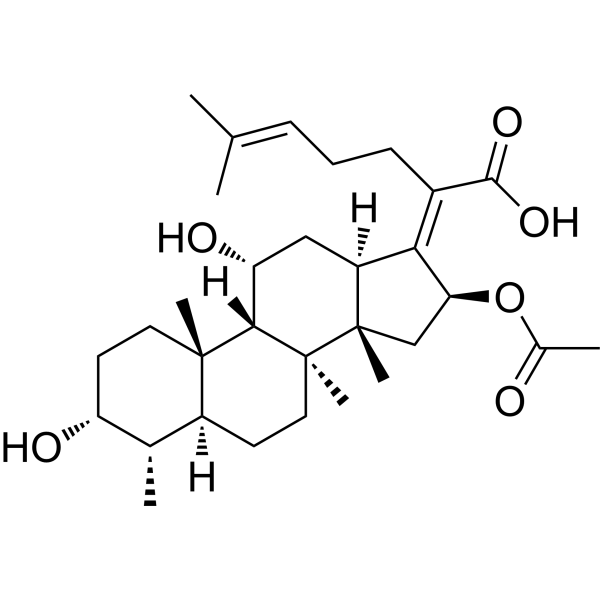
Fusidic acid (Fusidate) a bacteriostatic antibiotic produced from the Fusidium coccineum fungus, belongs to the class of steroids. Fusidic acid has no corticosteroid effects. Fusidic acid inhibits the growth of bacteria by preventing the release of translation elongation factor G (EF-G) from the ribosome. Fusidic acid holds promise for research in anticancer and anti-infective applications. .
loading...
    loading...
2
2 Cited Publications
Cat. No.: HY-135902A
CAS No.: 2741856-68-6
Purity:  98.23%
Synonyms: NSC 377363 hydrochloride
Target:  

DNA/RNA Synthesis

Research Areas:  

Neurological Disease

Synucleozid hydrochloride (NSC 377363 hydrochloride) is a potent inhibitor of the?SNCA?mRNA?that encodes α-synuclein protein. Synucleozid selectively?targets the?α-synuclein?mRNA 5′ UTR at the designed IRE site, decreases the amount of?SNCA?mRNA loaded into polysomes and thereby inhibits?SNCA?translation. Synucleozid has the potential for the investigation of Parkinson’s disease .
loading...
    loading...
2
2 Cited Publications
Cat. No.: HY-124828
CAS No.: 958843-91-9
Purity:  98.66%
Target:  

HuR

Research Areas:  

Cancer

CMLD-2, an inhibitor of HuR-ARE interaction, competitively binds HuR protein disrupting its interaction with adenine-uridine rich elements (ARE)-containing mRNAs (Ki=350 nM). CMLD-2 induces apoptosis exhibits antitumor activity in different cancer cells as colon, pancreatic, thyroid and lung cancer cell lines. Hu antigen R (HuR) is an RNA binding protein, can regulate target mRNAs stability and translation .
loading...
    loading...
2
2 Cited Publications
Cat. No.: HY-W008091
CAS No.: 554-01-8
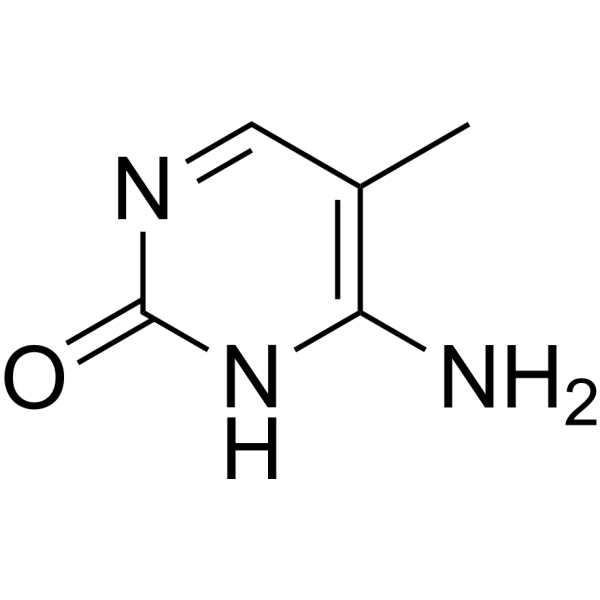
5-Methylcytosine is a well-characterized DNA modification in prokaryotes and eukaryotes. 5-Methylcytosine forms symmetrical methylation on CpG dinucleotides in DNA, stabilizes tRNA/rRNA structure in RNA, and affects mRNA translation. 5-Methylcytosine can be oxidized to generate 5hmC, 5fC, and 5caC. 5-Methylcytosine can be used in epigenetics, developmental biology, and the study of diseases such as colorectal cancer and hepatocellular carcinoma .
loading...
    loading...
2
2 Cited Publications
Cat. No.: HY-W008091A
CAS No.: 58366-64-6
Research Areas:  

Cancer

5-Methylcytosine hydrochloride is a well-characterized DNA modification in prokaryotes and eukaryotes. 5-Methylcytosine hydrochloride forms symmetrical methylation on CpG dinucleotides in DNA, stabilizes tRNA/rRNA structure in RNA, and affects mRNA translation. 5-Methylcytosine hydrochloride can be oxidized to generate 5hmC, 5fC, and 5caC. 5-Methylcytosine hydrochloride can be used in epigenetics, developmental biology, and the study of diseases such as colorectal cancer and hepatocellular carcinoma .
loading...
    loading...
2
2 Cited Publications
Cat. No.: HY-B1350A
CAS No.: 751-94-0
Synonyms: Sodium fusidate; SQ-16360
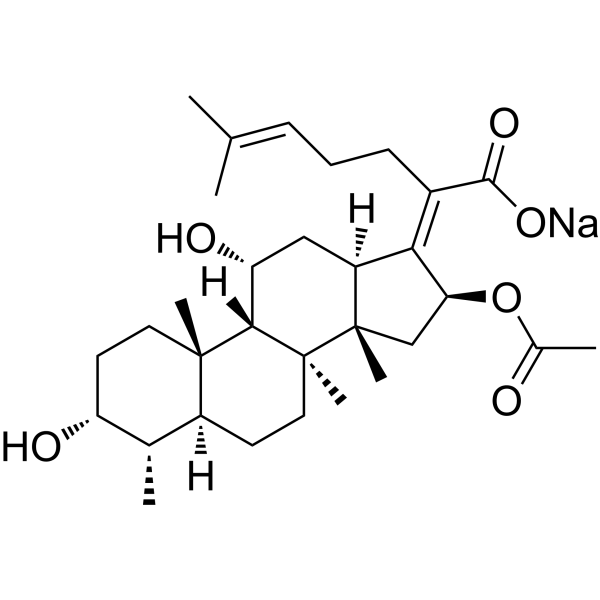
Fusidic acid sodium salt is an orally available antibacterial agent that inhibits bacterial protein synthesis by preventing the release of translation elongation factor G (EF-G) from ribosomes. Fusidic acid sodium salt inhibits the inhibitory and activating effects of interleukins IL-1 and IL-6 on glucose-induced insulin production and exhibits antidiabetic effects in a rat model. Fusidic acid sodium salt improves the symptoms of colitis in rats and inhibits the growth of Toxoplasma gondii and Listeria monocytogenes EGD in vitro, but not in mice .
loading...
    loading...
2
2 Cited Publications
Cat. No.: HY-W008091R
CAS No.: 554-01-8
5-Methylcytosine (Standard) is the analytical standard of 5-Methylcytosine (HY-W008091). This product is intended for research and analytical applications. 5-Methylcytosine is a well-characterized DNA modification in prokaryotes and eukaryotes. 5-Methylcytosine forms symmetrical methylation on CpG dinucleotides in DNA, stabilizes tRNA/rRNA structure in RNA, and affects mRNA translation. 5-Methylcytosine can be oxidized to generate 5hmC, 5fC, and 5caC. 5-Methylcytosine can be used in epigenetics, developmental biology, and the study of diseases such as colorectal cancer and hepatocellular carcinoma .
loading...
    loading...
2
2 Cited Publications
Cat. No.: HY-N0248
CAS No.: 58316-41-9
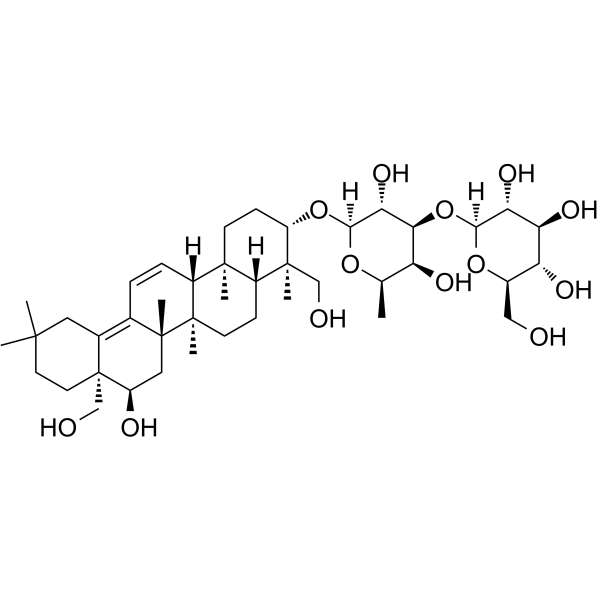
Saikosaponin B2 is an antiviral and anticancer agent that regulates multiple transporters (such as various solute carriers and ATP-binding cassette transporters including MRP1, MRP2, and OCT2). Saikosaponin B2 is isolated from the plant glycoside component of the roots of Bupleurum scorzonerifolium. Saikosaponin B2 enhances the liver targeting of anticancer drugs via vinegar-baked Radix Bupleuri. Saikosaponin B2 inhibits HCV entry, replication, and translation, is effective against Daclatasvir (HY-10466)-resistant strains, and exerts a synergistic effect when used in combination with Daclatasvir. Saikosaponin B2 is commonly used in studies related to hepatocellular carcinoma and HCV infection .
loading...
    loading...
1
1 Cited Publications
Cat. No.: HY-116010
CAS No.: 3922-90-5
Purity:  ≥95.0%
Target:  

Bacterial Antibiotic

Research Areas:  

Infection

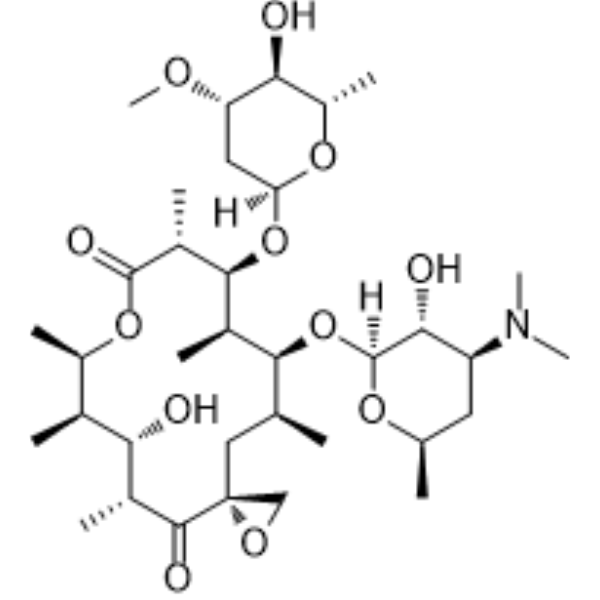
Oleandomycin is a macrolide antibiotic structurally closely related to Erythromycin. Oleandomycin is similar to Erythromycin with antimicrobial activity. Oleandomycin inhibits protein synthesis by interference with translation of activated amino acids to nascent peptide chains on the ribosomes .
loading...
    loading...
1
1 Cited Publications
Cat. No.: HY-16009
CAS No.: 116839-68-0
Synonyms: (+)-Phenserine; ANVS401
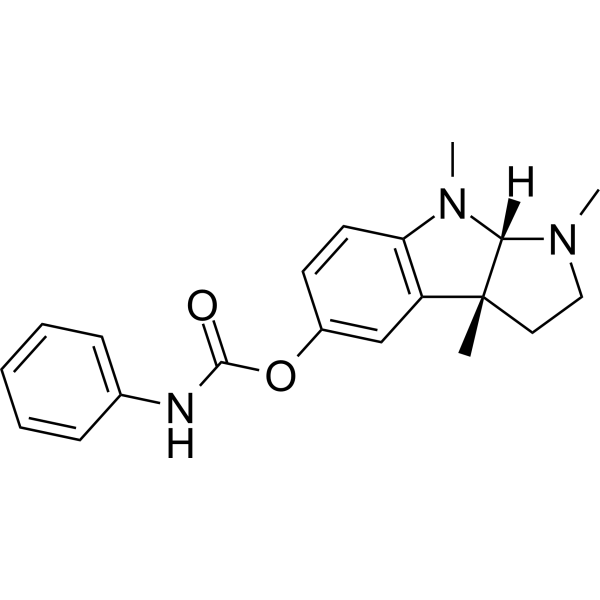
Buntanetap ((+)-Phenserine) is a selective acetylcholinesterase inhibitor. Buntanetap is a multiple neurotoxic protein translation inhibitor with oral activity, including amyloid precursor protein (APP), α-synuclein (αSYN) and huntingtin protein (HTT). Buntanetap reduces the production of β-amyloid precursor protein by blocking its mRNA translation. Buntanetap has anti-inflammatory effects and can be used in the study of Alzheimer's disease and Parkinson's disease .
loading...
    loading...
1
1 Cited Publications
Cat. No.: HY-B1864A
CAS No.: 19408-46-9
Synonyms: Ksg hydrochloride
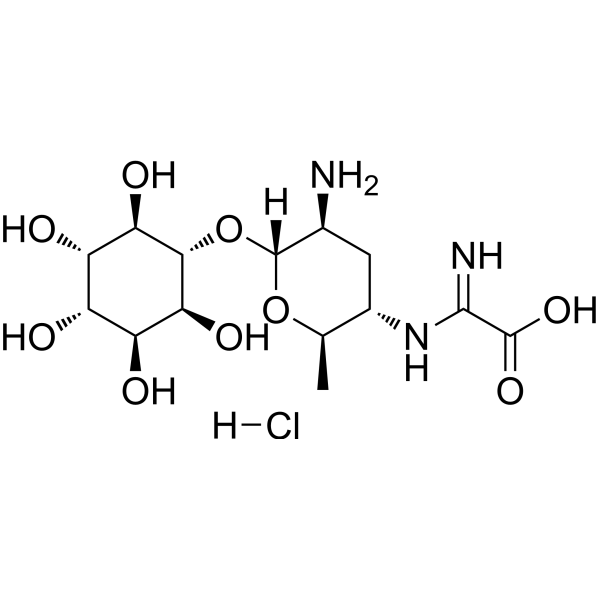
Kasugamycin (Ksg) hydrochloride is an aminoglycoside antibiotic (antibiotic) that binds to the bacterial 30S ribosomal subunit and inhibits canonical translation initiation. Kasugamycin hydrochloride binds to the P-site and E-site codon regions in the mRNA channel and interferes with mRNA-tRNA codon-anticodon interactions, thereby destabilizing initiator tRNA binding. Kasugamycin hydrochloride possesses anti-infective activity. Kasugamycin hydrochloride is used in research on bacterial translation and Pseudomonas infection .
loading...
    loading...
1
1 Cited Publications
Cat. No.: HY-18979
CAS No.: 134869-15-1
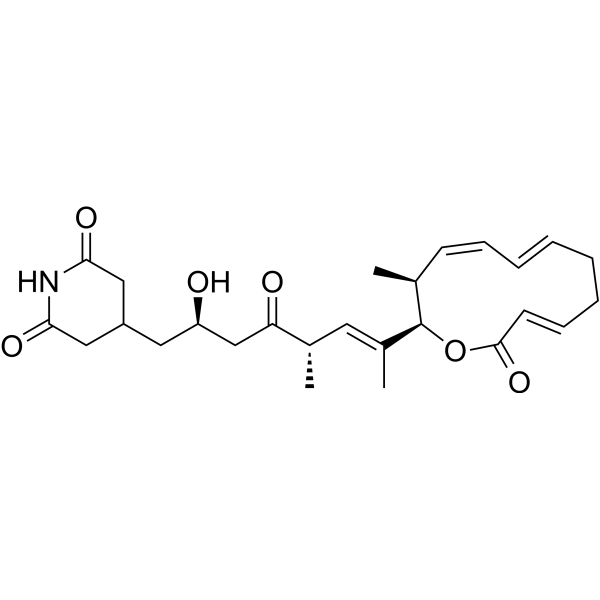
Lactimidomycin is a glutarimide-containing compound isolated from Streptomyces. Lactimidomycin is a potent inhibitor of eukaryotic translation elongation. Lactimidomycin has a potent antiproliferative effect on tumor cell lines and selectively inhibit protein translation. Lactimidomycin inhibits protein synthesis with an IC50 value of 37.82 nM. Lactimidomycin is also a potent and non-toxic inhibitor of dengue virus 2 and other RNA viruses. Anticancer and antiviral activities .
loading...
    loading...

