176 Results for "

Cardiomyocyte

" in MedChemExpress (MCE) Product Catalog:
Products (176)

176 Results for "Cardiomyocyte" in MCE Product Catalog:

2
2 Cited Publications
Cat. No.: HY-P4911A
Target:  

CXCR

Research Areas:  

Cardiovascular Disease

SDF-1α (human) TFA is a mononuclear cells chemoattractant that can bind to CXCR4. SDF-1α plays a central role in stem cell homing, retention, survival, proliferation, cardiomyocyte repair, angiogenesis and ventricular remodelling following myocardial infarction. SDF-1α (human) TFA can be used in cardiovascular disease research .
loading...
    loading...
2
2 Cited Publications
Cat. No.: HY-118590
CAS No.: 21416-88-6
Purity:  99.64%
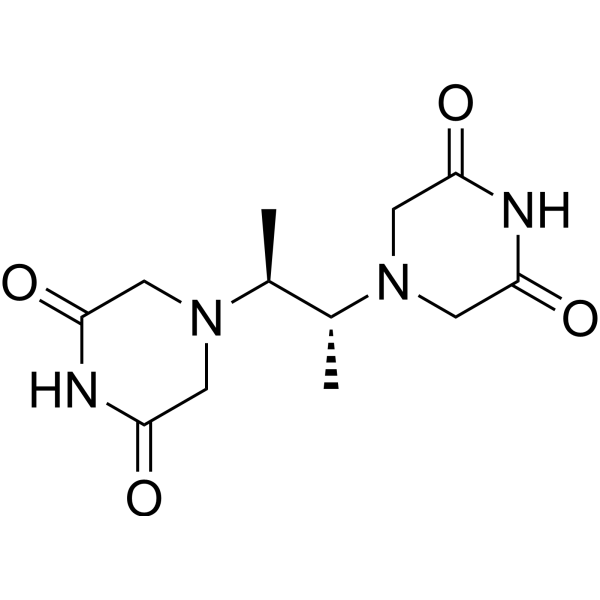
ICRF-193 is a DNA Topoisomerase II inhibitor. (S,S)- and (R,R)-isomers ICRF-193 make up an racemic mixture, ICRF-196 (HY-118590A). ICRF-193 can inhibit DNA syntheses and induces apoptosis. ICRF-193 exhibits anti-cancer and anti-inflammation effects. ICRF-193 shows cardioprotective effect against anthracycline toxicity to cardiomyocytes. ICRF-193 can be used for the researches of cancer, infection, inflammation and cardiovascular disease, such as acute promyelocytic leukemia .
loading...
    loading...
2
2 Cited Publications
Cat. No.: HY-109038
CAS No.: 509092-16-4
Synonyms: KRP-203 free base
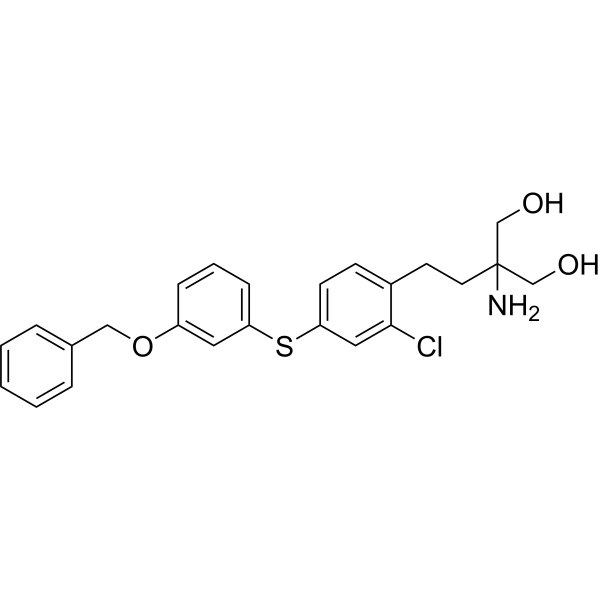
Mocravimod (KRP-203 free base) is a sphingosine-1-phosphate receptor (S1PR) modulator that blocks the signal required by T cells to egress from lymph nodes and other lymphoid organs. Mocravimod preferentially binds to S1PR1 over S1PR2 and S1PR3 in cardiomyocytes. Mocravimod significantly lowered the concentration of reactive oxygen species (ROS), prevented mitochondrial permeability transition pore opening, boosted mitochondrial membrane potential (MMP), and increased phosphorylation of AKT, EKR, GSK-3β, JAK2, and STAT3. Mocravimod retains T cell effector function. Mocravimod can be used for the study of acute myelogenous leukemia, diabetes and Myocardial Ischemia-Reperfusion Injury (MIRI) .
loading...
    loading...
2
2 Cited Publications
Cat. No.: HY-122949
CAS No.: 91590-76-0
Purity:  ≥97.0%
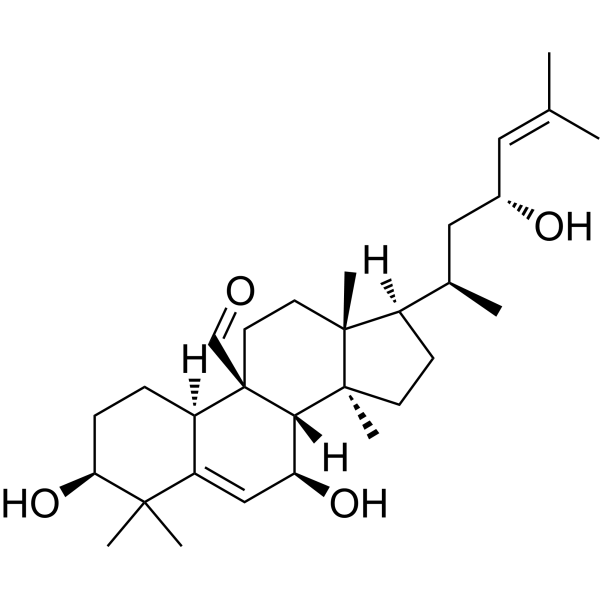
Momordicine I is a cucurbitane-type triterpenoids. Momordicine I suppresses glioma growth by promoting apoptosis and impairing mitochondrial oxidative phosphorylation. Momordicine I inhibits glycolysis, lipid metabolism, induces autophagy in HNC cells to suppress head and neck cancer growth. Momordicine I alleviates isoproterenol-induced cardiomyocyte hypertrophy through suppression of PLA2G6 and DGK-ζ. Momordicine I exerts its cardiovascular benefits by upregulating nitric oxide, inhibiting the activity of angiotensin-converting enzyme (ACE), activating the PI3K/Akt pathway, reducing oxidative stress and inflammation. Momordicine I inhibits AKT1, IL-6, and SRC, suggesting its potential application in type 2 diabetes .
loading...
    loading...
2
2 Cited Publications
Cat. No.: HY-13660
CAS No.: 509088-69-1
Purity:  99.68%
Synonyms: KRP-203
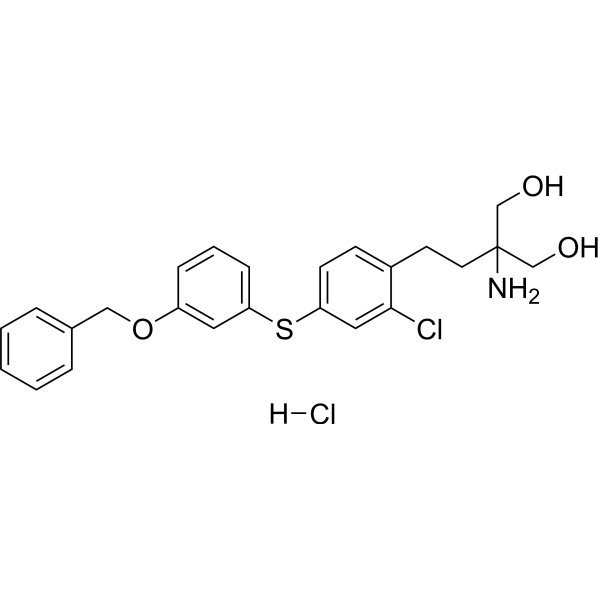
Mocravimod (hydrochloride) is an orally active sphingosine-1-phosphate receptor (S1PR) modulator that blocks the signal required by T cells to egress from lymph nodes and other lymphoid organs. Mocravimod (hydrochloride) preferentially binds to S1PR1 over S1PR2 and S1PR3 in cardiomyocytes. Mocravimod (hydrochloride) significantly lowered the concentration of reactive oxygen species (ROS), prevented mitochondrial permeability transition pore opening, boosted mitochondrial membrane potential (MMP), and increased phosphorylation of AKT, EKR, GSK-3β, JAK2, and STAT3. Mocravimod (hydrochloride) retains T cell effector function. Mocravimod (hydrochloride) can be used for the study of acute myelogenous leukemia, diabetes and Myocardial Ischemia-Reperfusion Injury (MIRI) .
loading...
    loading...
1
1 Cited Publications
Cat. No.: HY-119695
CAS No.: 121009-77-6
Purity:  95.51%
Synonyms: Tenivastatin
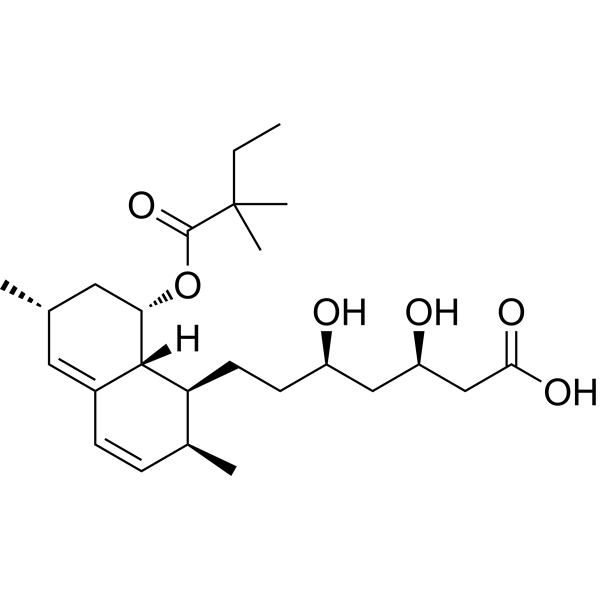
Simvastatin acid (Tenivastatin), a hydrolysate of Simvastatin (HY-17502), is a HMG-CoA reductase (HMGCR) inhibitor. Simvastatin acid reduces Indoxyl sulfate-mediated reactive oxygen species (ROS) production in human cardiomyocytes. Simvastatin acid can also modulates OATP3A1 expression in cardiomyocytes and HEK293 cells transfected with the OATP3A1 gene .
loading...
    loading...
1
1 Cited Publications
Cat. No.: HY-101415
CAS No.: 303-97-9
Purity:  ≥98.0%
Synonyms: Ubiquinone Q9; CoQ9; Ubiquinone 9
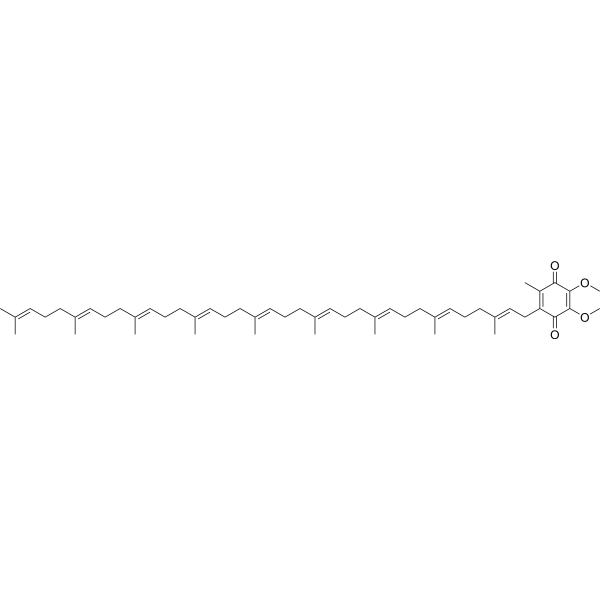
Coenzyme Q9 (Ubiquinone Q9), the major form of ubiquinone in rodents, is an amphipathic molecular component of the electron transport chain that functions as an endogenous antioxidant. Coenzyme Q9 attenuates the diabetes-induced decreases in antioxidant defense mechanisms. Coenzyme Q9 improves left ventricular performance and reduces myocardial infarct size and cardiomyocyte apoptosis .
loading...
    loading...
1
1 Cited Publications
Cat. No.: HY-115292
CAS No.: 101314-97-0
Purity:  99.86%
Synonyms: Tenivastatin sodium; Simvastatin Impurity A sodium
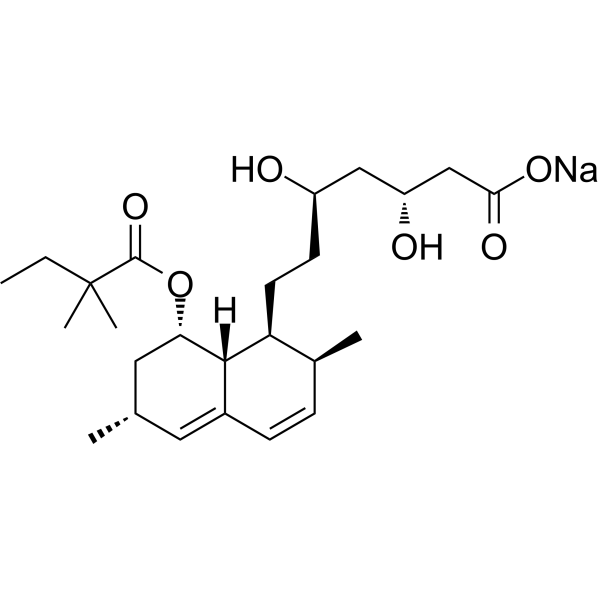
Simvastatin hydroxy acid (Tenivastatin) sodium is a potent HMG-CoA reductase (HMGCR) inhibitor. Simvastatin hydroxy acid sodium reduces Indoxyl sulfate-mediated reactive oxygen species (ROS) production in human cardiomyocytes. Simvastatin hydroxy acid sodium can also modulates OATP3A1 expression in cardiomyocytes and HEK293 cells transfected with the OATP3A1 gene .
loading...
    loading...
1
1 Cited Publications
Cat. No.: HY-100744
CAS No.: 796-42-9
Purity:  99.88%
Synonyms: NSC51355
Target:  

Histone Demethylase

Research Areas:  

Cardiovascular Disease

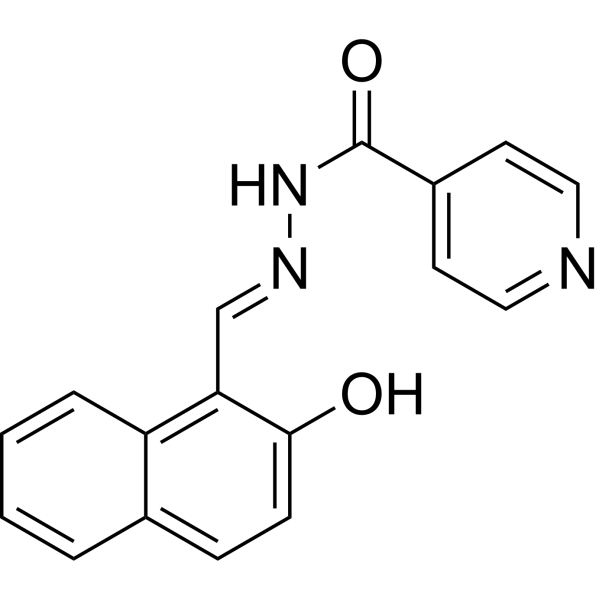
AS8351 (NSC51355) is a KDM5B inhibitor, which can induce and sustain active chromatin marks to facilitate the induction of cardiomyocyte-like cells .
loading...
    loading...
1
1 Cited Publications
Cat. No.: HY-119695A
CAS No.: 139893-43-9
Purity:  99.70%
Synonyms: Tenivastatin ammonium
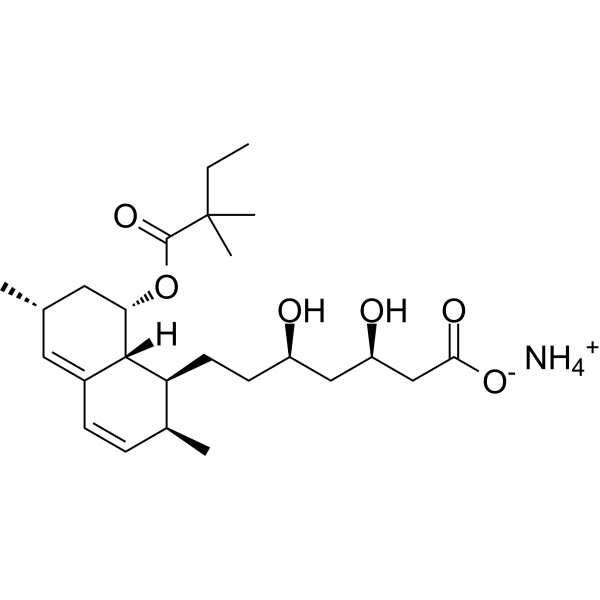
Simvastatin acid (Tenivastatin) ammonium is a potent HMG-CoA reductase (HMGCR) inhibitor. Simvastatin acid ammonium reduces Indoxyl sulfate-mediated reactive oxygen species (ROS) production in human cardiomyocytes. Simvastatin acid ammonium can also modulates OATP3A1 expression in cardiomyocytes and HEK293 cells transfected with the OATP3A1 gene .
loading...
    loading...
1
1 Cited Publications
Cat. No.: HY-N2440
CAS No.: 157752-01-7
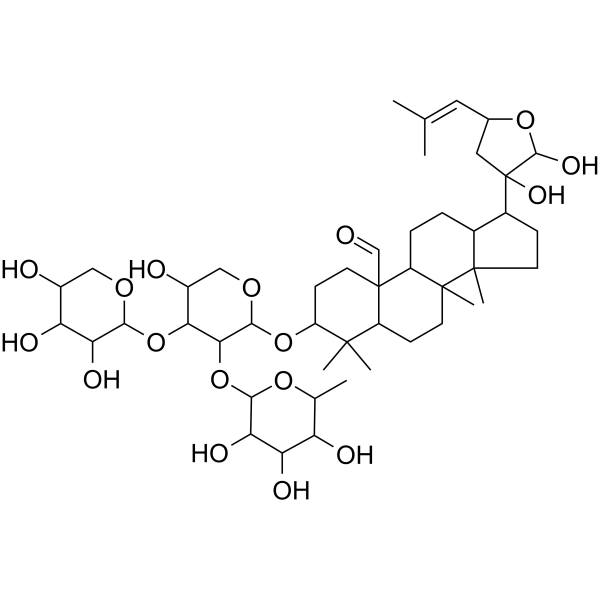
Gypenoside A is an orally active triterpenoid compound that can be isolated from Gynostemma pentaphyllum. Gypenoside A has anti-inflammatory and antioxidant activities. Gypenoside A also has a certain protective effect on cardiomyocytes and can inhibit apoptosis. Gypenoside A can be used in the research of cardiovascular diseases and inflammation-related diseases .
loading...
    loading...
1
1 Cited Publications
Cat. No.: HY-158162
Target:  

Sirtuin

Research Areas:  

Cardiovascular Disease

SIRT3 activator 1 (Compound 5v) is a SIRT3 activator. SIRT3 activator 1 selectively elevates SIRT3 expression, leading to the upregulation of SOD2 and OPA1 expression, effectively preventing mitochondrial dysfunction, mitigating oxidative stress, and preserving cardiomyocyte viability. SIRT3 activator 1 can be used for research of cardiovascular diseases .
loading...
    loading...
1
1 Cited Publications
Cat. No.: HY-103346
CAS No.: 220509-74-0
Purity:  99.97%
Target:  

Caspase Apoptosis

Research Areas:  

Cardiovascular Disease

MMPSI is a potent and selective small molecule caspase 3 and caspase 7 inhibitor with an IC50 of 1.7 μM for human caspase-3. MMPSI can significantly reduce ischemia-reperfusion-induced infarct size in the isolated rabbit heart, and reduce apoptosis in both the ischemic myocardium and isolated cardiomyocytes. MMPSI can be used for researching cardioprotection .
loading...
    loading...
1
1 Cited Publications
Cat. No.: HY-W011616
CAS No.: 577696-37-8
Synonyms: CDNG1/vuc230
Target:  

Wnt

Research Areas:  

Cardiovascular Disease Cancer

Cardionogen 1 (CDNG1/vuc230) is a Wnt signaling pathway inhibitor that slows down Myc-induced liver tumorigenesis. Cardionogen 1 treatment of zebrafish embryos before gastrulation inhibits cardiomyocyte formation, whereas treatment during or after gastrulation induces cardiomyocyte formation. Cardionogen 1 has potential in research into cancer and cardiovascular disease .
loading...
    loading...
1
1 Cited Publications
Cat. No.: HY-143248
CAS No.: 2770300-35-9
Purity:  99.48%
KR-39038 is an orally active and potent GRK5 (G protein-coupled receptor kinase 5) inhibitor, with an IC50 of 0.02 μM. KR-39038 significantly inhibits angiotensin II-induced cellular hypertrophy through suppression of HDAC5 pathway in neonatal cardiomyocytes. KR-39038 shows profound anti-hypertrophic effects and improved cardiac function. KR-39038 can be used for heart failure research .
loading...
    loading...
1
1 Cited Publications
Cat. No.: HY-E70005L
CAS No.: 9001-12-1
Target:  

Proteasome

Research Areas:  

Metabolic Disease

Collagenase (Type B, animal free) is an animal-free collagen-degrading digestive enzyme and tissue dissociation reagent. Collagenase (Type B, animal free) can digest mouse aorta, myocardium, human umbilical cord, and human liver tissue to isolate primary leukocytes, adult mouse cardiomyocytes, human mesenchymal stem cells, and individual hepatocytes. Collagenase (Type B, animal free) can be used in studies related to liver cirrhosis .
loading...
    loading...
1
1 Cited Publications
Cat. No.: HY-N0721
CAS No.: 27215-14-1
Synonyms: Neoandrographiside
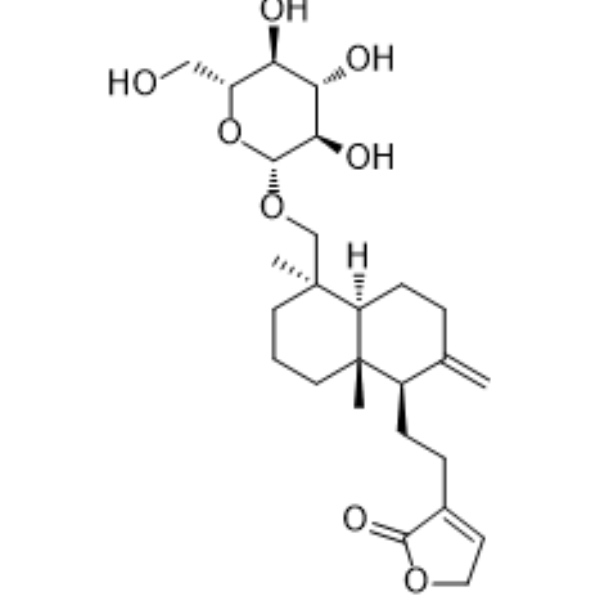
Neoandrographolide is a diterpenoid compound isolated from Andrographis paniculata. Neoandrographolide inhibits osteoclasts differentiation and bone resorption through inhibition of MAPK/NF-κB/PI3K/AKT/GSK3β/PPAR/CAMK signaling pathway. Neoandrographolide inhibits apoptosis in rat embryonic ventricular cardiomyocytes. Neoandrographolide inhibits iNOS and the generation of ROS, activates eNOS, exhibiting anti-inflammatory and hypolipidemic activity .
loading...
    loading...
1
1 Cited Publications
Cat. No.: HY-145816A
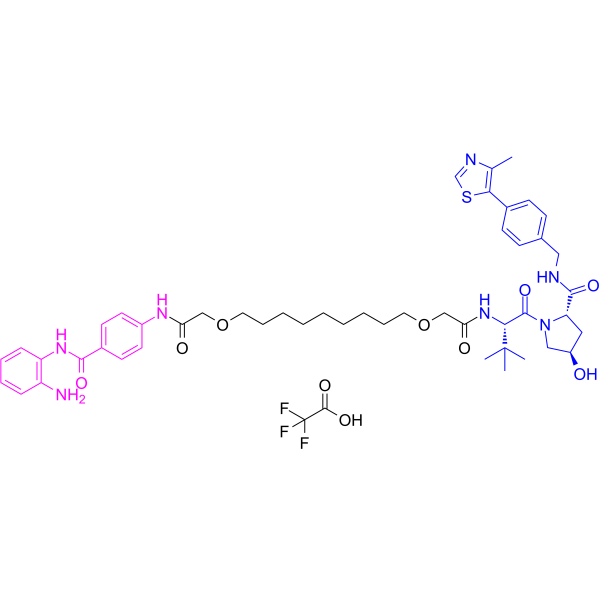
JPS016 TFA is a class I histone deacetylase (HDAC) PROTAC inhibitor. JPS016 TFA recruits the VHL E3 ligase (Ligands for E3 Ligase) to mediate the ubiquitination and proteasomal degradation of HDAC1, HDAC2 and HDAC3. JPS016 TFA reduces the viability of colon cancer cells and induces Apoptosis. JPS016 TFA activates the PINK1/Parkin mitochondrial Autophagy pathway, enhances cardiomyocyte viability, alleviates mitochondrial damage, and reduces mitochondrial ROS production in cells. JPS016 TFA is applicable to research related to colon cancer and sepsis cardiomyopathy .
loading...
    loading...
1
1 Cited Publications
Cat. No.: HY-113044R
CAS No.: 133-89-1
Synonyms: UDP-D-Glucose (Standard)
Uridine 5′-diphosphoglucose (Standard) (UDP-D-Glucose (Standard)) is the analytical standard of Uridine 5′-diphosphoglucose (HY-113044). This product is intended for research and analytical applications. Uridine 5’-diphosphoglucose (UDP-glucose), secreted by cardiomyocytes during ischemia and reperfu, is a potent agonist of the proinflammatory P2Y14 receptor. It acts an important role in the regulation of inflammation and neutrophil polarization in neutrophils. Uridine 5’-diphosphoglucose is also the precursor of glucose-containing oligosaccharides, polysaccharides, glycoproteins, and glycolipids in animal tissues and in some microorganisms. Uridine 5’-diphosphoglucose is promising for research in counteracting myocardial infarction/reperfusion (MIR)-induced inflammation in the heart tissue.
loading...
    loading...
1
1 Cited Publications
Cat. No.: HY-W017113
CAS No.: 149-30-4
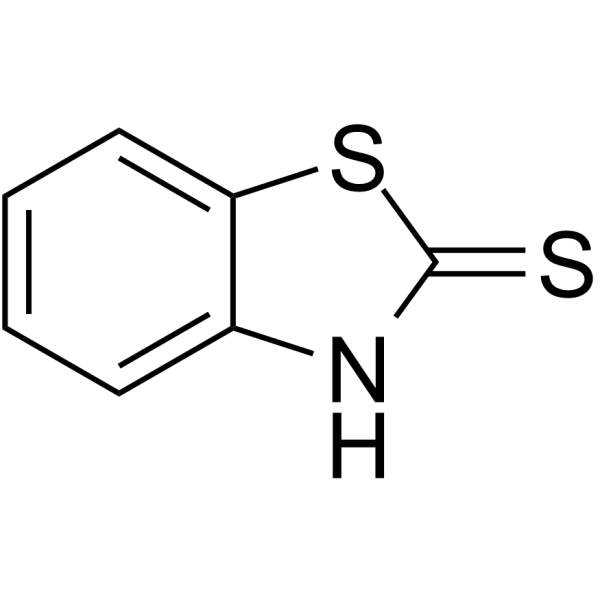
2-Mercaptobenzothiazole is an activator of the aryl hydrocarbon receptor (AhR) , inhibiting thyroid hormone synthesis and dopamine beta-hydroxylase activity . 2-Mercaptobenzothiazole promotes bladder cancer cell invasion by altering the conformation of the AhR ligand binding domain (LBD), activating AhR transcription, and upregulating the mRNA and protein expression of target genes CYP1A1 and CYP1B1 . 2-Mercaptobenzothiazole inhibits thyroid peroxidase (TPO) with an IC50 value of 11.5 μM, induces histological changes such as follicular cell hypertrophy in Xenopus laevis tadpoles, delaying metamorphosis . 2-Mercaptobenzothiazole increases chromosomal aberrations and sister chromatid exchanges (SCEs) in Chinese hamster ovary (CHO) cells, and enhances carcinogenicity in F344/N rats . 2-Mercaptobenzothiazole inhibits norepinephrine synthesis in mice and completely blocks the conversion of exogenous dopamine to norepinephrine in rat cardiomyocytes .
loading...
    loading...

