889 Results for "

LPS

" in MedChemExpress (MCE) Product Catalog:
Products (889)

889 Results for "LPS" in MCE Product Catalog:

13
13 Cited Publications
Cat. No.: HY-15594A
CAS No.: 929895-45-4
Purity:  98.99%
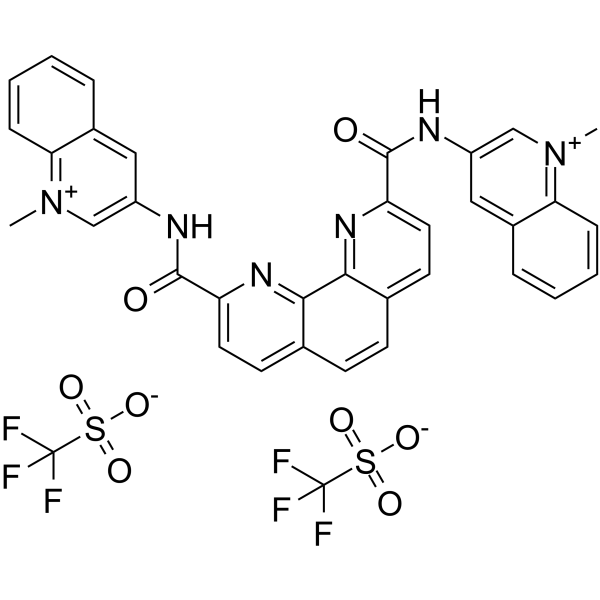
Synonyms: Phen-DC3 Triflate
Phen-DC3 Trifluoromethanesulfonate is a bisquinolinium G-quadruplex (G4) ligand. Phen-DC3 Trifluoromethanesulfonate selectively binds to and stabilizes the hybrid quadruplex-duplex hybrid (QDH) derived from the PIM1 promoter. Phen-DC3 Trifluoromethanesulfonate also binds to the c-myc promoter Pu24T G4 via extensive π-stacking, and induces polymerase stalling at α-synuclein DNA and RNA G4 sequences. Phen-DC3 Trifluoromethanesulfonate downregulates LPS (HY-D1056)-induced TNFRSF21, RIPK3 and p-MLKL in VECs, and ameliorates CLP-induced pulmonary vascular leakage in septic rats. Phen-DC3 Trifluoromethanesulfonate can be used in studies related to neurodegenerative diseases and sepsis-associated vascular injury .
loading...
    loading...
12
12 Cited Publications
Cat. No.: HY-N0373
CAS No.: 58749-23-8
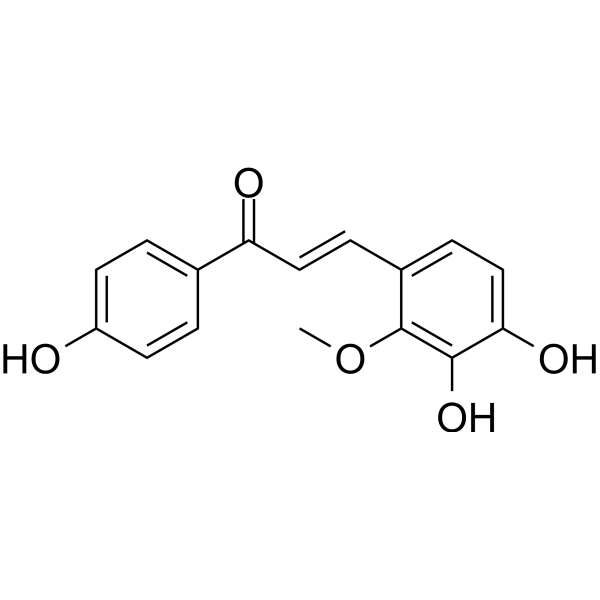
Licochalcone B is an extract from the root of Glycyrrhiza uralensis. Licochalcone B inhibits amyloid β (42) self-aggregation (IC50=2.16 μM) and disaggregate pre-formed Aβ42 fibrils, reduce metal-induced Aβ42 aggregation through chelating metal ionsLicochalcone B inhibits phosphorylation of NF-κB p65 in LPS signaling pathway. Licochalcone B inhibits growth and induces apoptosis of NSCLC cells. Licochalcone B specifically inhibits the NLRP3 inflammasome by disrupting NEK7‐NLRP3 interaction .
loading...
    loading...
11
11 Cited Publications
Cat. No.: HY-144226
CAS No.: 1787787-60-3
Purity:  98.23%
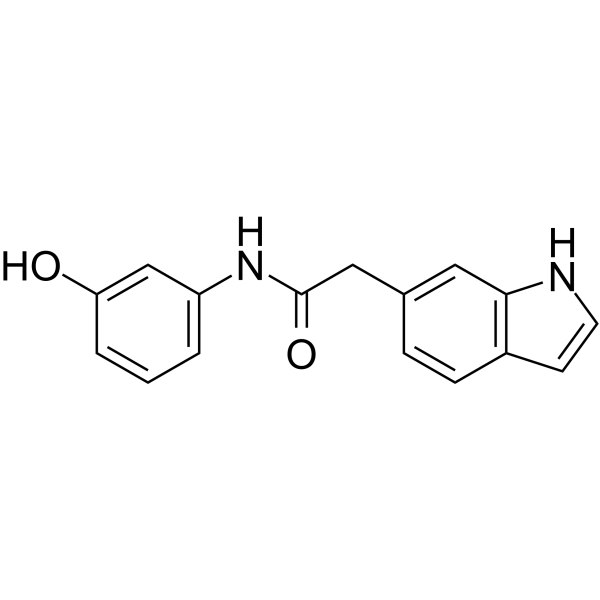
NLRP3/AIM2-IN-3 (compound 59) is a potent inhibitor with differential species specific effects against NLRP3 and AIM2 inflammasome-dependent pyroptosis. NLRP3/AIM2-IN-3 shows inhibitory efficacy against pyroptosis in THP-1 macrophages stimulated with LPS/nigericin, with an IC50 of 0.077 ± 0.008 μM. NLRP3/AIM2-IN-3 disturbs the interaction of NLRP3 or AIM2 with the adaptor protein ASC and inhibited ASC oligomerization .
loading...
    loading...
10
10 Cited Publications
Cat. No.: HY-12085
CAS No.: 608141-41-9
Purity:  99.91%
Synonyms: CC-10004
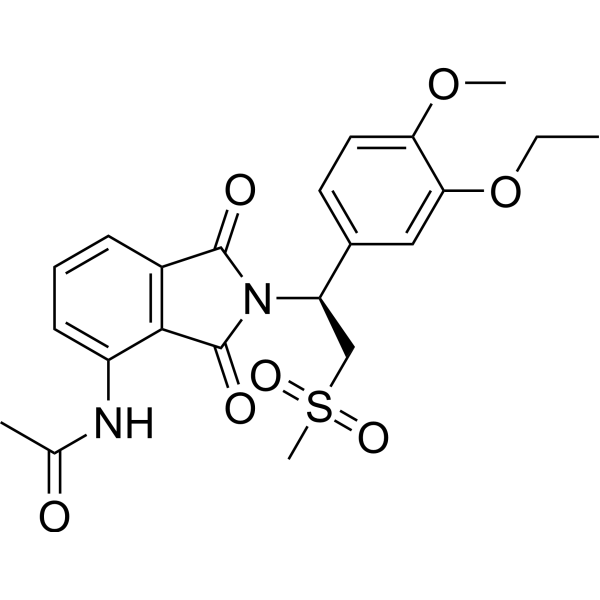
Apremilast (CC-10004) is an orally available inhibitor of type-4 cyclic nucleotide phosphodiesterase (PDE-4) with an IC50 of 74 nM. Apremilast inhibits TNF-α release by lipopolysaccharide (LPS) with an IC50 of 104 nM .
loading...
    loading...
10
10 Cited Publications
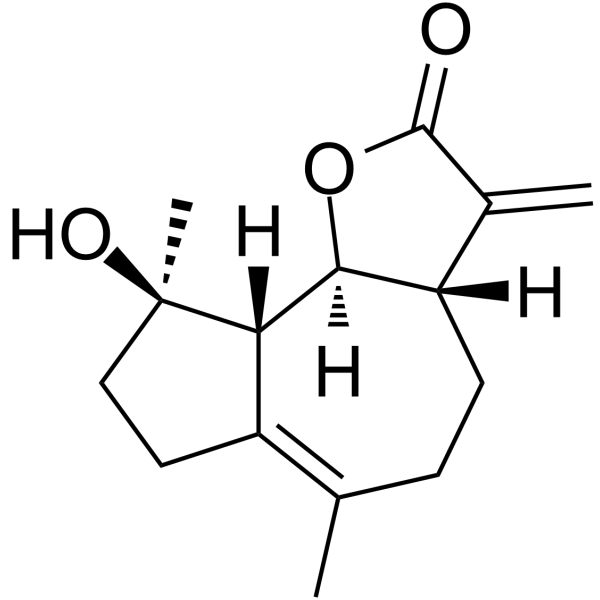
Cat. No.: HY-N0847
CAS No.: 68370-47-8
Micheliolide is a sesquiterpene lactone with anti-cancer and anti-inflammatory effects, which is derived from Michelia compressa and Michelia champaca. Micheliolide can attenuate high glucose-stimulated NF-κB activation, IκBα degradation, and the expression of MCP-1, TGF-β1, and FN in mouse mesangial cells. Micheliolide inhibits LPS (HY-D1056)-induced activation of NF-κB and PI3K/Akt/p70S6K pathways to play an anti-inflammatory role. Micheliolide inhibits dextran sodium sulphate (DSS) (HY-116282)-induced inflammatory intestinal disease, colitis-associated cancer and rheumatic arthritis .
loading...
    loading...
9
9 Cited Publications
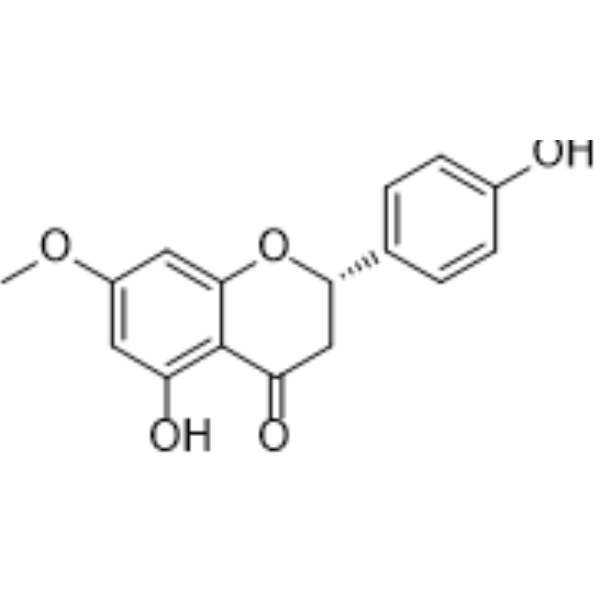
Cat. No.: HY-N0625A
CAS No.: 36052-37-6
Alpinetin is a flavonoid isolated from cardamom and possesses antitumor, antiinflammation, hepatoprotective, cardiovascular protective, lung protective, antibacterial, antiviral, neuroprotective properties. Alpinetin inhibits lipopolysaccharide (LPS)-induced inflammation, activates PPAR-γ, activates Nrf2, and inhibits TLR4 expression to protect LPS-induced renal injury .
loading...
    loading...
8
8 Cited Publications
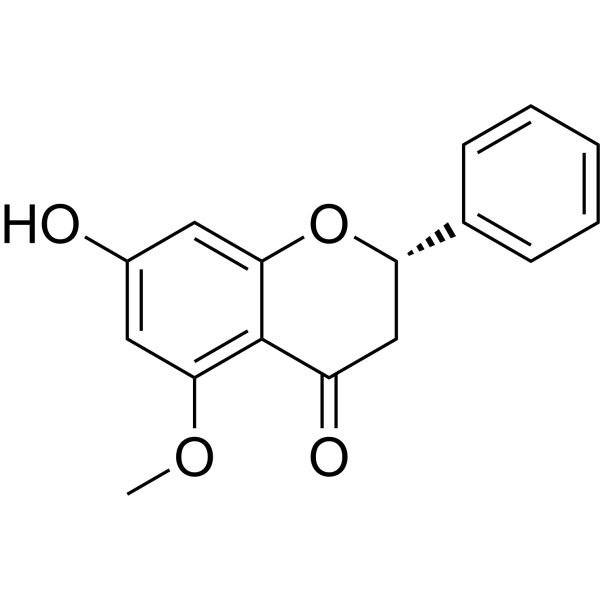
Cat. No.: HY-N3006
CAS No.: 2957-21-3
Sakuranetin is a cherry flavonoid phytoalexin, shows strong antifungal activity . Sakuranetin has anti-inflammatory and antioxidative activities. Sakuranetin ameliorates LPS-induced acute lung injury .
loading...
    loading...
8
8 Cited Publications
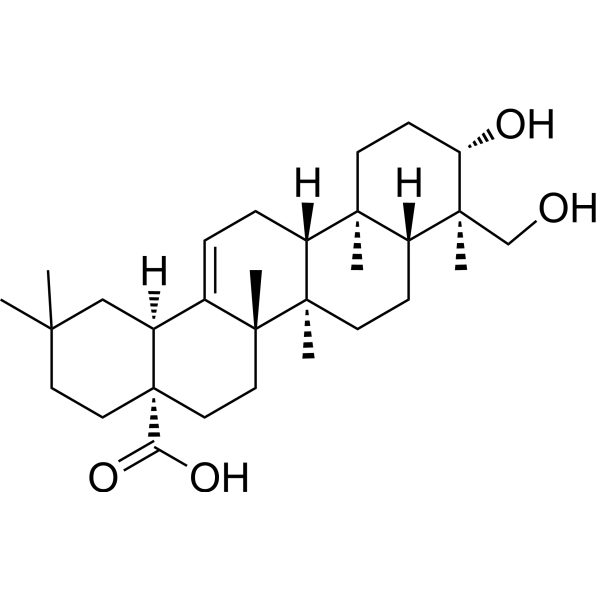
Cat. No.: HY-N0256
CAS No.: 465-99-6
Hederagenin is a triterpenoid saponin with orally active and antitumor activity. Hederagenin can inhibit the expression of iNOS, COX-2, and NF-κB in cells induced by LPS stimulation. Hederagenin also increases ROS production in cancer cells, disrupts mitochondrial membrane potential, and induces apoptosis. Hederagenin also sensitizes cancer cells to Cisplatin (HY-17394) and Paclitaxel (HY-B0015), enhancing induced apoptosis. Hederagenin can also bind to SKP2, with KD = 67.9 μM. Hederagenin also has preventive potential against alcoholic liver injury .
loading...
    loading...
8
8 Cited Publications
Cat. No.: HY-111152
CAS No.: 912798-42-6
Purity:  99.89%
Target:  

STAT

Research Areas:  

Cancer

ML115, a molecular probe of the signal transducer, is a selective STAT3 agonist, with an EC50 of 2 nM. ML115 increases the expression of BCL3, a known STAT3-dependent oncogene. ML115 is inactive against the related STAT1, STAT5 and NF-κB anti-targets. ML115 counteracts the effects of Ginsenoside Rc (HY-N0042) on cell viability and inflammatory responses in LPS (HY-D1056)-stimulated H9c2 and RAW264.7 cells, while altering oxidative stress markers. ML115 can be used for the study of breast and prostate cancers .
loading...
    loading...
7
7 Cited Publications
Cat. No.: HY-N0512
CAS No.: 18524-94-2
Synonyms: Loganoside
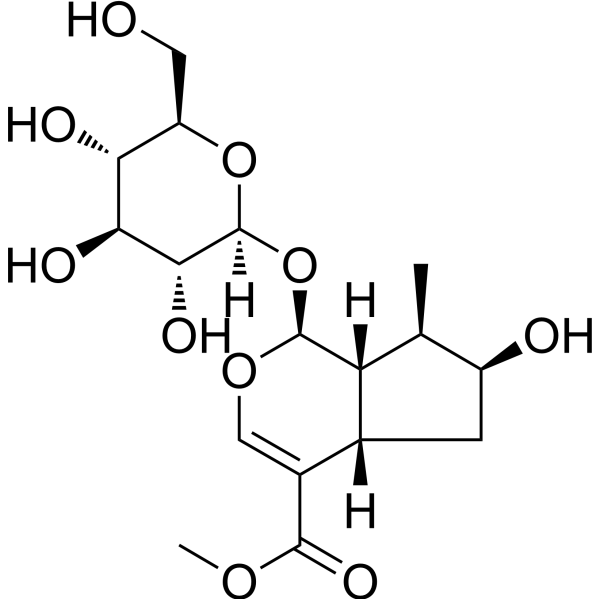
Loganin is a type of iridoid glycoside compound that possesses anti-inflammatory, antioxidant, and antitumor properties, and offers protective effects against acute lung injury and pulmonary fibrosis. Loganin exerts its protective effects against LPS (HY-D1056)-mediated inflammation and oxidative stress by upregulating the Nrf2/HO-1 signaling pathway, and it reduces neuroinflammation caused by spinal cord injury (SCI) .
loading...
    loading...
7
7 Cited Publications
Cat. No.: HY-N0631
CAS No.: 131189-57-6
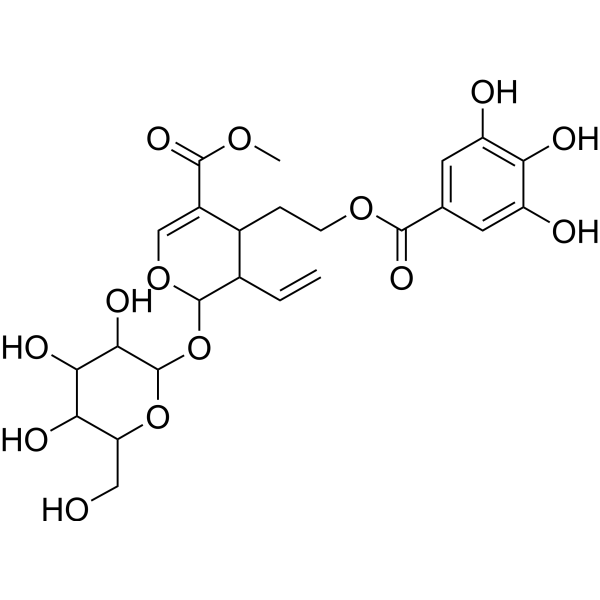
Cornuside is an iridoid glycoside with anti-allergic, anti-inflammatory, and neuroprotective activities. Cornuside exerts anti-allergic activity by downregulating the p38 MAPK, JNK, and NF-κB signaling pathways, and inhibits IgE-mediated histamine release from mast cells. Cornuside improves cognitive impairment in mice by inhibiting BACE1 activity (IC50 = 55.84 μg/mL) and enhancing ChAT activity. Cornuside inhibits LPS (HY-D1056)-induced inflammatory mediators, including iNOS, COX-2, PGE2, TNF-α, IL-6, and IL-1β, by suppressing NF-κB activation .
loading...
    loading...
6
6 Cited Publications
Cat. No.: HY-D1056A1
Synonyms: LPS, from Escherichia coli (O111:B4)
Lipopolysaccharides, from E. coli O111:B4 (LPS, from Escherichia coli (O111:B4)) are endotoxins and TLR4 activators extracted from Escherichia coli (E. coli O111:B4) and are classified as S (smooth) type LPS. Lipopolysaccharides (LPS), from E. coli O111:B4 possess the typical three-part structure: O-antigen, R3-type core oligosaccharide, and lipid A. Lipopolysaccharides (LPS), from E. coli O111:B4 activate TLR-4 in immune cells and can cause significant gastric diseases. Lipopolysaccharides (LPS), from E. coli O111:B4 can be used to induce cellular inflammation and establish animal models related to inflammation .
It is recommended to prepare a solution with concentration ≥2 mg/mL. Vortex thoroughly for more than 10 minutes. Due to the adsorption characteristics of LPS, silanized container or low adsorption centrifuge tubes should be used for aliquoting and storage, and mix thoroughly before use.
loading...
    loading...
6
6 Cited Publications
Cat. No.: HY-103017
CAS No.: 2591344-30-6
Purity:  99.14%
Target:  

IRAK

Research Areas:  

Infection

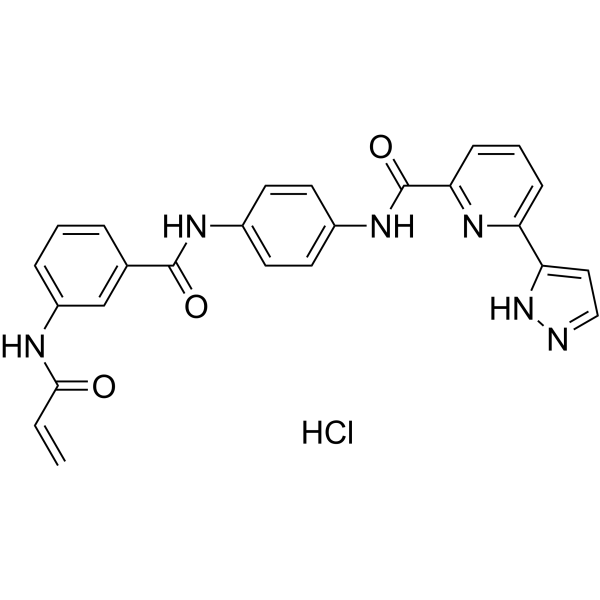
JH-X-119-01 hydrochloride is a potent and selective interleukin-1 receptor-associated kinases 1 (IRAK1) inhibitor. JH-X-119-01 hydrochloride ameliorates LPS-induced sepsis in mice .
loading...
    loading...
6
6 Cited Publications
Cat. No.: HY-D1594
CAS No.: 217190-24-4
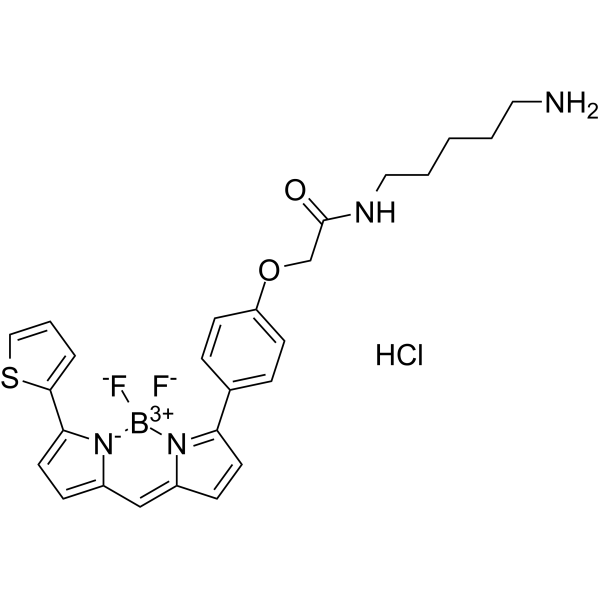
BODIPY TR Cadaverine, a cadaverine derivative, is a red fluorescent dye. BODIPY TR Cadaverine can be used in a a highly sensitive and robust fluorescent displacement assay, which binds to native LPS strongly, specifically recognizing lipid A, and is competitively displaced by compounds displaying an affinity for lipid A .
loading...
    loading...
6
6 Cited Publications
Cat. No.: HY-B1246
CAS No.: 553-08-2
Target:  

Bacterial Proton Pump

Research Areas:  

Infection

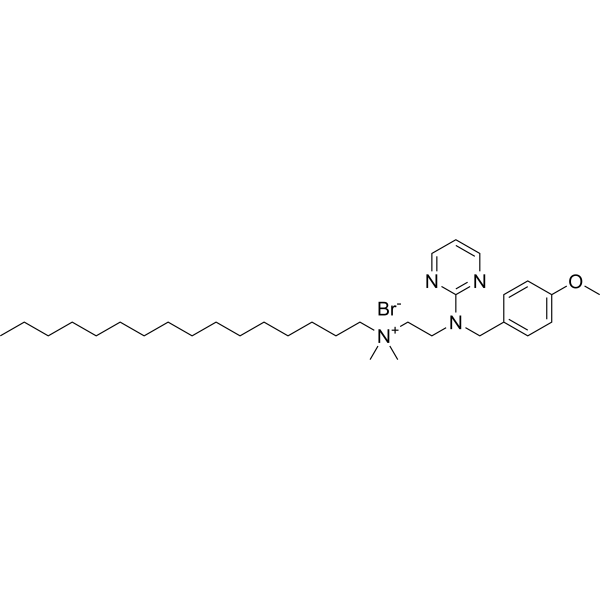
Thonzonium bromide is an antibacterial agent that is structurally similar to Farnesol (HY-Y0248A). Thonzonium bromide is also a monocationic surface-active agent, which inhibits RANKL-induced osteoclast formation and bone resorption in vitro and prevents LPS-induced bone loss in vivo. Thonzonium bromide inhibits proton transport in a dose-dependent manner (EC50=69 μM) .
loading...
    loading...
6
6 Cited Publications
Cat. No.: HY-103017A
CAS No.: 2227368-54-7
Purity:  99.03%
Target:  

IRAK

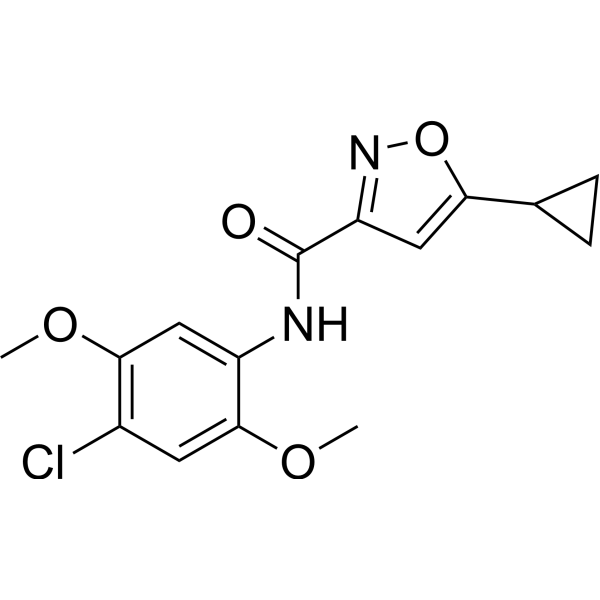
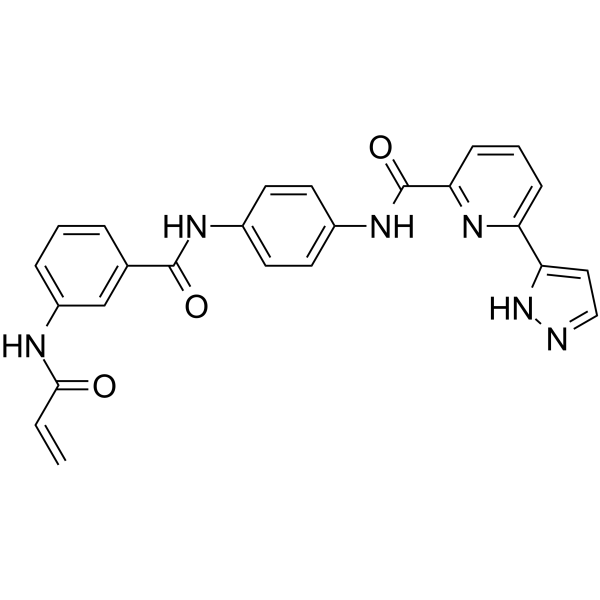
JH-X-119-01 is a potent and selective interleukin-1 receptor-associated kinases 1 (IRAK1) inhibitor. JH-X-119-01 ameliorates LPS-induced sepsis in mice . JH-X-119-01 inhibits IRAK1 biochemically with an apparent IC50 of 9 nM while exhibiting no inhibition of IRAK4 at concentrations up to 10 μM .
loading...
    loading...
6
6 Cited Publications
Cat. No.: HY-N0787
CAS No.: 905-99-7
Synonyms: 4-Caffeoylquinic acid; 4-O-Caffeoylquinic acid
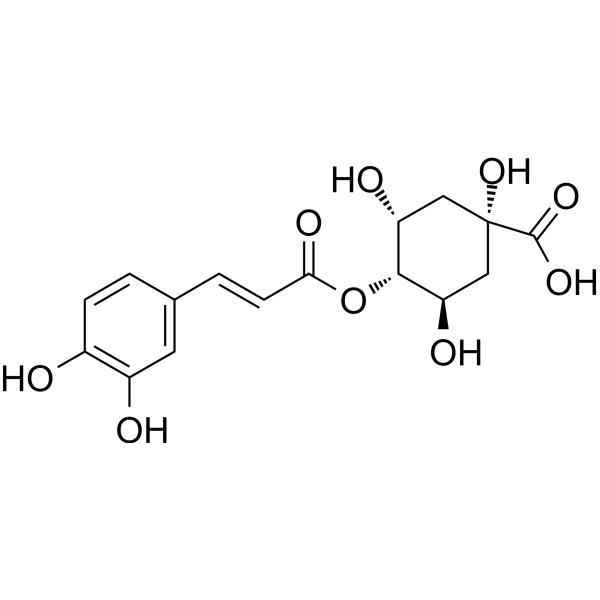
Cryptochlorogenic acid (4-Caffeoylquinic acid) is a naturally occurring phenolic acid compound with oral effectiveness, anti-inflammatory, antioxidant and anti-cardiac hypertrophy effects. Alleviating LPS (HY-D1056) and ISO (HY-B0468) by regulating proinflammatory factor expression, inhibiting NF-κB activity, promoting Nrf2 nuclear transfer, and regulating PI3Kα/Akt/ mTOR / HIF-1α signaling pathway Induced physiological stress response .
loading...
    loading...
6
6 Cited Publications
Cat. No.: HY-110133
CAS No.: 188791-09-5
Purity:  98.64%
Target:  

Interleukin Related

Research Areas:  

Inflammation/Immunology

JTE-607, a highly selective inflammatory cytokine synthesis inhibitor, protects from endotoxin shock in mice. JTE-607 inhibits inflammatory cytokine production, including TNF-α, IL-1β, IL-6, IL-8 and IL-10, from LPS-stimulated human PBMCs, with IC50s of 11, 5.9, 8.8, 7.3 and 9.1 nM, respectively . Cleavage and Polyadenylation Specificity Factor 3 (CPSF3) is the target of JTE-607 .
loading...
    loading...
5
5 Cited Publications
Cat. No.: HY-P1956
CAS No.: 70024-90-7
Synonyms: Human serum albumin
HSA Protein (Human serum albumin) is the most abundant protein in plasma and is a major determinant of plasma oncotic pressure. HSA Protein exhibits antioxidant, anticoagulant, anti-inflammatory, anti-platelet aggregation activities as well as colloid osmotic action. HSA Protein can block the inhibitory effect of GML on human T cells, providing protective function for T cells. HSA Protein is also associated with cardiovascular diseases and can partially prevent the LPS (HY-D1056) induced oxidative stress, as well as the upregulation of NF-κB, NF-κB, and peroxynitrite (ONOO -) in the vascular wall, contributing to the reduction of blood pressure .
This product is recombinant HSA Protein expressed in a microbial expression system.
loading...
    loading...
5
5 Cited Publications
Cat. No.: HY-N2259
CAS No.: 19431-84-6
Synonyms: (+)-Curcumenol
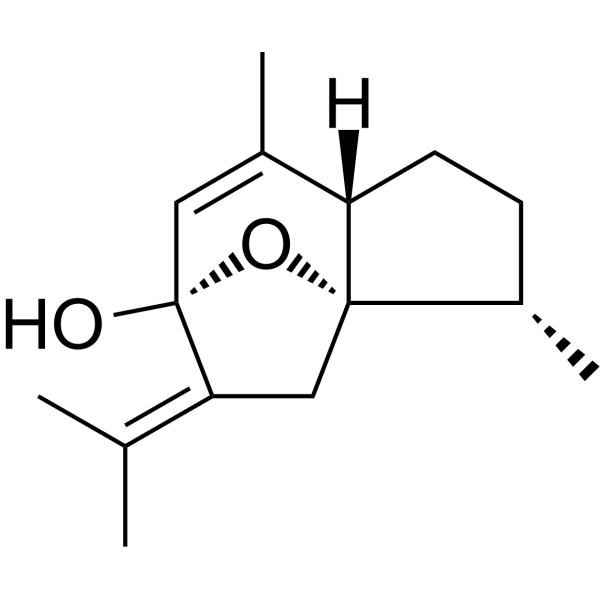
Curcumenol ((+)-Curcumenol) is a natural compound with oral efficacy, exhibiting an IC50 of 12.6 μM and a Ki of 10.8 μM against human CYP3A4. Curcumenol inhibits TNFα-induced phosphorylation/degradation of IκBα, phosphorylation/nuclear translocation of NF-κB p65, as well as the upregulation of MMP3, MMP9, MMP13, TRAF3, IL1RL1, TNFα and IL-1β. Curcumenol suppresses LPS-induced phosphorylation of Akt and p38 MAPK, as well as the production of pro-inflammatory mediators/proteins, and downregulates the SLC7A11/NF-κB/TGF-β pathway. Curcumenol binds to and inhibits the activation of Fyn and Lyn, blocks the function of downstream FcεRI signaling components, and reduces the release of allergic mediators/cytokines. Curcumenol upregulates the expression of KDM6B, and promotes chondrocyte proliferation and cartilage repair. Curcumenol induces ferroptosis and apoptosis, regulates the EMT process, and inhibits tumor growth and metastasis of triple-negative breast cancer. Curcumenol possesses anti-inflammatory, neuroprotective, antioxidant, antitumor, antiviral and hepatoprotective activities. Curcumenol can be used in research related to intervertebral disc degeneration, cancer, inflammation, central nervous system neurodegenerative diseases, allergic reactions and knee osteoarthritis .
loading...
    loading...

