2216 Results for "

Toxicity Endpoints

" in MedChemExpress (MCE) Product Catalog:
Products (2216)

2216 Results for "Toxicity Endpoints" in MCE Product Catalog:

12
12 Cited Publications
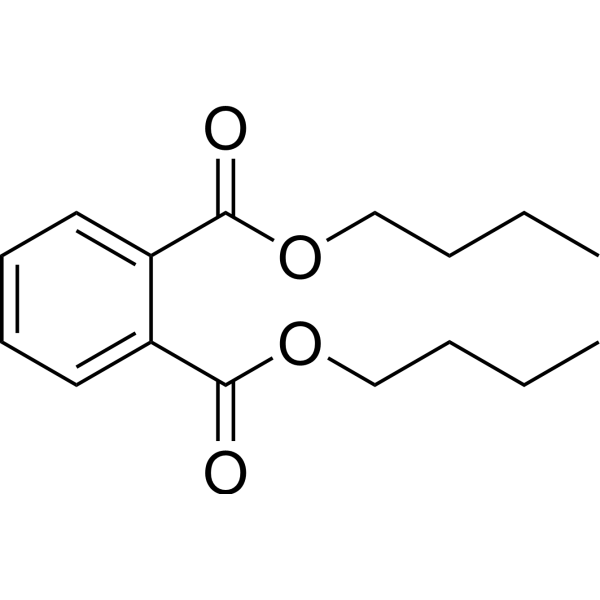
Cat. No.: HY-Y0304
CAS No.: 84-74-2
Dibutyl phthalate is a commonly used plasticizer commonly found in some food packaging materials, personal care products, and the coating of oral medications . May cause toxicity and adverse neurobehavioral effects .
loading...
    loading...
12
12 Cited Publications
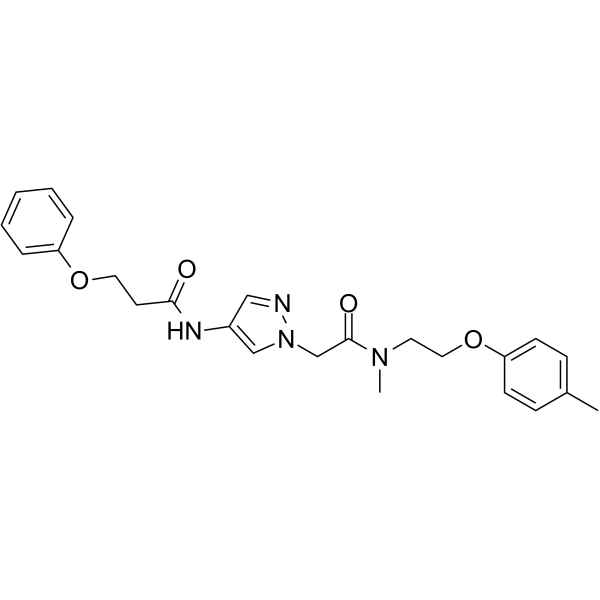
Cat. No.: HY-139214
CAS No.: 1185329-96-7
Purity:  98.83%
Target:  

IRE1

Research Areas:  

Neurological Disease

IXA4 is a highly selective, non-toxic IRE1/XBP1s activator. IXA4 activates IRE1/XBP1s signaling without globally activating the unfolded protein response (UPR) or other stress-responsive signaling pathways (e.g., the heat shock response or oxidative stress response). IXA4 reduces secretion of APP through IRE1 activation .
loading...
    loading...
11
11 Cited Publications
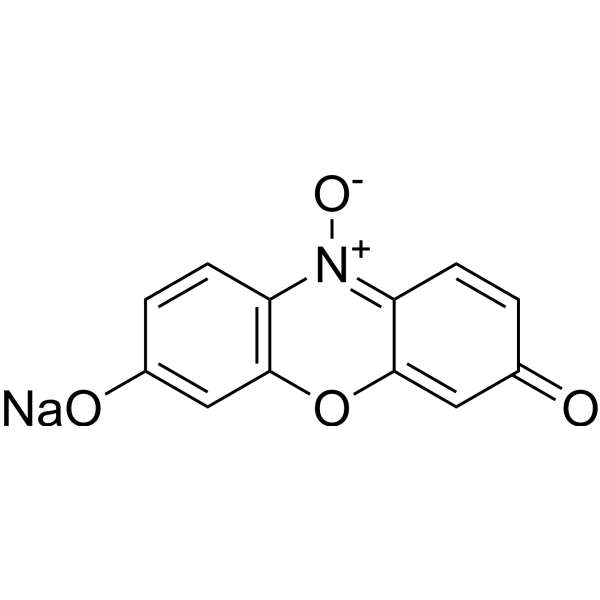
Cat. No.: HY-111391
CAS No.: 62758-13-8
Purity:  ≥98.0%
Synonyms: Diazoresorcinol sodium
Resazurin sodium (Diazoresorcinol sodium) is a non-toxic, stable, membrane-permeable blue non-fluorescent dye (faintly fluorescent). Resazurin sodium is used as a redox indicator, can be reduced to pink, highly fluorescent Resorufin (Ex=530-560 nm, Em=590 nm) in living cells. Resazurin sodium can be used for the detection of cell viability, toxicity, proliferation, migration and invasion in cells (human, plant and animal, bacterial and fungal) .
loading...
    loading...
11
11 Cited Publications
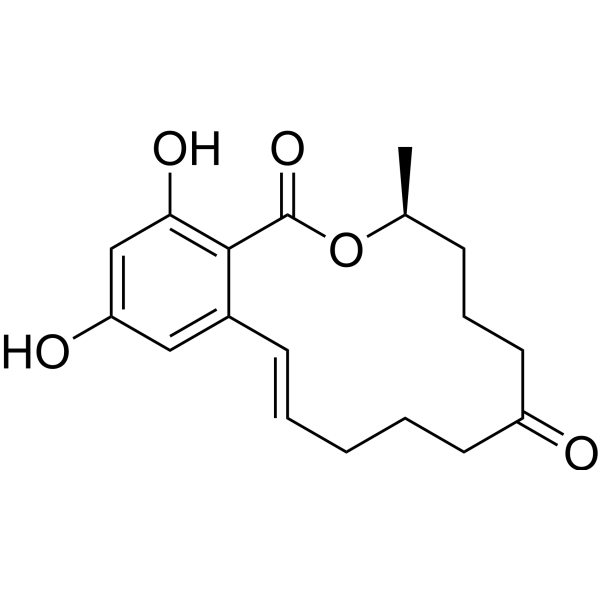
Cat. No.: HY-103447
CAS No.: 17924-92-4
Purity:  98.22%
Synonyms: Mycotoxin F2; Toxin F2
Zearalenone is a mycotoxin produced mainly by fungi belonging to the genus Fusarium in foods and feeds. Possess oestrogenic activity in pigs, cattle and sheep, with low acute toxicity. Causes precocious development of mammae and other estrogenic effects in young gilts .
loading...
    loading...
11
11 Cited Publications
Cat. No.: HY-U00449
CAS No.: 171746-21-7
Target:  

RAR/RXR

Research Areas:  

Cancer

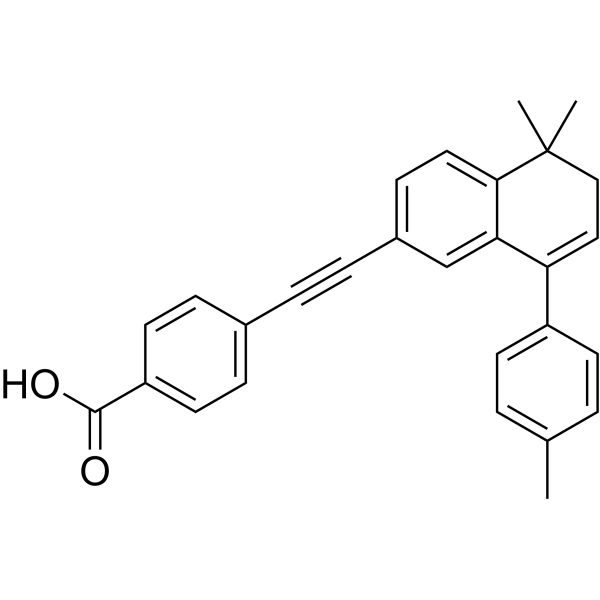
AGN 193109 is a retinoid analog, and acts as a specific and highly effective antagonist of retinoic acid receptors (RARs), with Kds of 2 nM, 2 nM, and 3 nM for RARα, RARβ, and RARγ, respectively. AGN 193109 is a click chemistry reagent, it contains an Alkyne group and can undergo copper-catalyzed azide-alkyne cycloaddition (CuAAc) with molecules containing Azide groups. AGN 193109 is the antidote for retinoic acidosis, that ameliorates the skin and mucosal toxicity.
loading...
    loading...
11
11 Cited Publications
Cat. No.: HY-D1005
CAS No.: 9003-11-6
Synonyms: PEG-PPG-PEG, 12600 (Average Mn)
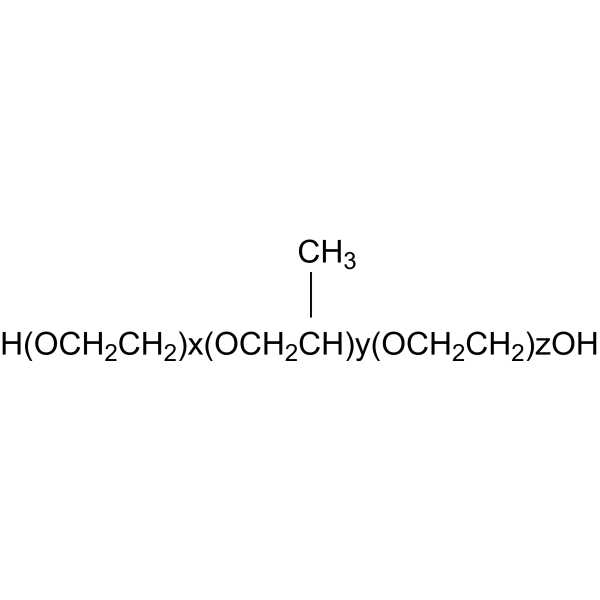
Poloxamer 407 (F127) is a nonionic surfactant that is 100% active and relatively non-toxic to cells at low concentrations, and frequently used with dye AM esters such as Indo-1 AM, Fura-2 AM, Calcein AM, Fluo-3 AM, Fluo-4 AM, Quest Fluo-8 AM and Quest Rhod-4 AM, etc. to improve their water solubility. Poloxamer 407 is also a lipoprotein lipase inhibitor .
loading...
    loading...
10
10 Cited Publications
Cat. No.: HY-116282C
CAS No.: 9011-18-1
Synonyms: DSS (MW 35000-45000); DXS (MW 35000-45000)
Target:  

Apoptosis

Dextran sulfate sodium salt (DSS) (MW 35000-45000) is a polymer of dehydrated glucose with a molecular weight of approximately 35000-45000. DSS with different molecular weights exhibits different biological activities. Dextran sulfate sodium salt (DSS) (MW 35000-45000) is a potent inducer of colitis. Dextran sulfate sodium salt (DSS) (MW 35000-45000) can be used to induce model acute colitis, chronic colitis, and colitis-related colon cancer. Dextran sulfate sodium salt (DSS) (MW 35000-45000) may be related to macrophage dysfunction, intestinal flora dysbiosis, and is particularly toxic to the colonic epithelium .
loading...
    loading...
10
10 Cited Publications
Cat. No.: HY-129241
CAS No.: 330834-54-3
Purity:  99.33%
AGX51 is a pan-Id (inhibitors of DNA-binding/differentiation proteins) antagonist that disrupts ID-E protein interactions, thereby triggering ubiquitin-mediated proteasomal degradation of ID1, ID2, ID3 and ID4. AGX51 induces ROS production, G0/G1 cell cycle arrest, non-apoptotic cell death, and regulates EMT-related proteins. AGX51 reduces the proliferation, migration and myofibroblast differentiation of lung fibroblasts, alleviates pulmonary fibrosis, inhibits cancer cell viability and tumor growth, impairs neovascularization, and shows no obvious toxicity in mice. AGX51 can be used in research related to idiopathic pulmonary fibrosis, triple-negative breast cancer, breast cancer, pancreatic ductal adenocarcinoma, colorectal tumors, wet age-related macular degeneration and retinopathy of prematurity .
loading...
    loading...
10
10 Cited Publications
Cat. No.: HY-128586
CAS No.: 1848959-10-3
Purity:  99.52%
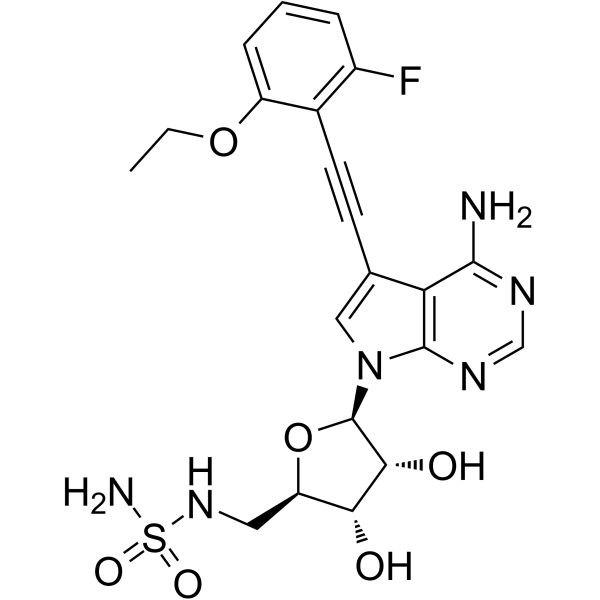
TAS4464 is a long-acting, highly selective covalent inhibitor targeting NEDD8-activating enzyme (NAE) (IC50=0.955 nM), and also inhibits CAII with an IC50 of 0.73 μM, which is less potent than MLN4924 (HY-70062). The IC50 values of TAS4464 against other E1 enzymes UAE and SAE are 449 nM and 1280 nM, respectively. TAS4464 targets NEDD8 in an ATP-dependent manner to inhibit NAE, blocks the neddylation pathway, causes accumulation of CRL ubiquitin ligase substrates (such as CDT1, p27, phosphorylated IκBα), and further induces tumor cell apoptosis. TAS4464 exhibits antiproliferative and cytotoxic effects, and has broad-spectrum antitumor activity against various hematologic and solid tumor cell lines as well as patient-derived tumor cells. TAS4464 has a wide selcetive window, without obvious toxicity. TAS4464 can be used in the research of hematologic malignancies (leukemia, lymphoma, multiple myeloma, etc.) and solid tumors (small cell lung cancer, colorectal cancer, sarcoma, endometrial cancer, ovarian cancer, etc.) .
loading...
    loading...
10
10 Cited Publications
Cat. No.: HY-128586A
CAS No.: 1848959-11-4
Purity:  98.91%
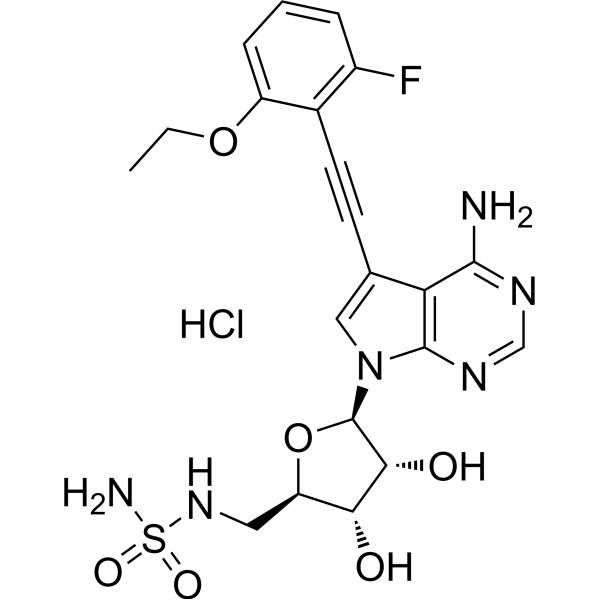
TAS4464 hydrochloride is a long-acting, highly selective covalent inhibitor targeting NEDD8-activating enzyme (NAE) (IC50=0.955 nM), and also inhibits CAII with an IC50 of 0.73 μM, which is less potent than MLN4924 (HY-70062). The IC50 values of TAS4464 hydrochloride against other E1 enzymes UAE and SAE are 449 nM and 1280 nM, respectively. TAS4464 hydrochloride targets NEDD8 in an ATP-dependent manner to inhibit NAE, blocks the neddylation pathway, causes accumulation of CRL ubiquitin ligase substrates (such as CDT1, p27, phosphorylated IκBα), and further induces tumor cell apoptosis. TAS4464 hydrochloride exhibits antiproliferative and cytotoxic effects, and has broad-spectrum antitumor activity against various hematologic and solid tumor cell lines as well as patient-derived tumor cells. TAS4464 hydrochloride has a wide therapeutic window, without obvious toxicity. TAS4464 hydrochloride can be used in the research of hematologic malignancies (leukemia, lymphoma, multiple myeloma, etc.) and solid tumors (small cell lung cancer, colorectal cancer, sarcoma, endometrial cancer, ovarian cancer, etc.) .
loading...
    loading...
9
9 Cited Publications
Cat. No.: HY-N6719
CAS No.: 116355-83-0
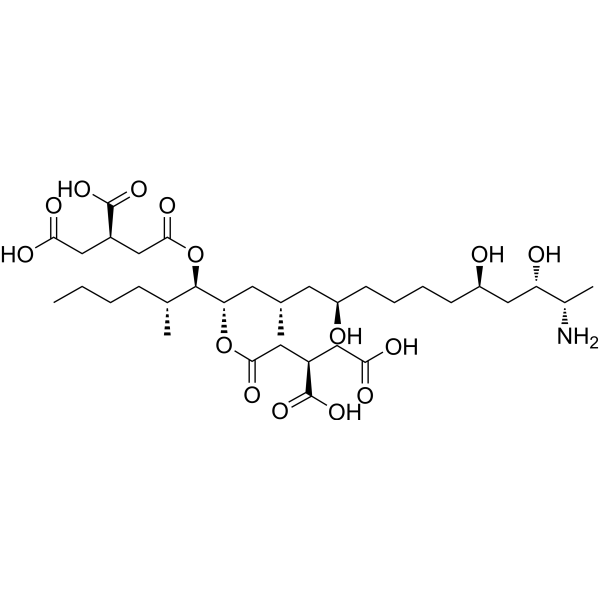
Fumonisin B1 is a mycotoxin produced from Fusarium moniliforme. Fumonisin B1 is a potent inhibitor of sphingosine N-acyltransferase (ceramide synthase) and disrupts de novo sphingolipid biosynthesis. Fumonisin B1 is the most abundant and toxic fumonisin .
loading...
    loading...
9
9 Cited Publications
Cat. No.: HY-17564
CAS No.: 3992-42-5
Synonyms: 2'-Deoxycytidine monohydrochloride; Deoxycytidine hydrochloride; NSC 83251
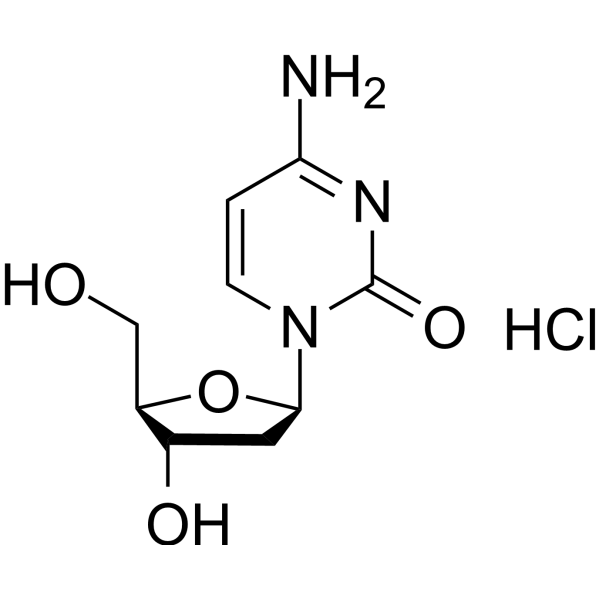
2'-Deoxycytidine hydrochloride (2'-Deoxycytidine monohydrochloride; NSC 83251) is an orally active nucleic acid biosynthesis enzyme inhibitor. 2'-Deoxycytidine hydrochloride competes with nucleic acid biosynthesis enzymes and nucleoside transporters, thereby reducing the toxicity of cytarabine. 2'-Deoxycytidine hydrochloride can be used in the research of L1210 lymphoblastic leukemia .
loading...
    loading...
9
9 Cited Publications
Cat. No.: HY-15785
CAS No.: 1260533-36-5
Purity:  98.79%
Synonyms: TAS-116
Target:  

HSP

Research Areas:  

Cancer

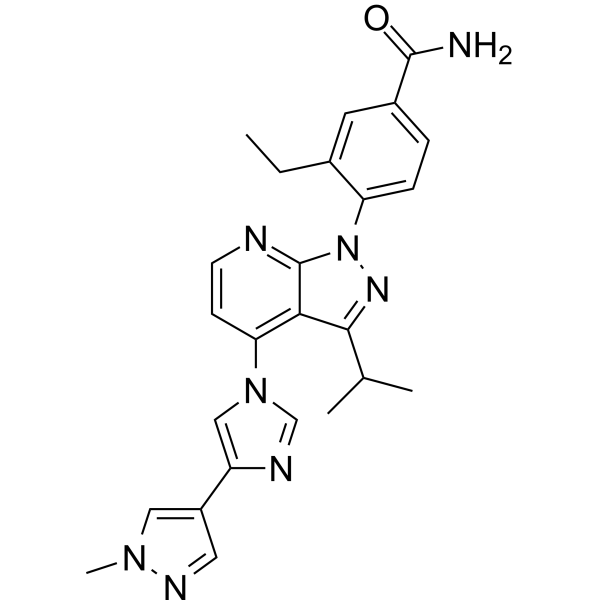
Pimitespib (TAS-116) is an oral bioavailable, ATP-competitive, highly specific HSP90α/HSP90β inhibitor (Kis of 34.7 nM and 21.3 nM, respectively) without inhibiting other HSP90 family proteins such as GRP94 . Pimitespib demonstrates less ocular toxicity .
loading...
    loading...
9
9 Cited Publications
Cat. No.: HY-112758
CAS No.: 1190197-97-7
Purity:  99.88%
Target:  

Liposome

Research Areas:  

Others

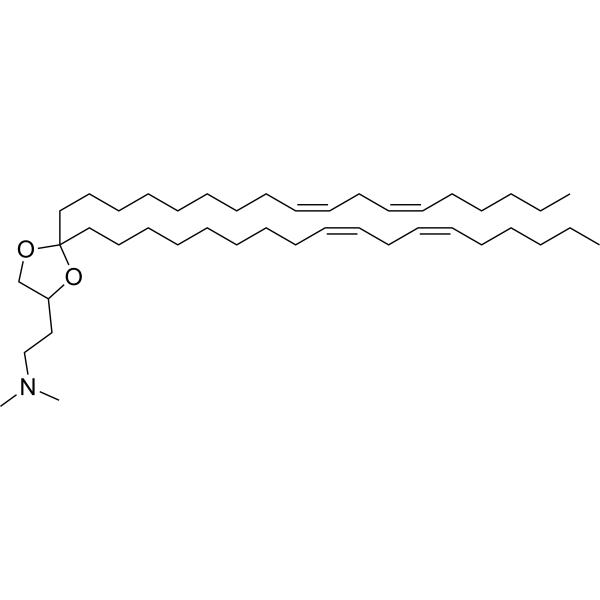
DLin-KC2-DMA is an ionisable cationic lipid (pKa≈6) that is virtually non-toxic to antigen presenting cells (APCs). DLin-KC2-DMA produces significant siRNA-mediated gene silencing of GAPDH, when binds to lipid nanoparticles (LNP). DLin-KC2-DMA can be used in siRNA delivery studies .
loading...
    loading...
9
9 Cited Publications
Cat. No.: HY-N2334
CAS No.: 640-79-9
Synonyms: Chenodeoxycholylglycine
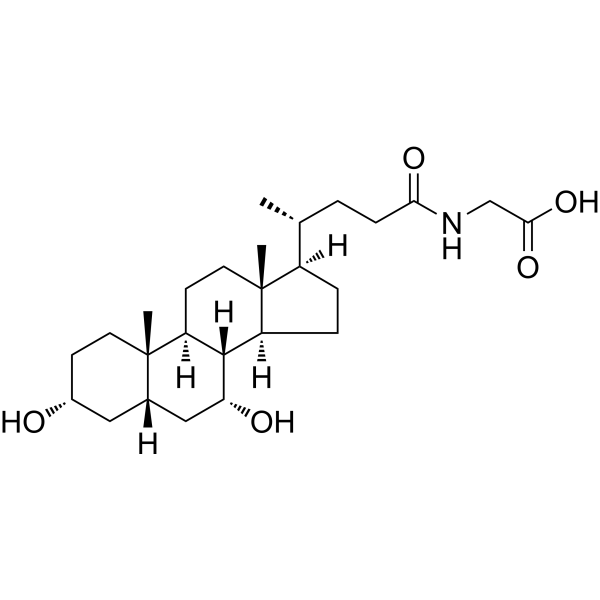
Glycochenodeoxycholic acid (Chenodeoxycholylglycine) is a relatively toxic bile salt generated in the liver from chenodeoxycholic acid and glycine. Glycochenodeoxycholic acid inhibits Autophagosome formation and impairs lysosomal function by inhibiting lysosomal proteolysis and increasing lysosomal pH in human normal liver cells, leading to the Apoptosis of human hepatocyte cells. Glycochenodeoxycholic acid induces stemness and chemoresistance via activating STAT3 signaling pathway in hepatocellular carcinoma cells (HCC). Glycochenodeoxycholic acid is promising for research in the field of cholestasis desease, hepatocellular carcinoma and primary sclerosing cholangitis (PSC) .
loading...
    loading...
9
9 Cited Publications
Cat. No.: HY-N2334A
CAS No.: 16564-43-5
Synonyms: Chenodeoxycholylglycine sodium salt; Sodium glycochenodeoxycholate
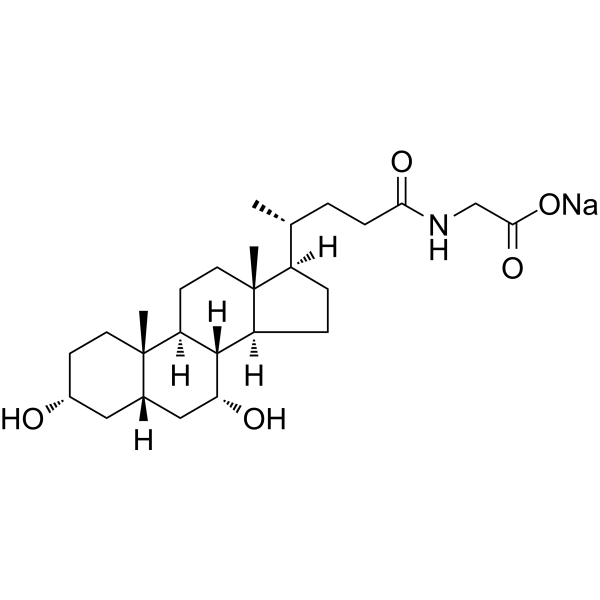
Glycochenodeoxycholic acid sodium salt (Sodium glycochenodeoxycholate) is a relatively toxic bile salt generated in the liver from chenodeoxycholic acid and glycine. Glycochenodeoxycholic acid sodium salt inhibits Autophagosome formation and impairs lysosomal function by inhibiting lysosomal proteolysis and increasing lysosomal pH in human normal liver cells, leading to the Apoptosis of human hepatocyte cells. Glycochenodeoxycholic acid sodium salt induces stemness and chemoresistance via activating STAT3 signaling pathway in hepatocellular carcinoma cells (HCC). Glycochenodeoxycholic acid sodium salt is promising for research in the field of cholestasis desease, hepatocellular carcinoma and primary sclerosing cholangitis (PSC) .
loading...
    loading...
9
9 Cited Publications
Cat. No.: HY-N1445
CAS No.: 482-35-9
Synonyms: Isoquercetin; Quercetin 3-glucoside
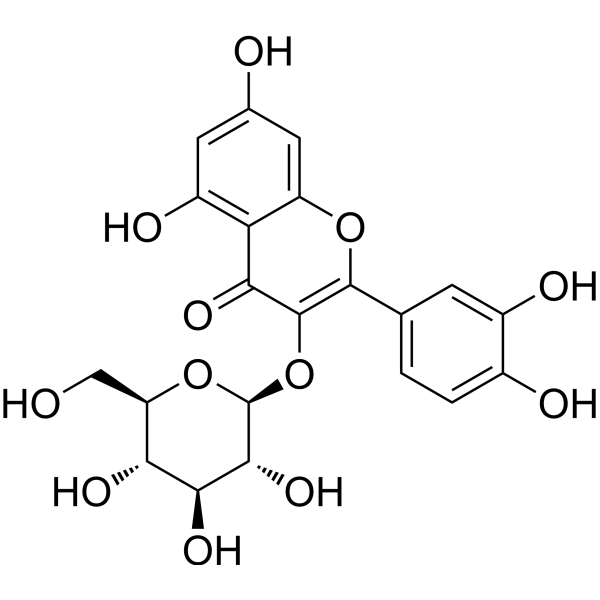
Isoquercetin (Quercetin 3-glucoside) is a naturally occurring polyphenol that has antioxidant, anti-proliferative, and anti-inflammatory properties. Isoquercetin alleviates ethanol-induced hepatotoxicity, oxidative stress, and inflammatory responses via the Nrf2/ARE antioxidant signaling pathway . Isoquercetin regulates the expression of nitric oxide synthase 2 (NO2) via modulating the nuclear factor-κB (NF-κB) transcription regulation system. Isoquercetin has high bioavailability and low toxicity, is a promising candidate agent to prevent birth defects in diabetic pregnancies .
loading...
    loading...
8
8 Cited Publications
Cat. No.: HY-111338
CAS No.: 321-64-2
Purity:  99.91%
Target:  

Cholinesterase (ChE)

Research Areas:  

Neurological Disease

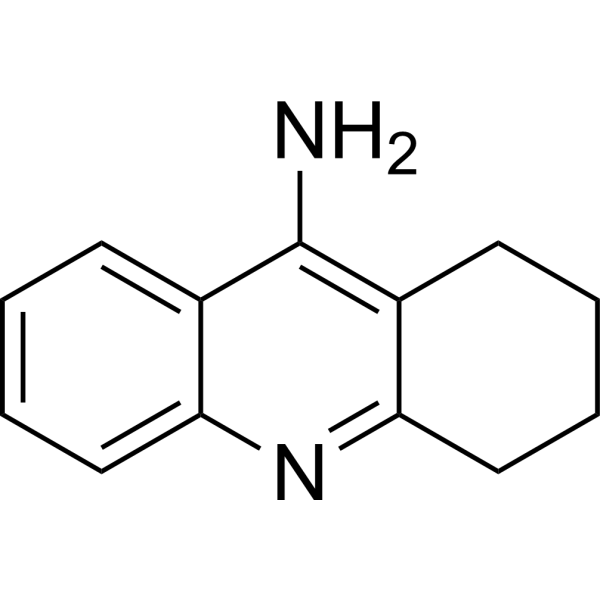
Tacrine is an effective oral acetylcholine (AChE) inhibitor (IC50 = 109 nM) and also acts as an active substrate for CYP1A2. Tacrine can restore cognitive dysfunction in elderly rats. Tacrine can cause liver toxicity and is used in research related to Alzheimer's disease .
loading...
    loading...
8
8 Cited Publications
Cat. No.: HY-N0462
CAS No.: 23094-69-1
Synonyms: NP-004255
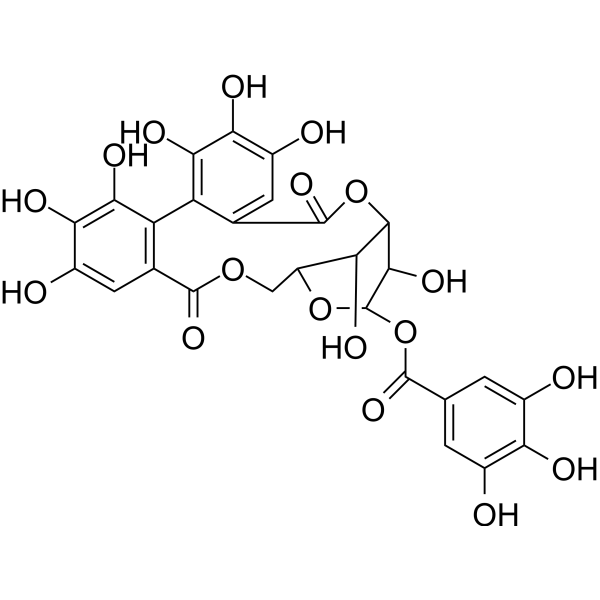
Corilagin, a gallotannin, has anti-tumor, anti-inflammatory and hepatoprotective activities. Corilagin inhibits activity of reverse transcriptase of RNA tumor viruses. Corilagin also inhibits the growth of Staphylococcus aureus with a MIC of 25 μg/mL. Corilagin shows anti-tumor activity on hepatocellular carcinoma and ovarian cancer model. Corilagin shows low toxicity to normal cells and tissues .
loading...
    loading...
8
8 Cited Publications
Cat. No.: HY-B0223
CAS No.: 54965-21-8
Synonyms: SKF-62979
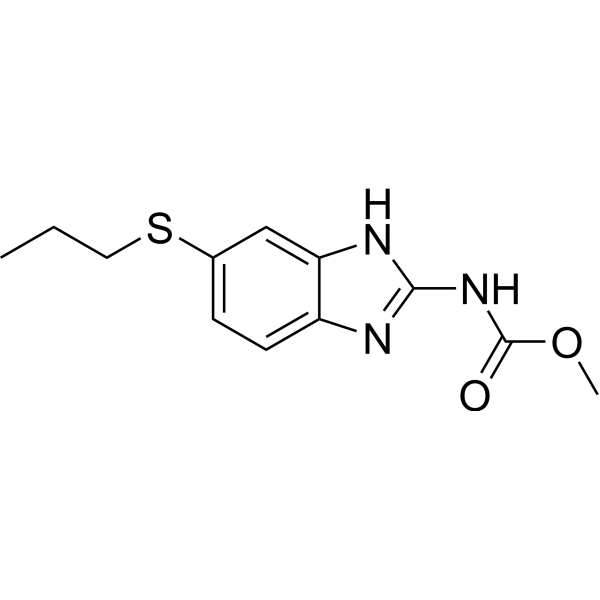
Albendazole (SKF-62979) is an orally active and broad-spectrum parasiticide with high effectiveness and low host toxicity, is used for the research of gastrointestinal parasites in humans and animals. Albendazole induces apoptosis and autophagy in cancer cells. Albendazole also inhibits tubulin polymerization and HIF-1α, VEGF expression, has antioxidant activity, and inhibits the glycolytic process in cancer cells .
loading...
    loading...

