10151 Results for "

repeat-dose toxicity studies

" in MedChemExpress (MCE) Product Catalog:
Products (10151)

10151 Results for "repeat-dose toxicity studies" in MCE Product Catalog:

30
30 Cited Publications
Cat. No.: HY-19792
CAS No.: 139504-50-0
Synonyms: DM1; Maytansinoid DM1
Research Areas:  

Cancer

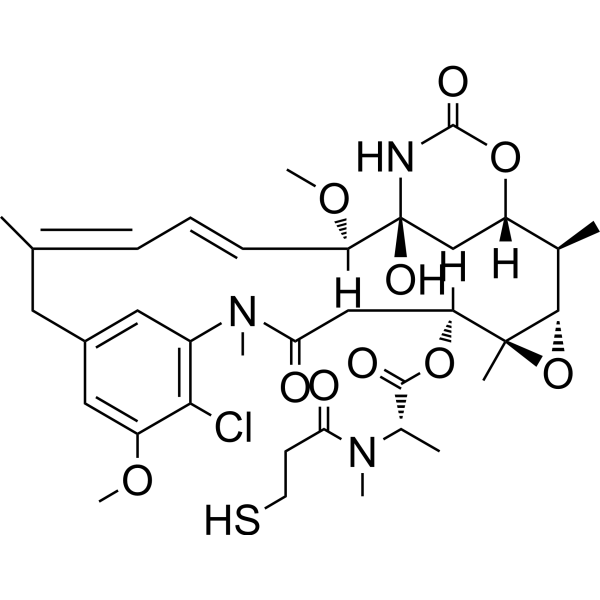
Mertansine (DM1) is a microtubulin inhibitor and is an antibody-conjugatable maytansinoid that is developed to overcome systemic toxicity associated with maytansine and to enhance tumor-specific delivery. Mertansine can be attached to a monoclonal antibody with a linker to create an antibody-drug conjugate (ADC) .
loading...
    loading...
30
30 Cited Publications
Cat. No.: HY-B0509A
CAS No.: 37517-28-5
Synonyms: BAY 41-6551
Target:  

Bacterial Antibiotic

Research Areas:  

Infection Cancer

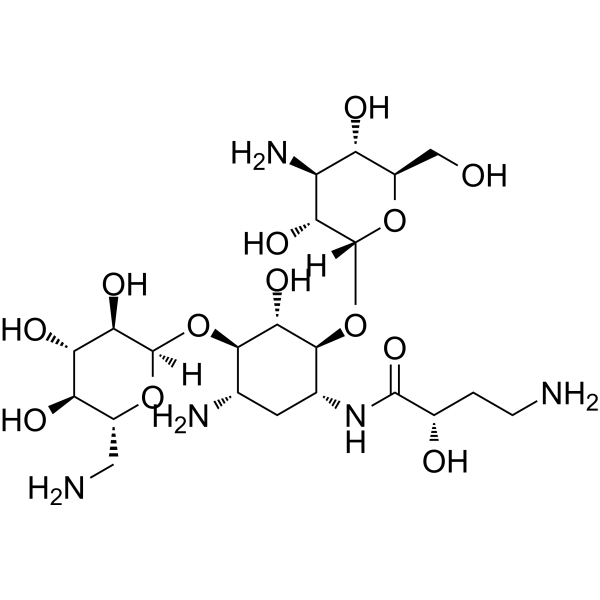
Amikacin (BAY 41-6551) is a semisynthetic kanamycin analog that is active against most Gram-negative bacteria, including gentamicin- and tobramycin-resistant strains. Significant inhibitory effect. Amikacin is ototoxic and nephrotoxic. Amikacin can be used in bacteriostatic, anti-cancer and analgesic studies .
loading...
    loading...
29
29 Cited Publications
Cat. No.: HY-D0816
CAS No.: 62669-70-9
Synonyms: RH-123; R-22420
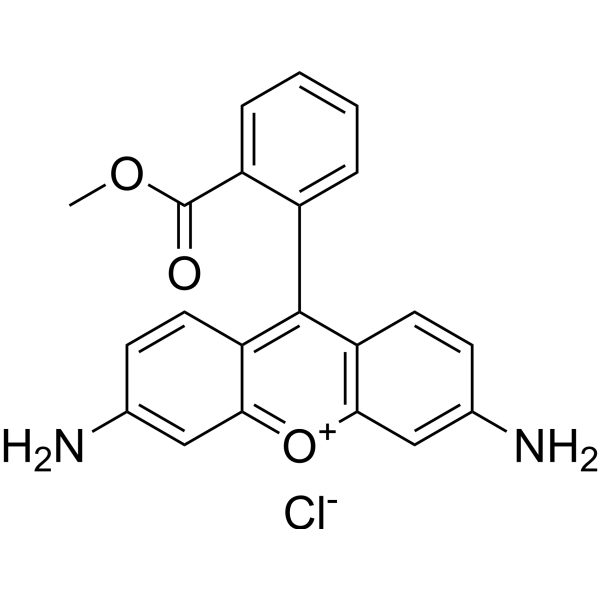
Rhodamine dyes are membrane-permeable cationic fluorescent probes that specifically recognize mitochondrial membrane potentials, thereby attaching to mitochondria and producing bright fluorescence, and at certain concentrations, rhodamine dyes have low toxicity to cells, so they are commonly used to detect mitochondria in animal cells, plant cells, and microorganisms .
loading...
    loading...
28
28 Cited Publications
Cat. No.: HY-P1363
Synonyms: Amyloid β-peptide (1-42) (human) TFA
Target:  

Amyloid-β

Research Areas:  

Neurological Disease

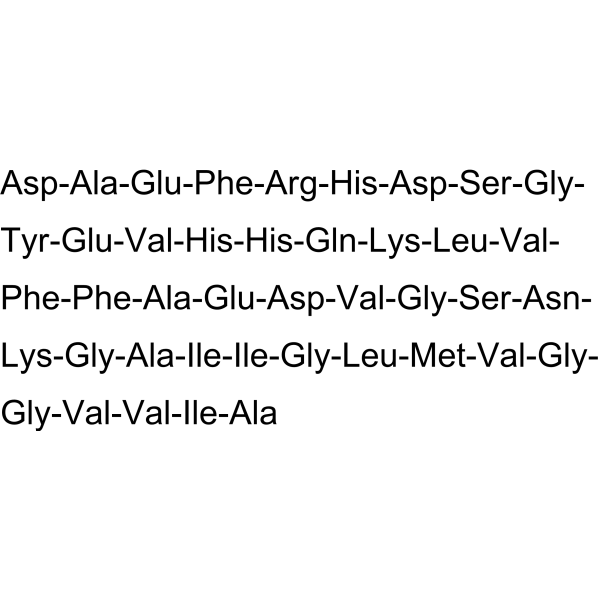
β-Amyloid (1-42) (Amyloid β-peptide (1-42), human TFA, a 42-amino acid peptide that has not been treated with HFIP, is a brain-penetrant amyloid protein fragment, which can be used in research on Alzheimer's disease and Down’s syndrome. β-Amyloid (1-42), human TFA remaining as a monomer exhibits antioxidant and neuroprotective effects. β-Amyloid (1-42), human TFA, after being monomericized by HFIP and dissolved in DMSO to form the stock solution, on the one hand, can form soluble oligomers (AβOs) when incubated at 4 °C, which have synaptic toxicity and neurotoxicity; on the other hand, it can be incubated at 37 °C to form insoluble fibrils, with lower neurotoxicity, and participating in the oxidative damage process. Aβ42 oligomers bind to various neuronal surface receptors (such as PrPc, mGluR5, NMDA receptors, etc.), triggering oxidative stress, calcium homeostasis imbalance, and synaptic toxicity via activating downstream signaling pathways, leading to neuronal dysfunction and death .
loading...
    loading...
28
28 Cited Publications
Cat. No.: HY-P1363A
CAS No.: 107761-42-2
Synonyms: Amyloid β-peptide (1-42) (human)
Target:  

Amyloid-β

Research Areas:  

Neurological Disease

β-Amyloid (1-42) (Amyloid β-peptide (1-42)), human, a 42-amino acid peptide that has not been treated with HFIP, is a brain-penetrant amyloid protein fragment, which can be used in research on Alzheimer's disease and Down’s syndrome. β-Amyloid (1-42), human remaining as a monomer exhibits antioxidant and neuroprotective effects. β-Amyloid (1-42), human, after being monomericized by HFIP and dissolved in DMSO to form the stock solution, on the one hand, can form soluble oligomers (AβOs) when incubated at 4 °C, which have synaptic toxicity and neurotoxicity; on the other hand, it can be incubated at 37 °C to form insoluble fibrils, with lower neurotoxicity, and participating in the oxidative damage process. Aβ42 oligomers bind to various neuronal surface receptors (such as PrPc, mGluR5, NMDA receptors, etc.), triggering oxidative stress, calcium homeostasis imbalance, and synaptic toxicity via activating downstream signaling pathways, leading to neuronal dysfunction and death .
loading...
    loading...
28
28 Cited Publications
Cat. No.: HY-P1363B
CAS No.: 107761-42-2
Target:  

Amyloid-β

Research Areas:  

Neurological Disease

β-Amyloid (1-42), human, HFIP-treated, a 42-amino acid peptide that has been treated with HFIP from β-Amyloid (1-42), human (HY-P1363A), is a brain-penetrant amyloid protein fragment, which can be used in research on Alzheimer's disease and Down’s syndrome. β-Amyloid (1-42), human, HFIP-treated remaining as a monomer exhibits antioxidant and neuroprotective effects. β-Amyloid (1-42), human, HFIP-treated, after being dissolved in DMSO to form the stock solution, on the one hand, can form soluble oligomers (AβOs) when incubated at 4°C, which have synaptic toxicity and neurotoxicity; on the other hand, it can be incubated at 37°C to form insoluble fibrils, with lower neurotoxicity, and participating in the oxidative damage process. Aβ42 oligomers bind to various neuronal surface receptors (such as PrPc, mGluR5, NMDA receptors, etc.), triggering oxidative stress, calcium homeostasis imbalance, and synaptic toxicity via activating downstream signaling pathways, leading to neuronal dysfunction and death .
loading...
    loading...
27
27 Cited Publications
Cat. No.: HY-P99144

Target:  

PD-1/PD-L1

Research Areas:  

Inflammation/Immunology

Anti-Mouse PD-1 Antibody (RMP1-14) is an anti-mouse PD-1 IgG2a antibody. Anti-Mouse PD-1 Antibody (RMP1-14) can be used for the study of colon carcinoma .
loading...
    loading...
26
26 Cited Publications
Cat. No.: HY-B0322
CAS No.: 723-46-6
Synonyms: Ro 4-2130
Target:  

Antibiotic Bacterial

Research Areas:  

Infection Cancer

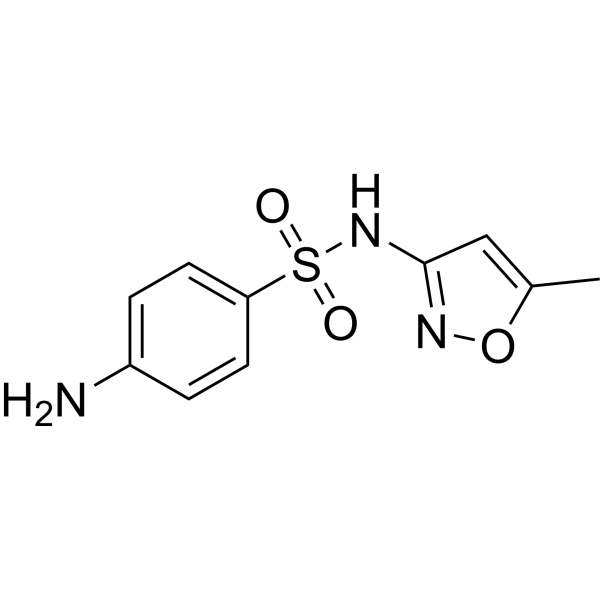
Sulfamethoxazole (Ro 4-2130) is a sulfonamide antibiotic with a widespread antibacterial activity. Sulfamethoxazole inhibits bacterial folate metabolism by competing with 4-Aminobenzoic acid (HY-B1008) (PABA) to act on dihydropteroate synthetase and dihydropteroate reductase. Sulfamethoxazole can be used for the study of urinary tract infections (UTIs), prostatitis, and bronchitis .
loading...
    loading...
26
26 Cited Publications
Cat. No.: HY-B0322A
CAS No.: 4563-84-2
Synonyms: Ro 4-2130 sodium
Target:  

Antibiotic Bacterial

Research Areas:  

Infection

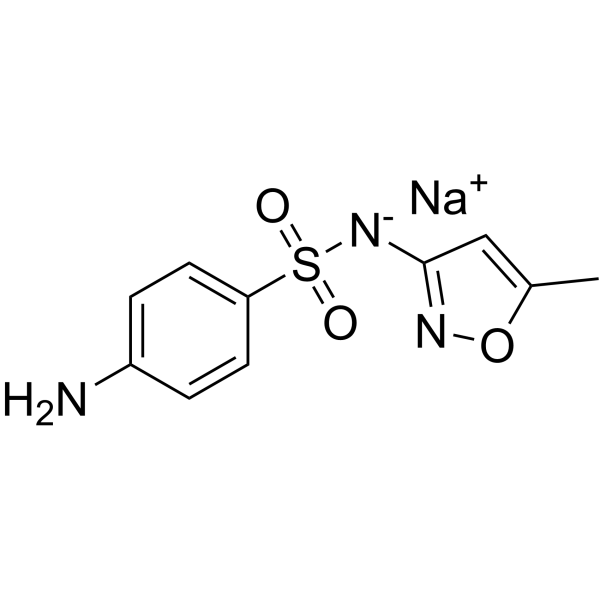
Sulfamethoxazole (Ro 4-2130) sodium is a sulfonamide antibiotic with a widespread antibacterial activity. Sulfamethoxazole sodium inhibits bacterial folate metabolism by competing with 4-Aminobenzoic acid (HY-B1008) (PABA) to act on dihydropteroate synthetase and dihydropteroate reductase. Sulfamethoxazole sodium can be used for the study of urinary tract infections (UTIs), prostatitis, and bronchitis .
loading...
    loading...
25
25 Cited Publications
Cat. No.: HY-12216
CAS No.: 920509-32-6
Purity:  99.90%
Synonyms: MGL-3196; VIA-3196
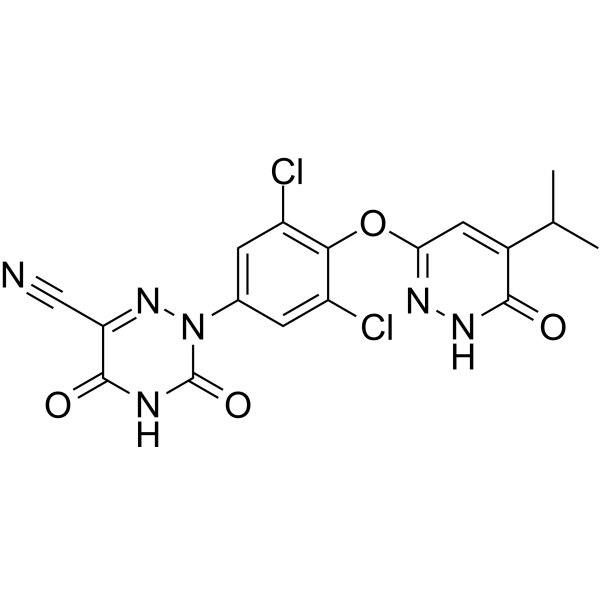
Resmetirom (MGL-3196) is a highly selective and orally active thyroid hormone receptor β (THR-β) agonist with an EC50 value of 0.21 μM. Resmetirom can be used for the study of noncirrhotic nonalcoholic steatohepatitis .
loading...
    loading...
25
25 Cited Publications
Cat. No.: HY-K6002

MCE Basement Membrane Matrix is primarily composed of natural basement membrane matrix extracted from mouse tumors.This product is mainly used for studies of tumor invasion, angiogenesis and organoids culture while avoiding color interference in subsequent experiments.

loading...
    loading...
25
25 Cited Publications
Cat. No.: HY-N7131
CAS No.: 38215-36-0
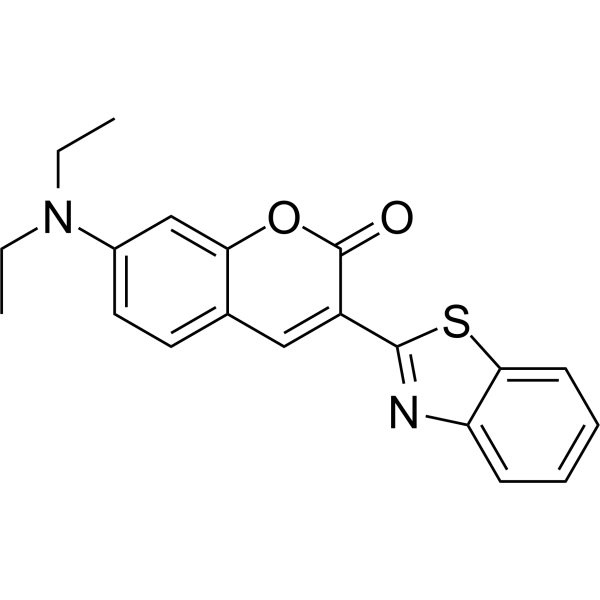
Coumarin 6, a fluorescent dye, is used as a fluorescent probe in a microparticle drug delivery system to conduct in vivo tracking, cell uptake, and transport mechanism studies of drug delivery systems (λexc=450 nm, λem=505 nm) .
loading...
    loading...
25
25 Cited Publications
Cat. No.: HY-N0288
CAS No.: 476-28-8
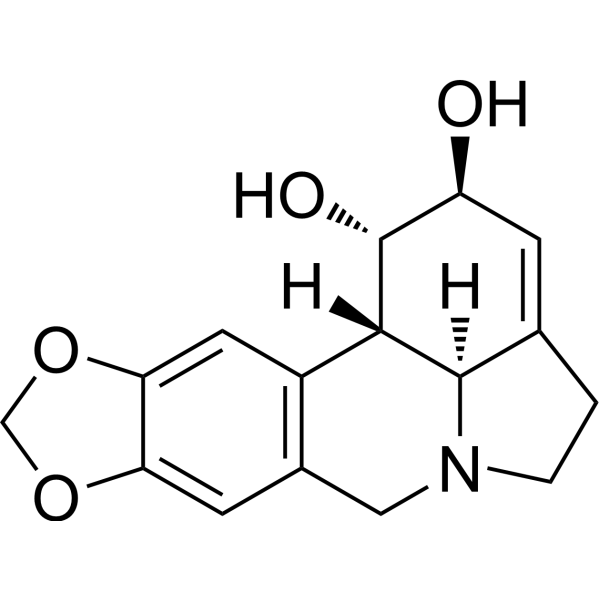
Lycorine is a natural alkaloid extracted from the Amaryllidaceae plant. Lycorine is a potent and orally active SCAP inhibitor with a Kd value 15.24 nM. Lycorine downregulates the SCAP protein level without changing its transcription . Lycorine is also a melanoma vasculogenic inhibitor . Lycorine can be used for the study of prostate cancer and metabolic diseases .
loading...
    loading...
24
24 Cited Publications
Cat. No.: HY-B0322B
CAS No.: 723-46-6
Synonyms: Ro 4-2130 1000 µg/mL in methanol
Target:  

Antibiotic Bacterial

Research Areas:  

Infection

Sulfamethoxazole (Ro 4-2130) 1000 μg/mL in methanol is a sulfonamide antibiotic with a widespread antibacterial activity. Sulfamethoxazole 1000 μg/mL in methanol inhibits bacterial folate metabolism by competing with 4-Aminobenzoic acid (HY-B1008) (PABA) to act on dihydropteroate synthetase and dihydropteroate reductase. Sulfamethoxazole 1000 μg/mL in methanol can be used for the study of urinary tract infections (UTIs), prostatitis, and bronchitis .
loading...
    loading...
22
22 Cited Publications
Cat. No.: HY-16438
CAS No.: 925206-65-1
Synonyms: Nibrozetone
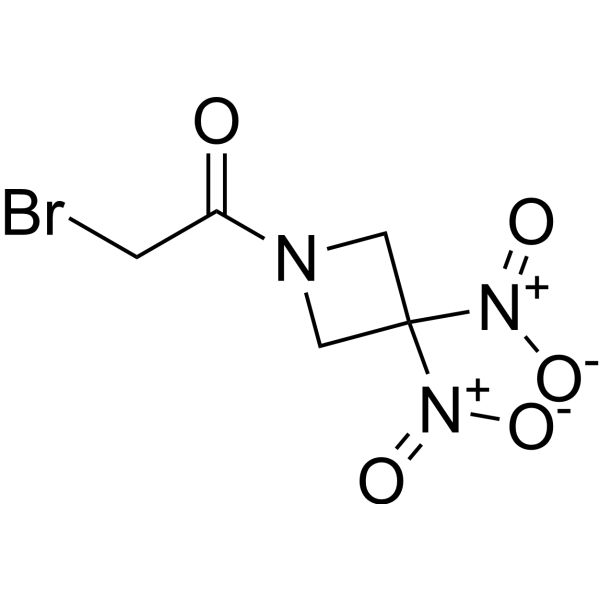
RRx-001, a hypoxia-selective epigenetic agent and studied as a radio- and chem-sensitizer, triggers apoptosis and overcomes agent resistance in myeloma. RRx-001 exhibits potent anti-tumor activity with minimal toxicity . RRx-001 is a dual small molecule checkpoint inhibitor by downregulating CD47 and SIRP-α . RRx-001 is a potent inhibitor of G6PD and shows potent antimalarial activity .
loading...
    loading...
22
22 Cited Publications
Cat. No.: HY-B0214
CAS No.: 53-03-2
Synonyms: Dehydrocortisone
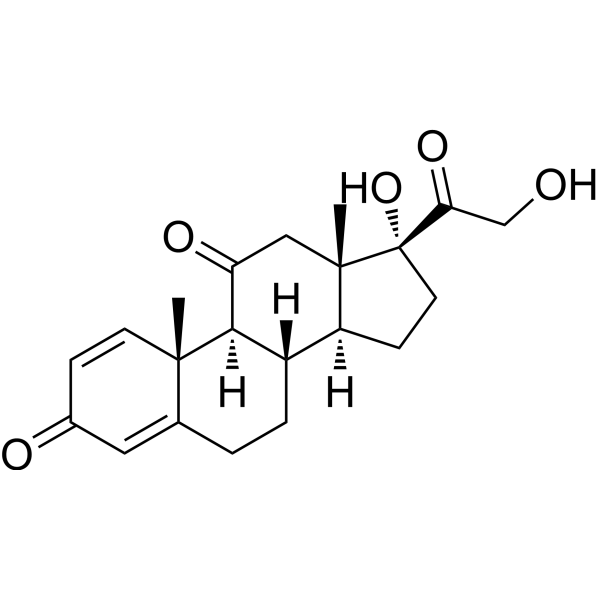
Prednisone (Adasone) is a corticosteroid agent with anti-inflammatory and immunosuppressive effects that can be used to study diseases related to systemic lupus erythematosus .
loading...
    loading...
22
22 Cited Publications
Cat. No.: HY-14538
CAS No.: 52-86-8
Purity:  99.73%
Target:  

Dopamine Receptor

Research Areas:  

Neurological Disease Cancer

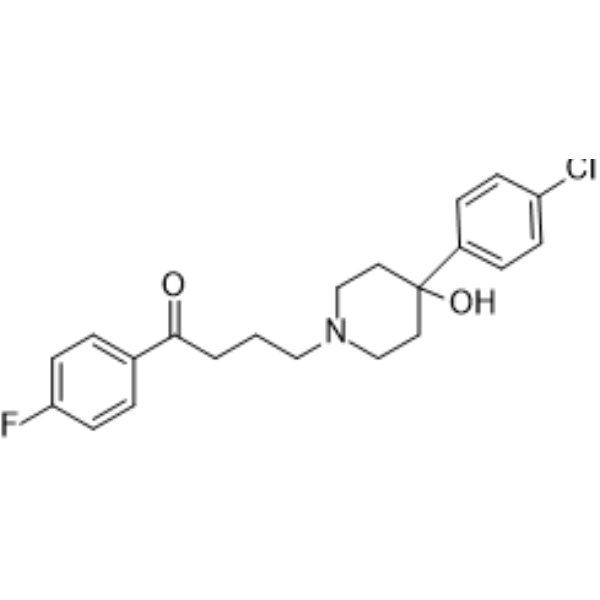
Haloperidol is a potent dopamine D2 receptor antagonist, widely used as an antipsychotic agent. Haloperidol can be used in the study of schizophrenia, tics in Tourette syndrome, mania in bipolar disorder, delirium, agitation, acute psychosis, and hallucinations from alcohol withdrawal.
loading...
    loading...
22
22 Cited Publications
Cat. No.: HY-14538A
CAS No.: 1511-16-6
Target:  

Dopamine Receptor

Research Areas:  

Neurological Disease Cancer

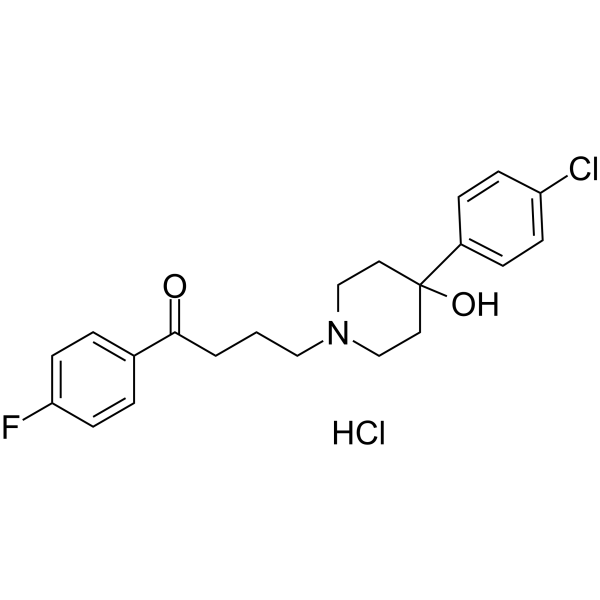
Haloperidol hydrochloride is a potent dopamine D2 receptor antagonist, widely used as an antipsychotic agent. Haloperidol hydrochloride can be used in the study of schizophrenia, tics in Tourette syndrome, mania in bipolar disorder, delirium, agitation, acute psychosis, and hallucinations from alcohol withdrawal.
loading...
    loading...
22
22 Cited Publications
Cat. No.: HY-15468
CAS No.: 931398-72-0
Purity:  98.02%
Research Areas:  

Cancer

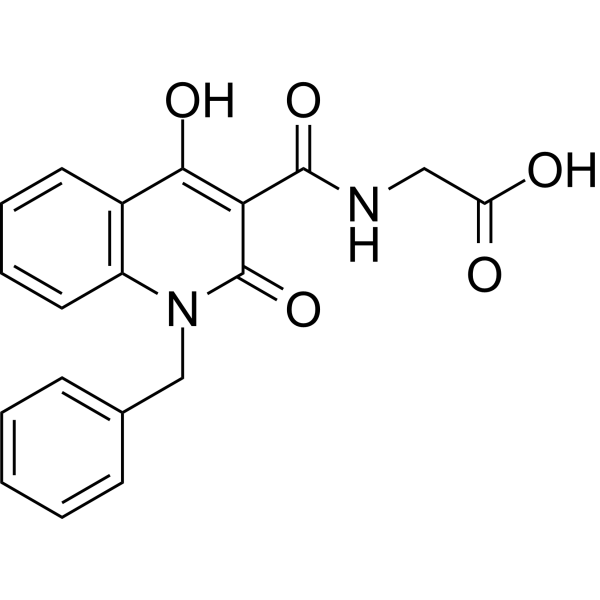
IOX2, a chemical probe, is a specific prolyl hydroxylase-2 (PHD2) inhibitor with IC50 of 22 nM. IOX2 regulates platelet function and arterial thrombosis by upregulating HIF-1α expression and inhibiting ROS production. IOX2 can be used in the study of thrombotic diseases .
loading...
    loading...
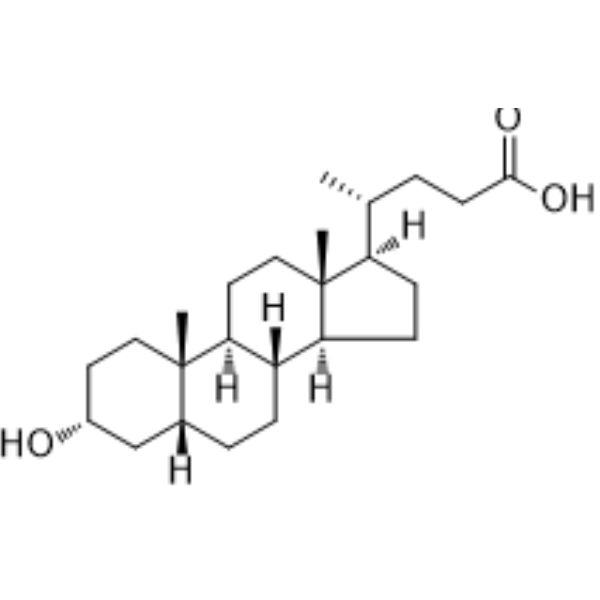
21
21 Cited Publications
Cat. No.: HY-B0172
CAS No.: 434-13-9
Synonyms: 3α-Hydroxy-5β-cholanic acid
Lithocholic acid is a toxic secondary bile acid that can promote intrahepatic cholestasis and promote tumorigenesis. Lithocholic acid is also a FXR antagonist and a PXR/SXR agonist .
loading...
    loading...

