
10151 Results for "

repeat-dose toxicity studies

" in MedChemExpress (MCE) Product Catalog:
Products (10151)

10151 Results for "repeat-dose toxicity studies" in MCE Product Catalog:

61
61 Cited Publications
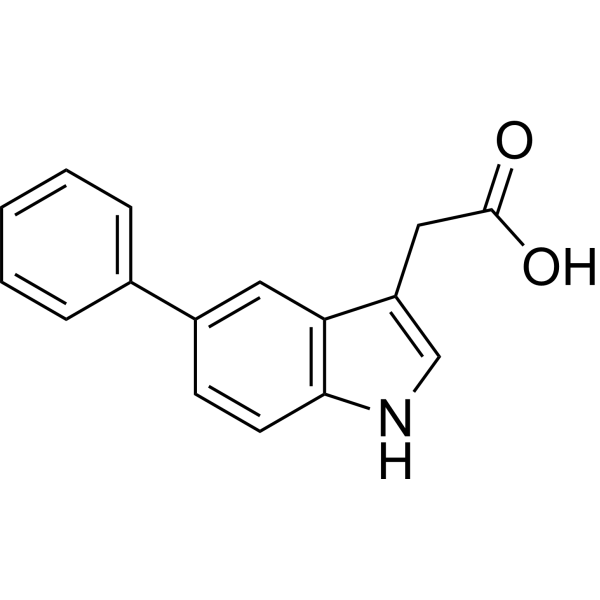
Cat. No.: HY-134653
CAS No.: 168649-23-8
Purity:  99.51%
Research Areas:  

Cancer

5-Ph-IAA is a derivative of IAA. 5-Ph-IAA, a ligand, establishes the auxin-inducible degron 2 (AID2) system together with an OsTIR1 (F74G) mutant. AID2 induces rapid and efficient depletion of mAID-fused proteins to study protein function in living cells, causing tumor suppression .
loading...
    loading...
57
57 Cited Publications
Cat. No.: HY-108841
CAS No.: 143090-92-0
Purity:  99.40%
Synonyms: Kineret; Anakinra
Raleukin (Kineret) is a recombinant, nonglycosylated human interleukin-1 receptor (IL-1R) antagonist. Raleukin significantly reduces neutrophil accumulation in blood vessels and brain infarct volume as well as improves motor coordination performance in ischemic stroke mice model. Anakinra can be used to study chronic inflammatory disorders like rheumatoid arthritis and cardiovascular recurrence post-myocardial infarction .
loading...
    loading...
53
53 Cited Publications
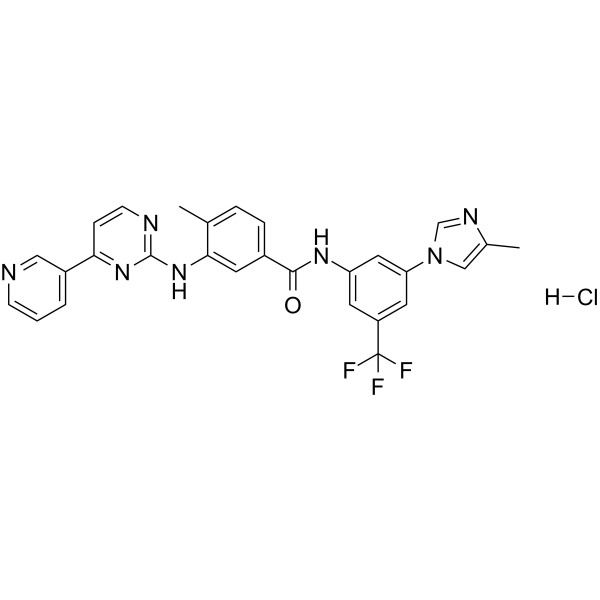
Cat. No.: HY-10159B
CAS No.: 923288-95-3
Synonyms: AMN107 hydrochloride
Target:  

Bcr-Abl Autophagy

Research Areas:  

Cancer

Nilotinib (AMN107) hydrochloride is an orally active Bcr-Abl tyrosine kinase inhibitor with antineoplastic activity and can be used in studies of chronic myelogenous leukaemia .
loading...
    loading...
53
53 Cited Publications
Cat. No.: HY-10159C
Synonyms: AMN107 hydrochloride dihydrate
Target:  

Autophagy Bcr-Abl

Research Areas:  

Cancer

Nilotinib (AMN107) hydrochloride dihydrate is an orally active Bcr-Abl tyrosine kinase inhibitor with antineoplastic activity and can be used in studies of chronic myelogenous leukaemia .
loading...
    loading...
52
52 Cited Publications
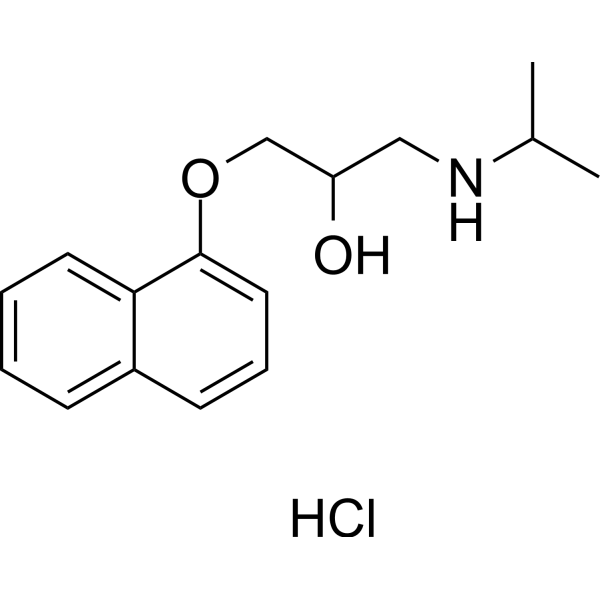
Cat. No.: HY-B0573
CAS No.: 318-98-9
Propranolol hydrochloride is a nonselective and BBB-permeableβ-adrenergic receptor (βAR) antagonist, has high affinity for the β1AR and β2AR with Ki values of 1.8 nM and 0.8 nM, respectively. Propranolol hydrochloride inhibits [ 3H]-DHA binding to rat brain membrane preparation with an IC50 of 12 nM. Propranolol hydrochloride is used for study of hypertension, pheochromocytoma, myocardial infarction, cardiac arrhythmias, angina pectoris, and hypertrophic cardiomyopathy .
loading...
    loading...
52
52 Cited Publications
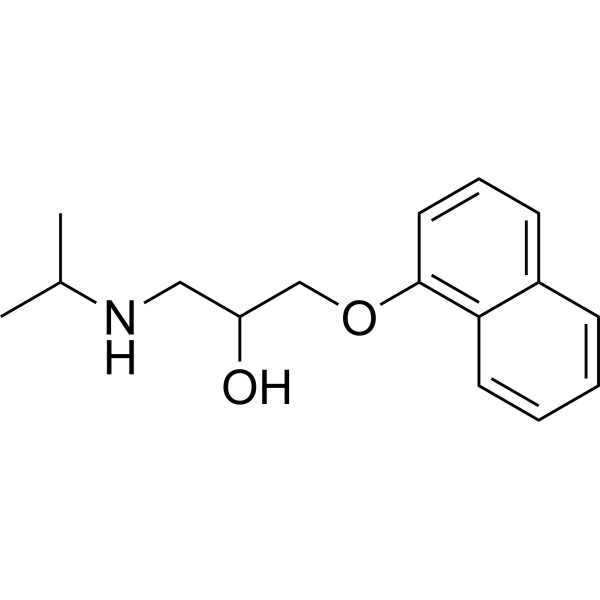
Cat. No.: HY-B0573B
CAS No.: 525-66-6
Propranolol is a nonselective and BBB-permeable β-adrenergic receptor (βAR) antagonist, has high affinity for the β1AR and β2AR with Ki values of 1.8 nM and 0.8 nM, respectively . Propranolol inhibits [ 3H]-DHA binding to rat brain membrane preparation with an IC50 of 12 nM . Propranolol is used for the study of hypertension, pheochromocytoma, myocardial infarction, cardiac arrhythmias, angina pectoris, and hypertrophic cardiomyopathy .
loading...
    loading...
50
50 Cited Publications
Cat. No.: HY-19610
CAS No.: 23109-05-9
Synonyms: α-Amatoxin
Research Areas:  

Cancer

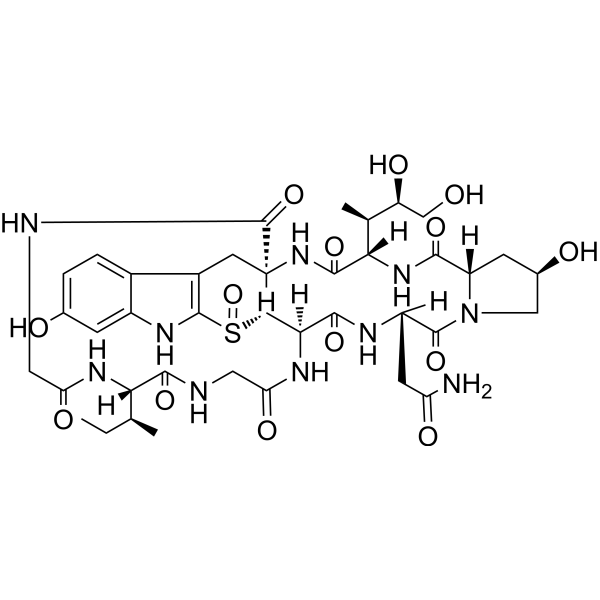
α-Amanitin is the principal toxin of several deadly poisonous mushrooms, exerting its toxic function by inhibiting RNA-polymerase II.
loading...
    loading...
50
50 Cited Publications
Cat. No.: HY-B0568
CAS No.: 30652-11-0
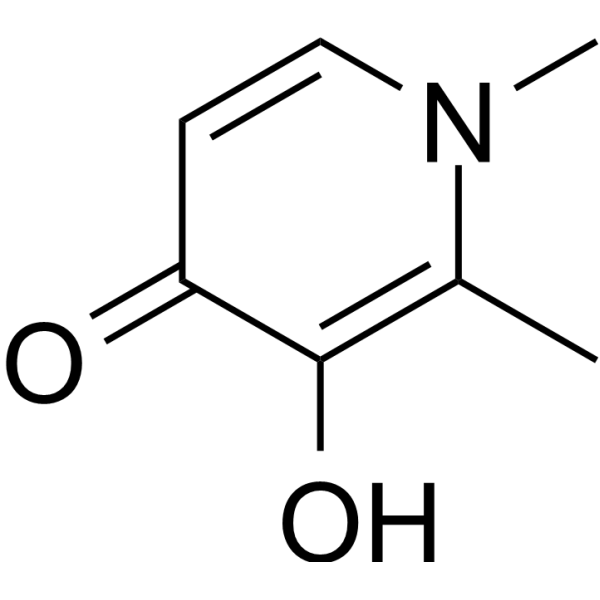
Deferiprone is a potent, orally active, brain-penetrant, cell-penetrant, skin-permeable, free iron chelating agent. Deferiprone inhibits the proliferation and migration, and stimulates apoptosis in tumor cell. Deferiprone can inhibit KDM. Deferiprone has antianemic, neuroprotective, anti-inflammatory, antioxidant, and antidotal activity. Deferiprone can be used in cancer, cardiovascular disease, infection, inflammation, and neurological disease study .
loading...
    loading...
49
49 Cited Publications
Cat. No.: HY-D0711
CAS No.: 3599-32-4
Synonyms: Foxgreen; IC Green; Cardiogreen
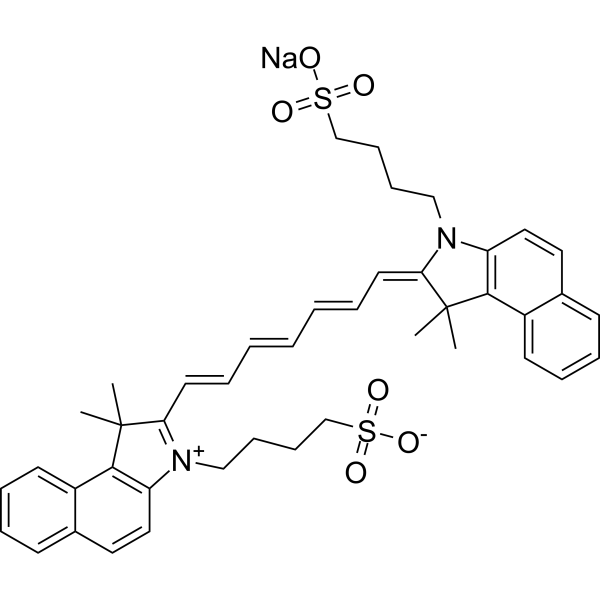
Indocyanine green (Foxgreen) is a low toxicic fluorescent agent that has been widely used in medical diagnostics, such as determining cardiac output, hepatic function, and liver blood flow, and for ophthalmic angiography (Ex/Em = 785/813 nm) .
loading...
    loading...
48
48 Cited Publications
Cat. No.: HY-D1451
CAS No.: 154214-55-8
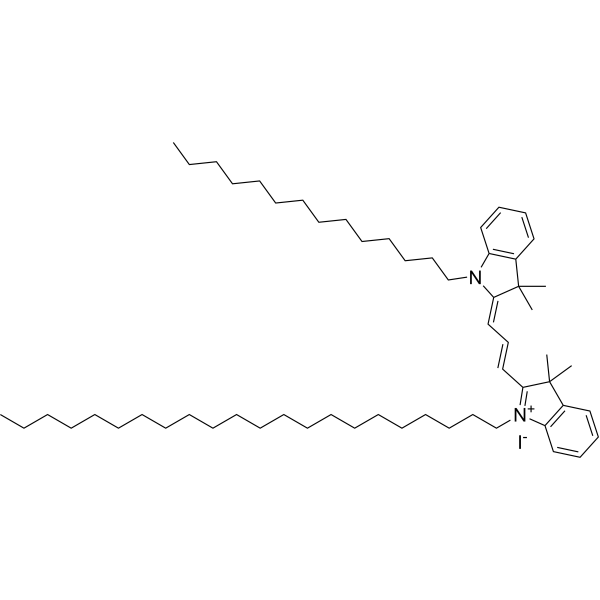
PKH 26 is a red fluorescent dye, PKH 26 can stably bind to the lipid region of cell membrane and emit red fluorescence (Ex/Em=551/567 nm), which is mainly used for in vitro cell labeling, in vitro cell proliferation studies and in vivo and in vitro cell tracing studies .
loading...
    loading...
44
44 Cited Publications
Cat. No.: HY-D0984A
CAS No.: 115532-50-8
Synonyms: T668
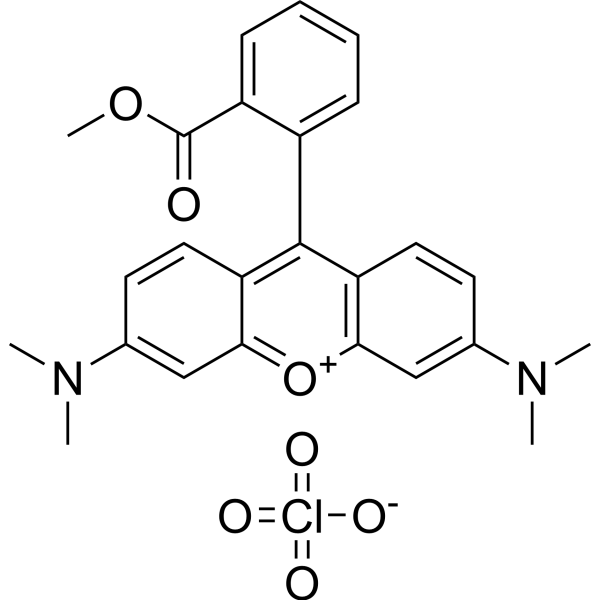
Rhodamine dyes are membrane-permeable cationic fluorescent probes that specifically recognize mitochondrial membrane potentials, thereby attaching to mitochondria and producing bright fluorescence, and at certain concentrations, rhodamine dyes have low toxicity to cells, so they are commonly used to detect mitochondria in animal cells, plant cells, and microorganisms .
loading...
    loading...
44
44 Cited Publications
Cat. No.: HY-137790
CAS No.: 38641-83-7
Purity:  99.35%
Synonyms: (-)-Bicuculline methochloride
Target:  

GABA Receptor

Research Areas:  

Neurological Disease

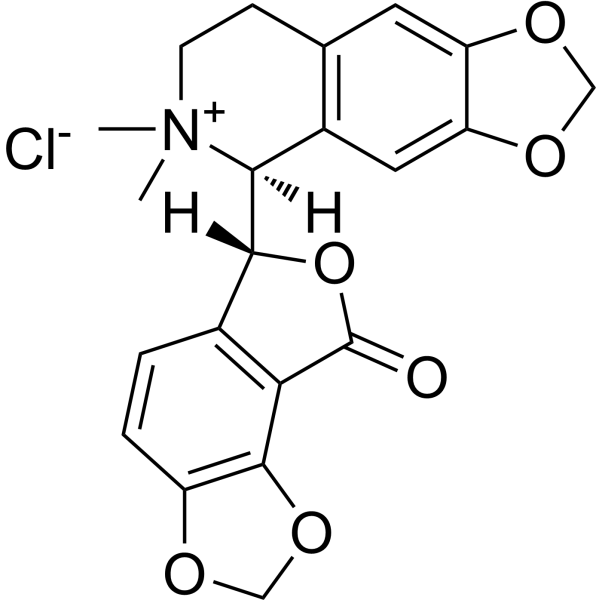
Bicuculline ((+)-Bicuculline; d-Bicuculline) methochloride is a selective GABAA receptor antagonist with an IC50 value of 3 μM. Bicuculline methochloride induces clonic tonic convulsions in mammals and can also be used to block Ca 2+ activated potassium channels. Bicuculline methochloride can be used in studies of epilepsy and other related psychiatric disorders .
loading...
    loading...
37
37 Cited Publications
Cat. No.: HY-W008719
CAS No.: 36913-39-0
Research Areas:  

Neurological Disease

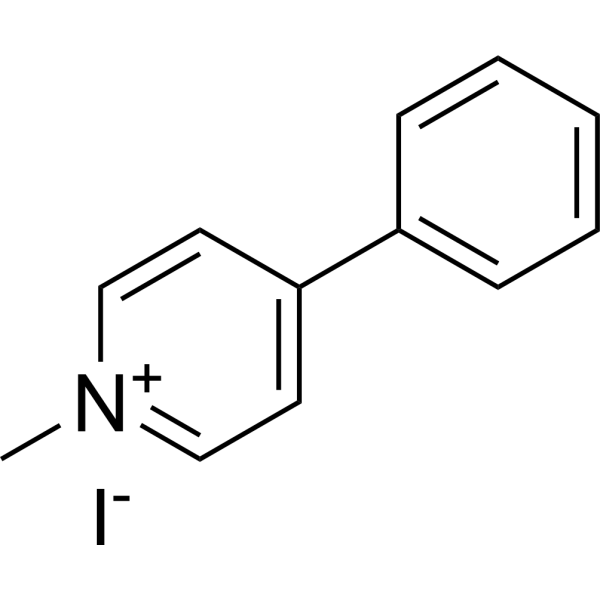
MPP+ iodide, a toxic metabolite of the neurotoxin MPTP, causes symptom of Parkinson's disease in animal models by selectively destroying dopaminergic neurons in substantia nigra. MPP+ iodide is taken up by the dopamine transporter into dopaminergic neurons where it exerts its neurotoxic action on mitochondria by affecting complex I of the respiratory chain. MPP+ iodide is also a high affinity substrate for the serotonin transporter (SERT) .
loading...
    loading...
36
36 Cited Publications
Cat. No.: HY-B0013
CAS No.: 294662-18-3
Synonyms: (-)-Ofloxacin lactate
Research Areas:  

Infection

Lavofloxacin lactate ((-)-ofloxacin lactate) is a class of broad-spectrum antimicrobials that can kill or inhibit a variety of bacteria. Lavofloxacin lactate binds to DNA rotase and topoisomerase IV, resulting in blocked DNA replication and repair, thus inhibiting bacterial growth. Lavofloxacin lactate can be used to study resistance mechanisms in bacteria, including studying resistance genes and mutations .
loading...
    loading...
35
35 Cited Publications
Cat. No.: HY-16566
CAS No.: 59-01-8
Synonyms: Kanamycin A
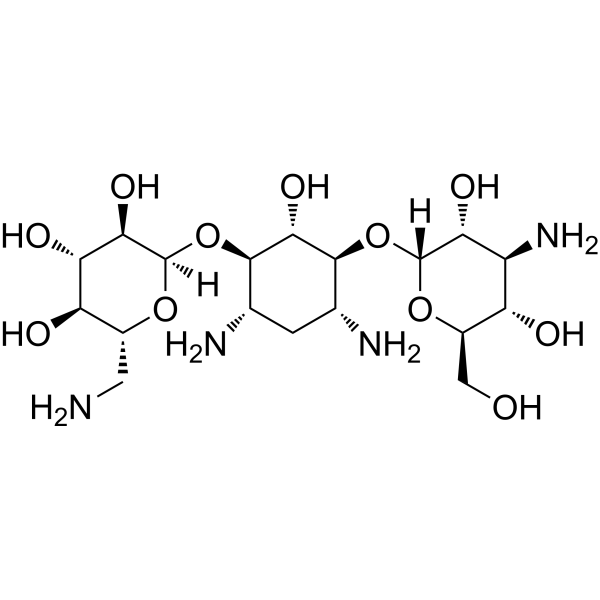
Kanamycin (Kanamycin A) is an orally active antibacterial (gram-negative/positive bacteria) agent, inhibits translocation and causes misencoding by binding to the 70 S ribosomal subunit. Kanamycin shows good inhibitory activity to both M. tuberculosis (sensitive and drug-resistant ) and K. pneumonia, which can be used in studies of tuberculosis and pneumonia .
loading...
    loading...
35
35 Cited Publications
Cat. No.: HY-16566A
CAS No.: 25389-94-0
Synonyms: Kanamycin A sulfate
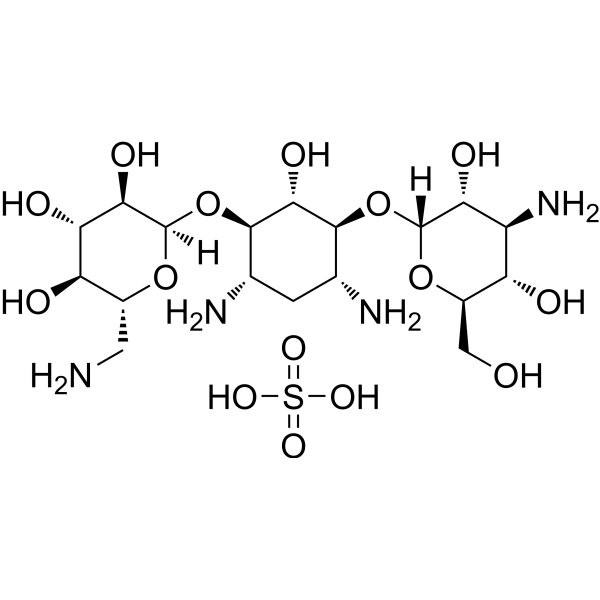
Kanamycin (Kanamycin A) sulfate is an orally active antibacterial (gram-negative/positive bacteria) agent, inhibits translocation and causes misencoding by binding to the 70 S ribosomal subunit. Kanamycin sulfate shows good inhibitory activity to both M. tuberculosis (sensitive and drug-resistant ) and K. pneumonia, which can be used in studies of tuberculosis and pneumonia .
loading...
    loading...
33
33 Cited Publications
Cat. No.: HY-17443
CAS No.: 127373-66-4
Synonyms: EI546; LY544349; ONO5046
Target:  

Elastase SARS-CoV

Research Areas:  

Cancer

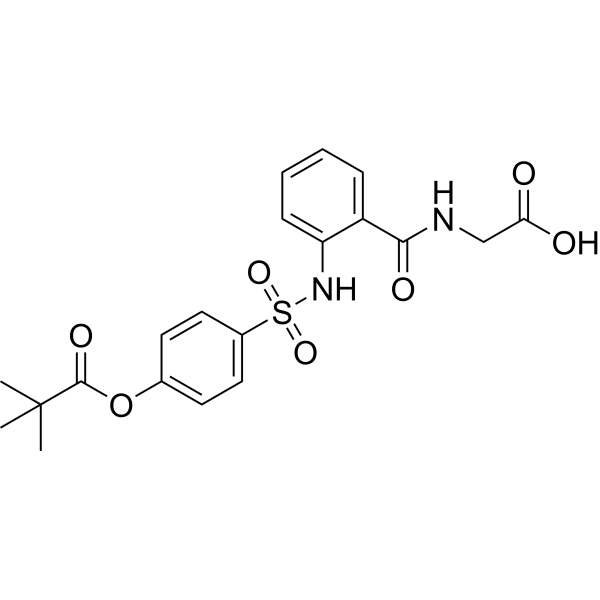
Sivelestat (EI546) is a competitive inhibitor of human neutrophil elastase, with an IC50 of 44 nM and a Ki of 200 nM. Sivelestat (EI546) has the potential for the study of acute lung injury/acute respiratory distress syndrome or disseminated intravascular coagulation in COVID-19 .
loading...
    loading...
33
33 Cited Publications
Cat. No.: HY-17443A
CAS No.: 150374-95-1
Synonyms: ONO5046-Na; Sodium sivelestat; EI546 sodium; LY544349 sodium
Target:  

Elastase SARS-CoV

Research Areas:  

Cancer

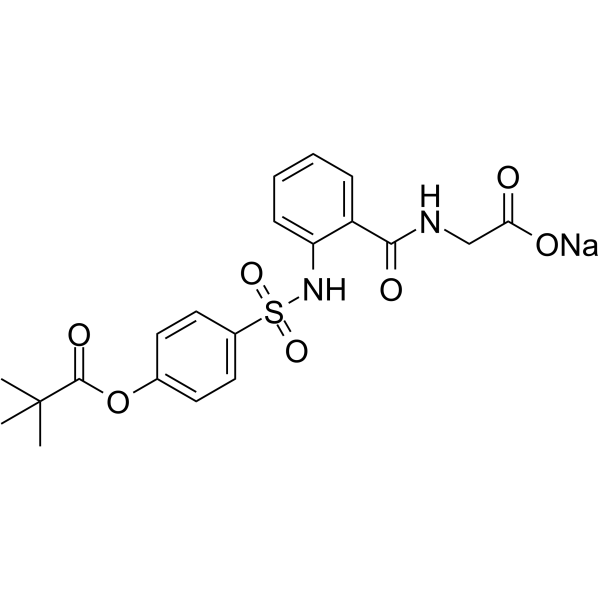
Sivelestat (EI546) sodium is a competitive inhibitor of human neutrophil elastase, with an IC50 of 44 nM and a Ki of 200 nM. Sivelestat (EI546) sodium has the potential for the study of acute lung injury/acute respiratory distress syndrome or disseminated intravascular coagulation in COVID-19 .
loading...
    loading...
33
33 Cited Publications
Cat. No.: HY-17443B
CAS No.: 201677-61-4
Synonyms: EI546 sodium tetrahydrate; LY544349 sodium tetrahydrate; ONO5046 sodium tetrahydrate
Target:  

Elastase SARS-CoV

Research Areas:  

Cancer

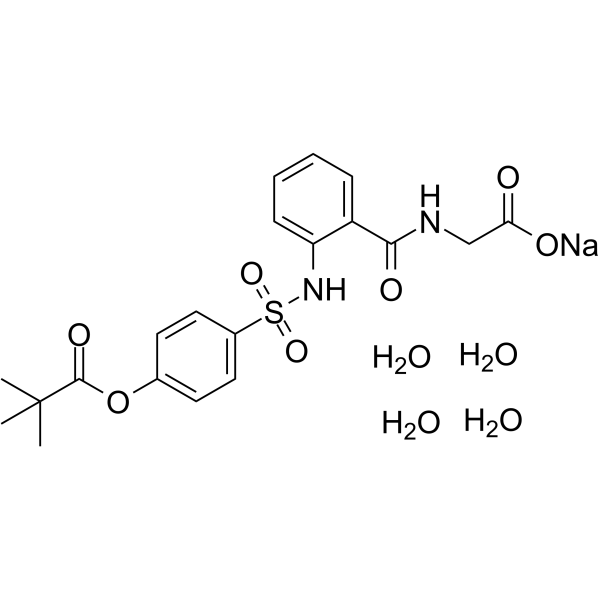
Sivelestat (EI546) sodium tetrahydrate is a competitive inhibitor of human neutrophil elastase, with an IC50 of 44 nM and a Ki of 200 nM. Sivelestat (EI546) sodium tetrahydrate has the potential for the study of acute lung injury/acute respiratory distress syndrome or disseminated intravascular coagulation in COVID-19 .
loading...
    loading...
33
33 Cited Publications
Cat. No.: HY-B0282A
CAS No.: 66-23-9
Synonyms: ACh bromide
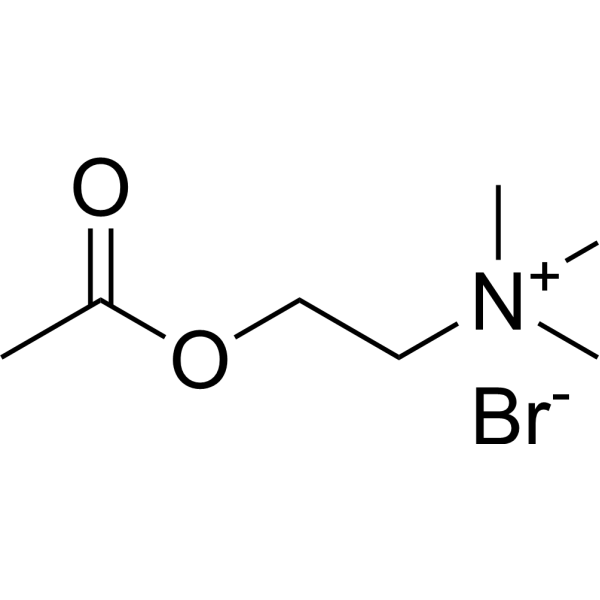
Acetylcholine bromide is an organic choline salt compound commonly used in neurophysiology and pharmacology experiments. It plays an important role in the nervous system, acting as a neurotransmitter that transmits signals and regulates many important physiological functions. Due to its special biological activity, Acetylcholine bromide is widely used in the study of neurotransmitters, nerve damage and muscle movement.
loading...
    loading...

