
2413 Results for "

paraoxon-induced cholinergic toxicity

" in MedChemExpress (MCE) Product Catalog:
Products (2413)

2413 Results for "paraoxon-induced cholinergic toxicity" in MCE Product Catalog:

9
9 Cited Publications
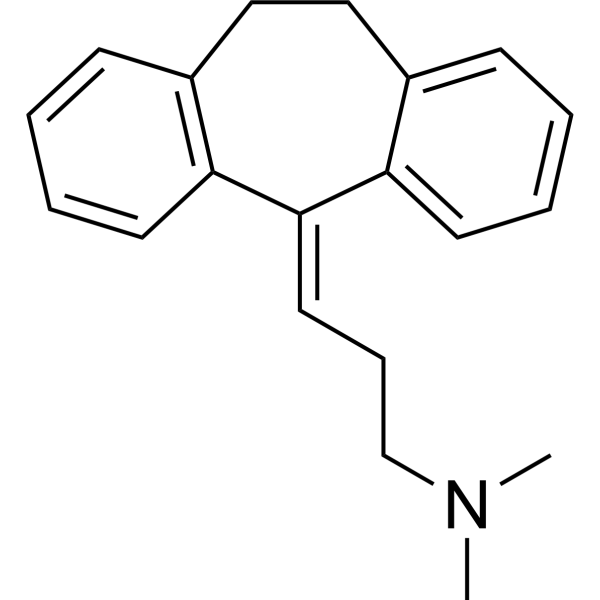
Cat. No.: HY-B0527
CAS No.: 50-48-6
Amitriptyline is an orally active tricyclic antidepressant (TCA). Amitriptyline mainly exerts its antidepressant effect by blocking SERT (Ki = 3.45 nM) and NET (Ki = 13.3 nM), thereby increasing the concentrations of 5-hydroxytryptamine (5-HT) and norepinephrine (NE) in the synaptic cleft. Amitriptyline is also an agonist at α2A and TrkA/TrkB receptors, thereby exerting analgesic and neurotrophic activities (inhibiting cell apoptosis). Amitriptyline can reduce inflammation, angiogenesis and fibrosis. Amitriptyline binds to DAT (with Ki = 2.58 μM). Amitriptyline has high affinity for a series of receptors and can antagonize muscarinic cholinergic receptors (M1/M2/M3/M4/M5 receptors) (Ki = 11-24 nM), H1 receptors (Ki = 0.5-1.1 nM), adrenergic α1 receptors (Ki = 4.4 nM), etc., resulting in a series of side effects. Amitriptyline can block sodium channels and hERG potassium channel (IC50 = 4.78 μM) and it has cardiotoxicity .
loading...
    loading...
9
9 Cited Publications
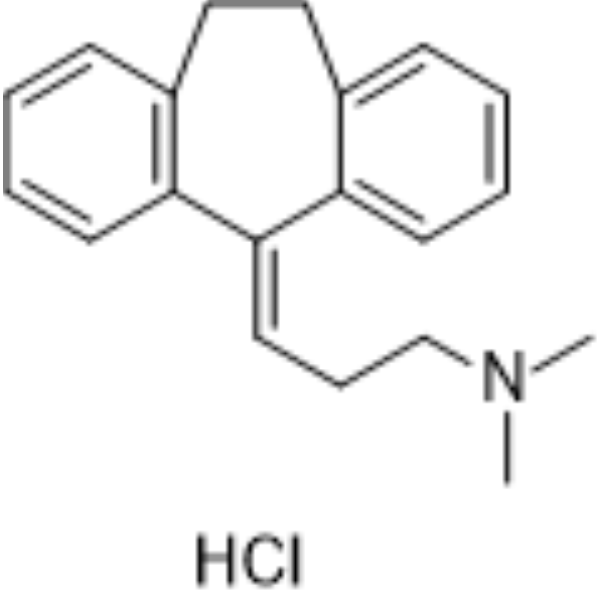
Cat. No.: HY-B0527A
CAS No.: 549-18-8
Amitriptyline hydrochloride is an orally active tricyclic antidepressant (TCA). Amitriptyline hydrochloride mainly exerts its antidepressant effect by blocking SERT (Ki = 3.45 nM) and NET (Ki = 13.3 nM), thereby increasing the concentrations of 5-hydroxytryptamine (5-HT) and norepinephrine (NE) in the synaptic cleft. Amitriptyline hydrochloride is also an agonist at α2A and TrkA/TrkB receptors, thereby exerting analgesic and neurotrophic activities (inhibiting cell apoptosis). Amitriptyline hydrochloride can reduce inflammation, angiogenesis and fibrosis. Amitriptyline hydrochloride binds to DAT (with Ki = 2.58 μM). Amitriptyline hydrochloride has high affinity for a series of receptors and can antagonize muscarinic cholinergic receptors (M1/M2/M3/M4/M5 receptors) (Ki = 11-24 nM), H1 receptors (Ki = 0.5-1.1 nM), adrenergic α1 receptors (Ki = 4.4 nM), etc., resulting in a series of side effects. Amitriptyline hydrochloride can block sodium channels and hERG potassium channel (IC50 = 4.78 μM) and it has cardiotoxicity .
loading...
    loading...
9
9 Cited Publications
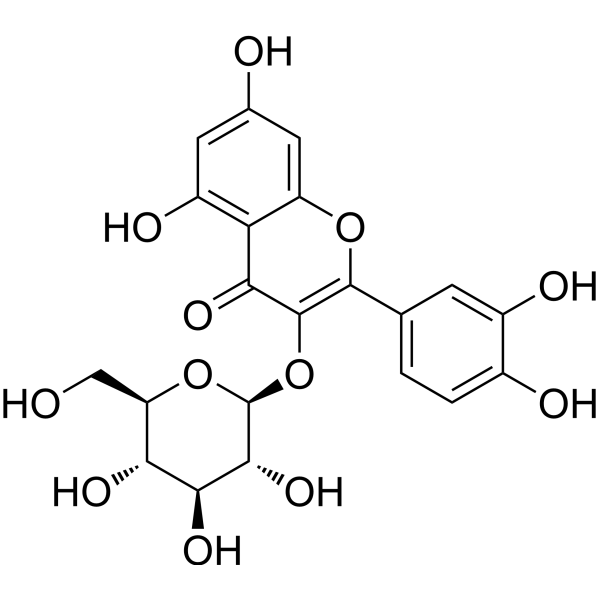
Cat. No.: HY-N1445
CAS No.: 482-35-9
Synonyms: Isoquercetin; Quercetin 3-glucoside
Isoquercetin (Quercetin 3-glucoside) is a naturally occurring polyphenol that has antioxidant, anti-proliferative, and anti-inflammatory properties. Isoquercetin alleviates ethanol-induced hepatotoxicity, oxidative stress, and inflammatory responses via the Nrf2/ARE antioxidant signaling pathway . Isoquercetin regulates the expression of nitric oxide synthase 2 (NO2) via modulating the nuclear factor-κB (NF-κB) transcription regulation system. Isoquercetin has high bioavailability and low toxicity, is a promising candidate agent to prevent birth defects in diabetic pregnancies .
loading...
    loading...
8
8 Cited Publications
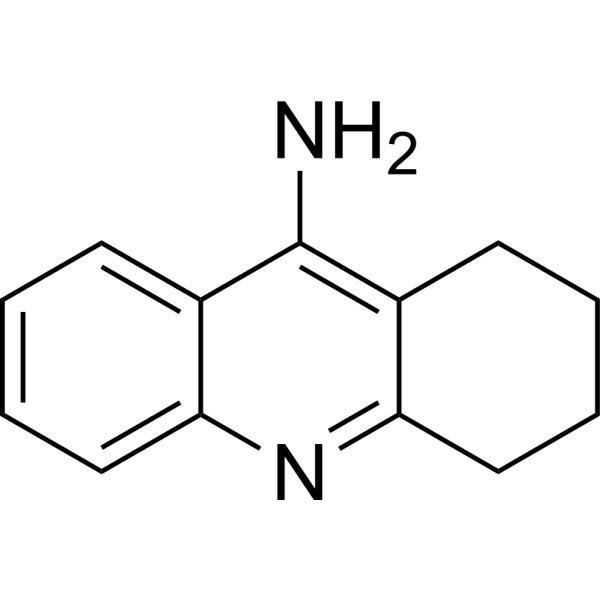
Cat. No.: HY-111338
CAS No.: 321-64-2
Purity:  99.91%
Target:  

Cholinesterase (ChE)

Research Areas:  

Neurological Disease

Tacrine is an effective oral acetylcholine (AChE) inhibitor (IC50 = 109 nM) and also acts as an active substrate for CYP1A2. Tacrine can restore cognitive dysfunction in elderly rats. Tacrine can cause liver toxicity and is used in research related to Alzheimer's disease .
loading...
    loading...
8
8 Cited Publications
Cat. No.: HY-N0462
CAS No.: 23094-69-1
Synonyms: NP-004255
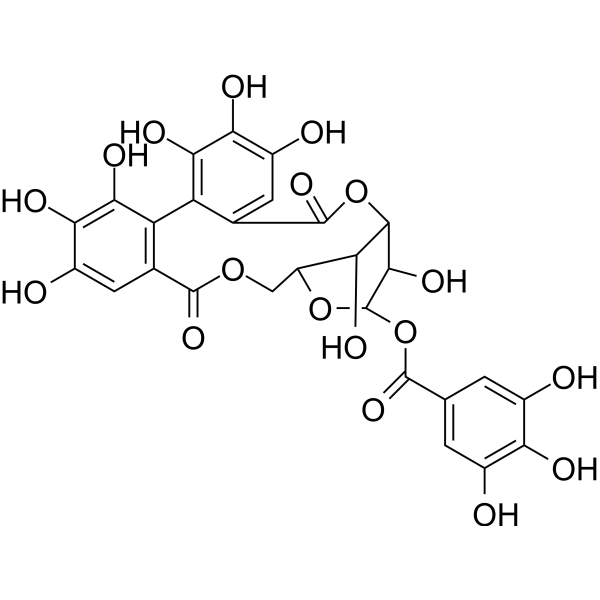
Corilagin, a gallotannin, has anti-tumor, anti-inflammatory and hepatoprotective activities. Corilagin inhibits activity of reverse transcriptase of RNA tumor viruses. Corilagin also inhibits the growth of Staphylococcus aureus with a MIC of 25 μg/mL. Corilagin shows anti-tumor activity on hepatocellular carcinoma and ovarian cancer model. Corilagin shows low toxicity to normal cells and tissues .
loading...
    loading...
8
8 Cited Publications
Cat. No.: HY-B0223
CAS No.: 54965-21-8
Synonyms: SKF-62979
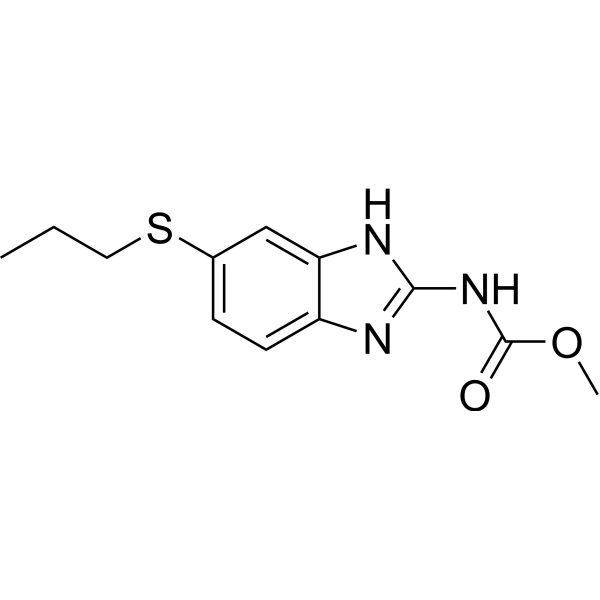
Albendazole (SKF-62979) is an orally active and broad-spectrum parasiticide with high effectiveness and low host toxicity, is used for the research of gastrointestinal parasites in humans and animals. Albendazole induces apoptosis and autophagy in cancer cells. Albendazole also inhibits tubulin polymerization and HIF-1α, VEGF expression, has antioxidant activity, and inhibits the glycolytic process in cancer cells .
loading...
    loading...
8
8 Cited Publications
Cat. No.: HY-15930
CAS No.: 54827-17-7
Synonyms: BM blue; Sure Blue TMB
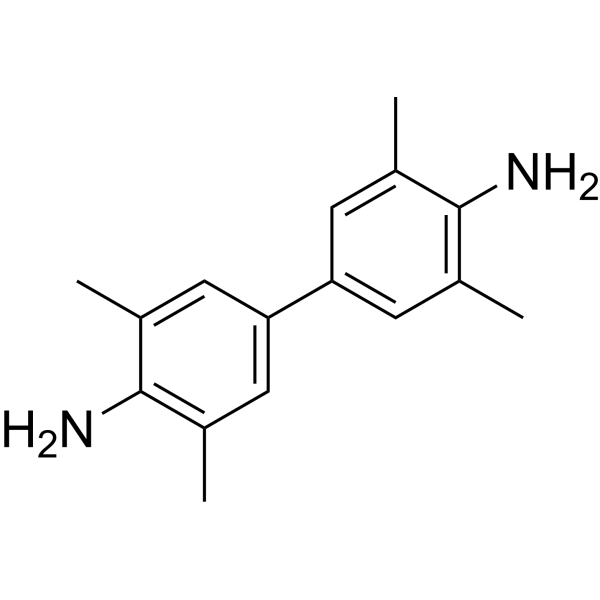
TMB is a non-toxic, non-mutagenic, colorless dye that is also used as a chromogenic agent in enzyme detection systems based on horseradish peroxidase (HRP). TMB can function as a photoacoustic probe for reactive oxygen and nitrogen species (ROS/RNS), reacting with hypochlorite, hydrogen peroxide, singlet oxygen, and nitrogen dioxide to produce blue oxidation products. TMB can detect the singlet oxygen produced by the outer membrane of Escherichia coli ATCC 25922 .
loading...
    loading...
8
8 Cited Publications
Cat. No.: HY-15930A
CAS No.: 64285-73-0
Synonyms: BM blue dihydrochloride; Sure Blue TMB dihydrochloride
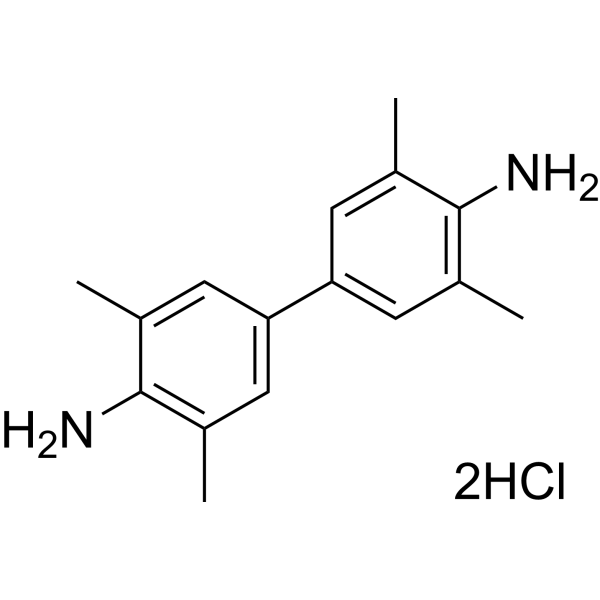
TMB dihydrochloride is the dihydrochloride form of TMB (HY-15930). TMB dihydrochloride is a non-toxic, non-mutagenic, colorless dye that is also used as a chromogenic agent in enzyme detection systems based on horseradish peroxidase (HRP). TMB dihydrochloride can function as a photoacoustic probe for reactive oxygen and nitrogen species (ROS/RNS), reacting with hypochlorite, hydrogen peroxide, singlet oxygen, and nitrogen dioxide to produce blue oxidation products. TMB dihydrochloride can detect the singlet oxygen produced by the outer membrane of Escherichia coli ATCC 25922 .
loading...
    loading...
8
8 Cited Publications
Cat. No.: HY-15930B
CAS No.: 207738-08-7
Synonyms: Sure Blue TMB dihydrochloride x.hydrate
TMB (dihydrochloride x.hydrate) is the dihydrochloride x hydrate form of TMB (HY-15930). TMB (dihydrochloride x.hydrate) is a non-toxic, non-mutagenic, colorless dye that is also used as a chromogenic agent in enzyme detection systems based on horseradish peroxidase (HRP). TMB (dihydrochloride x.hydrate) can function as a photoacoustic probe for reactive oxygen and nitrogen species (ROS/RNS), reacting with hypochlorite, hydrogen peroxide, singlet oxygen, and nitrogen dioxide to produce blue oxidation products. TMB (dihydrochloride x.hydrate) can detect the singlet oxygen produced by the outer membrane of Escherichia coli ATCC 25922 .
loading...
    loading...
8
8 Cited Publications
Cat. No.: HY-15930C
CAS No.: 54827-18-8
Synonyms: BM blue monosulfate; Sure Blue TMB monosulfate
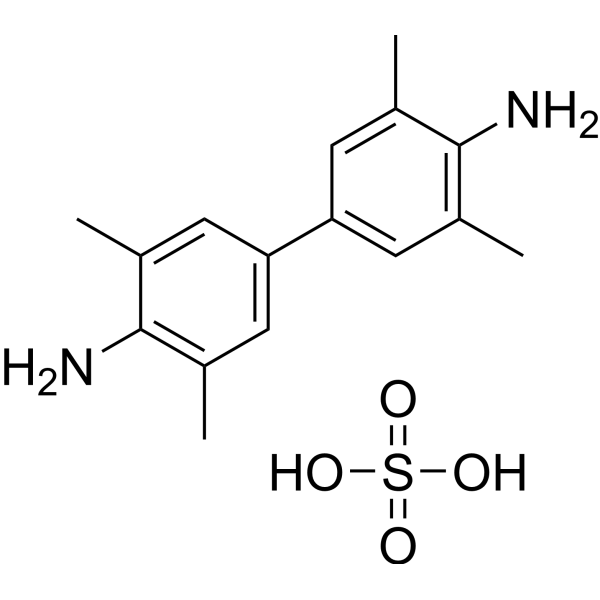
TMB monosulfate is the monosulfate form of TMB (HY-15930). TMB monosulfate is a non-toxic, non-mutagenic, colorless dye that is also used as a chromogenic agent in enzyme detection systems based on horseradish peroxidase (HRP). TMB monosulfate can function as a photoacoustic probe for reactive oxygen and nitrogen species (ROS/RNS), reacting with hypochlorite, hydrogen peroxide, singlet oxygen, and nitrogen dioxide to produce blue oxidation products. TMB monosulfate can detect the singlet oxygen produced by the outer membrane of Escherichia coli ATCC 25922 .
loading...
    loading...
8
8 Cited Publications
Cat. No.: HY-D1297
CAS No.: 730931-46-1
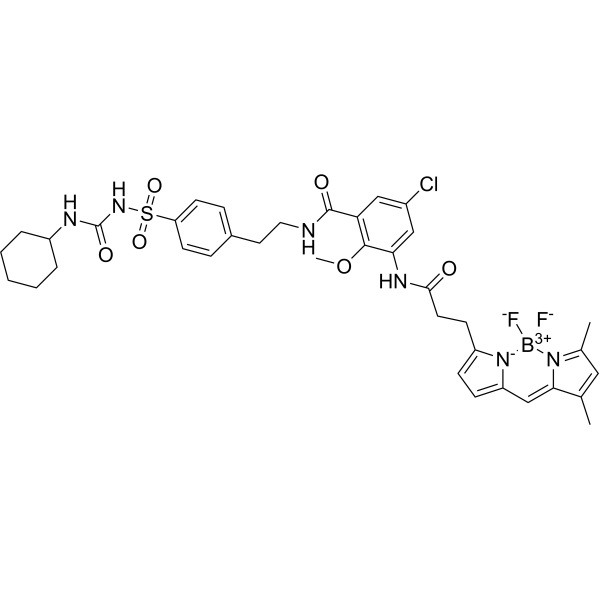
ER-Tracker dye is a derivative of BODIPY series dyes coupled with Glibenclamide (HY-15206), highly selective binding to the endoplasmic reticulum, non-toxic to cells at low concentrations, this type of dye is an environmentally sensitive probe, and formaldehyde treatment can still retain part of the fluorescence, with high fluorescence life, good extinction coefficient and other characteristics. Glibenclamide is an atp-dependent K + channel blocker (Kir6, KATP) and CFTR Cl-channel blocker that binds in the endoplasmic reticulum. ER-Tracker is not suitable for staining cells after fixation .
loading...
    loading...
8
8 Cited Publications
Cat. No.: HY-P1934
CAS No.: 14705-60-3
Synonyms: Cyclo(phenylalanylprolyl); A-64863
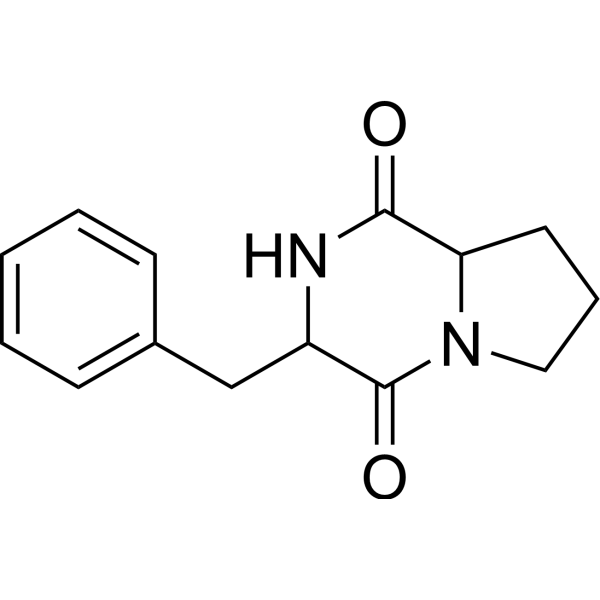
Cyclo(Phe-Pro) (Cyclo(phenylalanylprolyl)) is a quorum-sensing molecule of Vibrio vulnificus that specifically interacts with RIG-I, inhibiting RIG-I polyubiquitination, suppressing IRF-3 activation, and reducing type I interferon production. Cyclo(Phe-Pro) enhances susceptibility to HCV and influenza virus and also alleviates plant aluminum toxicity stress. The mechanism of Cyclo(Phe-Pro) involves the regulation of host immune signaling pathways, bacterial virulence gene expression, and plant antioxidant systems, making it a promising candidate for research in viral infections, bacterial virulence regulation, and agricultural stress resistance .
loading...
    loading...
8
8 Cited Publications
Cat. No.: HY-14197
CAS No.: 17780-72-2
Purity:  99.76%
Synonyms: M&B 9302
Clorgyline (M&B 9302) is a selective, irreversible monoamine oxidase A (MAO-A) inhibitor that can cross the blood-brain barrier and exhibits activity against the 5-HT Receptor at very high doses. Clorgyline regulates monoamine neurotransmitter levels, the release of dopamine and acetylcholine, the uptake and effects of Tyramine (HY-W007606), noradrenergic function, circadian locomotor activity rhythms, feeding behavior, and body weight. Clorgyline induces tumor-suppressive transcriptional programs, secretory differentiation, androgen signaling regulation, Bcl-2 expression, and radioprotective effects in non-malignant cells. Clorgyline is used in the research of high-grade prostate cancer, Huntington's disease, major affective disorder, radiation-induced normal tissue toxicity, and obesity .
loading...
    loading...
8
8 Cited Publications
Cat. No.: HY-14197A
CAS No.: 17780-75-5
Purity:  99.92%
Synonyms: M&B 9302 hydrochloride
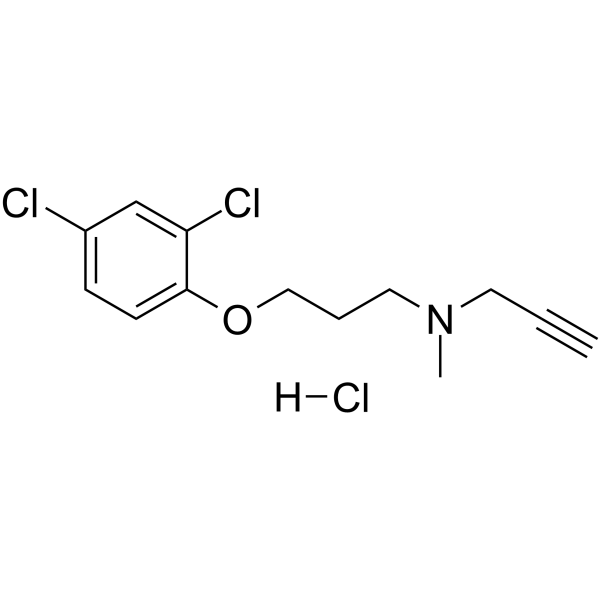
Clorgyline hydrochloride (M&B 9302 hydrochloride) is a selective, irreversible monoamine oxidase A (MAO-A) inhibitor that can cross the blood-brain barrier and exhibits activity against the 5-HT Receptor at very high doses. Clorgyline hydrochloride regulates monoamine neurotransmitter levels, the release of dopamine and acetylcholine, the uptake and effects of Tyramine (HY-W007606), noradrenergic function, circadian locomotor activity rhythms, feeding behavior, and body weight. Clorgyline hydrochloride induces tumor-suppressive transcriptional programs, secretory differentiation, androgen signaling regulation, Bcl-2 expression, and radioprotective effects in non-malignant cells. Clorgyline hydrochloride is used in the research of high-grade prostate cancer, Huntington's disease, major affective disorder, radiation-induced normal tissue toxicity, and obesity .
loading...
    loading...
8
8 Cited Publications
Cat. No.: HY-P99974
Synonyms: Nanoparticle albumin-bound Paclitaxel; Nanoparticle albumin-bound ABI-007

Research Areas:  

Cancer

Nab-Paclitaxel (Nanoparticle albumin-bound Paclitaxel) is an albumin-bound nanoparticle formulation of Paclitaxel (HY-B0015). Nab-Paclitaxel is composed of albumin and the active pharmaceutical ingredient Paclitaxel, in which human albumin is used as an excipient to disperse and stabilize particles and carry the main drug. Nab-Paclitaxel is a solvent-free taxane with higher response rates and improved tolerability. Nab-Paclitaxel displays less toxicity and greater antitumor activity. Nab-Paclitaxel is more readily available for tumor cell uptake in three rhabdomyosarcoma, seven neuroblastoma cell lines, and one ostersarcoma cell line Nab-Paclitaxel can be studied in cancer research for example breast cancer and solid tumors. (The product specifications below only indicate the effective content of Paditaxel, the actual albumin quality depends on the batch; the ratio of each ingredient in this product is Paditaxel: albumin -1:7~1:11) .
loading...
    loading...
7
7 Cited Publications
Cat. No.: HY-110155
CAS No.: 1243259-19-9
Purity:  99.93%
Target:  

Neurotensin Receptor

Research Areas:  

Neurological Disease

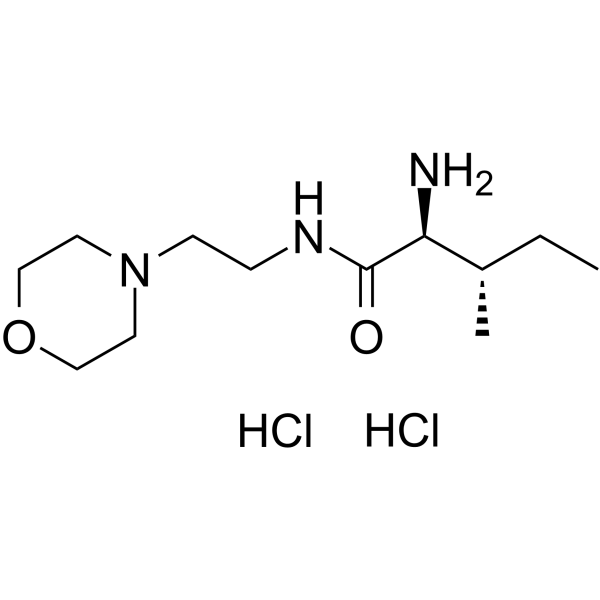
LM11A-31 dihydrochloride, a non-peptide p75 NTR (neurotrophin receptor p75) modulator, is an orally active and potent proNGF (nerve growth factor) antagonist. LM11A-31 dihydrochloride is an amino acid derivative with high blood-brain barrier permeability and blocks p75-mediated cell death. LM11A-31 dihydrochloride reverses cholinergic neurite dystrophy in Alzheimer's disease mouse models with mid- to late-stage disease progression .
loading...
    loading...
7
7 Cited Publications
Cat. No.: HY-117088
CAS No.: 102562-74-3
Purity:  ≥95.0%
Target:  

Neurokinin Receptor

Research Areas:  

Neurological Disease

LM11A-31, a non-peptide p75 NTR (neurotrophin receptor p75) modulator, is an orally active and potent proNGF (nerve growth factor) antagonist. LM11A-31 is an amino acid derivative with high blood-brain barrier permeability and blocks p75-mediated cell death. LM11A-31 reverses cholinergic neurite dystrophy in Alzheimer's disease mouse models with mid- to late-stage disease progression .
loading...
    loading...
7
7 Cited Publications
Cat. No.: HY-125006
CAS No.: 246020-68-8
Purity:  99.91%
Target:  

JNK p38 MAPK

Research Areas:  

Cancer

TRi-1 is a potent, specific and irreversible inhibitor of cytosolic thioredoxin reductase 1 (TXNRD1), with an IC50 of 12 nM. TRi-1 has little mitochondrial toxicity for anticancer therapy .
loading...
    loading...
7
7 Cited Publications
Cat. No.: HY-102023
CAS No.: 1227634-69-6
Purity:  99.87%
Research Areas:  

Others

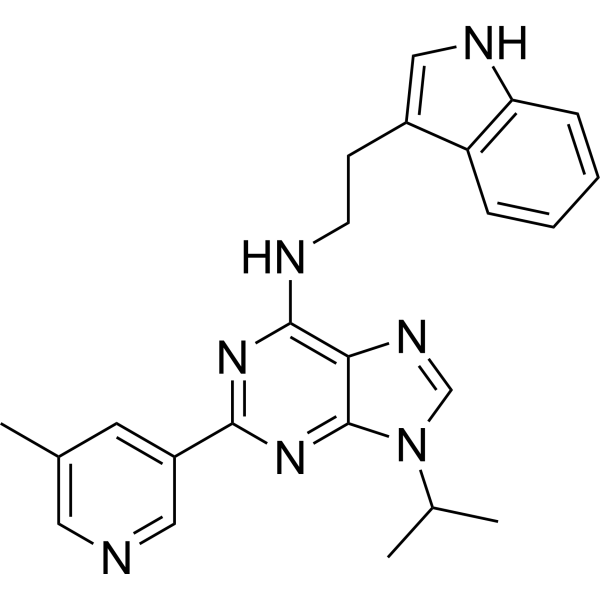
GNF351 is a full aryl hydrocarbon receptor (AHR) antagonist. GNF351 competes with a photoaffinity AHR ligand for binding to the AHR with an IC50 of 62 nM. GNF351 is minimal toxicity in mouse or human keratinocytes .
loading...
    loading...
7
7 Cited Publications
Cat. No.: HY-18959
CAS No.: 1144044-02-9
Target:  

β-catenin Wnt

Research Areas:  

Cancer

CWP232228, a highly potent selective Wnt/β-catenin signaling inhibitor, antagonizes binding of β-catenin to T-cell factor (TCF) in the nucleus. CWP232228 suppresses tumor formation and metastasis without toxicity through the inhibition of the growth of breast and liver cancer stem cells (CSCs) .
loading...
    loading...

