
704 Results for "

Neuroprotective effects

" in MedChemExpress (MCE) Product Catalog:
Products (704)

704 Results for "Neuroprotective effects" in MCE Product Catalog:

4
4 Cited Publications
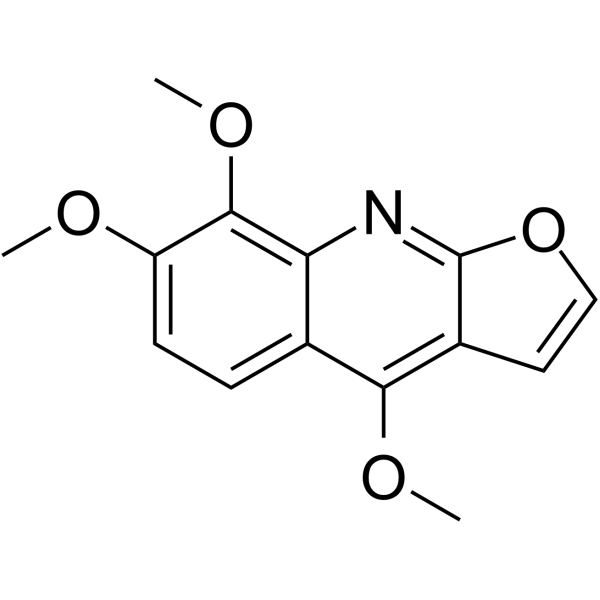
Cat. No.: HY-N2081
CAS No.: 83-95-4
Skimmianine is an orally active furoquiniline alkaloid present mainly in the Rutaceae family. Skimmianine has analgesic, antispastic, sedative, and anti-inflammatory properties. Skimmianine inhibits acetylcholinesterase (AChE) (IC50 = 8.6 μg/mL). Skimmianine exhibits cytotoxicity against a variety of cancer cell lines and genotoxicity. Skimmianine has antioxidant and anti-inflammatory effects on ischemia-reperfusion (IR) injury. Skimmianine exerts anti-inflammatory effects through activation of the phosphatidylinositol-3-kinase (PI3K)-protein kinase B (AKT) pathway. Skimmianine is neuroprotective by targeting the NF-κB activation pathway to prevent neuroinflammation. Skimmianine inhibits the release of histamine, intracellular Ca 2+ signaling and protein kinase C signaling .
loading...
    loading...
4
4 Cited Publications
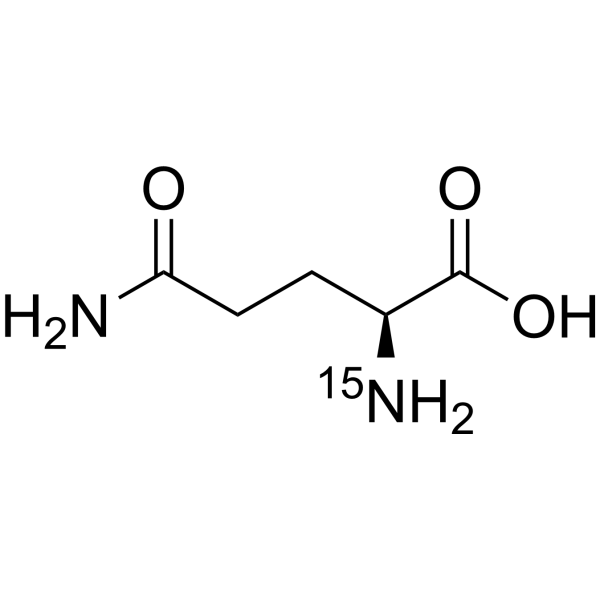
Cat. No.: HY-N0390S
CAS No.: 80143-57-3
Synonyms: L-Glutamic acid 5-amide-15N
L-Glutamine- 15N is the 15N-labeled L-Glutamine (HY-N0390). L-Glutamine is an orally active nutritional agent and cellular metabolism regulator. L-Glutamine is taken up in a Na +-dependent manner and targets multiple key molecules including glutaminase, mTORC1, NF-κB, STAT-3 and HIF-1α. L-Glutamine enhances glutaminolytic catabolism, drives the conversion of glutamate to α-ketoglutarate, thereby regulating gene expression, integrating metabolic signals, mediating glutamine flux and maintaining redox homeostasis. L-Glutamine also promotes cell proliferation, osteogenic differentiation and fracture healing, exerts neuroprotective and cardioprotective effects, and inhibits osteoarthritis. L-Glutamine can be applied to research related to osteoporosis, osteoarthritis, ischemic stroke and acute cantharidin-induced cardiotoxicity .
loading...
    loading...
4
4 Cited Publications
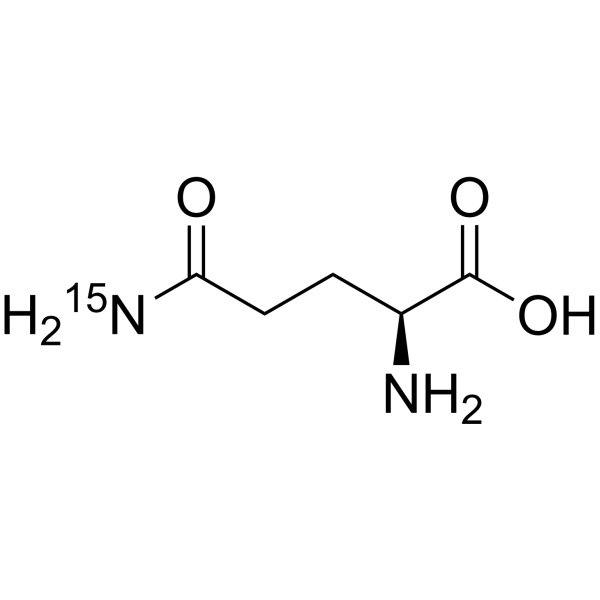
Cat. No.: HY-N0390S9
CAS No.: 59681-32-2
Synonyms: L-Glutamic acid 5-amide-15N-1
L-Glutamine- 15N-1 is the 15N-labeled L-Glutamine (HY-N0390). L-Glutamine is an orally active nutritional agent and cellular metabolism regulator. L-Glutamine is taken up in a Na +-dependent manner and targets multiple key molecules including glutaminase, mTORC1, NF-κB, STAT-3 and HIF-1α. L-Glutamine enhances glutaminolytic catabolism, drives the conversion of glutamate to α-ketoglutarate, thereby regulating gene expression, integrating metabolic signals, mediating glutamine flux and maintaining redox homeostasis. L-Glutamine also promotes cell proliferation, osteogenic differentiation and fracture healing, exerts neuroprotective and cardioprotective effects, and inhibits osteoarthritis. L-Glutamine can be applied to research related to osteoporosis, osteoarthritis, ischemic stroke and acute cantharidin-induced cardiotoxicity .
loading...
    loading...
3
3 Cited Publications
Cat. No.: HY-Y1314
CAS No.: 67-71-0
Dimethyl sulfone (Methyl Sulfonyl Methane) is a metabolic product of endogenous methanethiol metabolism and intestinal bacterial metabolism. Dimethyl sulfone inhibits choriocapillary endothelial (CCE) cell proliferation, also has many biological effects, including antiinflammatory, antioxidant, and local anesthetic effects that could be neuroprotective .
loading...
    loading...
3
3 Cited Publications
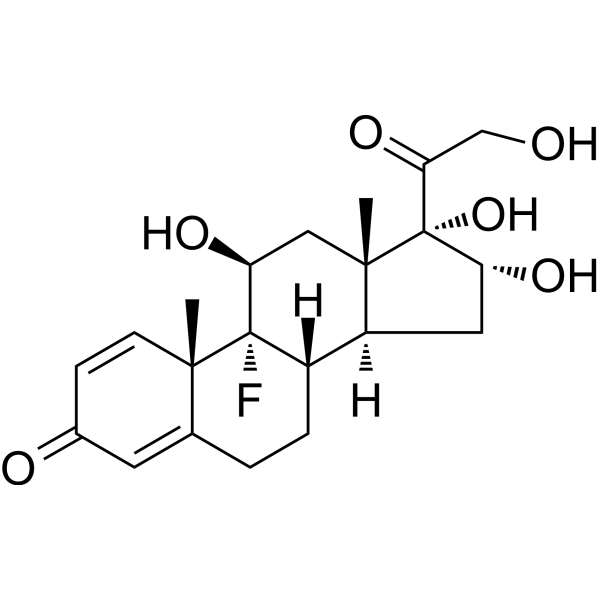
Cat. No.: HY-B0328
CAS No.: 124-94-7
Triamcinolone is a long-acting corticosteroid with anti-inflammatory, anti-oedematous, anti-proliferative, anti-angiogenetic, immunomodulatory and neuroprotective effects through binding to glucocorticoid receptors. Triamcinolone can relieve several dermatitis, immune diseases and ocular diseases .
loading...
    loading...
3
3 Cited Publications
Cat. No.: HY-101449
CAS No.: 385786-48-1
Purity:  99.87%
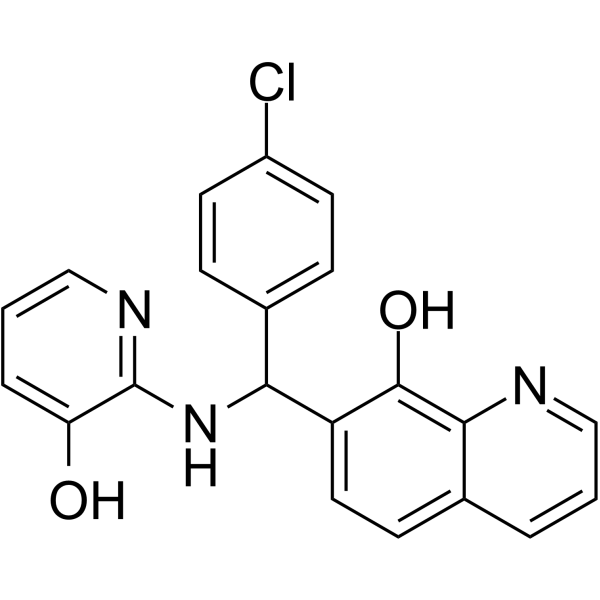
Adaptaquin is a BBB-penetrable HIF-PHDs inhibitor. Adaptaquin has anti-inflammatory and neuroprotective effects. Adaptaquin can effectively inhibit lipid peroxidation, maintain mitochondrial function, and reduce neuronal death. Adaptaquin can be used in the research of nervous system diseases such as Parkinson's disease .
loading...
    loading...
3
3 Cited Publications
Cat. No.: HY-Y1055
CAS No.: 73-40-5
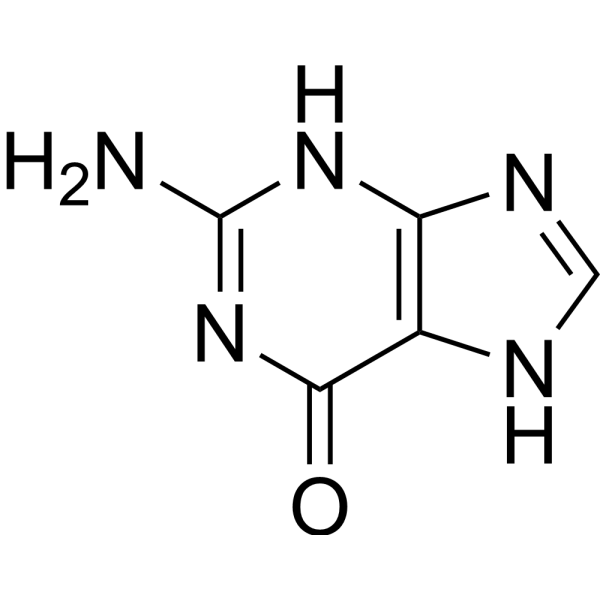
Guanine is one of the fundamental components of nucleic acids (DNA and RNA). Guanine is a purine derivative, consisting of a fused pyrimidine-imidazole ring system with conjugated double bonds. Guanine has the potential to serve as a large-capacity N pool. Guanine has cytotoxic, antinociceptive and neuroprotective effects .
loading...
    loading...
3
3 Cited Publications
Cat. No.: HY-Y1055A
CAS No.: 635-39-2
Guanine hydrochloride is one of the fundamental components of nucleic acids (DNA and RNA). Guanine hydrochloride is a purine derivative, consisting of a fused pyrimidine-imidazole ring system with conjugated double bonds. Guanine hydrochloride has the potential to serve as a large-capacity N pool. Guanine hydrochloride has cytotoxic, antinociceptive and neuroprotective effects .
loading...
    loading...
3
3 Cited Publications
Cat. No.: HY-110135
CAS No.: 374620-70-9
Purity:  98.88%
Target:  

IGF-1R

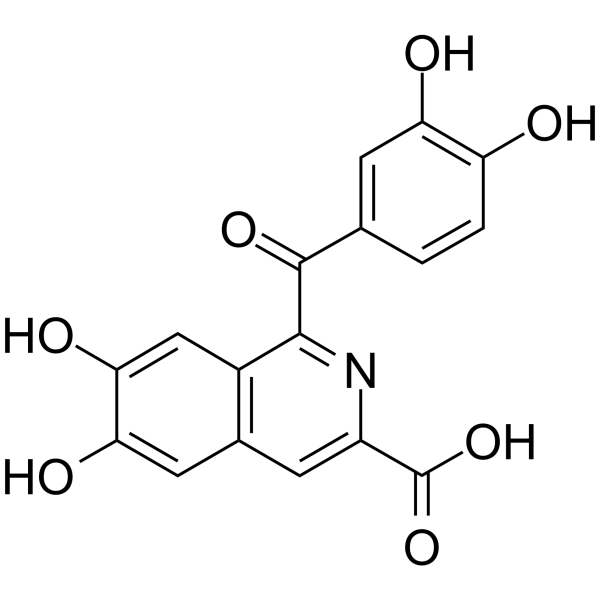
NBI-31772 is a non-selective IGFBP inhibitor (Ki=47 nM). NBI-31772 has neuroprotective effects and reduces infarct volume during cerebral ischemia. NBI-31772 can also restore or enhance proteoglycan synthesis in osteoarticular chondrocytes. In addition, NBI-31772 also increases the effect of IGF3 on zebrafish oocyte maturation .
loading...
    loading...
3
3 Cited Publications
Cat. No.: HY-116090
CAS No.: 18080-67-6
Purity:  99.32%
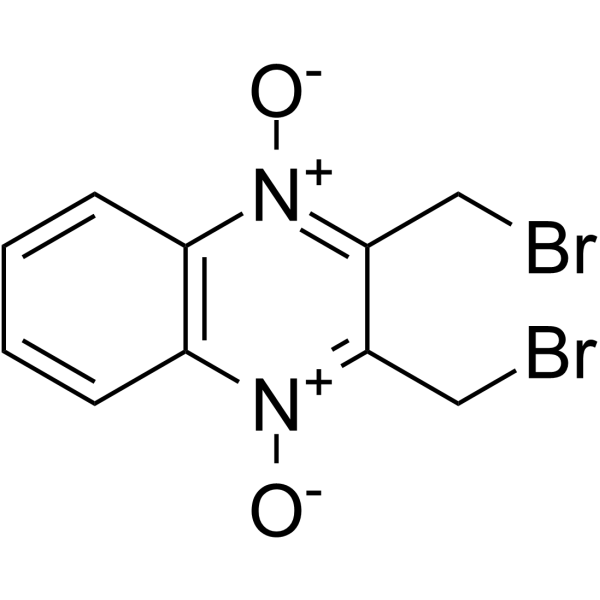
Conoidin A is a cell permeable inhibitor of T. gondii enzyme peroxiredoxin II (TgPrxII) with nematicidal properties. Conoidin A covalently binds to the peroxidatic Cys47 of TgPrxII, irreversibly inhibiting its hyperperoxidation activity with an IC50 of 23 μM. Conoidin A also inhibits hyperoxidation of mammalian PrxI and PrxII (but not PrxIII) . Conoidin A has antioxidant, neuroprotective effects and can be used for the research of ischaemic heart disease .
loading...
    loading...
3
3 Cited Publications
Cat. No.: HY-N1430
CAS No.: 29700-22-9
Synonyms: trans-Oxyresveratrol
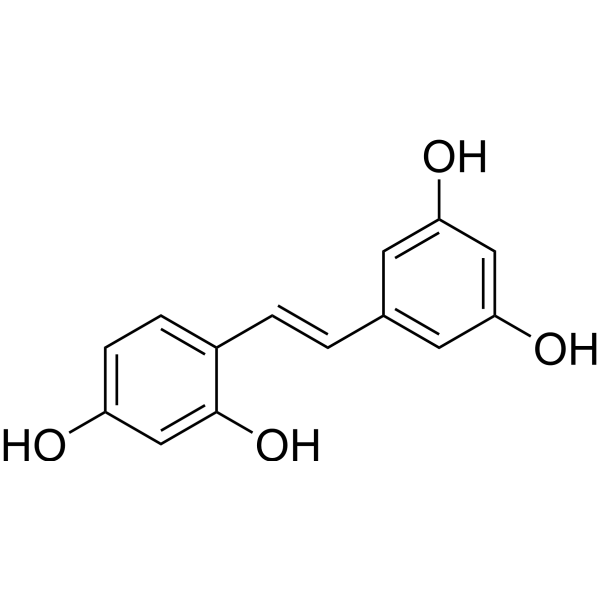
Oxyresveratrol (trans-Oxyresveratrol) is a potent naturally occurring antioxidant and free radical scavenger (IC50 of 28.9 μM against DPPH free radicals). Oxyresveratrol is potent and noncompetitive tyrosinase inhibitor with an IC50 value of 1.2 μM for mushroom tyrosinase. Oxyresveratrol is effective against HSV-1, HSV-2 and varicella-zoster virus, and has neuroprotective effects .
loading...
    loading...
3
3 Cited Publications
Cat. No.: HY-N0202
CAS No.: 73069-14-4
Synonyms: Asterolide
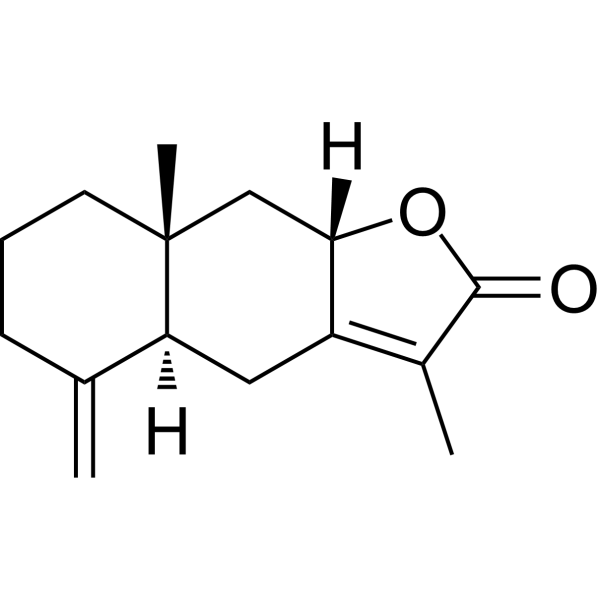
Atractylenolide II (Asterolide) is a sesquiterpenoid compound. Atractylenolide II can induce G1 phase cell cycle arrest and apoptosis in B16 melanoma cells. Atractylenolide II is an orally effective anticancer agent that can exert anti-melanoma effects by inhibiting the STAT3 signaling pathway. In addition, Atractylenolide II has been shown to ameliorate myocardial fibrosis, oxidative stress, and neuroprotective activity .
loading...
    loading...
3
3 Cited Publications
Cat. No.: HY-125854
CAS No.: 97281-44-2
Purity:  99.79%
Phosphatidylcholines, egg are a type of phosphatidylcholine that can be isolated and extracted from eggs, primarily present in egg yolks. As a major phospholipid component of cell membranes, Phosphatidylcholines, egg play a key role in providing nutrition and protection to the body. Phosphatidylcholines, egg can inhibit oxidative stress and neurotoxicity, exerting neuroprotective effects. Additionally, Phosphatidylcholines, egg can suppress the lymphatic absorption of cholesterol in the intestine and are also used in research on intestinal lipid absorption .
loading...
    loading...
3
3 Cited Publications
Cat. No.: HY-B0124
CAS No.: 68291-97-4
Synonyms: AD 810; CI 912
Research Areas:  

Neurological Disease

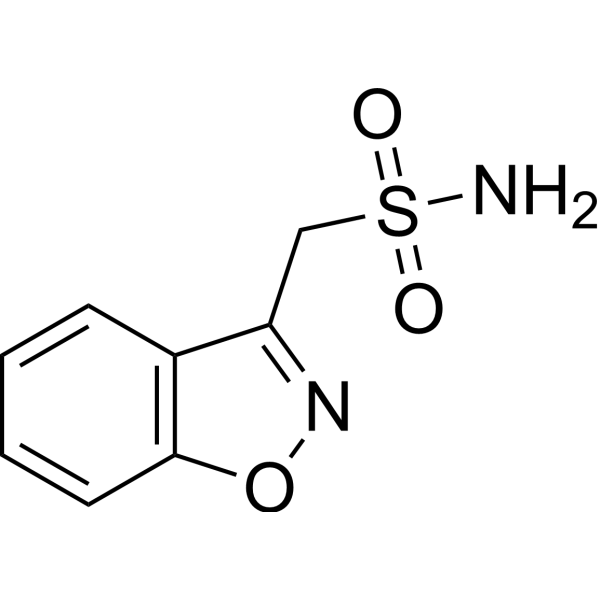
Zonisamide (AD 810) is an orally active carbonic anhydrase inhibitor, with Kis of 35.2 and 20.6 nM for hCA II and hCA V, respectively. Zonisamide exerts neuroprotective effects through anti-apoptosis and upregulating MnSOD levels. Zonisamide also increases the expression of Hrd1, thereby improving cardiac function in AAC rats. Zonisamide can be used in studies of seizure, parkinson’s disease and cardiac hypertrophy .
loading...
    loading...
3
3 Cited Publications
Cat. No.: HY-N7676
CAS No.: 535-96-6
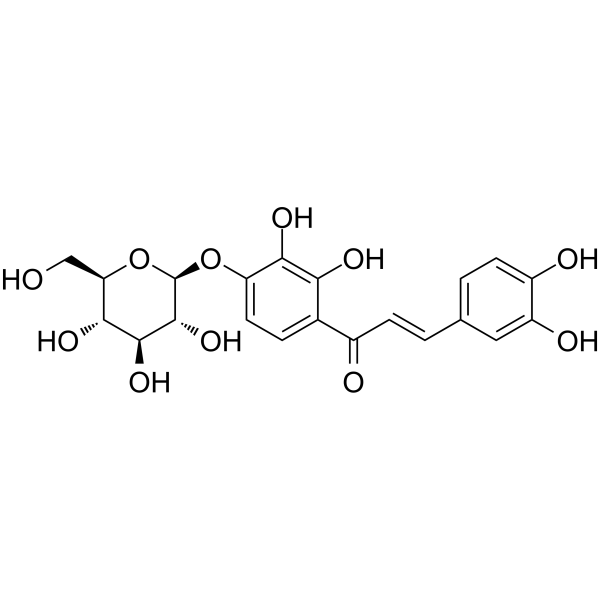
Marein has the neuroprotective effect due to a reduction of damage to mitochondria function and activation of the AMPK signal pathway. Marein improves insulin resistance induced by high glucose in HepG2 cells through CaMKK/AMPK/GLUT1 to promote glucose uptake, through IRS/Akt/GSK-3β to increase glycogen synthesis, and through Akt/FoxO1 to decrease gluconeogenesis. Marein is a HDAC inhibitor with an IC50 of 100 μM. Marein has beneficial antioxidative, antihypertensive, antihyperlipidemic and antidiabetic effects .
loading...
    loading...
3
3 Cited Publications
Cat. No.: HY-B1773A
CAS No.: 137-40-6
Sodium propionate is an orally active short-chain fatty acid. Sodium propionate can be produced by intestinal bacteria from the metabolism of dietary fiber. Sodium propionate increases PPAR-γ, inhibits NF-κB activation, and reduces COX-2 expression and NO production. Sodium propionate also induces Apoptosis and Autophagy. Sodium propionate reduces HSV-1-induced keratitis. Sodium propionate has anticancer effects against glioblastoma. Sodium propionate exhibits neuroprotective, antioxidant, and anti-inflammatory activities. Sodium propionate can be used in the research of spinal cord injury and Alzheimer's disease .
loading...
    loading...
3
3 Cited Publications
Cat. No.: HY-N5027
CAS No.: 549-21-3
Synonyms: Oxyberberin; Berlambine; 8-Oxoberberine
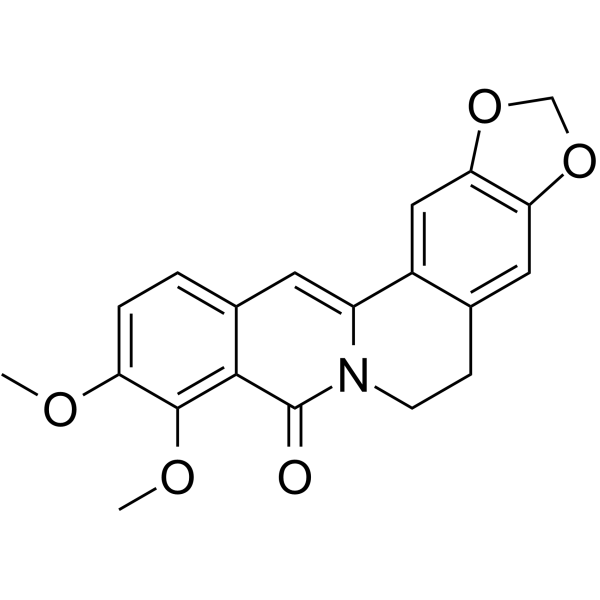
Oxyberberine (Oxyberberin; Berlambine) is an orally effective heme oxygenase HO-1 agonist that can activate antioxidant mechanisms by regulating the PI3K/Akt/AMPK signaling pathway. Oxyberberine induces HO-1 expression, increases SOD and GSH-Px activity, inhibits NF-κB-mediated inflammatory responses, and improves insulin sensitivity and glucose metabolism. Oxyberberine has anti-diabetic, neuroprotective, anti-inflammatory and antioxidant effects, and can be used to study type 2 diabetes, traumatic brain injury (TBI) and inflammatory bowel disease .
loading...
    loading...
2
2 Cited Publications
Cat. No.: HY-100621
CAS No.: 93565-01-6
Purity:  ≥98.0%
Target:  

Monoamine Oxidase

Research Areas:  

Neurological Disease

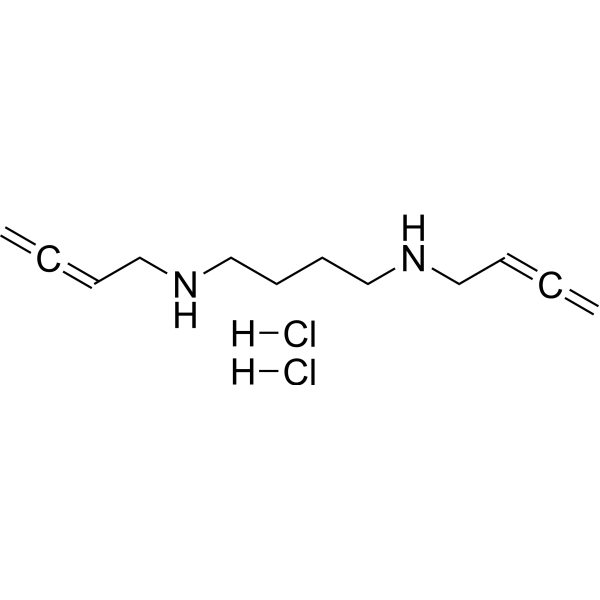
MDL 72527 is a potent polyamine oxidase (PAO) inhibitor. MDL 72527 shows a lysosomotropic effect. MDL 72527 shows neuroprotective effects .
loading...
    loading...
2
2 Cited Publications
Cat. No.: HY-133968
CAS No.: 474-63-5
Purity:  99.48%
Synonyms: Ostreasterol
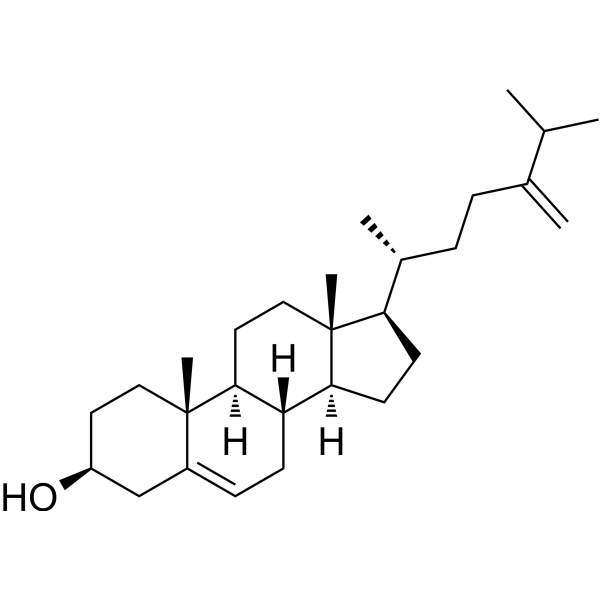
24-Methylenecholesterol (Ostreasterol) is a regulator targeting acyl-CoA cholesterol acyltransferase (ACAT) with anti-aging and neuroprotective effects. 24-Methylenecholesterol mimics the effects of nerve growth factor (NGF), can extend yeast lifespan through an anti-oxidative stress mechanism, and exhibits neuroprotective activity in PC12 cells. 24-Methylenecholesterol can reduce intracellular reactive oxygen species (ROS) and malondialdehyde (MDA) levels, activate anti-oxidative stress pathways (such as UTH1, SOD-related genes), and promote synaptic growth .
loading...
    loading...
2
2 Cited Publications
Cat. No.: HY-N0013R
CAS No.: 3681-93-4
Vitexin (Standard) is the analytical standard of Vitexin. This product is intended for research and analytical applications. Vitexin is a c-glycosylated flavone, and is found in various medicinal plants species such as Trigonella foenum-graecum Linn. Vitexin has a wide range of pharmacological effects, including anti-oxidant, anti-cancer, anti-inflammatory, anti-hyperalgesic, and neuroprotective effects .
loading...
    loading...

