
768 Results for "

Biological activity

" in MedChemExpress (MCE) Product Catalog:
Products (768)

768 Results for "Biological activity" in MCE Product Catalog:

1
1 Cited Publications
Cat. No.: HY-P9976
CAS No.: 1461640-62-9
Synonyms: ch38SB19; hu38SB19; SAR-650984

Target:  

CD38 Apoptosis

Research Areas:  

Cancer

Isatuximab is a monoclonal antibody targeting the transmembrane receptor and ectoenzyme CD38, a protein highly expressed on hematological malignant cells, including those in multiple myeloma (MM). Isatuximab has antitumor activity via multiple biological mechanisms, including antibody-dependent cellular-mediated cytotoxicity, complement-dependent cytotoxicity, antibody-dependent cellular phagocytosis, and direct induction of apoptosis without crosslinking. Isatuximab also directly inhibits CD38 ectoenzyme activity, which is implicated in many cellular functions .
loading...
    loading...
1
1 Cited Publications
Cat. No.: HY-N0148R
CAS No.: 153-18-4
Synonyms: Rutoside (Standard); Quercetin 3-O-rutinoside (Standard)
Rutin (Standard) is the analytical standard of Rutin. This product is intended for research and analytical applications. Rutin (Rutoside) is a flavonoid found in many plants and shows a wide range of biological activities including anti-inflammatory, antidiabetic, antioxidant, neuroprotective, nephroprotective, hepatoprotective and reducing Aβ oligomer activities. Rutin is also a CBR1 inhibitor, which can cross the blood brain barrier. Rutin attenuates vancomycin-induced renal tubular cell apoptosis via suppression of apoptosis, mitochondrial dysfunction, and oxidative stress .
loading...
    loading...
1
1 Cited Publications
Cat. No.: HY-D0055
CAS No.: 117620-77-6
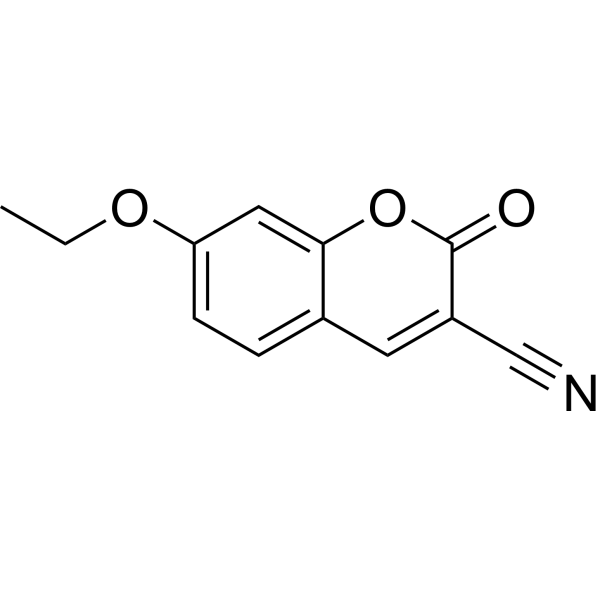
3-Cyano-7-ethoxycoumarin is a fluorescent cytochrome P-450 substrate that generates a blue fluorescent product upon enzymatic cleavage. 3-Cyano-7-ethoxycoumarin is used to detect the activity of mixed-function oxidases in isolated rat hepatocytes. 3-Cyano-7-ethoxycoumarin serves as a biological dye and indicator for research .
loading...
    loading...
1
1 Cited Publications
Cat. No.: HY-W250150
CAS No.: 5486-84-0
Research Areas:  

Others

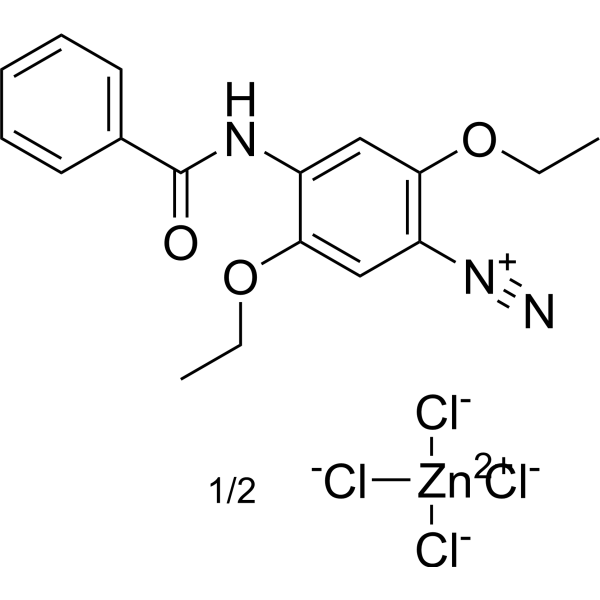
Fast blue bb salt (hemi(zinc chloride) salt is a water-soluble dye commonly used as a histological stain in various biological applications such as staining cellular components or detecting enzyme activity. Fast blue BB salt has a unique Chemical properties that allow it to bind to specific proteins to form a blue product that can be detected by microscopy or spectrophotometry. This makes it a useful tool for visualizing and quantifying target proteins in tissue samples or cell cultures.
loading...
    loading...
1
1 Cited Publications
Cat. No.: HY-N0805A
CAS No.: 18649-93-9
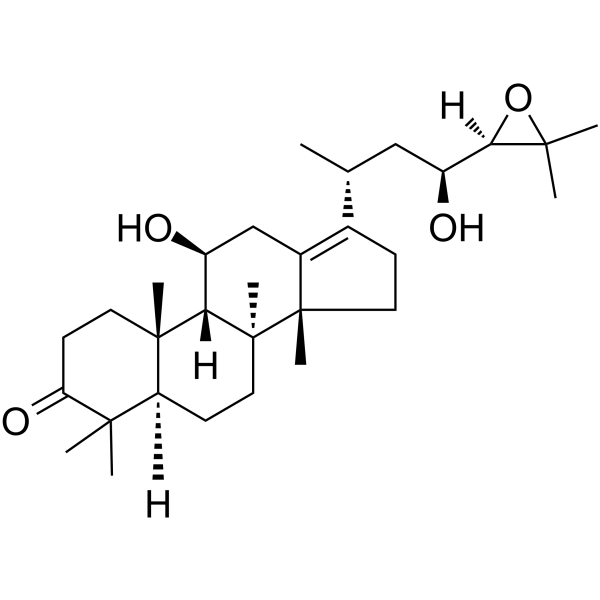
Alisol B is a triterpene with diverse biological activities. Alisol B binds human soluble epoxide hydrolase (sEH) with a Ki of 5.97 μM and reduces sEH activity. Alisol B inhibits RANKL-induced JNK phosphorylation, NFATc1 and c-Fos expression, osteoclast formation, mature osteoclast pit-forming and actin ring activity, and SERCA pump activity. Alisol B induces calcium mobilization, CaMKK-AMPK-mTOR pathway activation, autophagic flux, autophagosome formation, G1 phase cell cycle arrest, endoplasmic reticulum stress, unfolded protein responses, and cancer cell apoptosis. Alisol B can be used for the research of hypercalcemia, osteoporosis, rheumatoid arthritis, periodontitis, acute kidney injury, and breast cancer .
loading...
    loading...
1
1 Cited Publications
Cat. No.: HY-P9976A
CAS No.: 1461640-62-9

Target:  

CD38 Apoptosis

Research Areas:  

Cancer

Isatuximab (anti-CD38) is a monoclonal antibody that targets the transmembrane receptor and extracellular enzyme CD38, a protein highly expressed in hematological malignancies, including multiple myeloma. Isatuximab (anti-CD38) exhibits anti-tumor activity through multiple biological mechanisms, including antibody-dependent cell-mediated cytotoxicity, complement-dependent cytotoxicity, antibody-dependent cell phagocytosis, and non-crosslinking direct induction of apoptosis. Isatuximab (anti-CD38) also directly inhibits the extracellular enzyme activity of CD38, which is related to many cellular functions .
loading...
    loading...
1
1 Cited Publications
Cat. No.: HY-N0701
CAS No.: 133-04-0
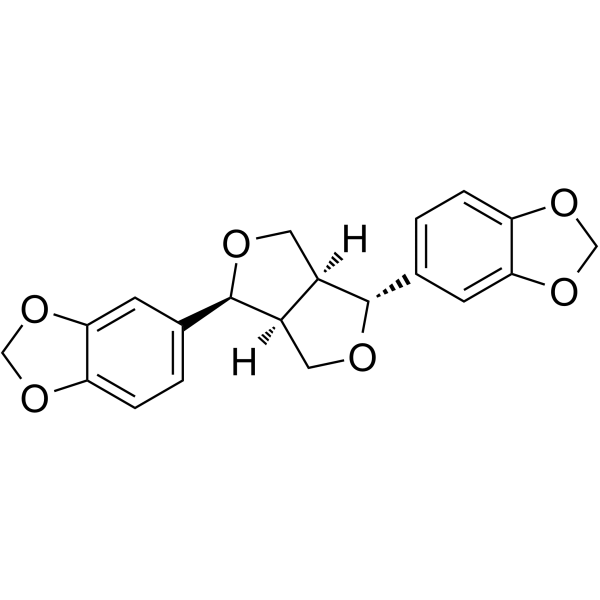
(-)-Asarinin is a tetrahydrofurofurano lignan with various biological activities. (-)-Asarinin induces apoptosis in cancer cells. (-)-Asarinin promotes mitochondrial ROS accumulation, inhibits the STAT3 signaling pathway and induces apoptosis in precancerous cells. (-)-Asarinin is a Src family kinase inhibitor that suppresses mast cell activation. (-)-Asarinin is a non-competitive Δ5-desaturase inhibitor with a Ki of 0.28 mM. (-)-Asarinin possesses pain relief, anti-viral, anti-allergic and anti-tuberculous bacilli, and anti-tumor effects .
loading...
    loading...
1
1 Cited Publications
Cat. No.: HY-N3980
CAS No.: 489-86-1
Synonyms: Champacol; Guaiac alcohol
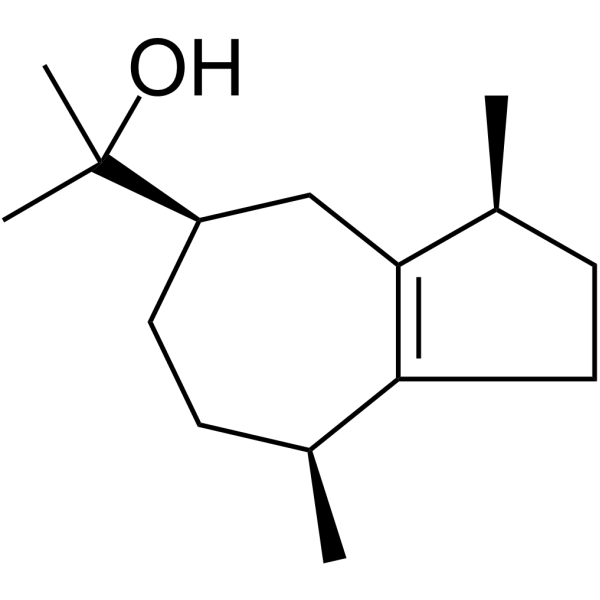
Guaiol is a sesquiterpenoid alcohol with oral activity found in various traditional Chinese medicines, exhibiting biological activities such as anti-proliferative, autophagy-promoting, insecticidal, anti-anxiety, anti-inflammatory, diuretic, and blood pressure-lowering effects. Guaiol induces apoptosis in non-small cell lung cancer cells by regulating the stability of RAD51 through autophagy modulation. Guaiol can also act directly on parasites, inhibiting their growth by affecting the kinetoplast, mitochondrial matrix and plasma membrane of the promastigotes. Guaiol kills amastigotes at an IC50 of 0.01 µg/mL. Guaiol can be used in research related to cancer, infections, cardiovascular diseases, and inflammatory conditions [4]
loading...
    loading...
1
1 Cited Publications
Cat. No.: HY-N2124
CAS No.: 174972-79-3
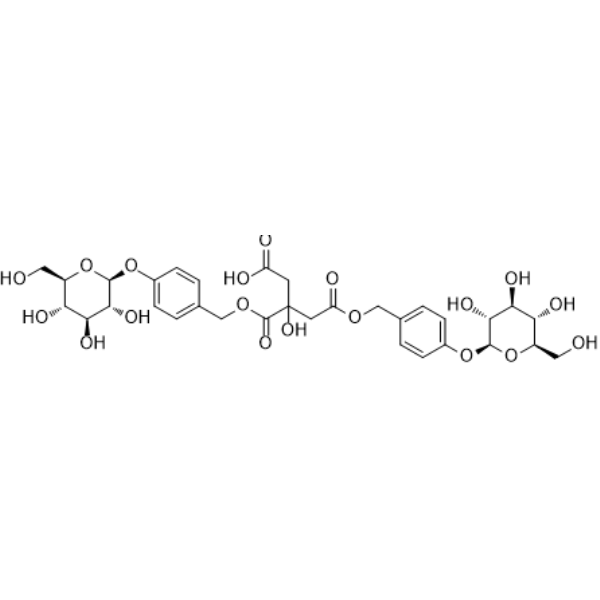
Parishin B is a multi-target biological agent with anti-epileptic, anti-fascioliasis and anti-breast cancer lung metastasis activities . Parishin B regulates the gene/protein activities of ACLY, unc13c, γ-aminobutynergic system, pro-inflammatory system, antioxidant system, monoaminergic system, ferroptosis-related pathways, as well as GST, CatL, Trx and TRIB3 . Parishin B modulates energy-lipid metabolism, synaptic function, neurotransmitter balance, neuroinflammation, oxidative stress, parasite detoxification/invasion processes, as well as apoptosis, cell cycle, proliferation and metastasis of cancer cells [1][2][3]. Parishin B can be used for related research of epilepsy, fascioliasis and breast cancer lung metastasis [3].
loading...
    loading...
1
1 Cited Publications
Cat. No.: HY-B1173
CAS No.: 464-49-3
Synonyms: D-(+)-Camphor; (1R)-(+)-Camphor
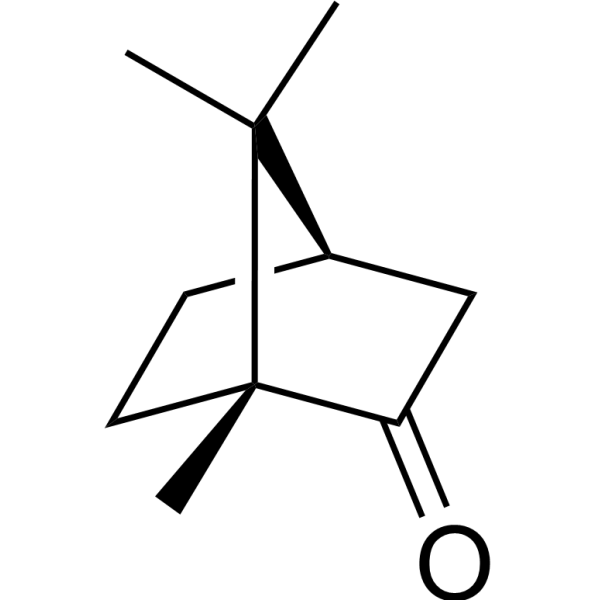
(+)-Camphor (D-(+)-Camphor; (1R)-(+)-Camphor) is an isomer of Camphor. Camphor is an agonist of monoterpenoid transient receptor potential (TRP) channels (such as TRPV1, TRPV3, TRPM8) and an inhibitor of TRPA1 channels. Camphor's derivatives have multiple biological activities, including antibacterial, antiviral, antioxidant, analgesic and anticancer. Camphor can selectively activate cold-sensitive TRP channels and inhibit TRPA1-mediated nociceptive signals. Camphor stimulates the cold-sensing nerve endings in the skin and regulates the activity of ion channels to exert analgesic, anti-inflammatory and anti-itching effects. It also has anti-proliferative and anti-mutagenic activities on tumor cells, which may be related to inhibiting ribosome function or inducing cell apoptosis. Camphor can be absorbed through the skin and (+)-Camphor can be used in the study of muscle and joint pain and inflammation .
loading...
    loading...
1
1 Cited Publications
Cat. No.: HY-N10470
CAS No.: 11116-32-8
Synonyms: Pingyangmycin
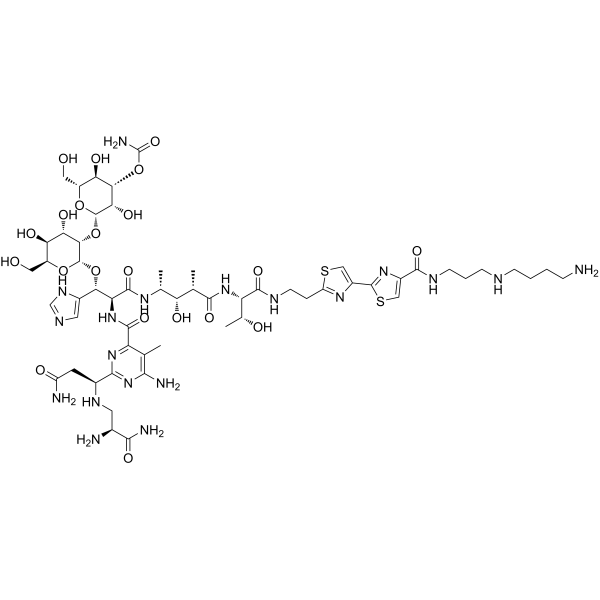
Bleomycin A5 (Pingyangmycin) is a glycopeptide antibiotic with multiple biological activities, which can be isolated from Streptomyces. Bleomycin A5 exerts cytotoxic effects by binding to Fe 2+ to form a complex, inducing single-strand and double-strand DNA breaks, and inhibiting DNA replication. Bleomycin A5 inhibits Drp1-mediated mitochondrial fission and suppresses PINK1/Parkin pathway-mediated mitophagy, ultimately triggering mitochondria-mediated cellular apoptosis. Bleomycin A5 can be used in cancer research .
loading...
    loading...
1
1 Cited Publications
Cat. No.: HY-Y0790
CAS No.: 122-03-2
Synonyms: p-Isopropylbenzaldehyde
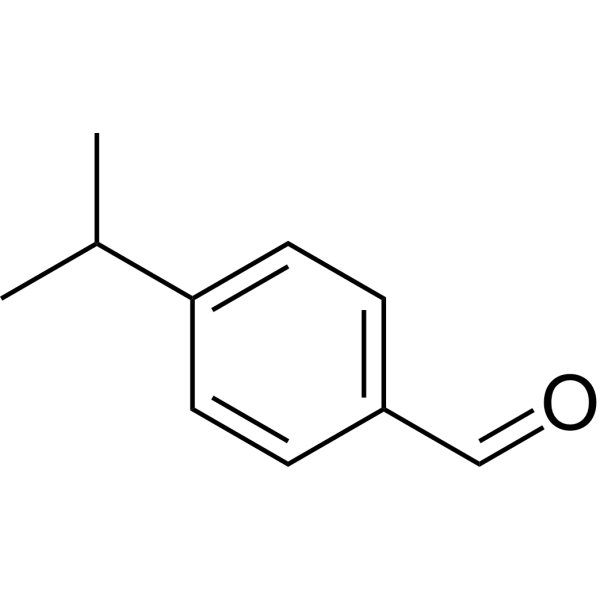
Cuminaldehyde is the main component of Cuminum cyminum and has multiple biological activities, including anti-inflammatory, anti-cancer, anti-diabetic, anti-injury, anti-neuropathy and antibacterial effects. Cuminaldehyde is an inhibitor of aldose reductase (IC50= 0.00085 mg/mL), α-glucosidase (IC50=0.5 mg/mL) and lipoxygenase (IC50=1370 μM). Cuminaldehyde also inhibits the fibrillation of α-synuclein and prevents its aggregation. Cuminaldehyde has potential application value in the research of neurodegenerative diseases, cancer, diabetes and neuropathic pain diseases .
loading...
    loading...
1
1 Cited Publications
Cat. No.: HY-N7012
CAS No.: 29080-58-8
Synonyms: 5-Hydroxy-3',4',7-trimethoxyflavone
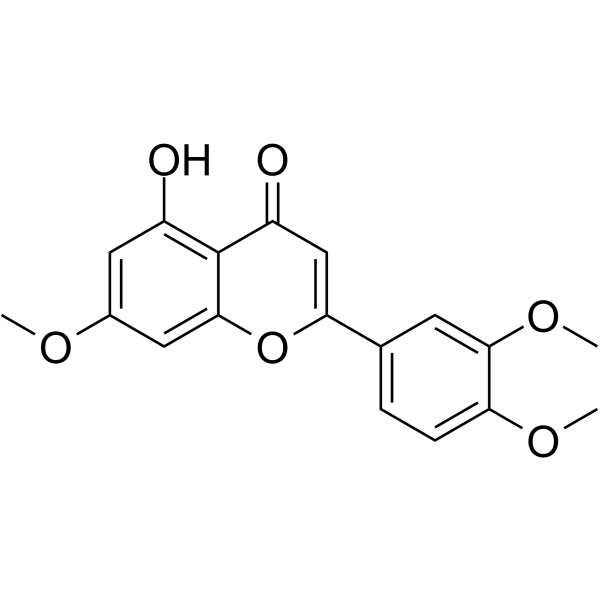
7,3',4'-Tri-O-methylluteolin (5-Hydroxy-3',4',7-trimethoxyflavone) is a flavonoid with multiple biological activities. 7,3',4'-Tri-O-methylluteolin inhibits soybean lipoxygenase (LOX), with an IC50 value of 23.97 µg/mL. 7,3',4'-Tri-O-methylluteolin possesses anti-inflammatory effects in Lipopolysaccharides (HY-D1056) (LPS)-induced RAW 264.7 macrophages. 7,3',4'-Tri-O-methylluteolin inhibits the binding of MDM2 with p53 and induces apoptosis in MCF-7 breast cancer cells. 7,3',4'-Tri-O-methylluteolin also has antioxidant, antifungal and antitrypanosomal activities .
loading...
    loading...
1
1 Cited Publications
Cat. No.: HY-N8572
CAS No.: 4143-62-8
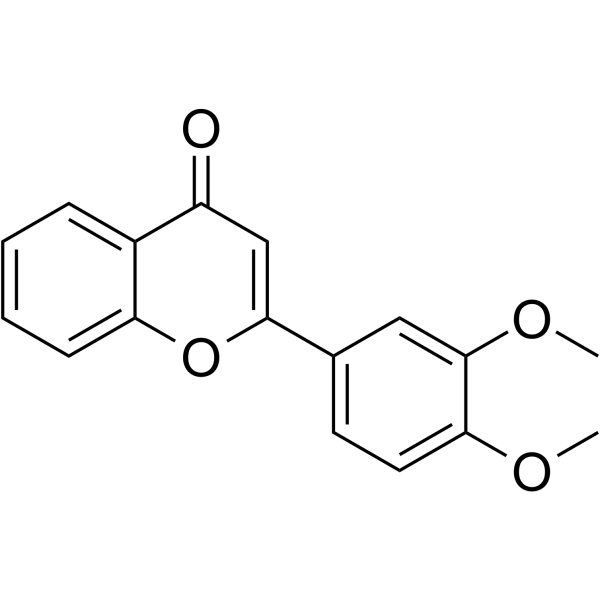
3',4'-Dimethoxyflavone is a lipophilic flavone, can be isolated from the leaves of Primula veris. 3',4'-Dimethoxyflavone can reduce the synthesis and accumulation of PARP and protect cortical neurones against cell death induced by Parthanatos. 3',4'-Dimethoxyflavone is also an aryl hydrocarbon receptor antagonist in human breast cancer cells. 3',4'-Dimethoxyflavone can promote the proliferation of human hematopoietic stem cells. 3',4'-Dimethoxyflavone has various biological activities, including antioxidant, anti-cancer, anti-inflammatory, anti-atherogenic, hypolipidaemic, and neuroprotective or neurotrophic effects .
loading...
    loading...
1
1 Cited Publications
Cat. No.: HY-158226
Synonyms: ElaMA
Elastin Methacrylated (ElaMA) elastin recruits and modulates innate immune cells and accelerates angiogenesis at the wound site, thereby improving wound regeneration. Elastin Methacrylated attracts large numbers of neutrophils and primarily M2 macrophages to the wound and induces their penetration into the hydrogel. Elastin Methacrylated has excellent immunomodulatory effects, leading to superior angiogenesis, collagen deposition and dermal regeneration . Elastin Methacrylated needs to self-assemble into fibrous hydrogel under the action of photoinitiator LAP (HY-44076), and target bioactive adhesion sites, play an inherent supporting role for tissue cells and biodegradable activity.
Application: cell culture, biological 3D printing, tissue engineering, etc.
loading...
    loading...
1
1 Cited Publications
Cat. No.: HY-125938
CAS No.: 21238-33-5
Purity:  98.98%
Synonyms: Cycloartenol ferulate; Cycloartenol ferulic acid ester
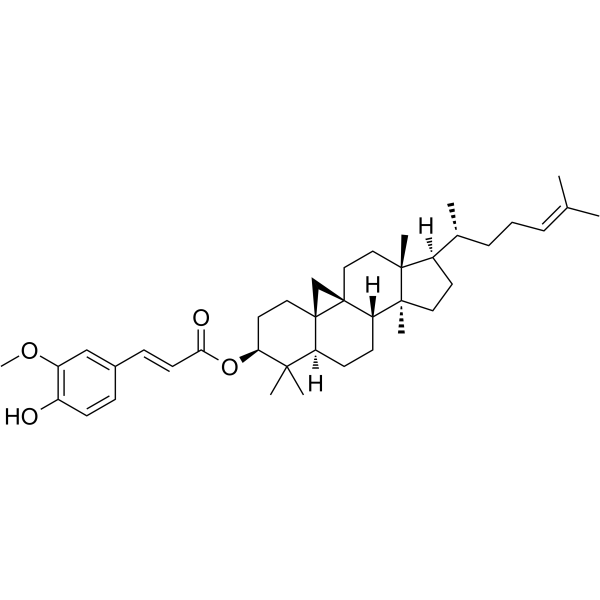
Cycloartenyl ferulate (Cycloartenol ferulate; Cycloartenol ferulic acid ester) is a derivative of γ-oryzanol (HY-B2194) with multiple biological activities including antioxidant, anti-inflammatory, and anti-tumor properties. Cycloartenyl ferulate selectively binds to IFNγR1 (binding affinity Kd = 0.5 μM) to activate the canonical JAK1/2-STAT1 signaling pathway. Cycloartenyl ferulate inhibits paraquat (PQ)-triggered apoptosis and ROS in HK2 cells. Cycloartenyl ferulate enhances the activation and cytolytic activity of natural killer (NK) cells by upregulating the expression of NK cell activation receptors (NKG2D, NKp30, NKp44) and the release of cytotoxic molecules and cytokine IFNγ. Cycloartenyl ferulate exerts anti-cancer effects in tumor mice models. Cycloartenyl ferulate can be used for the study of cancer and allergic inflammation intervention .
loading...
    loading...
1
1 Cited Publications
Cat. No.: HY-N0732
CAS No.: 37905-08-1
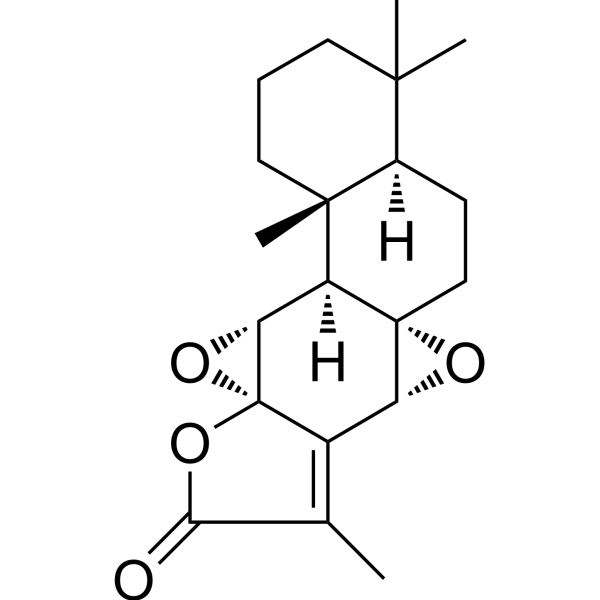
Jolkinolide B is a bioactive diterpene isolated from the roots of Euphorbia fischeriana Steud with oral activity. Jolkinolide B downregulates XIAP, cIAP1, cIAP2, and phosphorylated Akt, upregulates Smac, activates caspase-3 and caspase-9, and inhibits NF-κB, TGFβ/smad3 and JAK/STAT3 pathways. Jolkinolide B exerts comprehensive biological effects including inducing cancer cell apoptosis, suppressing inflammatory responses, improving lung function, alleviating hepatic steatosis and eliminating intracellular Mycobacterium tuberculosis. Jolkinolide B can be used for the research of leukemia, histiocytic lymphoma, asthma, metabolic dysfunction-associated steatotic liver disease and tuberculosis .
loading...
    loading...
1
1 Cited Publications
Cat. No.: HY-P5381
CAS No.: 329902-61-6
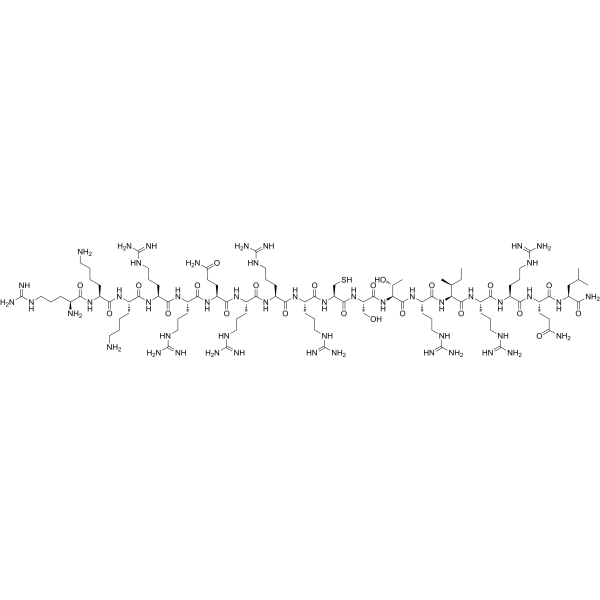
gp91 ds-tat, a biological active peptide, is a NADPH oxidase 2 (Nox2) inhibitor. gp91 ds-tat blocks NADPH oxidase-dependent superoxide production. gp91 ds-tat ameliorates high glucose-induced increase in total ROS, LPOs and iron levels. gp91 ds-tat inhibits homocysteine (Hcy)-induced activation of NLRP3 inflammasomes and restores Hcy-inhibited lysosomal TRPML1 channel activity. gp91 ds-tat improves cerebrovascular and cognitive function in APP/PS1 mice. gp91 ds-tat can be used for the study of Alzheimer’s disease (AD), glomerular inflammation and cardiovascular disease .
loading...
    loading...
1
1 Cited Publications
Cat. No.: HY-N6924
CAS No.: 80930-74-1
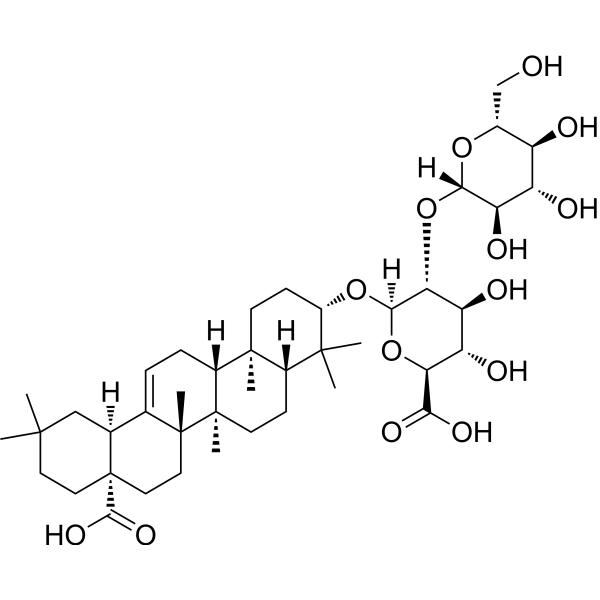
Zingibroside R1 is an orally active triterpene saponin with multiple biological activities including antioxidant, anti-inflammatory, antiviral, and metabolic regulatory properties. Zingibroside R1 reduces the expression of PIN family members, inhibits the expression of PLT1/PLT2, WOX5, SHR, and SCR, disrupts auxin transport and distribution, triggers plant ROS responses, and inhibits root growth. Zingibroside R1 extends the lifespan of Caenorhabditis elegans, enhances its heat stress resistance, and improves its motor ability. Hydrogel derivatives of Zingibroside R1 inhibit the proliferation of Candida albicans by binding to its β-1,3-glucan and exhibit antifungal activity. Zingibroside R1 inhibits GLUT1-mediated uptake and alleviates liver injury. Zingibroside R1 can be used in research related to neurodegenerative diseases, vulvovaginal candidiasis, acute liver injury, Ehrlich ascites tumor and HIV-1 infection .
loading...
    loading...
1
1 Cited Publications
Cat. No.: HY-113331
CAS No.: 54397-85-2
Purity:  ≥99.0%
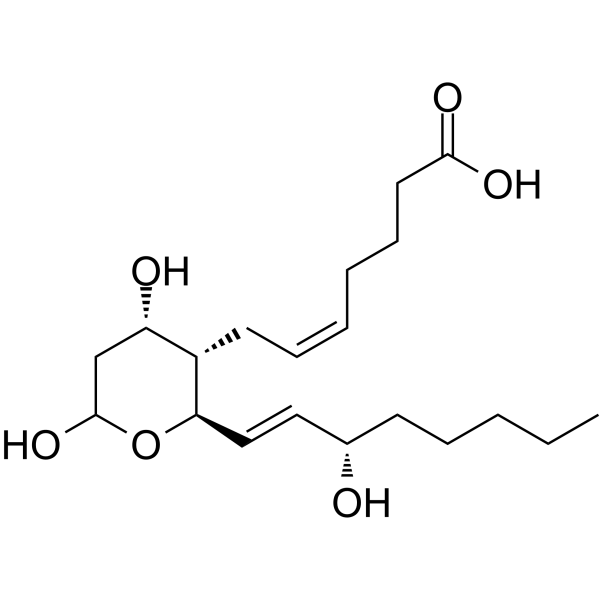
Thromboxane B2 is a prostaglandin derivative that is released during anaphylaxis. Thromboxane B2 induces arterial contraction and platelet aggregation. Thromboxane B2 is a biological inactive product and circulating catabolite of thromboxane A2. Thromboxane B2 levels in peripheral venous blood and coronary sinus blood can be used as a diagnostic marker for angina. Thromboxane B2 level in serum is also associated with inhibition of COX-1 activity inhibition in platelets. Thromboxane B2 is a major product of prostaglandin endoperoxide metabolism. Thromboxane B2 produces dose-related decreases in airflow rate, tidal volume and dynamic lung compliance, whilst simultaneously increasing pulmonary airway resistance in dog model. Thromboxane B2 appears to be a naturally occurring bronchoactive metabolite in the bioconversion of arachidonic acid .
loading...
    loading...

