
1. Search Result
Search Result
Results for "

Aβ42 Inhibitor

" in MedChemExpress (MCE) Product Catalog:

86

Inhibitors & Agonists

1

Fluorescent Dyes

8

Peptides

1

Inhibitory Antibodies

6

Natural
Products

7

Isotope-Labeled Compounds

Targets Recommended:
Cat. No. Product Name Target Research Areas Chemical Structure
  • HY-13027
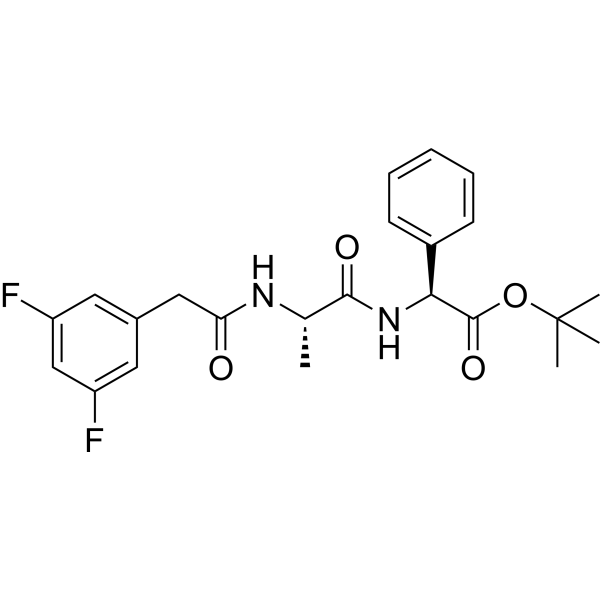
    DAPT
    Maximum Cited Publications
    158 Publications Verification

    GSI-IX

    Organoid γ-secretase Amyloid-β Autophagy Notch Apoptosis Neurological Disease Inflammation/Immunology Cancer
    DAPT (GSI-IX) is a potent and orally active γ-secretase inhibitor with IC50s of 115 nM and 200 nM for total amyloid-β (Aβ) and Aβ42, respectively. DAPT inhibits the activation of Notch 1 signaling and induces cell differentiation. DAPT also induces autophagy and apoptosis. DAPT has neuroprotection activity and has the potential for autoimmune and lymphoproliferative diseases, degenerative disease and cancers treatment .
    DAPT
  • HY-B0034
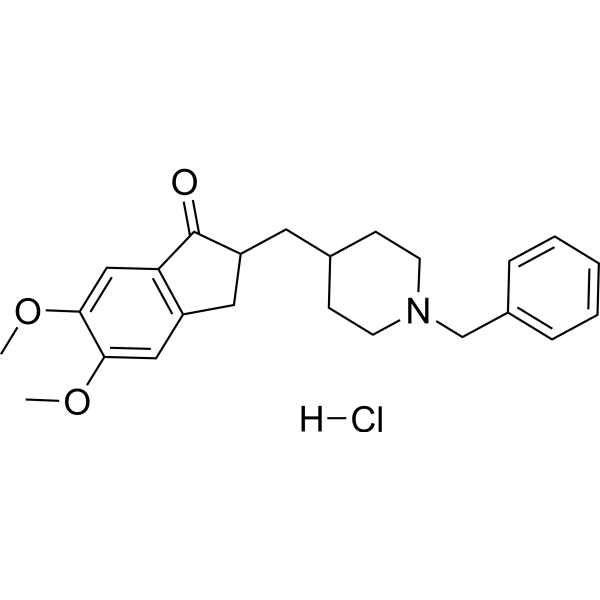
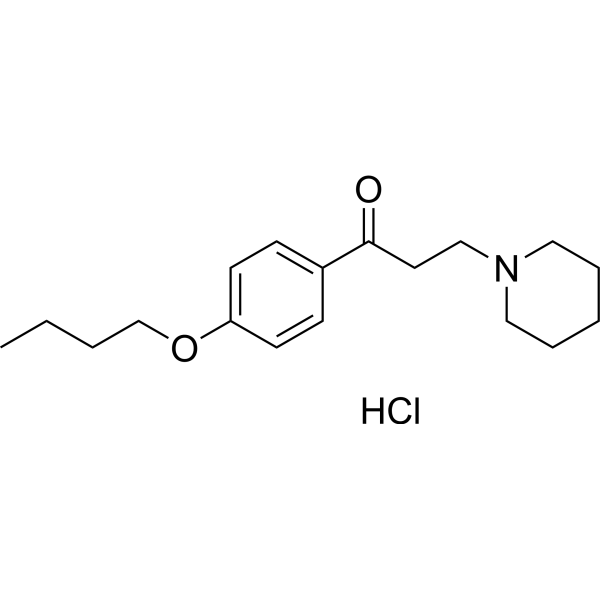
    Donepezil Hydrochloride
    20+ Cited Publications

    E2020

    Cholinesterase (ChE) Neurological Disease Cancer
    Donepezil Hydrochloride (E2020) is a reversible, selective AChE inhibitor with an IC50 of 6.7 nM for AChE activity. Donepezil shows high selectivity for AChE over BuChE . Donepezil exhibits neuroprotective effect on Aβ42 neurotoxicity .
    Donepezil Hydrochloride
  • HY-17406
    Tolcapone
    3 Publications Verification

    Ro 40-7592

    COMT Amyloid-β Apoptosis Reactive Oxygen Species (ROS) Neurological Disease Cancer
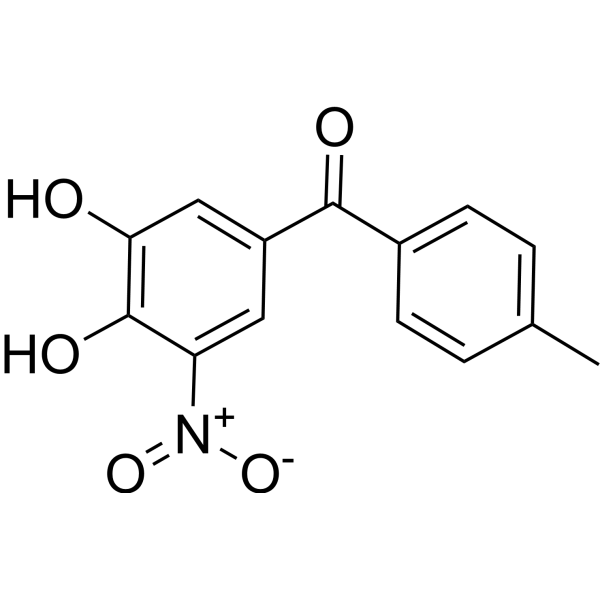
    Tolcapone (Ro 40-7592) is a selective, potent and orally active COMT inhibitor with an IC50of 773 nM. Tolcapone can inhibits α-syn and Aβ42 oligomerization and fibrillogenesis. Tolcapone can cause oxidative stress and induce cancer cells apoptosis and ROS production. Tolcapone can be used for the researches of cancer and neurological disease, such as Parkinson disease and neuroblastoma .
    Tolcapone
  • HY-N0116
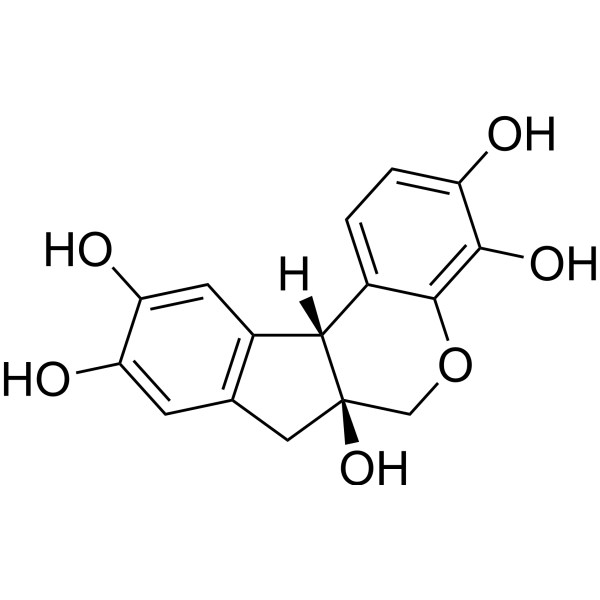
    Hematoxylin
    10+ Cited Publications

    Natural Black 1; Haematoxylin

    Amyloid-β Others
    Hematoxylin (Natural Black 1), a naturally occurring flavonoid compound derived from Caesalpinia sappan Linn.. Hematoxylin is a nuclear stain in histology and is also a potent Aβ42 fibrillogenesis inhibitor with an IC50 of 1.6 μM.
    Hematoxylin
  • HY-50845
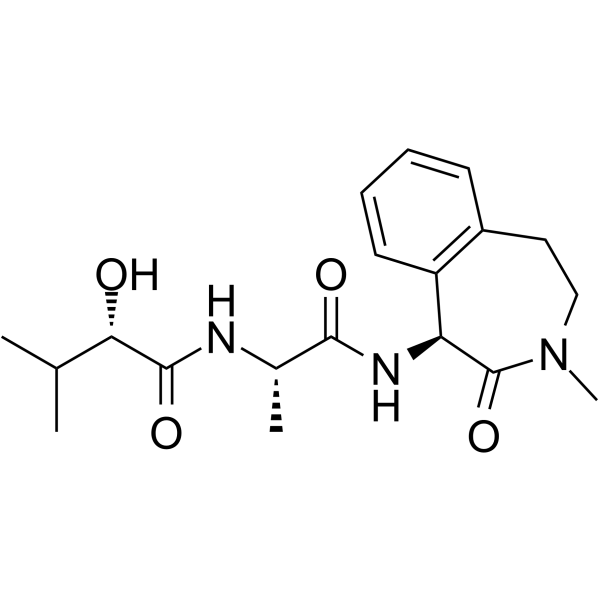
    Avagacestat
    2 Publications Verification

    BMS-708163

    γ-secretase Notch Cancer
    Avagacestat (BMS-708163) is a potent inhibitor of γ-secretase, with IC50s of 0.27 nM and 0.30 nM for Aβ42 and Aβ40 inhibition; Avagacestat (BMS-708163) also inhibits NICD (Notch IntraCellular Domain) with IC50 of 0.84 nM and shows weak inhibition of CYP2C19, with IC50 of 20 μM. Avagacestat can be used for Alzheimer disease research.
    Avagacestat
  • HY-12723
    Apomorphine
    5+ Cited Publications

    (-)-Apomorphine

    Dopamine Receptor Monoamine Oxidase Reactive Oxygen Species (ROS) JNK ERK Amyloid-β Tau Protein MMP Neurological Disease Inflammation/Immunology Endocrinology Cancer
    Apomorphine ((-)-Apomorphine) is a potent dopamine receptor agonist. Apomorphine also inhibit MAO-A and MAO-B. Apomorphine exerts neuroprotective effect and can relax rat corpus cavernosum. Apomorphine can inhibit ROS production, DNA fragmentation and inibit JNK and ERK1/2 phosphorylation. Apomorphine can enhance degradation of intracellular Aβ40 and Aβ42, reduces tau protein levels and inhibit MMP-9 expression. Apomorphine is a highly potent radical scavenger and iron chelator. Apomorphine can be used for the researches of dementia, parkinson's disease, alzheimer disease, breast carcinoma, and erectile dysfunction .
    Apomorphine
  • HY-N0373
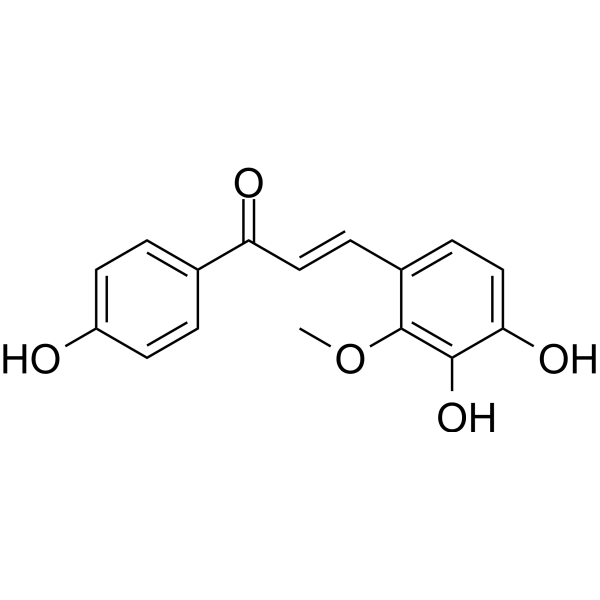
    Licochalcone B
    10+ Cited Publications

    Amyloid-β Apoptosis NOD-like Receptor (NLR) Neurological Disease
    Licochalcone B is an extract from the root of Glycyrrhiza uralensis. Licochalcone B inhibits amyloid β (42) self-aggregation (IC50=2.16 μM) and disaggregate pre-formed Aβ42 fibrils, reduce metal-induced Aβ42 aggregation through chelating metal ionsLicochalcone B inhibits phosphorylation of NF-κB p65 in LPS signaling pathway. Licochalcone B inhibits growth and induces apoptosis of NSCLC cells. Licochalcone B specifically inhibits the NLRP3 inflammasome by disrupting NEK7‐NLRP3 interaction .
    Licochalcone B
  • HY-P1119
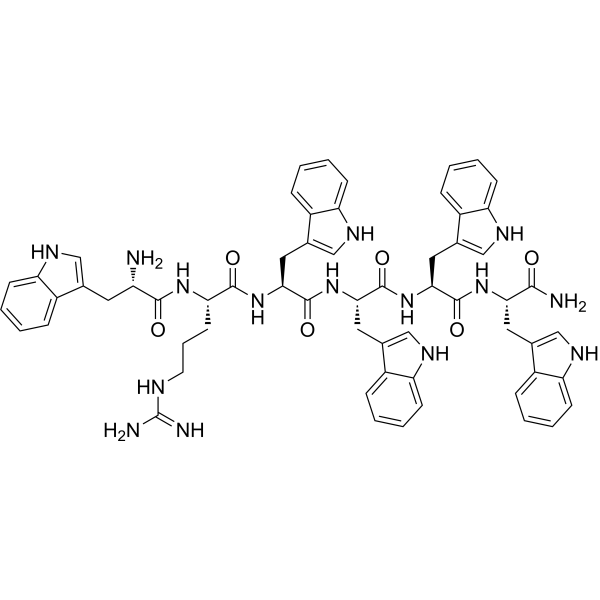
    WRW4
    10+ Cited Publications

    Formyl Peptide Receptor (FPR) Neurological Disease
    WRW4, a specific formyl peptide receptor-like 1 (FPRL1) antagonist, inhibits WKYMVm binding to FPRL1 with an IC50 of 0.23 μM. WRW4 specifically inhibits the increase in intracellular calcium by the FPRL1 agonists MMK-1, amyloid beta42 (Abeta42) peptide, and F peptide .
    WRW4
  • HY-10009
    Semagacestat
    10+ Cited Publications

    LY450139

    γ-secretase Amyloid-β Notch Neurological Disease
    Semagacestat is a γ-secretase inhibitor, inhibits β-amyloid (Aβ42), Aβ38 and Aβ40 with IC50s of 10.9, 12 and 12.1 nM, respectively; also inhibits Notch signaling with IC50 of 14.1 nM. Semagacestat can be used for the research of alzheimer's disease .
    Semagacestat
  • HY-16659
    EHT 1864
    20+ Cited Publications

    Ras Neurological Disease Cancer
    EHT 1864 is an inhibitor of Rac family small GTPases. EHT 1864 directly binds and impairs the ability of this small GTPase to engage critical downstream effectors required for growth transformation. The Kd values are 40, 50, 60, and 230 nM for Rac1, Rac1b, Rac2 and Rac3, respectively. EHT 1864 also potently inhibits other Rac-dependent transformation processes, Tiam1- and Ras-mediated growth transformation. EHT 1864 prevents Aβ 40 and Aβ 42 production in vivo. EHT 1864 dependently suppresses the release of migrasomes from podocytes induced by LPS, PAN, or HG .
    EHT 1864
  • HY-14399
    Itanapraced
    1 Publications Verification

    CHF5074; CSP-1103

    γ-secretase Apoptosis Neurological Disease
    Itanapraced (CHF5074) is an orally active γ-secretase modulator and a non-steroidal anti-inflammatory derivative. Itanapraced reduces Aβ42 and Aβ40 secretion with IC50 values of 3.6 and 18.4 μM, respectively. Itanapraced inhibits cell apoptosis of hippocampal neurons induced by oxygen and glucose deprivation (OGD). Itanapraced can be used for the research of Alzheimer's disease .
    Itanapraced
  • HY-W143216

    Monomethylthionine

    Amyloid-β Tau Protein Neurological Disease
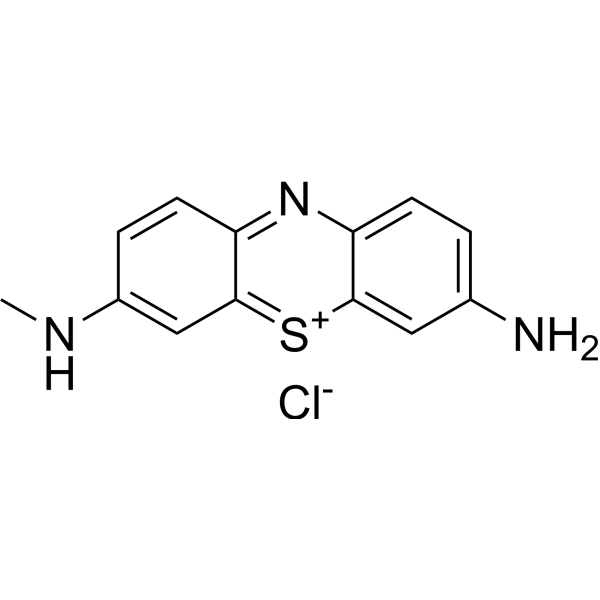
    Azure C acts as a tau oligomer modulator and Aβ42 oligomerization inhibitor. It regulates hsp70 ATPase activity, thereby mediating the clearance of tau protein. Azure C reduces the levels of toxic tau oligomers by promoting the formation of non-toxic tau aggregates, rescues neuroblastoma cells from tau oligomer-induced toxicity, and binds to and inhibits Aβ42 oligomerization without suppressing its fibrillization. Azure C is generated via sequential oxidation of methylene blue or Azure B through a horseradish peroxidase-mediated reaction, and accumulates in HRP reaction media. Azure C can be used in studies related to tauopathies, including Alzheimer's disease .
    Azure C
  • HY-139142
    Simufilam
    1 Publications Verification

    PTI-125

    mTOR iGluR Amyloid-β Tau Protein Neurological Disease Metabolic Disease Inflammation/Immunology Cancer
    Simufilam (PTI-125) is an orally active FLNA modulator. Simufilam restores NMDAR signaling and Arc expression. Simufilam inhibits overactive mTOR signaling by restoring the normal conformation of FLNA, improves insulin sensitivity, reduces Aβ42-induced neuroinflammation and tau protein hyperphosphorylation. Simufilam can be used for research of Alzheimer's disease .
    Simufilam
  • HY-10016
    E 2012
    5+ Cited Publications

    γ-secretase Neurological Disease
    E 2012 is a potent gamma (γ) secretase modulator without affecting Notch processing. E 2012 inhibits 3β-hydroxysterol Δ24-reductase (DHCR24) at the final step in the cholesterol biosynthesis. E 2012 aims at Alzheimer's disease by reduction of amyloid β-42, and induces cataract following repeated doses in the rat .
    E 2012
  • HY-103241
    Ro 90-7501
    3 Publications Verification

    Amyloid-β ATM/ATR Phosphatase Apoptosis Neurological Disease Cancer
    Ro 90-7501 is an amyloid β42 (Aβ42) fibril assembly inhibitor that reduces Aβ42-induced cytotoxicity (EC50 of 2 μM). Ro 90-7501 inhibits ATM phosphorylation and DNA repair. RO 90-7501 selectively enhances toll-like receptor 3 (TLR3) and RIG-I-like receptor (RLR) ligand-induced IFN-β gene expression and antiviral response . Ro 90-7501 also inhibits protein phosphatase 5 (PP5) in a TPR-dependent manner . Ro 90-7501 has significant radiosensitizing effects on cervical cancer cells .
    Ro 90-7501
  • HY-100604

    γ-secretase Amyloid-β Neurological Disease
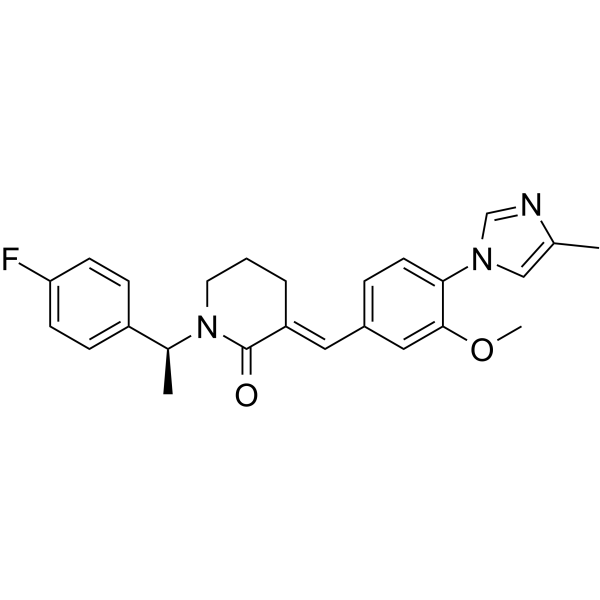
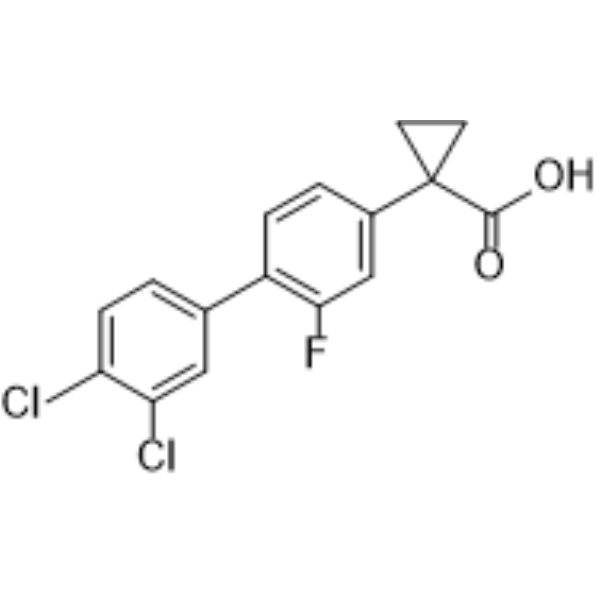
    JNJ-40418677 is an orally active modulator of γ-secretase, can cross the blood-brain barrier. JNJ-40418677 inhibits Aβ42 and NS2B-NS3 protease, with IC50s of 200 nM and 3.9 μM, respectively. JNJ-40418677 displays good biological tolerance, can be use for Alzheimer’s disease research .
    JNJ-40418677
  • HY-P990301

    Amyloid-β Neurological Disease
    Anti-Human/Mouse/Rat Amyloid-beta Antibody (MOAB-2) is a mouse-derived IgG2b λ type antibody inhibitor, targeting to Amyloid-beta. Anti-Human/Mouse/Rat Amyloid-beta Antibody (MOAB-2) recognizes unaggregated, oligomeric or fibrillar forms of Aβ42 and unaggregated Aβ40. Anti-Human/Mouse/Rat Amyloid-beta Antibody (MOAB-2) is selective for human Aβ42 over Aβ40, but not amyloid precursor protein (APP). Anti-Human/Mouse/Rat Amyloid-beta Antibody (MOAB-2) can immunostain human or rat and mouse tissue. Anti-Human/Mouse/Rat Amyloid-beta Antibody (MOAB-2) can be used for detections of western blot, immunohistochemistry, immunofluorescence, immunoprecipitation and ELISA .
    Anti-Human/Mouse/Rat Amyloid-beta Antibody (MOAB-2)
  • HY-139142B
    Simufilam hydrochloride
    1 Publications Verification

    PTI-125 hydrochloride

    mTOR iGluR Amyloid-β Tau Protein Neurological Disease Metabolic Disease Inflammation/Immunology Cancer
    Simufilam hydrochloride (PTI-125 hydrochloride) is an orally active FLNA modulator. Simufilam hydrochloride restores NMDAR signaling and Arc expression. Simufilam hydrochloride inhibits overactive mTOR signaling by restoring the normal conformation of FLNA, improves insulin sensitivity, reduces Aβ42-induced neuroinflammation and tau protein hyperphosphorylation. Simufilam hydrochloride can be used for research of Alzheimer's disease .
    Simufilam hydrochloride
  • HY-173371

    Phospholipase Neurological Disease
    BRI-50460 is an inhibitor of cytosolic calcium-dependent phospholipase A2 (cPLA2) that has the ability to penetrate the blood-brain barrier, with an IC50 of 0.88 nM. BRI-50460 exerts the activities of regulating neuroinflammation and restoring lipid homeostasis by inhibiting cPLA2, regulating the downstream inflammatory lipid signaling pathway, and alleviating the effects of amyloid β42 oligomers on the activation of cPLA2, the hyperphosphorylation of tau protein, and the reduction of synapses and dendrites. BRI-50460 can be applied to the research in the fields of Alzheimer's disease and other neurodegenerative diseases .
    BRI-50460
  • HY-153986

    Cathepsin Neurological Disease
    AEP-IN-2 is an asparagine endopeptidase (AEP) inhibitor via block AEP cleavage of APP and Tau. AEP-IN-2 has oral activity and decreases Aβ40 and Aβ42 and p-Tau levels .
    AEP-IN-2
  • HY-103442
    CGP52411
    1 Publications Verification

    DAPH

    EGFR Amyloid-β Neurological Disease Cancer
    CGP52411 (DAPH) is a high selective, potent, orally active and ATP-competitive EGFR inhibitor with an IC50 of 0.3 μM. CGP52411 blocks the toxic influx of Ca 2+ ions into neuronal cells, and dramatic inhibits and reverses the formation of β-amyloid (Aβ42) fibril aggregates associated with Alzheimer's disease .
    CGP52411
  • HY-171347

    γ-secretase Amyloid-β Neurological Disease
    gamma-secretase modulator 6 (Example 50) is a gamma-secretase modulator. gamma-secretase modulator 6 inhibits Aβ42 secretion in HEK cell line stably expressing APP (Aβ amyloid precursor protein) (pIC50: 8.1). gamma-secretase modulator 6 can be used for research of Alzheimer's disease .
    gamma-secretase modulator 6
  • HY-114508

    3-Phenylpropiophenone; β-Phenylpropiophenone

    Amyloid-β Neurological Disease
    Dihydrochalcone (3-Phenylpropiophenone) is a Aβ aggregation inhibitor. Dihydrochalcone destabilizes Aβ17-42 protofibrils by disrupting the β-sheet of β1 region. Dihydrochalcone destabilizes both U-shaped Aβ40/Aβ42 protofibrils and S-shaped Aβ42 protofibrils by binding to the protofibril cavity. Dihydrochalcone is the main component of daemonorops draco tree .
    Dihydrochalcone
  • HY-139142A

    PTI-125 dihydrochloride

    Tau Protein Amyloid-β mTOR iGluR Neurological Disease
    Simufilam dihydrochloride (PTI-125 dihydrochloride) is an orally active FLNA modulator. Simufilam dihydrochloride restores NMDAR signaling and Arc expression. Simufilam dihydrochloride inhibits overactive mTOR signaling by restoring the normal conformation of FLNA, improves insulin sensitivity, reduces Aβ42-induced neuroinflammation and tau protein hyperphosphorylation. Simufilam dihydrochloride can be used for research of Alzheimer's disease .
    Simufilam dihydrochloride
  • HY-B0034S

    E2020-d5

    Cholinesterase (ChE) Neurological Disease
    Donepezil-d5 (hydrochloride) is deuterium labeled Donepezil (Hydrochloride). Donepezil Hydrochloride (E2020) is a reversible, selective AChE inhibitor with an IC50 of 6.7 nM for AChE activity. Donepezil shows high selectivity for AChE over BuChE . Donepezil exhibits neuroprotective effect on Aβ42 neurotoxicity .
    Donepezil-d5 hydrochloride
  • HY-150049

    Amyloid-β Neurological Disease
    γ-Secretase modulator 13 (compound 4) is a gamma-secretase modulator (GSMs) that inhibits the production of the aggregated amyloid β-peptide Aβ42 with an IC50 value of 163 nM. γ-Secretase modulator 13 can be used in the study of Alzheimer's disease .
    γ-Secretase modulator 13
  • HY-171348

    Amyloid-β γ-secretase Neurological Disease
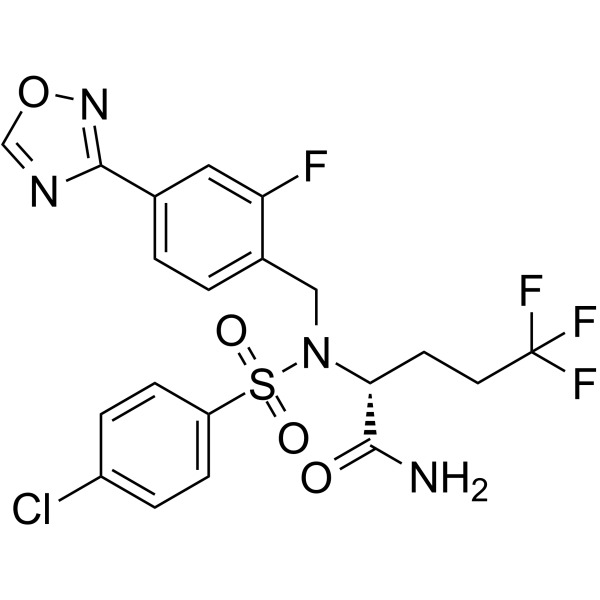
    Amyloid-β-IN-2 (Compound EX.112) is a selective γ-secretase inhibitor. Amyloid-β-IN-2 inhibits Aβ42 secretion in H4 cells with an EC50 value of 226 nM. Amyloid-β-IN-2 is promising for research of Alzheimer's disease (AD) and other diseases related to Aβ deposition .
    Amyloid-β-IN-2
  • HY-17406S1

    Ro 40-7592-d4

    Isotope-Labeled Compounds COMT Amyloid-β Apoptosis Reactive Oxygen Species (ROS) Neurological Disease Cancer
    Tolcapone-d4 (Ro 40-7592-d4) is the deuterium labeled Tolcapone (HY-17406). Tolcapone (Ro 40-7592) is a selective, potent and orally active COMT inhibitor with an IC50of 773 nM. Tolcapone can inhibits α-syn and Aβ42 oligomerization and fibrillogenesis. Tolcapone can cause oxidative stress and induce cancer cells apoptosis and ROS production. Tolcapone can be used for the researches of cancer and neurological disease, such as Parkinson disease and neuroblastoma .
    Tolcapone-d4
  • HY-P4295

    PADK

    Cathepsin γ-secretase Neurological Disease
    Z-Phe-Ala-diazomethylketone binds directly to Aβ42 monomers and small oligomers. Z-Phe-Ala-diazomethylketone inhibits the formation of Aβ42 dodecamers and inhibits Aβ42 fibril formation in the solution. Z-Phe-Ala-diazomethylketone has the potential for neurodegenerative disorders research .
    Z-Phe-Ala-diazomethylketone
  • HY-171349

    γ-secretase Amyloid-β Neurological Disease
    Amyloid-β-IN-3 (EX.113) is a selective γ-secretase inhibitor. Amyloid-β-IN-3 inhibits Aβ42 secretion in H4 cells with an EC50 value of 148 nM. Amyloid-β-IN-3 regulates the γ-secretase catalytic activity to decrease Aβ42 production, thereby alleviating neurotoxicity caused by Aβ deposition. Amyloid-β-IN-3 is promising for research of Alzheimer's disease (AD) .
    Amyloid-β-IN-3
  • HY-B0034S1

    E2020-d4

    Cholinesterase (ChE) Neurological Disease
    Donepezil-d4 (hydrochloride) is the deuterium labeled Donepezil hydrochloride. Donepezil Hydrochloride (E2020) is a reversible, selective AChE inhibitor with an IC50 of 6.7 nM for AChE activity. Donepezil shows high selectivity for AChE over BuChE . Donepezil exhibits neuroprotective effect on Aβ42 neurotoxicity .
    Donepezil-d4 hydrochloride
  • HY-121815

    Amyloid-β Neurological Disease
    TDI-2760 is an Aβ aggregation inhibitor with an IC50 of 1.67 μM. TDI-2760 can inhibit the Aβ-fibrinogen interaction and Aβ aggregation, and also modulate the contact system activation induced by Aβ42. TDI-2760 can be used in research related to vascular abnormalities and Aβ aggregation in Alzheimer's disease .
    TDI-2760
  • HY-103539

    γ-secretase Metabolic Disease
    3,5-Bis(4-nitrophenoxy)benzoic acid is an inhibitor of γ-secretase. 3,5-Bis(4-nitrophenoxy)benzoic acid causes a decrease in the released levels of Aβ42 and notch-1 Aβ-like peptide 25 (Nβ25). 3,5-Bis(4-nitrophenoxy)benzoic acid, as a marker for fetal hypothyroidism, is a 3,3’-diiodothyronine sulfate (T2S) cross-reactive material in maternal serum .
    3,5-Bis(4-nitrophenoxy)benzoic acid
  • HY-174305

    Amyloid-β Neurological Disease
    Aβ42-IN-7 (Compound CT-01) is a brain-penetrant and selective amyloid-β42 (Aβ42) inhibitor. Aβ42-IN-7 inhibits Aβ42’s assembly into neurotoxic soluble oligomers and extracellular fibrillary aggregates. Aβ42-IN-7 exerts neuroprotective effects by reducing amyloid-mediated neuronal toxicity. Aβ42-IN-7 can be used in research on Alzheimer’s disease (AD) .
    Aβ42-IN-7
  • HY-137370

    HENECA; 2-Hexynyl-NECA

    Adenosine Receptor Amyloid-β Neurological Disease
    2-Hexynyl-5′-N-ethylcarboxamidoadenosine (HENECA) is a selective A2A adenosine receptor agonist. 2-Hexynyl-5′-N-ethylcarboxamidoadenosine increases intracellular cAMP level, and inhibits TNFα-evoked MMP-3 release. 2-Hexynyl-5′-N-ethylcarboxamidoadenosine induces Aβ42 production in SH-SY5Y cells .
    2-Hexynyl-5′-N-ethylcarboxamidoadenosine
  • HY-B1588S

    Amyloid-β HIV 11β-HSD Infection Neurological Disease Inflammation/Immunology
    Carbenoxolone-d4 is deuterium labeled Carbenoxolone. Carbenoxolone, a semi-synthetic derivative of glycyrrhetinic acid, has previously been used for the management of dyspepsia and peptic ulcer because of its anti-inflammatory properties . Carbenoxolone, a general hemichannel and gap junction inhibitor, has the therapeutic potential of carbenoxolone in the research of chronic liver disease . Carbenoxolone is a suitable candidate for the inhibition of Aβ42 aggregation and the therapeutic potential of Cbx against AD . Carbenoxolone is small molecule Pannexin1 (Panx1,is an ATP release channel) inhibitor, attenuate Panx1 channel activity through modulation of the first extracellular loop .Carbenoxolone is an 11β-hydroxysteroid dehydrogenase type 1 (11β-HSD1) inhibitor that converts inactive glucocorticoid into an active form. Carbenoxolone has antiviral activity against DENV infection targeting the virus itself .
    Carbenoxolone-d4
  • HY-W440556

    4-Sulfocalix[8]arene

    Amyloid-β Neurological Disease
    GL-522 (4-Sulfocalix[8]arene) is a Aβ42 inhibitor. GL-522 bind to Aβ42 through nonspecific and multipoint hydrophobic interactions with a Kd of 276  μM. GL-522 effectively inhibits Aβ42 fibrillation and reduces amyloid cytotoxicity. GL-522 can be used for Alzheimer's disease research .
    GL-522
  • HY-146139

    Amyloid-β Neurological Disease
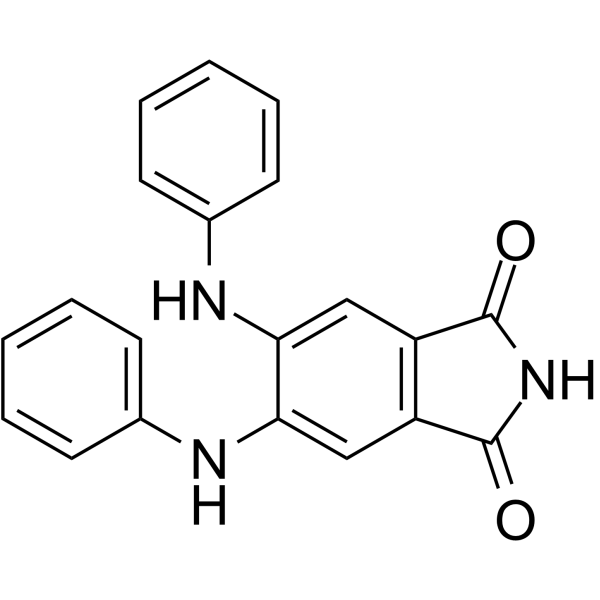
    Aβ-IN-3 (compound 1) is a potent amyloid β (Aβ) inhibitor. Aβ-IN-3 inhibits Aβ42 aggregation. However, Aβ-IN-3 can not alleviate the neurotoxicity of Aβ42 in SH-SY5Y cells. Aβ-IN-3 can not change the aggregation state of Aβ42 into a nontoxic one .
    Aβ-IN-3
  • HY-146140

    Amyloid-β Neurological Disease
    Aβ-IN-4 (compound 12) is a potent amyloid β (Aβ) inhibitor. Aβ-IN-4 inhibits Aβ42 aggregation. However, Aβ-IN-4 can not alleviate the neurotoxicity of Aβ42 in SH-SY5Y cells. Aβ-IN-4 can not change the aggregation state of Aβ42 into a nontoxic one .
    Aβ-IN-4
  • HY-N6640

    20-Hydroxyeedysone 2-acetate

    Amyloid-β Neurological Disease
    2-O-Acetyl-20-hydroxyecdysone, an ecdysterones in insects and terrestrial plants, inhibits amyloid-β42 (Aβ42)-induced cytotoxicity. 2-O-Acetyl-20-hydroxyecdysone could decrease Aβ oligomer formation through promotion of fibrogenesis, transforming Aβ oligomers to the low-toxicity fibrils .
    2-O-Acetyl-20-hydroxyecdysone
  • HY-P10876

    Amyloid-β Neurological Disease
    mcK6A1 is an inhibitor for the aggregation of amyloid-β (), that selectively binds to the 16KLVFFA21 segment of Aβ42, forms an extended β-folded structure, and inhibits the formation of Aβ42 oligomers. mcK6A1 can be used in research of Alzheimer's disease and other amyloid-related diseases .
    mcK6A1
  • HY-119196

    SP-233

    Amyloid-β Sigma Receptor Others
    Caprospinol (SP-233) is a steroid compound candidate based on the structure of 22R-hydroxycholesterol. It has multiple mechanisms of neuroprotection, including binding to β-amyloid protein (Aβ(42)), interacting with the mitochondrial respiratory chain, clearing Aβ(42) monomers, and acting as a σ-1 receptor ligand. It can cross the blood-brain barrier in vivo and restore cognitive impairment, and has the potential to inhibit Alzheimer's disease.
    Caprospinol
  • HY-P10799

    Amyloid-β Neurological Disease Metabolic Disease
    SLAFVDVLN, a molecular peptide, is a BACE-1 inhibitor with a Ki value of 94 nM. SLAFVDVLN can reduce Aβ42 production .
    SLAFVDVLN
  • HY-153255

    Beta-secretase Neurological Disease
    BACE1-IN-13 (Compound 36) is an orally active BACE1 inhibitor with an IC50 value of 2.9 nM. BACE1-IN-13 is highly potent in hAβ42 cell (IC50 = 1.3 nM). BACE1-IN-13 has cardiovascularly safty and elicits sustained Aβ42 reduction in mouse and dog animal models .
    BACE1-IN-13
  • HY-120449

    Amyloid-β Others
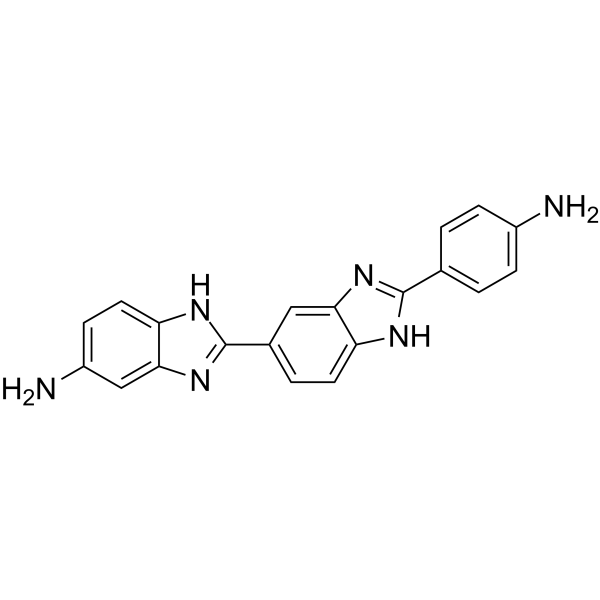
    AZ4800 is a combined inhibitor of two targets in the amyloid precursor protein processing process with additive lowering activity on Aβ42 levels in vitro and in vivo.
    AZ4800
  • HY-P3793

    Amyloid-β Neurological Disease
    Amyloid β-Protein (33-42) TFA is the residues 33-42 fragment of the β-amyloid protein. Amyloid β-Protein (33-42) TFA inhibits Aβ42-induced toxicity .
    Amyloid β-Protein (33-42) TFA
  • HY-N0373R

    Reference Standards Amyloid-β Apoptosis NOD-like Receptor (NLR) Neurological Disease
    Licochalcone B (Standard) is the analytical standard of Licochalcone B. This product is intended for research and analytical applications. Licochalcone B is an extract from the root of Glycyrrhiza uralensis. Licochalcone B inhibits amyloid β (42) self-aggregation (IC50=2.16 μM) and disaggregate pre-formed Aβ42 fibrils, reduce metal-induced Aβ42 aggregation through chelating metal ionsLicochalcone B inhibits phosphorylation of NF-κB p65 in LPS signaling pathway. Licochalcone B inhibits growth and induces apoptosis of NSCLC cells. Licochalcone B specifically inhibits the NLRP3 inflammasome by disrupting NEK7‐NLRP3 interaction .
    Licochalcone B (Standard)
  • HY-123228

    Amyloid-β Neurological Disease
    CHF5022 is an inhibitor of Aβ42 secretion (IC50=92 μM). CHF5022 retains a modest activity on Aβ40 at non-cytotoxic concentrations (−22.2±4.8% at 100 μM) .
    CHF5022
  • HY-146251

    Cholinesterase (ChE) Amyloid-β Neurological Disease
    BuChE-IN-6 (compound 1b) is a potent and selective BuChE (butyrylcholinesterase) inhibitor, with IC50 values of 0.46 and 0.51 μM for eqBuChE and hBuChE, respectively. BuChE-IN-6 also inhibits Aβ42 self-aggregation .
    BuChE-IN-6
  • HY-W440555

    para-Sulfonatocalix[n]arene

    Amyloid-β Neurological Disease
    4-Sulfocalix[4]arene (para-Sulfonatocalix[n]arene) is a amyloid-beta 42 binder with a Kd of 5.39 M. 4-Sulfocalix[4]arene can inhibit amyloid β-peptide fibrillation and reduce amyloid cytotoxicity .
    4-Sulfocalix[4]arene

Inquiry Online

Your information is safe with us. * Required Fields.

Salutation


Country or Region *

Applicant Name *


Organization Name *

Department *


Email Address *


Product Name *

Cat. No.


Requested quantity *

Phone Number *


Remarks

Inquiry Online

Inquiry Information

Product Name:
Cat. No.:
Quantity:
MCE Japan Authorized Agent:

