Search Result
Results for "
Contrast agent
" in MedChemExpress (MCE) Product Catalog:
7
Biochemical Assay Reagents
3
Isotope-Labeled Compounds
| Cat. No. |
Product Name |
Target |
Research Areas |
Chemical Structure |
-
- HY-B0594
-
Iohexol
5 Publications Verification
|
Autophagy
Mitophagy
|
Cancer
|
|
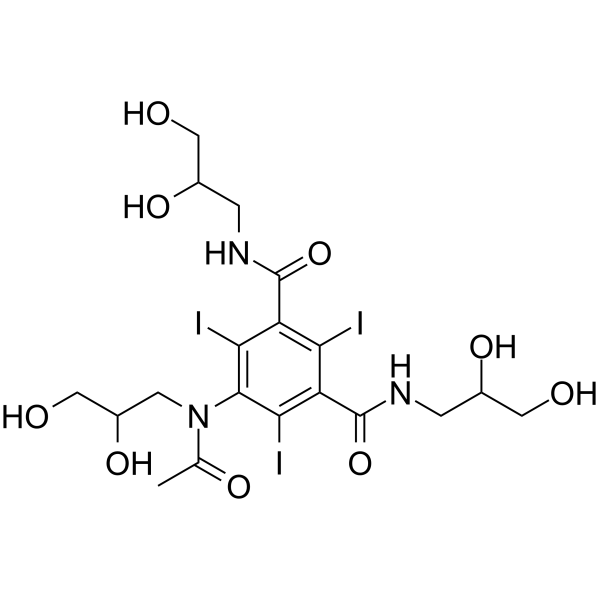
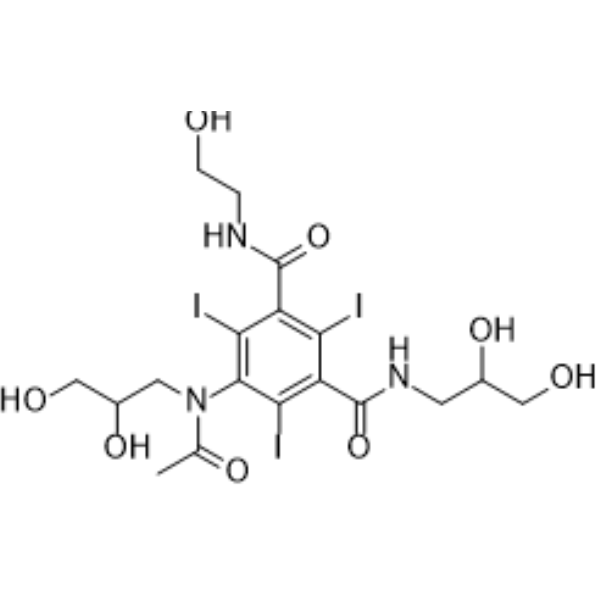
Iohexol is a non-ionic, water-soluble contrast agent used as a reference marker for the determination of glomerular filtration rate (GFR) at the level of renal function. Iohexol can be used for contrast in myelography, computerized tomography (cisternography, ventriculography) and MicroCT imaging .
|
-
-
- HY-W019894
-
|
Manganese dichloride
|
Biochemical Assay Reagents
Apoptosis
mTOR
|
Cardiovascular Disease
Neurological Disease
|
|
Manganese chloride is an orally active MRI liver contrast agent. Manganese chloride induces Apoptosis and activates the mTOR signaling pathway. Manganese chloride induces cognitive impairment, promotes hematopoietic recovery, and reduces radiation-induced bone marrow and brain damage. It can be used for the study of renal impairment .
|
-
-
- HY-136886
-
IR-820
2 Publications Verification
New Indocyanine Green
|
Fluorescent Dye
|
Cancer
|
|
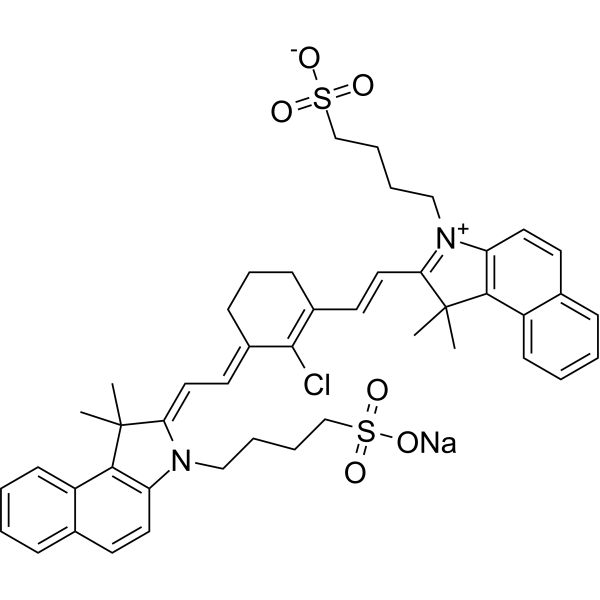
IR-820 (New Indocyanine Green) is an infrared blood pool contrast agent. IR-820 also is normally used as a laser and near-infrared dye to detect and quantify diseased tissue in live animals .
|
-
-
- HY-W034551
-
|
|
Radionuclide-Drug Conjugates (RDCs)
|
Others
Cancer
|
|
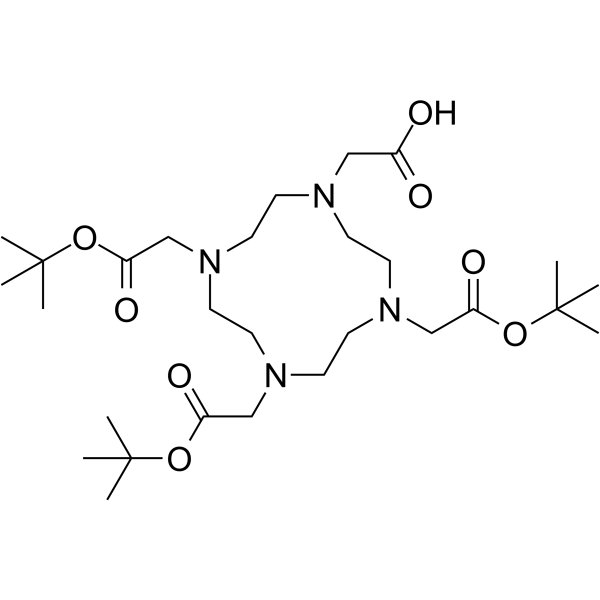
DOTA-tri(t-butyl ester) belongs to the DOTA class of chelating agents. DOTA-tri(t-butyl ester) is a key raw material for synthesizing nanospherical magnetic resonance imaging (MRI) contrast agents, which are used in MR angiography and tumor angiogenesis imaging .
|
-
-
- HY-B0342
-
|
Methylglucamine; Meglumin; Methylglucamin
|
Biochemical Assay Reagents
|
Cancer
|
|
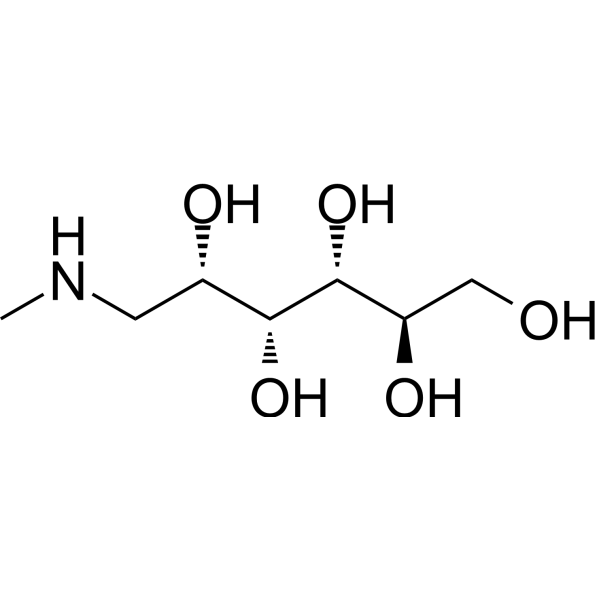
Meglumine (Methylglucamine) is an orally active amino sugar derived from sorbitol. Meglumine has anti-inflammatory and antitumor activity. Meglumine is often used as an excipient in active molecules and with iodinated compounds in contrast agents such as meglumine and meglumine iodide .
|
-
-
- HY-159181
-
|
|
Biochemical Assay Reagents
|
Others
|
|
p-NCS-Bz-DOTA-GA is a bifunctional chelator. p-NCS-Bz-DOTA-GA can be used as a versatile linker in targeted molecular imaging for both PET/SPECT and MRI applications .
|
-
-
- HY-13615A
-
|
|
Fluorescent Dye
Folate Receptor (FR)
|
Cancer
|
|
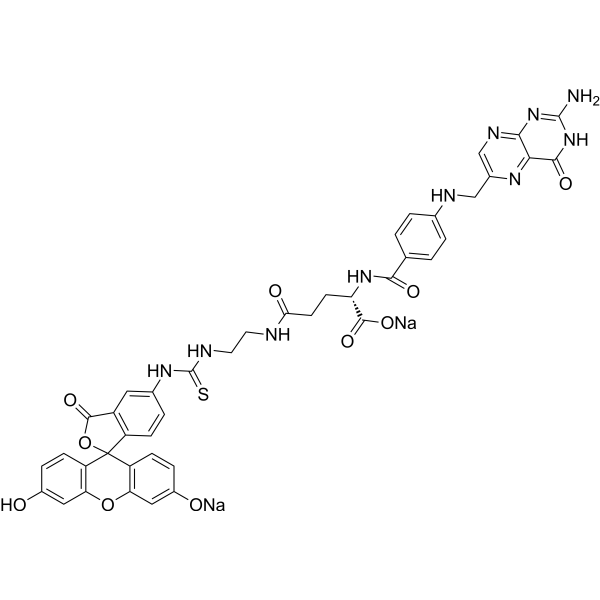
EC-17 disodium salt is a folate receptor alpha (FRα) targeting contrast agent with fluorescent properties in the visible light spectrum. The EC-17 maximum excitation and emission wavelengths are 490 nm and 520 nm, respectively .
|
-
-
- HY-W007656
-
|
|
Biochemical Assay Reagents
|
Others
|
|
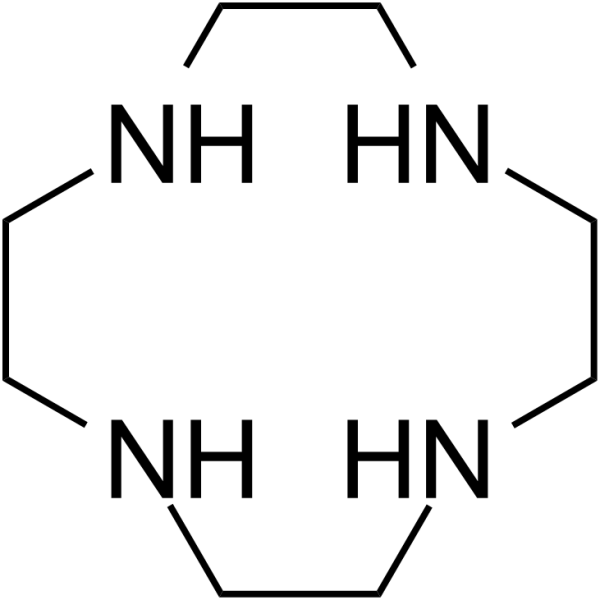
Cyclen is a macrocyclic tetraamine chelating agent. Cyclen is the aza analogue of crown ether, used as a precursor for MRI contrast agents, and is an intermediate for the preparation of effective macrocyclic chelates. Cyclen is employed as a structural regulator through interfacial polymerization of polyethleneimine (PEI) and trimesoyl chloride (TMC) to develop polyamide NF membrane with efficient Li +/Mg 2+ separation performance. Cyclen has specific cavity structure and exhibits selective coordination properties for Li + ions [1][2].
|
-
-
- HY-13615
-
|
EC-17
|
Fluorescent Dye
Folate Receptor (FR)
|
Cancer
|
|
Folate-FITC (EC-17) is a folate receptor alpha (FRα) targeting contrast agent with fluorescent properties in the visible light spectrum. The Folate-FITC maximum excitation and emission wavelengths are 490 nm and 520 nm, respectively .
|
-
-
- HY-W011696
-
|
cis-1-Amino-9-octadecene, 80-90%
|
Environmental Pollutants
Biochemical Assay Reagents
|
Cancer
|
|
Oleylamine, 80-90% (cis-1-Amino-9-octadecene, 80-90%) is a multifunctional reagent used for metal ion coordination and nanoparticle surface modification, and acts as a solvent, surfactant and reducing agent in the synthesis of metal oxide nanoparticles. Oleylamine, 80-90% regulates nanoparticle morphology, magnetization intensity and water proton relaxation rate via thiol-ene "click" reaction, and enhances the colloidal stability of nanoparticles in organic reagents. Oleylamine, 80-90% is mainly used in research and applications in fields such as nanomaterial synthesis, biomedical imaging (MRI contrast agents, fluorescent probes), cancer cell targeting and drug delivery .
|
-
-
- HY-B1292
-
-
-
- HY-B0684
-
|
B-15000; SQ-13396
|
Biochemical Assay Reagents
|
Cancer
|
|
Iopamidol is a nonionic, X-Ray iodinated contrast agent (CA) for a wide variety of diagnostic applications. Iopamidol contains amide and hydroxyl functionalities that can be exploited for the generation of the chemical exchange saturation transfer (CEST) contrast .
|
-
-
- HY-106594A
-
|
Iron(III) ferrocyanide; Milori blue
|
Environmental Pollutants
Bacterial
|
Infection
Cancer
|
|
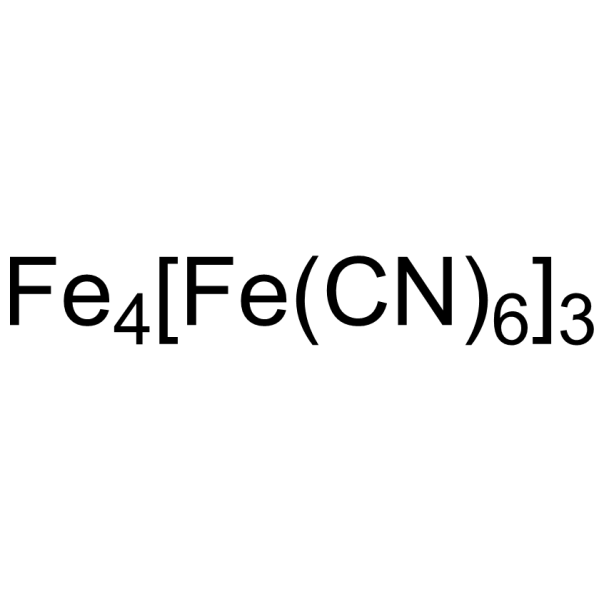
Prussian blue soluble is a good adsorbent to be used as antidotes for poisoning with cesium or thallium ions. Prussian blue soluble has anticancerous and antibacterial properties. Prussian blue soluble can be used as a contrast agent in photoacoustic and magnetic resonance imaging (MRI) .
|
-
-
- HY-108894
-
|
|
Ferroptosis
Reactive Oxygen Species (ROS)
|
Cardiovascular Disease
Inflammation/Immunology
Cancer
|
|
Ferumoxytol is an FDA-approved ultrasmall superparamagnetic iron oxide preparation and iron replacement agent that exerts selective activity against leukemia cells with low ferroportin expression. Ferumoxytol increases intracellular iron levels, induces reactive oxygen species (ROS) production via the Fenton reaction, and triggers oxidative stress and cell death. Ferumoxytol reduces disease burden in mouse models and patient-derived leukemia models. As an MRI contrast agent, Ferumoxytol enables imaging of vascular lesions, tumors and lymph nodes. Ferumoxytol can be used in research related to acute myeloid leukemia and blast-phase chronic myeloid leukemia .
|
-
-
- HY-W250149
-
|
|
Biochemical Assay Reagents
|
Cancer
|
|
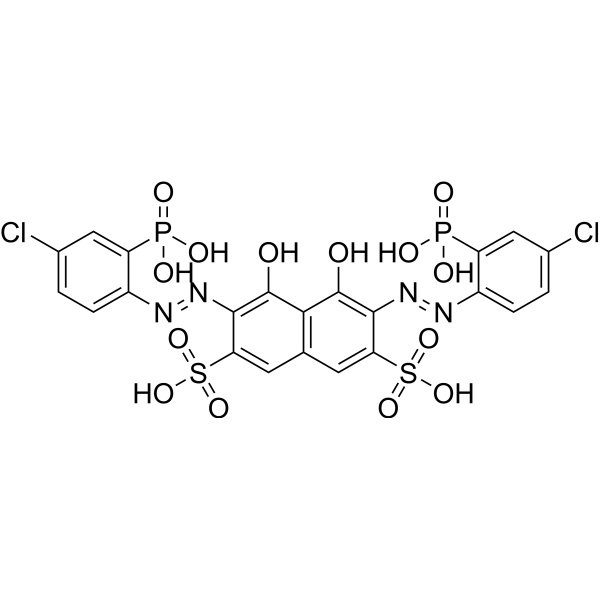
Chlorophosphonazo III is a cell membrane-permeable contrast agent and spectrophotometric reagent. Chlorophosphonazo III forms stable 1:1 complexes with intracellular calcium, magnesium, uranium, titanium, zirconium, thorium, scandium, equivalent actinides and protactinium. Chlorophosphonazo III generates photoacoustic signals correlated with Ca 2+ concentrations, which is applicable for imaging 3D tumor cell cultures and tumor spheroids. Chlorophosphonazo III exhibits no cytotoxicity, can be used for spectrophotometric detection of target ions, and the absorbance of its complexes remains stable for up to one week within the pH range of 2.2 to 7.0 .
|
-
-
- HY-B0993
-
|
MnDPDP
|
Apoptosis
|
Neurological Disease
Cancer
|
|
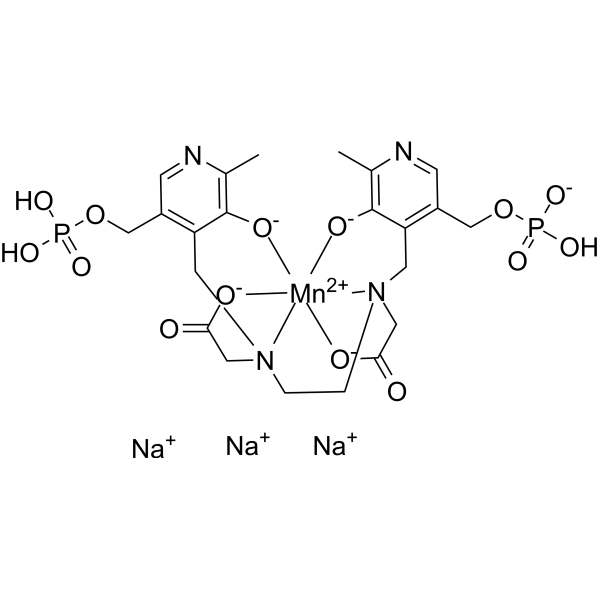
Mangafodipir trisodium (MnDPDP), hepatocellular-specific contrast agent, is an efficacious inhibitor of CIPN (chemotherapy-induced peripheral neuropath) and other conditions caused by cellular oxidative stress. Mangafodipir trisodium shows no negative interference with the tumoricidal activity of chemotherapy .
|
-
-
- HY-129242
-
|
4-Oxo-Tempo
|
SOD
|
Others
|
|
Tempone (4-Oxo-Tempo) is a stable water-soluble nitro radical. Tempone is widely used as a contrast agent for metabolic activity and hypoxic sensitivity in electron spin resonance spectroscopy, magnetic resonance imaging and dynamic nuclear polarization. Tempone reduces superoxide radicals by mimicking the activity of superoxide dismutase (SOD), thereby reducing the formation of hydroxyl radicals and peroxynitrites. Tempone can be used in the study of ischemia-reperfusion injury and acute renal failure .
|
-
-
- HY-115853
-
|
|
Biochemical Assay Reagents
|
Others
|
|
Pyclen forms kinetically and thermodynamically stable nine-coordinate Ln (III) complexes, as well as Mn (II)-based MRI contrast agents. Pyclen-Based Mn(II) Complexes can be used for liver-specific MRI .
|
-
-
- HY-B1053
-
-
-
- HY-B0594S
-
|
|
Isotope-Labeled Compounds
Autophagy
Mitophagy
|
Cancer
|
|
Iohexol-d5 is deuterium labeled Iohexol. Iohexol is a radiographic contrast agent and can be applied for myelography, computerized tomography?(cisternography, ventriculography) and MicroCT imaging in vivo .
|
-
-
- HY-B0926B
-
|
N-Methyl-D-glucamine diatrizoate
|
Biochemical Assay Reagents
|
Metabolic Disease
|
|
Diatrizoate meglumine (N-Methyl-D-glucamine diatrizoate) is an orally active, water-soluble, poorly absorbable iodinated contrast agent. Diatrizoate meglumine is widely used as an adjuvant for radiological diagnosis and can also be applied to studies of small bowel obstruction in non-malignant conditions .
|
-
-
- HY-106594B
-
|
Pigment blue 27
|
Bacterial
|
Infection
Cancer
|
|
Prussian blue soluble is a good adsorbent to be used as antidotes for poisoning with cesium or thallium ions. Prussian blue soluble has anticancerous and antibacterial properties. Prussian blue soluble can be used as a contrast agent in photoacoustic and magnetic resonance imaging (MRI) .
|
-
-
- HY-D2062
-
|
|
Fluorescent Dye
Integrin
|
Cancer
|
|
ATTO 740 NHS ester is a near-infrared fluorescent dye and a multimodal fluorescence/photoacoustic contrast agent with excellent near-infrared emission properties and extremely high photostability. The photoacoustic signal of ATTO 740 NHS ester shows no significant decrease after continuous irradiation with a 750 nm laser for 30 min, making it suitable for in vivo fluorescence imaging and photoacoustic contrast imaging. When conjugated with the cystine knot peptide R01, ATTO 740 NHS ester enables precise detection of integrin αvβ6-positive cells and tumors in nude mouse xenograft models .
|
-
-
- HY-B2119
-
|
Tauroglycocholic acid sodium salt
|
Biochemical Assay Reagents
|
Metabolic Disease
|
|
Sodium tauroglycocholate (Tauroglycocholic acid sodium salt) is a multifunctional surfactant and penetration enhancer that can serve as a cholegraphic contrast agent. In organic solvents, Sodium tauroglycocholate embeds and stabilizes invertase by forming reverse micelles, and prolongs its active lifespan. In terms of transdermal absorption, Sodium tauroglycocholate effectively regulates the flux of aminophylline through snake slough by binding to keratin filaments, disrupting keratinocytes and altering lipid components of the stratum corneum. It exhibits rapid penetration characteristics without lag time at a concentration of 100 μg/mL. Sodium tauroglycocholate does not interfere with the hepatic uptake of Gd-EOB-DTPA by the bile acid transport system in rat hepatocytes .
|
-
-
- HY-B0594R
-
|
|
Reference Standards
Autophagy
Mitophagy
|
Cancer
|
|
Iohexol (Standard) is the analytical standard of Iohexol. This product is intended for research and analytical applications. Iohexol is a non-ionic, water-soluble contrast agent used as a reference marker for the determination of glomerular filtration rate (GFR) at the level of renal function. Iohexol can be used for contrast in myelography, computerized tomography (cisternography, ventriculography) and MicroCT imaging .
|
-
-
- HY-109513
-
Ioxilan
1 Publications Verification
|
Biochemical Assay Reagents
|
Others
|
|
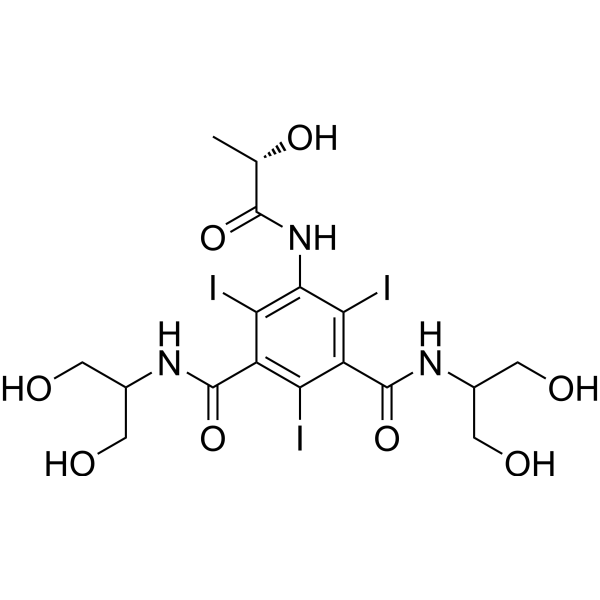
Ioxilan is a low-osmolar, nonionic and tri-iodinated diagnostic contrast agent. Ioxilan is also an X-ray contrast agent for excretory urography and contrast enhanced computed tomographic (CECT) imaging of the head and body. Intravascular injection results in opacification of vessels in the path of flow of the contrast medium, permitting radiographic visualization of the internal structures of the human body until significant hemodilution occurs .
|
-
-
- HY-150137
-
|
|
Biochemical Assay Reagents
|
Others
|
|
Iomeprol is a nonionic X-ray contrast agent with low osmotic pressure, stable chemical properties, and can withstand high temperature sterilization. Iomeprol can be widely used in vascular, body cavity, and gastrointestinal angiography examinations .
|
-
-
- HY-D1450
-
|
S01448
|
Fluorescent Dye
|
Cancer
|
|
IR-1048 is a nitroreductase (NTR)-responsive near-infrared fluorescence (NIR)/photoacoustic (PA) imaging probe and photothermal agent. IR-1048 is coupled with a nitroimidazole group to form IR-1048-MZ. IR-1048-MZ is catalytically reduced by NTR in a hypoxic environment, restoring strong near-infrared absorption and fluorescence emission (NIR II window), while activating the photothermal effect. IR-1048 relies on NTR-mediated electron transfer to relieve intramolecular fluorescence quenching, achieving specific imaging and photothermal ablation of tumor hypoxic areas. IR-1048 is mainly used for high-contrast NIR II/photoacoustic imaging and photothermal therapy research and tumor diagnosis of the tumor hypoxic microenvironment .
|
-
-
- HY-P3566
-
|
|
Biochemical Assay Reagents
|
Others
|
|
(D-Lys16)-ACTH (1-24) (human, bovine, mouse, ovine, porcine, rabbit, rat) is the reaction product with gadolinium tetraazacyclododecanetriacetate derivative. (D-Lys16)-ACTH (1-24) (human, bovine, mouse, ovine, porcine, rabbit, rat) involves in preparation of tetraazacyclododecane macrocycle metal complexes for production of conjugates with biomolecules and for use as NMR contrast agents, radiodiagnostic agents and for radioresearch .
|
-
-
- HY-157335
-
-
-
- HY-136476A
-
|
|
Biochemical Assay Reagents
|
Others
|
|
Mn(II) protoporphyrin IX is a potential intravenous paramagnetic magnetic resonance contrast agent. Mn(II) protoporphyrin IX maintains strong paramagnetic properties .
|
-
-
- HY-107943
-
|
NSC 107434 sodium
|
Biochemical Assay Reagents
|
Others
|
|
Tyropanoate (NSC 107434) sodium is an orally active contrast agent for the gallbladder. Tyropanoate sodium is absorbed through the intestines and secreted by the liver into the bile. Tyropanoate sodium then concentrates in the gallbladder to form an image that is not transparent to X-rays, enabling visualization of the gallbladder .
|
-
-
- HY-106586
-
|
P-286
|
Biochemical Assay Reagents
|
Others
|
|
Ioxaglic acid (P-286) is negatively charged contrast agent, is useful as an inverse indicator for glycosaminoglycan (GAG) used in computed tomography (CT). Ioxaglic acid can be used for imaging of human osteoarthritic cartilage via quantitative assessment of glycosaminoglycan content .
|
-
-
- HY-123316
-
-
-
- HY-180450
-
|
|
Biochemical Assay Reagents
|
Cancer
|
|
Gadoxetate disodium is a liver-specific magnetic resonance imaging (MRI) contrast agent, can be used for detecting and identifying liver tumors .
|
-
-
- HY-D1291
-
|
|
Fluorescent Dye
|
Cancer
|
|
Photoacoustic contrast agent-1 (Compound F-1) is a photo/sono-sensitizer that can produce a significant cell killing effect under illuminated conditions. Photoacoustic contrast agent-1 can be used in the research of tumor diagnosis and treatment. Photoacoustic contrast agent-1 is a multifunctional dye. Dyes are important tools in biological experiments. They can help researchers observe and analyze cell structures, track biomolecules, evaluate cell functions, distinguish cell types, detect biomolecules, study tissue pathology and monitor microorganisms. Their applications range from basic scientific research to clinical A wide range of diagnostics. Dyes are also widely used in traditional fields such as textile dyeing, as well as in emerging fields such as functional textile processing, food pigments and dye-sensitized solar cells .
|
-
-
- HY-W130190
-
|
|
Biochemical Assay Reagents
|
Others
|
|
Iomeprol hydrolysate-2 (compound A) is iomeprol hydrolyzate, a key intermediate in the production of Iodixanol (HY-B1426) and Iohexol (HY-B0594) X-ray contrast agents .
|
-
-
- HY-D1291A
-
|
|
Fluorescent Dye
|
Cancer
|
|
Photoacoustic contrast agent-1 perchlorate (Compound F-1) is a photo/sono-sensitizer that can produce a significant cell killing effect under illuminated conditions. Photoacoustic contrast agent-1 perchlorate can be used in the research of tumor diagnosis and treatment. Photoacoustic contrast agent-1 perchlorate is a multifunctional dye. Dyes are important tools in biological experiments. They can help researchers observe and analyze cell structures, track biomolecules, evaluate cell functions, distinguish cell types, detect biomolecules, study tissue pathology and monitor microorganisms. Their applications range from basic scientific research to clinical A wide range of diagnostics. Dyes are also widely used in traditional fields such as textile dyeing, as well as in emerging fields such as functional textile processing, food pigments and dye-sensitized solar cells .
|
-
-
- HY-W097018
-
|
|
Biochemical Assay Reagents
|
Others
|
|
Iomeprol intermediate-1 (compound 5) is an iodinated polysaccharide compound used in the synthesis of contrast agents. The amino group of Iomeprol intermediate-1 can be coupled to the carboxyl group of the D-glucuronide subunit of non-animal stable hyaluronic acid (NASHA), providing a water-soluble, radiopaque moiety .
|
-
-
- HY-D1292
-
|
|
Fluorescent Dye
|
Others
|
|
Photoacoustic contrast agent-2 is a multifunctional dye. Dyes are important tools in biological experiments. They can help researchers observe and analyze cell structures, track biomolecules, evaluate cell functions, distinguish cell types, detect biomolecules, study tissue pathology and monitor microorganisms. Their applications range from basic scientific research to clinical A wide range of diagnostics. Dyes are also widely used in traditional fields such as textile dyeing, as well as in emerging fields such as functional textile processing, food pigments and dye-sensitized solar cells.
|
-
-
- HY-D1292C
-
|
|
Fluorescent Dye
|
Others
|
|
Photoacoustic contrast agent-2 (acetate) is a multifunctional dye. Dyes are important tools in biological experiments. They can help researchers observe and analyze cell structures, track biomolecules, evaluate cell functions, distinguish cell types, detect biomolecules, study tissue pathology and monitor microorganisms. Their applications range from basic scientific research to clinical A wide range of diagnostics. Dyes are also widely used in traditional fields such as textile dyeing, as well as in emerging fields such as functional textile processing, food pigments and dye-sensitized solar cells.
|
-
-
- HY-D1292A
-
|
|
Fluorescent Dye
|
Others
|
|
Photoacoustic contrast agent-2 (perchlorate) is a multifunctional dye. Dyes are important tools in biological experiments. They can help researchers observe and analyze cell structures, track biomolecules, evaluate cell functions, distinguish cell types, detect biomolecules, study tissue pathology and monitor microorganisms. Their applications range from basic scientific research to clinical A wide range of diagnostics. Dyes are also widely used in traditional fields such as textile dyeing, as well as in emerging fields such as functional textile processing, food pigments and dye-sensitized solar cells.
|
-
-
- HY-107957
-
|
DRC 1201; Iocetamic acid; MP 620
|
Biochemical Assay Reagents
|
Others
|
|
Cholebrine (DRC 1201), a diagnostic aid, is an orally active chotecystographic contrast agent .
|
-
-
- HY-115853A
-
|
|
Biochemical Assay Reagents
|
Others
|
|
Pyclen dihydrochloride forms kinetically and thermodynamically stable nine-coordinate Ln (III) complexes, as well as Mn (II)-based MRI contrast agents. Pyclen-Based Mn(II) Complexes can be used for liver-specific MRI .
|
-
-
- HY-B0684R
-
|
B-15000 (Standard); SQ-13396 (Standard)
|
Biochemical Assay Reagents
Reference Standards
|
Cancer
|
|
Iopamidol (Standard) is the analytical standard of Iopamidol. This product is intended for research and analytical applications. Iopamidol is a nonionic, X-Ray iodinated contrast agent (CA) for a wide variety of diagnostic applications. Iopamidol contains amide and hydroxyl functionalities that can be exploited for the generation of the chemical exchange saturation transfer (CEST) contrast .
|
-
-
- HY-B0993A
-
|
|
Biochemical Assay Reagents
|
Cancer
|
|
Mangafodipir, hepatocellular-specific contrast agent, is an efficacious inhibitor of CIPN (chemotherapy-induced peripheral neuropath) and other conditions caused by cellular oxidative stress. Mangafodipir shows no negative interference with the tumoricidal activity of chemotherapy .
|
-
-
- HY-B1053B
-
-
-
- HY-109513R
-
|
|
Biochemical Assay Reagents
Reference Standards
|
Others
|
|
Ioxilan (Standard) is the analytical standard of Ioxilan. This product is intended for research and analytical applications. Ioxilan is a low-osmolar, nonionic and tri-iodinated diagnostic contrast agent. Ioxilan is also an X-ray contrast agent for excretory urography and contrast enhanced computed tomographic (CECT) imaging of the head and body. Intravascular injection results in opacification of vessels in the path of flow of the contrast medium, permitting radiographic visualization of the internal structures of the human body until significant hemodilution occurs .
|
-
-
- HY-122998
-
-
-
- HY-D1898
-
|
|
Fluorescent Dye
|
Others
|
|
6-TET Azide is a fluorescent probe that can be used for the preparation of fluorescent contrast agent and nucleic acid sequencing .
|
-
- HY-109153
-
|
|
Biochemical Assay Reagents
|
Others
|
|
Nerindocianine is a fluorescent diagnostic contrast agent. Nerindocianine is highly hydrophilic and is primarily metabolized by the kidneys, allowing for a non-invasive intraoperative ureteral imaging .
|
-
- HY-B0684S
-
|
|
Isotope-Labeled Compounds
|
Others
|
|
Iopamidol-d8 (B-15000-d8) is the deuterium labeled Iopamidol. Iopamidol is a nonionic, X-Ray iodinated contrast agent (CA) for a wide variety of diagnostic applications. Iopamidol contains amide and hydroxyl functionalities that can be exploited for the generation of the chemical exchange saturation transfer (CEST) contrast .
|
-
- HY-W799437
-
|
|
Biochemical Assay Reagents
|
Others
|
|
Ioversol hydrolysate-1 is a hydrolyzate of Ioversol (HY-B1410), a non-ionic iodinated contrast agent (CM) used in CT scans or X-rays in animal experiments .
|
-
- HY-B1292R
-
|
Adipiodone (Standard)
|
Reference Standards
|
Others
|
|
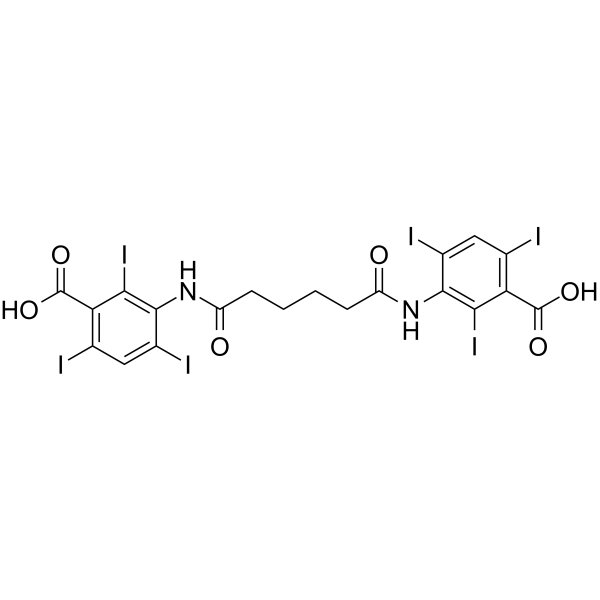
Iodipamide (Standard) is the analytical standard of Iodipamide. This product is intended for research and analytical applications. Iodipamide is an iodine-based contrast agent, mainly used for X-ray imaging, particularly for gallbladder and bile duct imaging [1] .
|
-
- HY-B0684S1
-
|
B-15000-d3; SQ-13396-d3
|
Isotope-Labeled Compounds
Biochemical Assay Reagents
|
Cancer
|
|
Iopamidol-d3 (B-15000-d3; SQ-13396-d3) is the deuterium labeled Iopamidol (HY-B0684). Iopamidol is a nonionic, X-Ray iodinated contrast agent (CA) for a wide variety of diagnostic applications. Iopamidol contains amide and hydroxyl functionalities that can be exploited for the generation of the chemical exchange saturation transfer (CEST) contrast .
|
-
- HY-173383
-
|
1,2-dioleoyl-sn-glycero-3-phosphoethanolamine-N- tetraazacyclododecane-N-tetraacetic acid, sodium salt
|
Biochemical Assay Reagents
|
Inflammation/Immunology
Cancer
|
|
DOPE-DOTA sodium is a chelated lipid that serves as a key contrast agent in magnetic resonance imaging (MRI). DOPE-DOTA sodium can be used for cancer, blood-brain barrier disruption, abnormalities such as aneurysms or plaque buildup, inflammation in arthritis, and liver function and lesions study
|
-
- HY-173384
-
|
1,2-distearoyl-sn-glycero-3-phosphoethanolamine-N- tetraazacyclododecane-N-tetraacetic acid, sodium salt
|
Biochemical Assay Reagents
|
Neurological Disease
Inflammation/Immunology
Cancer
|
|
DSPE-DOTA sodium (1,2-distearoyl-sn-glycero-3-phosphoethanolamine-N- tetraazacyclododecane-N-tetraacetic acid, sodium salt) is a chelating lipid used as a key contrast agent in magnetic resonance imaging (MRI). DSPE-DOTA sodium can be used for imaging detection of tumors, neurological and inflammatory diseases .
|
-
- HY-W153917
-
|
|
Biochemical Assay Reagents
|
|
|
Diatrizoic acid EP impurity A is an organic compound with potential effects on biological systems and specific pharmacological activities. Diatrizoic acid EP impurity A can be used as a contrast agent in imaging examinations to enhance the clarity of images such as X-rays and CT scans. Diatrizoic acid EP impurity A has also been studied for the separation and analysis of compounds.
|
-
- HY-107962
-
|
Renovue 65
|
Biochemical Assay Reagents
|
Others
|
|
Iodamide meglumine (Renovue 65) is a type of trityl ion contrast agent. Iodamide meglumine can block X-rays and is used in examinations such as cholangiography and cholecystography to display the gallbladder and bile ducts. Iodamide meglumine has the property of renal tubular active secretion. Iodamide meglumine can be used for intravenous urography .
|
-
- HY-W130190R
-
|
|
Biochemical Assay Reagents
Reference Standards
|
Others
|
|
Iomeprol hydrolysate-1 (Standard) is the analytical standard of Iomeprol hydrolysate-1. This product is intended for research and analytical applications. Iomeprol hydrolysate-2 (compound A) is iomeprol hydrolyzate, a key intermediate in the production of Iodixanol (HY-B1426) and Iohexol (HY-B0594) X-ray contrast agents .
|
-
- HY-B0342R
-
|
Methylglucamine (Standard); Meglumin (Standard); Methylglucamin (Standard)
|
Biochemical Assay Reagents
Reference Standards
|
Cancer
|
|
Meglumine (Standard) is the analytical standard of Meglumine. This product is intended for research and analytical applications. Meglumine (Methylglucamine) is an orally active amino sugar derived from sorbitol. Meglumine has anti-inflammatory and antitumor activity. Meglumine is often used as an excipient in active molecules and with iodinated compounds in contrast agents such as meglumine and meglumine iodide .
|
-
- HY-164981
-
|
|
Drug Intermediate
|
Cancer
|
|
p-SCN-Bn-DOTA(tBu)4 is the derivative of DOTA (HY-W053583). p-SCN-Bn-DOTA(tBu)4 is the component of the Gd(III)-DOTA-IAC, which is a targeted magnetic resonance imaging (MRI) contrast agent for αvβ3 integrin receptor .
|
-
- HY-106586A
-
|
P-286 sodium
|
Biochemical Assay Reagents
|
Cardiovascular Disease
Cancer
|
|
Ioxaglate sodium (P-286 sodium) is an ionic, dimeric diagnostic contrast agent whose activity is mainly reflected in its ability to provide sufficient X-ray absorption to enhance visualization of blood vessels and other structures during imaging. Ioxaglate sodium is used to study the anatomical structure and functional status of cardiac vessels, especially in the diagnosis of coronary artery disease .
|
-
- HY-B0342GL
-
|
Methylglucamine (GMP Like); Meglumin (GMP Like); Methylglucamin (GMP Like)
|
Biochemical Assay Reagents
|
Cancer
|
|
Meglumine (GMP Like) (Methylglucamine (GMP Like)) is the GMP Like class Meglumine (HY-B0342) that can be used as pharmaceutical excipients. Meglumine (Methylglucamine) is an orally active amino sugar derived from sorbitol. Meglumine has anti-inflammatory and antitumor activity. Meglumine is often used as an excipient in active molecules and with iodinated compounds in contrast agents such as meglumine and meglumine iodide .
|
-
- HY-B1406A
-
-
- HY-W097018R
-
|
|
Biochemical Assay Reagents
Reference Standards
|
Others
|
|
Iomeprol intermediate-1 (Standard) is the analytical standard of Iomeprol intermediate-1. This product is intended for research and analytical applications. Iomeprol intermediate-1 (compound 5) is an iodinated polysaccharide compound used in the synthesis of contrast agents. The amino group of Iomeprol intermediate-1 can be coupled to the carboxyl group of the D-glucuronide subunit of non-animal stable hyaluronic acid (NASHA), providing a water-soluble, radiopaque moiety .
|
-
- HY-114969
-
|
NSC 233846; SYD 230; Tremerad
|
Parasite
|
Infection
|
|
Clioxanide is a potential anti-liver fluke (Fasciola hepatica) agent. The results showed that Clioxanide showed no efficacy against 4-week-old or 19-week-old flukes at doses of 135 mg/kg or 200 mg/kg. In contrast, hexachloroethane was very effective against older flukes, reaching 100% efficacy at lower doses. The study pointed out that laboratory mice may not be suitable for screening potential compounds against liver fluke infections in ruminants such as cattle and sheep. In addition, no obvious toxic reactions were observed in mice with Clioxanide .
|
-
- HY-106594AR
-
|
Iron(III) ferrocyanide (Standard); Milori blue (Standard)
|
Reference Standards
Bacterial
|
Infection
Cancer
|
|
Prussian blue insoluble (Standard) is the analytical standard of Prussian blue insoluble (HY-106594A). This product is intended for research and analytical applications. Prussian blue soluble is a good adsorbent to be used as antidotes for poisoning with cesium or thallium ions. Prussian blue soluble has anticancerous and antibacterial properties. Prussian blue soluble can be used as a contrast agent in photoacoustic and magnetic resonance imaging (MRI) .
|
-
- HY-106594BR
-
|
Pigment blue 27 (Standard)
|
Reference Standards
Bacterial
|
Infection
Cancer
|
|
Prussian blue soluble (Standard) is the analytical standard of Prussian blue soluble (HY-106594B). This product is intended for research and analytical applications. Prussian blue soluble is a good adsorbent to be used as antidotes for poisoning with cesium or thallium ions. Prussian blue soluble has anticancerous and antibacterial properties. Prussian blue soluble can be used as a contrast agent in photoacoustic and magnetic resonance imaging (MRI) .
|
-
- HY-167904
-
-
- HY-122326
-
-
- HY-B1292B
-
|
Adipiodone meglumine
|
Biochemical Assay Reagents
|
Others
|
|
Iodipamide (Adipiodone) meglumine is an iodine-based contrast agent, mainly used for X-ray imaging, particularly for gallbladder and bile duct imaging.
|
-
- HY-D3228
-
-
- HY-182568
-
|
|
Biochemical Assay Reagents
|
Neurological Disease
|
|
Iocarmic acid is a myelographic contrast agent. Iocarmic acid is used for lumbar nerve root angiography and ventriculography. Iocarmic acid induces arachnoiditis via lumbar subarachnoid injection. Iocarmic acid can be used for the research of arachnoiditis .
|
-
- HY-115853B
-
|
|
Biochemical Assay Reagents
|
Others
|
|
Pyclen sulfate forms kinetically and thermodynamically stable nine-coordinate Ln (III) complexes, as well as Mn (II)-based MRI contrast agents. Pyclen-Based Mn(II) Complexes can be used for liver-specific MRI .
|
-
- HY-D3432
-
|
|
Fluorescent Dye
|
Neurological Disease
Inflammation/Immunology
Cancer
|
|
WazaGaY-1 is an aza-BODIPY derivative, functions as a NIR-I/NIR-II fluorescent contrast agent. WazaGaY-1 undergoes internalization into tumor cells predominantly via clathrin-coated pits. WazaGaY-1 can be used for the research of glioblastoma, ovarian carcinoma and melanoma (Ex/Em = 685/820 nm) .
|
-
- HY-179762
-
|
|
Others
|
Metabolic Disease
|
|
16:0 Tempo PC is a phosphocholine with a TEMPO group. (2,2,6,6-tetramethylpiperidin-1-yl)oxyl (TEMPO) is commonly used as a spin-label for lipid membrane studies. TEMPO alwayss acts as a spin probe are in electron resonance spectroscopy, as a paramagnetic contrast agent in NMR, and as oxygen-sensitive probes in biological systems.
|
-
- HY-179880
-
|
|
Others
|
Metabolic Disease
|
|
16:0-18:1 Tempo PC is a phosphocholine with a TEMPO group. (2,2,6,6-tetramethylpiperidin-1-yl)oxyl (TEMPO) is commonly used as a spin-label for lipid membrane studies. TEMPO alwayss acts as a spin probe are in electron resonance spectroscopy, as a paramagnetic contrast agent in NMR, and as oxygen-sensitive probes in biological systems.
|
-
- HY-W007656R
-
|
|
Reference Standards
|
Others
|
|
Cyclen (Standard) is the analytical standard substance of Cyclen. This product is used for research and analytical applications. Cyclen is a macrocyclic tetrathiolate chelating agent. Cyclen is a nitrogen-containing analogue of crown ethers and can be used as a precursor for MRI contrast agents, as well as an intermediate for preparing highly efficient macrocyclic chelates. As a structural regulator, Cyclen can be prepared into polyamide nanofiltration membranes with efficient Li +/Mg 2+ separation performance through the interfacial polymerization of polyethyleneimine (PEI) and meta-benzotriazole chloride (TMC). Cyclen has a unique cavity structure and exhibits selective coordination properties for Li + ions .
|
-
- HY-181494
-
|
|
FAP
|
Cancer
|
|
FAPI-X5 is a fibroblast activation protein (FAP) inhibitor. FAPI-X5 binds to the FAP catalytic domain, forming hydrogen bonds with key active residues and engaging in π-π stacking to drive functional inhibition. FAPI-X5 exhibits albumin binding activity to prolong systemic circulation half-life. FAPI-X5 induces cytostatic effects on glioblastoma tumors, slowing tumor growth without regression. FAPI-X5, when labeled with 68Ga, acts as a PET tracer with rapid tumor uptake and high-contrast imaging in glioblastoma tumor-bearing mice. FAPI-X5, when labeled with 177Lu or 47Sc, functions as a targeted radionuclide agent with prolonged tumor retention. FAPI-X5 can be used for the research of glioblastoma .
|
-
| Cat. No. |
Product Name |
Type |
-
- HY-136886
-
IR-820
2 Publications Verification
New Indocyanine Green
|
Fluorescent Dye
|
|
IR-820 (New Indocyanine Green) is an infrared blood pool contrast agent. IR-820 also is normally used as a laser and near-infrared dye to detect and quantify diseased tissue in live animals .
|
-
- HY-106594B
-
|
Pigment blue 27
|
Fluorescent Dye
|
|
Prussian blue soluble is a good adsorbent to be used as antidotes for poisoning with cesium or thallium ions. Prussian blue soluble has anticancerous and antibacterial properties. Prussian blue soluble can be used as a contrast agent in photoacoustic and magnetic resonance imaging (MRI) .
|
-
- HY-D2062
-
|
|
Fluorescent Dye
|
|
ATTO 740 NHS ester is a near-infrared fluorescent dye and a multimodal fluorescence/photoacoustic contrast agent with excellent near-infrared emission properties and extremely high photostability. The photoacoustic signal of ATTO 740 NHS ester shows no significant decrease after continuous irradiation with a 750 nm laser for 30 min, making it suitable for in vivo fluorescence imaging and photoacoustic contrast imaging. When conjugated with the cystine knot peptide R01, ATTO 740 NHS ester enables precise detection of integrin αvβ6-positive cells and tumors in nude mouse xenograft models .
|
-
- HY-D1291
-
|
|
Fluorescent Dye
|
|
Photoacoustic contrast agent-1 (Compound F-1) is a photo/sono-sensitizer that can produce a significant cell killing effect under illuminated conditions. Photoacoustic contrast agent-1 can be used in the research of tumor diagnosis and treatment. Photoacoustic contrast agent-1 is a multifunctional dye. Dyes are important tools in biological experiments. They can help researchers observe and analyze cell structures, track biomolecules, evaluate cell functions, distinguish cell types, detect biomolecules, study tissue pathology and monitor microorganisms. Their applications range from basic scientific research to clinical A wide range of diagnostics. Dyes are also widely used in traditional fields such as textile dyeing, as well as in emerging fields such as functional textile processing, food pigments and dye-sensitized solar cells .
|
-
- HY-D1291A
-
|
|
Fluorescent Dye
|
|
Photoacoustic contrast agent-1 perchlorate (Compound F-1) is a photo/sono-sensitizer that can produce a significant cell killing effect under illuminated conditions. Photoacoustic contrast agent-1 perchlorate can be used in the research of tumor diagnosis and treatment. Photoacoustic contrast agent-1 perchlorate is a multifunctional dye. Dyes are important tools in biological experiments. They can help researchers observe and analyze cell structures, track biomolecules, evaluate cell functions, distinguish cell types, detect biomolecules, study tissue pathology and monitor microorganisms. Their applications range from basic scientific research to clinical A wide range of diagnostics. Dyes are also widely used in traditional fields such as textile dyeing, as well as in emerging fields such as functional textile processing, food pigments and dye-sensitized solar cells .
|
-
- HY-D1292
-
|
|
Fluorescent Dye
|
|
Photoacoustic contrast agent-2 is a multifunctional dye. Dyes are important tools in biological experiments. They can help researchers observe and analyze cell structures, track biomolecules, evaluate cell functions, distinguish cell types, detect biomolecules, study tissue pathology and monitor microorganisms. Their applications range from basic scientific research to clinical A wide range of diagnostics. Dyes are also widely used in traditional fields such as textile dyeing, as well as in emerging fields such as functional textile processing, food pigments and dye-sensitized solar cells.
|
-
- HY-D1292C
-
|
|
Fluorescent Dye
|
|
Photoacoustic contrast agent-2 (acetate) is a multifunctional dye. Dyes are important tools in biological experiments. They can help researchers observe and analyze cell structures, track biomolecules, evaluate cell functions, distinguish cell types, detect biomolecules, study tissue pathology and monitor microorganisms. Their applications range from basic scientific research to clinical A wide range of diagnostics. Dyes are also widely used in traditional fields such as textile dyeing, as well as in emerging fields such as functional textile processing, food pigments and dye-sensitized solar cells.
|
-
- HY-D1292A
-
|
|
Fluorescent Dye
|
|
Photoacoustic contrast agent-2 (perchlorate) is a multifunctional dye. Dyes are important tools in biological experiments. They can help researchers observe and analyze cell structures, track biomolecules, evaluate cell functions, distinguish cell types, detect biomolecules, study tissue pathology and monitor microorganisms. Their applications range from basic scientific research to clinical A wide range of diagnostics. Dyes are also widely used in traditional fields such as textile dyeing, as well as in emerging fields such as functional textile processing, food pigments and dye-sensitized solar cells.
|
-
- HY-D1898
-
|
|
Fluorescent Dye
|
|
6-TET Azide is a fluorescent probe that can be used for the preparation of fluorescent contrast agent and nucleic acid sequencing .
|
-
- HY-B0342GL
-
|
Methylglucamine (GMP Like); Meglumin (GMP Like); Methylglucamin (GMP Like)
|
Fluorescent Dye
|
|
Meglumine (GMP Like) (Methylglucamine (GMP Like)) is the GMP Like class Meglumine (HY-B0342) that can be used as pharmaceutical excipients. Meglumine (Methylglucamine) is an orally active amino sugar derived from sorbitol. Meglumine has anti-inflammatory and antitumor activity. Meglumine is often used as an excipient in active molecules and with iodinated compounds in contrast agents such as meglumine and meglumine iodide .
|
-
- HY-106594BR
-
|
Pigment blue 27 (Standard)
|
Fluorescent Dye
|
|
Prussian blue soluble (Standard) is the analytical standard of Prussian blue soluble (HY-106594B). This product is intended for research and analytical applications. Prussian blue soluble is a good adsorbent to be used as antidotes for poisoning with cesium or thallium ions. Prussian blue soluble has anticancerous and antibacterial properties. Prussian blue soluble can be used as a contrast agent in photoacoustic and magnetic resonance imaging (MRI) .
|
-
- HY-D3228
-
|
|
Fluorescent Dye
|
|
IR-820 NHS ester is a near-infrared Fluorescent dye. IR-820 NHS ester can be used for the preparation of IR820-E[c (RGDfK)]2 .
|
-
- HY-D3432
-
|
|
Fluorescent Dye
|
|
WazaGaY-1 is an aza-BODIPY derivative, functions as a NIR-I/NIR-II fluorescent contrast agent. WazaGaY-1 undergoes internalization into tumor cells predominantly via clathrin-coated pits. WazaGaY-1 can be used for the research of glioblastoma, ovarian carcinoma and melanoma (Ex/Em = 685/820 nm) .
|
| Cat. No. |
Product Name |
Type |
-
- HY-159181
-
|
|
Biochemical Assay Reagents
|
|
p-NCS-Bz-DOTA-GA is a bifunctional chelator. p-NCS-Bz-DOTA-GA can be used as a versatile linker in targeted molecular imaging for both PET/SPECT and MRI applications .
|
-
- HY-W011696
-
|
cis-1-Amino-9-octadecene, 80-90%
|
Biochemical Assay Reagents
|
|
Oleylamine, 80-90% (cis-1-Amino-9-octadecene, 80-90%) is a multifunctional reagent used for metal ion coordination and nanoparticle surface modification, and acts as a solvent, surfactant and reducing agent in the synthesis of metal oxide nanoparticles. Oleylamine, 80-90% regulates nanoparticle morphology, magnetization intensity and water proton relaxation rate via thiol-ene "click" reaction, and enhances the colloidal stability of nanoparticles in organic reagents. Oleylamine, 80-90% is mainly used in research and applications in fields such as nanomaterial synthesis, biomedical imaging (MRI contrast agents, fluorescent probes), cancer cell targeting and drug delivery .
|
-
- HY-W250149
-
|
|
Biochemical Assay Reagents
|
|
Chlorophosphonazo III is a cell membrane-permeable contrast agent and spectrophotometric reagent. Chlorophosphonazo III forms stable 1:1 complexes with intracellular calcium, magnesium, uranium, titanium, zirconium, thorium, scandium, equivalent actinides and protactinium. Chlorophosphonazo III generates photoacoustic signals correlated with Ca 2+ concentrations, which is applicable for imaging 3D tumor cell cultures and tumor spheroids. Chlorophosphonazo III exhibits no cytotoxicity, can be used for spectrophotometric detection of target ions, and the absorbance of its complexes remains stable for up to one week within the pH range of 2.2 to 7.0 .
|
-
- HY-B0926B
-
|
N-Methyl-D-glucamine diatrizoate
|
Biochemical Assay Reagents
|
|
Diatrizoate meglumine (N-Methyl-D-glucamine diatrizoate) is an orally active, water-soluble, poorly absorbable iodinated contrast agent. Diatrizoate meglumine is widely used as an adjuvant for radiological diagnosis and can also be applied to studies of small bowel obstruction in non-malignant conditions .
|
-
- HY-173383
-
|
1,2-dioleoyl-sn-glycero-3-phosphoethanolamine-N- tetraazacyclododecane-N-tetraacetic acid, sodium salt
|
Biochemical Assay Reagents
|
|
DOPE-DOTA sodium is a chelated lipid that serves as a key contrast agent in magnetic resonance imaging (MRI). DOPE-DOTA sodium can be used for cancer, blood-brain barrier disruption, abnormalities such as aneurysms or plaque buildup, inflammation in arthritis, and liver function and lesions study
|
-
- HY-173384
-
|
1,2-distearoyl-sn-glycero-3-phosphoethanolamine-N- tetraazacyclododecane-N-tetraacetic acid, sodium salt
|
Biochemical Assay Reagents
|
|
DSPE-DOTA sodium (1,2-distearoyl-sn-glycero-3-phosphoethanolamine-N- tetraazacyclododecane-N-tetraacetic acid, sodium salt) is a chelating lipid used as a key contrast agent in magnetic resonance imaging (MRI). DSPE-DOTA sodium can be used for imaging detection of tumors, neurological and inflammatory diseases .
|
-
- HY-B0342GL
-
|
Methylglucamine (GMP Like); Meglumin (GMP Like); Methylglucamin (GMP Like)
|
Biochemical Assay Reagents
|
|
Meglumine (GMP Like) (Methylglucamine (GMP Like)) is the GMP Like class Meglumine (HY-B0342) that can be used as pharmaceutical excipients. Meglumine (Methylglucamine) is an orally active amino sugar derived from sorbitol. Meglumine has anti-inflammatory and antitumor activity. Meglumine is often used as an excipient in active molecules and with iodinated compounds in contrast agents such as meglumine and meglumine iodide .
|
| Cat. No. |
Product Name |
Target |
Research Area |
-
- HY-P3566
-
|
|
Biochemical Assay Reagents
|
Others
|
|
(D-Lys16)-ACTH (1-24) (human, bovine, mouse, ovine, porcine, rabbit, rat) is the reaction product with gadolinium tetraazacyclododecanetriacetate derivative. (D-Lys16)-ACTH (1-24) (human, bovine, mouse, ovine, porcine, rabbit, rat) involves in preparation of tetraazacyclododecane macrocycle metal complexes for production of conjugates with biomolecules and for use as NMR contrast agents, radiodiagnostic agents and for radioresearch .
|
| Cat. No. |
Product Name |
Category |
Target |
Chemical Structure |
-
- HY-W007656
-
-
-
- HY-114969
-
|
NSC 233846; SYD 230; Tremerad
|
Natural Products
Animals
Source Classification
|
Parasite
|
|
Clioxanide is a potential anti-liver fluke (Fasciola hepatica) agent. The results showed that Clioxanide showed no efficacy against 4-week-old or 19-week-old flukes at doses of 135 mg/kg or 200 mg/kg. In contrast, hexachloroethane was very effective against older flukes, reaching 100% efficacy at lower doses. The study pointed out that laboratory mice may not be suitable for screening potential compounds against liver fluke infections in ruminants such as cattle and sheep. In addition, no obvious toxic reactions were observed in mice with Clioxanide .
|
-
-
- HY-W007656R
-
|
|
Structural Classification
Natural Products
Plants
Menispermaceae
Stephania japonica (Thunb.) Miers
Source Classification
|
Reference Standards
|
|
Cyclen (Standard) is the analytical standard substance of Cyclen. This product is used for research and analytical applications. Cyclen is a macrocyclic tetrathiolate chelating agent. Cyclen is a nitrogen-containing analogue of crown ethers and can be used as a precursor for MRI contrast agents, as well as an intermediate for preparing highly efficient macrocyclic chelates. As a structural regulator, Cyclen can be prepared into polyamide nanofiltration membranes with efficient Li +/Mg 2+ separation performance through the interfacial polymerization of polyethyleneimine (PEI) and meta-benzotriazole chloride (TMC). Cyclen has a unique cavity structure and exhibits selective coordination properties for Li + ions .
|
-
| Cat. No. |
Product Name |
Chemical Structure |
-
- HY-B0594S
-
|
|
|
Iohexol-d5 is deuterium labeled Iohexol. Iohexol is a radiographic contrast agent and can be applied for myelography, computerized tomography?(cisternography, ventriculography) and MicroCT imaging in vivo .
|
-
-
- HY-B0684S
-
|
|
|
Iopamidol-d8 (B-15000-d8) is the deuterium labeled Iopamidol. Iopamidol is a nonionic, X-Ray iodinated contrast agent (CA) for a wide variety of diagnostic applications. Iopamidol contains amide and hydroxyl functionalities that can be exploited for the generation of the chemical exchange saturation transfer (CEST) contrast .
|
-
-
- HY-B0684S1
-
|
|
|
Iopamidol-d3 (B-15000-d3; SQ-13396-d3) is the deuterium labeled Iopamidol (HY-B0684). Iopamidol is a nonionic, X-Ray iodinated contrast agent (CA) for a wide variety of diagnostic applications. Iopamidol contains amide and hydroxyl functionalities that can be exploited for the generation of the chemical exchange saturation transfer (CEST) contrast .
|
-
| Cat. No. |
Product Name |
Target |
Research Areas |
Chemical Structure |
-
- HY-B0342GL
-
|
Methylglucamine (GMP Like); Meglumin (GMP Like); Methylglucamin (GMP Like)
|
Biochemical Assay Reagents
|
Cancer
|
|
Meglumine (GMP Like) (Methylglucamine (GMP Like)) is the GMP Like class Meglumine (HY-B0342) that can be used as pharmaceutical excipients. Meglumine (Methylglucamine) is an orally active amino sugar derived from sorbitol. Meglumine has anti-inflammatory and antitumor activity. Meglumine is often used as an excipient in active molecules and with iodinated compounds in contrast agents such as meglumine and meglumine iodide .
|
-
Your information is safe with us. * Required Fields.
Inquiry Information
- Product Name:
- Cat. No.:
- Quantity:
- MCE Japan Authorized Agent:

