
423 Results for "

Delay

" in MedChemExpress (MCE) Product Catalog:
Products (423)

423 Results for "Delay" in MCE Product Catalog:

72
72 Publications Verification
Cat. No.: HY-13443
CAS No.: 141758-74-9
Purity:  99.95%
Synonyms: Exenatide
Exendin‑4 (Exenatide) is an orally active, blood-brain barrier-permeable glucagon-like peptide-1 receptor (GLP‑1 receptor) agonist that resists degradation mediated by dipeptidyl peptidase IV. Exendin‑4 mediates multiple glucose-regulating effects, including stimulation of glucose-dependent insulin secretion, inhibition of glucagon production, increase in β-cell mass, delay of gastric emptying, reduction of food intake, improvement of peripheral insulin sensitivity, and restoration of normal islet structure. Exendin‑4 inhibits oxidative stress, alleviates inflammatory responses, and reduces neuronal apoptosis. Exendin‑4 reduces the aggregation level of mutant huntingtin, improves motor function, prolongs survival time, and regulates the expression levels of leptin and ghrelin. Exendin‑4 can be used in research related to type 2 diabetes, acute ischemic stroke, and Huntington's disease .
loading...
    loading...
72
72 Publications Verification
Cat. No.: HY-13443A
CAS No.: 914454-01-6
Purity:  99.91%
Synonyms: Exenatide acetate
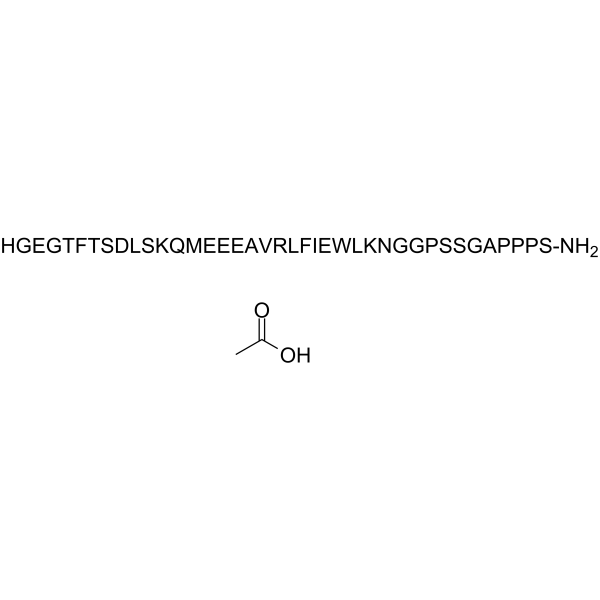
Exendin-4 acetate (Exenatide acetate) is an orally active, blood-brain barrier-permeable glucagon-like peptide-1 receptor (GLP‑1 receptor) agonist that resists degradation mediated by dipeptidyl peptidase IV. Exendin-4 acetate mediates multiple glucose-regulating effects, including stimulation of glucose-dependent insulin secretion, inhibition of glucagon production, increase in β-cell mass, delay of gastric emptying, reduction of food intake, improvement of peripheral insulin sensitivity, and restoration of normal islet structure. Exendin-4 acetate inhibits oxidative stress, alleviates inflammatory responses, and reduces neuronal apoptosis. Exendin-4 acetate reduces the aggregation level of mutant huntingtin, improves motor function, prolongs survival time, and regulates the expression levels of leptin and ghrelin. Exendin-4 acetate can be used in research related to type 2 diabetes, acute ischemic stroke, and Huntington's disease .
loading...
    loading...
29
29 Cited Publications
Cat. No.: HY-W250119
CAS No.: 23411-34-9
Synonyms: EDTA disodium calcium salt hydrate; Ethylenediaminetetraacetic acid disodium calcium salt hydrate
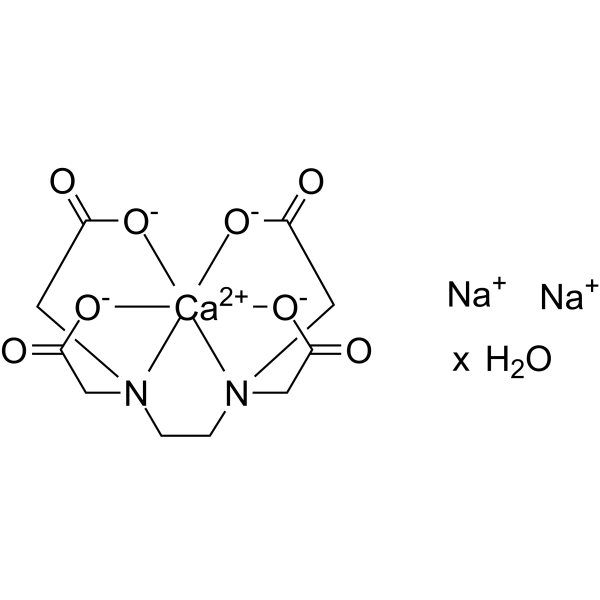
Calcium disodium edetate hydrate (EDTA disodium calcium salt hydrate) is a metal chelator and antifungal agent. Calcium disodium edetate hydrate chelates Mn 2+, damages mitochondria, and interferes with carbohydrate metabolic pathways, particularly the synthesis of pyruvate in glycolysis. Calcium disodium edetate hydrate inhibits Penicillium digitatum and delays conidial germination. Calcium disodium edetate (hydrate) enhances the host defense system of citrus fruits. Calcium disodium edetate hydrate is applicable to research related to citrus green mold .
loading...
    loading...
29
29 Cited Publications
Cat. No.: HY-17504A
CAS No.: 287714-41-4
Synonyms: ZD 4522
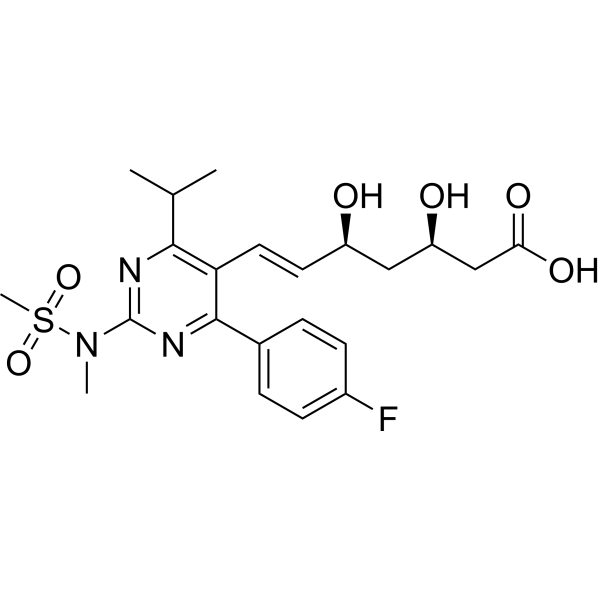
Rosuvastatin (ZD 4522) is a competitive HMG-CoA reductase inhibitor with an IC50 of 11 nM. Rosuvastatin potently blocks hERG current with an IC50 of 195 nM, delayed cardiac repolarization, and thereby prolonged action potential durations (APDs) and corrected QT interval (QTc) intervals. Rosuvastatin reduces the expression of the mature hERG and the interaction of heat shock protein 70 (Hsp70) with the hERG protein. Rosuvastatin effectively lowers low-density lipoprotein (LDL) cholesterol, triglycerides, and C-reactive protein levels .
loading...
    loading...
24
24 Cited Publications
Cat. No.: HY-164388
CAS No.: 162852-62-2
Z-VAD is an irreversible, broad-spectrum pan-caspase inhibitor that can inhibit a variety of caspases including caspase-3, -6, -7, -8, -9, etc. (with a weaker inhibitory effect on caspase-2). Z-VAD can block apoptosis signaling pathways, induce autophagy and necrosis in tumor cells, and has anti-angiogenic activity. Z-VAD can enhance the sensitivity of breast cancer and lung cancer cells to radiotherapy in vitro and in vivo, and prolong the growth delay of tumor xenograft models. Z-VAD is well tolerated and is mainly used in research related to cancer radiosensitization and cell death pathway regulation .
loading...
    loading...
14
14 Cited Publications
Cat. No.: HY-B0199A
CAS No.: 116680-01-4
Synonyms: RS 61443 hydrochloride; TM-MMF hydrochloride
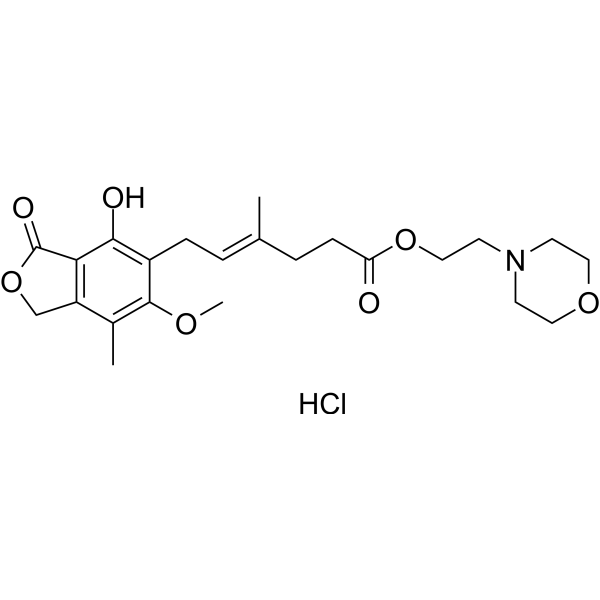
Mycophenolate mofetil (RS 61443; TM-MMF) hydrochloride is an orally active antimetabolic immunosuppressant with antiproliferative and anti-inflammatory properties. Mycophenolate mofetil hydrochloride significantly inhibits the production of B, T lymphocytes and the proliferation of smooth muscle cells by selectively blocking the de novo purine synthesis pathway. Mycophenolate mofetil hydrochloride effectively reduces adventitial inflammation, medial necrosis and intimal thickening in rat aortic allografts, and decreases the number of lymphocytes expressing the IL-2 receptor, thereby delaying xenograft rejection. Mycophenolate mofetil hydrochloride shows certain toxicity in a hamster-to-rat limb xenotransplantation model when used in combination with FK506 (HY-13756). Mycophenolate mofetil hydrochloride is widely used in studies related to allograft arteriosclerosis (chronic rejection) .
loading...
    loading...
13
13 Cited Publications
Cat. No.: HY-19940
CAS No.: 1450824-22-2
Synonyms: TD139; GB0139
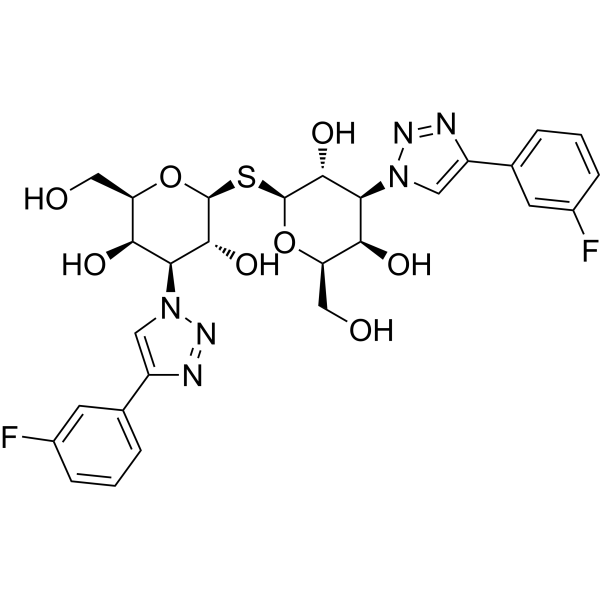
Olitigaltin (TD139) is a high-affinity Galectin-3 inhibitor with a Kd value of 14 nM. Olitigaltin inhibits the activity of the AKT/β-catenin pathway, induces Apoptosis, and downregulates SREBP1 expression. Olitigaltin enhances the phosphorylation level of ERK. Olitigaltin alleviates bleomycin (HY-17565A)-induced advanced pulmonary fibrosis in mice. Olitigaltin delays the onset of diabetes, and improves glucose tolerance and serum insulin levels. Olitigaltin alleviates liver injury. Olitigaltin maintains the structure of hippocampal excitatory synapses, restores γ-wave power in the hippocampal CA1 region, inhibits hippocampal neuroinflammation, and improves cognitive function in neuroinflammation models. Olitigaltin can be used in research related to thyroid cancer, idiopathic pulmonary fibrosis, type 1 diabetes, hepatitis, and cognitive dysfunction induced by neuroinflammation .
loading...
    loading...
13
13 Cited Publications
Cat. No.: HY-B0331
CAS No.: 75847-73-3
Synonyms: MK-421
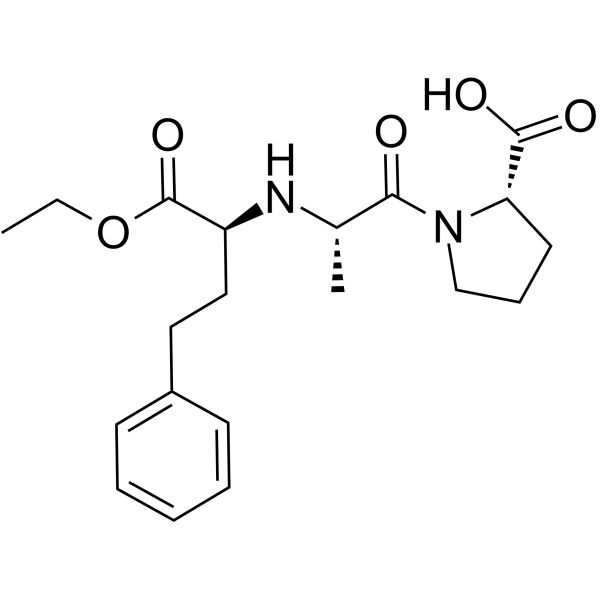
Enalapril (MK-421) is an orally active angiotensin-converting enzyme inhibitor. Enalapril blocks the conversion of angiotensin I to angiotensin II, regulates the renin-angiotensin system, reduces preload and afterload, and decreases plasma angiotensin II levels. Enalapril inhibits apoptosis, reduces nitric oxide metabolite levels, stabilizes endothelial cells, enhances endothelial antioxidant defense, scavenges reactive oxygen species (ROS), and alleviates neuronal damage. Enalapril attenuates glutathione depletion, protein/lipid oxidation, tissue damage, and type III collagen immunolabeling in organs of diabetic rats. Enalapril reduces systolic blood pressure and urinary albumin excretion, and delays the progression of diabetic cardiac/renal injury. Enalapril is used in research related to asymptomatic left ventricular dysfunction, congestive heart failure, Alzheimer's disease, diabetes mellitus, acute myocardial infarction, atrial fibrillation, hypertension, cerebral ischemia, chronic heart failure, and single-ventricle physiology .
loading...
    loading...
13
13 Cited Publications
Cat. No.: HY-B0331A
CAS No.: 76095-16-4
Synonyms: MK-421 maleate
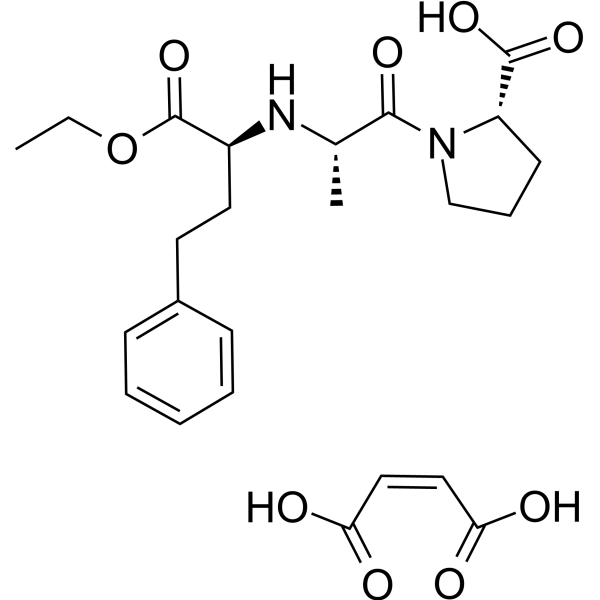
Enalapril maleate (MK-421 maleate) is an orally active angiotensin-converting enzyme inhibitor. Enalapril maleate blocks the conversion of angiotensin I to angiotensin II, regulates the renin-angiotensin system, reduces preload and afterload, and decreases plasma angiotensin II levels. Enalapril maleate inhibits apoptosis, reduces nitric oxide metabolite levels, stabilizes endothelial cells, enhances endothelial antioxidant defense, scavenges reactive oxygen species (ROS), and alleviates neuronal damage. Enalapril maleate attenuates glutathione depletion, protein/lipid oxidation, tissue damage, and type III collagen immunolabeling in organs of diabetic rats. Enalapril maleate reduces systolic blood pressure and urinary albumin excretion, and delays the progression of diabetic cardiac/renal injury. Enalapril maleate is used in research related to asymptomatic left ventricular dysfunction, congestive heart failure, Alzheimer's disease, diabetes mellitus, acute myocardial infarction, atrial fibrillation, hypertension, cerebral ischemia, chronic heart failure, and single-ventricle physiology .
loading...
    loading...
9
9 Cited Publications
Cat. No.: HY-10966
CAS No.: 405554-55-4
Purity:  99.77%
Target:  

Raf Apoptosis

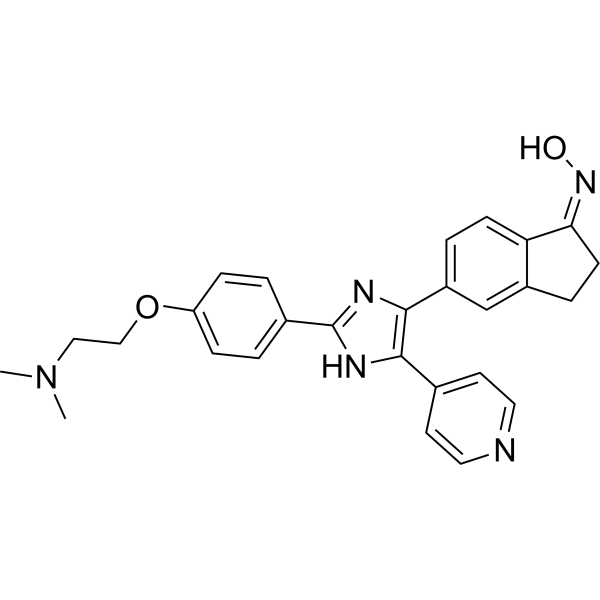
SB-590885 is a BRAF/c-Raf kinase inhibitor that selectively targets B-Raf, and it amplifies the ERK/MAPK signaling pathway in RAS-activated cells. SB-590885 effectively inhibits the malignant proliferation, transformation and tumorigenicity of oncogenic B-Raf cells; it also induces the proliferation of erythroid progenitor cells, delays their differentiation and promotes hemoglobin synthesis, thereby improving ineffective erythropoiesis and reducing apoptosis. SB-590885 exerts a synergistic effect with TGF-β inhibitors and glucocorticoids, significantly promoting the formation of erythroid colonies in cells from patients with Diamond-Blackfan anemia (DBA). SB-590885 is mainly used in relevant studies on DBA, cisplatin-induced myelosuppression-related anemia, and pan-cancers such as melanoma and colorectal cancer .
loading...
    loading...
8
8 Cited Publications
Cat. No.: HY-13513
CAS No.: 178606-66-1
Purity:  99.95%
Synonyms: SLC-0111
Target:  

Carbonic Anhydrase

Research Areas:  

Cancer

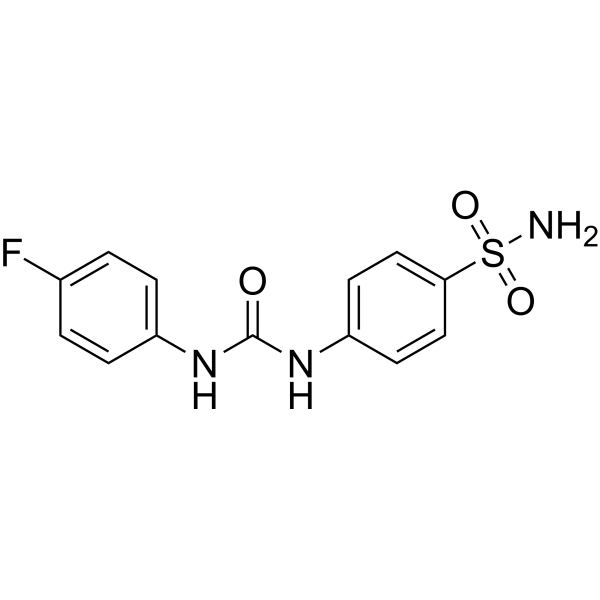
U-104 (SLC-0111) is a potent carbonic anhydrase (CA) inhibitor for CA IX and CA XII with Ki values of 45.1 nM and 4.5 nM, respectively. U-104 shows a significant delay in tumor growth in mice model .
loading...
    loading...
6
6 Cited Publications
Cat. No.: HY-112136
CAS No.: 850467-66-2
Purity:  99.81%
Synonyms: CP 43
Target:  

MAP3K Mitosis

Research Areas:  

Cancer

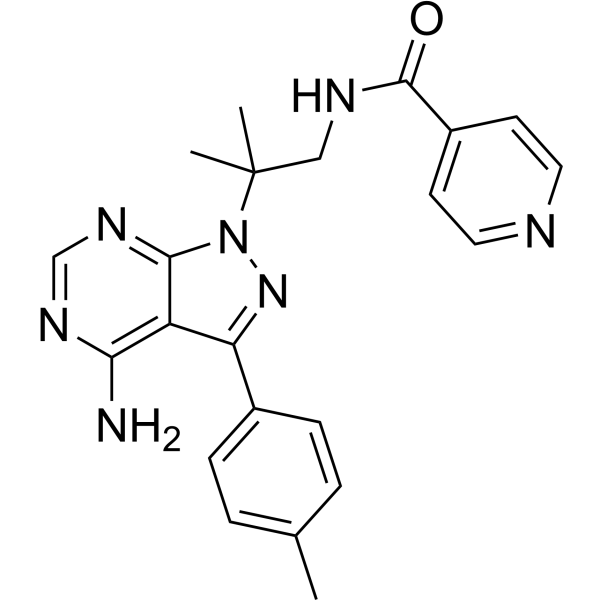
TAO Kinase inhibitor 1 (compound 43) is a selective, ATP-competitive thousand-and-one amino acid kinases (TAOK) inhibitor with IC50s of 11 to 15 nM for TAOK1 and 2, respectively. TAO Kinase inhibitor 1 delays mitosis and induces mitotic cell death .
loading...
    loading...
5
5 Cited Publications
Cat. No.: HY-B1752
CAS No.: 80373-22-4
Synonyms: LY 171555; (-)-LY 141865
Quinpirole (LY 171555; (-)-LY 141865) is a D2/D3 dopamine receptor agonist and a CaV1.3 calcium channel modulator. Quinpirole normalizes dendritic spine density in dopamine-depleted striatum, upregulates the protein expression of BCL2 and GluR2, downregulates the protein expression of BAX, and delays the onset of seizures. Quinpirole enhances learning and memory, inhibits neuronal apoptosis (apoptosis), and induces anxiety-like, stereotyped, and compulsive behaviors. Quinpirole disrupts prepulse inhibition in rhesus monkeys, enhances the activity of paraventricular thalamic neurons to promote recovery from Isoflurane anesthesia, and alters the composition of the gut microbiota in rats. Quinpirole can be used in research related to dyskinesia, pain, epilepsy, and neurological disorders including anxiety disorder, obsessive-compulsive disorder, and schizophrenia .
loading...
    loading...
4
4 Cited Publications
Cat. No.: HY-B0171
CAS No.: 60-80-0
Synonyms: Phenazone; Phenazon
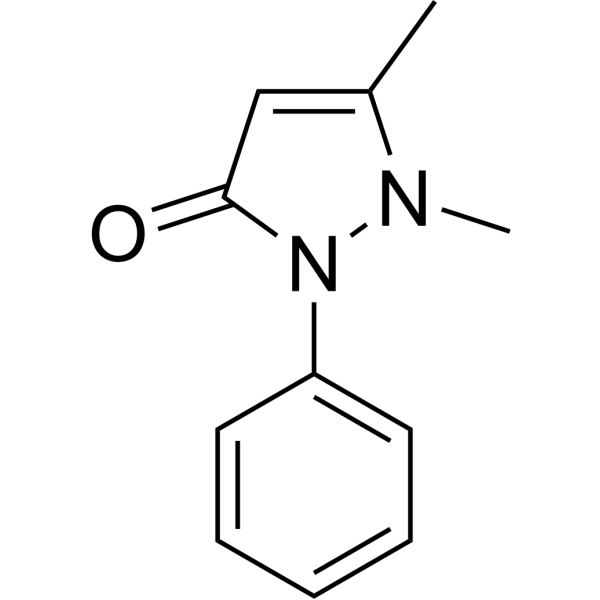
Antipyrine (Phenazone) is an orally active antipyretic and analgesic. Antipyrine can be used as a probe agent for oxidative agent metabolism. Antipyrine also delays gastric emptying (GE) in rats .
loading...
    loading...
4
4 Cited Publications
Cat. No.: HY-18937
CAS No.: 1354825-58-3
Target:  

RIP kinase

Research Areas:  

Cancer

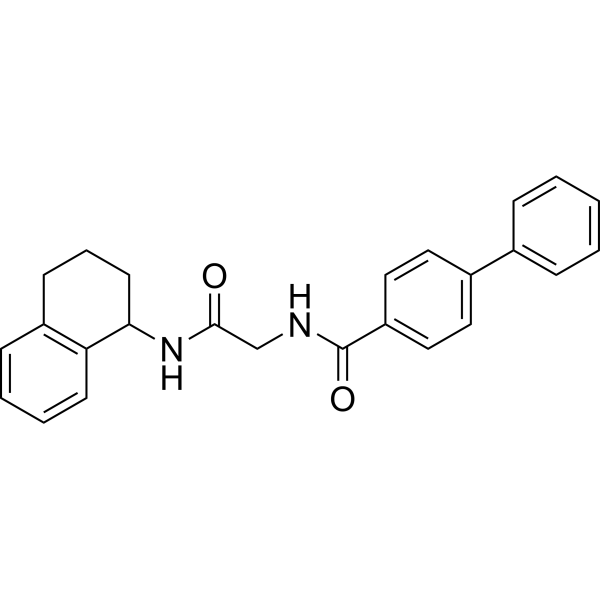
WEHI-345 is a potent and selective RIPK2 kinase inhibitor with an IC50 of 0.13 μM, which delays RIPK2 ubiquitylation and NF-κB activation on oligomerization domain (NOD) stimulation .
loading...
    loading...
4
4 Cited Publications
Cat. No.: HY-N2821
CAS No.: 2545-00-8
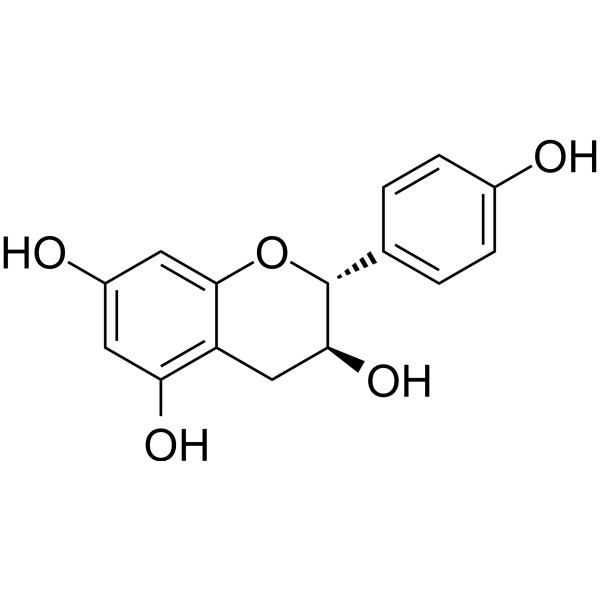
(+)-Afzelechin, isolated from rhizomes of Bergenia ligulata, is an alpha-glucosidase activity inhibitor with an ID50 (50% inhibition dose) value of 0.13 mM. (+)-Afzelechin can delay the absorption of carbohydrates in food to suppress postprandial hyperglycemia and hyperinsulinemia .
loading...
    loading...
4
4 Cited Publications
Cat. No.: HY-17507
CAS No.: 102625-70-7
Synonyms: BY1023; SKF96022
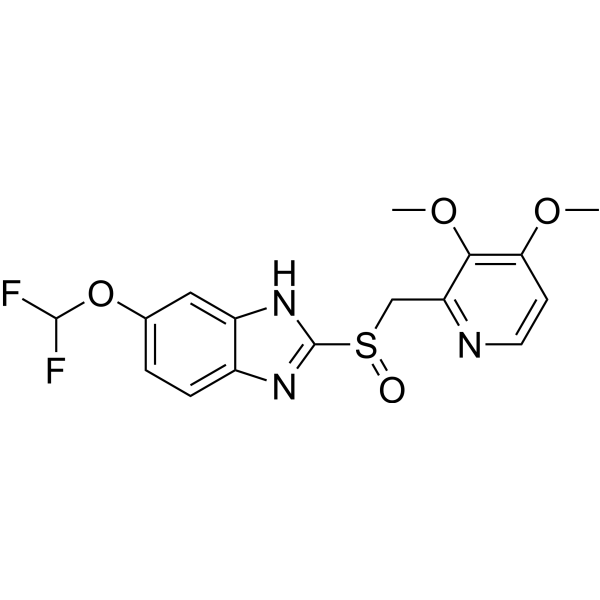
Pantoprazole (BY10232) is an orally active and potent proton pump inhibitor (PPI) . Pantoprazole, a substituted benzimidazole, is a potent H +/K +-ATPase inhibitor with an IC50 of 6.8 μM. Pantoprazole improves pH stability and has anti-secretory, anti-ulcer activities. Pantoprazole significantly increased tumor growth delay combined with Doxorubicin (HY-15142) .
loading...
    loading...
4
4 Cited Publications
Cat. No.: HY-17507A
CAS No.: 138786-67-1
Synonyms: BY1023 sodium; SKF96022 sodium
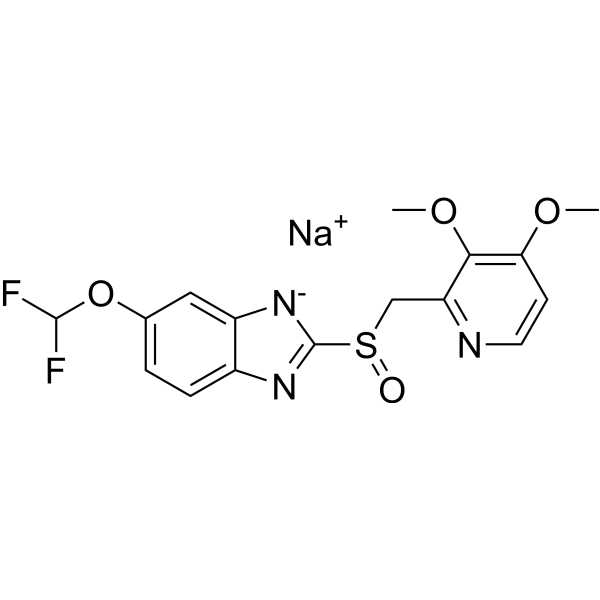
Pantoprazole sodium (BY10232 sodium) is an orally active and potent proton pump inhibitor (PPI) . Pantoprazole sodium, a substituted benzimidazole, is a potent H +/K +-ATPase inhibitor with an IC50 of 6.8 μM. Pantoprazole sodium improves pH stability and has anti-secretory, anti-ulcer activities. Pantoprazole sodium significantly increased tumor growth delay combined with Doxorubicin (HY-15142) .
loading...
    loading...
4
4 Cited Publications
Cat. No.: HY-17507B
CAS No.: 164579-32-2
Synonyms: BY1023 sodium hydrate; SKF96022 sodium hydrate
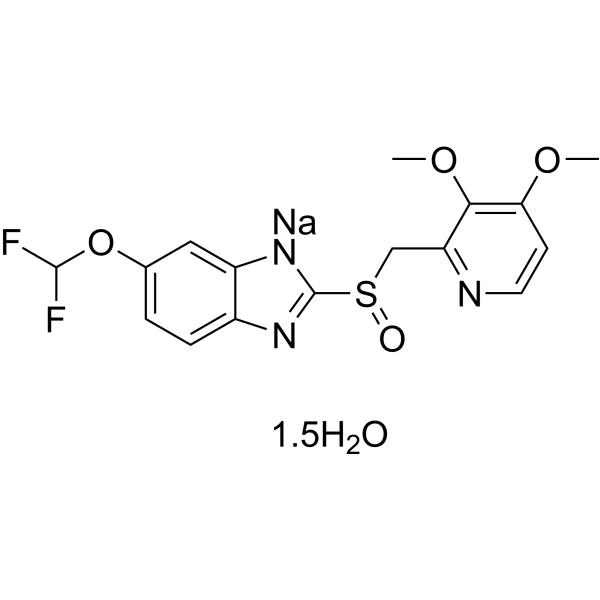
Pantoprazole sodium hydrate (BY10232 sodium hydrate) is an orally active and potent proton pump inhibitor (PPI) . Pantoprazole sodium hydrate, a substituted benzimidazole, is a potent H +/K +-ATPase inhibitor with an IC50 of 6.8 μM. Pantoprazole sodium hydrate improves pH stability and has anti-secretory, anti-ulcer activities. Pantoprazole sodium hydrate significantly increased tumor growth delay combined with Doxorubicin (HY-15142) .
loading...
    loading...
4
4 Cited Publications
Cat. No.: HY-125913
CAS No.: 618-39-3
Target:  

Ser/Thr Protease

Research Areas:  

Inflammation/Immunology

Benzamidine is a competitive protease inhibitor that blocks the hydrolytic cleavage of glucagon by plasmin, trypsin and thrombin. Benzamidine effectively inhibits the degradation of glucagon by relevant proteases during the collection, storage and analysis of human plasma and blood samples. During in vivo metabolism, Benzamidine undergoes N-hydroxylation and produces multiple metabolites, exhibiting characteristics of delayed excretion or biphasic elimination. Benzamidine only induces slight single-strand DNA breaks at high concentrations and shows no significant genotoxic potential overall. Benzamidine may interfere with the detection of some glucagon antisera, but does not affect key antigen-antibody affinity at specific concentrations. Benzamidine can be used as a stabilizer in glucagon radioimmunoassays to ensure the accuracy and recovery rate of detection results .
loading...
    loading...

