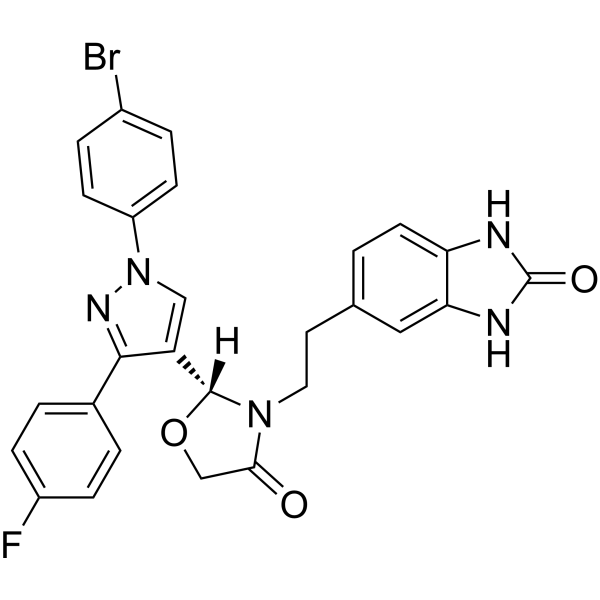
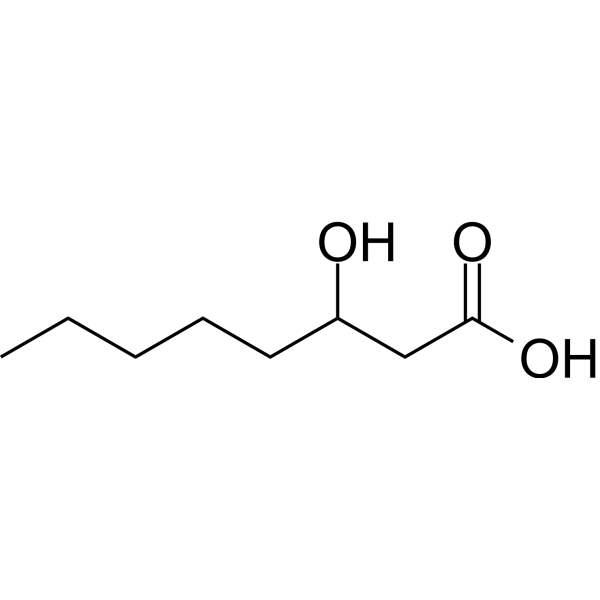
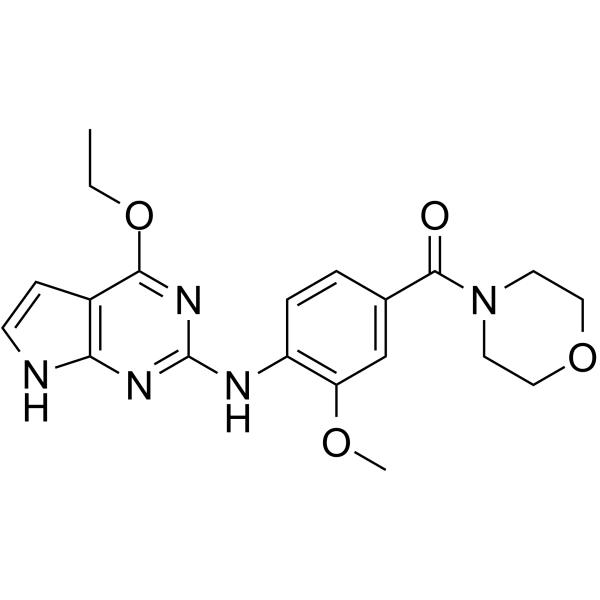
1. Search Result
Search Result
Pathways Recommended: Anti-infection
Results for "

Intracellular infections

" in MedChemExpress (MCE) Product Catalog:

56

Inhibitors & Agonists

2

Screening Libraries

5

Peptides

1

Inhibitory Antibodies

10

Natural
Products

1

Isotope-Labeled Compounds

Cat. No. Product Name Target Research Areas Chemical Structure
  • HY-B0974
    Methicillin sodium salt
    5+ Cited Publications

    Meticillin sodium

    Penicillin-binding protein (PBP) Bacterial Antibiotic Infection
    Methicillin sodium salt (Meticillin sodium) is a β-lactam, semi-synthetic antibiotic related to penicillin antibiotic. Methicillin sodium salt inhibits penicillin-binding proteins involved in the synthesis of peptidoglycan. Methicillin sodium salt inhibits S. aureus with a MIC value of 2.1 μg/mL. Methicillin sodium salt can be used for the research of inflammation .
    Methicillin sodium salt
  • HY-14909
    Bardoxolone
    Maximum Cited Publications
    23 Publications Verification

    CDDO; RTA 401

    Keap1-Nrf2 NF-κB SARS-CoV Apoptosis Reactive Oxygen Species (ROS) Glutathione Peroxidase Necroptosis Infection Neurological Disease Inflammation/Immunology Cancer
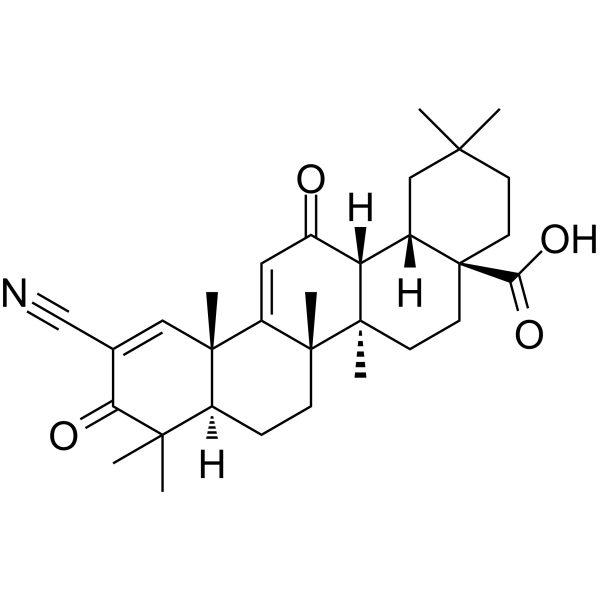
    Bardoxolone (CDDO; RTA 401) is a Nrf2 activator. Bardoxolone shows anti-SARS-CoV-2 3CLpro with IC50 of 27.99 μM. Bardoxolone activates the Nrf2 pathway and inhibits the NF-κB pathway. Bardoxolone can induce cells differentiation, apoptosis and shows antiproliferative activity against cancer cells. Bardoxolone can increase ROS and decrease intracellular GSH levels. Bardoxolone inhibits Z-VAD-FMK (HY-16658B)-induced necroptosis. Bardoxolone can be used for the research of cancer, inflammation and infection, such as SARS-CoV infection and glioblastoma .
    Bardoxolone
  • HY-10393

    PNU-100592

    Bacterial Antibiotic Infection
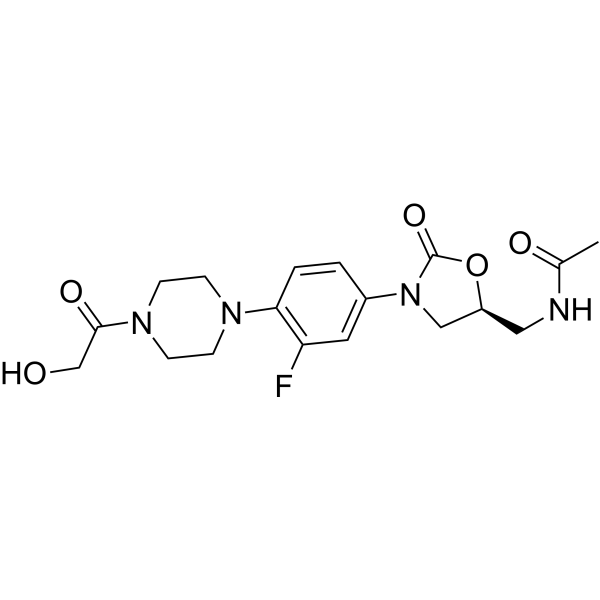
    Eperezolid (PNU-100592) is an orally active protein synthesis inhibitor that targets the bacterial 50S ribosomal subunit. Eperezolid competitively binds to a specific site on the ribosomal 50S subunit (overlapping with the binding sites of chloramphenicol (HY-B0239) and lincomycin (HY-117660)) to inhibit the translation initiation stage and exert antibacterial activity. Eperezolid can induce host cell autophagy to enhance the clearance of intracellular mycobacteria, and its MIC90 for Staphylococcus aureus and Enterococcus is 1-4 μg/mL. Eperezolid is mainly used for antibacterial research on infections with Gram-positive bacteria such as methicillin-resistant (HY-121544) Staphylococci and vancomycin-resistant (HY-B0671) Enterococci, as well as infections with intracellular bacteria such as Mycobacterium tuberculosis .
    Eperezolid
  • HY-13718

    H-Glu-Trp-OH; L-Glutamyl-L-tryptophan

    VEGFR HCV Endogenous Metabolite Infection Cardiovascular Disease Inflammation/Immunology Cancer
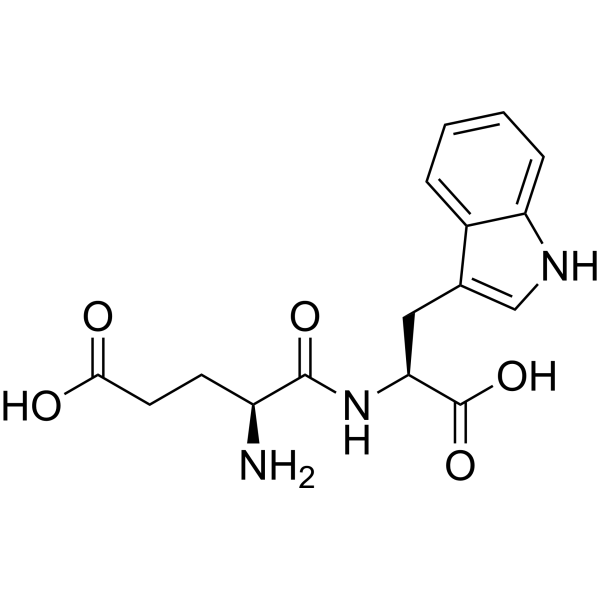
    Oglufanide (H-Glu-Trp-OH) is a dipeptide immunomodulator isolated from calf thymus. Oglufanide inhibits vascular endothelial growth factor (VEGF). Oglufanide can stimulate the immune response to hepatitic C virus (HCV) and intracellular bacterial infections. Oglufanide shows antitumor and anti-angiogenesis activities .
    Oglufanide
  • HY-153225

    HIV Reverse Transcriptase Infection
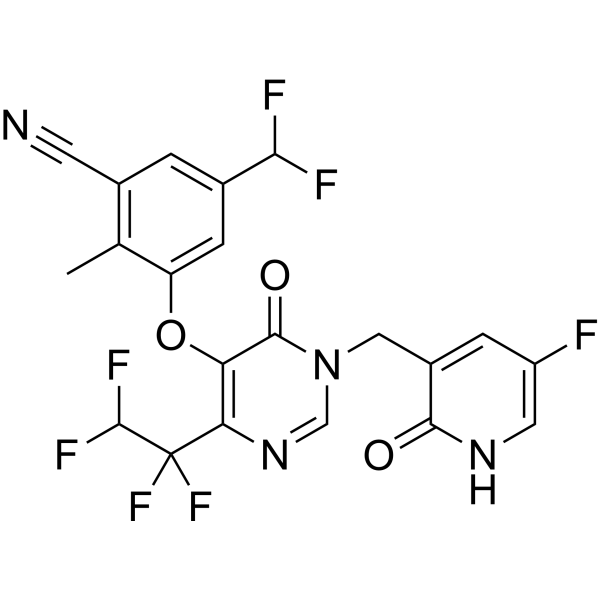
    PYR01 is a non-nucleoside reverse transcriptase inhibitor and a killing activator targeting HIV infected cells. PYR01 has cytokilling and antiviral properties of HIV-1 infection with the IC50 values of 27.5nM and 39.7nM, respectively. PYR01 leads to selective cytotoxicity by promoting HIV-1 Gag-Pol dimerization and HIV-1 protease intracellular activation. PYR01 can be used in the study of HIV .
    PYR01
  • HY-147255

    ZM-H1505R

    HBV Infection
    Canocapavir (ZM-H1505R) is an orally active HBV core protein-targeting antiviral agent. Canocapavir binds to the hydrophobic pocket at the dimer-dimer interface of HBV core protein (HBc), stimulating intracellular accumulation of nonfunctional HBV capsids, disrupting viral replication. Canocapavir interferes with the interaction between HBc and HBV large surface protein, resulting in diminished
    production of empty virionsis. Canocapavir can be used for the research of hepatitis B virus (HBV) infection .
    Canocapavir
  • HY-124801
    ABMA
    1 Publications Verification

    Flavivirus Dengue Virus Bacterial Parasite Infection
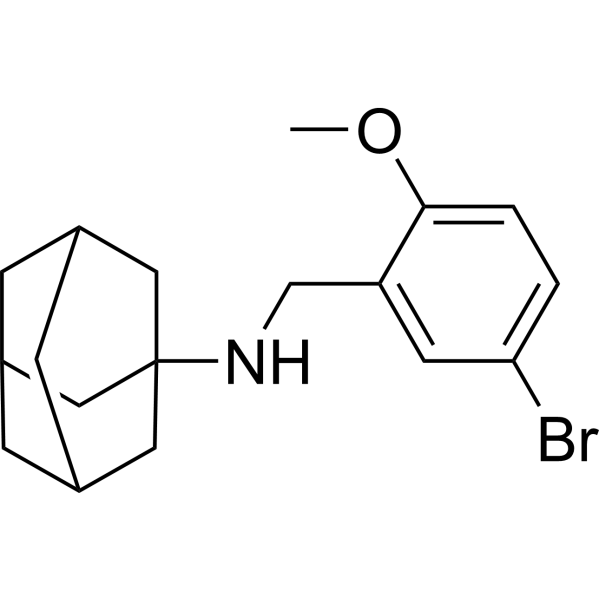
    ABMA is a broad-spectrum inhibitor of intracellular toxins and pathogens. ABMA efficiently protects cells against various toxins and pathogens including viruses, intracellular bacteria and parasite. ABMA selectively acts at host cell late endosomes rather than targeting toxin or pathogen itself. ABMA has broad-spectrum anti-infection activity .
    ABMA
  • HY-A0248B

    Antibiotic Bacterial Infection Inflammation/Immunology
    Polymyxin B2 is a polypeptide antibiotic with particularly potent antibacterial activity against Gram-negative bacteria. Polymyxin B2 kills bacteria by binding to lipopolysaccharide molecules on the bacterial cell membrane, disrupting membrane integrity and causing leakage of intracellular contents. Polymyxin B2 is used in studies related to Pseudomonas aeruginosa infection and acute enteritis .
    Polymyxin B2
  • HY-N3307
    (+)-Medioresinol
    1 Publications Verification

    Bacterial Fungal Reactive Oxygen Species (ROS) Apoptosis MMP Interleukin Related PI3K Akt mTOR PPAR PGC-1α Pyroptosis Infection Neurological Disease Inflammation/Immunology
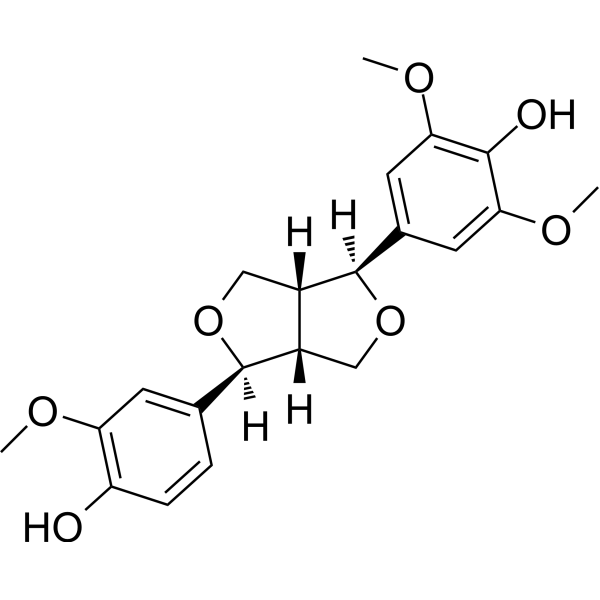
    (+)-Medioresinol is a furofuran-type lignan with antifungal and antibacterial properties. (+)-Medioresinol synergizes with antibiotics to exert antimicrobial and antibiofilm effects. (+)-Medioresinol induces intracellular ROS accumulation and mitochondrial-mediated apoptosis in Candida albicans. (+)-Medioresinol inhibits LPS (HY-D1056)-stimulated IL-12p40 production. (+)-Medioresinol is a PGC-1α activator that protects against endothelial cell pyroptosis in ischemic stroke via the PPARα-GOT1 axis. (+)-Medioresinol can be used in research on fungal and bacterial infection, inflammation, and ischemic stroke .
    (+)-Medioresinol
  • HY-N6829

    Quercetin-​3,​3',​4',​7-​tetramethylether

    Tyrosinase Fungal SARS-CoV Apoptosis Reactive Oxygen Species (ROS) Infection Neurological Disease Metabolic Disease Inflammation/Immunology
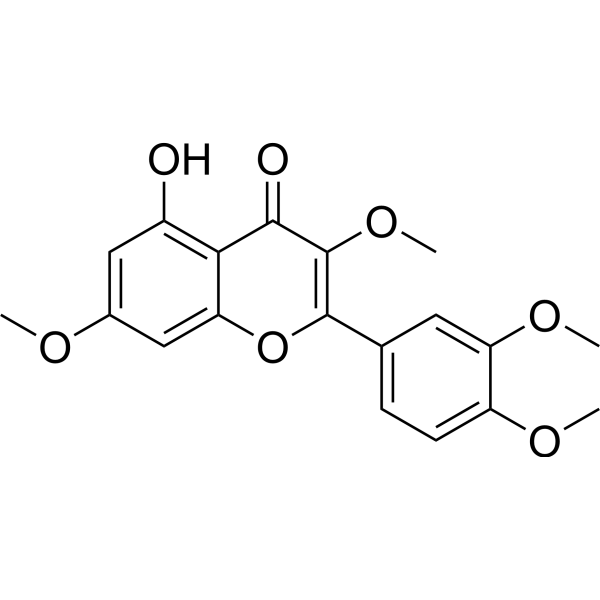
    Retusin (Quercetin-3,3',4',7-tetramethylether) is a tyrosinase inhibitor, with IC50 values of 50.9 μM and 51.8 μM against mushroom and intracellular tyrosinase, respectively. Retusin also acts as a free radical scavenger, melanogenesis inhibitor, anti-apoptosis agent, neuroprotective agent, antiemetic, antifungal agent, and antiviral agent. Retusin scavenges ABTS• + and DPPH• free radicals. Retusin can be used in studies related to hyperpigmentation, vomiting, Aspergillus niger infection, and COVID-19 infection .
    Retusin
  • HY-124042
    K6PC-5
    4 Publications Verification

    SphK Filovirus Infection Neurological Disease Inflammation/Immunology
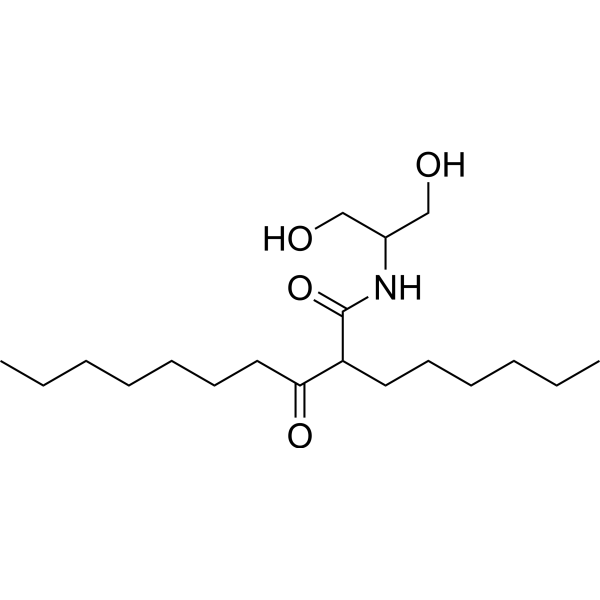
    K6PC-5, a ceramide derivative, is a sphingosine kinase 1(SPHK1) activator and elicites a rapid transient increase in intracellular calcium levels. K6PC-5 has the potential for skin diseases involving abnormal keratinocyte, and neurodegeneration and virus infection research .
    K6PC-5
  • HY-W587430

    Glycolithocholate sulfate disodium; Sulfolithocholylglycine disodium; SLCG disodium

    HIV GPR39 Infection Inflammation/Immunology
    Glycolithocholic acid 3-sulfate disodium is a GPR39 agonist with EC50s of 47.9  and 66.8 μM (absence of Zn 2+) and 8 and 8.7 μM (presence of Zn 2+) in M39-20 and hGPR39-2 cells, respectively. Glycolithocholic acid 3-sulfate disodium stimulates GPR39 receptors to initiate intracellular calcium signaling, independent of Zn 2+ binding sites H17 and H19. Glycolithocholic acid 3-sulfate disodium also inhibits replication of HIV-1 in vitro. Glycolithocholic acid 3-sulfate disodium can be used for the research of HIV infection and gallbladder disease .
    Glycolithocholic acid 3-sulfate disodium
  • HY-N2452

    GLP Receptor Cardiovascular Disease Infection Metabolic Disease
    Cochinchinenin C is a GLP-1R agonist that binds to the extracellular domain of the receptor via hydrophobic interactions and hydrogen bonds, and promotes glucose-dependent insulin secretion from pancreatic β-cells. Cochinchinenin C also increases intracellular cAMP and ATP levels. At low concentrations, Cochinchinenin C binds to human serum albumin, alters its microenvironment, and induces dominant static fluorescence quenching. Cochinchinenin C shows almost no cytotoxicity to pancreatic β-cells, and exerts a synergistic effect with Loureirin A (HY-N1505) when binding to human serum albumin. Cochinchinenin C has been widely used in studies of type 2 diabetes, Helicobacter pylori infection, thrombotic diseases, and other conditions .
    Cochinchinenin C
  • HY-153238

    Parasite mRNA Infection
    AN15368 is an orally active trypanocidal agent and a prodrug of AN14667. AN15368 selectively targets CPSF3-mediated mRNA maturation in intracellular amastigotes of Trypanosoma cruzi, reducing the mRNA levels of the parasite. As a prodrug, AN15368 can be cleaved into its active carboxylate form by CBP of Trypanosoma cruzi. AN15368 completely clears long-term naturally acquired Trypanosoma cruzi infections in non-human primates. AN15368 can be used in the research of Chagas disease .
    AN15368
  • HY-N10116A

    Interleukin Related IFNAR Calcium Channel Bacterial CCR Infection Cancer
    Calamenene is a sesquiterpene compound . Calamenene promotes dendritic cell maturation, upregulates CD1a, CD80, CD83, CD86, HLA-DR and CCR7 on the cell surface, reduces endocytic activity, enhances T cell-stimulating capacity, drives Th1 polarization through the secretion of IL-12, induces IFN-γ production, decreases IL-4 generation, and triggers intracellular Ca 2+ mobilization as well as dendritic cell migration towards MIP-3β. Calamenene exerts bacteriostatic and bactericidal growth-inhibitory effects against pathogenic *Vibrio harveyi*. Calamenene can be used in studies related to cancer and bacterial infections .
    Calamenene
  • HY-117778B

    Enolase Bacterial Antibiotic ATP Synthase Infection Cancer
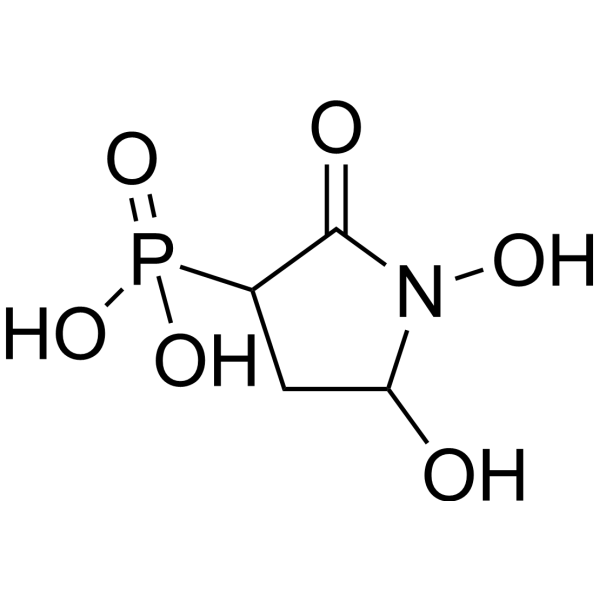
    SF2312 ammonium is a phosphonate Antibiotic and Enolase inhibitor, with an IC50 of 18.4 nM against E. coli enolase. SF2312 ammonium reduces intracellular ATP levels and inhibits glycolytic flux. SF2312 ammonium exhibits activity against both Gram-positive and Gram-negative bacteria, and exerts synergistic effects against E. coli when combined with Fosfomycin (HY-B1075A). SF2312 ammonium shows selective toxicity toward gliomas with ENO1 gene knockout. SF2312 ammonium can be used in research related to bacterial infections and gliomas .
    SF2312 ammonium
  • HY-148596

    UDP-N-Acetyl-D-glucosamine; Uridine diphospho-N-acetylglucosamine; UDP-N-acetylglucosamine

    Endogenous Metabolite P2Y Receptor Drug Intermediate Glycosyltransferase Infection
    UDP-GlcNAc (UDP-N-Acetyl-D-glucosamine) is an important component and precursor of bacterial peptidoglycan. UDP-GlcNAc is a nucleotide sugar used by Glycosyltransferases to synthesize glycoproteins, glycosaminoglycans, glycolipids, and glycoRNA. UDP-GlcNAc also serves as the donor substrate for forming O-GlcNAc, a dynamic intracellular protein modification involved in diverse signaling and disease processes. UDP-GlcNAc is the sugar nucleotide donor for the synthesis of O-GlcNAc modified proteins. UDP-GlcNAc also acts as a full agonist of the P2Y14 receptor and inhibits the formation of cAMP. UDP-GlcNAc can be used in studies related to bacterial infections .
    UDP-GlcNAc
  • HY-178347

    Bacterial Infection
    Debio 1453 is a bactericidal FabI inhibitor potent against N. gonorrhoeae (IC50 = 0.6 nM), including drug-resistant strains. Debio 1453 demonstrates a low propensity for resistance selection and is effective in eradicating both planktonic and intracellular bacteria through a mechanism of concurrently inhibiting FabI and engaging the non-mutable NADH cofactor. Debio 1453 clears antibiotic-resistant N. gonorrhoeae infection in a murine vaginal model. Debio 1453 can be used for gonorrhoea research .
    Debio 1453
  • HY-P11004

    Bacterial Antibiotic Infection
    A3-APO is an antimicrobial peptide. A3-APO has a significant antimicrobial activity by a dual mode of action with both membrane disintegration and intracellular target inhibition. A3-APO can deactivate bacterial toxins and increase the expression of anti-inflammatory cytokines (such as IL-4 and IL-10), without antimicrobial resistance. A3-APO accelerates burn wounds healing in mice infection model of Acinetobacter baumannii and Staphylococcus aureus .
    A3-APO
  • HY-175301

    Bacterial Reactive Oxygen Species (ROS) Infection
    TH16 is an antibacterial agent (MIC=2 μg/mL against methicillin-resistant Staphylococcus aureus, MRSA). TH16 disrupts bacterial cytoplasmic membrane integrity, elevating intracellular reactive oxygen species (ROS) levels to induce bacterial death. TH16 is promising for research of bacterial infection .
    TH16
  • HY-B0155

    SCH 417690; SCH-D; MK-7690 free base

    CCR HIV Infection Cancer
    Vicriviroc (SCH 417690) is an orally active CCR5 antagonist with the IC50 of 10 nM, and also inhibts MIP-1α and intracellular calcium release induced by the ligand RANTES (10 nM) with the IC50 values of 0.91 nM and 16 nM,,respectively. Vicriviroc can inhibits human immunodeficiency virus type 1 (HIV-1) infection, and can also used for study of cancer .
    Vicriviroc
  • HY-131606S

    Isotope-Labeled Compounds Orthopoxvirus Drug Metabolite CMV DNA/RNA Synthesis Infection
    Cidofovir diphosphate- 13C3 is the 13C-labeled Cidofovir diphosphate (HY-131606). Cidofovir diphosphate is the intracellular active metabolite of Cidofovir (HY-17438) and its oral prodrug Brincidofovir (HY-14532). By inhibiting viral DNA polymerase (Ki ≈ 76.3 μM), cidofovir diphosphate is widely used in studies on double-stranded DNA virus infections, including cytomegalovirus (CMV), adenovirus (AdV), and poxviruses (such as monkeypox and molluscum contagiosum virus, MCV) .
    Cidofovir diphosphate-13C3
  • HY-N3700

    Rutaceline

    Bacterial HIV TNF Receptor Interleukin Related Infection Inflammation/Immunology
    Decarine (Rutaceline) is a benzophenanthridine alkaloid found in Zanthoxylum species. Decarinewith shows anti-inflammatory, antimycobacterial, and anti-HIV activity. Decarine inhibits NO, TNF-α, IL-1β, IL-6, and IL-8 production in inflammatory cell models. Decarine inhibits growth of Mycobacterium tuberculosis strains, reduces intracellular Mycobacterium tuberculosis survival, and shows low cytotoxicity toward human macrophages. Decarine inhibits HIV replication in acutely infected lymphocytes. Decarine can be used for the researches of inflammation, tuberculosis, and HIV infection .
    Decarine
  • HY-B0974R

    Meticillin sodium (Standard)

    Penicillin-binding protein (PBP) Reference Standards Bacterial Antibiotic Infection
    Methicillin (sodium salt) (Standard) is the analytical standard of Methicillin (sodium salt). This product is intended for research and analytical applications. Methicillin sodium salt (Meticillin sodium) is a β-lactam, semi-synthetic antibiotic related to penicillin antibiotic. Methicillin sodium salt inhibits penicillin-binding proteins involved in the synthesis of peptidoglycan. Methicillin sodium salt inhibits S. aureus with a MIC value of 2.1 μg/mL. Methicillin sodium salt can be used for the research of inflammation .
    Methicillin sodium salt (Standard)
  • HY-147531

    Bacterial Infection
    Antibacterial agent 106 (compound 8) is an orally active and potent antibacterial agent with antibiofilm activity. Antibacterial agent 106 shows potent antibacterial effect against multi-agent resistant (MDR)-Gram positive pathogens. Antibacterial agent 106 is highly effective in clearing 99.7% of the intracellular methicillin-resistant S. aureus (MRSA) harbored inside macrophages . Antibacterial agent 106 is a click chemistry reagent, it contains an Alkyne group and can undergo copper-catalyzed azide-alkyne cycloaddition (CuAAc) with molecules containing Azide groups.
    Antibacterial agent 106
  • HY-174973

    Fungal Cytochrome P450 Infection
    CYP51-IN-26 is a CYP51 inhibitor with an IC50 value of approximately 0.40 μM. CYP51-IN-26 eradicates C. auris biofilms. CYP51-IN-26 demonstrates significantly improved intracellular uptake in an accumulation assay. CYP51-IN-26 protects against C. auris infection in both G. mellonella and D. melanogaster models. CYP51-IN-26 can be used for research on fungal infections .
    CYP51-IN-26
  • HY-13718A

    H-Glu-Trp-OH disodium; L-Glutamyl-L-tryptophan disodium

    VEGFR HCV Endogenous Metabolite Infection Cardiovascular Disease Inflammation/Immunology Cancer
    Oglufanide (H-Glu-Trp-OH) disodium is a dipeptide immunomodulator isolated from calf thymus. Oglufanide disodium inhibits vascular endothelial growth factor (VEGF). Oglufanide disodium can stimulate the immune response to hepatitic C virus (HCV) and intracellular bacterial infections. Oglufanide disodium shows antitumor and anti-angiogenesis activities .
    Oglufanide disodium
  • HY-12770R

    Mebeverine metabolite Mebeverine alcohol (Standard)

    Reference Standards Drug Metabolite Neurological Disease
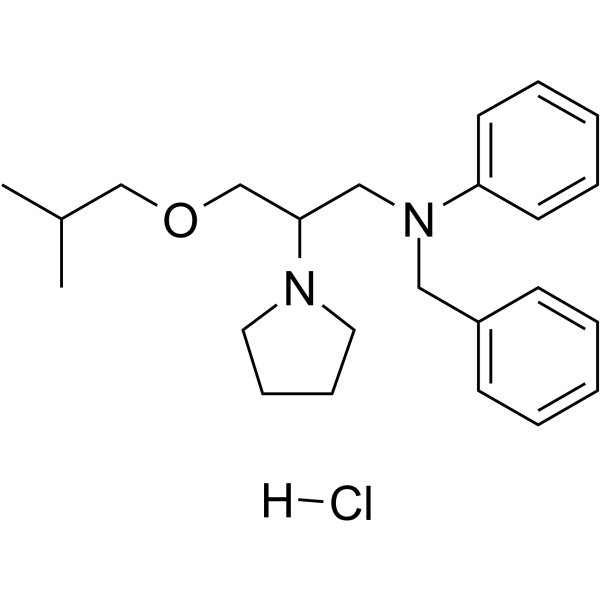
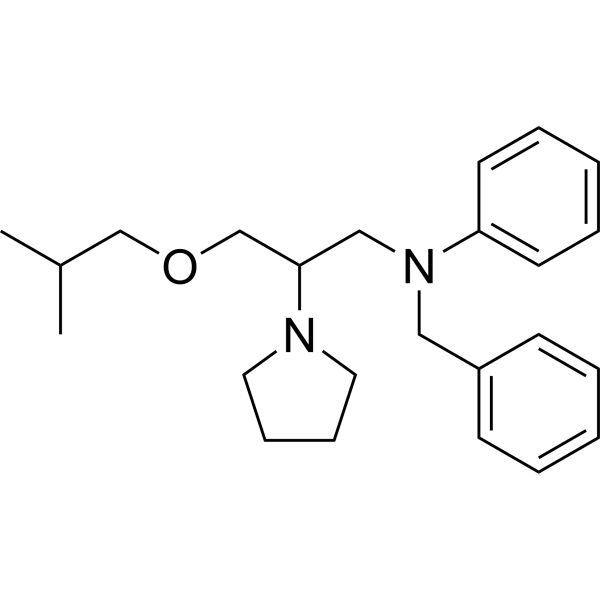
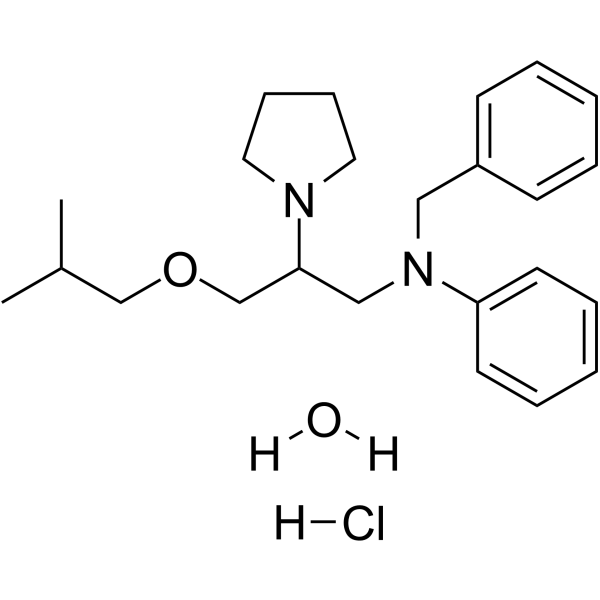
    Mebeverine alcohol (Standard) is an analytical standard for Mebeverine alcohol. This product is intended for research and analytical applications. Eperezolid (PNU-100592) is an orally active protein synthesis inhibitor that targets the bacterial 50S ribosomal subunit. Eperezolid competitively binds to a specific site on the ribosomal 50S subunit (overlapping with the binding sites of Chloramphenicol (HY-B0239) and Lincomycin (HY-117660)) to inhibit the translation initiation stage and exert antibacterial activity. Eperezolid can induce host cell autophagy to enhance the clearance of intracellular mycobacteria, and its MIC90 for Staphylococcus aureus and Enterococcus is 1-4 μg/mL. Eperezolid is mainly used for antibacterial research on infections with Gram-positive bacteria such as methicillin-resistant (HY-121544) Staphylococci and vancomycin-resistant (HY-B0671) Enterococci, as well as infections with intracellular bacteria such as Mycobacterium tuberculosis .
    Mebeverine alcohol (Standard)
  • HY-A0248C

    Antibiotic Bacterial Infection
    Polymyxin B2 Sulfate is a polypeptide antibiotic with particularly potent antibacterial activity against Gram-negative bacteria. Polymyxin B2 Sulfate kills bacteria by binding to lipopolysaccharide molecules on the bacterial cell membrane, disrupting membrane integrity and causing leakage of intracellular contents. Polymyxin B2 Sulfate is used in studies related to Pseudomonas aeruginosa infection and acute enteritis .
    Polymyxin B2 Sulfate
  • HY-172772

    Flavivirus Infection
    Anti-PEDV agent 1 (Compound D39) is a highly effective anti-Porcine epidemic diarrhea virus (PEDV) agent with an EC50 value of 0.09 μM. Anti-PEDV agent 1 blocks the early internalization of PEDV during viral entry by modulating intracellular Ca 2+ homeostasis. Anti-PEDV agent 1 is promising for research of PEDV infections .
    Anti-PEDV agent 1
  • HY-173239

    Bacterial Infection
    Antibacterial agent 274 (Compound 18b) is a membrane-targeting antibacterial agent that demonstrates a MIC of 8 μg/mL against Acinetobacter baumannii ATCC 17978. By disrupting bacterial membrane integrity, it induces intracellular ROS accumulation and causes leakage of DNA and proteins, thereby exhibiting potent antibacterial activity. This compound is suitable for research applications targeting Gram-negative bacterial infections .
    Antibacterial agent 274
  • HY-N6829R

    Quercetin-​3,​3',​4',​7-​tetramethylether (Standard)

    Reference Standards Tyrosinase Fungal SARS-CoV Apoptosis Reactive Oxygen Species (ROS) Infection Neurological Disease Metabolic Disease Inflammation/Immunology
    Retusin (Quercetin-3,3',4',7-tetramethylether) (Standard) is the analytical standard of Retusin. This product is intended for research and analytical applications. Retusin is a tyrosinase inhibitor, with IC50 values of 50.9 μM and 51.8 μM against mushroom and intracellular tyrosinase, respectively. Retusin also acts as a free radical scavenger, melanogenesis inhibitor, anti-apoptosis agent, neuroprotective agent, antiemetic, antifungal agent, and antiviral agent. Retusin scavenges ABTS• + and DPPH• free radicals. Retusin can be used in studies related to hyperpigmentation, vomiting, Aspergillus niger infection, and COVID-19 infection.
    Retusin (Standard)
  • HY-173238

    Bacterial Reactive Oxygen Species (ROS) Infection
    Antibacterial Agent 273 (Compound 15e) is a membrane-targeting antimicrobial agent that disrupts bacterial cell membranes, exhibiting a MIC of 4 μg/mL against Staphylococcus aureus. By compromising membrane integrity, it induces leakage of intracellular nucleic acids and proteins, suppresses bacterial metabolic activity, and triggers the accumulation of reactive oxygen species (ROS). Antibacterial Agent 273 is suitable for research on infections caused by Staphylococcus aureus .
    Antibacterial agent 273
  • HY-B0155B

    SCH 417690 malate; SCH-D malate; MK-7690

    CCR HIV Infection Cancer
    Vicriviroc (SCH 417690) malate is an orally active CCR5 antagonist with the IC50 of 10 nM, and also inhibts MIP-1α and intracellular calcium release induced by the ligand RANTES (10 nM) with the IC50 values of 0.91 nM and 16 nM,,respectively. Vicriviroc malate can inhibits human immunodeficiency virus type 1 (HIV-1) infection, and can also used for study of cancer .
    Vicriviroc malate
  • HY-P10970

    Bacterial Infection
    RT2 is a tryptophan-rich cationic amphipathic antibacterial peptide, with main targets including lipopolysaccharide (LPS) on the bacterial surface and intracellular DNA. RT2 binds to bacterial surface LPS, and interacts with cytoplasmic membrane phospholipids, enabling it to rapidly penetrate the bacterial cell membrane and enter the cell, and then bind to components such as DNA in the cytoplasmic membrane, thereby exerting antibacterial effects. RT2 is promising for research of acute and chronic infections caused by planktonic bacteria .
    RT2
  • HY-178340

    Cytochrome P450 Fungal Reactive Oxygen Species (ROS) Infection
    Antifungal agent 137 (Compound 4S) is an antifungal agent. Antifungal agent 137 inhibits Phomopsis sp. (PS), with an EC50 of 0.15 μg/mL. Antifungal agent 137 inhibits lanosterol 14α-demethylase (CYP51), with an IC50 of 5.00 μg/mL. Antifungal agent 137 disrupts the morphology of PS mycelia, impairs cell membrane integrity, and induces an increase in intracellular ROS levels, triggering oxidative stress. Antifungal agent 137 can be used for the study of fungal infection .
    Antifungal agent 137
  • HY-175183

    Bacterial Infection
    Antituberculosis agent-15 (Compound 18c) is a selective antimycobacterial agent with MICs of 0.45 and 0.28  μM for M. tuberculosis H37Rv (ATCC 27294) and its wild-type H37Rv-LP (ATCC 25618), respectively. Antituberculosis agent-15 has potent intracellular inhibitory activities in macrophage infection models with IC50s of 0.16  μM. Antituberculosis agent-15 can be used for tuberculosis research .
    Antituberculosis agent-15
  • HY-147255A

    (S)-ZM-H1505R

    HBV Infection
    (S)-Canocapavir is the isomer of Canocapavir (HY-147255A). Canocapavir (ZM-H1505R) is an orally active HBV core protein-targeting antiviral agent. Canocapavir binds to the hydrophobic pocket at the dimer-dimer interface of HBV core protein (HBc), stimulating intracellular accumulation of nonfunctional HBV capsids, disrupting viral replication. Canocapavir interferes with the interaction between HBc and HBV large surface protein, resulting in diminished
    production of empty virionsis. Canocapavir can be used for the research of hepatitis B virus (HBV) infection .
    (S)-Canocapavir
  • HY-178738

    Antibiotic Bacterial Topoisomerase DNA/RNA Synthesis Infection
    GC-072 is an orally active, 4-oxoquinolizine antibiotic that selectively inhibits bacterial DNA gyrase and Topo IV enzymes. GC-072 does not inhibit human topoisomerases I and II. GC-072 demonstrates strong antimicrobial activity against various bacterial strains, including Gram-positive, Gram-negative, and resistant bacteria. GC-072 also exhibits bactericidal activity against Burkholderia pseudomallei both extracellularly and intracellularly, leading to dose-dependent survival in mice exposed to lethal inhalational models of B. pseudomallei infection. GC-072 can be used for the research of melioidosis .
    GC-072
  • HY-183873

    SARS-CoV Flavivirus Infection
    HLB-0532247 is a cell-permeable phosphoramidate prodrug of 3'-deoxy-3',4'-didehydrocytidine (ddhC). HLB-0532247 increases the intracellular level of the endogenous antiviral nucleotide ddhCTP. HLB-0532247 reduces the titers of Zika virus and West Nile virus in cell cultures. HLB-0532247 can be used in studies related to Zika virus infection, West Nile virus infection, and coronavirus infection .
    HLB-0532247
  • HY-182464

    Potassium Channel Infection Others
    DABMA is a TMEM175 channel activator with a human EC50 of 17.9 μM. DABMA directly increases TMEM175 channel current via interaction with intracellular, transmembrane, or endosomal lumen-associated domains, and does not alter TMEM175 mRNA or protein levels. DABMA delays endolysosomal substrate degradation, modulates endolysosomal trafficking, increases acidic organelle accumulation, induces cholesterol accumulation and altered late endosome morphology. DABMA can be used for the research of coronavirus disease, Clostridium difficile infection, Pseudomonas aeruginosa infection, rabies, and influenza virus infection .
    DABMA
  • HY-182027

    Bacterial Reactive Oxygen Species (ROS) Lactate Dehydrogenase DNA/RNA Synthesis Infection
    Antibacterial agent 330 is an antibacterial agent. Antibacterial agent 330 triggers ROS accumulation, forms DNA supramolecular complex by intercalation to block DNA replication and inhibits LDH to
    disturb metabolism, and further prompts bacterial cell rupture to induce the leakage of intracellular content, ultimately causing bacterial death. Antibacterial agent 330 displays antibacterial activity and promotes wound healing in both G. Mellonella larval and murine wound infection models. Antibacterial agent 330 can be used for the research of bacterial infections .
    Antibacterial agent 330
  • HY-N9869

    Bacterial Infection
    (E,Z)-Platanoside is a flavonoid glycoside. (E,Z)-Platanoside is a potent and highly selective MRSA inhibitor; it exhibits low activity against other tested strains, including Gram-negative bacteria, intracellular Mycobacterium intracellulare, Candida albicans, Cryptococcus neoformans, and Aspergillus fumigatus. (E,Z)-Platanoside can be used in research on MRSA infections .
    (E,Z)-Platanoside
  • HY-185556

    Parasite Infection
    14-Hydroxydehydroabietane is a ribosomal enzyme inhibitor. 14-Hydroxydehydroabietane exhibits in vitro antileishmanial activity against promastigotes, amastigotes and intracellular amastigotes of Leishmania infantum and Leishmania braziliensis. 14-Hydroxydehydroabietane induces ultrastructural changes in Leishmania braziliensis promastigotes. 14-Hydroxydehydroabietane reduces the infection rate of macrophages by Leishmania infantum and Leishmania braziliensis. 14-Hydroxydehydroabietane can be used for the research of leishmaniasis .
    14-Hydroxydehydroabietane
  • HY-183751

    Bacterial Reactive Oxygen Species (ROS) Infection
    Antibacterial agent 346 (Compound H14d) is a broad-spectrum Antibacterial agent and BsFtsZ inhibitor, with an IC50 of 69.67 μg/mL against BsFtsZ. Antibacterial agent 346 selectively binds to phosphatidylglycerol, disrupts membrane integrity, increases permeability, triggers depolarization and causes intracellular protein leakage. Antibacterial agent 346 induces intracellular ROS accumulation, which in turn triggers oxidative stress and cell death. Antibacterial agent 346 eradicates mature biofilms formed by Gram-positive and Gram-negative bacteria. Antibacterial agent 346 exhibits antibacterial activity against methicillin-resistant Staphylococcus aureus and Acinetobacter baumannii. Antibacterial agent 346 can be used in the research of bacterial infections .
    Antibacterial agent 346
  • HY-185215

    DNA/RNA Synthesis RSV Infection
    GS-646089 is a broad-spectrum antiviral nucleoside analog that exhibits significant inhibitory activity against respiratory syncytial virus (RSV), human metapneumovirus (hMPV), rhinovirus (enterovirus) and enteroviruses. The IC50 of GS-646089 targeting RNA-dependent RNA polymerase (RdRp) ranges from 43 to 46 nM. GS-646089 blocks viral replication by being converted into a triphosphate metabolite intracellularly, which competes with ATP for incorporation into nascent RNA strands and acts as an immediate chain terminator. GS-646089 is the parent compound of the double prodrug GS-7682 (HY-161877), and is used in studies of acute respiratory viral infections and infections caused by related pathogens .
    GS-646089
  • HY-W722245

    Endogenous Metabolite Bacterial Infection
    Pyochelin is a salicylate-based nonribosomal peptide siderophore produced by Pseudomonas aeruginosa. Pyochelin chelates Fe 3+ and transports it back into bacterial cells, providing the iron essential for bacterial survival. Pyochelin can also chelate other metals such as Zn 2+, Co 2+, and Ni 2+, which helps bacteria maintain intracellular metal ion homeostasis by chelating and excreting excess metals in response to toxic metal stress. Pyochelin can be used in studies related to Pseudomonas aeruginosa infection .
    Pyochelin
  • HY-181283

    Bacterial Infection
    MSU-43557 is a Mycobacterium abscessus MmpL3 (MAB_4508) inhibitor and bactericidal agent. MSU-43557 inhibits MmpL3 function, disrupts trehalose monomycolate synthesis, and reduces biofilm-associated Mycobacterium abscessus viability. MSU-43557 exerts bactericidal activity against intracellular Mycobacterium abscessus. MSU-43557 shows low eukaryotic cytotoxicity and low Mycobacterium abscessus resistance frequency. MSU-43557 can be used for the research of mycobacterium abscessus infection .
    MSU-43557
  • HY-181282

    Bacterial Infection
    MSU-44147 is an inhibitor and antimicrobial agent targeting MmpL3 in Mycobacterium abscessus, with low eukaryotic cytotoxicity, a narrow antimicrobial spectrum that is specific only to mycobacteria, and low drug resistance frequency. MSU-44147 reduces trehalose dimycolate levels by inhibiting MmpL3 function, disrupts biofilm formation and reduces the viability of related bacteria, while exerting bactericidal effects on intracellular Mycobacterium abscessus. MSU-44147 exhibits additive or synergistic effects with antibiotics and can be used in research on multidrug-resistant isolates and infections of Mycobacterium abscessus .
    MSU-44147
  • HY-182305

    Bacterial Infection
    VKT-17-P4-23 is a blood-brain barrier-permeable DksA inhibitor. DksA is a highly conserved transcriptional regulator in Gram-negative bacteria, with a Kd of 124 μM. Through the DksA-regulated, SPI-2-dependent survival pathway, VKT-17-P4-23 exhibits antibacterial activity against both planktonic and intracellular pathogens such as Salmonella, and also effectively combats persistent bacteria that are difficult to eliminate. VKT-17-P4-23 can be used in studies of Salmonella infection .
    VKT-17-P4-23

Inquiry Online

Your information is safe with us. * Required Fields.

Salutation


Country or Region *

Applicant Name *


Organization Name *

Department *


Email Address *


Product Name *

Cat. No.


Requested quantity *

Phone Number *


Remarks

Inquiry Online

Inquiry Information

Product Name:
Cat. No.:
Quantity:
MCE Japan Authorized Agent:

