From 11:00 pm to 12:00 pm EST ( 8:00 pm to 9:00 pm PST ) on January 6th, the website will be under maintenance. We are sorry for the inconvenience. Please arrange your schedule properly.
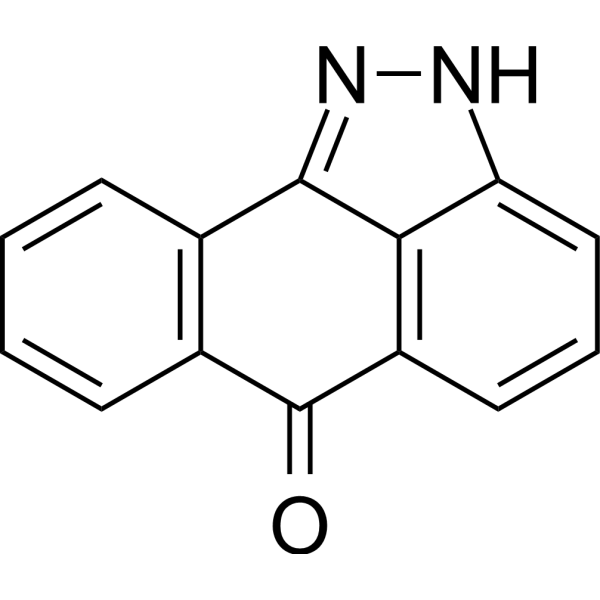
SP600125 is an orally active, reversible, and ATP-competitive JNK inhibitor with IC50s of 40, 40 and 90 nM for JNK1, JNK2 and JNK3, respectively. SP600125 is a potent ferroptosis inhibitor. SP600125 induces the transformation of bladder cancer cells from autophagy to apoptosis[3].
TA-02, an analog of SB 203580 (HY-10256), is a p38 MAPK inhibitor with an IC50 of 20 nM. TA-02 especially inhibits TGFBR-2. TA-02 exhibits similar cardiogenic properties as SB 203580 and SB 202190 (HY-10295) .
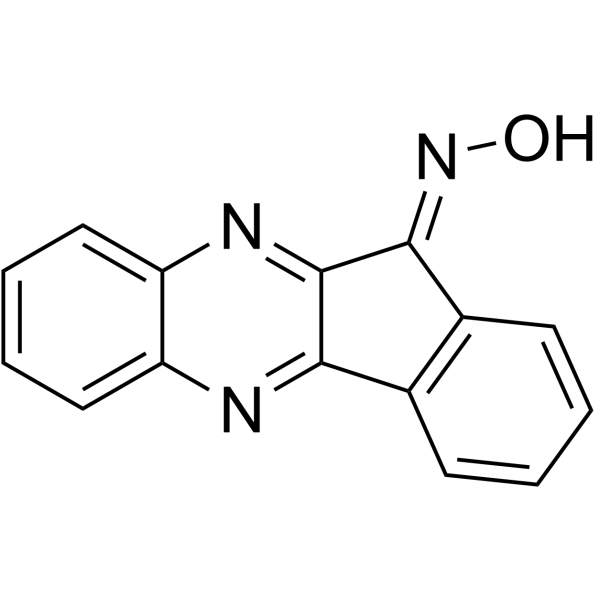
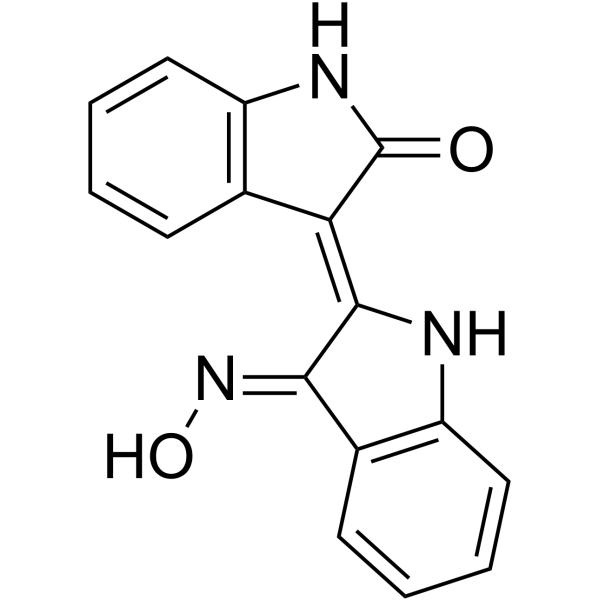
Indirubin-3′-oxime (IDR3O), a synthetic derivative of indirubin, is a potent inhibitor of cyclin-dependent kinases (CDKs) and glycogen synthase kinase 3β (GSK3β). Indirubin-3′-oxime directly inhibits the activity of all three isoforms of JNK (JNK1, JNK2, and JNK3), with IC50s of 0.8 μM, 1.4 μM, and 1.0 μM, respectively. Indirubin-3′-oxime can enhance height growth via activation of Wnt/β-catenin signaling in chondrocytes [3].
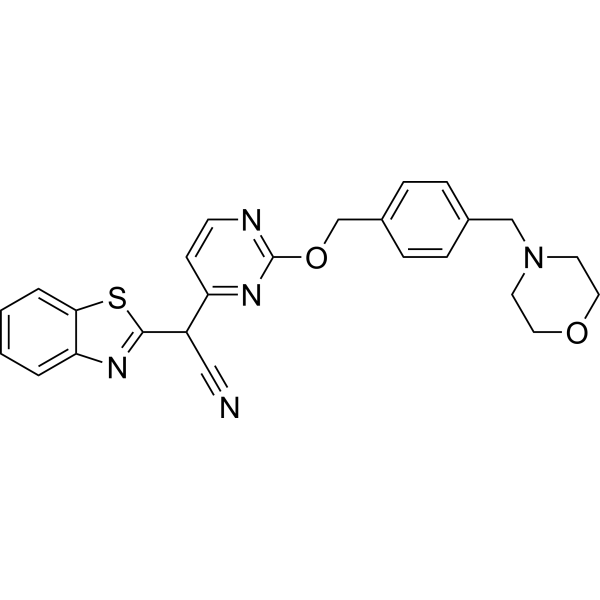
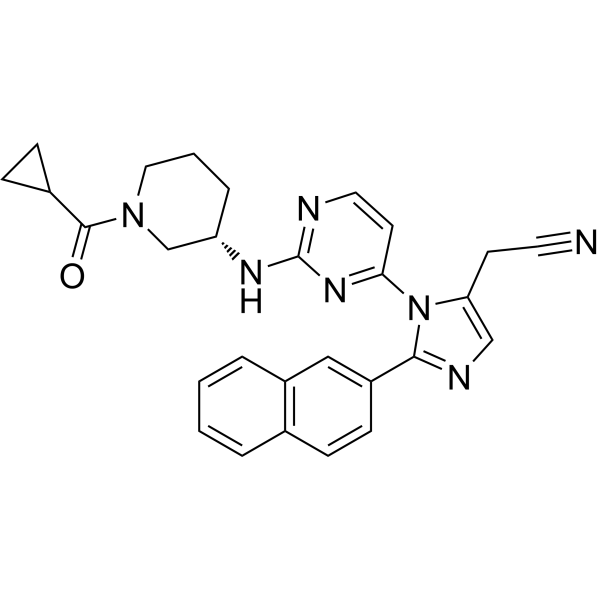
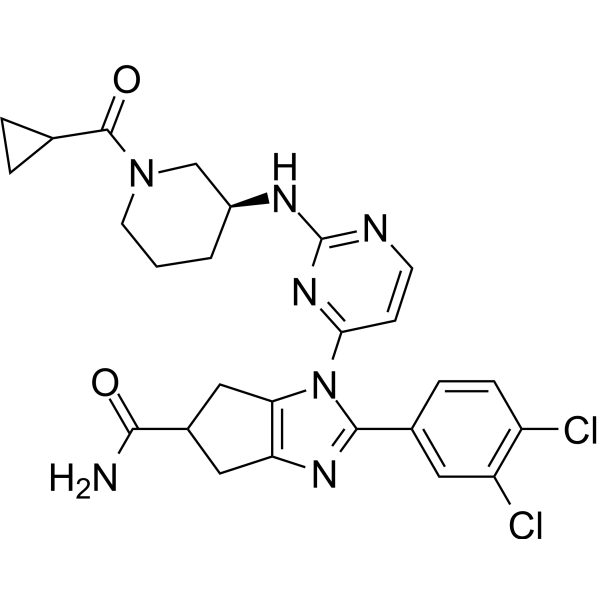
JNK3 inhibitor-4 is a potent and BBB-permeable inhibitor of JNK3 (IC50=1.0 nM) based on 2-aryl-1-pyrimidinyl-1H-imidazole-5-yl acetonitrile. JNK3 inhibitor-4 shows excellent selectivity over other protein kinases including isoforms JNK1 (IC50=143.9 nM) and JNK2 (IC50=298.2 nM) . JNK3 inhibitor-4 has neuroprotective effect and predicated blood-brain barrier permeability .
JNK-9L (Compound 9l) is a BBB-penetrable and ATP-competitive JNK inhibitor with IC50s of 0.099 and 0.148 μM for JNK1 and JNK3, respectively. JNK-9L significantly inhibits c-jun phosphorylation and Streptozotocin (HY-13753)-induced ROS generation with an IC50 of 0.8 nM. JNK-9L can be used for neurodegenerative disorders like Parkinson’s disease research .
JNK3 inhibitor-5 (Compound 22b) is a potent and selective JNK3 inhibitor with an IC50 of 0.379 nM. JNK3 inhibitor-5 effectively protects the neuronal cells against amyloid beta-induced apoptosis. JNK3 inhibitor-5 has a high cell permeability and is predicted as BBB permeable .
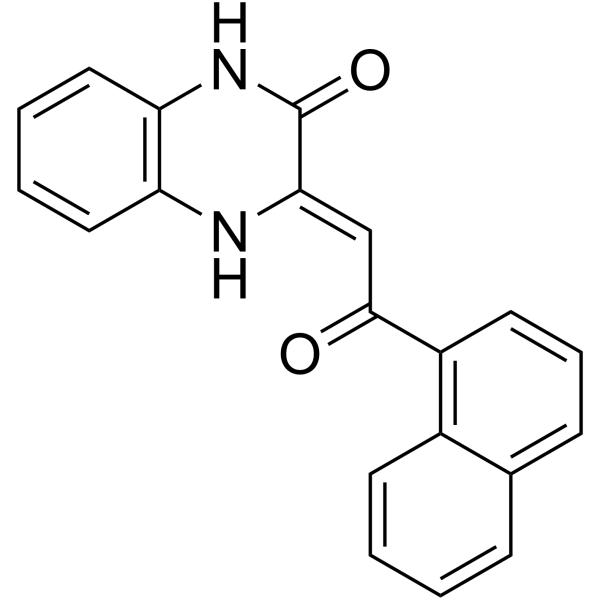
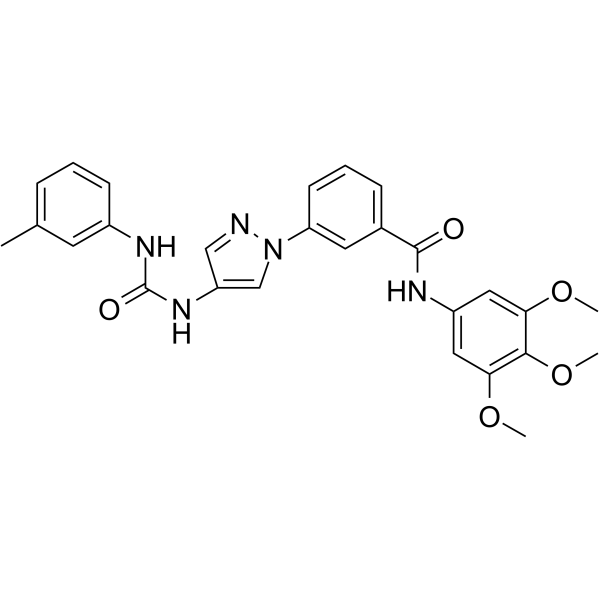
IQ-3 is a specific inhibitor of the c-Jun N-terminal kinase (JNK) family, with preference for JNK3. IQ-3 exhibits Kd values of 0.24 μM, 0.29 μM and 0.066 μM for JNK1, JNK2 and JNK3, respectively .
J30-8 is a potent and isoform-selective inhibitor of c-Jun N-terminal kinase 3(JNK3) with an IC50 of 40 nM, which 2500-fold isoform selectivity against JNK1α1 and JNK2α2. J30-8 exhibits neuroprotective activity in vitro and potential for the treatment of neurodegenerative diseases .
IQ-1S free acid is a prospective inhibitor of NF-κB/activating protein 1 (AP-1) activity with an IC50 of 2.3±0.41 μM. IQ-1S free acid has binding affinity (Kd values) in the nanomolar range for all three JNKs with Kds of 100 nM, 240 nM, and 360 nM for JNK3, JNK1, and JNK2, respectively.
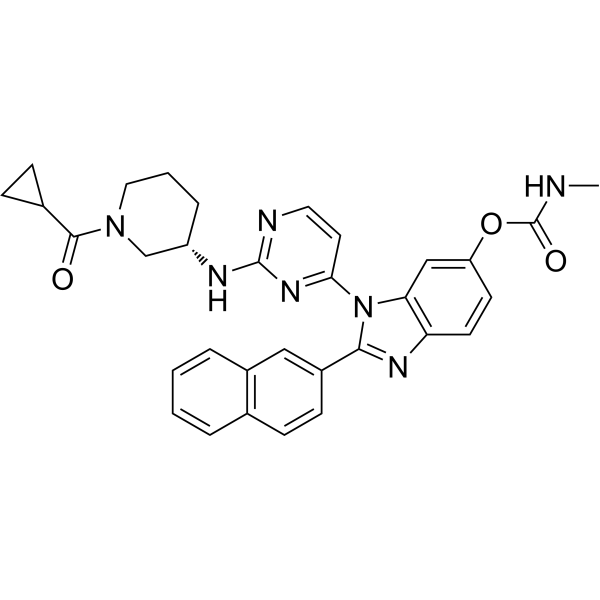
JNK3 inhibitor-7 is a potent, orally active and cross the blood-brain barrier JNK3 inhibitor with IC50 values of 53, 973, 1039 nM for JNK3, JNK2, JNK1, respectively. JNK3 inhibitor-7 shows significant neuroprotective effects. JNK3 inhibitor-7 has the potential for the research of Alzheimer’s disease (AD) .
JNK3 inhibitor-2 is a potent and selective JNK3 inhibitor with IC50 values of >100, >100, 0.25 µM for JNK1, JNK2, JNK3, respectively. JNK3 inhibitor-2 shows DDR1 and EGFR (T790M, L858R) inhibition .
JNK3 is a neuronal-specific isoform of JNK. JNK3 signaling pathway is a critical component in the pathogenesis of glutamate neurotoxicity. JNK3 Recombinant Human Active Protein Kinase is a recombinant JNK3 protein that can be used to study JNK3-related functions .
JNK-IN-11 (compound 1) is a potent JNK inhibitor with an IC50 value of 2.2, 21.4, 1.8 µM for JNK1, JNK2, JNK3, respectively. JNK-IN-11 has the potential for the research of alzheimer and parkinson disease .
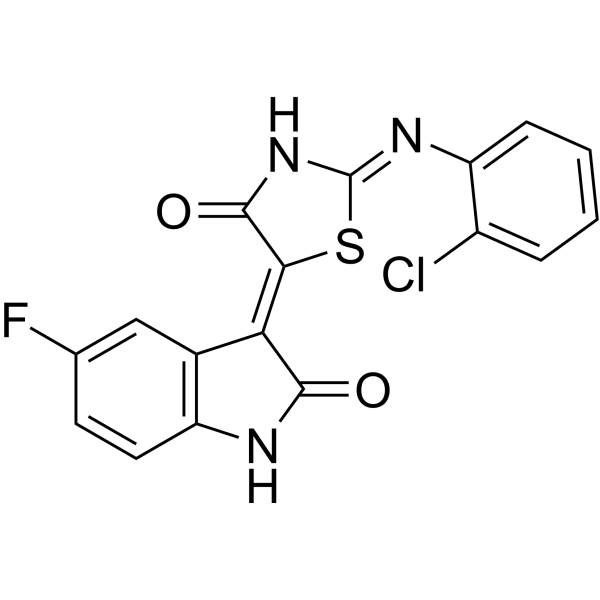
JNK3 inhibitor-6 (Compound A53) is a selective JNK3 Inhibitor (IC50=78 nM). JNK3 inhibitor-6 has neuroprotective effect, and can used for research of neurodegenerative diseases .
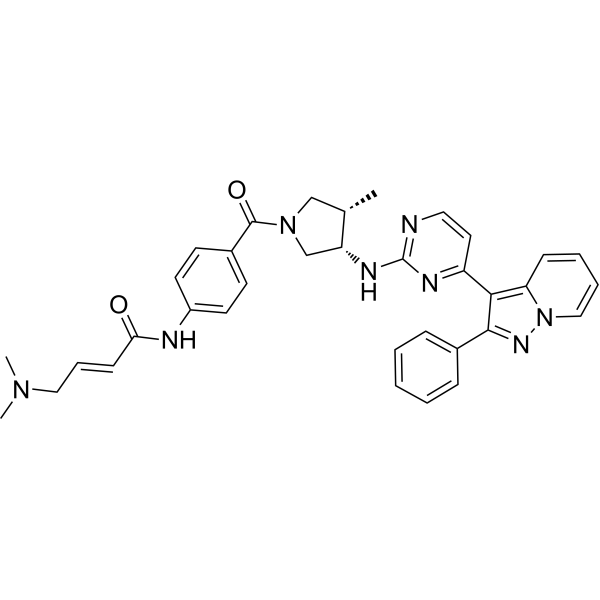
YL5084, a covalent JNK inhibitor, exhibits selectivity for JNK2 and JNK3 over JNK1 with IC50s of 70 nM, 84 nM and 2173 nM, respectively. YL5084 exhibits JNK2-independent antiproliferative effects and induces apoptosis in a JNK2-independent manner .
JNK3 inhibitor-8 is a potent, delective, orally active and cross the blood-brain barrier JNK3 inhibitor with IC50 values of 21, 2203, >10000 nM for JNK3, JNK2, JNK1, respectively. JNK3 inhibitor-8 shows significant neuroprotective effects. JNK3 inhibitor-8 has the potential for the research of Alzheimer’s disease (AD) .
JNK3inhibitor-3 (compound 15g) is a selective, BBB permeable and orally active c-Jun N-terminal kinase 3(JNK3) inhibitor. JNK3inhibitor-3 has inhibitory activities to JNK1, JNK2 and JNK3 with IC50 values of 147.8, 44.0 and 4.1 nM, respectively. JNK3inhibitor-3 significantly improves the memory in mouse dementia model. JNK3inhibitor-3 can be used for the research of Alzheimer’s disease .
JNK3 inhibitor-9 (Compound 24a) is a potent, selective and BBB-permeable JNK3 inhibitor with an IC50 value of 12 nM. JNK3 inhibitor-9 also potently inhibits GSK3α/β (IC50s: 14 and 35 nM, respectively) involved in Tau phosphorylation. JNK3 inhibitor-9 reduces c-Jun and APP phosphorylation. JNK3 inhibitor-9 protects neurons from Aβ1-42 toxicity .
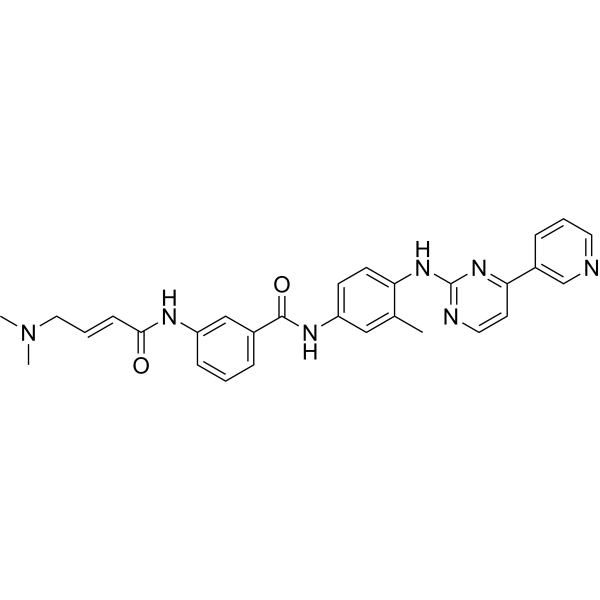
JNK-IN-8 (JNK Inhibitor XVI) (GMP) is JNK-IN-8 (HY-13319) produced by using GMP guidelines. GMP small molecules work appropriately as an auxiliary reagent for cell therapy manufacture. JNK-IN-8 is a potent JNK inhibitor with IC50s of 4.7 nM, 18.7 nM, and 1 nM for JNK1, JNK2, and JNK3, respectively .
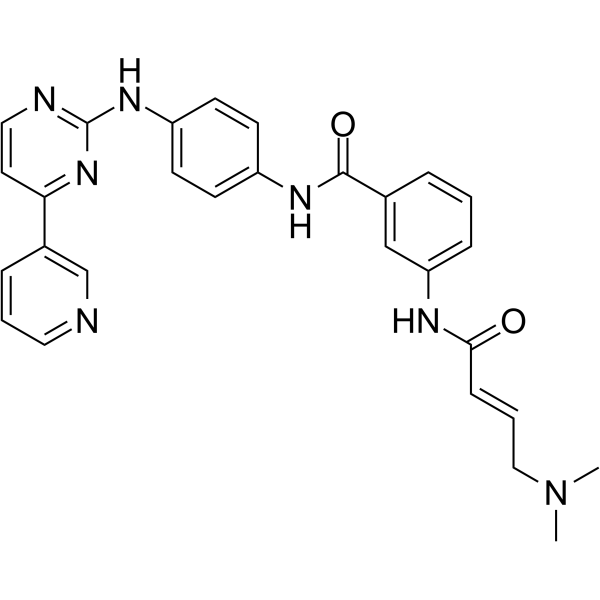
JNK-IN-25 is a potent and selective JNK1/2/3 inhibitor with IC50 values of 1.54 (JNK1), 1.99 (JNK2), and 0.75 nM (JNK3), respectively. JNK-IN-25 inhibits phosphorylation of c-Jun in cells via covalently bonding with the conserved cysteine of JNK1/2/3. JNK-IN-25 can be used for research of cancer, inflammatory and neurodegenerative diseases .
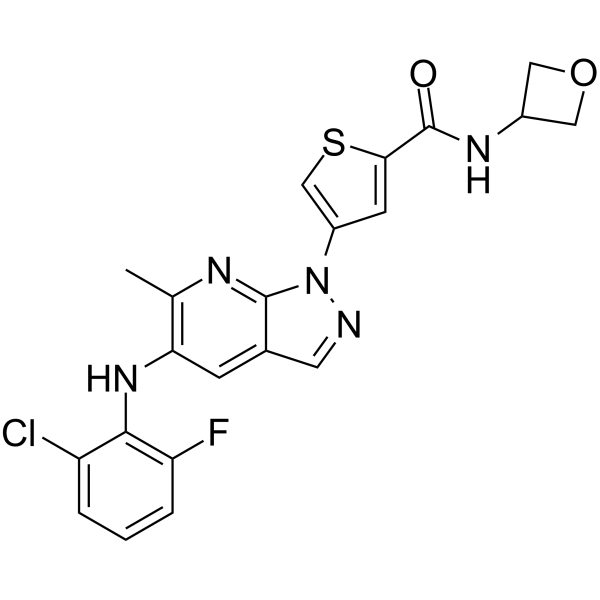
JNK3-IN-11 is a selective JNK3 inhibitor with an IC50 of 2.08 nM. JNK3-IN-11 binds to the JNK3 ATP-binding pocket, forming conserved hydrogen bonds with Met149 and a water-mediated hydrogen bond with Lys93. JNK3-IN-11 suppresses TGF-β1-induced c-Jun phosphorylation, reduces profibrotic markers COL1A1 and PAI-1, restores E-cadherin expression, and has protection against podocyte injure. JNK3-IN-11 can be used for the research of chronic kidney disease .
JNK3-IN-10 is a blood-brain barrier-impermeable JNK3 inhibitor (IC50=0.257 nM) with over 400-fold selectivity over JNK1. JNK3-IN-10 blocks the JNK3-mediated signaling pathway downstream of TGF-β1, inhibits TGF-β1-induced phosphorylation of c-Jun, reduces the expression of pro-fibrotic markers, and restores the expression of the epithelial protein E-cadherin. JNK3-IN-10 exhibits low cytotoxicity, anti-fibrotic, cytoprotective and renoprotective effects, and alleviates albuminuria, glomerulosclerosis and podocyte foot process fusion. JNK3-IN-10 can be used for the research of chronic kidney disease, glomerulosclerosis and adriamycin-induced nephropathy .
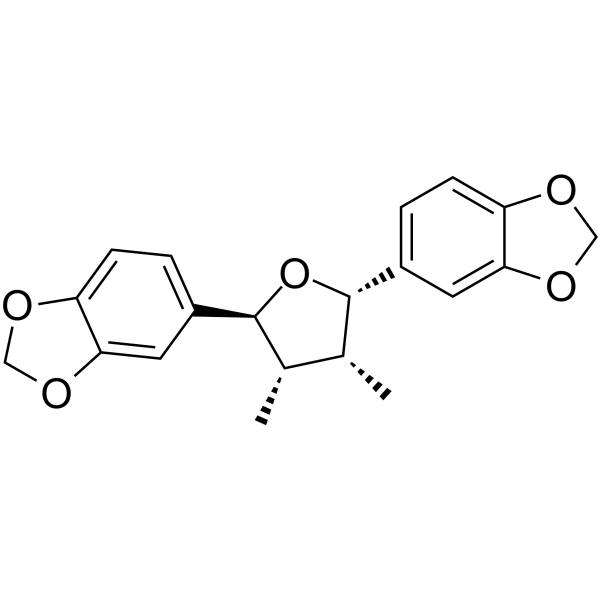
(-)-Zuonin A (D-Epigalbacin), a naturally occurring lignin, is a potent, selective JNKs inhibitor, with IC50s of 1.7 μM, 2.9 μM and 1.74 μM for JNK1, JNK2 and JNK3, respectively .
JNK3/Wnt/β-catenin modulator-1 is a brain-penetrant JNK3 inhibitor and Wnt/β-catenin activator. JNK3/Wnt/β-catenin modulator-1 decreases Aβ1-42 production and reduced ROS generation. JNK3/Wnt/β-catenin modulator-1 inhibits the activation of JNK and Puma, promotes Beclin-1 expression, reduces GSK-3β and BACE1 expressionand activates Wnt/β-catenin signaling. JNK3/Wnt/β-catenin modulator-1 improves cognitive and memory performance, attenuates histopathological brain damage, preserves structure of hippocampal pyramidal cells and cerebral cortical neurons. JNK3/Wnt/β-catenin modulator-1 can be used for the research of Alzheimer's disease .
ZG-10 (JNK-IN-2) is a JNK inhibitor, with IC50 values of 809 nM, 1140 nM and 709 nM for JNK1, JNK2, and JNK3, respectively. ZG-10 (JNK-IN-2) is a potential anti-SARS-CoV-2 agent .
IQ-1S is a prospective inhibitor of NF-κB/activating protein 1 (AP-1) activity with an IC50 of 1.8 μM. IQ-1 has binding affinity (Kd values) in the nanomolar range for all three JNKs with Kds of 87 nM, 360 nM, and 390 nM for JNK3, JNK2, and JNK1, respectively.
JNK-1-IN-2 (Compound c6) is a JNK-1 inhibitor (IC50: 33.5 nM). JNK-1-IN-2 also inhibits JNK-2 and JNK-3 with IC50s of 112.9 nM and 33.2 nM. JNK-1-IN-2 inhibits the phosphorylation of c-Jun. JNK-1-IN-2 reverses lung impairment. JNK-1-IN-2 can be used for research of pulmonary fibrosis .
SP600125 (Standard) is the analytical standard of SP600125. This product is intended for research and analytical applications. SP600125 is an orally active, reversible, and ATP-competitive JNK inhibitor with IC50s of 40, 40 and 90 nM for JNK1, JNK2 and JNK3, respectively. SP600125 is a potent ferroptosis inhibitor. SP600125 induces the transformation of bladder cancer cells from autophagy to apoptosis [3].
JNK-IN-14 is a potent JNK inhibitor with IC50 values of 1.81, 12.7 and 10.5 nM for JNK1, JNK2 and JNK3, respectively. JNK-IN-14 induces early-stage apoptosis. JNK-IN-14 shows cell population arrest at the G2/M phase and slightly inhibits beclin-1 production at K562 leukemia cells relative to SP600125 (HY-12041), showing higher inhibitory ability.
JNK-1-IN-4 (Compound E1) is an inhibitor for JNK, that inhibits JNK-1, JNK-2 and JNK-3 with IC50s of 2.7, 19.0 and 9.0 nM, respectively. JNK-1-IN-4 inhibits the phosphorylation of c-Jun, and reduces the expression of TGF-β1-induced EMT marker proteins, such as fibronectin and α-SMA. JNK-1-IN-4 exhibits good pharmacokinetic characteristics with a bioavailability of 69%. JNK-1-IN-4 exhibits anti-fibrotic effect in Bleomycin (HY-17565)-induced mice idiopathic pulmonary fibrosis models .
(3S)-Tanzisertib (hydrochloride) ((3S)-CC-930 (hydrochloride)) is an orally active JNK inhibitor (IC50 values for JNK1, JNK2, and JNK3 are 61, 7, and 6 nM, respectively). (3S)-Tanzisertib (hydrochloride) selectively inhibits ERK1, p38α, and EGFR (IC50 = 0.48, 3.4, and 0.38 μM, respectively). (3S)-Tanzisertib (hydrochloride) inhibits LPS-induced TNFα production in an acute rat PK-PD model. (3S)-Tanzisertib (hydrochloride) can be used in idiopathic pulmonary fibrosis (IPF) research .
Cyy-272 is an orally active JNK inhibitor with IC50 values of 1.25 μM for JNK1, 1.07 μM for JNK2, and 1.24 μM for JNK3. Cyy-272 exerts anti-inflammatory effects by inhibiting JNK phosphorylation, thereby alleviating acute lung injury (ALI) induced by lipopolysaccharide (LPS, HY-D1056). Additionally, Cyy-272 significantly reduces inflammation in cardiomyocytes and cardiac tissue induced by high lipid concentrations, further mitigating cardiac hypertrophy, fibrosis, and apoptosis. Cyy-272 can be used in the study of obese cardiomyopathy .
BRAFV600E/JNK-IN-1 (Compound 14c) is an inhibitor ofJNK1, JNK2, JNK3 and BRAFV600E, with IC50 values of 0.51 μM, 0.53 μM, 1.02 μM and 0.009 μM, respectively. BRAFV600E/JNK-IN-1 can inhibit the phosphorylation of MEK1/2 and ERK1/2. In addition, BRAFV600E/JNK-IN-1 can inhibit tumor cell proliferation, NO release and PGE2 production, and has anti-tumor and anti-inflammatory activities .
IQ-3 (Standard) is the analytical standard of IQ-3 (HY-107600). This product is intended for research and analytical applications. IQ-3 is a specific inhibitor of the c-Jun N-terminal Kinase (JNK) family, with preference for JNK3. IQ-3 exhibits Kd values of 0.24 μM, 0.29 μM and 0.066 μM for JNK1, JNK2 and JNK3, respectively .
Mapk10 Rat Pre-designed siRNA Set A contains three designed siRNAs for Mapk10 gene (Rat), as well as a negative control, a positive control, and a FAM-labeled negative control.
MAPK10 Human Pre-designed siRNA Set A contains three designed siRNAs for MAPK10 gene (Human), as well as a negative control, a positive control, and a FAM-labeled negative control.
Mapk10 Mouse Pre-designed siRNA Set A contains three designed siRNAs for Mapk10 gene (Mouse), as well as a negative control, a positive control, and a FAM-labeled negative control.
Necrostatin-21 (Compound Nec-21) is a necroptosis inhibitor with an EC50 of 0.5 μM. Necrostatin-21 has a dual inhibitory effect on the RIP1 and JNK3 kinases. Necrostatin-21 can be used for the researches of infection, cardiovascular and neurological disease, such as Alzheimer disease .
SP600125 (GMP) is SP600125 (HY-12041) produced by using GMP guidelines. GMP small molecules works appropriately as an auxiliary reagent for cell therapy manufacture. SP600125 is an orally active, reversible, and ATP-competitive JNK inhibitor with IC50s of 40, 40 and 90 nM for JNK1, JNK2 and JNK3, respectively. SP600125 is a potent ferroptosis inhibitor. SP600125 induces the transformation of bladder cancer cells from autophagy to apoptosis [3].
IQ-1S (free acid) (Standard) is the analytical standard of IQ-1S (free acid) (HY-100233). This product is intended for research and analytical applications. IQ-1S free acid is a prospective inhibitor of NF-κB/activating protein 1 (AP-1) activity with an IC50 of 2.3±0.41 μM. IQ-1S free acid has binding affinity (Kd values) in the nanomolar range for all three JNKs with Kds of 100 nM, 240 nM, and 360 nM for JNK3, JNK1, and JNK2, respectively.
JNK-IN-17 (Compound 9J) is a selective and potent JNK inhibitor with IC50 values of 0.039, 0.079 μM for JNK1 and JNK3. JNK-IN-17 can inhibit c-Jun phosphorylation with an IC50 of 0.082 μM in Streptozotocin (HY-13753)-infuced INS-1 pancreatic islet β cells. JNK-IN-17 shows inhibition rate ≤ 33% on the four main P450 subtypes (2C9, 2D6, 3A4, 1A2) in human liver microsomes, indicating a relatively low risk of drug interactions. JNK-IN-17 can be used for researches of neurological and metabolic disease, such as Parkinson's disease .
TA-02 (Standard) is the analytical standard of TA-02 (HY-100115). This product is intended for research and analytical applications. TA-02, an analog of SB 203580 (HY-10256), is a p38 MAPK inhibitor with an IC50 of 20 nM. TA-02 especially inhibits TGFBR-2. TA-02 exhibits similar cardiogenic properties as SB 203580 and SB 202190 (HY-10295) .
BPyO-34 is a selective inhibitor of apoptosis signal-regulating kinase 1 (ASK1), with an IC50 of 0.52 μM against human targets. BPyO-34 inhibits the activity of ASK1 in in vitro kinase assays. BPyO-34 can be used in research related to various diseases such as diabetes and cancer .
CBS-3408 is an orally active p38α MAPK inhibitor. CBS-3408 inhibits the release of TNFα and IL-1β. CBS-3408 reduces the disease severity of arthritis in mice. CBS-3408 inhibits TNFα release in a rat endotoxemia model. CBS-3408 can be used in studies related to endotoxemia and arthritis .
JNK-IN-8 (JNK Inhibitor XVI) (GMP) is JNK-IN-8 (HY-13319) produced by using GMP guidelines. GMP small molecules work appropriately as an auxiliary reagent for cell therapy manufacture. JNK-IN-8 is a potent JNK inhibitor with IC50s of 4.7 nM, 18.7 nM, and 1 nM for JNK1, JNK2, and JNK3, respectively .
SP600125 (GMP) is SP600125 (HY-12041) produced by using GMP guidelines. GMP small molecules works appropriately as an auxiliary reagent for cell therapy manufacture. SP600125 is an orally active, reversible, and ATP-competitive JNK inhibitor with IC50s of 40, 40 and 90 nM for JNK1, JNK2 and JNK3, respectively. SP600125 is a potent ferroptosis inhibitor. SP600125 induces the transformation of bladder cancer cells from autophagy to apoptosis [3].
JNK-IN-8 (JNK Inhibitor XVI) (GMP) is JNK-IN-8 (HY-13319) produced by using GMP guidelines. GMP small molecules work appropriately as an auxiliary reagent for cell therapy manufacture. JNK-IN-8 is a potent JNK inhibitor with IC50s of 4.7 nM, 18.7 nM, and 1 nM for JNK1, JNK2, and JNK3, respectively .
SP600125 (GMP) is SP600125 (HY-12041) produced by using GMP guidelines. GMP small molecules works appropriately as an auxiliary reagent for cell therapy manufacture. SP600125 is an orally active, reversible, and ATP-competitive JNK inhibitor with IC50s of 40, 40 and 90 nM for JNK1, JNK2 and JNK3, respectively. SP600125 is a potent ferroptosis inhibitor. SP600125 induces the transformation of bladder cancer cells from autophagy to apoptosis [3].
(-)-Zuonin A (D-Epigalbacin), a naturally occurring lignin, is a potent, selective JNKs inhibitor, with IC50s of 1.7 μM, 2.9 μM and 1.74 μM for JNK1, JNK2 and JNK3, respectively .
JNK3 is a critical serine/threonine protein kinase in neuronal processes, regulating proliferation, differentiation, migration, and apoptosis. Activation through MAP2K4/MKK4 and MAP2K7/MKK7 leads to phosphorylation of JNK3, which in turn phosphorylates AP-1 components such as JUN and ATF2, thereby regulating AP-1 transcriptional activity. JNK3 Protein, Human (His) is the recombinant human-derived JNK3 protein, expressed by E. coli , with N-6*His labeled tag.
JNK3 is a critical serine/threonine protein kinase in neuronal processes, regulating proliferation, differentiation, migration, and apoptosis. Activation through MAP2K4/MKK4 and MAP2K7/MKK7 leads to phosphorylation of JNK3, which in turn phosphorylates AP-1 components such as JUN and ATF2, thereby regulating AP-1 transcriptional activity. JNK3 Protein, Human is the recombinant human-derived JNK3 protein, expressed by E. coli , with tag free.
Mapk10 Rat Pre-designed siRNA Set A contains three designed siRNAs for Mapk10 gene (Rat), as well as a negative control, a positive control, and a FAM-labeled negative control.
MAPK10 Human Pre-designed siRNA Set A contains three designed siRNAs for MAPK10 gene (Human), as well as a negative control, a positive control, and a FAM-labeled negative control.
Mapk10 Mouse Pre-designed siRNA Set A contains three designed siRNAs for Mapk10 gene (Mouse), as well as a negative control, a positive control, and a FAM-labeled negative control.
JNK-IN-8 (JNK Inhibitor XVI) (GMP) is JNK-IN-8 (HY-13319) produced by using GMP guidelines. GMP small molecules work appropriately as an auxiliary reagent for cell therapy manufacture. JNK-IN-8 is a potent JNK inhibitor with IC50s of 4.7 nM, 18.7 nM, and 1 nM for JNK1, JNK2, and JNK3, respectively .
SP600125 (GMP) is SP600125 (HY-12041) produced by using GMP guidelines. GMP small molecules works appropriately as an auxiliary reagent for cell therapy manufacture. SP600125 is an orally active, reversible, and ATP-competitive JNK inhibitor with IC50s of 40, 40 and 90 nM for JNK1, JNK2 and JNK3, respectively. SP600125 is a potent ferroptosis inhibitor. SP600125 induces the transformation of bladder cancer cells from autophagy to apoptosis [3].
Inquiry Online
Your information is safe with us. * Required Fields.
Western blot analysis of extracts from THP-1(lane 2(20μg), Jurkat (lane 3(20μg) and NIH3T3(lane 4(20μg) using FOXO1A (HY-P80132) Rabbit mAb. Proteins were transferred
to a PVDF membrane and blocked with 5% non-fat milk in TBST for 2 hour at room temperature. The primary antibody (1/1000) and Loading control antibody (Beta Actin, HY-P80438, 1/10000) was
used in 5% non-fat milk in TBST at 4°C overnight. Goat Anti-Mouse/Rabbit IgG-HRP Secondary Antibody (1/10000) was used for 1 hour at room temperature.
Western blot analysis of extracts from THP-1(lane 2(20μg), Jurkat (lane 3(20μg) and NIH3T3(lane 4(20μg) using FOXO1A (HY-P80132) Rabbit mAb. Proteins were transferred
to a PVDF membrane and blocked with 5% non-fat milk in TBST for 2 hour at room temperature. The primary antibody (1/1000) and Loading control antibody (Beta Actin, HY-P80438, 1/10000) was
used in 5% non-fat milk in TBST at 4°C overnight. Goat Anti-Mouse/Rabbit IgG-HRP Secondary Antibody (1/10000) was used for 1 hour at room temperature.
Western blot analysis of extracts from THP-1(lane 2(20μg), Jurkat (lane 3(20μg) and NIH3T3(lane 4(20μg) using FOXO1A (HY-P80132) Rabbit mAb. Proteins were transferred
to a PVDF membrane and blocked with 5% non-fat milk in TBST for 2 hour at room temperature. The primary antibody (1/1000) and Loading control antibody (Beta Actin, HY-P80438, 1/10000) was
used in 5% non-fat milk in TBST at 4°C overnight. Goat Anti-Mouse/Rabbit IgG-HRP Secondary Antibody (1/10000) was used for 1 hour at room temperature.
Western blot analysis of extracts from THP-1(lane 2(20μg), Jurkat (lane 3(20μg) and NIH3T3(lane 4(20μg) using FOXO1A (HY-P80132) Rabbit mAb. Proteins were transferred
to a PVDF membrane and blocked with 5% non-fat milk in TBST for 2 hour at room temperature. The primary antibody (1/1000) and Loading control antibody (Beta Actin, HY-P80438, 1/10000) was
MedchemExpress Validation 03
Western blot analysis of extracts from THP-1(lane 2(20μg), Jurkat (lane 3(20μg) and NIH3T3(lane 4(20μg) using FOXO1A (HY-P80132) Rabbit mAb. Proteins were transferred
MedchemExpress Validation 04
Western blot analysis of extracts from THP-1(lane 2(20μg), Jurkat (lane 3(20μg) and NIH3T3(lane 4(20μg) using FOXO1A (HY-P80132) Rabbit mAb. Proteins were transferred
to a PVDF membrane and blocked with 5% non-fat milk in TBST for 2 hour at room temperature. The primary antibody (1/1000) and Loading control antibody (Beta Actin, HY-P80438, 1/10000) was
used in 5% non-fat milk in TBST at 4°C overnight. Goat Anti-Mouse/Rabbit IgG-HRP Secondary Antibody (1/10000) was used for 1 hour at room temperature.
MedchemExpress Validation
Western blot analysis of extracts from THP-1(lane 2(20μg), Jurkat (lane 3(20μg) and NIH3T3(lane 4(20μg) using FOXO1A (HY-P80132) Rabbit mAb. Proteins were transferred
to a PVDF membrane and blocked with 5% non-fat milk in TBST for 2 hour at room temperature. The primary antibody (1/1000) and Loading control antibody (Beta Actin, HY-P80438, 1/10000) was
used in 5% non-fat milk in TBST at 4°C overnight. Goat Anti-Mouse/Rabbit IgG-HRP Secondary Antibody (1/10000) was used for 1 hour at room temperature.
Western blot analysis of extracts from THP-1(lane 2(20μg), Jurkat (lane 3(20μg) and NIH3T3(lane 4(20μg) using FOXO1A (HY-P80132) Rabbit mAb. Proteins were transferred
to a PVDF membrane and blocked with 5% non-fat milk in TBST for 2 hour at room temperature. The primary antibody (1/1000) and Loading control antibody (Beta Actin, HY-P80438, 1/10000) was
used in 5% non-fat milk in TBST at 4°C overnight. Goat Anti-Mouse/Rabbit IgG-HRP Secondary Antibody (1/10000) was used for 1 hour at room temperature.
MedchemExpress Validation
Western blot analysis of extracts from THP-1(lane 2(20μg), Jurkat (lane 3(20μg) and NIH3T3(lane 4(20μg) using FOXO1A (HY-P80132) Rabbit mAb. Proteins were transferred
to a PVDF membrane and blocked with 5% non-fat milk in TBST for 2 hour at room temperature. The primary antibody (1/1000) and Loading control antibody (Beta Actin, HY-P80438, 1/10000) was
used in 5% non-fat milk in TBST at 4°C overnight. Goat Anti-Mouse/Rabbit IgG-HRP Secondary Antibody (1/10000) was used for 1 hour at room temperature.
MedchemExpress Validation
Western blot analysis of extracts from THP-1(lane 2(20μg), Jurkat (lane 3(20μg) and NIH3T3(lane 4(20μg) using FOXO1A (HY-P80132) Rabbit mAb. Proteins were transferred
to a PVDF membrane and blocked with 5% non-fat milk in TBST for 2 hour at room temperature. The primary antibody (1/1000) and Loading control antibody (Beta Actin, HY-P80438, 1/10000) was
used in 5% non-fat milk in TBST at 4°C overnight. Goat Anti-Mouse/Rabbit IgG-HRP Secondary Antibody (1/10000) was used for 1 hour at room temperature.
MedchemExpress Validation
Western blot analysis of extracts from THP-1(lane 2(20μg), Jurkat (lane 3(20μg) and NIH3T3(lane 4(20μg) using FOXO1A (HY-P80132) Rabbit mAb. Proteins were transferred
to a PVDF membrane and blocked with 5% non-fat milk in TBST for 2 hour at room temperature. The primary antibody (1/1000) and Loading control antibody (Beta Actin, HY-P80438, 1/10000) was
used in 5% non-fat milk in TBST at 4°C overnight. Goat Anti-Mouse/Rabbit IgG-HRP Secondary Antibody (1/10000) was used for 1 hour at room temperature.
MedchemExpress Validation
Western blot analysis of extracts from THP-1(lane 2(20μg), Jurkat (lane 3(20μg) and NIH3T3(lane 4(20μg) using FOXO1A (HY-P80132) Rabbit mAb. Proteins were transferred
to a PVDF membrane and blocked with 5% non-fat milk in TBST for 2 hour at room temperature. The primary antibody (1/1000) and Loading control antibody (Beta Actin, HY-P80438, 1/10000) was
used in 5% non-fat milk in TBST at 4°C overnight. Goat Anti-Mouse/Rabbit IgG-HRP Secondary Antibody (1/10000) was used for 1 hour at room temperature.
MedchemExpress Validation
Western blot analysis of extracts from THP-1(lane 2(20μg), Jurkat (lane 3(20μg) and NIH3T3(lane 4(20μg) using FOXO1A (HY-P80132) Rabbit mAb. Proteins were transferred
to a PVDF membrane and blocked with 5% non-fat milk in TBST for 2 hour at room temperature. The primary antibody (1/1000) and Loading control antibody (Beta Actin, HY-P80438, 1/10000) was
used in 5% non-fat milk in TBST at 4°C overnight. Goat Anti-Mouse/Rabbit IgG-HRP Secondary Antibody (1/10000) was used for 1 hour at room temperature.
MedchemExpress Validation
Western blot analysis of extracts from THP-1(lane 2(20μg), Jurkat (lane 3(20μg) and NIH3T3(lane 4(20μg) using FOXO1A (HY-P80132) Rabbit mAb. Proteins were transferred
to a PVDF membrane and blocked with 5% non-fat milk in TBST for 2 hour at room temperature. The primary antibody (1/1000) and Loading control antibody (Beta Actin, HY-P80438, 1/10000) was
used in 5% non-fat milk in TBST at 4°C overnight. Goat Anti-Mouse/Rabbit IgG-HRP Secondary Antibody (1/10000) was used for 1 hour at room temperature.
MedChemExpress values your privacy and your trust is important to us. We use cookies to enhance your website experience. Some cookies are necessary to run the website.
Privacy and Cookie Policy

